MEAMA Georgian Kitchen
On Second Avenue in the East Village, MEAMA Georgian Kitchen brings the cooking traditions of the South Caucasus to a New York City neighborhood already dense with international dining. Georgian cuisine, built on walnut sauces, tkemali, spiced meats, and the country's ancient winemaking culture, occupies a rare lane in the city's restaurant ecosystem, sitting well outside the high-volume Eastern European dining formats that once defined the area.
Pearl is the En Primeur Club membership app — saves, bookings, and concierge access live there. Same editors, same standards.
- Address
- 78 2nd Ave, New York, NY 10003
- Phone
- +13322688384
- Website
- meamanyc.com
- Directions
- Get directions
 Saves & bookings on Pearl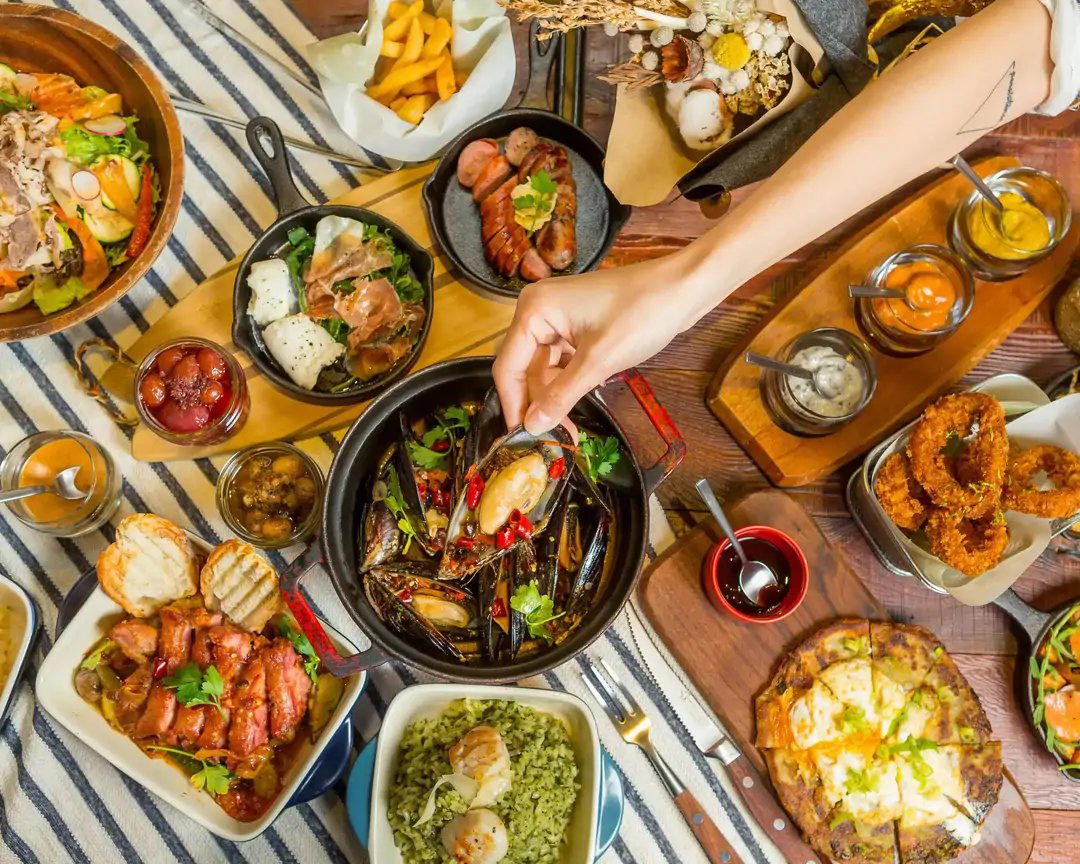
Georgian Cooking in New York City: A Cuisine That Earns Its Own Category
Georgian food does not fit neatly into the taxonomies that New York diners typically use to organize their choices. It is neither the Eurasian fusion that proliferates in Midtown nor the austere tasting-menu formats driving critical attention at counters like Atomix or Jungsik New York. Instead, it belongs to a different lineage entirely: a cooking tradition shaped by the Silk Road, by Persian and Ottoman intersections, by a winemaking culture that predates most of Europe's by several millennia. MEAMA Georgian Kitchen, at 78 Second Avenue in the East Village, occupies a stretch of that avenue where the dining character has shifted considerably over the past two decades, from old-school Eastern European institutions to a more varied international mix. It is one of the few places in the city where the Georgian table is the primary subject. Its address is 78 2nd Ave, New York, NY 10003.
The Sensory Architecture of a Georgian Kitchen
The organizing logic of Georgian cooking is aromatic in a way that distinguishes it sharply from its geographic neighbors. Walnut paste appears in a wide range of dishes, ground, spiced with fenugreek, coriander, and chili, then folded into vegetables or pressed into molds. The smell of churchkhela, strings of nuts dipped in grape must, carries a dense sweetness that anchors any room where Georgian food is being prepared. The sound of a Georgian kitchen at work tends toward the immediate and domestic: the hiss of oil meeting a pan, the rhythm of dough stretched for khachapuri. There is no elaborate tableside theater, no modernist technique requiring explanation. The experience is close, warm, and grounded in a set of flavors that feel both foreign and ancient to most American palates.
Khachapuri, the cheese-filled bread that has become one recognized Georgian export dish in the United States, appears in regional variations across the country. The Adjaran version, open-faced and boat-shaped with an egg cracked into the molten cheese center, has entered New York food coverage often enough that it now serves as a shorthand for the cuisine. But it represents only a small corner of what Georgian cooking actually encompasses: slow-braised meats like chakapuli cooked with tarragon and sour plum, cold appetizers built around nut-thickened sauces, the fermented dairy tang of matsoni used in both savory and sweet preparations. For New York diners who have spent years in the French seafood rooms of Le Bernardin or the formal progression of Per Se, the Georgian table offers an entirely different register.
Where MEAMA Sits in the East Village's Dining Character
The East Village has a long history of absorbing cuisines that the rest of Manhattan was slower to take seriously. Second Avenue specifically carries traces of the neighborhood's Eastern European past, the old Yiddish theater corridor, the Ukrainian and Polish institutions that held on for decades before rents and demographics shifted. What has replaced them is a mixed international dining scene without a single dominant identity. Georgian cooking, with its shared roots in the Caucasus and its cultural proximity to the post-Soviet diaspora communities that have long lived in this part of the city, has a more organic logic here than it would in, say, Midtown or the Upper East Side.
That context matters for understanding how MEAMA functions in the neighborhood. It is not operating in the same competitive set as the high-end Korean progressives or the Japanese counter formats that draw the city's critical attention, the kind of scrutiny that lands venues in national comparisons alongside Masa or earns the regional prestige that establishments like Blue Hill at Stone Barns or The French Laundry have accumulated over years. It is functioning in the category of neighborhood-anchored ethnic restaurants that serve a cuisine still underrepresented in the American dining mainstream. That is a different kind of value, and worth recognizing on its own terms.
Georgian Wine: The Other Reason to Pay Attention
Any serious engagement with Georgian cuisine runs directly into the country's winemaking tradition, which is among the oldest continuously practiced in the world. The qvevri method, fermenting and aging wine in large clay vessels buried in the ground, produces amber and skin-contact wines that share surface characteristics with the natural wine movement that has driven so much of New York's wine bar culture, but predate it by thousands of years. Georgian Rkatsiteli and Mtsvane grapes, handled through extended skin contact in qvevri, arrive at a tannin structure and oxidative quality that has no real Western European equivalent. For diners whose wine reference points run through the Burgundy-trained sommeliers of Addison or the focused wine programs at places like Single Thread Farm, Georgian wine represents genuinely different sensory territory.
The pairing logic also differs. Georgian amber wines cut through walnut-heavy sauces in a way that most European whites do not, and the country's red varieties, Saperavi in particular, with its deep color and firm acidity, sit alongside spiced lamb and slow-braised beef without requiring the fruit-forward softness that American palates trained on Napa Cabernet tend to expect. For those arriving at MEAMA with wine curiosity already formed by Georgian cooking in other cities, the experience of matching the food with its native pours has a completeness to it that goes beyond novelty.
Planning Your Visit
MEAMA Georgian Kitchen is at 78 Second Avenue in the East Village, Manhattan, accessible by subway at Astor Place or Second Avenue stations. The address places it within easy reach of the wider East Village dining circuit. For those building a broader New York trip, our full New York City restaurants guide covers the city's dining terrain across price tiers and cuisines. The neighborhood itself rewards early evening arrival, when Second Avenue moves at a pace that lets you settle in without the late-night energy that comes later in the week.
The value being offered here is access to a living cooking tradition. Those are two legitimate but distinct propositions, and the East Village is an appropriate setting for the former.
Pricing, Compared
Comparable venues nearby, for context on price, style, and recognition.
| Venue | Cuisine | Price | Notes |
|---|---|---|---|
| MEAMA Georgian KitchenThis venue — the venue you are viewing | East Village, Modern Georgian Kitchen | $$$ | Not listed |
| George McNally Restaurant | Tribeca, other | $$$ | Not listed |
| Chococo Café (Upper East Side location) | Not listed | $$ | Upper East Side, Artisan Chocolate Café & British Chocolatier |
| Oda House | Not listed | $$ | Upper East Side-Lenox Hill-Roosevelt Island, Authentic Georgian |
| Village Café | Not listed | $$ | Gravesend (East)-Homecrest, Authentic Azerbaijani |
| Steven Schnipper, MD, PC | Not listed | Not listed | Murray Hill-Kips Bay, Medical Consultation |
Continue exploring
More in New York City
Restaurants in New York City
Browse all →
Bars in New York City
Browse all →
Hotels in New York City
Browse all →




At a Glance
- Cozy
- Modern
- Intimate
- Date Night
- Group Dining
- Special Occasion
- Casual Hangout
- Open Kitchen
- Extensive Wine List
- Craft Cocktails
Current opening hours
- Monday
- 4–11 PM
- Tuesday
- 4–11 PM
- Wednesday
- 4–11 PM
- Thursday
- 4–11 PM
- Friday
- 4–11 PM
- Saturday
- 12–11 PM
- Sunday
- 12–11 PM
Hours can change for holidays and private events. Last verified .
Cozy, warm, and inviting atmosphere with modern design that feels welcoming for date nights, group dinners, or casual gatherings.