Rumeli Meze & Grill brings the tradition of Balkan and Turkish meze culture to Munich's Landsberger Strasse corridor, a western district better known for everyday commerce than destination dining. The format follows a progression of shared cold and hot dishes before grilled mains, a structure that rewards unhurried tables and encourages multiple visits to work through the menu's range.
Pearl is the En Primeur Club membership app — saves, bookings, and concierge access live there. Same editors, same standards.
- Address
- Landsberger Str. 191, 80687 München, Germany
- Phone
- +498989058033
- Website
- rumeli-restaurant.de
- Directions
- Get directions
 Saves & bookings on Pearl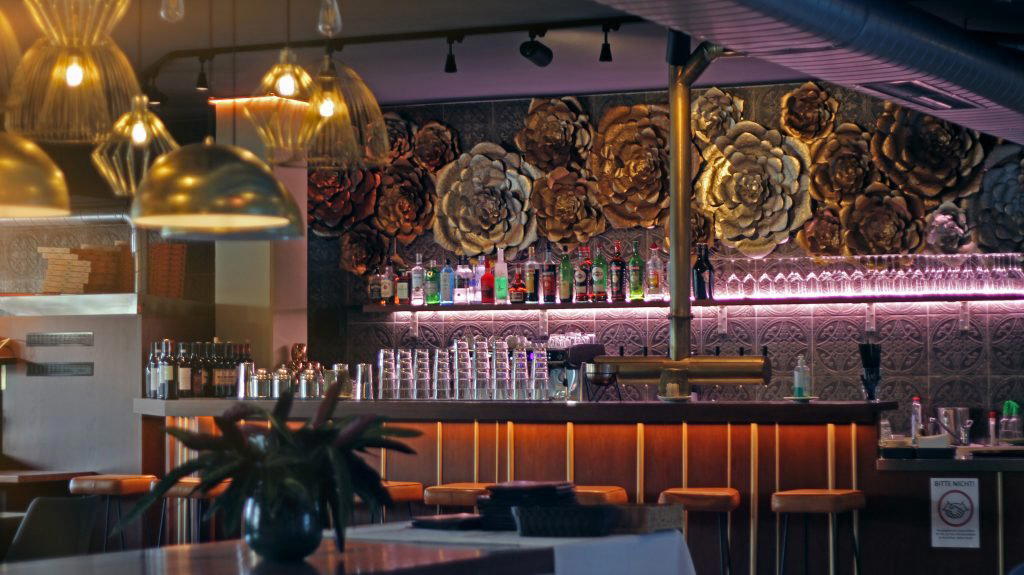
Where Balkan Table Culture Meets Munich's West Side
Landsberger Strasse runs west from the city centre through a stretch of Munich that guidebooks rarely linger on: a working mix of car dealerships, residential blocks, and neighbourhood restaurants that serve local regulars rather than hotel concierge traffic. Rumeli Meze & Grill is a casual Turkish Meze & Grill restaurant in Munich, Germany,075 reviews. It is in this context that Rumeli Meze & Grill operates, and the setting matters. The western districts of Munich have historically absorbed significant Turkish and Balkan immigrant communities, and the restaurant culture that grew alongside those communities carries a different logic than the fine-dining corridors around Maximiliansplatz or the Michelin-dense hotel dining rooms of the city centre. Where places like Atelier (Creative French) or JAN (Creative) operate inside a European fine-dining framework of long tasting menus and formal service, Rumeli belongs to a parallel tradition: the meze table, where the meal is a collective, cumulative act rather than a chef-directed sequence.
The Logic of the Meze Progression
The word “meze” carries different meanings depending on where you encounter it. In Lebanese and Levantine contexts, it tends toward the lighter and more herb-forward. In Turkish and Balkan formats, the cold meze course often arrives with more body: fermented dairy preparations, preserved vegetables, spreads built on roasted peppers or aubergine, and dishes that hold their own against the bread and raki or wine they accompany. Rumeli sits within this heavier, more land-facing tradition. The name itself signals the geography: Rumelia was the Ottoman designation for the Balkan territories of southeastern Europe, and the cuisine that developed across that region shares a pantry and a philosophy across what are now several distinct national cuisines.
That geography shapes how a meal here should unfold. The structure is not arbitrary. Cold mezes function as the palate-setting first movement: acidic, creamy, bitter, and briny notes arriving together on the table for the diner to sequence personally. This is a fundamentally different experience from the orchestrated tasting progression at, say, Tohru in der Schreiberei (Modern German - Japanese), where each course arrives as a single statement with defined timing. The meze format gives autonomy to the table, and that autonomy is the point. Ordering too few cold dishes too quickly shortchanges the early part of the meal; the ideal approach is to treat the cold meze course as a sustained first act, working through the table's selection slowly before the kitchen shifts into hot preparations and grilled protein.
From Cold to Fire: How the Meal Builds
Hot mezes occupy the transitional register between the opening cold plates and the grilled mains. Across Turkish and Balkan restaurants operating at this tier in European cities, that middle course typically includes preparations involving börek-style pastry, pan-fried liver, spiced mince, or stuffed vegetables. They arrive warmer, more assertive, and begin to shift the table's attention toward the grill section of the menu. This progression has a logic that becomes clearer over multiple visits: the cold dishes prime appetite, the hot dishes build it, and the grilled mains close the meal with concentrated, direct flavour.
Munich's broader Turkish and Balkan dining scene remains less developed than what you find in Berlin, where a significantly larger Turkish-origin community has produced a wider range of formats at every price point. In Munich, the category is thinner, which means restaurants like Rumeli occupy a more isolated position relative to their cuisine tradition than they might in the German capital. For context on how the wider German restaurant scene calibrates quality in other directions, the Aqua in Wolfsburg and Schwarzwaldstube in Baiersbronn represent what the country's fine-dining infrastructure can achieve in classical European terms, while CODA Dessert Dining in Berlin illustrates how a format built around a single course can claim serious critical standing. Rumeli operates in a completely different register from all of these, but the contrast is instructive: Munich's restaurant hierarchy is heavily weighted toward European fine dining, which creates space for neighbourhood specialists in undercovered cuisines to build loyal, return-visit audiences.
Where Rumeli Sits in Munich's Restaurant Context
Munich's Michelin-tracked restaurants are concentrated in the centre and the old-money districts: Tantris (Modern French, French Contemporary) in Schwabing, Alois - Dallmayr Fine Dining (Creative) near Odeonsplatz, and the hotel dining rooms of the inner city. The western Landsberger Strasse corridor does not appear in that map. Rumeli's address places it firmly in neighbourhood dining territory, where the competitive reference points are local regulars and the immigrant-community restaurants of the district rather than guide-tracked peers. That positioning is neither a limitation nor an advantage in itself; it simply defines the register. A table here is not competing with the four-hour tasting experiences available elsewhere in the city. It is offering something structurally different: a shared format, a communal pacing, and a cuisine that rewards those willing to approach it on its own terms.
For visitors already working through Munich's more formal dining options, the contrast in format and neighbourhood is worth experiencing. For those curious how the meze tradition compares to other multi-course formats operating in European cities, the sequenced Korean progression at Atomix in New York City offers an interesting parallel in terms of how a culture's sharing and sequencing customs translate into a premium dining context.
Planning Your Visit
Rumeli Meze & Grill is located at Landsberger Str. 191, 80687 München, reachable by U-Bahn on the U4/U5 corridor west of the city centre. Reservations: Contact the restaurant directly; no online booking infrastructure is confirmed at time of writing. Dress: Neighbourhood casual is appropriate for the setting and format. Budget: Meze-format restaurants at this tier in Munich typically price at a mid-range level relative to the city's dining spectrum; plan for a generous table of cold and hot dishes before grilled mains and account for drinks accordingly. Timing: The format rewards unhurried evenings; avoid booking if the table has a hard departure time, as the progressive meze structure does not compress well. Group size: The shared table format is better suited to three or more diners, as the cold meze selection benefits from breadth that a two-person table limits.
A Pricing-First Comparison
Comparable venues nearby, for context on price, style, and recognition.
| Venue | Cuisine | Price | Notes |
|---|---|---|---|
| Rumeli Meze & GrillThis venue — the venue you are viewing | Neuhausen, Turkish Meze & Grill | $$ | Not listed |
| Bosporus | Au, Turkish Döner Kebab | $$ | Not listed |
| Taverna Diyar | Haidhausen, Kurdish-Turkish | $$ | Not listed |
| Restaurant Keko | Au, Authentic Turkish & Mediterranean | $$ | Not listed |
| Lezizel Manti | Not listed | $$ | Isarvorstadt, Traditional Turkish Manti Dumplings |
| Restaurant Harem | Untermenzing, Authentic Turkish Barbecue | $$ | Not listed |
At a Glance
- Cozy
- Modern
- Group Dining
- Family
- Casual Hangout
- Courtyard
Current opening hours
- Monday
- 11:30 AM–3 PM, 5 PM–12 AM
- Tuesday
- 11:30 AM–3 PM, 5 PM–12 AM
- Wednesday
- 11:30 AM–3 PM, 5 PM–12 AM
- Thursday
- 11:30 AM–3 PM, 5 PM–12 AM
- Friday
- 11:30 AM–3 PM, 5 PM–12 AM
- Saturday
- 5 PM–12 AM
- Sunday
- 5 PM–12 AM
Hours can change for holidays and private events. Last verified .
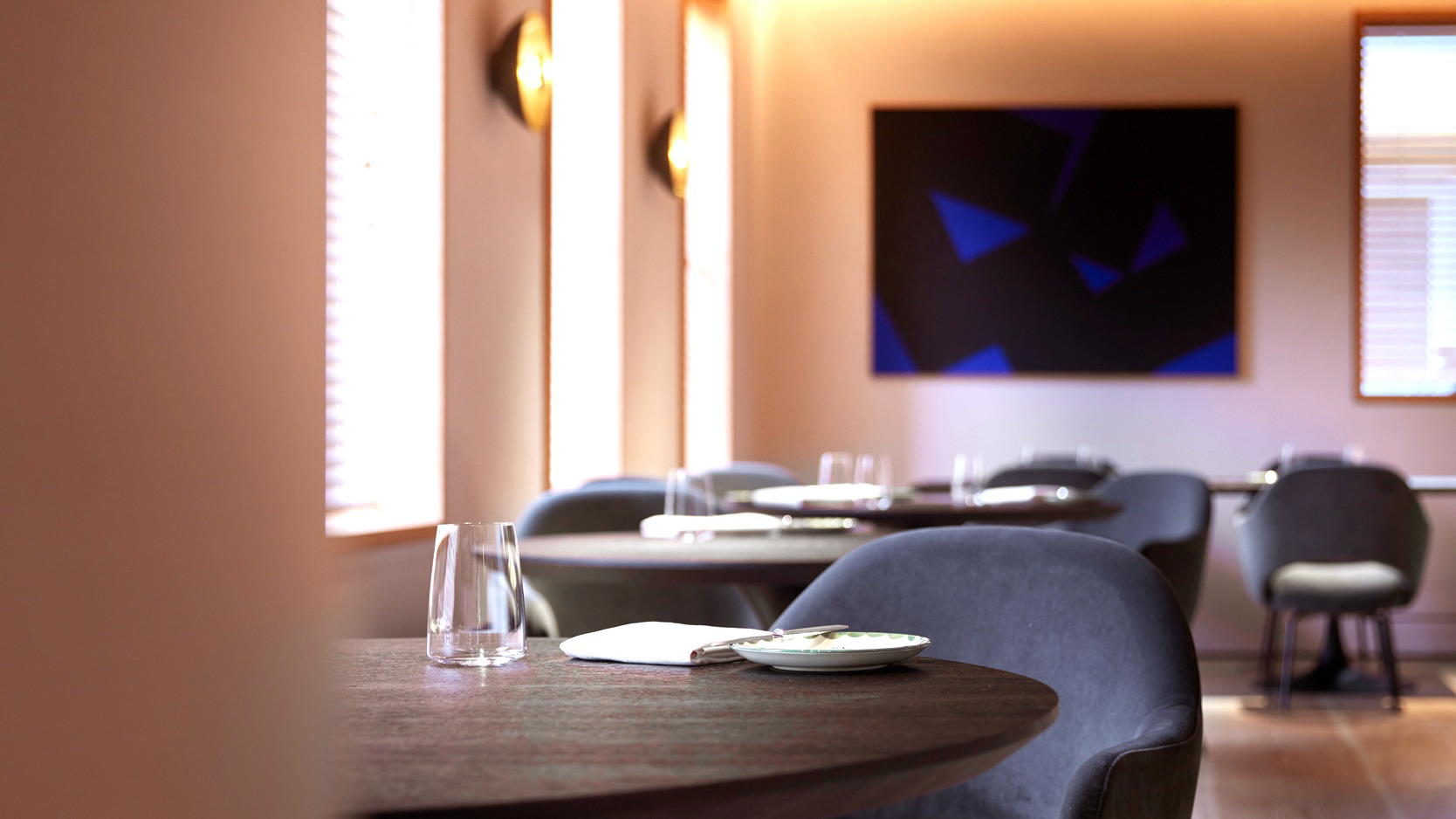
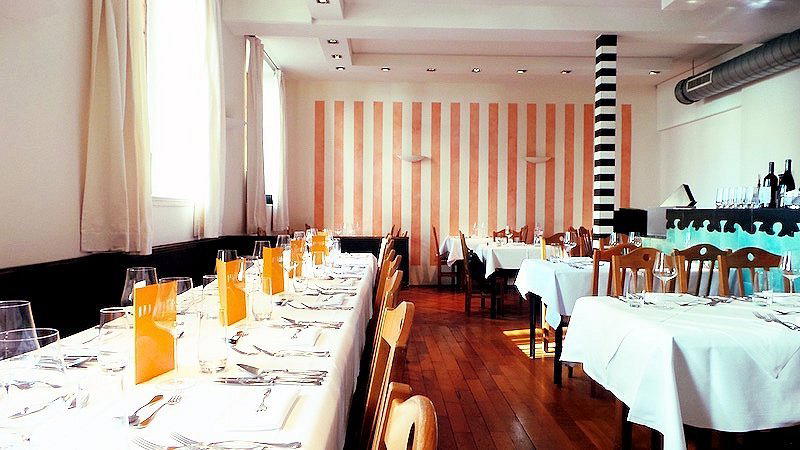
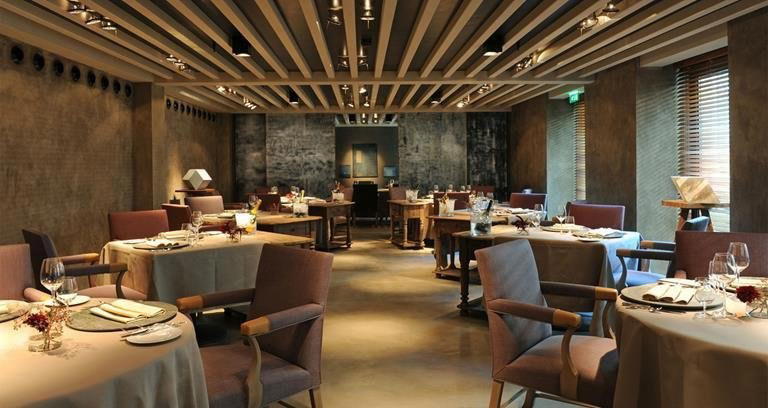
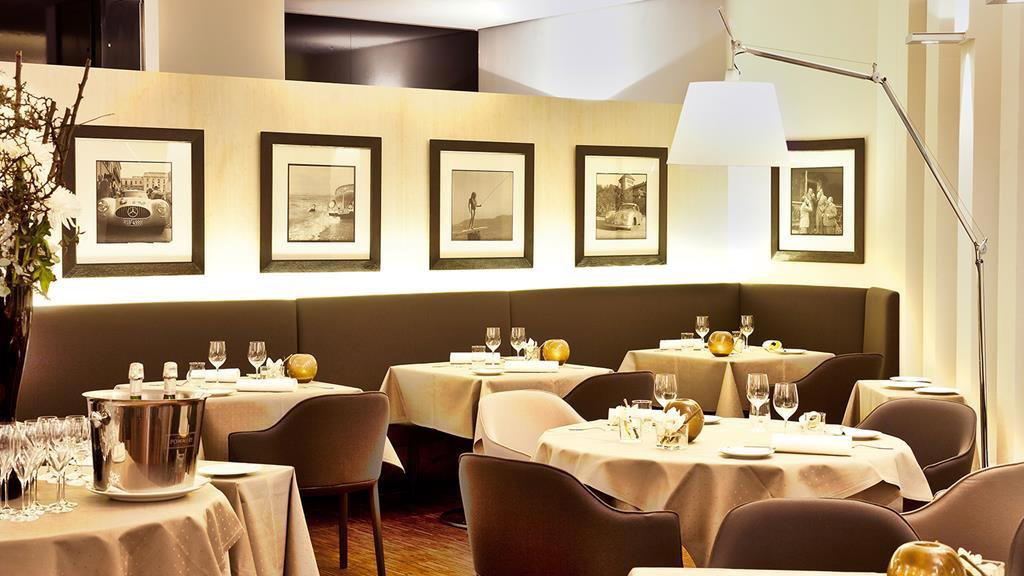
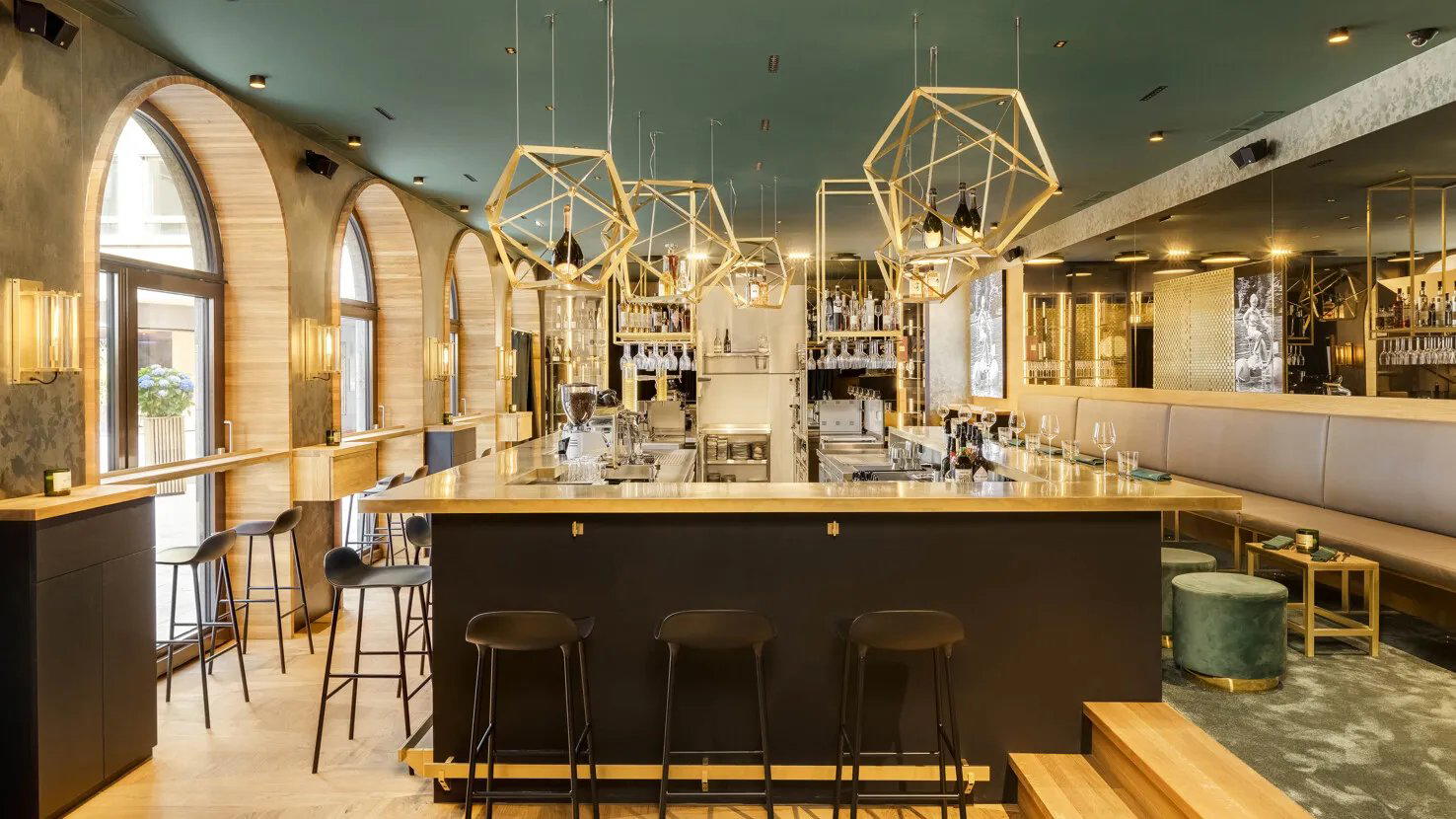
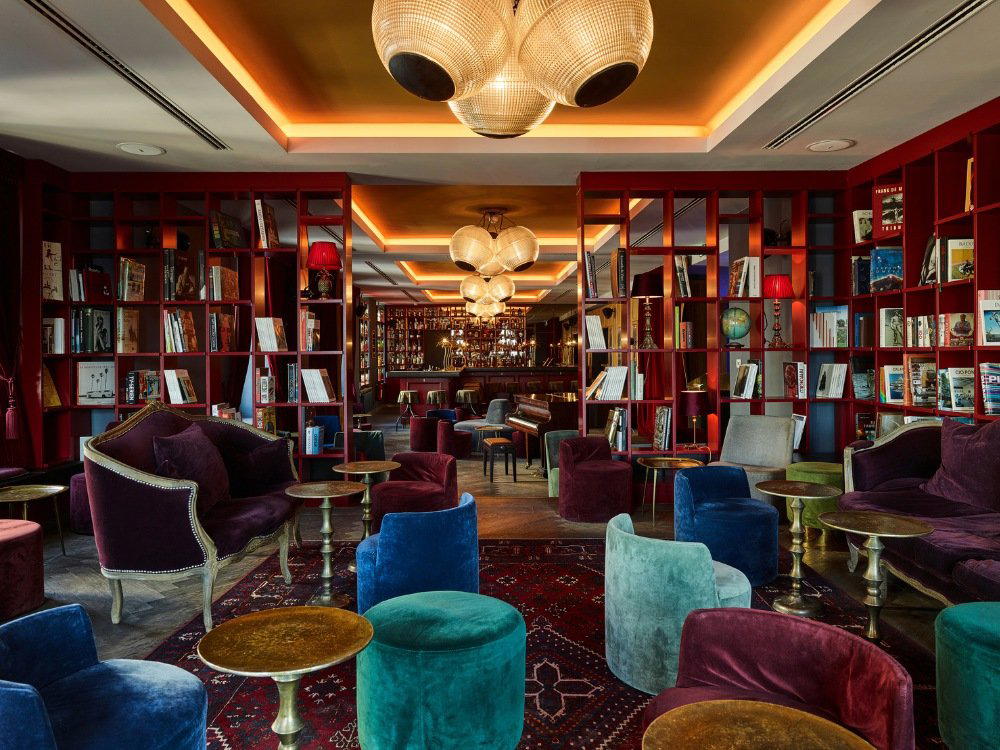
Cozy and pleasant courtyard atmosphere with friendly service and comfortable seating.