Rulin
Rulin brings pan-Chinese cooking and hand-pulled noodles to New York City at a moment when the city's Chinese dining scene is moving decisively beyond regional stereotypes. The kitchen works in a high-heat tradition that rewards technique over ceremony, placing it in a different register from the tasting-menu tier dominated by venues like Atomix or Masa. For noodle craft and wok discipline, it occupies a distinct position in Manhattan's broader Asian dining conversation.
 Discover on Pearl
Pearl is the En Primeur Club membership app — saves, bookings, and concierge access live there. Same editors, same standards.
High Heat, Long Tradition: Where Rulin Sits in New York's Chinese Dining Scene
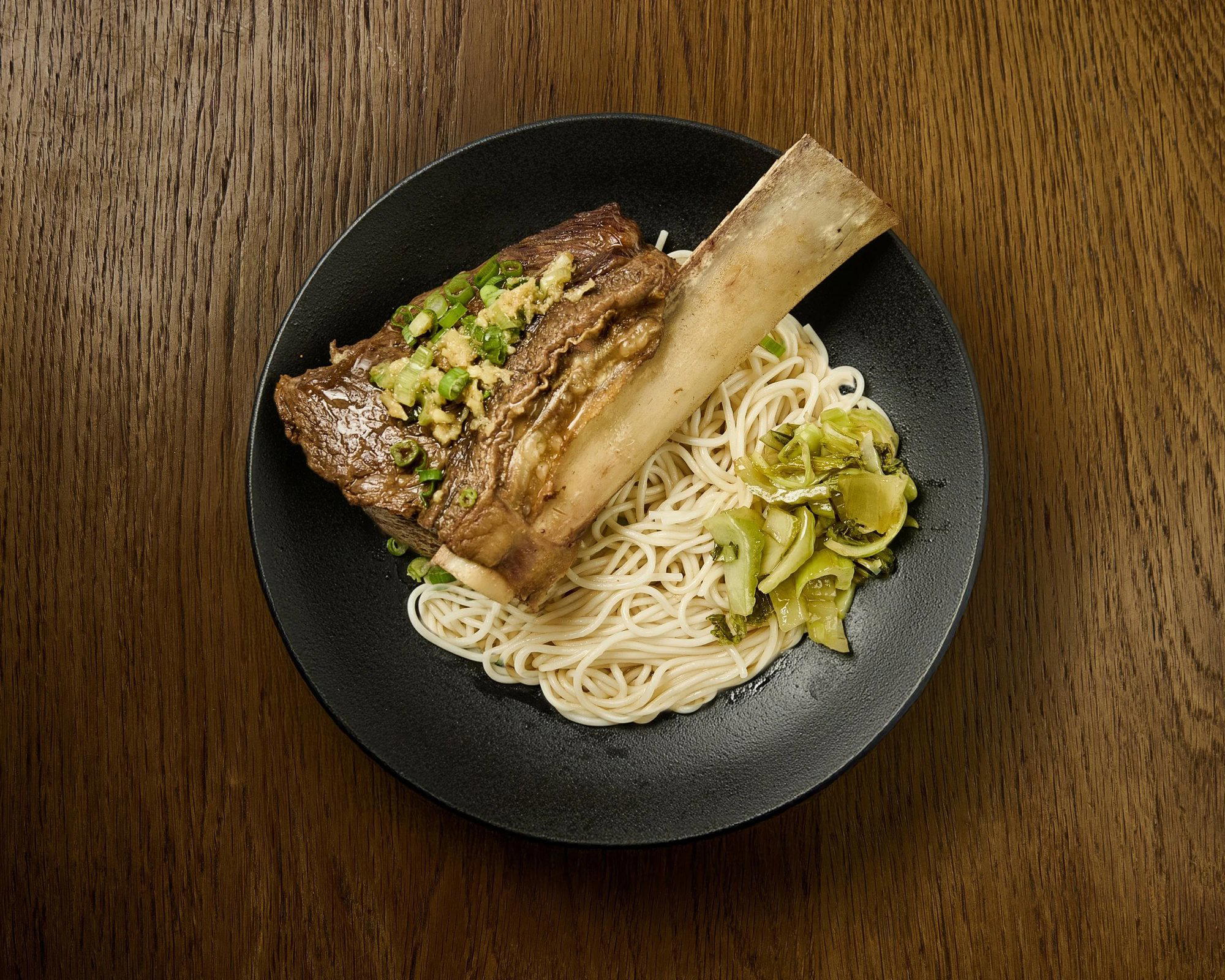
New York's Chinese restaurant sector has undergone a quiet but consequential shift over the past decade. The city's Chinatowns in Manhattan, Flushing, and Sunset Park once defined the category almost entirely, offering regional cooking at democratic price points within dense, neighbourhood-specific enclaves. What has changed is the appetite, both from diners and operators, for Chinese cooking presented with the same seriousness of context that the city already extends to Le Bernardin or Per Se. Rulin enters that conversation as a pan-Chinese, hand-pulled noodle operation, a format rooted in one of the most physically demanding and technique-specific disciplines in Chinese cooking.
Hand-pulled noodles, or la mian, trace their documented history in China back several centuries, with regional variants proliferating across Shanxi, Lanzhou, and the wider northern Chinese belt. The discipline requires a cook to develop muscle memory over years: the dough must be pulled, folded, and stretched repeatedly without tearing, producing strands of consistent thickness that cook uniformly in boiling water. The margin for error is narrow. Unlike pasta rolled by machine or cut by press, hand-pulled noodles carry the direct imprint of the maker's technique in every strand. That specificity is what Rulin is trading on.
The Wok as the Kitchen's True Instrument
In Chinese cooking broadly, and in the pan-Chinese register Rulin occupies specifically, the wok is the primary technical instrument, not a supporting tool. Wok hei, loosely translated as the "breath of the wok", describes the particular charred, smoky, slightly caramelised quality that results from cooking at temperatures a domestic range cannot reach. Commercial Chinese kitchens typically operate burners producing heat output of 50,000 to 150,000 BTU, against a domestic range's 8,000 to 15,000 BTU. The physics matter: at those temperatures, the Maillard reaction accelerates, moisture evacuates the pan before ingredients can steam rather than sear, and the brief contact between food and superheated metal produces flavour compounds that cannot be replicated at lower heat.
This is what separates technically serious Chinese kitchens from those that approximate the cuisine. It also explains why the format rewards focused menus: wok cooking at that speed and heat requires precision choreography between cook and flame, and a narrower menu allows that choreography to remain controlled. In the American market, very few Chinese restaurants have been built explicitly around wok discipline as a front-facing identity. Most treat it as background infrastructure. Rulin's pan-Chinese framing, combined with hand-pulled noodles as a centrepiece, signals a kitchen that wants both elements visible.
Where Pan-Chinese Fits in New York's Dining Hierarchy
New York's premium dining tier is currently crowded with tasting-menu formats. Atomix and Jungsik New York have made the case for Korean cooking at the $$$$ price point. Masa has done the same for Japanese omakase. Chinese cooking at equivalent price and ceremony levels remains a relatively thin field in the city, despite the cuisine's range and technical depth. Rulin sits at a more accessible price point, with the hand-pulled noodle format inherently resisting the pacing and portion structure of a tasting menu, but its pan-Chinese scope puts it in a different register from a single-region specialist or a casual noodle shop.
Pan-Chinese cooking is itself an editorial choice. It means drawing from multiple regional traditions: northern wheat-based noodles, Sichuan spice frameworks, Cantonese technique, and the vast middle ground where those influences cross. Restaurants that work this way are making a claim about fluency across China's culinary geography rather than depth in a single region. The risk is diffuseness; the upside is breadth. Compared to the regional purity of, say, a Lanzhou beef noodle specialist or a Shanghainese restaurant committed to red-braising, a pan-Chinese approach requires the kitchen to be conversant across more technique families simultaneously.
For context on how other cities handle ambitious Chinese cooking at this tier, it is worth noting that 8 1/2 Otto e Mezzo Bombana in Hong Kong has built a three-Michelin-star Italian operation in a city where Chinese dining also reaches extraordinary heights, the coexistence of serious non-Chinese cooking alongside elite Chinese restaurants is a Hong Kong norm that New York has yet to fully replicate in the other direction.
The Noodle Craft as Credentialing Signal
In any city with a serious Chinese food culture, Chengdu, Xi'an, Taipei, Hong Kong, hand-pulled noodles are evaluated on strand consistency, bite, broth depth, and the ratio of noodle to accompaniment. They are a craft form that takes years to execute well and is immediately legible to anyone who has eaten them frequently. In New York, where noodle literacy is growing partly through the city's expanding Flushing dining scene and partly through increased travel to China and Taiwan among food-engaged diners, the format carries both cultural weight and a built-in quality signal: you can see whether the noodles are hand-pulled or not, and you can feel in the first bite whether the texture is right.
This places Rulin in a category where the product itself is the primary trust signal, before any award designation or critical endorsement. Compare that to a venue like Blue Hill at Stone Barns, where the farm provenance is the visible credentialing mechanism, or The French Laundry in Napa, where decades of critical recognition do that work. For Rulin, the noodle strand is the argument.
Planning Your Visit
Rulin is a smart casual restaurant, and reservations are recommended. Given the format, walk-in availability at off-peak hours is plausible, but verification directly with the venue is advisable. The table below places Rulin in the context of peer dining options for practical comparison.
| Venue | Cuisine | Price Tier | Format |
|---|---|---|---|
| Rulin | Modern Chinese Hand-Pulled Noodles | $$ | Noodle-led, à la carte likely |
| Atomix | Modern Korean | $$$$ | Tasting menu, advance booking required |
| Masa | Sushi / Japanese | $$$$ | Omakase counter, long lead booking |
| Jungsik New York | Progressive Korean | $$$$ | Tasting menu |
| Le Bernardin | French Seafood | $$$$ | Multi-course, reservations recommended |
For a broader orientation to dining in the city, including neighbourhood-by-neighbourhood breakdowns, see our full New York City restaurants guide. Further afield, the tasting-menu discipline at Alinea in Chicago, Lazy Bear in San Francisco, and Single Thread Farm in Healdsburg illustrates the range of formats operating at the serious end of American dining outside New York.
The Short List
Comparable venues nearby, for context on price, style, and recognition.
| Venue | Cuisine | Price | Notes |
|---|---|---|---|
| RulinThis venue — the venue you are viewing | $$ | ||
| Evergreen On 38 | $$ | Midtown-Times Square, Shanghainese & Szechuan with Dim Sum | |
| Tim Ho Wan Hell's Kitchen | Hell's Kitchen, Hong Kong-Style Dim Sum | $$ | |
| Kung Fu Xiao Long Bao | $$ | Queensboro Hill, Shanghai-Style Xiao Long Bao | |
| Old Sport | Maspeth, Halal Chinese Noodles | $$ | |
| La Nueva Victoria | $$ | Upper West Side (Central), Chinese-Cuban Fusion |
Continue exploring
More in New York City
Restaurants in New York City
Browse all →

Bars in New York City
Browse all →


Hotels in New York City
Browse all →



Wineries in New York City
Browse all →
At a Glance
- Modern
- Cozy
- Trendy
- Casual Hangout
- After Work
- Open Kitchen
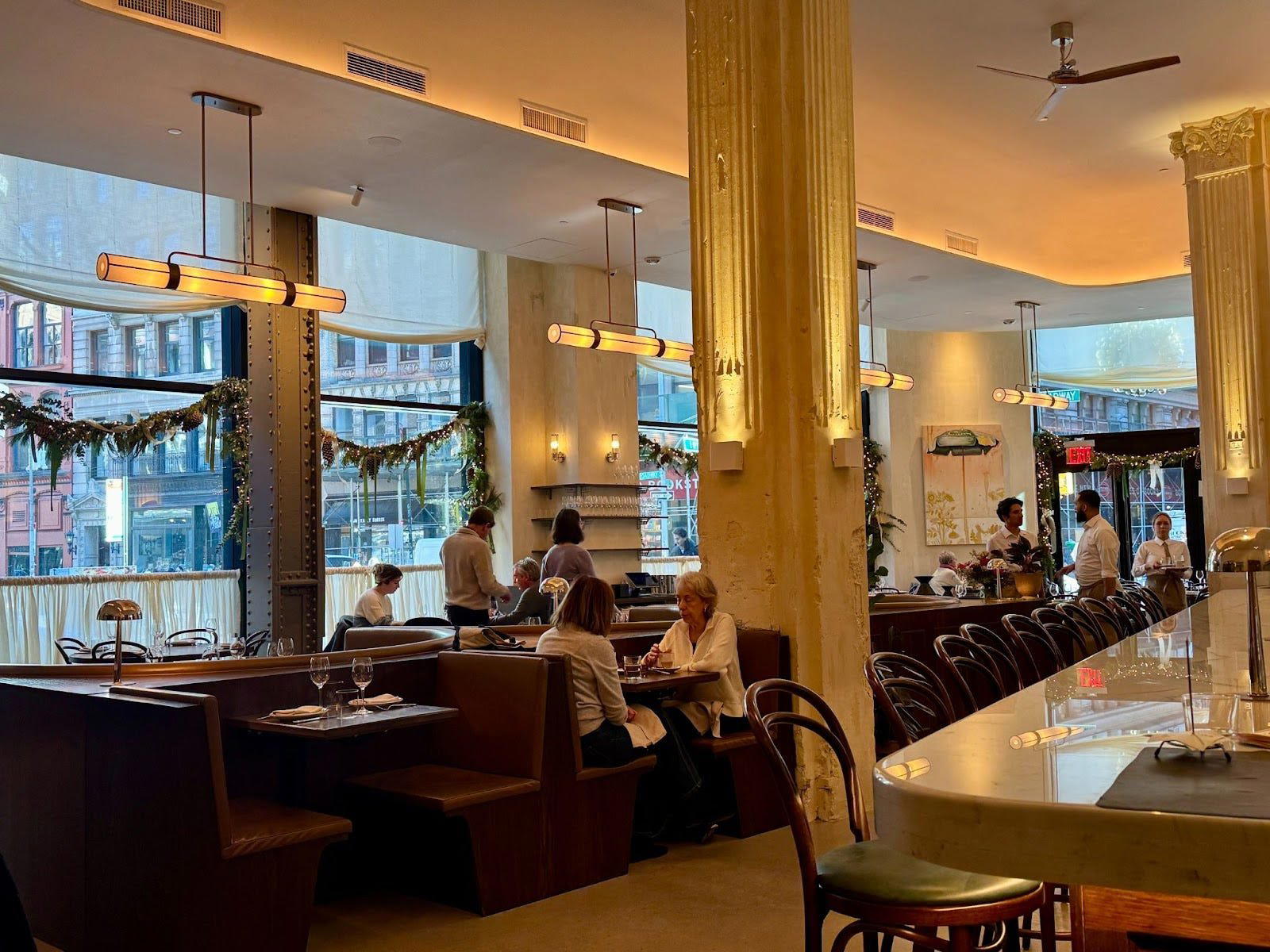
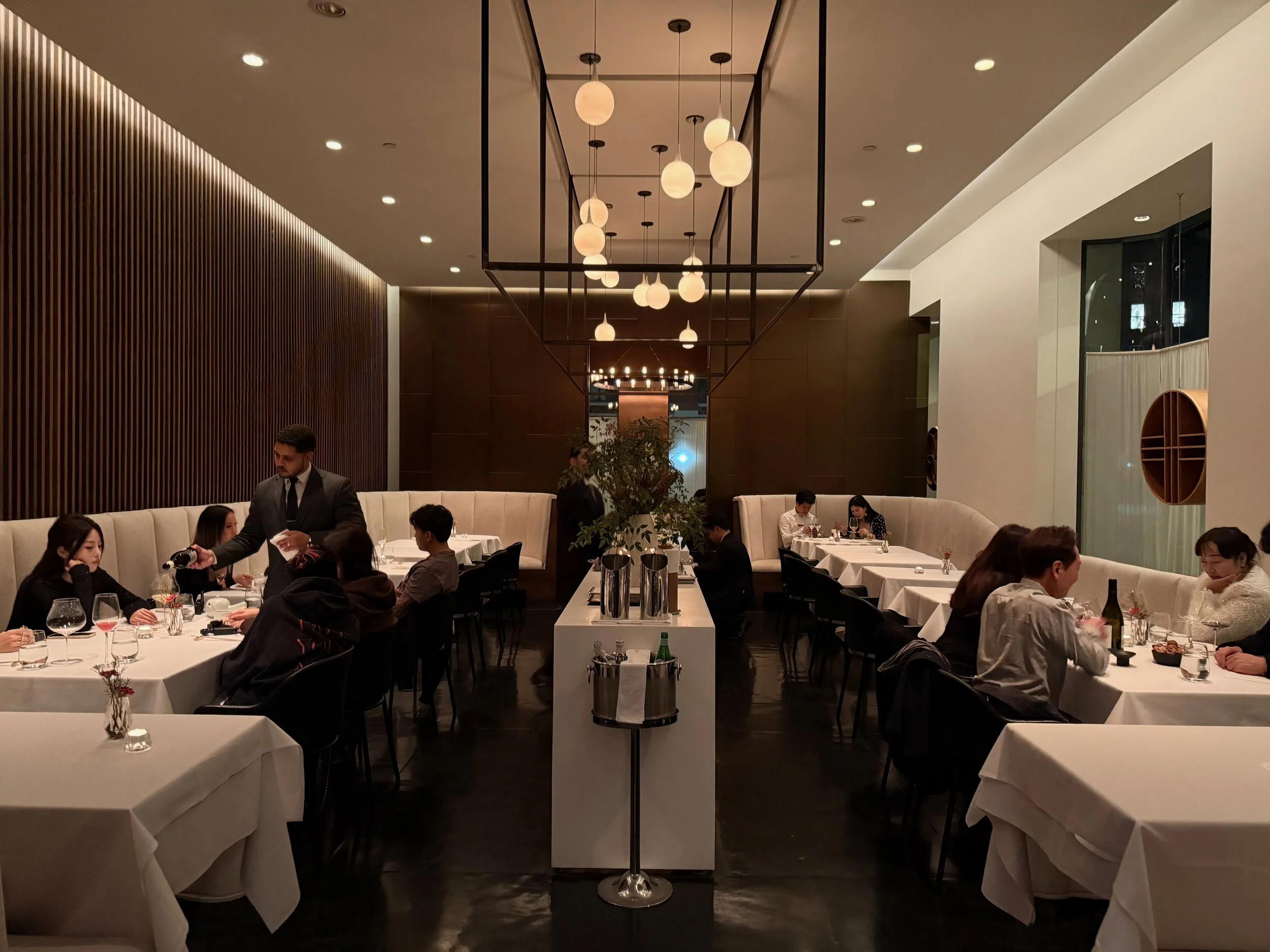
Sleek modern space with minimalist upscale atmosphere, light wood benches, movable tables, and red marble bar top.