Royal Hawaiian Center
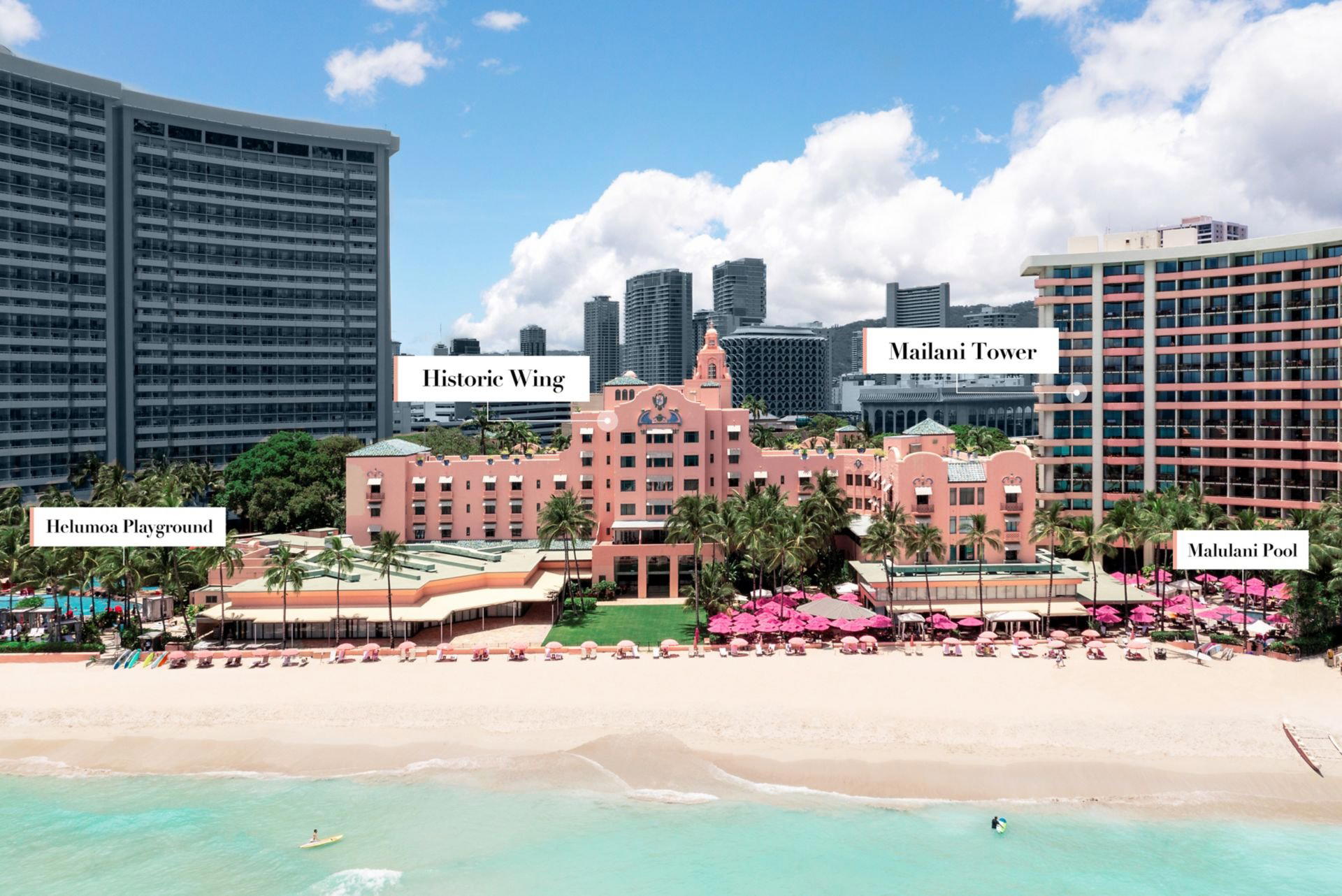
"Hula and Hawaiian Culture A stroll down Kalakaua Avenue is always great for people watching, shopping, and dining. In September 2013, the Royal Hawaiian Center reopened the Helumoa Hale and Royal Grover on Kalakaua. This beautiful grove provides authentic Hawaiian hula, storytelling, and ukulele performances. If you're interested in learning more about Hawaiian history and culture, I encourage you to participate in one of the complimentary classes that the Center offers, including hula, ukulele, lei making, or quilt making. You will not leave this cultural center without learning something new about Hawaii, and your experience will be a memorable part of your visit to Waikiki!"
Pearl is the En Primeur Club membership app — saves, bookings, and concierge access live there. Same editors, same standards.
- Address
- 2201 Kalākaua Ave, Honolulu, HI 96815
- Phone
- +1 808 922 2299
- Website
- royalhawaiiancenter.com
- Directions
- Get directions
 Saves & bookings on Pearl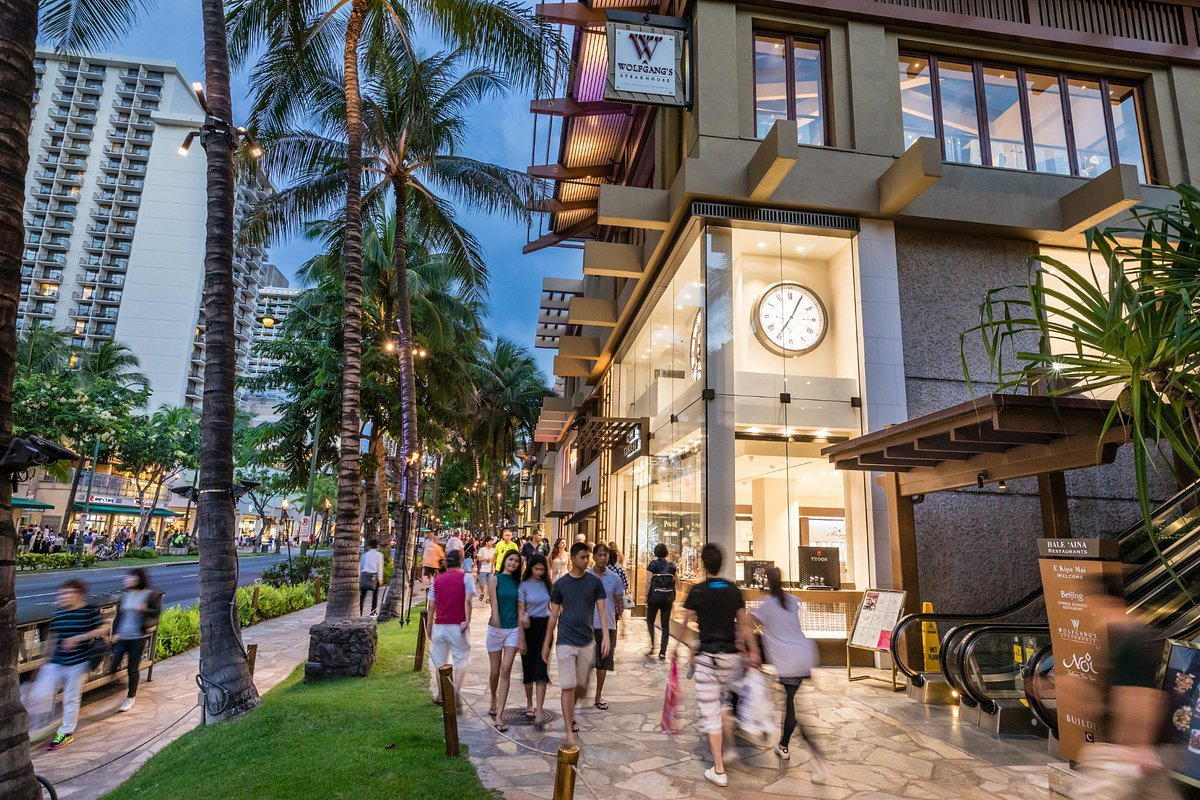
Kalākaua Avenue and the Open-Air Retail Scene It Anchors
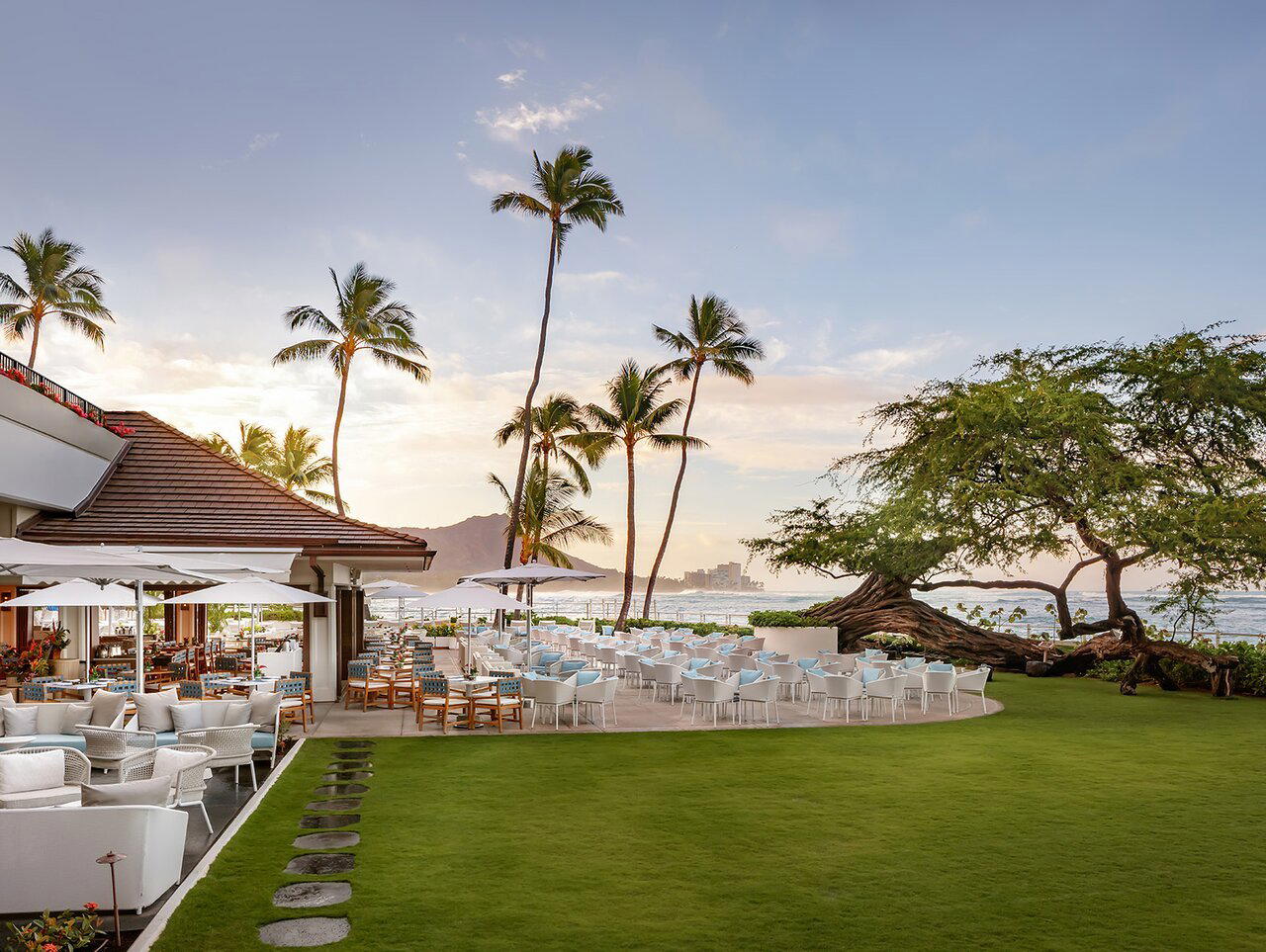
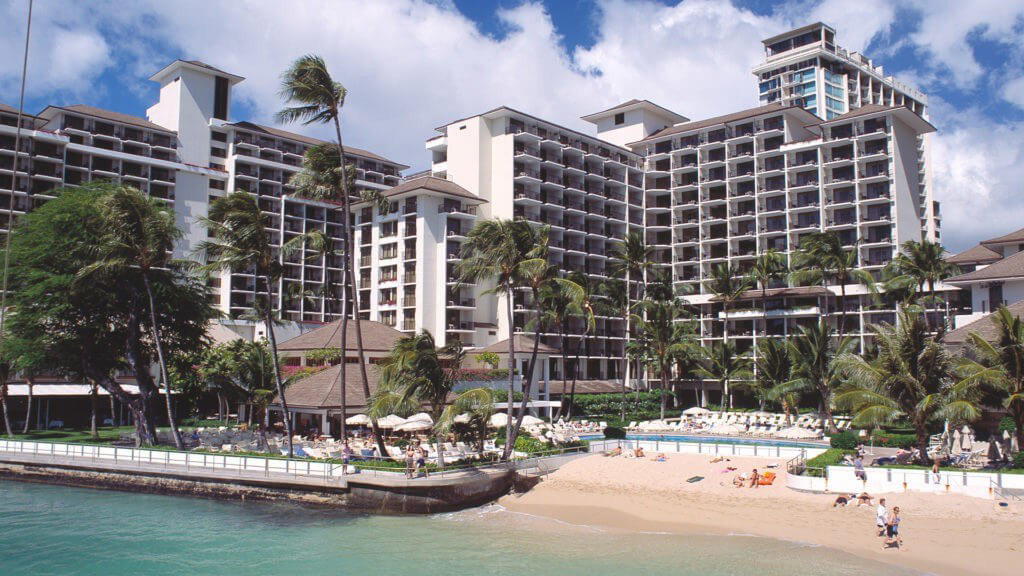
Step onto Kalākaua Avenue on any afternoon and the sensory register shifts immediately. Trade winds move through the corridor at a pace that keeps the heat from settling, carrying with them the scent of plumeria leis from nearby vendors, salt air drifting inland from Waikīkī Beach two blocks south, and the low ambient hum of a street that never quite goes quiet. Royal Hawaiian Center occupies a substantial stretch of that avenue at 2201 Kalākaua Ave, and its open-air architecture means the boundary between inside and outside is largely a question of degree rather than definition. You are simultaneously on the street and sheltered from it.
That quality, common to Hawaii's better retail and dining developments but rarely executed with this much square footage, shapes how people actually use the space. Visitors move through it differently than they would a climate-controlled mall on the mainland. The pace is slower, the ambient noise is softer, and the light changes perceptibly as the afternoon moves toward the golden hour that Waikīkī handles with characteristic ease.
Where Royal Hawaiian Center Sits in Honolulu's Retail and Dining Spectrum
Honolulu's dining and retail scene has split along predictable lines in recent years. At one end sit the tasting-counter destinations, the kind of focused operations that draw reservations weeks out and where the editorial conversation tends to concentrate: places like Alan Wong's Honolulu and Beachhouse at the Moana, which position themselves as destination dining within a competitive national set that includes Le Bernardin in New York City, The French Laundry in Napa, and Providence in Los Angeles. At the other end sit the quick-serve local institutions, the plate-lunch counters and ramen shops that define everyday eating in Honolulu.
Royal Hawaiian Center occupies a middle tier that is harder to categorize but serves a real function: it is a high-footfall, mixed-use environment where the dining options range across formats and price points, and where the surrounding retail context gives visitors a reason to linger beyond a single meal. Within Urban Honolulu's broader hospitality fabric, that tier also includes venues like AGU Ramen at Ward Centre and Bread and Butter, which share the quality of being accessible without being casual in a way that compromises the experience.
The Atmosphere as the Primary Offering
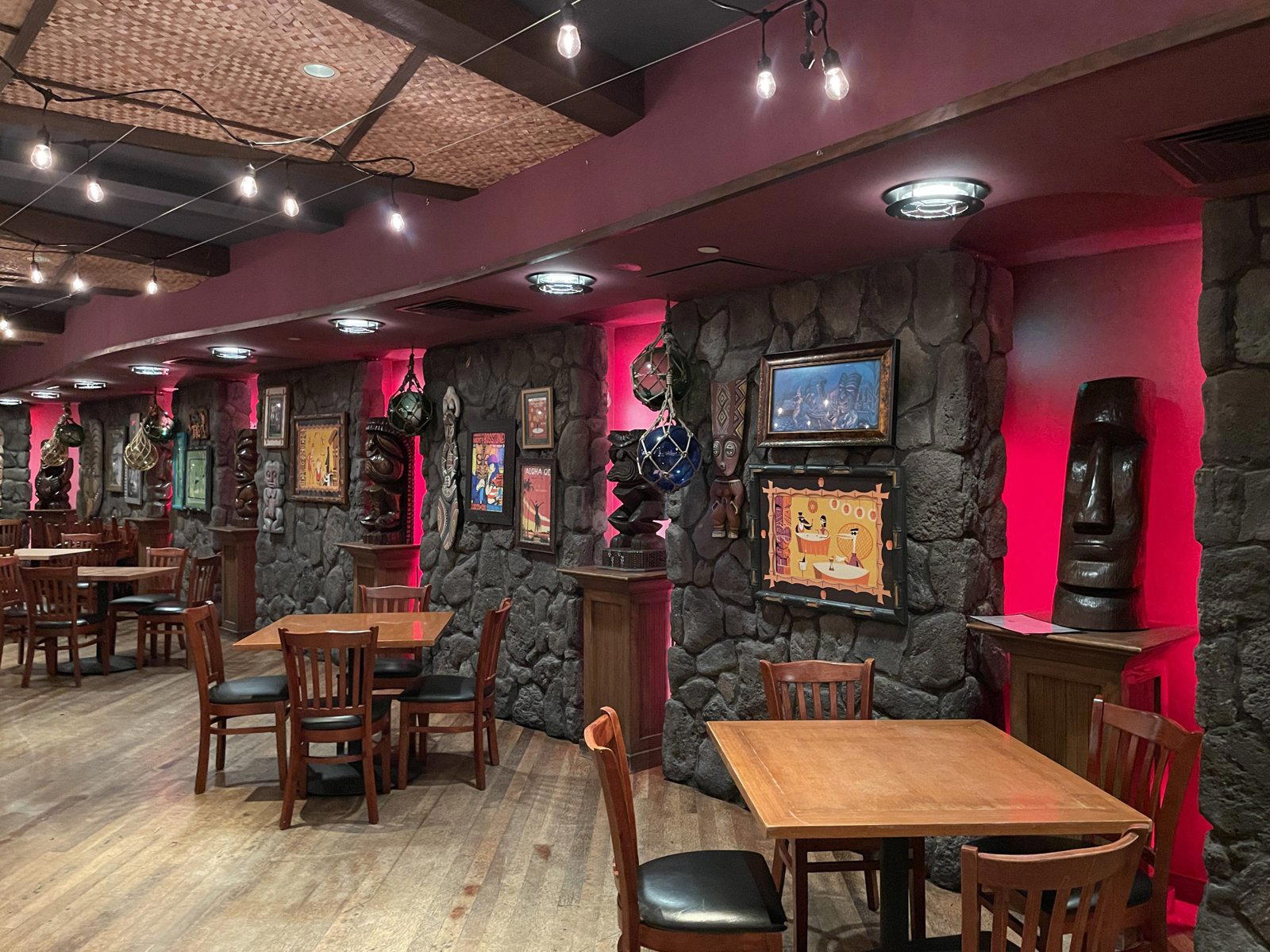
In open-air retail environments of this scale, the physical experience tends to be the organizing principle, with tenants functioning as evidence of what kind of crowd the development is trying to draw. Royal Hawaiian Center is explicit about this. The Hawaiian cultural programming on-site, including hula performances and lei-making demonstrations, functions less as entertainment in the conventional sense and more as a signal about the register the center is operating in. These are not perfunctory additions; they are scheduled with enough regularity that visitors who plan around them can structure a two-to-three-hour visit accordingly.
The sound environment warrants specific mention. Live performance in an open-air setting on Kalākaua Avenue creates an acoustic texture that enclosed shopping environments cannot replicate. The music does not compete with HVAC systems or echo off low ceilings. It moves through the space the way sound does outdoors, which is to say with variation and natural decay, and it mixes with the ambient street noise in a way that feels calibrated rather than chaotic.
Planning a Visit: Timing, Access, and Practical Orientation
Visitors arriving from the broader Waikīkī strip on foot will find Royal Hawaiian Center a natural waypoint, given its position on Kalākaua Avenue between the main hotel corridor and the beach access points. The open-air format means there is no meaningful threshold to cross; the transition from sidewalk to center happens gradually and without friction.
For those arriving from other Honolulu neighborhoods, comparison points are useful. The dining density here differs from what you find at ward-area developments like 1050 Ala Moana Blvd, which tilts more decisively toward destination eating. Royal Hawaiian Center is better understood as a place to build time around rather than a place to make a reservation for. That distinction matters for trip planning purposes.
Mornings on Kalākaua Avenue are considerably quieter than afternoons, and the light at that hour has a quality that the midday sun does not offer. If the sensory experience of the space is the draw, arriving before noon gives a different and arguably more composed version of it. The trade winds are typically steadier in the morning, which also affects the ambient temperature in the open corridors.
How Royal Hawaiian Center Compares to Other Format-Driven Destinations
The distinction between high-volume spectacle and low-capacity specialist formats, well documented in premium experience categories across cities like Chicago (see Smyth), San Francisco (see Lazy Bear), and further afield at Blue Hill at Stone Barns in Tarrytown or Single Thread Farm in Healdsburg, applies differently in a retail and cultural venue context. Royal Hawaiian Center is clearly in the high-volume tier by footfall, but its cultural programming components introduce a specialist dimension that larger developments rarely sustain with comparable consistency.
That combination, scale with genuine cultural content, is not common in American retail environments. Most large-footprint centers in tourist corridors default to food-court formats and rotating pop-up retail. The decision to anchor part of the visitor experience in Hawaiian cultural practice rather than pure commercial programming places Royal Hawaiian Center in a different comparative position, closer in spirit to developments that prioritize place-specific identity, such as the market-and-experience format seen at Emeril's in New Orleans or the farm-to-experience integration at Addison in San Diego, even if the category and scale are quite different.
For visitors whose Honolulu itinerary includes both structured dining reservations and open-ended exploration time, Royal Hawaiian Center functions well as the latter. It does not require advance planning in the way that a tasting counter at Atomix in New York City or The Inn at Little Washington does. The value is in the accumulation of atmosphere rather than a single defining moment, which is a different kind of travel experience and not a lesser one.
- Sushi and Sashimi Deluxe
- Omakase at Tokiwa Counter
- Tom Yum Lobster
- Dry-Aged Steaks
- Anti-Gravity Noodles
- Pork Tamago Onigiri
How Royal Hawaiian Center compares with similar nearby venues.
| Venue | Cuisine |
|---|---|
| Tsurutontan Waikiki | Udon-Japanese |
Continue exploring
More in Urban Honolulu
Restaurants in Urban Honolulu
Browse all →
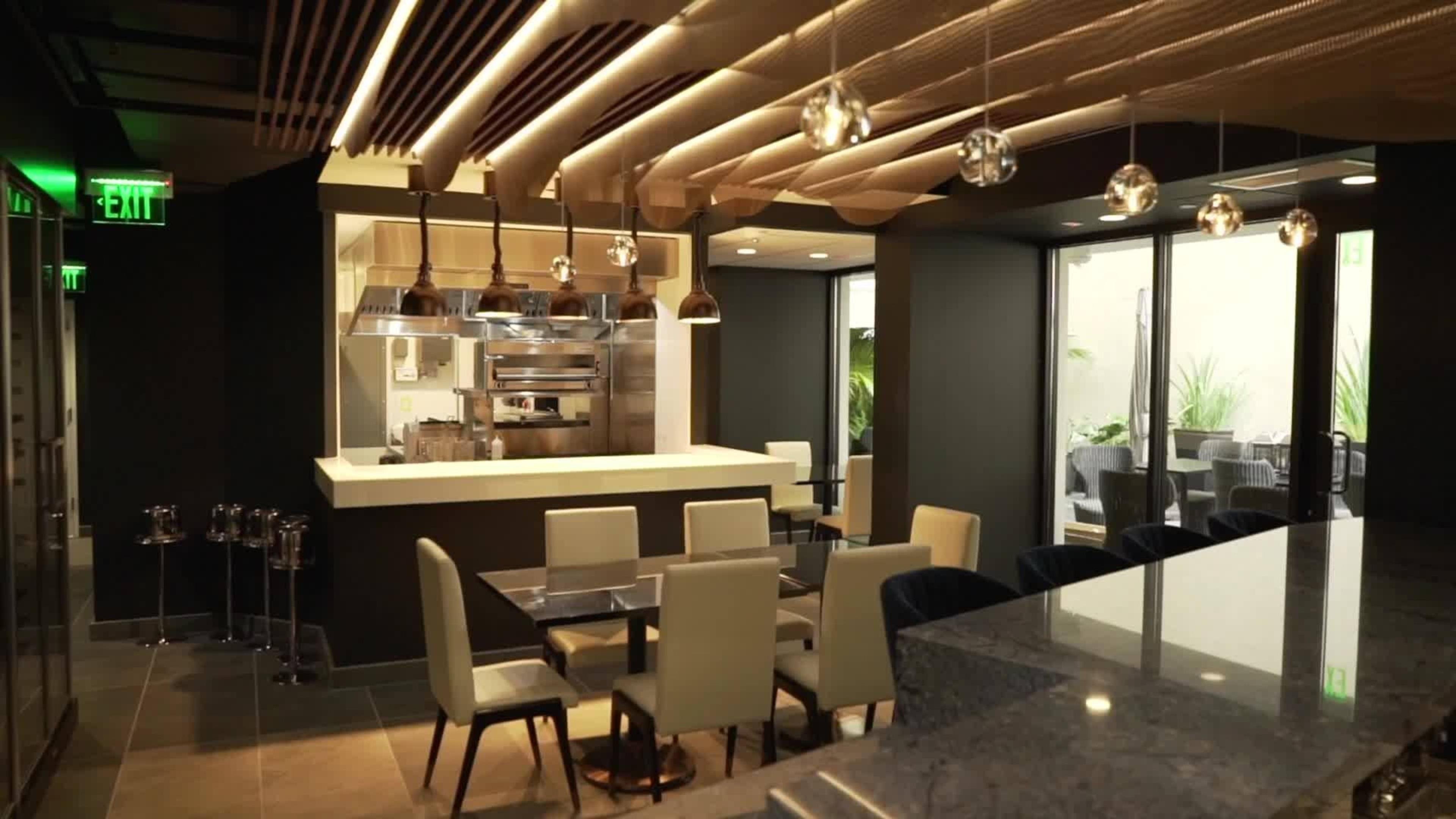
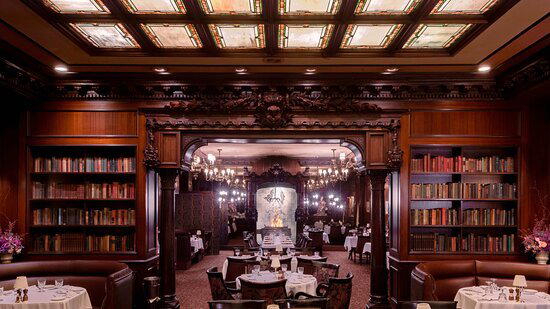
Bars in Urban Honolulu
Browse all →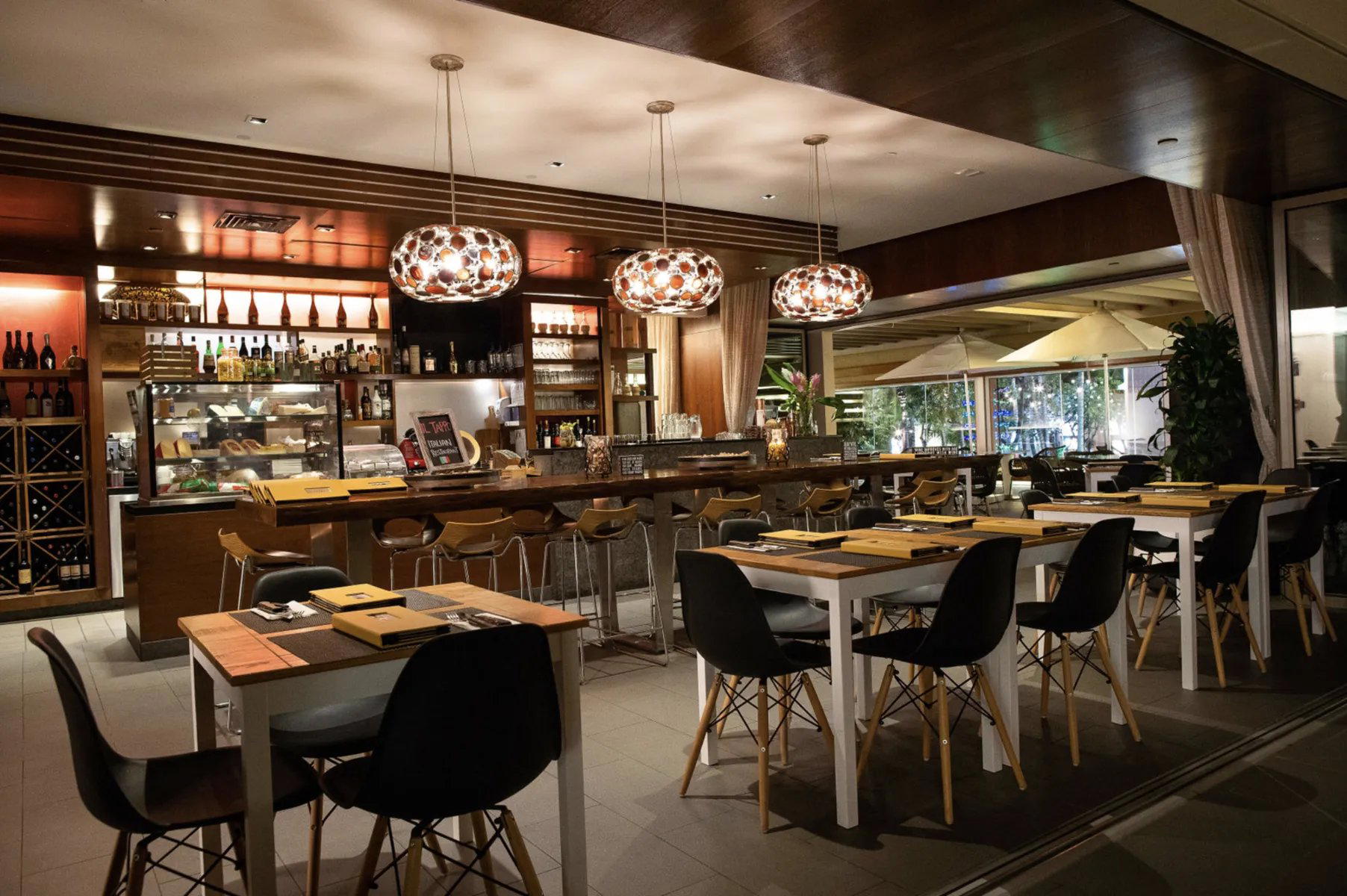
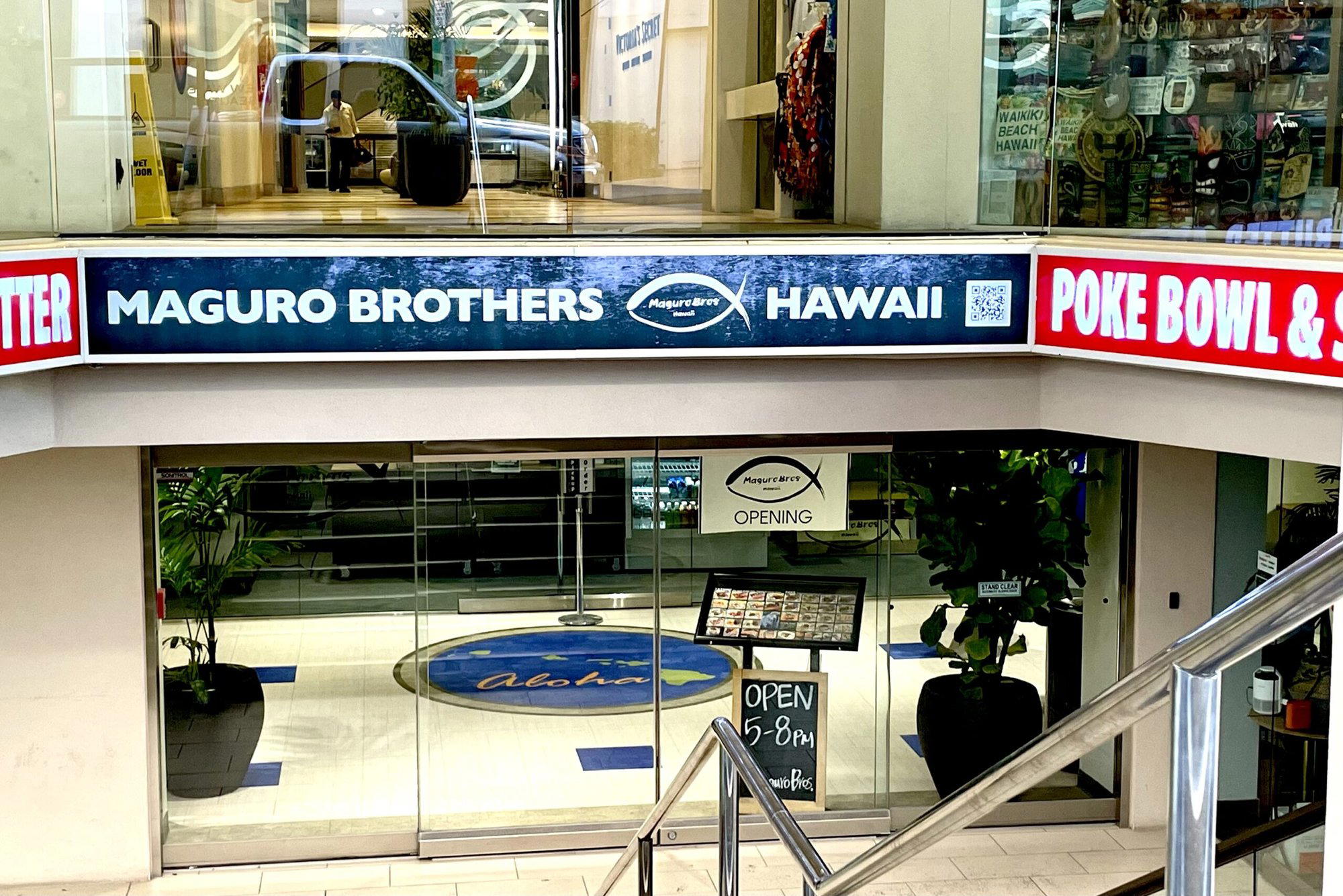
At a Glance
- Modern
- Lively
- Trendy
- Casual Hangout
- Family
- Group Dining
- Brunch
- Open Kitchen
- Courtyard
- Craft Cocktails
- Sake Program
- Local Sourcing
Current opening hours
- Monday
- 10 AM–9 PM
- Tuesday
- 10 AM–9 PM
- Wednesday
- 10 AM–9 PM
- Thursday
- 10 AM–9 PM
- Friday
- 10 AM–9 PM
- Saturday
- 10 AM–9 PM
- Sunday
- 10 AM–9 PM
Hours can change for holidays and private events. Last verified .
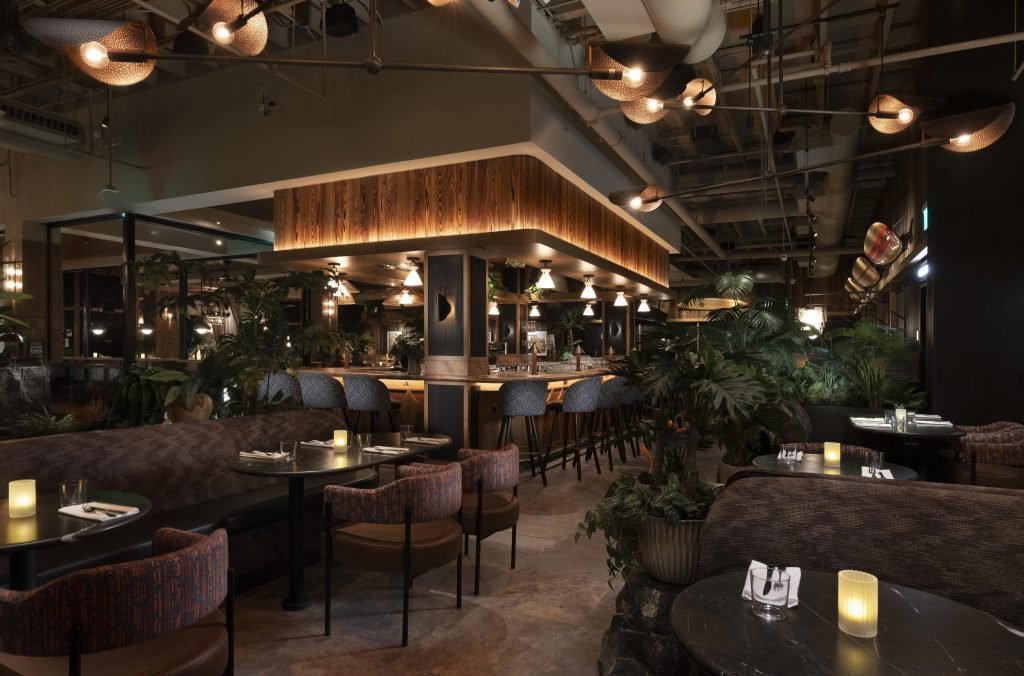
Bright, open-air tropical atmosphere with modern aesthetic elements; the Pā'ina Lānai Food Court offers a casual, breezy environment well-suited for post-beach dining.
Know Before You Go
- Getting there
- 2201 Kalākaua Ave, Honolulu, HI 96815