Lucky Belly
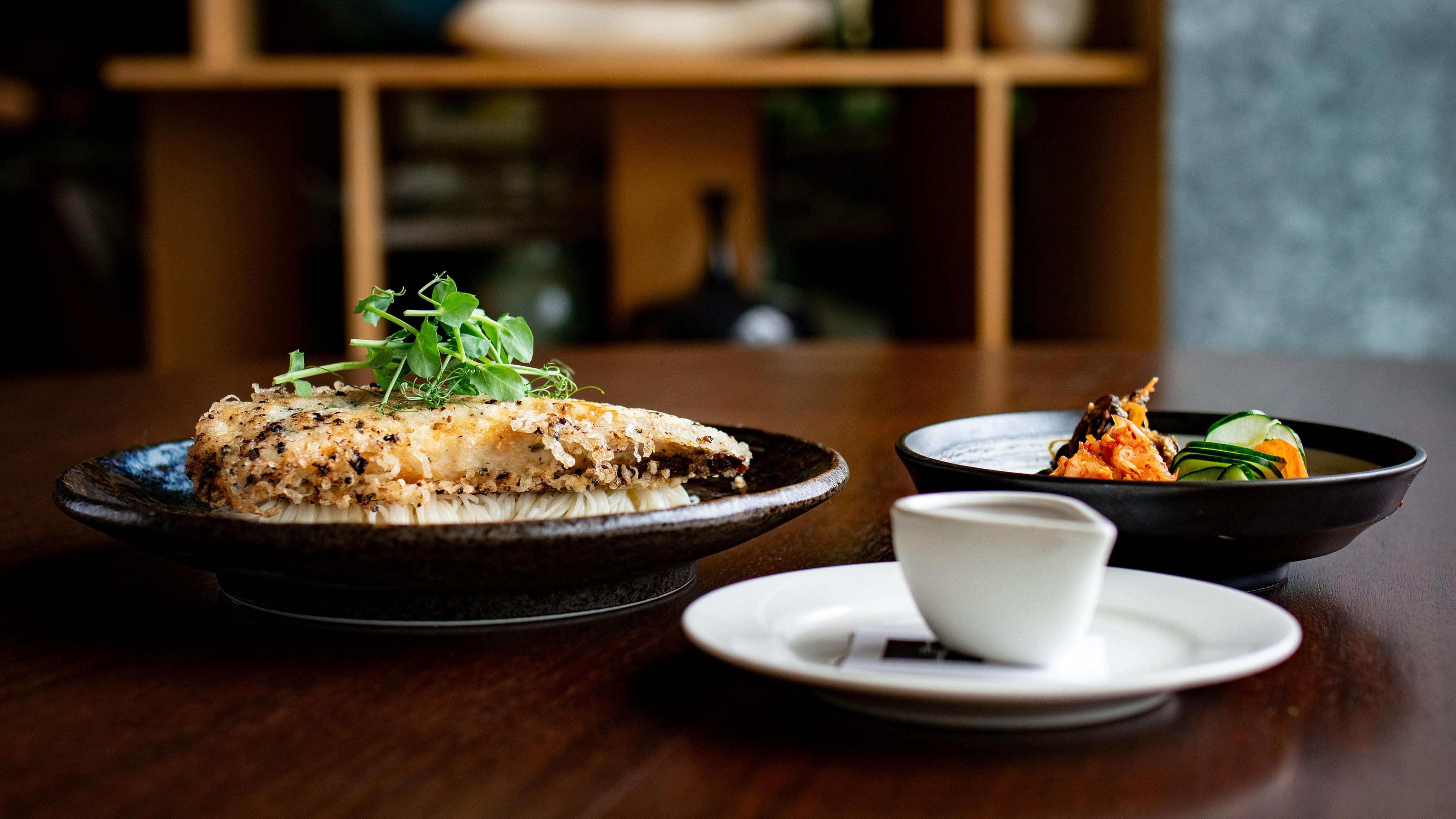
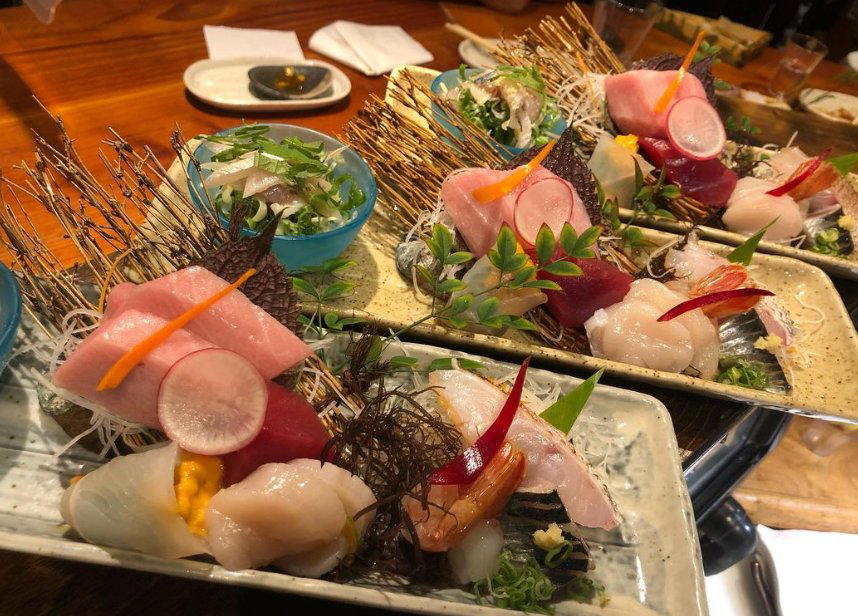
On North Hotel Street in Chinatown, Lucky Belly occupies a corner of urban Honolulu that few visitors reach — and fewer still understand. The kitchen works a ramen-anchored menu that reads as distinctly local rather than transplanted, placing it in a different conversation from the resort-strip dining that defines most Hawaii food writing.
Pearl is the En Primeur Club membership app — saves, bookings, and concierge access live there. Same editors, same standards.
- Address
- 50 N Hotel St, Honolulu, HI 96817
- Phone
- +1 808 531 1888
- Website
- luckybellyhi.com
- Directions
- Get directions
 Saves & bookings on Pearl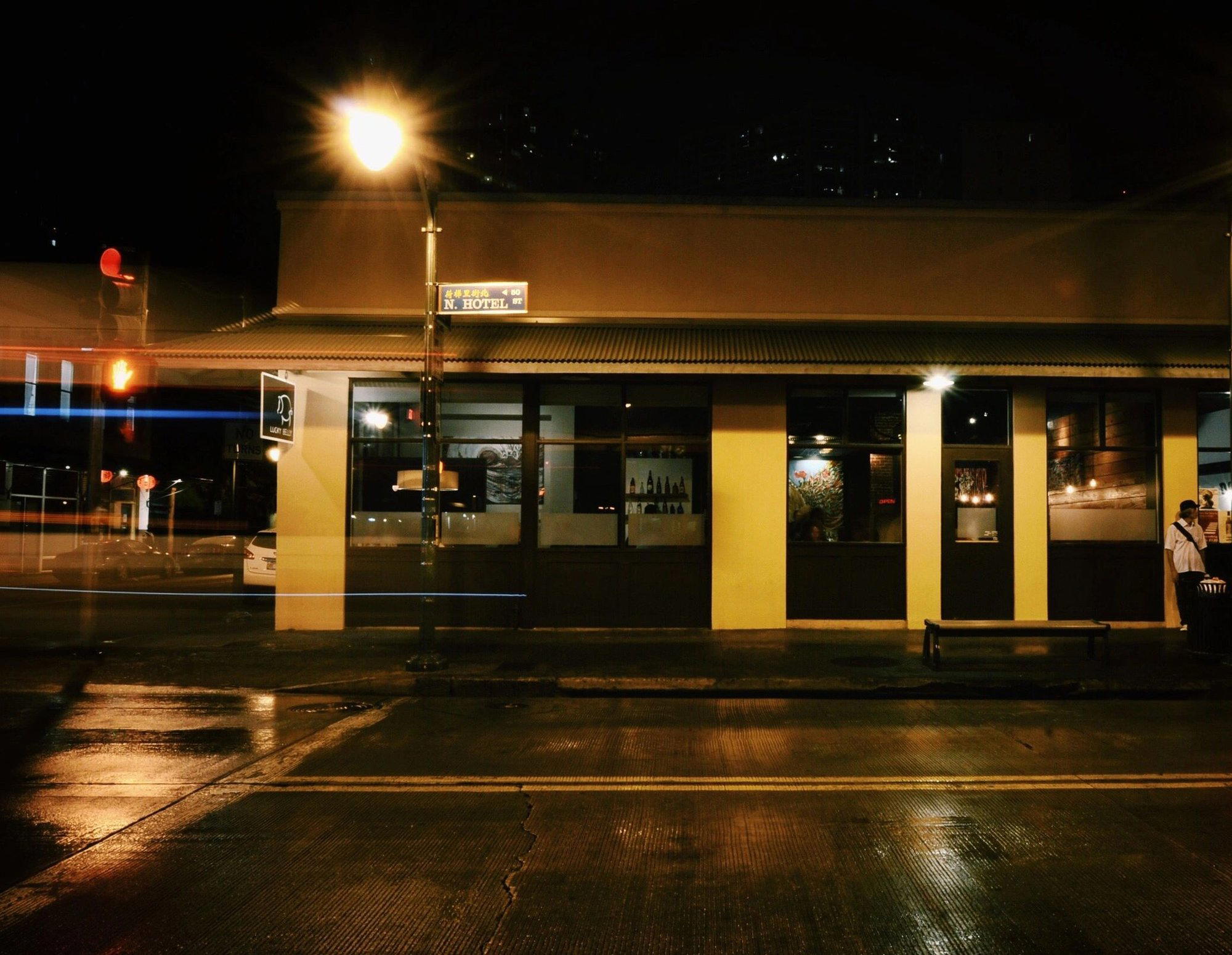
North Hotel Street and What It Asks of You
Chinatown in Honolulu operates on its own terms. North Hotel Street runs through a neighbourhood that has accumulated decades of produce markets, art galleries, dive bars, and late-night noodle counters in roughly equal measure — a density of competing signals that the resort corridors of Waikiki were never designed to produce. Lucky Belly sits at 50 N Hotel St, which means it belongs to this block's particular atmosphere rather than to the curated calm of beachfront dining. Arriving on foot from downtown, you pass plate-lunch windows and lei vendors before you reach the door. That sequence is not incidental — it shapes what the meal means before you sit down.
The Chinatown dining scene in Honolulu has historically been underleveraged in serious food writing, overshadowed by the headline restaurants of Waikiki and Ala Moana. Properties like Beachhouse at the Moana and the resort-anchored dining rooms along the south shore command the most coverage, while the neighbourhood-level kitchens running alongside Chinatown's produce lanes accumulate reputations almost entirely through word of mouth. Lucky Belly has benefited from and contributed to a slow recalibration of that dynamic over the years it has been operating in this part of the city.
The Ramen Frame, and Why Honolulu Is an Interesting Place for It
Ramen in Hawaii carries different freight than ramen in New York or Los Angeles. The archipelago's Japanese population has shaped local food culture for well over a century, which means that noodle traditions here are neither novelty imports nor direct authentications of mainland Japanese practice, they exist in a middle register that reflects Hawaii's own hybrid culinary history. Chains like AGU Ramen at Ward Centre have brought a more standardised approach to the format, while independent kitchens have pushed toward more idiosyncratic interpretations. Lucky Belly operates in that independent register, with a menu philosophy that reads as locally inflected rather than imported wholesale from a template.
This positioning matters when you consider the competitive range available in urban Honolulu. The upper bracket of the city's dining scene is anchored by Alan Wong's Honolulu, a kitchen that has spent decades defining what Hawaii Regional Cuisine means at a serious level. Lucky Belly is not competing with that tier, nor is it positioned against the casual plate-lunch tradition represented by operations like Rainbow Drive-In or L&L Hawaiian Barbecue. It occupies a middle ground, chef-driven in its sensibility, neighbourhood-facing in its pricing and accessibility, and consistent enough to have built a return clientele in a block that generates considerable foot traffic on its own.
What the Neighbourhood Does to the Experience
Eating in Chinatown rather than on the resort strip produces a different kind of meal, regardless of what is actually on the plate. The density of the neighbourhood, the mix of local and tourist traffic on Hotel Street, and the proximity to the city's working produce and seafood supply chain all create a context that more polished dining rooms deliberately exclude. This is not a value judgment, 1050 Ala Moana Blvd and Bread & Butter operate in the more composed environments of the Ala Moana corridor with distinct advantages of their own. But Chinatown's texture, for the reader who wants to understand urban Honolulu rather than the curated version sold to visitors, is harder to replicate from a hotel dining room.
Lucky Belly's address on North Hotel Street puts it within walking distance of the Hawaii Theatre, the open-air produce vendors of Oahu Market, and several of the neighbourhood's more interesting bar and gallery spaces. The practical implication is that a meal here can anchor an evening or afternoon that extends into the neighbourhood rather than ending at the restaurant door, a characteristic that few venues on the resort strips can honestly offer.
Placing Lucky Belly in a Wider Conversation
The American dining conversation about casual-but-serious ramen operations has been dominated by cities with larger Japanese-American communities, Los Angeles, San Francisco, New York. Honolulu's version of that conversation is quieter but no less substantive. When reviewers at publications including Lazy Bear in San Francisco or Smyth in Chicago set the standard for what chef-driven casual dining can achieve, the implied benchmark travels. Lucky Belly's long-term presence in Chinatown suggests it has found a durable answer to a version of that question in Honolulu's terms, without needing to reach for the level of formality associated with rooms like The French Laundry in Napa or Le Bernardin in New York City.
That distance from the tasting-menu tier is the point. The Chinatown dining room format, counter service or small tables, informal hours, a menu that rewards regulars who know what to order, serves a different reader need than the long-form omakase or farm-to-table narrative offered by operations like Blue Hill at Stone Barns in Tarrytown or Single Thread Farm in Healdsburg. For the traveller in Honolulu who wants one meal that reflects the city's actual food culture rather than its hospitality industry, this corner of Hotel Street is a more reliable address than most of what the brochures suggest.
Planning the Visit
Lucky Belly is on North Hotel Street in Chinatown, a neighbourhood that is most active in the evenings when the galleries and bars alongside it fill up. The address is walkable from downtown Honolulu and accessible by TheBus, which connects the neighbourhood to Waikiki and Ala Moana. Given the format and the neighbourhood's character, reservations, where available, are advisable on weekend evenings when Hotel Street draws a mixed crowd of locals and visitors. Readers wanting to plan a broader evening in urban Honolulu should consult our full Urban Honolulu restaurants guide for neighbourhood-by-neighbourhood context.
How Lucky Belly compares with similar nearby venues.
| Venue | Cuisine |
|---|---|
| Yakitori Hachibei | Yakitori |
| Fête | New American |
Continue exploring
More in Urban Honolulu
Restaurants in Urban Honolulu
Browse all →
Bars in Urban Honolulu
Browse all →
At a Glance
- Trendy
- Modern
- Industrial
- Lively
- Casual Hangout
- After Work
- Late Night
- Group Dining
- Open Kitchen
- Standalone
- Sake Program
- Craft Cocktails
- Beer Program
Current opening hours
- Monday
- 5–10 PM
- Tuesday
- 5–10 PM
- Wednesday
- 11 AM–2 PM, 5–10 PM
- Thursday
- 11 AM–2 PM, 5–10 PM
- Friday
- 11 AM–2 PM, 5–11 PM
- Saturday
- 5–11 PM
- Sunday
- Closed
Hours can change for holidays and private events. Last verified .
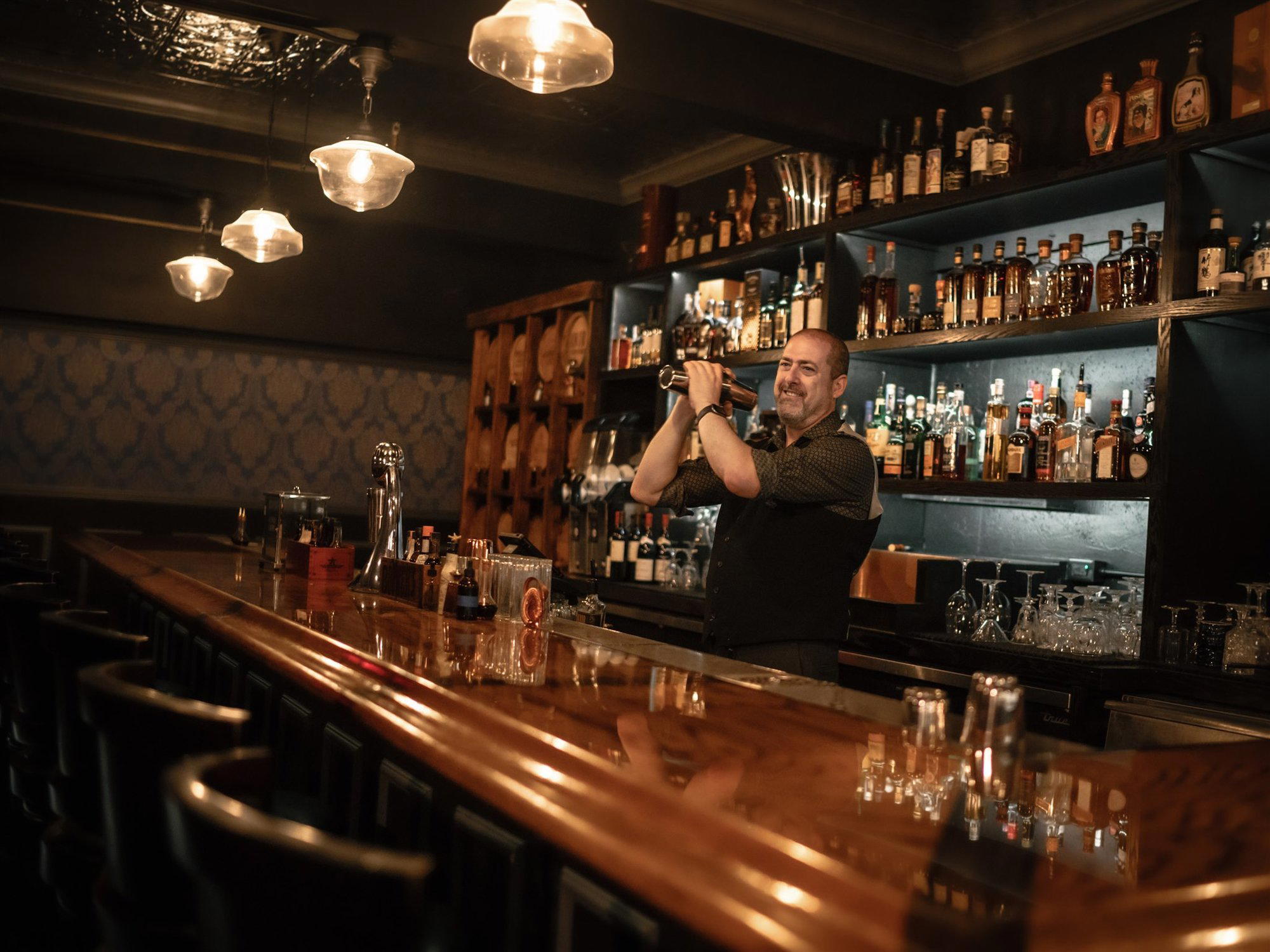
Modern industrial-chic bistro with comfortable seating, hip urban vibes, and a balance between upscale presentation and casual neighborhood energy.
Know Before You Go
- Getting there
- 50 N Hotel St, Honolulu, HI 96817