Beijing Dumpling
On Lisle Street in Chinatown, Beijing Dumpling is a no-frills counter that draws a loyal crowd back week after week for hand-folded dumplings made in the dining room. The format is spare, the prices are low, and the regulars know exactly what they are coming for. In a Chinatown block that has seen dozens of restaurants cycle through, this one has staying power.
Pearl is the En Primeur Club membership app — saves, bookings, and concierge access live there. Same editors, same standards.
- Address
- 23 Lisle St, London WC2H 7BA, United Kingdom
- Phone
- +44 20 7287 6888
- Website
- beijingdumpling.co.uk
- Directions
- Get directions
 Saves & bookings on Pearl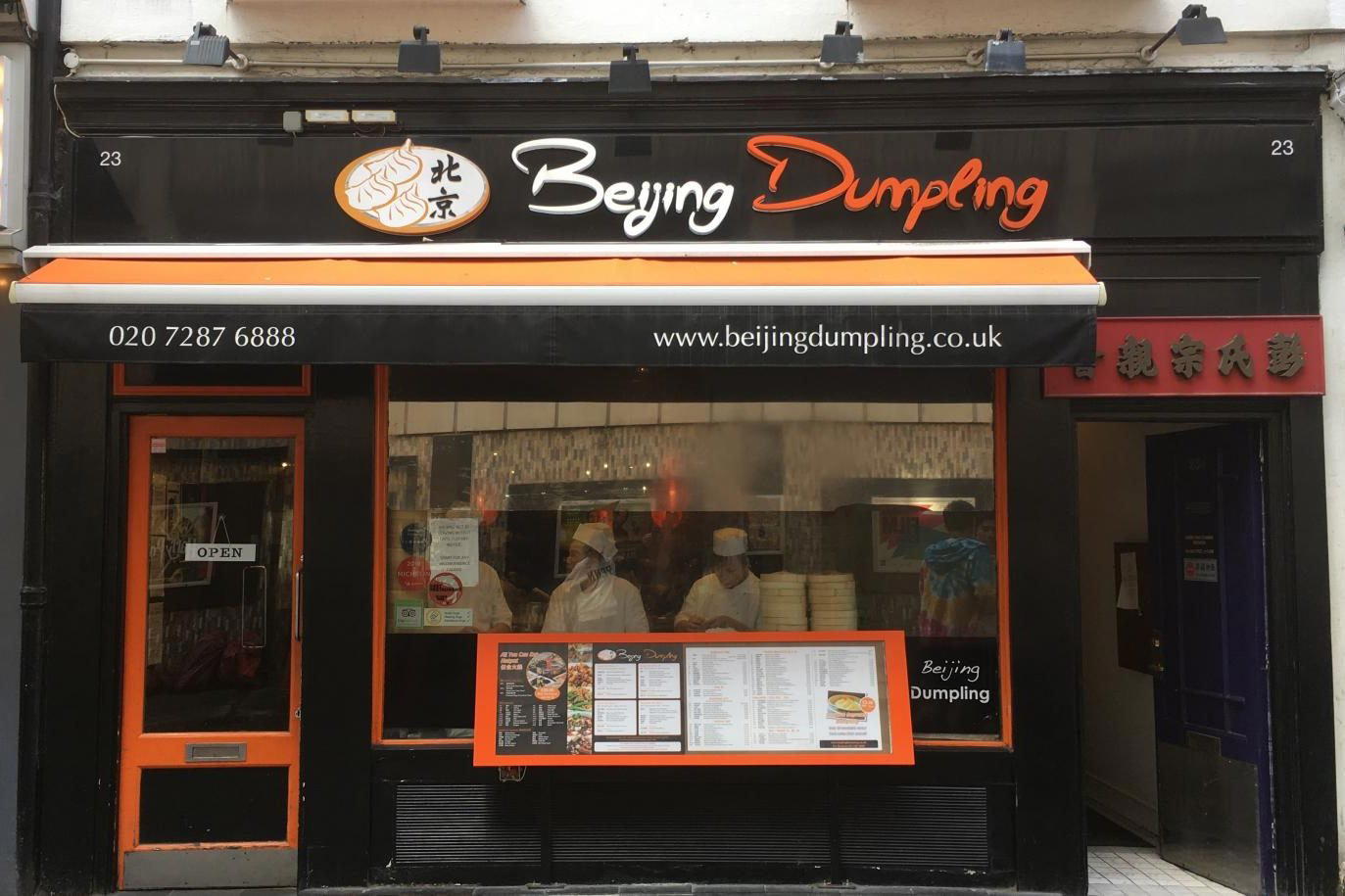
Lisle Street and the Logic of the Regular
Beijing Dumpling is an authentic Chinese dumplings restaurant in London, with a casual dress code, a recommended reservations policy, and an average price of about $35 per person. Chinatown in London occupies a peculiar position in the city's dining hierarchy. A short walk from the West End's three-Michelin-star tier, where Restaurant Gordon Ramsay and Sketch, The Lecture Room and Library command multi-hundred-pound tasting menus, Chinatown operates on a different set of values entirely. Here, the measure of a restaurant is not its awards or its room but its repeat rate: who comes back, how often, and whether the kitchen has held its standard. Beijing Dumpling, at 23 Lisle Street, passes that test by a margin that most of its neighbours do not.
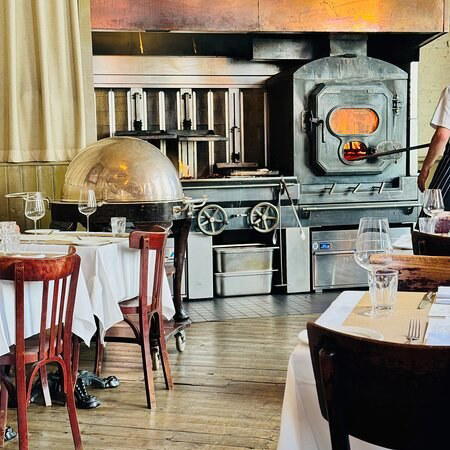
The address itself signals what to expect. Lisle Street runs parallel to Gerrard Street, the more photographed spine of Chinatown, but it draws a quieter, more purposeful crowd. There are no decorative lanterns or tourist menus in multiple languages framed in the window. The setup is functional: a small dining room, visible dumpling preparation, and a menu focused tightly on the format the name advertises. Regulars do not arrive looking for variety; they arrive knowing what they want.
What Keeps People Coming Back
The argument for hand-folded dumplings made on-site, in view of the dining room, is not a theatrical one. In a city where the production of food has largely retreated behind closed kitchen doors, watching the preparation happen in front of you functions as a trust signal. It is also a quality control mechanism that regulars understand instinctively: when the filling and the wrapper are assembled to order, the margin between a good and a poor dumpling narrows considerably.
This is the logic that sustains a certain category of Chinese restaurant in London. The format is not distinctive to Beijing Dumpling, but it is less common than it should be at this price point and in this postcode. Most of Chinatown's busier restaurants operate at a volume that makes hand-folding impractical; the dumpling production migrates off-site or to frozen supply. The regulars at Lisle Street are, knowingly or not, voting against that trend with each visit.
The unwritten menu at places like this is as important as the printed one. Regulars know which items hold leading across the gap between kitchen and table, which combinations work, and when to arrive. A mid-week lunch or an early weekday dinner avoids the weekend Chinatown surge that clogs the neighbouring blocks. The dining room's size means that timing matters more here than at a larger operation.
Beijing Dumpling in the Context of London's Chinese Dining Scene
London's Chinese restaurant offering spans a wider range than its Chinatown concentration suggests. Cantonese tradition dominates in Gerrard Street's older establishments. The past decade has brought more regional diversity, with Sichuanese, Shanghainese, and northern Chinese formats establishing footholds in Chinatown and beyond. Beijing-style cooking, which emphasises wheat-based preparations, doughs, and parcels over the rice-centric southern tradition, sits within that broader expansion. Dumplings, jiaozi, guotie, and their variants are the obvious entry point.
At the upper end of London's Chinese dining tier, the conversation has shifted toward Cantonese fine dining in Mayfair and the City. But for northern Chinese staples, the value is concentrated in Chinatown, and the quality differential between venues is more pronounced than casual visitors recognise. A restaurant that prepares its dumplings in-house occupies a different tier from one that does not, regardless of what the menu price suggests.
For context on London's broader dining range, CORE by Clare Smyth, The Ledbury, and Dinner by Heston Blumenthal anchor the city's Michelin-starred end. The restaurant operates at the opposite pole: low price, high turnover, and a kitchen discipline measured by consistency rather than creativity. These are different games, but both require genuine commitment to a standard. Across the UK, that same commitment to a clear, repeatable format distinguishes places like L'Enclume in Cartmel and Moor Hall in Aughton at the fine-dining end, and the principle scales down just as well.
The Atmosphere, Without Decoration
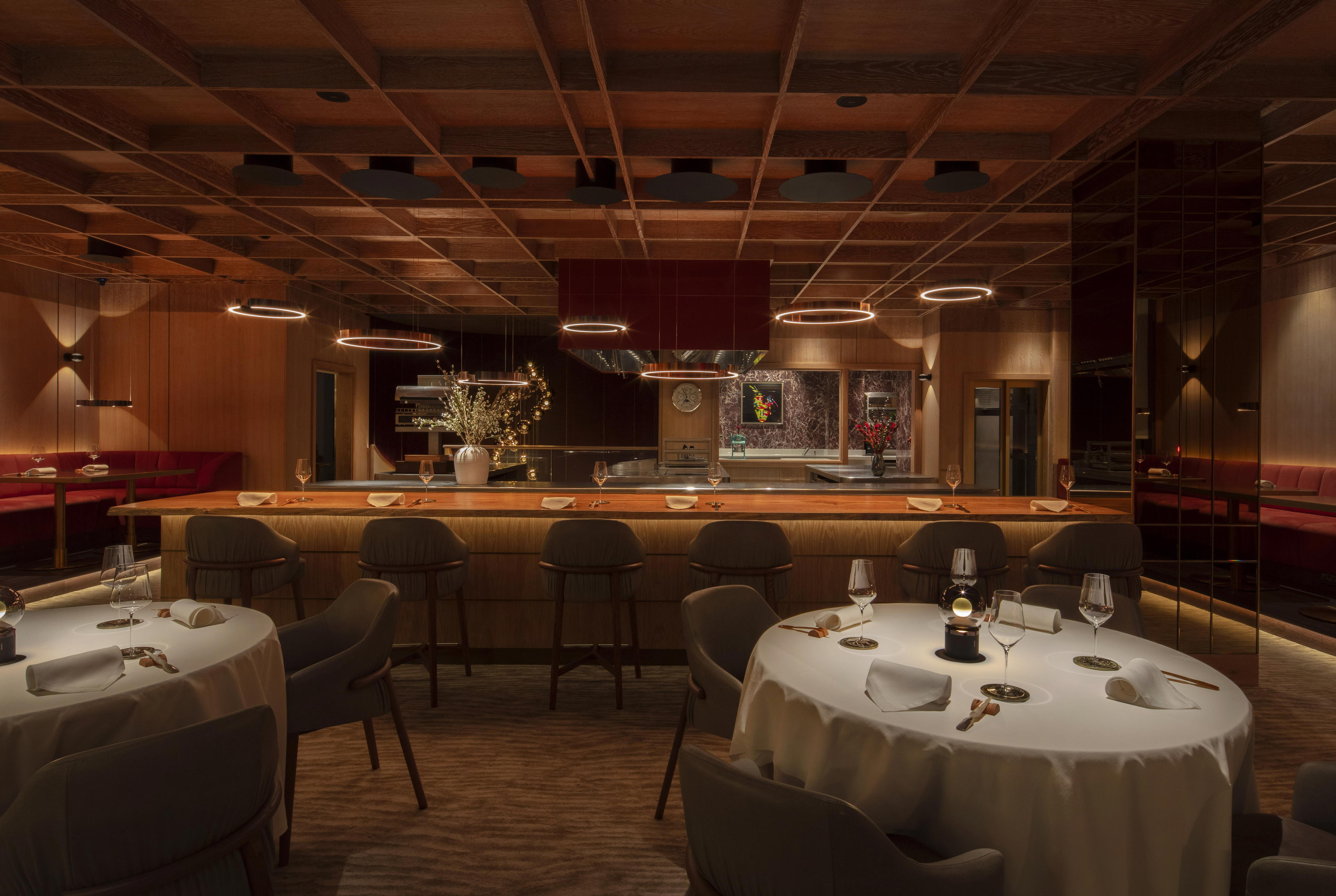
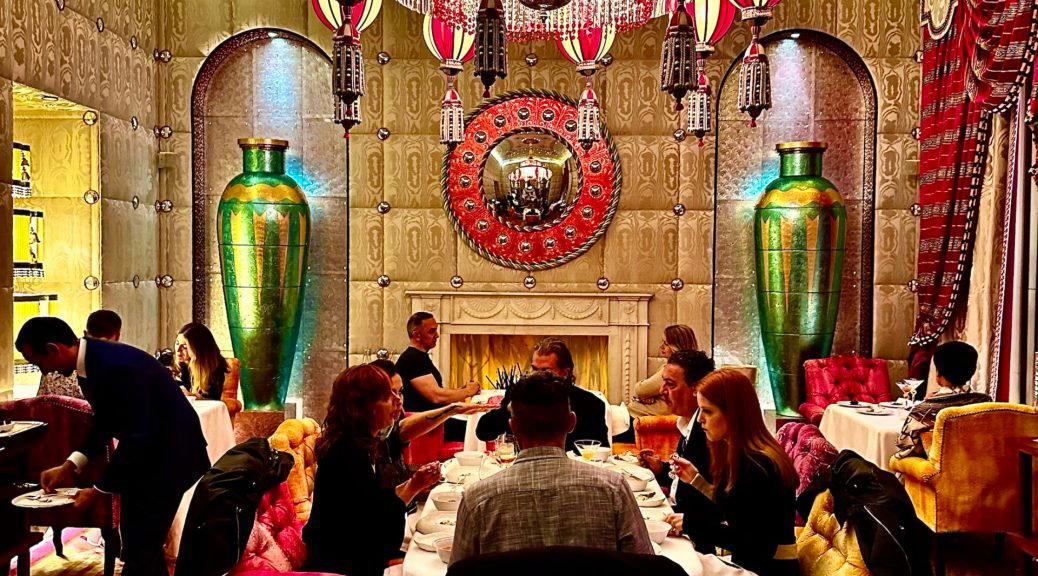
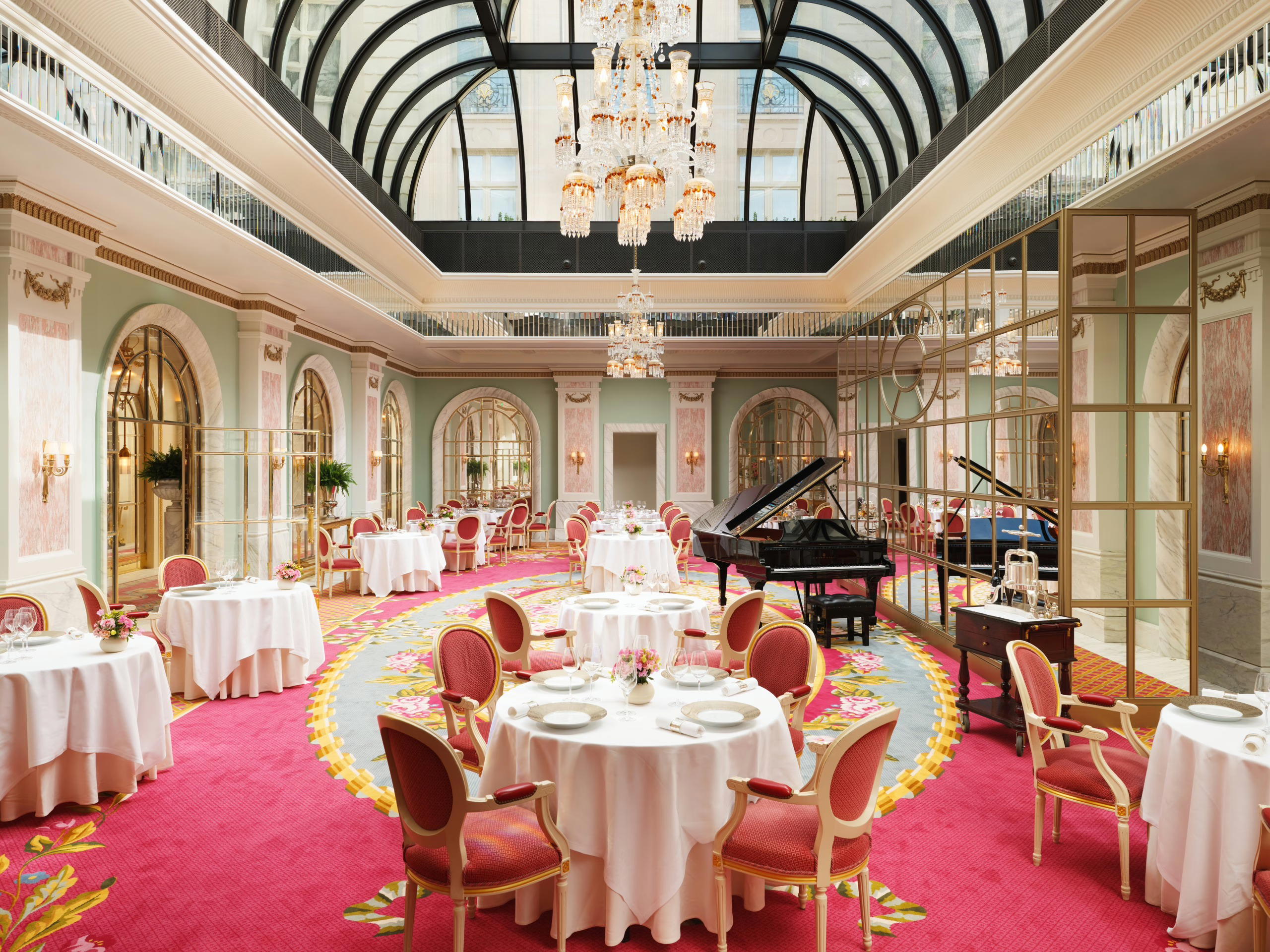
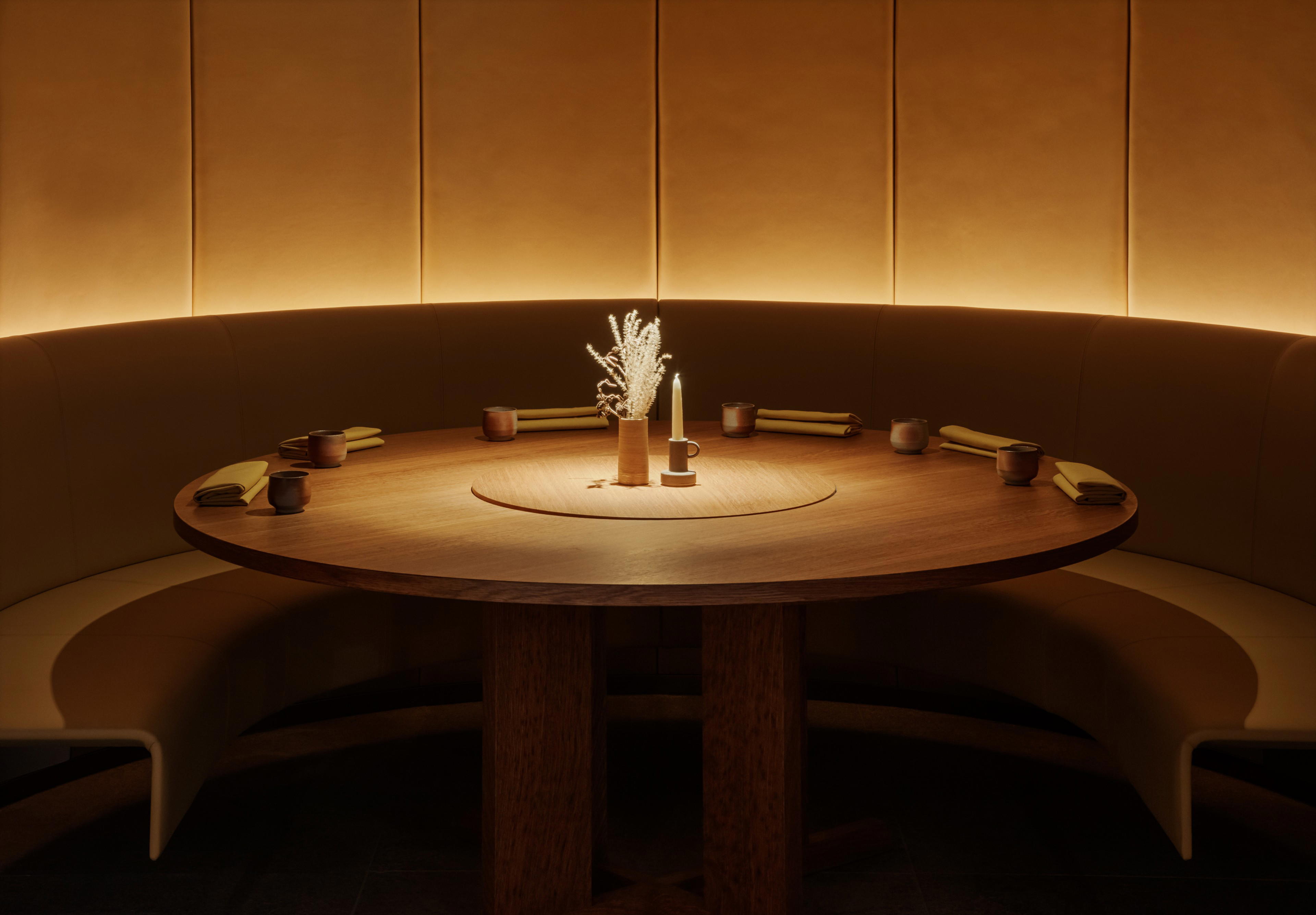
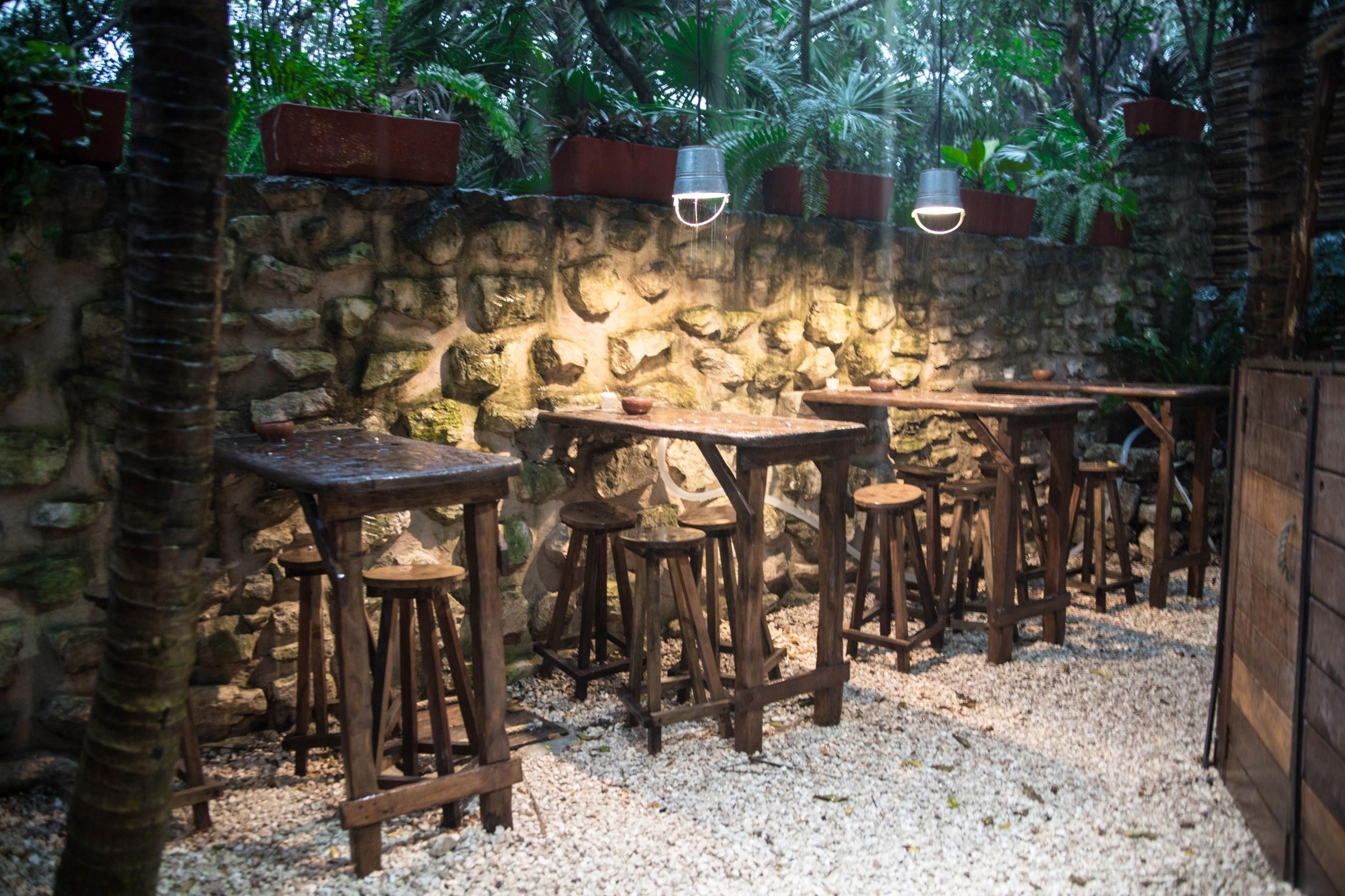
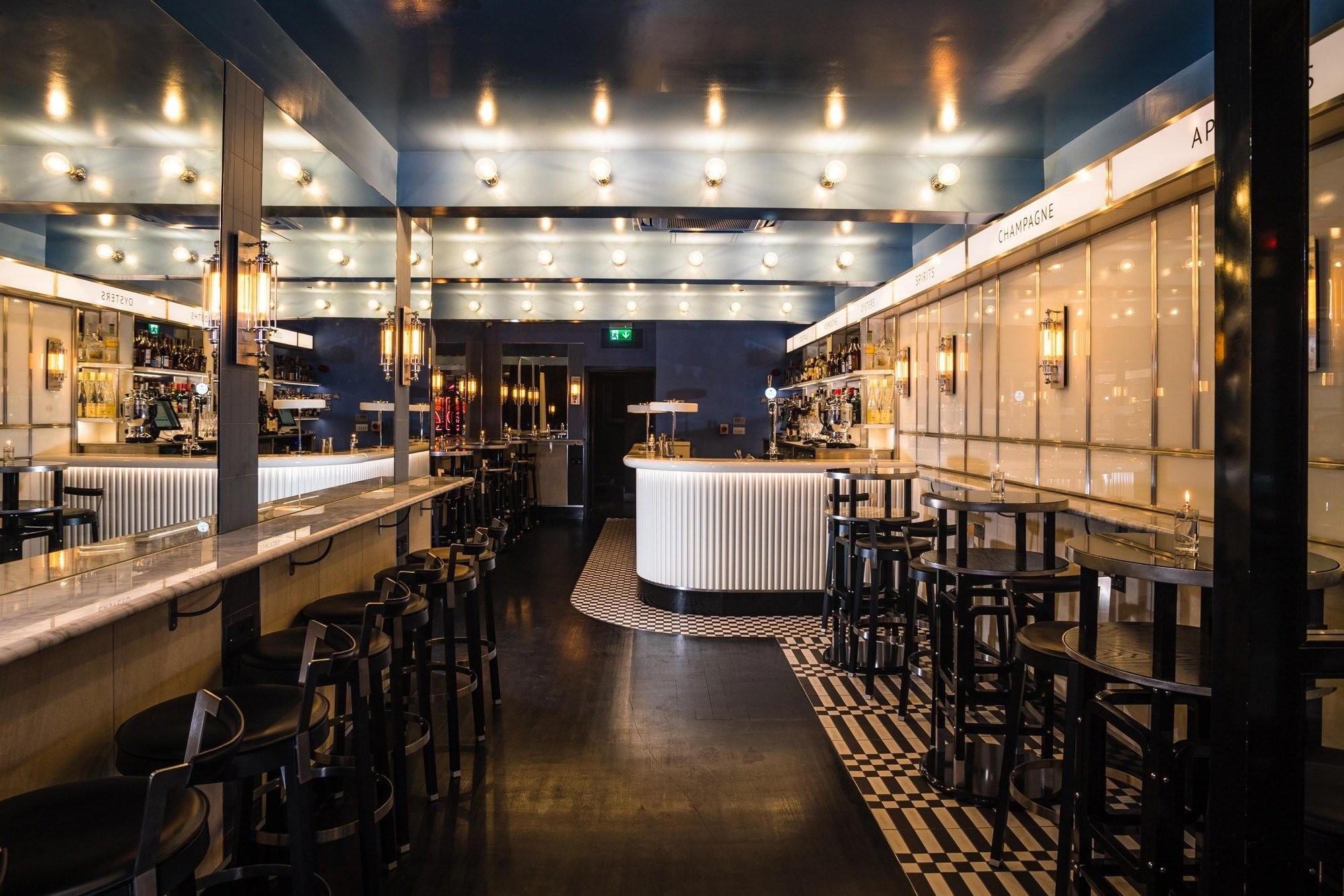
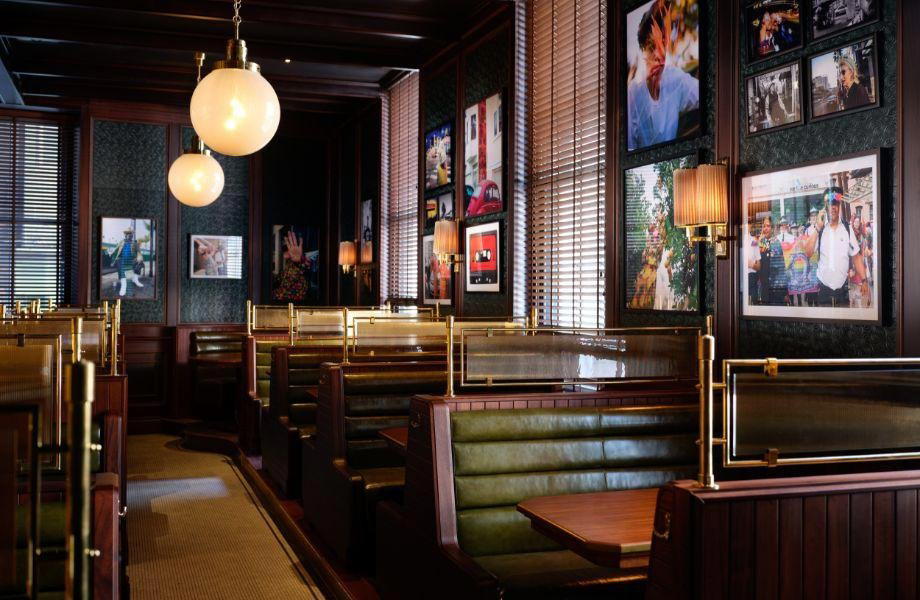
The physical environment at the restaurant is spare in the way that working restaurants often are: sufficient light, tables close enough together that you are aware of your neighbours, and a noise level that rises with occupancy. There is no acoustic engineering, no designed ambience, and no dress expectation. The room communicates, accurately, that the point is the food and the price, and that everything else is secondary.
This matters to the regulars, who treat the absence of atmosphere as its own kind of atmosphere. A Chinatown table at lunch with a clear sightline to the dumpling station and a bill that does not require advance planning is a specific pleasure that the city's more produced dining rooms cannot replicate. The contrast with, say, the formal rooms at Gidleigh Park in Chagford or the theatre of The Fat Duck in Bray is complete, and that is the point.
International comparisons reinforce how the format travels. The kind of disciplined, format-specific kitchen that restaurant represents has close parallels in New York's more focused Chinese and Korean dining rooms. Atomix in New York City occupies a different price bracket, but shares the same logic of a kitchen that does one thing and repeats it without drift. The repeat customer is the comprehensive quality signal at both ends of the spectrum.
Getting There and Planning a Visit
Know Before You Go
- Address: 23 Lisle St, London WC2H 7BA
- Nearest Tube: Leicester Square (Northern and Piccadilly lines), approximately 3 minutes on foot
- Leading timing: Weekday lunches and early weekday evenings avoid the heaviest Chinatown foot traffic; weekend evenings see queues on the block
- Booking: Reservations are recommended
- Price level: About $35 per person
- Group size: Small tables suit pairs and groups of four; larger parties may face a wait or split seating
For other strong regional UK options beyond the capital, hide and fox in Saltwood and Hand and Flowers in Marlow offer useful contrast. And for a transatlantic reference point on focused, format-driven kitchens, Le Bernardin in New York City shows what full commitment to a single culinary tradition looks like at the highest level.
The Essentials
Comparable venues nearby, for context on price, style, and recognition.
| Venue | Cuisine | Price |
|---|---|---|
| Beijing DumplingThis venue — the venue you are viewing | Chinatown, Authentic Chinese Dumplings | $$ |
| Yipin China | Angel, Authentic Hunanese & Sichuan | $$ |
| Lao Dao | Walworth, Authentic Xinjiang Chinese | $$ |
| Tofu Vegan Islington | Islington, Vegan Chinese | $$ |
| Honeymoon | Southgate, Traditional Chinese | $$ |
| Dalongyi hot pot | Fitzrovia, Authentic Sichuan Hot Pot | $$$ |



At a Glance
- Cozy
- Lively
- Casual Hangout
- Group Dining
- Open Kitchen
Current opening hours
- Monday
- 12–10:30 PM
- Tuesday
- 12–10:30 PM
- Wednesday
- 12–10:30 PM
- Thursday
- 12–10:30 PM
- Friday
- 12–10:30 PM
- Saturday
- 12–11:30 PM
- Sunday
- 11:30 AM–9:30 PM
Hours can change for holidays and private events. Last verified .
Warm and cozy with wooden tables, benches, low lanterns, and a homey feel.