La Braciera Pizzaria sits in Santana, a residential neighbourhood north of São Paulo's centre, where the pizza tradition runs through neighbourhood joints rather than tasting-menu destinations. The address on Rua Conselheiro Saraiva places it in a part of the city where regulars rather than tourists set the room's rhythm, a useful signal about what kind of evening this is likely to be.
Pearl is the En Primeur Club membership app — saves, bookings, and concierge access live there. Same editors, same standards.
- Address
- R. Conselheiro Saraiva, 664 - Santana, São Paulo - SP, 02037-021, Brazil
- Phone
- +551159902158
- Website
- labraciera.com.br
- Directions
- Get directions
 Saves & bookings on Pearl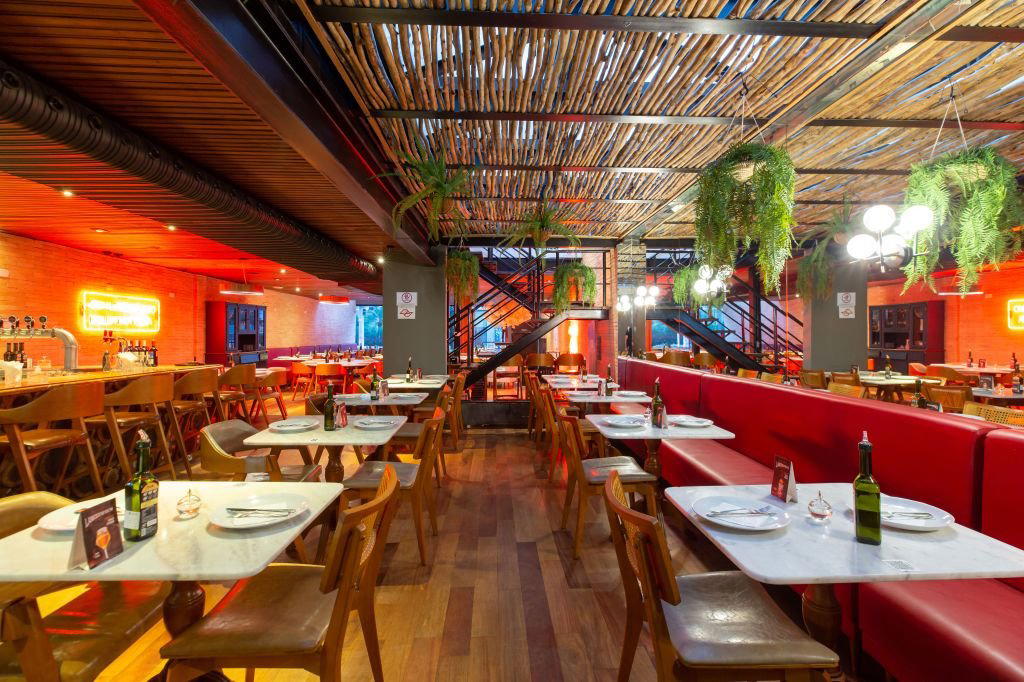
The Pizza Ritual in São Paulo's North
São Paulo's relationship with pizza is unlike anywhere else in Latin America. The city absorbed waves of Italian immigration through the late nineteenth and early twentieth centuries, and the result is a pizza culture that is genuinely its own, thicker-rimmed, more generous with cheese, and structurally different from the Neapolitan model that has come to dominate the global conversation. In Santana, a residential zone north of the Tietê River, that tradition plays out at neighbourhood level, away from the polished pizzerias of Jardins or Itaim Bibi that chase international comparison points. La Braciera Pizzaria, on Rua Conselheiro Saraiva, is a restaurant serving Neapolitan Pizza in Santana, São Paulo.
The address is functional rather than scenic. Santana is a working neighbourhood, dense with apartment blocks and local commerce, and restaurants here tend to serve a clientele that arrives on foot or by the 174 bus rather than by app-summoned car from Pinheiros. That sociological fact shapes the dining ritual before you sit down: the room's pace is set by regulars, and the ordering is unhurried. It is a useful corrective after an evening at, say, Evvai or Tuju, where the ritual is carefully choreographed.
How the Evening Unfolds
The São Paulo pizza ritual at this tier has its own customs. The room fills in a different pattern than a tasting-menu counter. The table fills with bread or small starters while the pizza is prepared, and the pie arrives whole, cut but unportioned, demanding the table to manage its own distribution. That collaborative mechanic is a meaningful departure from the individually plated formats at São Paulo's more formal Italian addresses like Fame Osteria, where the pacing is delegated to the kitchen and the front-of-house team.
At neighbourhood pizzerias across São Paulo, the oven is the room's anchor, and the gap between ordering and receiving is part of the social contract. You are expected to be present for the conversation, not waiting for the next course. That pacing suits groups, and the Santana demographic at a place like La Braciera Pizzaria tends to reflect this: families, small groups, couples who know the menu.
Santana in the Context of São Paulo's Pizza Geography
São Paulo's pizza geography has a loose but legible shape. The southern zones, particularly Vila Mariana and Moema, have long been associated with more polished, sometimes upmarket pizzerias. The eastern zones carry historically Italian character, with a concentration of old-school houses in Mooca and Brás. The north, which includes Santana, sits in a middle register: established, residential, less trafficked by the city's food media, and correspondingly less likely to appear on shortlists that also include D.O.M. or Maní.
That absence from the shortlists is not a judgment on quality; it is a structural feature of how São Paulo's food coverage works. The city's critics and food media tend to concentrate on the south and west, where international visitors and the city's wealthier demographics overlap. A pizzaria in Santana draws its authority from repeat local business rather than from guide recognition, which means the feedback loop is direct and unmediated. If the pizza is not working, the room empties. The neighbourhood does not sustain places on reputation alone.
For those tracking Brazil's formal dining scene more widely, Lasai in Rio de Janeiro represents a useful reference point for what the country's top tier looks like in a different city context.
What to Know Before You Go
Santana sits north of the city centre, accessible from the Metro Santana station on Line 1 (Blue), which connects directly to the Sé interchange and from there to most of the city. The neighbourhood is navigable on foot once you arrive, and Rua Conselheiro Saraiva is a standard residential commercial street with no particular navigational complexity. Parking is available on surrounding streets, which is relevant given that Santana sits outside the Zona Azul paid-parking perimeter that covers much of the inner city.
The practical recommendation is to visit mid-week if flexibility allows, when São Paulo's neighbourhood pizzerias tend to be less pressured than the Friday and Saturday peak. Paulistanos take their pizza seriously on the weekend, and queues at well-regarded neighbourhood houses are a normal part of the ritual. Arriving before 8pm on a weekday is a reliable way to settle in without competition for the room.
Those building a broader São Paulo itinerary around the full range of Brazilian and Italian-influenced cooking can use coverage of Fame Osteria for contemporary Italian, or consult entries for regional Brazilian further afield, including Bistro Fitz Carraldo in Manaus and Cantina Pozzobon in Santa Maria for how Italian-Brazilian cooking varies across the country's regions. For pizza specifically, Famosa Pizza in Ribeirão Preto and Fornazzo Pizzaria in Passo Fundo offer a sense of how the format travels across the Brazilian interior.
Cuisine-First Comparison
Comparable venues nearby, for context on price, style, and recognition.
| Venue | Cuisine | Price | Notes |
|---|---|---|---|
| La Braciera PizzariaThis venue — the venue you are viewing | Neapolitan Pizza | $$ | Not listed |
| A Pizza da Mooca | Modern Neapolitan Pizza | $$ | Cambuci |
| A Pizza da Mooca | Modern Neapolitan Pizza Pizzeria | $$ | Pinheiros |
| Temperani | Italian Trattoria | $$ | Agua Rasa |
| Nino Cucina | Modern Italian Trattoria | $$$ | Pinheiros |
| Altruísta Osteria e Enoteca | Italian Osteria with Wine Focus | $$$ | Jardim Paulista |
Continue exploring
More in São Paulo
Restaurants in São Paulo
Browse all →
Bars in São Paulo
Browse all →
At a Glance
- Cozy
- Classic
- Rustic
- Family
- Casual Hangout
- Group Dining
- Open Kitchen
Current opening hours
- Monday
- 6–11 PM
- Tuesday
- 6–11 PM
- Wednesday
- 6–11 PM
- Thursday
- 6–11 PM
- Friday
- 6 PM–12 AM
- Saturday
- 6 PM–12 AM
- Sunday
- 6–11 PM
Hours can change for holidays and private events. Last verified .
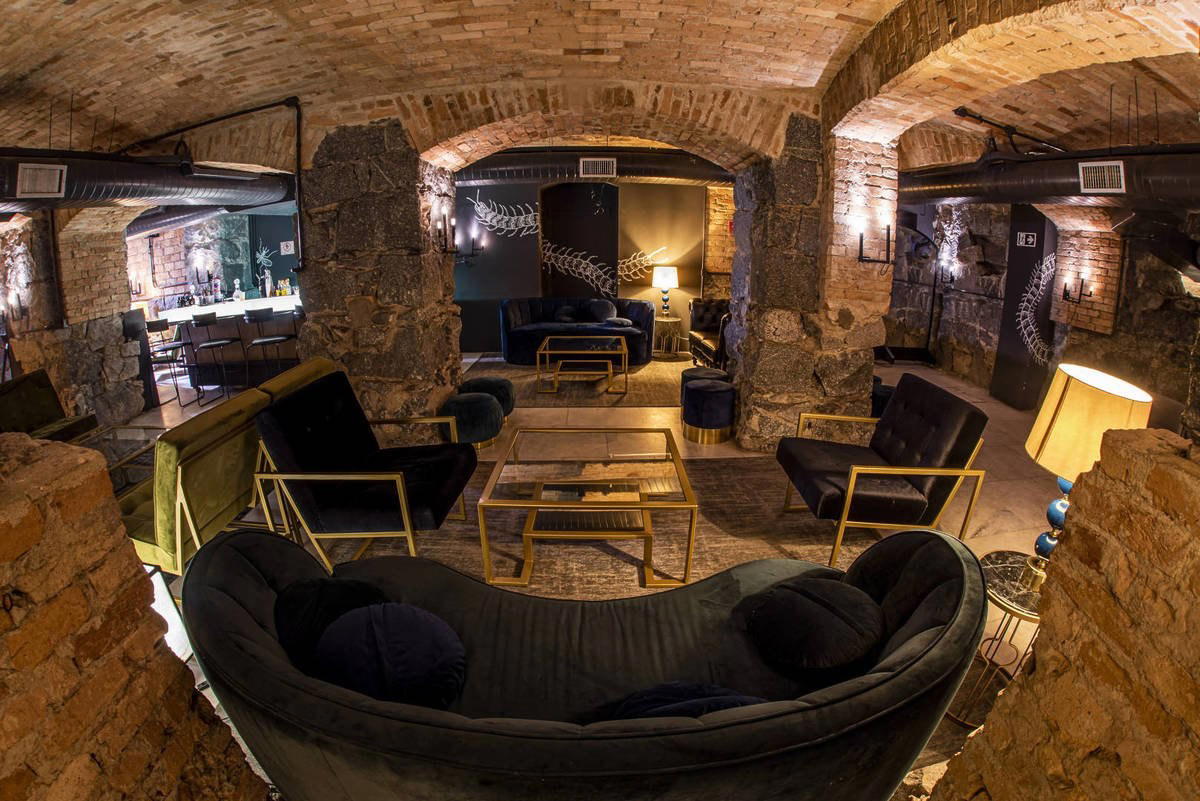
Cozy environment with the inviting heat and aroma of a wood-fired oven, offering a direct and appetite-driven Italian atmosphere.