Rossberg
Rossberg sits at Rossbergstrasse 41 in Kemptthal, a quietly industrial village in the Zurich highlands that rarely appears on the Swiss fine dining circuit. The address alone signals a kitchen operating at some remove from the capital's restaurant noise, which in Switzerland's tightly competitive dining scene is rarely accidental. For context on what the broader region offers, see our full Kemptthal restaurants guide.
Pearl is the En Primeur Club membership app — saves, bookings, and concierge access live there. Same editors, same standards.
- Address
- Rossbergstrasse 41, 8310 Kemptthal, Switzerland
- Phone
- +41523451163
- Website
- rossberg-winterthur.ch
- Directions
- Get directions
 Saves & bookings on Pearl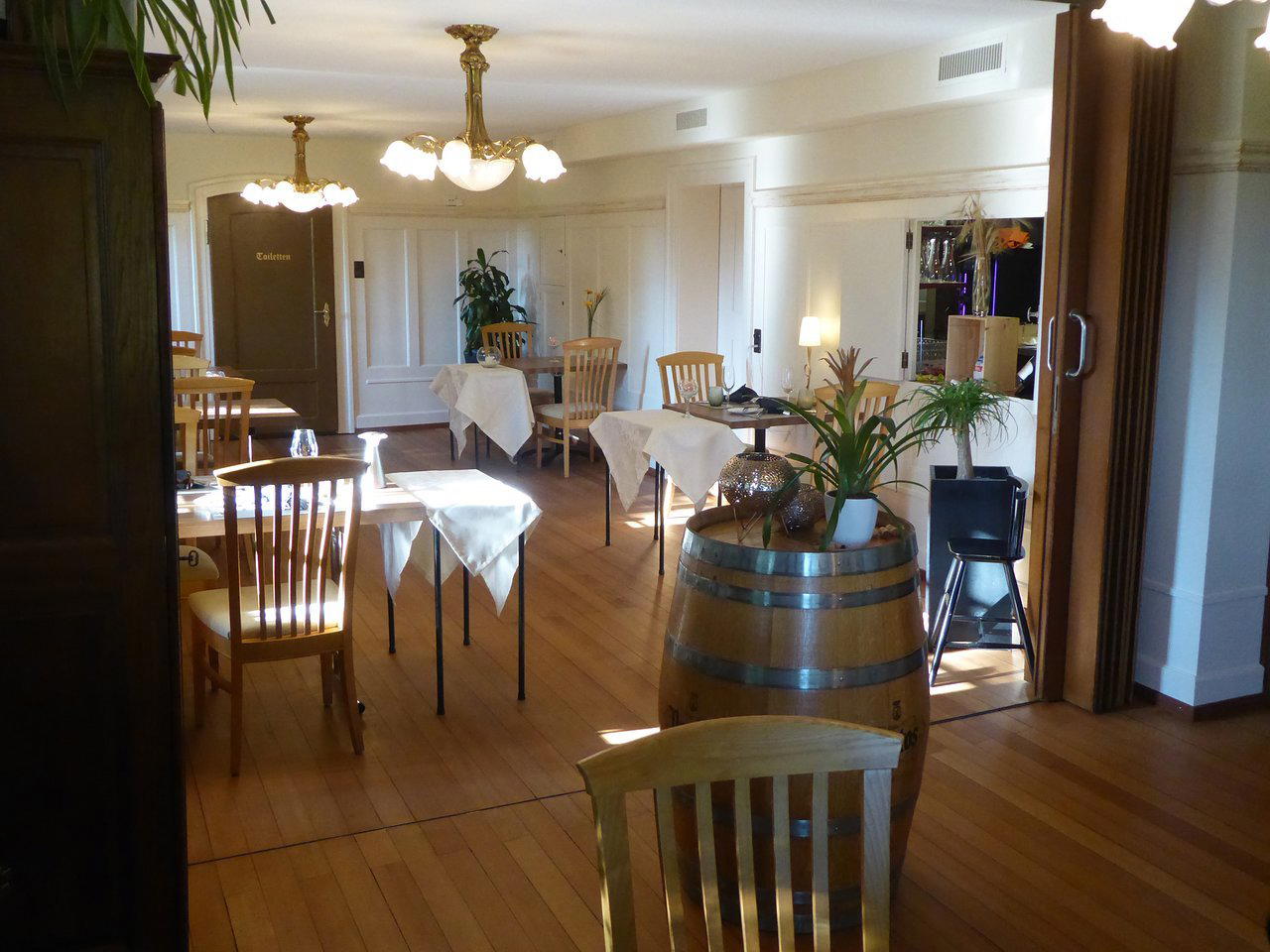
Approaching Kemptthal: What the Setting Signals
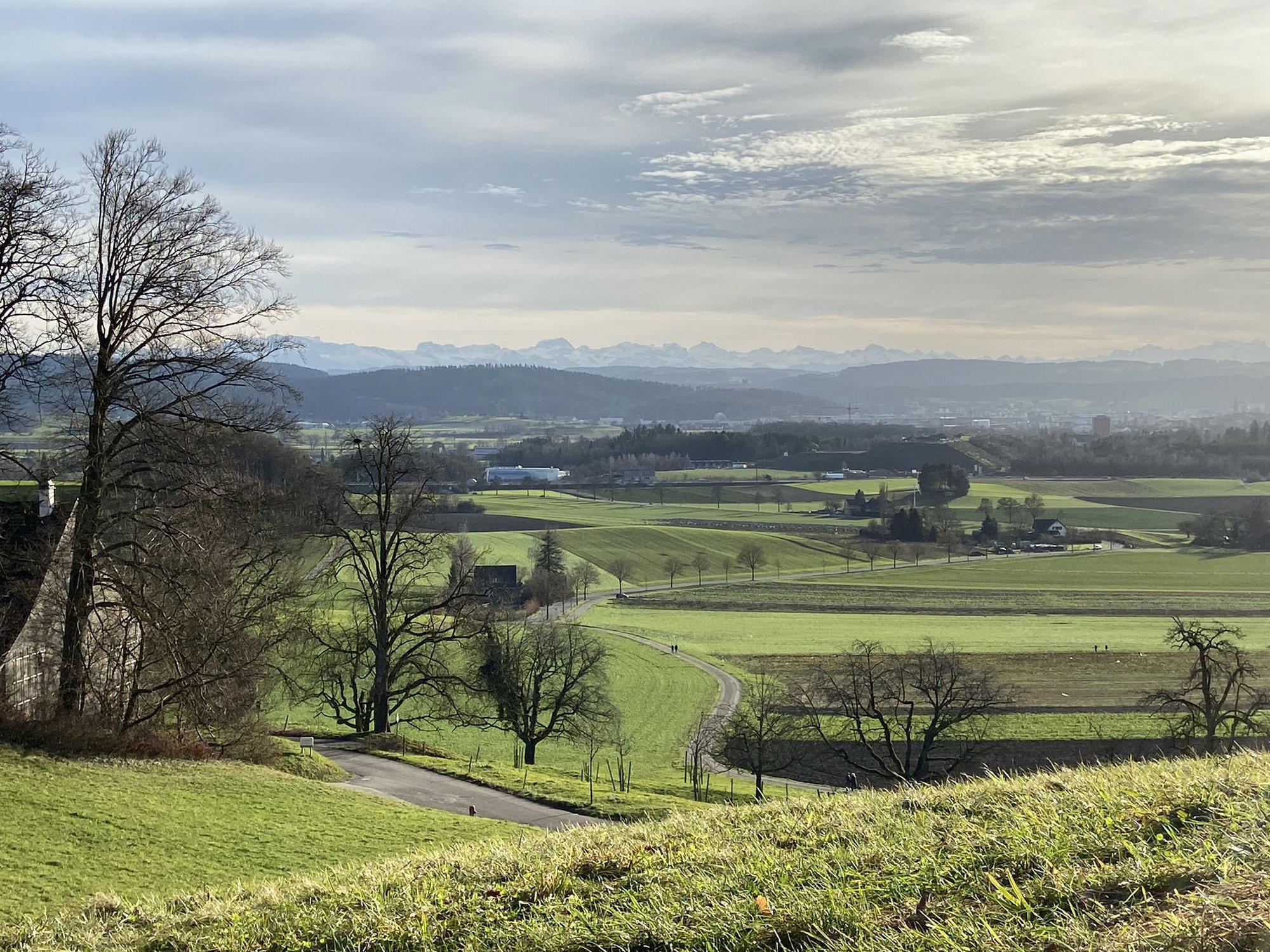
The Zurich highlands carry a particular kind of quiet that is easy to mistake for absence. Villages like Kemptthal sit along river valleys and low ridgelines, their architecture shaped by centuries of craft industry rather than tourism, the farmland close enough to town centres that the boundary between agricultural and civic life remains genuinely porous. Arriving at Rossbergstrasse 41, the address of Rossberg, you are already outside the radius where most Swiss fine dining concentrates — a fact that tells you something specific about how this kitchen chooses to position itself relative to the city-centre tier.
Switzerland's premium dining circuit runs through Zurich, Geneva, Basel, and a cluster of destination addresses scattered across the cantons. Properties like Schloss Schauenstein in Fürstenau and Memories in Bad Ragaz have demonstrated that serious kitchens can anchor themselves in peripheral locations without sacrificing recognition — but the trade-off is that the audience must be willing to make the journey, which means the food and the experience need to justify the detour on their own terms.
The Sourcing Logic of a Rural Swiss Address
One of the structural advantages a kitchen in Kemptthal carries over its urban counterparts is proximity to primary producers. The Zurich highlands have long supported mixed farming, dairy, arable, market gardening, at a scale that city-based restaurants can access only through distribution chains. A kitchen operating in this landscape can, in principle, compress the distance between field and plate in ways that a Zurich restaurant on Bahnhofstrasse simply cannot replicate without significant logistical cost.
This matters because Switzerland's broader culinary conversation has moved decisively toward terroir accountability over the past decade. The question is no longer whether a menu describes its sourcing, but whether the sourcing is structurally embedded, whether the producers are named, the relationships are durable, and the kitchen's purchasing decisions actually shape what appears on the menu rather than the reverse. In the cantons surrounding Zurich, the raw material exists: high-welfare livestock, small-scale cheesemakers, orchards producing varieties that supermarket supply chains have no use for. Kitchens willing to work within seasonal constraints rather than around them find the region genuinely generous.
This sourcing dynamic connects to a pattern visible across Swiss destinations. focus ATELIER in Vitznau and Magdalena in Schwyz have each built their editorial identity partly around the specificity of their respective regions' produce, a model that treats geography as ingredient rather than backdrop. IGNIV Zürich by Andreas Caminada in the city takes a different approach, using the sharing-format as its primary structural proposition, but even there the Swiss larder informs the menu's character.
Kemptthal in the Swiss Dining Hierarchy
Switzerland's Michelin map is densely starred relative to its population, but those stars cluster. The German-speaking cantons, Zurich, St. Gallen, Graubünden, hold a significant portion of the country's leading addresses. Einstein Gourmet in Sankt Gallen and Cheval Blanc by Peter Knogl in Basel represent the kind of institutionally recognised fine dining that anchors this tier. Further afield, the French-speaking cantons contribute addresses like Hotel de Ville Crissier in Crissier and La Table du Lausanne Palace in Lausanne, while the Italian-influenced south produces a different register again, as at La Brezza in Ascona.
Kemptthal sits outside these established nodes, which positions Rossberg differently from the outset. That position can change quickly, the Swiss Michelin selection has shown a willingness to locate stars in unexpected postcodes, as the Graubünden addresses demonstrate, but it also means the current experience is defined by something other than institutional validation.
For readers accustomed to the destination-restaurant logic of 7132 Silver in Vals or Maison Wenger in Le Noirmont, where the journey is itself part of the proposition, Kemptthal operates on a more compressed scale. Zurich is close enough that this is a viable evening out rather than an overnight commitment, a different kind of detour, but a detour nonetheless.
Placing Rossberg in a Wider Reference Frame
Internationally, kitchens operating in post-industrial or semi-rural settings adjacent to major cities have formed their own recognisable category. The logic at Le Bernardin in New York City or Atomix in New York City is built on urban density and metropolitan ambition; the logic of a Kemptthal address is structurally different, it bets on specificity of place and proximity to supply rather than on the gravitational pull of a city centre. Neither model is inherently superior; they answer different questions about what a restaurant is for. In the Swiss context, Colonnade in Lucerne and Da Vittorio in St. Moritz show how destination towns generate their own dining gravity independently of the major cities. L'Atelier Robuchon in Geneva sits at the opposite end of the spectrum, where the brand carries more weight than the postcode. Rossberg, by geography alone, is betting on something closer to the former.
Planning a Visit
Kemptthal is accessible from Zurich by regional train or car, making the village a realistic lunch or dinner destination from the city without requiring an overnight stay. The address at Rossbergstrasse 41 is specific enough to locate easily, though visitors arriving by public transport should confirm onward connections in advance, as rural Swiss timetables reward planning. For a broader map of what Kemptthal's dining scene offers, see our full Kemptthal restaurants guide.
How Rossberg Kemptthal compares with similar nearby venues.
| Venue | Cuisine | Price |
|---|---|---|
| First | Farm to table | €€ |
Continue exploring
More in Kemptthal
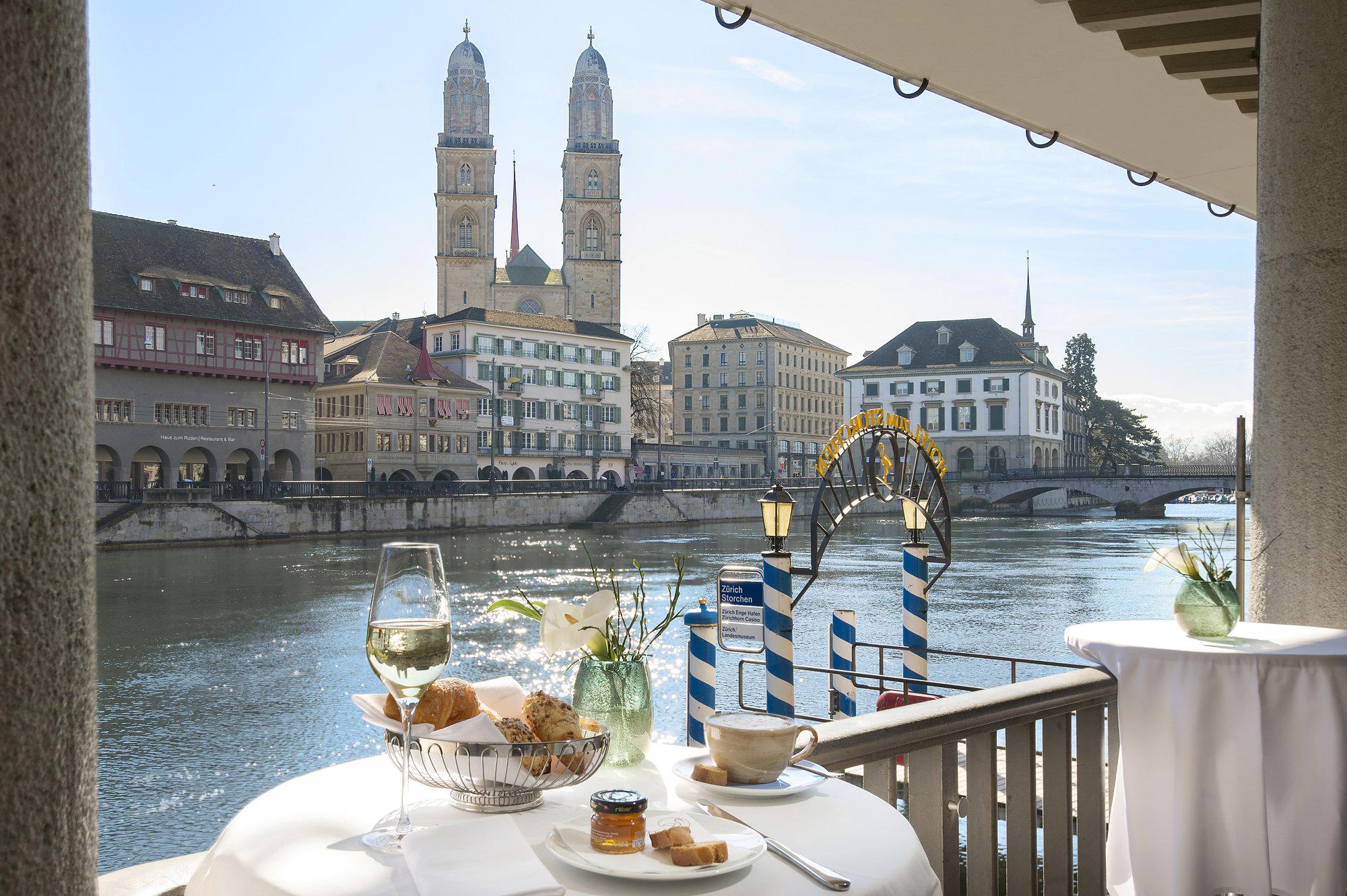
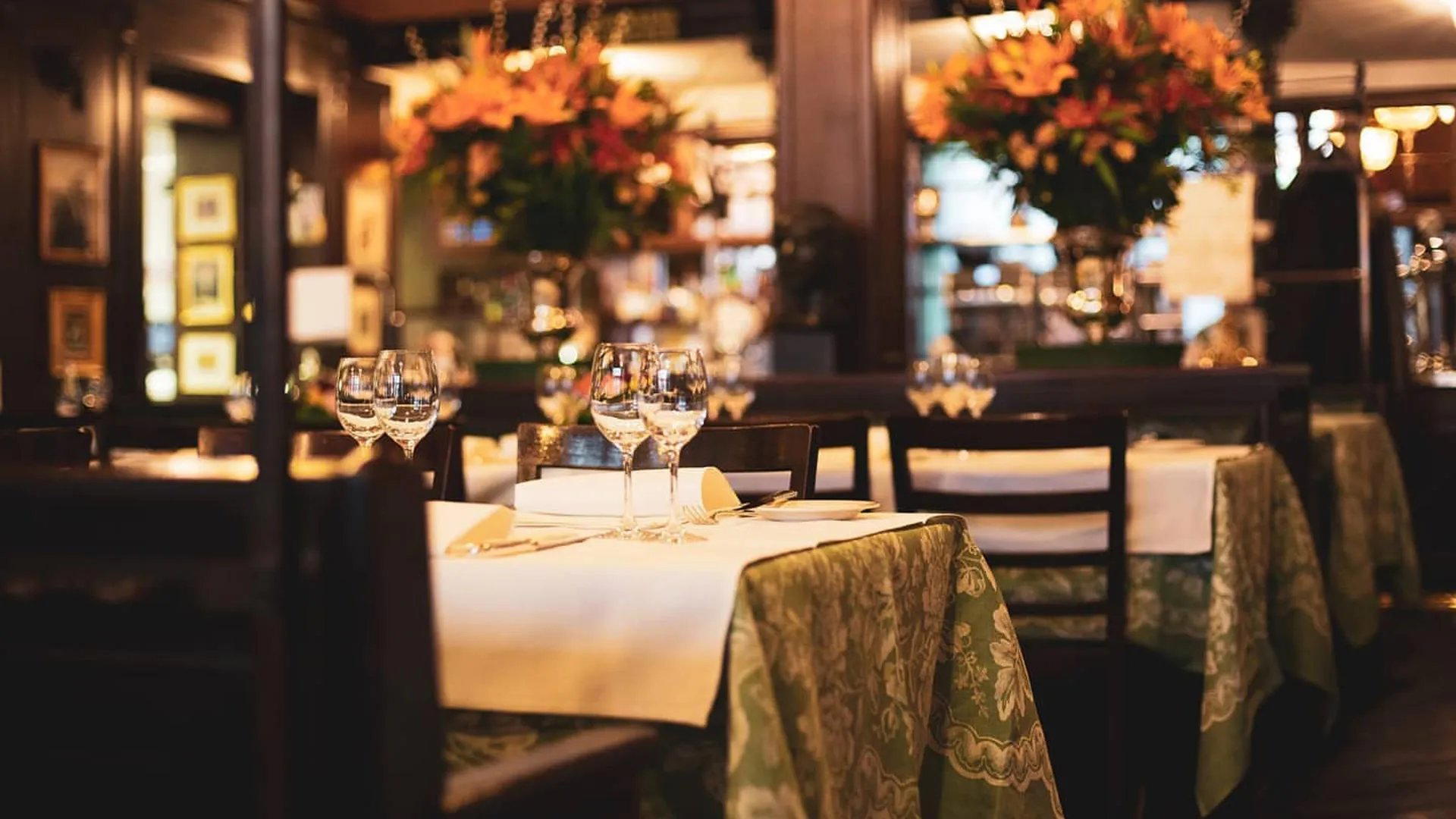
Restaurants in Kemptthal
Browse all →
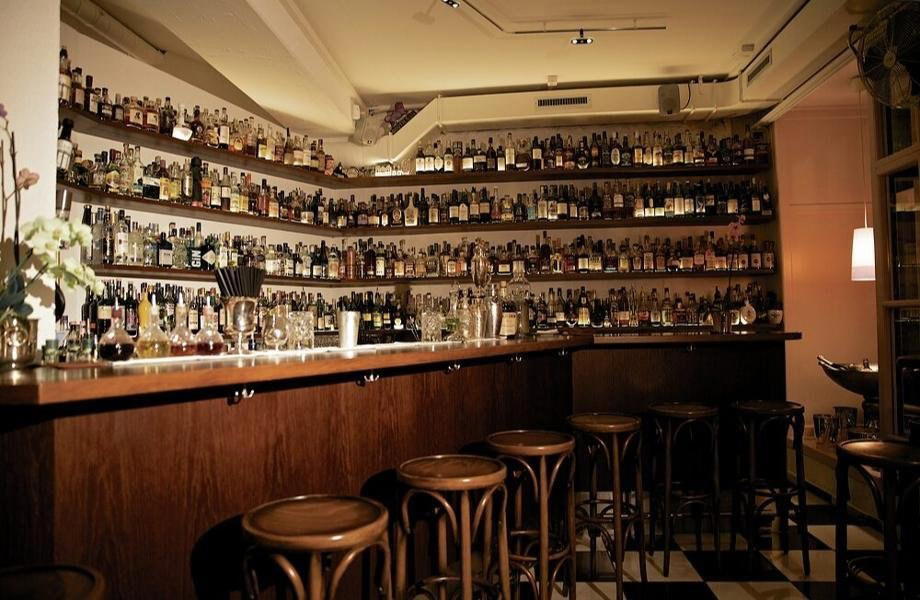
Bars in Kemptthal
Browse all →
Hotels in Kemptthal
Browse all →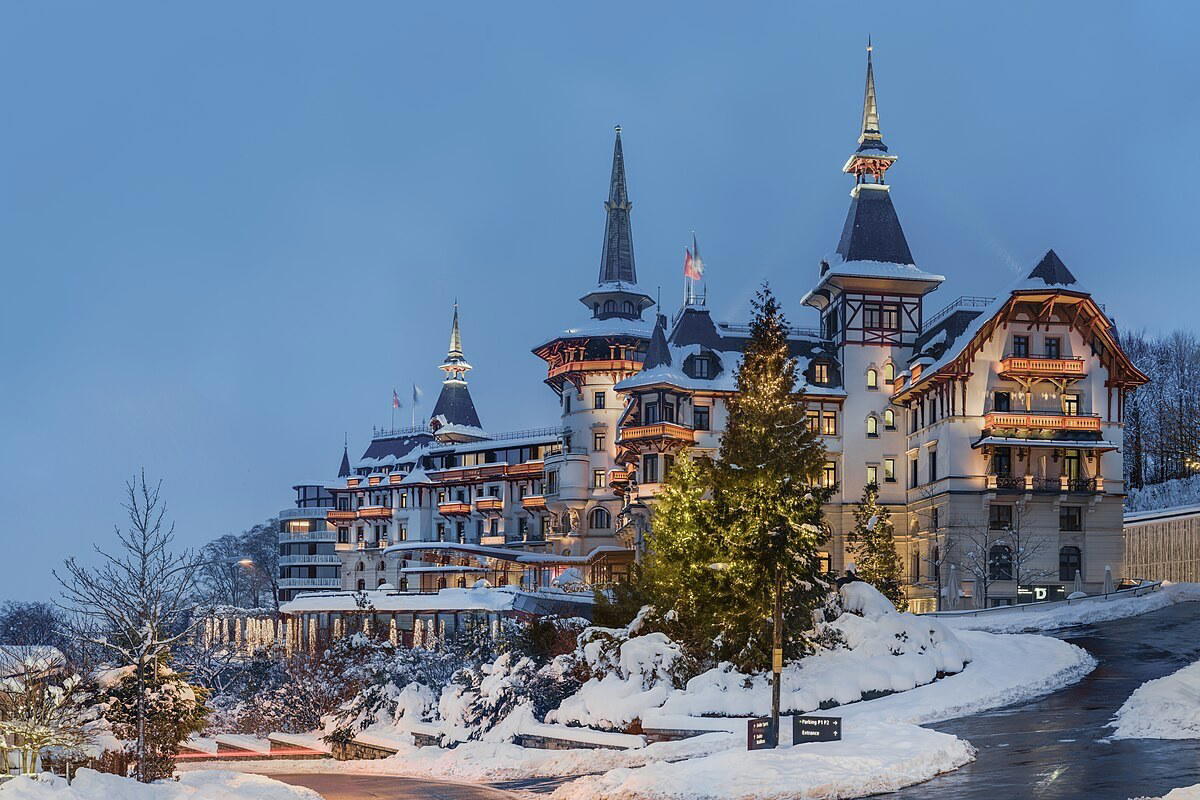

At a Glance
- Cozy
- Lively
- Family
- Celebration
- Casual Hangout
- Garden
- Historic Building
- Local Sourcing
- Garden
Current opening hours
- Monday
- 11:30 AM–9 PM
- Tuesday
- Closed
- Wednesday
- Closed
- Thursday
- 11:30 AM–10 PM
- Friday
- 11:30 AM–11 PM
- Saturday
- 12–11 PM
- Sunday
- 12–9 PM
Hours can change for holidays and private events. Last verified .
Cozy in winter with gemütliche atmosphere, lively upmarket vibe, and peaceful garden seating in summer.