Bloom
Bloom occupies a central address on Stadthausstrasse in Winterthur, placing it within walking distance of the city's compact old town. The restaurant sits in a dining scene that punches above its size, with several serious kitchens operating in a city more often overshadowed by Zurich. Bloom draws those looking for considered cooking in a mid-sized Swiss city with a genuinely local character.
Pearl is the En Primeur Club membership app — saves, bookings, and concierge access live there. Same editors, same standards.
- Address
- Stadthausstrasse 4, 8400 Winterthur, Switzerland
- Phone
- +41522650365
- Website
- bloom.ch
- Directions
- Get directions
 Saves & bookings on Pearl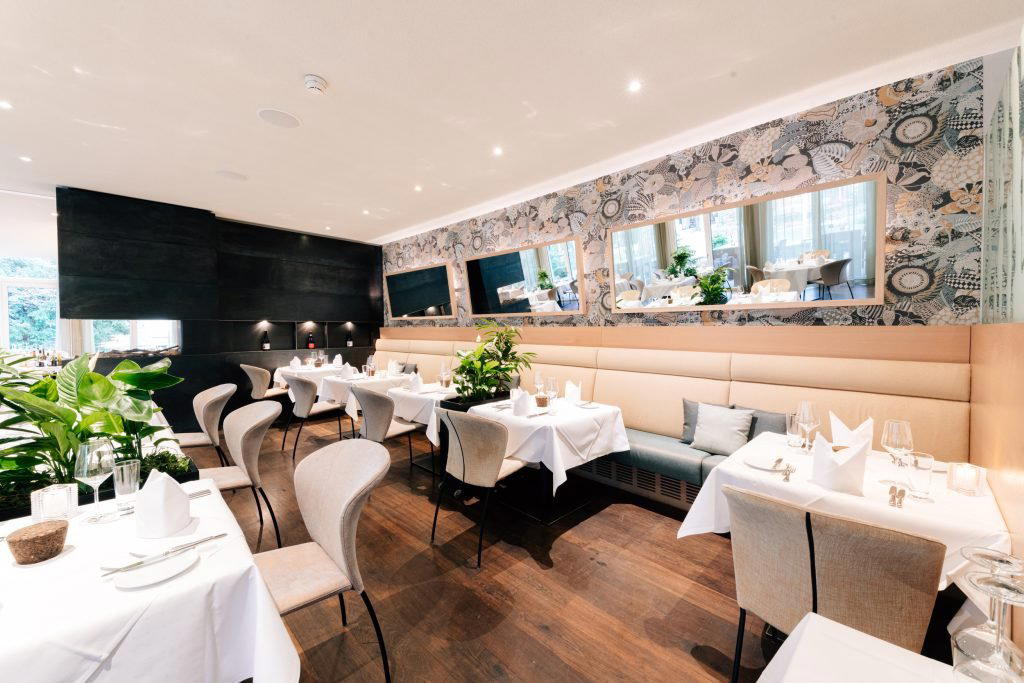
Winterthur at the Table
Winterthur has a dining identity that resists easy summary. Switzerland's sixth-largest city sits close enough to Zurich to lose visitors to its neighbour, yet its restaurant scene has developed its own cadence over the past decade: a handful of kitchens operating with genuine ambition, a street-level food culture that reflects the city's industrial and creative history, and a price register that sits below Zurich's without sacrificing seriousness. Bloom is a restaurant serving Modern Swiss cuisine at Stadthausstrasse 4 in Winterthur, Switzerland, with.
The address itself matters. Stadthausstrasse runs through the civic heart of Winterthur, close to the Stadthaus and the network of pedestrian lanes that define the old town. Arriving on foot from the main railway station takes roughly ten minutes along a route that passes the city's covered arcades and small squares. The physical setting is Swiss-urban in grounded sense: not the lakeside glamour of Zurich or Geneva, not the postcard baroque of Lucerne, but a working city with a confident sense of its own culture.
Where Bloom Sits in the Local Dining Order
Winterthur's mid-market to upper-mid restaurant tier is anchored by a small group of kitchens that take seasonal sourcing and culinary craft seriously without positioning themselves as destination-dining events. Trübli and Rosa Pulver both operate in the seasonal and modern cuisine register at a comparable price point (each rated €€€), suggesting a peer group that values ingredient-led cooking over spectacle. Bloom occupies this same tier, which in a city like Winterthur means direct competition from neighbours who know their regulars by name.
For the broader Swiss fine-dining frame, it is worth noting what surrounds the region. Canton Zurich and eastern Switzerland hold several of the country's more decorated kitchens: Schloss Schauenstein in Fürstenau, Memories in Bad Ragaz, and Mammertsberg in Freidorf all represent the upper tier of Swiss cooking within reasonable driving distance. Einstein Gourmet in Sankt Gallen sits an hour east by rail. Bloom's positioning sits outside that Michelin-tracked bracket. Winterthur's most consistent restaurant visitors are not travelling from abroad for a single destination meal; they are residents and regional visitors who return regularly, and that shapes what a kitchen needs to deliver.
The Cultural Logic of Swiss Civic Dining
Swiss cuisine at the civic, non-destination level is harder to characterise than its famous high-end export version. The Michelin-decorated Swiss table, from Hotel de Ville Crissier in Crissier to Cheval Blanc by Peter Knogl in Basel, operates within a French-influenced fine-dining tradition that has deep roots in the Romand west and has spread, via Swiss hospitality training, across the country. But the everyday restaurant culture of German-speaking Switzerland draws on different instincts: a preference for directness, a genuine attachment to regional produce, and a social function that makes the restaurant as much a civic space as a dining room.
Restaurants in this tradition work leading when they reflect the city they are in rather than aiming at a generic European cosmopolitanism. Particularly enduring rooms in cities like Winterthur, Bern, and St. Gallen tend to be those that feel rooted: in a neighbourhood, in a season, in a local supply network. That rootedness is what the €€€ seasonal and modern cuisine kitchens of Winterthur are competing on, and it is the frame in which Bloom should be read.
Comparable Experiences in Winterthur
For visitors building a broader Winterthur dining itinerary, the city's range is worth mapping. Cantinetta Bindella represents the Italian end of the mid-range, a format that travels well in Swiss cities where Italian-Swiss culinary crossover has a long history. Das Taggenberg sits slightly outside the centre with a more destination character. At the informal end, Big Burger Winterthur and BurgerChuchi anchor the city's casual register, while Bolero Club operates in a different social register altogether. Bloom sits between the casual and the destination tiers, which in a city this size is precisely where consistent custom comes from.
The international comparison set for this kind of civic cooking is wider than Swiss borders. Lazy Bear in San Francisco demonstrates how communal-format dining can build genuine local identity rather than tourist capture. Le Bernardin in New York City sits at the opposite pole of formality, but its decades-long consistency in a single cuisine discipline is the kind of institutional durability that any serious kitchen aspires to over time. Closer to home, La Table du Valrose in Rougemont, Maison Wenger in Le Noirmont, and focus ATELIER in Vitznau each show how Swiss kitchens outside the major cities build reputations on precision and place rather than scale. Da Vittorio in St. Moritz occupies a different position again, where resort economics shape both the menu and the pricing in ways that city restaurants cannot replicate.
Planning a Visit
Bloom's address at Stadthausstrasse 4 places it in the walkable core of Winterthur, accessible from the main Bahnhof in under fifteen minutes on foot or in a few minutes by tram. Winterthur is on the main Zurich to St. Gallen rail line, making it direct to reach from Zurich HB in around twenty minutes on a direct service. For visitors combining Bloom with broader dining in the region, the city functions well as a day-trip or short-stay base. The restaurant sits in a dining neighbourhood where evenings fill quickly on weekends, particularly as Winterthur's restaurant culture skews toward regulars rather than walk-in visitors.
For a fuller picture of what the city offers across price points and cuisines, the EP Club Winterthur restaurants guide maps the scene in detail.
Price Lens
Comparable venues nearby, for context on price, style, and recognition.
| Venue | Cuisine | Price | Notes |
|---|---|---|---|
| BloomThis venue — the venue you are viewing | Stadthausstrasse, Modern Swiss | $$$ | Not listed |
| Fredi | Not listed | $$ | Old Town, Modern Swiss with Mediterranean influences |
| Cantinetta Bindella | Not listed | $$$ | Marktgasse, Old Town, Authentic Tuscan Osteria |
| nachbarsbox | Winterthur, Swiss Fusion Burgers & Bowls | $$ | Not listed |
| Hello Vietnam | Not listed | $$ | Neuwiesen Zentrum, Vietnamese Street Food |
| El Burrito Feliz | Authentic Mexican | $$ | Not listed |
Continue exploring
More in Winterthur
Restaurants in Winterthur
Browse all →
Bars in Winterthur
Browse all →
Hotels in Winterthur
Browse all →

At a Glance
- Modern
- Elegant
- Cozy
- Business Dinner
- Date Night
- Brunch
- Terrace
- Open Kitchen
- Extensive Wine List
- Craft Cocktails
- Local Sourcing
- Garden
Current opening hours
- Monday
- 7 AM–11:30 PM
- Tuesday
- 7 AM–11:30 PM
- Wednesday
- 7 AM–11:30 PM
- Thursday
- 7 AM–11:30 PM
- Friday
- 7 AM–12:30 AM
- Saturday
- 7 AM–12:30 AM
- Sunday
- 7 AM–11:30 PM
Hours can change for holidays and private events. Last verified .
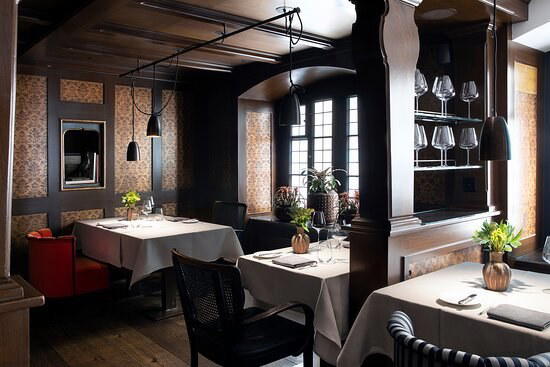
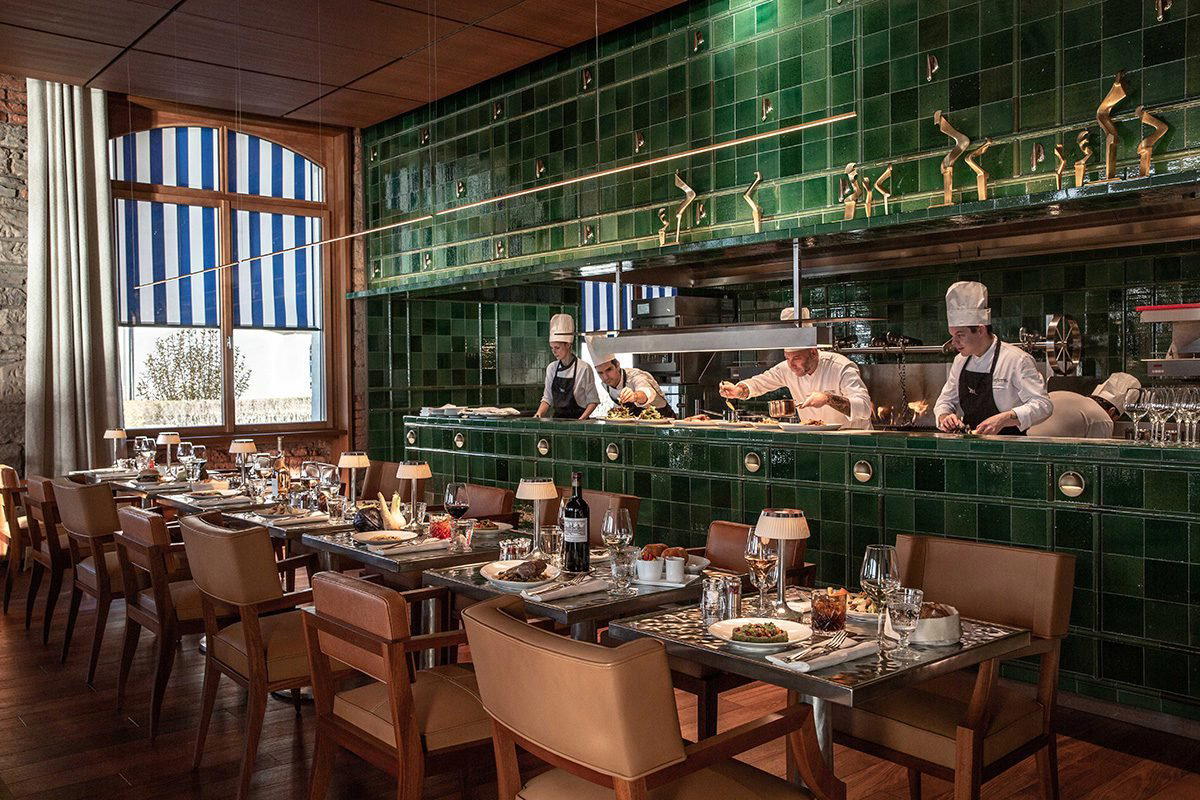
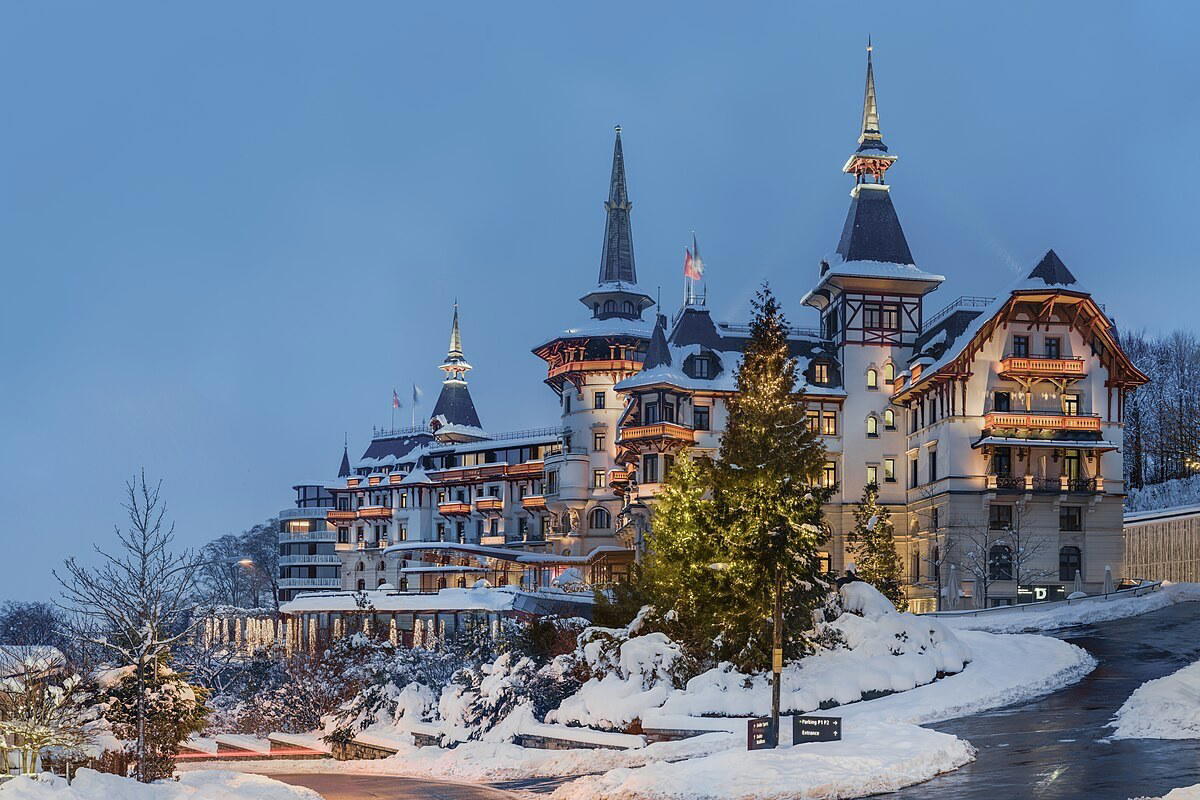
Relaxed urban oasis with stylish modern atmosphere, large windows overlooking the hotel park, and comfortable seating areas.