La Rôtisserie


1 Michelin Star · Falstaff Restaurant - 93 Falstaff Points
Our verdict
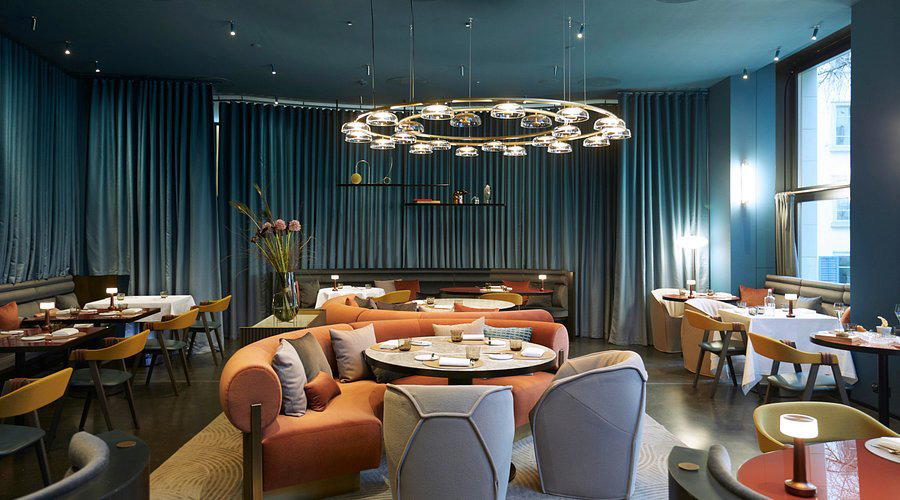
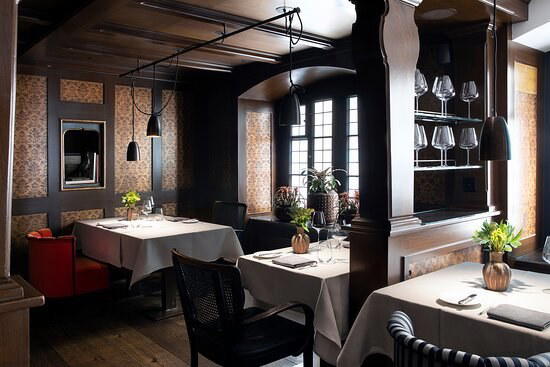
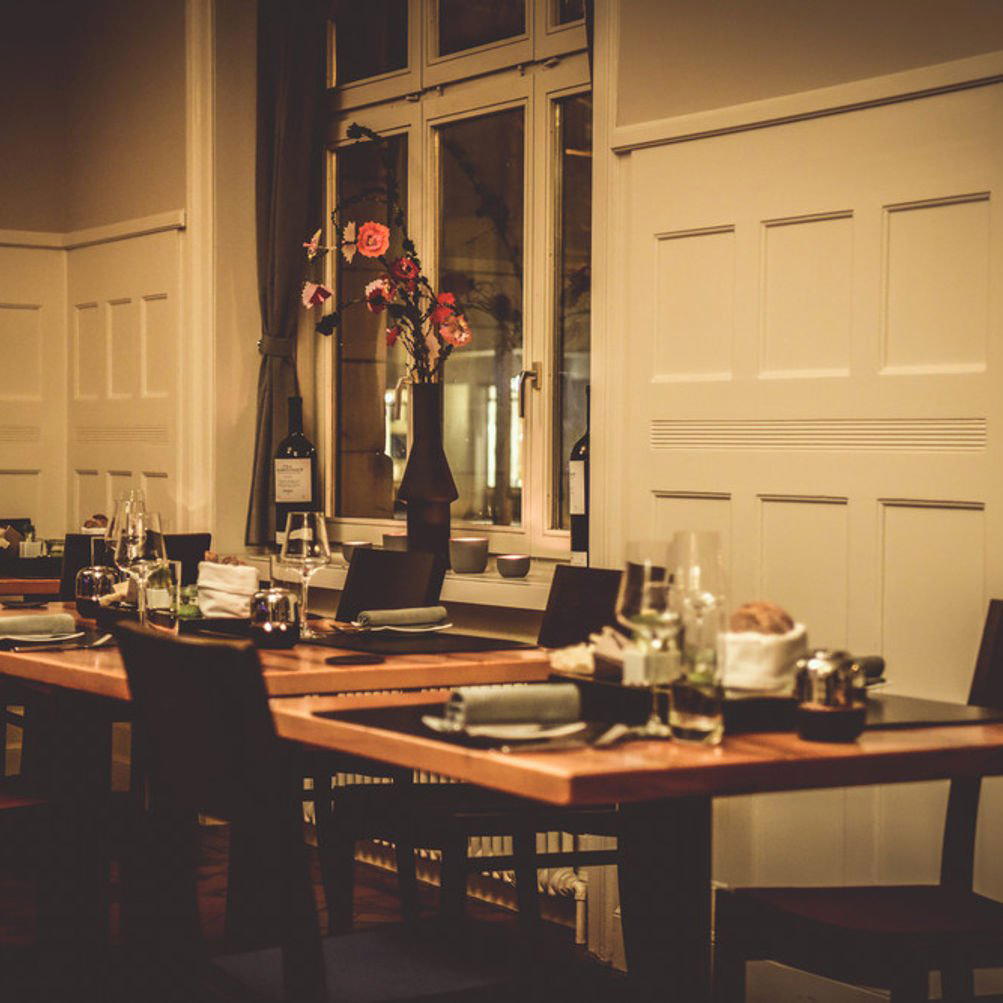
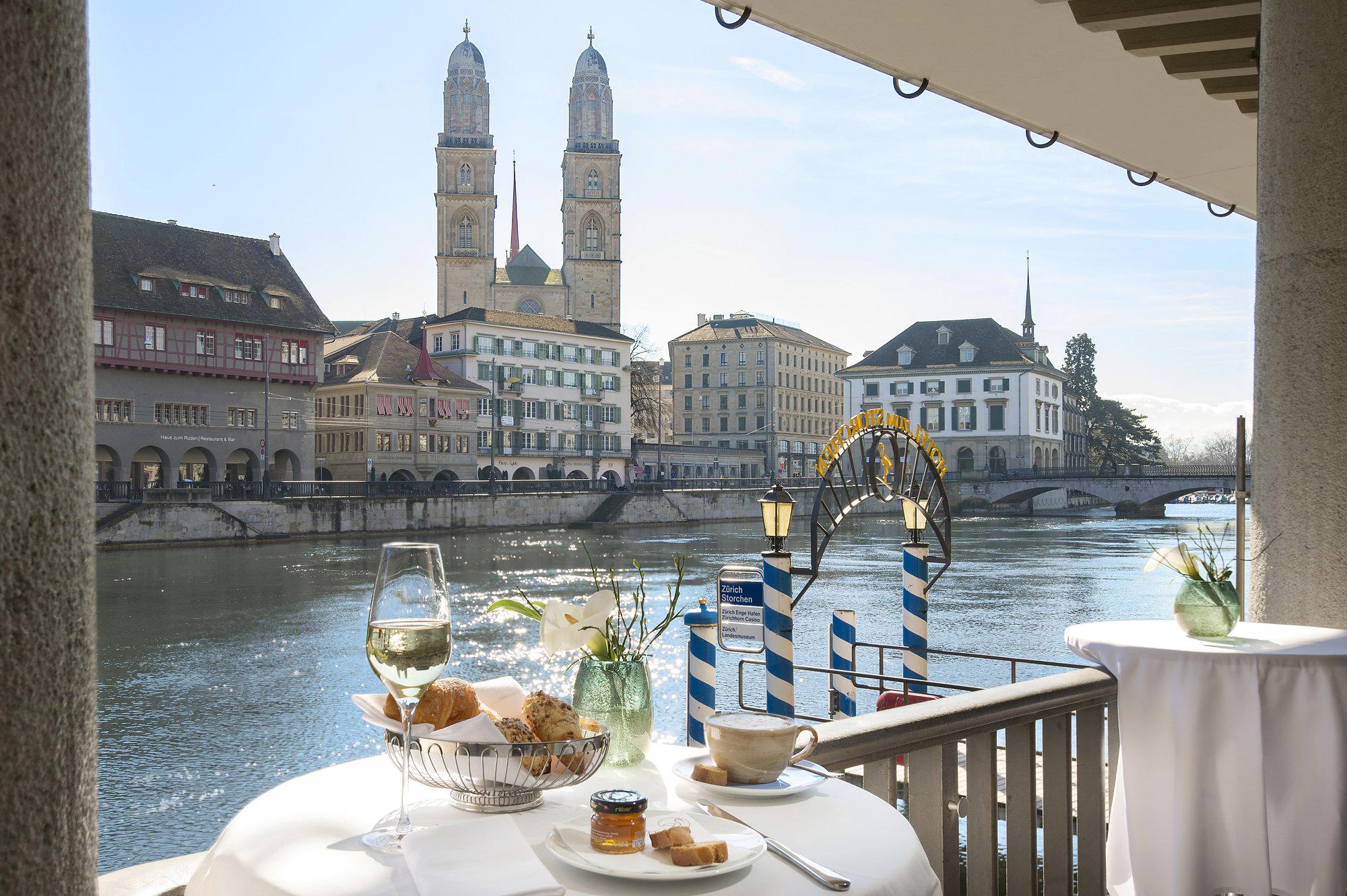
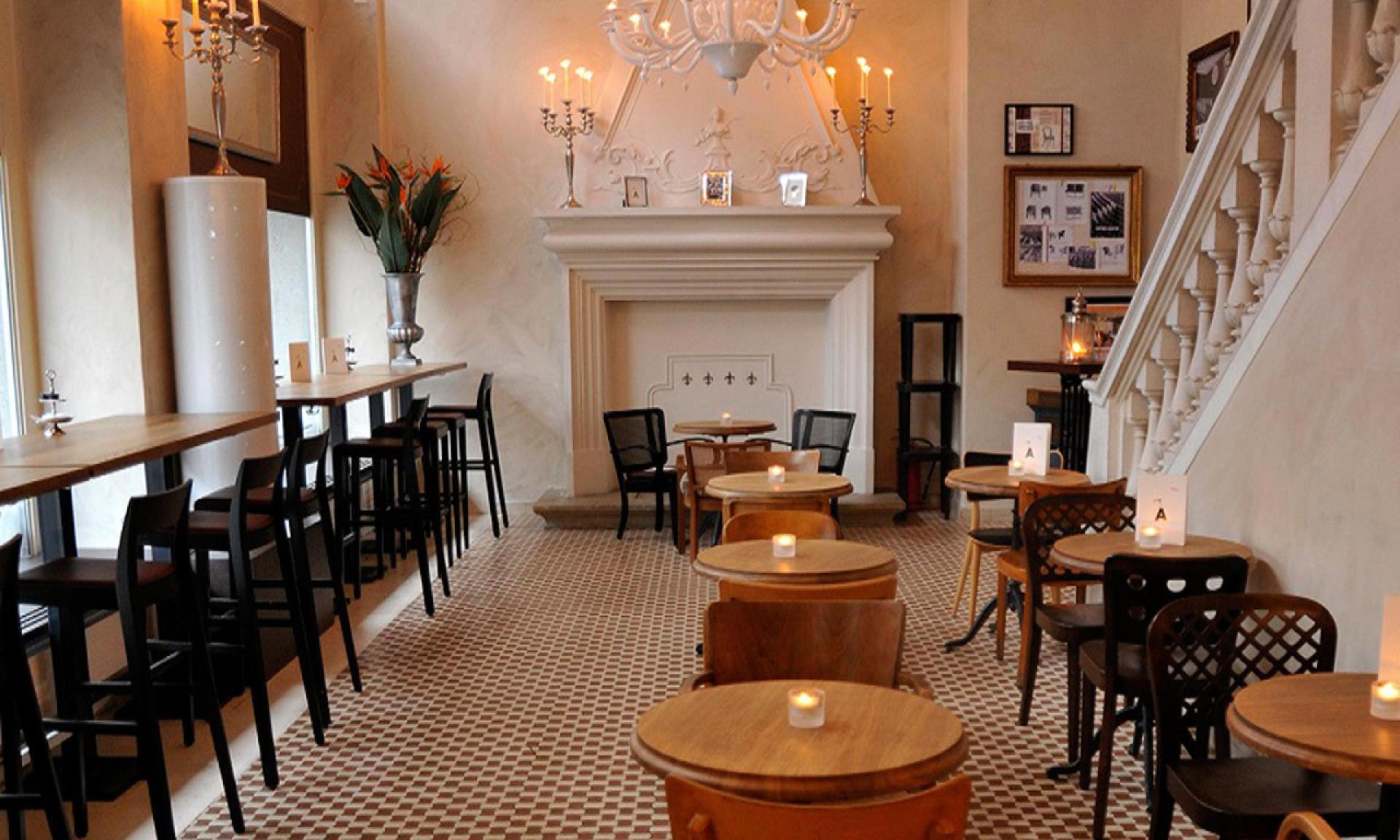
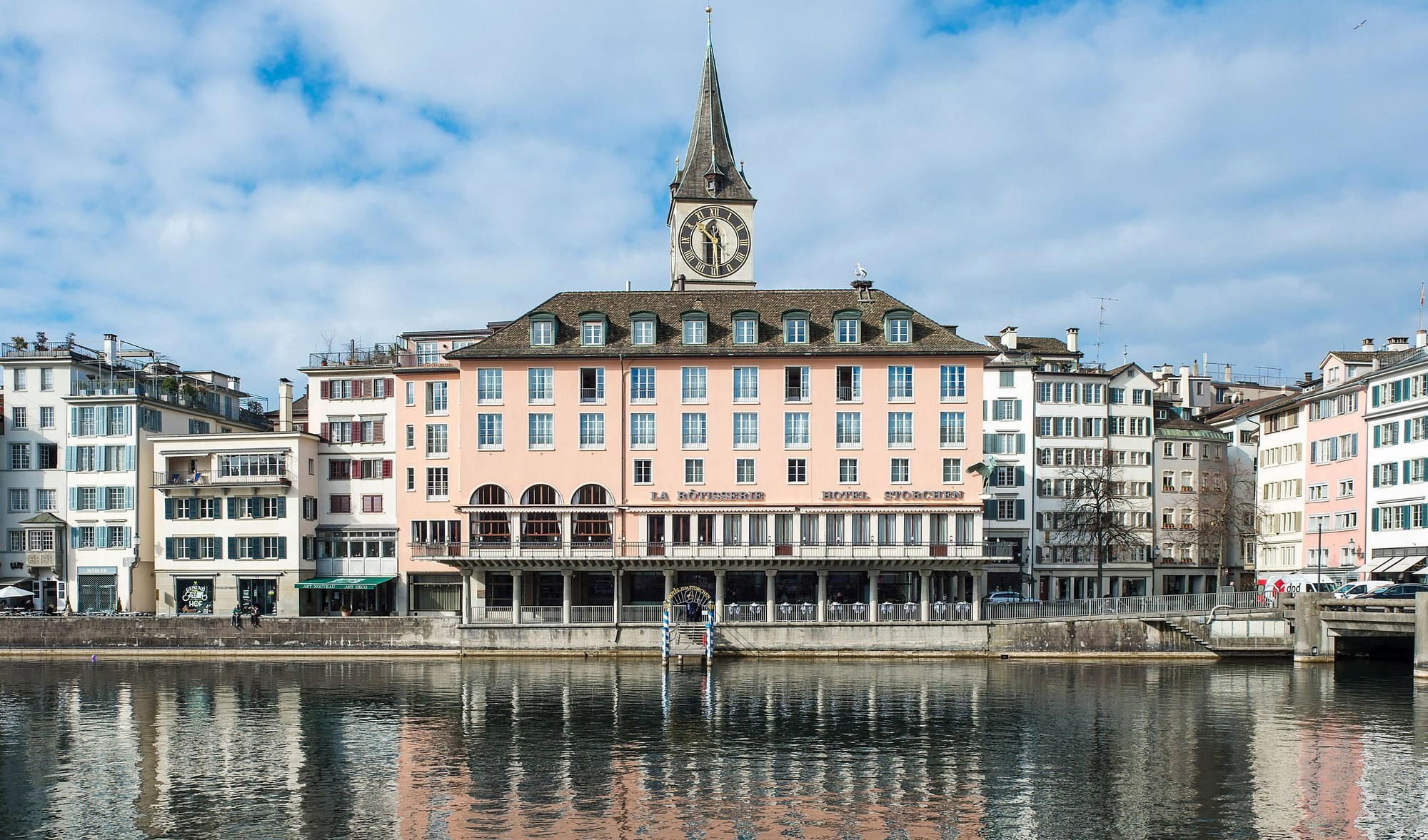
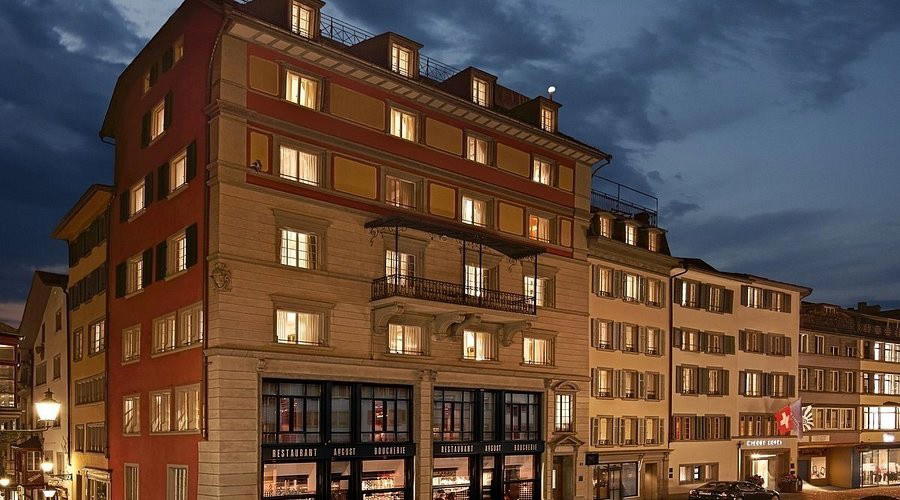
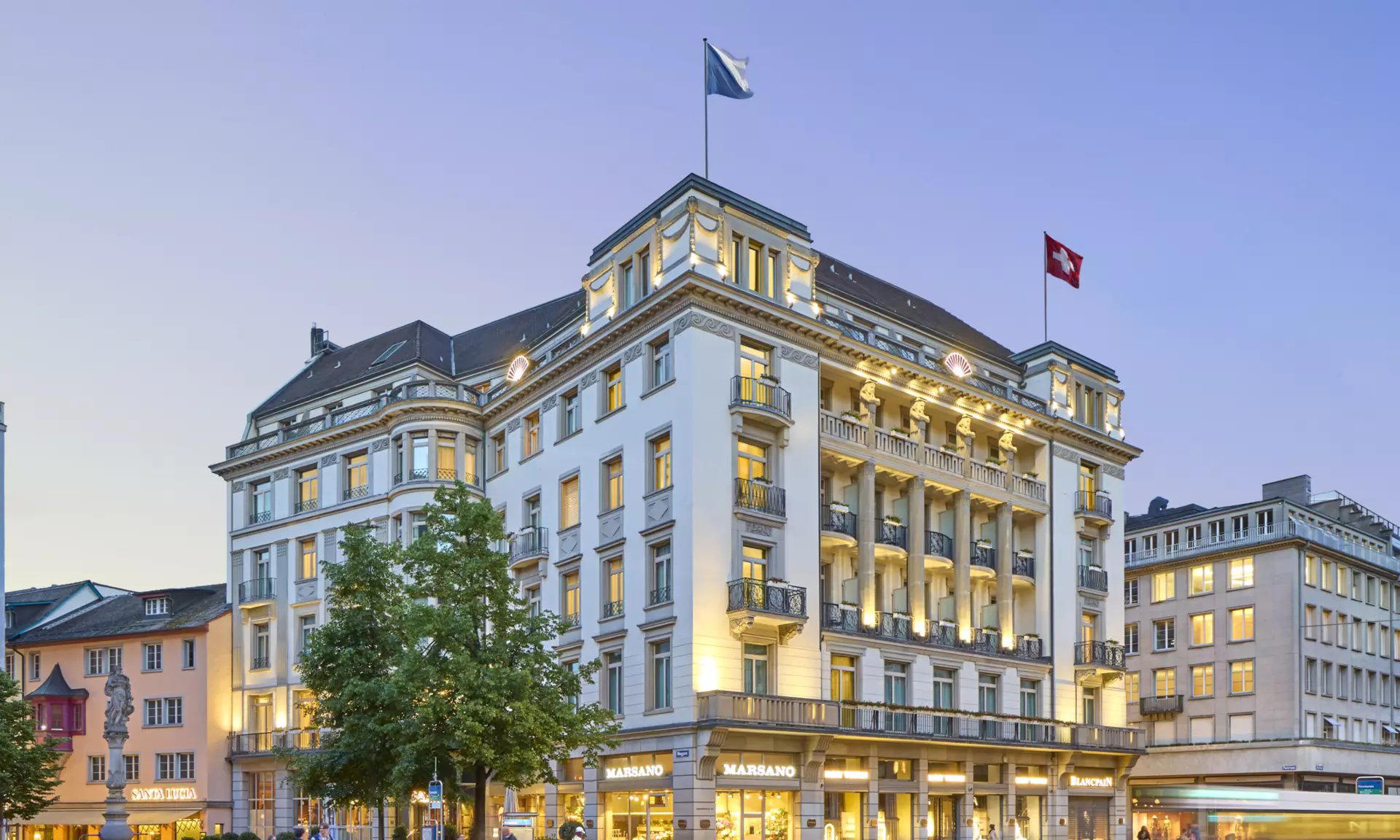
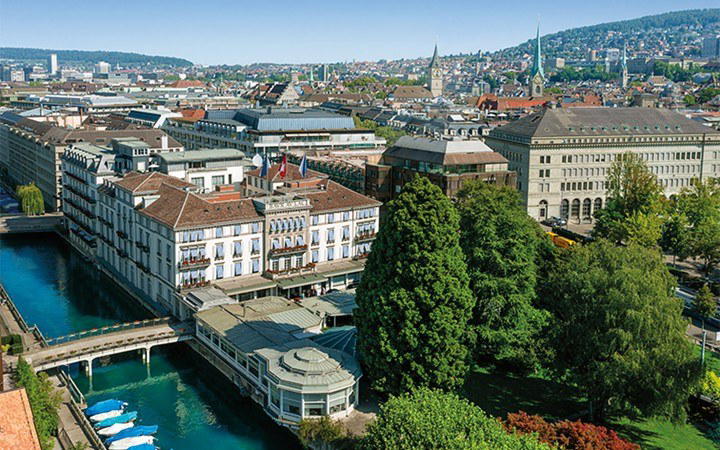
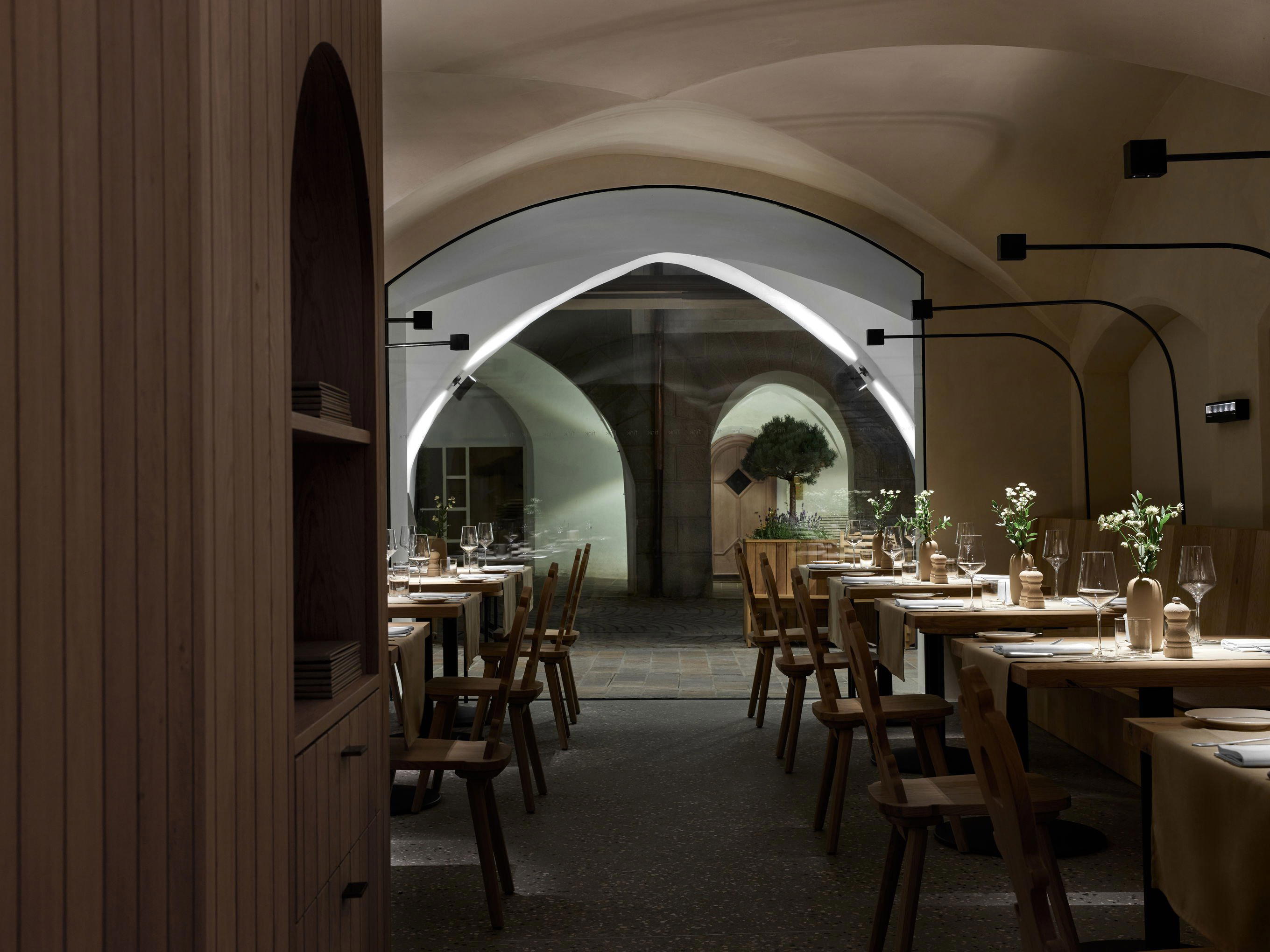
Holding a Michelin star since 2024, La Rôtisserie occupies the first floor of the Hotel Storchen, a building with roots in the 14th century, on Zurich's Weinplatz. High ceilings, arched windows, and a terrace overlooking the Limmat River frame a kitchen that applies modern technique to classic European foundations. The Chef's Table, positioned in the centre of the kitchen, offers a closer view of that precision at work.

Pearl is the En Primeur Club membership app — saves, bookings, and concierge access live there. Same editors, same standards.
- Address
- Weinpl. 2, 8001 Zürich, Switzerland
- Phone
- +41 44 227 21 13
- Hours
- Mon–Sat 11:45 AM–2 PM, 6–10 PMSun 11:30 AM–3 PM, 6–10 PM
- Website
- storchen.ch
- Directions
- Get directions
- Booking
- Book on the venue's website
Where the Limmat Bends: La Rôtisserie and Zurich's Old Town Dining Tradition
There is a particular type of dining room that Zurich does better than almost any European city of comparable size: the grand historic interior that earns its keep through the quality of what happens inside it, not merely the weight of its walls. La Rôtisserie, on Weinplatz in the heart of the Altstadt, belongs to that category. The room announces itself through scale first — high ceilings that absorb noise into a low hum, arched windows that frame the Limmat River like paintings, and furnishings calibrated to the weight of the space rather than softening it into something boutique. The building itself, as the first floor of the Hotel Storchen, carries documentation stretching back to the 14th century. That context is not incidental. It shapes what the dining room asks of a meal.
The Architecture of the Experience
Zurich's Michelin-starred tier is split between purpose-built contemporary spaces and rooms that inherit their authority from somewhere deeper. La Rôtisserie occupies the second camp. The arched windows are not decorative flourishes — they are structural, and they do the work of drawing the exterior into the room. When the light falls across the Limmat and the Romanesque tower of the Wasserkirche sits directly in the eyeline, the architecture outside becomes part of the interior composition. This is a dining room with a view that operates as a spatial argument: you are eating in the city, not just in a restaurant within it.
The interior itself reads as traditional in proportion and contemporary in restraint. High-quality furnishings without trophy-room excess, a layout that gives tables enough distance to sustain private conversation, and a formality of setting that stops short of stiffness. This places La Rôtisserie within a small peer group in Zurich, restaurants where the room is an editorial statement rather than a neutral backdrop. Widder (Swiss) operates in similar architectural territory, with its interconnected medieval houses in Augustinergasse. The difference is emphasis: Widder leans into its spatial complexity, while La Rôtisserie resolves into a single, legible room with a single commanding view.
The terrace, accessible in fine weather, extends that logic outward. A riverside terrace in the Altstadt is a known asset class in Zurich dining, and La Rôtisserie's position on Weinplatz, one of the old town's most coherent historic squares, means the terrace functions as a front-row seat rather than an overflow annex. The Limmat, the guild houses across the water, the spires: the exterior holds the same deliberate composition as the interior room.
The Chef's Table as Spatial Counterpoint
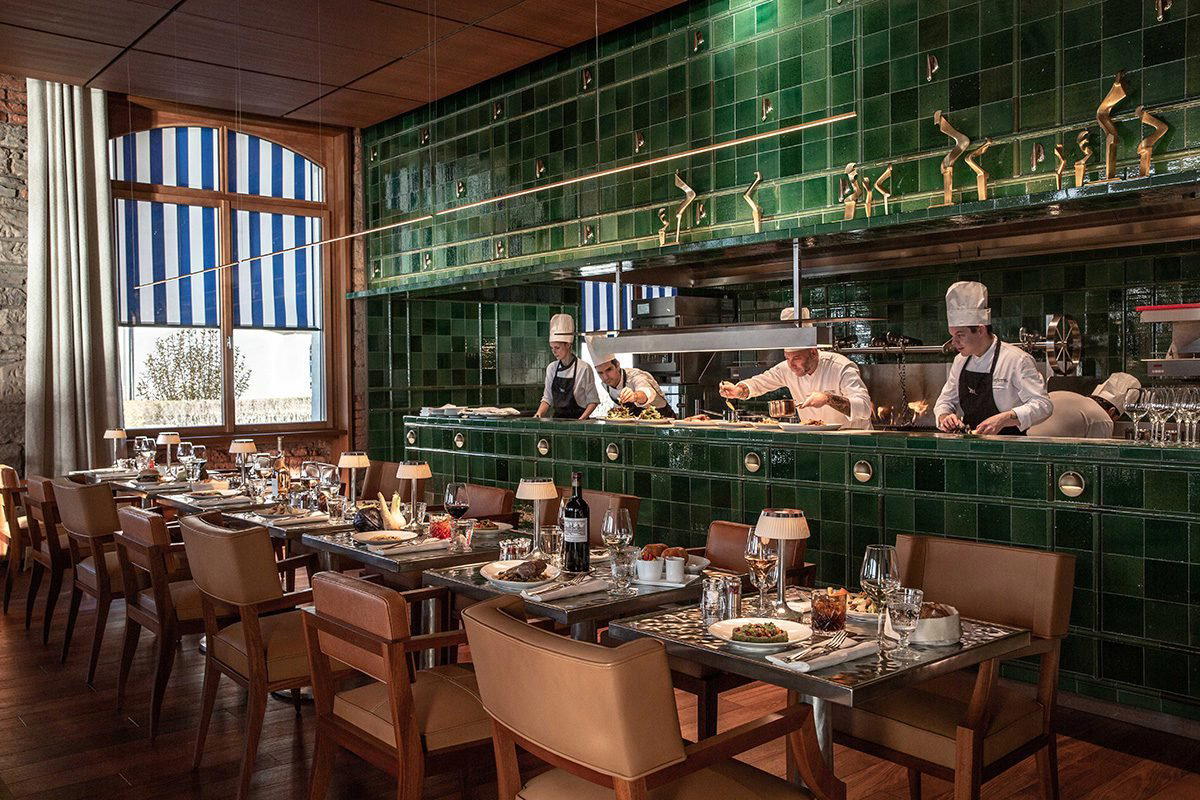
Within a room organised around grandeur and view, the Chef's Table in the centre of the kitchen operates as deliberate contrast. Zurich's contemporary dining scene has seen a spread of kitchen-counter formats over the past decade, from the intimate omakase-style counters at The Counter (Creative) to the open kitchens that have become architectural features in new openings. At La Rôtisserie, the Chef's Table sits inside the working kitchen rather than at its edge, which positions the guest inside the production sequence rather than as a spectator of it. That is a meaningfully different proposition from the main dining room, and for guests interested in how the kitchen translates classical technique into modern output, it represents a distinct mode of engagement with the same menu.
Cuisine in Context: Modern International on a Classical Frame
Switzerland's top-tier restaurant scene has developed two broadly distinct approaches to European classical cooking. One group, represented by addresses like Schloss Schauenstein in Fürstenau and Hotel de Ville Crissier in Crissier, builds from a deeply local or regional product base, threading Swiss agricultural identity through the menu. The other, and La Rôtisserie sits here, takes the classical European kitchen as its grammar and works outward into international reference points, without anchoring the menu to a single national tradition.
The Michelin guide's description of the kitchen's approach is precise: "their own modern, international take on classic cuisine." That is a coherent position in a city with Zurich's commercial and cultural breadth. The dining room serves a clientele that travels widely and eats at the same international reference points in Paris, London, and Tokyo. A menu that applies classical precision to international range speaks to that audience without pretending the city is something other than what it is. For comparison, IGNIV Zürich by Andreas Caminada (Sharing) operates at two Michelin stars with a sharing format that reflects a different structural bet about how contemporary diners want to eat. La Rôtisserie, with its single star and traditional service model, positions itself at the intersection of classic form and modern content.
The same broad creative tension plays out in international contemporaries that EP Club tracks. César in New York City and Jungsik in Seoul each apply European classical training to local or international contexts with a different geographic inflection. La Rôtisserie's version of that exercise is shaped by its Altstadt location: the room demands seriousness, and the kitchen meets it.
Sunday Brunch and the Weekly Rhythm
Weekly structure at La Rôtisserie follows a consistent pattern across Monday through Saturday: lunch from 11:45 AM to 2 PM, and dinner from 6 PM to 10 PM. Sunday shifts to a longer midday service, opening at 11:30 AM and running through 3 PM, with the same dinner window. The Sunday brunch service is a distinct format for the Altstadt context, a riverside dining room in a medieval building, with a brunch programme that draws on the kitchen's classical foundations. For visitors spending a weekend in Zurich, this represents a different tempo than the weekday lunch, and the extended window allows for the unhurried pace the room is built for.
Where La Rôtisserie Sits in Zurich's Dining Architecture
Zurich's single-Michelin-star tier is more populated than the city's international reputation suggests. The Restaurant (Creative) and LOFT FIVE both operate in the same price bracket (€€€€) with comparable recognition. What separates La Rôtisserie is not the star count but the physical context. The Hotel Storchen address on Weinplatz is among the most historically weighted dining addresses in the city, and the room is one of the few in Zurich's starred tier where the architecture functions as a genuine part of the dining proposition rather than a neutral container for the food.
Beyond Zurich, Switzerland's broader fine dining map provides useful reference points. Cheval Blanc by Peter Knogl in Basel and Memories in Bad Ragaz represent the higher-starred end of the Swiss spectrum. 7132 Silver in Vals and Colonnade in Lucerne show how starred dining plays across different Swiss contexts, from thermal resort towns to lakefront cities. La Rôtisserie's position, a Michelin-starred room inside a hotel with medieval foundations, on a historic square in Switzerland's largest city, is a specific configuration that the Swiss dining map does not repeat.
Planning a Visit
La Rôtisserie is at Weinplatz 2, 8001 Zürich, on the ground level of the Hotel Storchen. The address sits in the old town, within a short walk of the Zürich Hauptbahnhof and accessible from most central hotels without ground transport. Given the room's position at the €€€€ price point and its Michelin star status, advance reservation is advisable, particularly for weekend dinner, Sunday brunch, and any booking of the Chef's Table. The terrace in summer months books early, and the protected old town location means the setting holds regardless of season.
For broader context on what the city offers at this level, our full Zurich restaurants guide maps the scene across price tiers and styles. For those combining a meal here with a broader visit, our full Zurich hotels guide, bars guide, wineries guide, and experiences guide cover the full range.
Frequently asked questions
Is La Rôtisserie Michelin-listed?
La Rôtisserie has received recognition including: Located on the first floor of the Hotel Storchen, La Rôtisserie is every bit as tastefully decorated as the establishment that houses it – which was first mentioned in the 14C. It has a beautiful dining room with high ceilings, large arched….
What's La Rôtisserie's location?
La Rôtisserie is located at Weinpl. 2, 8001 Zürich, Switzerland, Zurich.
What's the signature dish at La Rôtisserie?
The Chef's Table, positioned in the centre of the kitchen, offers the most direct view of the cooking style in action. For current menu specifics, contacting Hotel Storchen at Weinplatz 2 directly is the most reliable route.
What should I expect cuisine-wise at La Rôtisserie?
What should I budget for a meal at La Rôtisserie?
Pricing at La Rôtisserie is listed as €€€€.
In Context: Similar Options
| Venue | Cuisine | Price | Awards | Notes |
|---|---|---|---|---|
| La RôtisserieThis venue — the venue you are viewing | Modern Swiss Fine Dining | $200–300 | 1 Michelin Star · Falstaff Restaurant - 93 Falstaff Points | Not listed |
| IGNIV Zürich by Andreas Caminada | Modern Swiss Fusion Sharing | $150–200 | 2 Michelin Stars · La Liste Top Restaurants | Sharing |
| KLE | Modern Vegan Fine Dining | $100–150 | 1 Michelin Star · The Best Chef One Knife | Vegan |
| Kronenhalle | Classic Swiss Fine Dining | $100–150 | Michelin Plate · World's 50 Best #32 | Swiss, Traditional Cuisine |
| The Counter | Modern Cosmopolitan Omakase with East Asian Influences | $300–500 | 2 Michelin Stars · La Liste Top Restaurants | Creative |
| Eden Kitchen & Bar | Mediterranean-Italian | $100–150 | 1 Michelin Star · Falstaff Bar - 94 Falstaff Points | Italian |
Recognition history
Dated appearances from independent guides and award organizations, with the underlying list record or original source where available.
Michelin 1 Star
Michelin
Falstaff Restaurant - 93 Falstaff Points
Falstaff
Full recognition history (3 entries)
Michelin 1 Star
Michelin