Rosie's Cafe
Our verdict
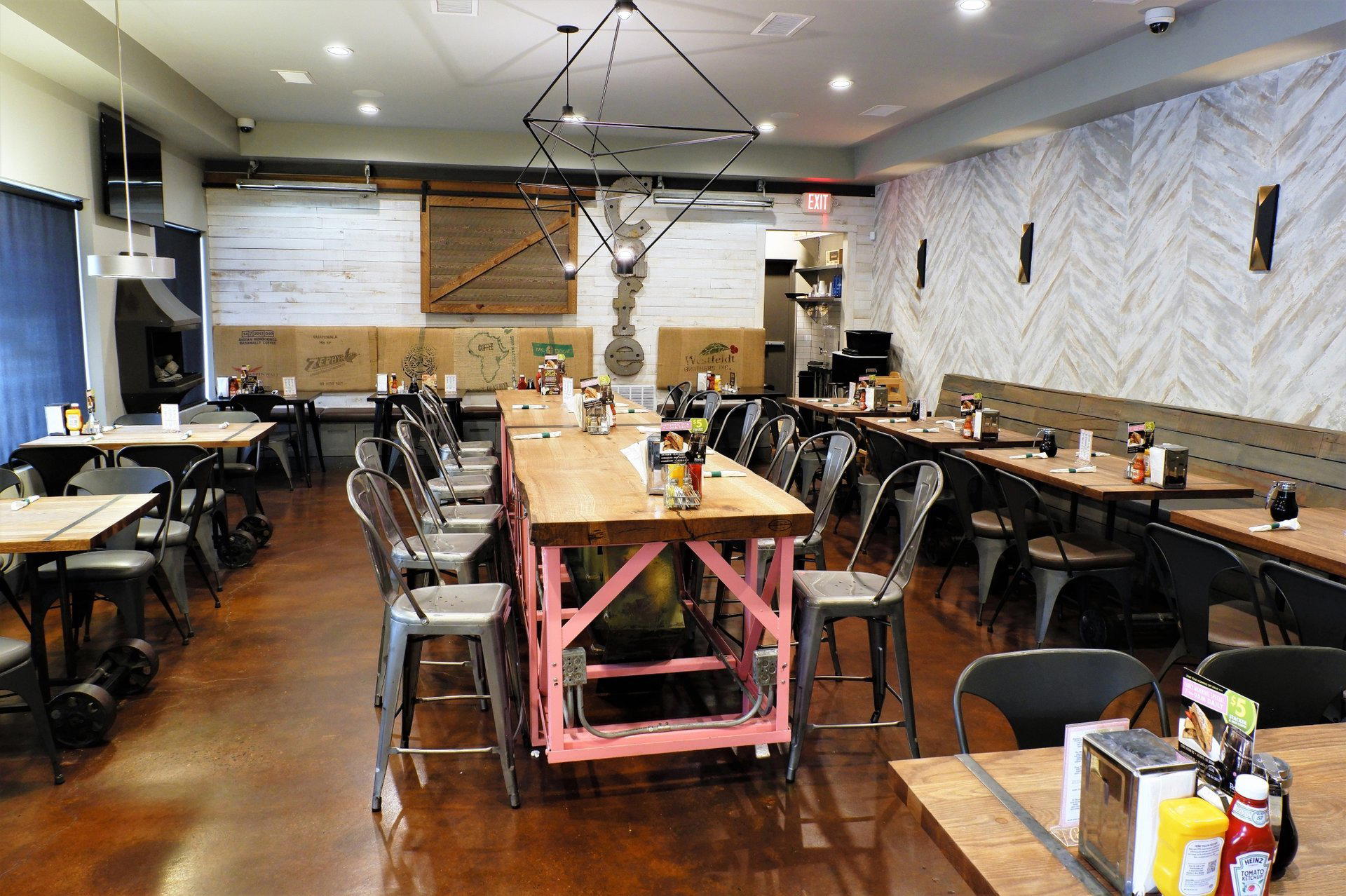
Rosie's Cafe sits at 48 Northside Dr SW in Atlanta's Westside corridor, a neighborhood where the sourcing story behind a plate increasingly defines a restaurant's position. With Atlanta's farm-to-table conversation running across price tiers from casual to tasting-menu format, Rosie's occupies the accessible end of a city that takes ingredient provenance seriously.

Pearl is the En Primeur Club membership app — saves, bookings, and concierge access live there. Same editors, same standards.
The menu
What to order
- Chicken & Waffle
- Rosie's Fish & Grits
- Chicken Salad Sandwich
Where Atlanta's Sourcing Conversation Meets the Everyday Table
Atlanta's dining identity has shifted over the past decade from a city defined by its fine-dining outliers to one where the sourcing conversation has filtered down through every price tier. The city's proximity to Georgia's agricultural belt, the Carolinas' coastal fisheries, and Appalachian producers gives its restaurants a geographic advantage that few American metros can replicate so affordably. At the higher end, kitchens like Bacchanalia and Lazy Betty have built tasting-menu programs around that proximity for years. But the more telling development is how that same sourcing logic has begun shaping neighborhood cafes and mid-register spots along corridors like Northside Drive SW.
Rosie's Cafe, at 48 Northside Dr SW, sits in that broader movement. The address places it near the Vine City and English Avenue neighborhoods on Atlanta's Westside, a stretch that has seen uneven development pressure alongside genuine community investment. For a cafe in this location, the sourcing question is not merely about culinary fashion; it is about what ingredients are available at what cost, and what that means for the plate a diner receives.
The Ingredient Logic Behind Westside Cafes
Georgia's food geography rewards kitchens willing to work with regional producers. The state's piedmont and coastal plain zones supply stone fruit, muscadine grapes, pecans, sweet onions, and a year-round variety of field greens that give Southern cooking its seasonal range. The Carolina Lowcountry, reachable within a few hours, adds shrimp, oysters, and freshwater fish that appear on Atlanta menus with a frequency that reflects real supply chain relationships rather than menu theater.
For a cafe-format kitchen, these supply lines matter differently than they do for a tasting-menu counter like Mujō or Hayakawa, where a single sourcing decision might affect a twelve-course progression. At the cafe level, sourcing shapes the daily menu in more immediate ways: which egg supplier the kitchen uses, whether grits come from a stone-ground mill in the Georgia foothills or a commercial distributor, whether the greens in a salad were harvested within the week. These are the decisions that define whether a neighborhood cafe is genuinely embedded in its regional food system or simply adjacent to it.
Across American cities, the cafes that have built durable reputations tend to resolve this question with consistency rather than spectacle. Compare the approach at farm-integrated formats like Single Thread Farm in Healdsburg or Blue Hill at Stone Barns in Tarrytown, where the sourcing program is the formal architecture of the restaurant. At the cafe register, the same commitment expresses itself through smaller, less visible choices that accumulate into a kitchen's character over time.
Atlanta's Westside and the Neighborhood Context
The Northside Drive SW corridor is not where Atlanta's dining press typically focuses its attention. The city's restaurant coverage tends to cluster around Inman Park, Ponce City Market, Buckhead, and the Old Fourth Ward, neighborhoods where the density of reviewed restaurants creates its own visibility. The Westside addresses that do attract coverage, particularly along West Egg and the Westside Provisions District, benefit from higher foot traffic and proximity to established residential density.
Rosie's Cafe operates in a quieter part of that geography. For diners approaching from downtown or the Mercedes-Benz Stadium area, the location is accessible by car or the MARTA rail network, which has stops along the Westside corridor. The neighborhood character remains transitional, which means the cafe exists in a context defined as much by its surrounding community as by any restaurant district energy. That positioning is not a disadvantage for a cafe-format operation; it often correlates with lower overhead, a more regular local clientele, and a kitchen that answers to neighborhood expectations rather than critic cycles.
Atlanta's broader cafe scene has produced a number of addresses that fit this description, spots that accumulate loyalty over years without appearing in the same publication lists as Atlas or the tasting-format rooms that define the city's national profile. The best of them tend to be consistent on fundamentals: sourcing, preparation, and service calibrated to the scale of the room.
Placing Rosie's in the Atlanta Cafe Tier
Atlanta's cafe and breakfast-lunch segment operates across a wide range of sourcing commitments and price points. At one end, fast-casual formats prioritize speed and volume over ingredient origin. At the other, brunch-destination spots with longer queues and higher check averages have built sourcing narratives into their identity. Rosie's Cafe, based on its address and neighborhood context, occupies a position in this tier where community access and price accessibility are likely constraints alongside whatever sourcing decisions the kitchen makes.
This is a different competitive frame than the one surrounding Le Bernardin in New York City, Alinea in Chicago, or The French Laundry in Napa, where sourcing is a formal program with documented supplier relationships and seasonal menu architecture built around it. It is also a different frame than the one around Atlanta's own tasting-menu tier. The cafe context rewards different decisions, and the leading Atlanta cafes in historically underserved neighborhoods have often served as anchors for community food access as much as destinations for ingredient-conscious dining.
For context on how sourcing-led thinking operates across American restaurant formats, the approaches at Providence in Los Angeles, Addison in San Diego, Atomix in New York City, Emeril's in New Orleans, Lazy Bear in San Francisco, and The Inn at Little Washington each illustrate how ingredient provenance scales differently across formats and price points. What remains constant is that the sourcing decision is always a signal about a kitchen's priorities, whether the check average is $15 or $300. For a broader overview of Atlanta's restaurant options across categories and price tiers, see our full Atlanta restaurants guide.
Know Before You Go
- Address: 48 Northside Dr SW, Atlanta, GA 30313
- Neighborhood: Westside / Vine City corridor, accessible via MARTA rail
- Booking: Walk-in or contact the venue to confirm reservation policy
- Hours: Confirm current hours directly with the venue before visiting
- Phone / Website: Not publicly listed at time of publication
- Dietary needs: Discuss directly with the venue prior to your visit
Frequently asked questions
at Rosie's Cafe?
Given Atlanta's strong regional sourcing connections, particularly Georgia-grown grains, stone-ground grits operations in the foothills, and Lowcountry seafood access, a cafe at this address is likely to reflect some version of that Southern ingredient tradition. Ask the kitchen directly about what is freshest or most recently sourced when you visit.
Do they take walk-ins at Rosie's Cafe?
In Atlanta's cafe tier, particularly at Westside neighborhood addresses rather than high-traffic dining districts, walk-ins are common practice. That said, policies can vary by day and time.
What's the signature at Rosie's Cafe?
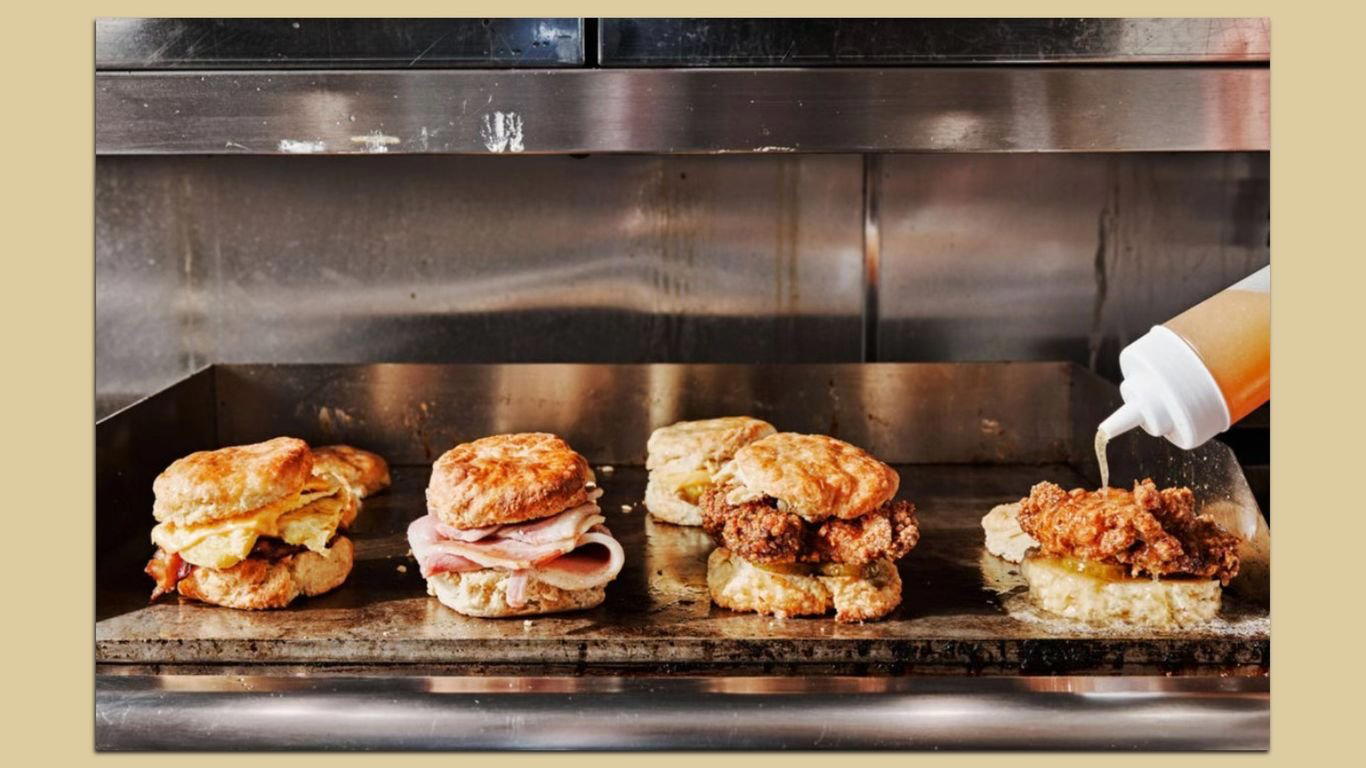
Atlanta's cafe-format kitchens often build identity around breakfast and lunch staples that reflect the Southern pantry, biscuits, seasonal greens, egg preparations, and protein sourced from Georgia farms or Carolina coastal suppliers. For confirmed menu details, reach out to the venue directly or check for a current menu on arrival.
Can Rosie's Cafe accommodate dietary restrictions?
In Atlanta, cafe-format kitchens vary considerably in their capacity to adjust for allergies or dietary preferences depending on kitchen size and staff. Without a confirmed phone number or website on record, the most reliable step is to visit in person and discuss your needs directly with the team before ordering.
Is Rosie's Cafe part of a broader community dining or food access initiative on Atlanta's Westside?
The Northside Drive SW address places Rosie's Cafe in one of Atlanta's historically underserved Westside neighborhoods, a corridor that has attracted both community investment and development pressure over recent years. Cafes operating in this geography frequently serve a dual function: meeting neighborhood food access needs alongside providing a dining destination. For confirmed details, contact the venue or refer to local Atlanta food media covering Westside food access initiatives.
Cost and Credentials
Comparable venues nearby, for context on price, style, and recognition.
| Venue | Cuisine | Price | Notes |
|---|---|---|---|
| Rosie's CafeThis venue — the venue you are viewing | Southern Comfort Cafe | $10–20 | Not listed |
| Broad Street BBQ | Texas-influenced American barbecue with craft cocktails | Not listed | South Downtown, Texas-influenced American barbecue with craft cocktails |
| Hartley | Contemporary American with Southern influences | $30–50 | Midtown, Contemporary American with Southern influences |
| R. Thomas Deluxe Grill | Healthy American Grill with Vegetarian and Vegan Options | $30–50 | Brookwood, California-Style Organic Burgers & Healthy Casual |
| Grindhouse Killer Burgers | Gourmet Burgers | $10–20 | Grant Park, Gourmet Burgers |
Continue exploring
More in Atlanta
Restaurants in Atlanta
All restaurants in Atlanta →
Bars in Atlanta
All bars in Atlanta →
Details
- Cozy
- Brunch
- Family
- Casual Hangout
- Standalone
- Local Sourcing
- A La Carte
- Vegetarian Friendly
Current opening hours
- Monday
- 7 AM–5 PM
- Tuesday
- 7 AM–5 PM
- Wednesday
- 7 AM–5 PM
- Thursday
- 7 AM–5 PM
- Friday
- 7 AM–5 PM
- Saturday
- 7 AM–5 PM
- Sunday
- 7 AM–5 PM
Hours can change for holidays and private events. Last verified .
Warm, welcoming family atmosphere with gracious service and home-cooked meals.