Hartley
Hartley occupies a considered position on West Peachtree Street, operating at the intersection where Southern ingredient culture meets precision technique. Atlanta's fine-dining tier has increasingly favored this pairing, and Hartley sits within that movement, drawing from the same instinct that has made the city's ambitious restaurants a reference point for locally grounded, technically exacting American cooking.
Pearl is the En Primeur Club membership app — saves, bookings, and concierge access live there. Same editors, same standards.
- Address
- 1340 W Peachtree St NW, Atlanta, GA 30309
- Phone
- +14044463717
- Website
- hartleykitchenatl.com
- Directions
- Get directions
 Saves & bookings on Pearl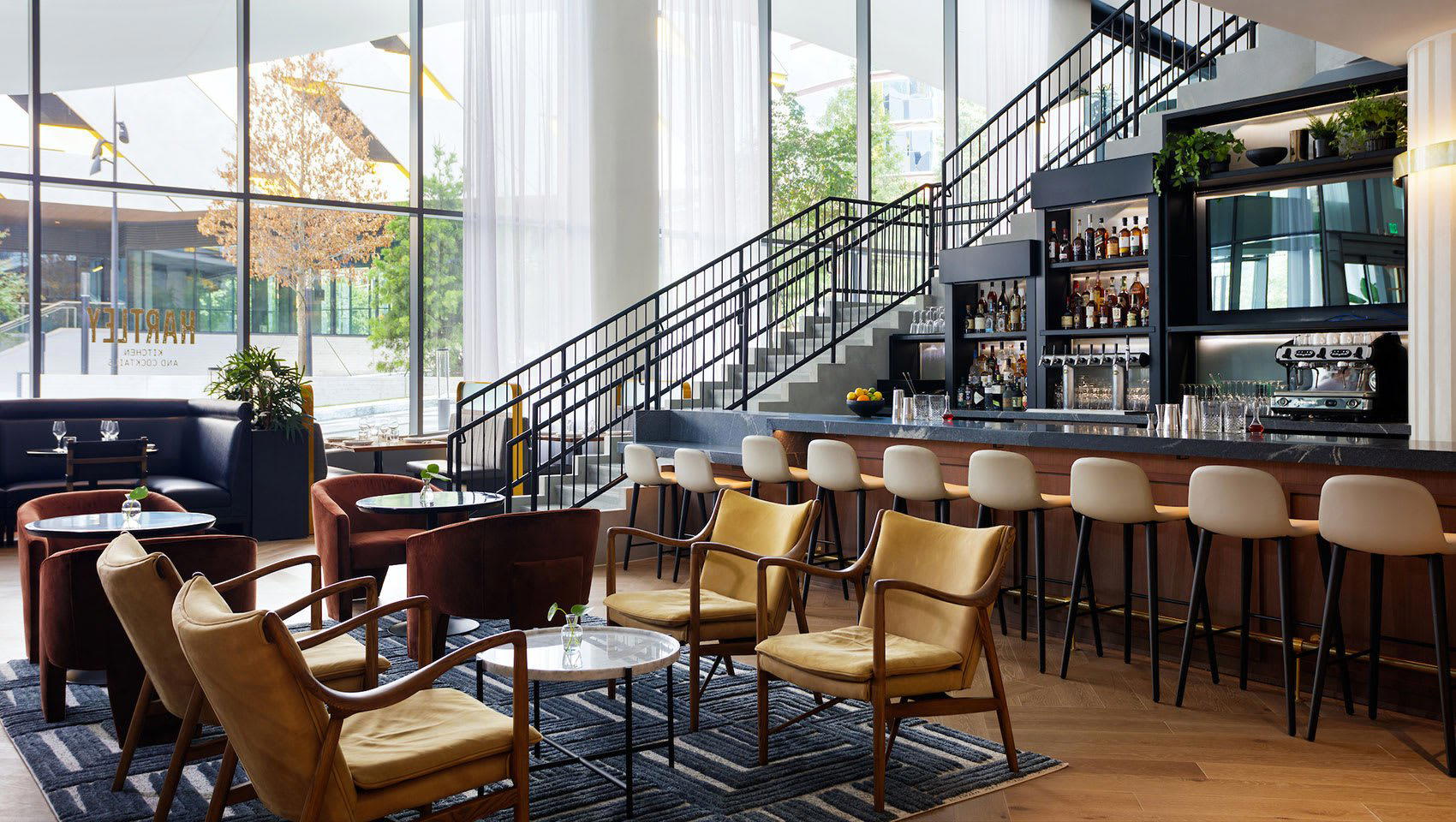
West Peachtree and the Architecture of Ambition
West Peachtree Street in Midtown Atlanta has become one of the city's more reliable addresses for serious dining, a corridor that balances urban density with the kind of neighborhood permanence that serious restaurants require. Hartley, at 1340 W Peachtree St NW, sits within this stretch at a moment when Atlanta's fine-dining conversation has moved well past regional novelty. The city now produces restaurants that price and compete against national peers, and Hartley belongs to that broader shift.
Atlanta's upper dining tier has consolidated around a specific thesis: that Southern ingredients, treated with the technical seriousness usually associated with European or coastal American kitchens, can produce food that is genuinely distinctive rather than merely regional. That argument is no longer radical in 2024. What separates the restaurants making it convincingly from those simply gesturing toward it is the precision of execution and the sourcing relationships underneath the menu. Hartley's address and positioning place it squarely inside this conversation.
The Editorial Angle: Local Product, Imported Discipline
The broader movement Hartley represents has antecedents across American fine dining. Operations like Blue Hill at Stone Barns in Tarrytown and Single Thread Farm in Healdsburg established a template in which hyper-local agricultural relationships become the structural logic of the menu, not merely its garnish. In the South, that template intersects with an ingredient culture that is genuinely deep: heritage pork, field peas, Appalachian mushrooms, Gulf seafood, Carolina rice strains, and a growing network of small farms producing at quality levels that justify the sourcing commitment.
The tension in this model is always technique. Southern cooking carries its own technical traditions, but the kitchens doing the most interesting work at this price tier are not replicating those traditions directly. They are applying French mise en place discipline, Japanese attention to temperature and texture, or the kind of fermentation-forward thinking that defines places like Lazy Bear in San Francisco and Alinea in Chicago, to ingredients that are genuinely of this region. The result is neither fusion nor nostalgia. It is a third thing: Southern product processed through a global technical vocabulary.
Atlanta's most recognized restaurants have leaned into this framework. Bacchanalia, one of the city's longest-standing fine-dining institutions, built its reputation on exactly this pairing of local sourcing and classical discipline. Lazy Betty operates at the contemporary end of the same spectrum, with tasting menus that treat Georgia and surrounding-state produce as the starting point for technically ambitious cooking. Atlas extends the conversation toward Modern European frameworks applied to an American context. Hartley's Midtown position places it among this cohort.
Atlanta's Fine-Dining Moment and Where Hartley Fits
Atlanta has historically been underrepresented in national fine-dining rankings relative to its economic weight and population. That has begun to change. The city's food media profile has risen, Michelin has acknowledged the market, and the James Beard Foundation has increasingly recognized Georgia-based chefs. This recognition is not incidental: it reflects genuine kitchen talent and a dining public willing to pay at the level that sustains ambitious cooking.
The restaurants that have benefited most from this shift tend to share a set of characteristics. They operate at the $$$$ price tier, run tasting or prix-fixe formats that allow the kitchen to control pacing and sourcing, maintain direct relationships with regional producers, and apply technique at a level that competes with the country's most recognized rooms. For context on what that national tier looks like, the relevant reference points include The French Laundry in Napa, Le Bernardin in New York City, Providence in Los Angeles, and Addison in San Diego. These are the kitchens against which Atlanta's serious dining is now being measured, not just against local competition.
Within Atlanta itself, the Japanese-inflected end of this spectrum is represented by Hayakawa and Mujō, both of which apply Japanese precision to local sourcing in ways that illuminate what the local-product, imported-technique framework can produce when the technique is particularly disciplined. Internationally, the same logic plays out at operations like Atomix in New York City and 8½ Otto e Mezzo Bombana in Hong Kong, where imported culinary traditions encounter local ingredients and produce something that could only exist in that specific city.
The Midtown Setting
Midtown Atlanta is a neighborhood that has matured considerably as a dining address. The proximity to the Arts Center, Piedmont Park, and the density of corporate and residential development in the area means foot traffic from a dining public that tends toward considered spending. West Peachtree specifically draws from a mix of hotel guests, nearby residents, and destination diners who have come specifically for the restaurant. That customer mix matters for ambitious kitchens: it creates the conditions for a room that is consistently full without being chaotic, and it supports the kind of repeat business that allows a kitchen to refine its program over time.
For visitors planning around Hartley, Midtown is well-served by MARTA from the Arts Center station, and the surrounding blocks have sufficient hotel options that the restaurant can function as the anchor of an evening rather than a stop within one. Reservations at this tier in Atlanta typically book two to four weeks ahead for prime Friday and Saturday slots; weeknight availability at comparable restaurants tends to be more accessible, particularly in the months after the summer heat breaks. September through November represents Atlanta's most comfortable dining season, when outdoor pre-dinner drinks become viable and the city's energy sharpens after the summer slowdown.
Planning Your Visit
Hartley is located at 1340 W Peachtree St NW, Atlanta, GA 30309, in Midtown. Given the positioning alongside Atlanta's other serious tasting-menu operations, first-time visitors to the city's fine-dining tier would do well to cross-reference with our full Atlanta restaurants guide, which places Hartley within the broader context of the city's current dining options. For those building a multi-night itinerary around serious restaurants, the combination of Hartley with Bacchanalia, Lazy Betty, and either Hayakawa or Mujō covers the main registers of what Atlanta's ambitious dining currently offers. Those who want to extend comparisons further afield might look at how the Southern-ingredient, global-technique framework plays out at Emeril's in New Orleans or The Inn at Little Washington, both of which have long operated at the intersection of regional identity and classical discipline.
At a Glance
- Modern
- Lively
- Cozy
- Brunch
- Business Dinner
- Date Night
- Hotel Restaurant
- Craft Cocktails
- Street Scene
Current opening hours
- Monday
- 7–10:30 AM, 11:30 AM–10 PM
- Tuesday
- 7–10:30 AM, 11:30 AM–10 PM
- Wednesday
- 7–10:30 AM, 11:30 AM–10 PM
- Thursday
- 7–10:30 AM, 11:30 AM–10 PM
- Friday
- 8 AM–10 PM
- Saturday
- 8 AM–10 PM
- Sunday
- 8 AM–9 PM
Hours can change for holidays and private events. Last verified .
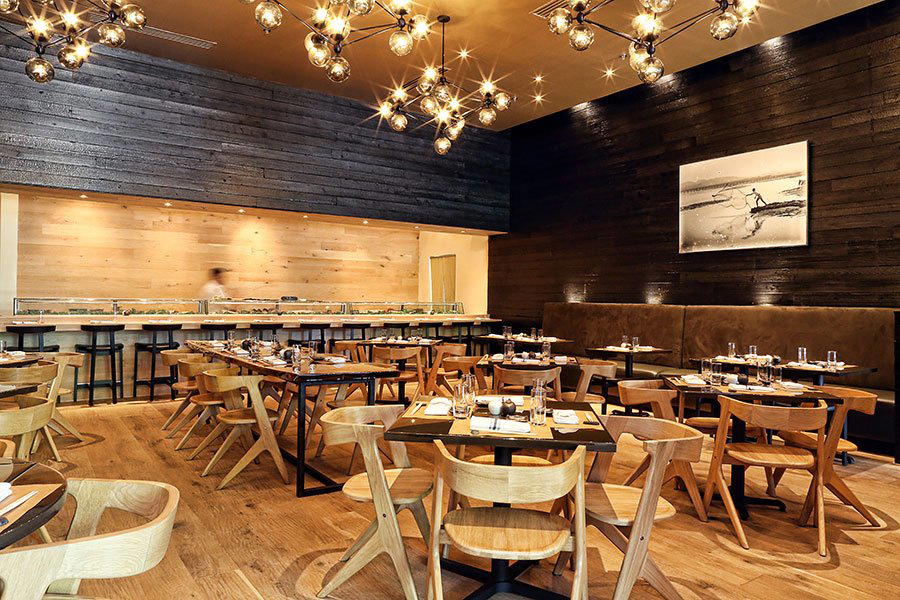
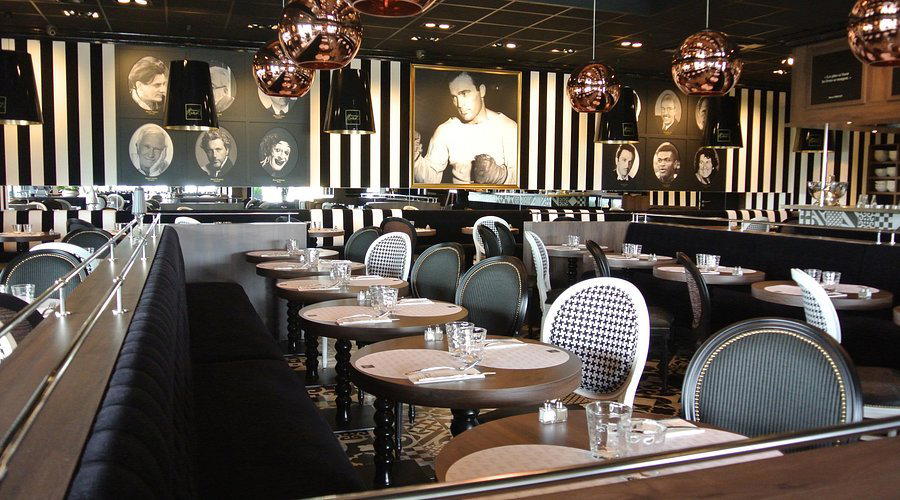
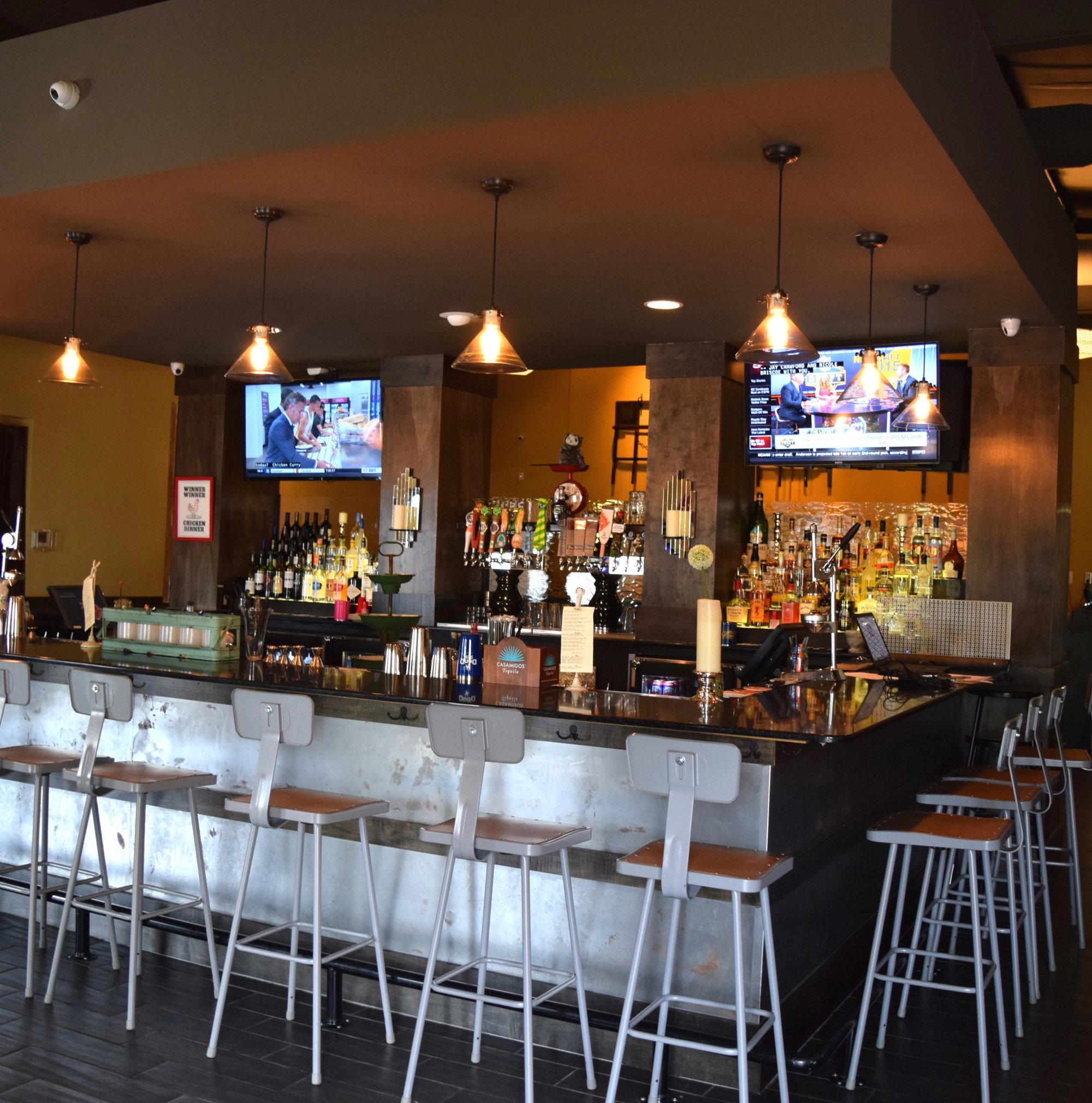
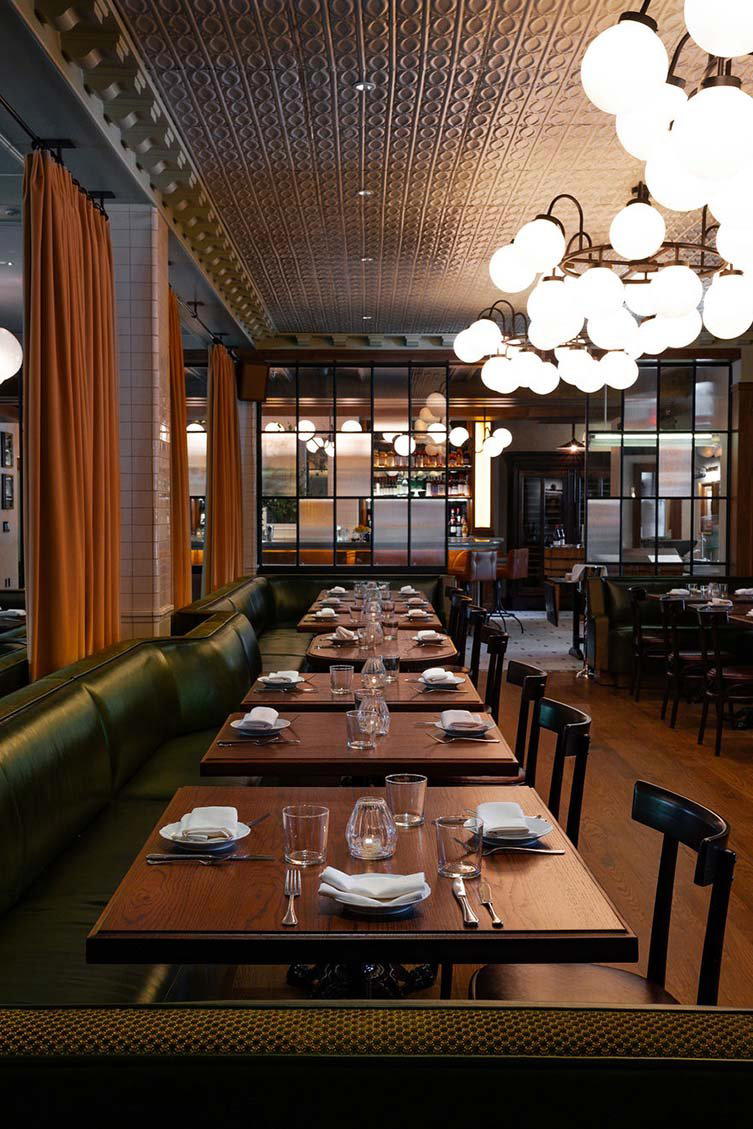
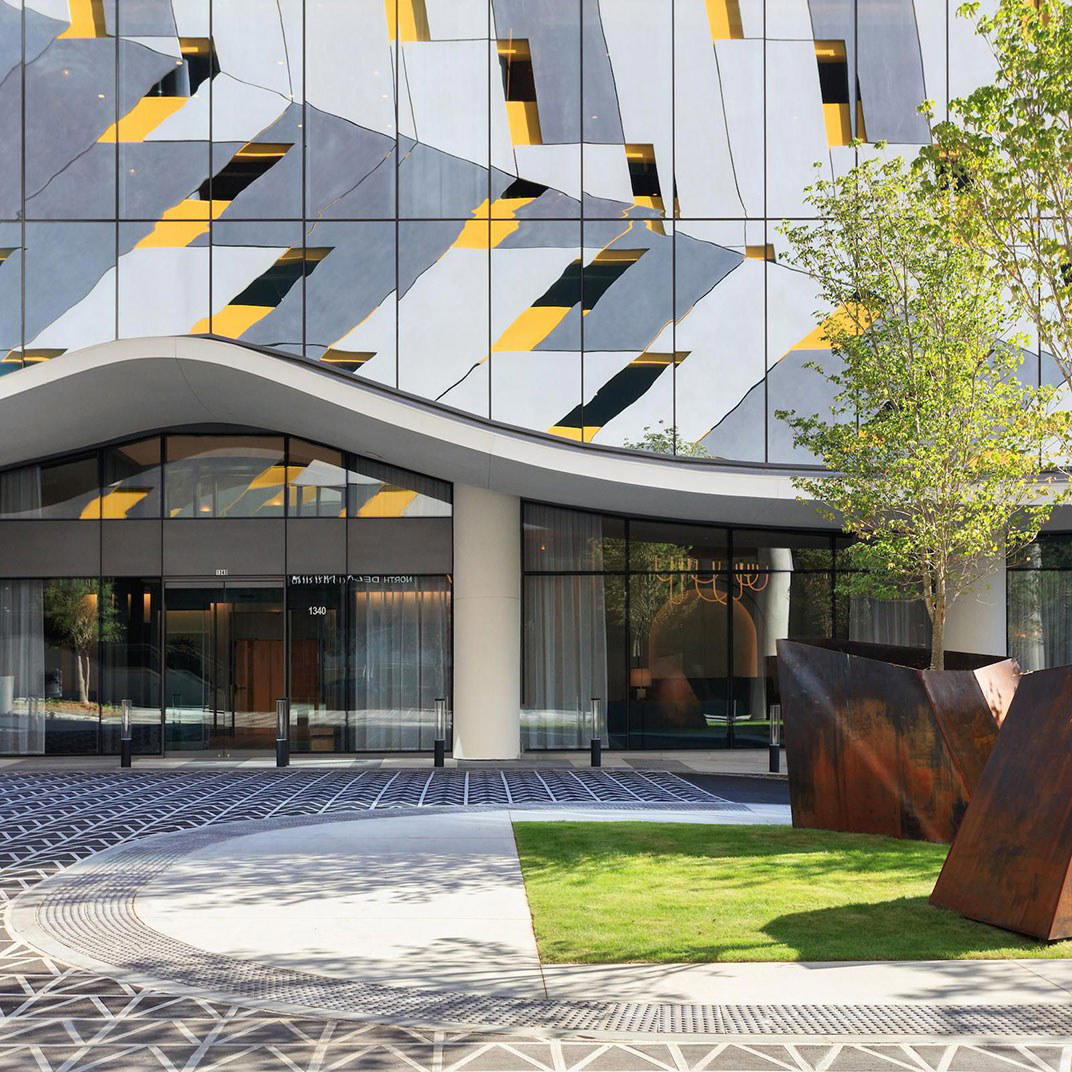
Spirited and busy atmosphere with views of the tree-lined promenade, moderate noise, and a neighborhood gathering place vibe.
Know Before You Go
- Getting there
- 1340 W Peachtree St NW, Atlanta, GA 30309