Rose Mary




Michelin Plate · James Beard Award Semi Finalist · Wine Spectator Award of Excellence
Our verdict
Rose Mary brings Croatian-Italian Adriatic cooking to Chicago's West Fulton Market district, with a charcoal hearth anchoring a menu built around bold, rustic flavors. The wine list spans 205 selections across France, Italy, Germany, and California, with a corkage fee of $35.

Pearl is the En Primeur Club membership app, where members save venues, book tables and use the concierge.
The menu
What to order
- Tuna crudo
- Pork ribs
- Zucchini fritters
- Cacio e pepe
Where the Adriatic Meets the Hearth
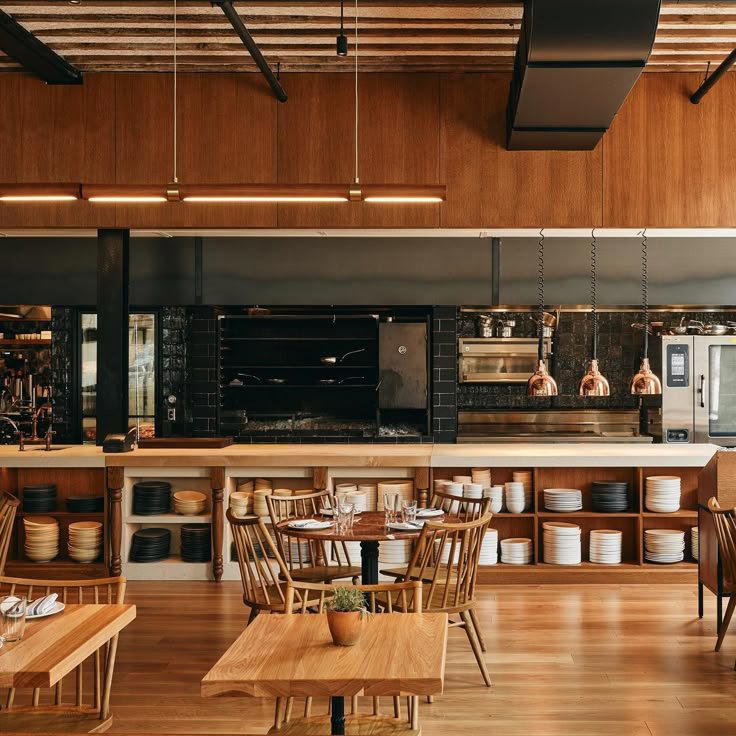
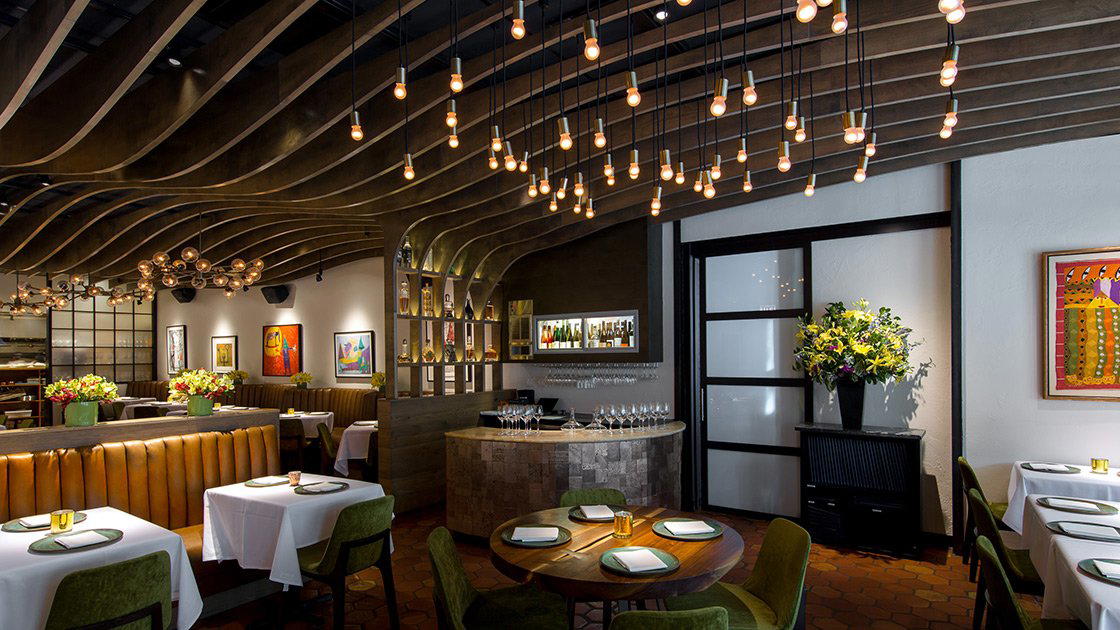
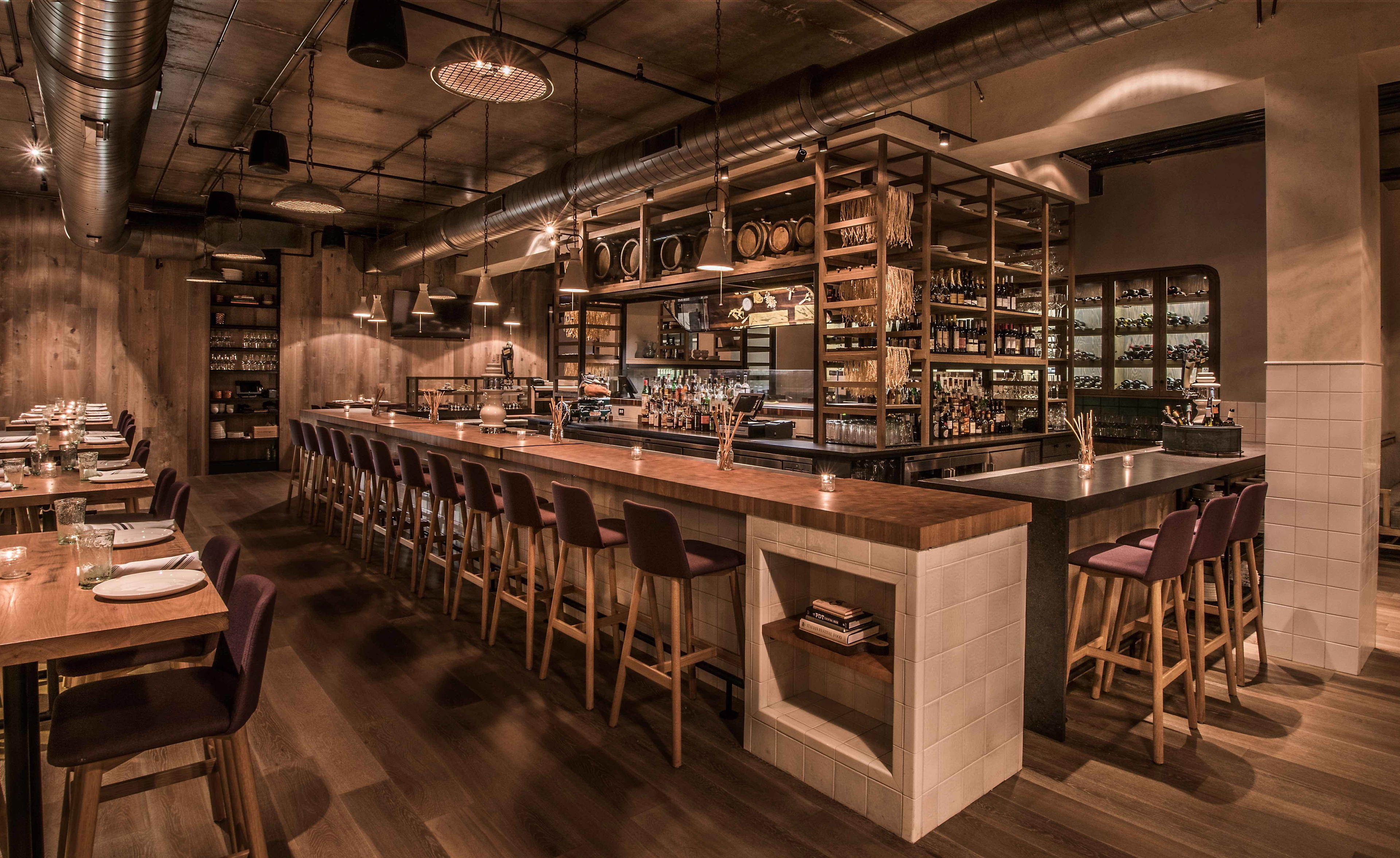
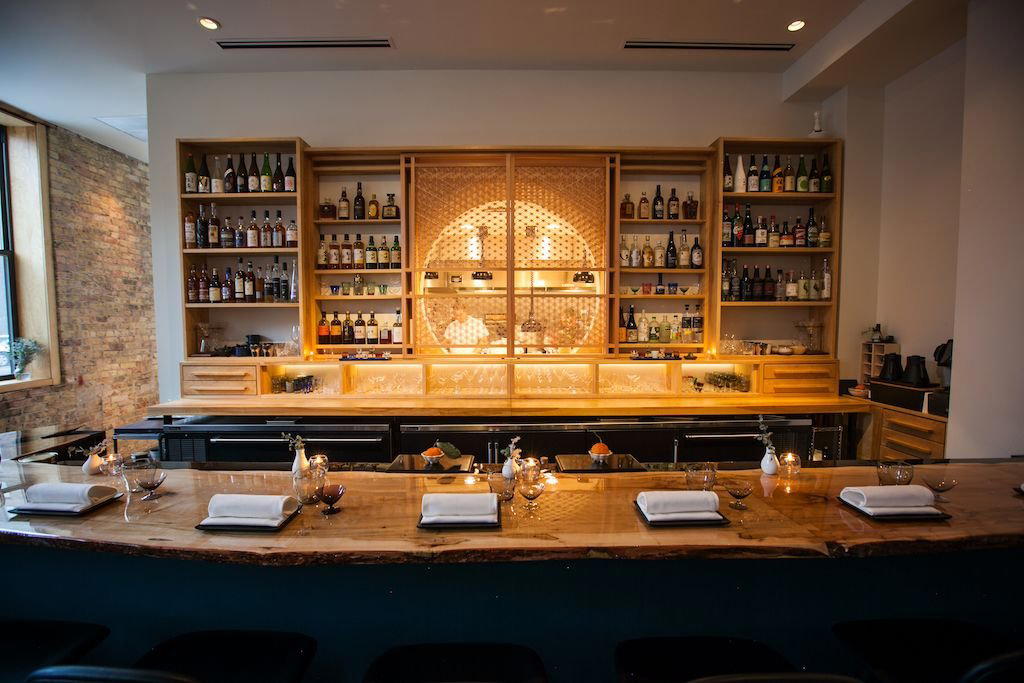
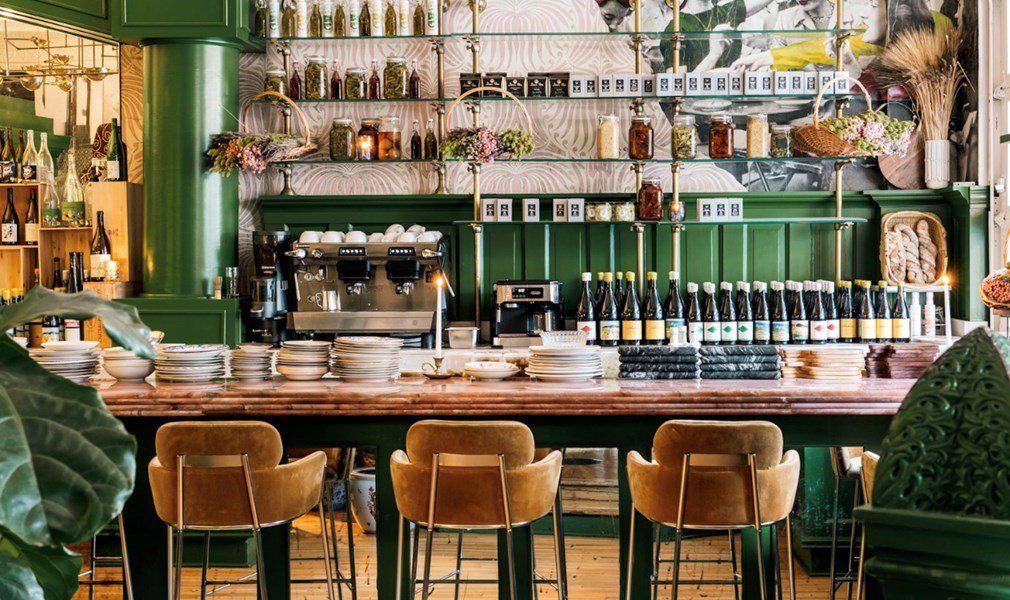
Whitewashed walls, hanging plants, and rough clay surfaces define the interior at 932 W Fulton St, a room designed to recall the konobas of the Croatian coast, the rustic, low-key taverns where Adriatic communities have eaten and drunk for generations. In that tradition, the atmosphere is deliberate in its informality. Seating accommodates around 100 diners across a space that reads open rather than spare, convivial rather than precious. Approaching from Fulton Market, the contrast with the neighbourhood's sleeker, more theatrically minimalist dining rooms is immediate.
Fulton Market has become Chicago's most reliably interesting dining corridor over the past decade, drawing both high-concept tasting menu formats and more accessible neighbourhood operations. Rose Mary sits in the latter tier by temperament, though not entirely by price. At the $$$ range, it occupies the same general bracket as many of Chicago's recognised destination restaurants, while its menu logic, sharing plates, hearth cooking, convivial pacing, points toward something closer to a European inn than a modern American fine-dining room.
Menu Architecture: Adriatic Drinking Food as a Design Principle
The phrase "Adriatic drinking food" is the clearest guide to how the menu is structured. It signals a set of priorities: approachability over ceremony, flavour intensity over technical display, and a format built around sharing rather than individual progression. In practice, this means a menu that moves across pasta, pastry, vegetable preparations, and fire-cooked proteins without imposing a strict tasting order or the kind of escalating formality associated with the tasting-menu format favoured at nearby operations like Alinea, Smyth, or Oriole.
Tortellini djuvec, filled with eggplant and preserved zucchini in a red pepper cream, sits in the pasta section as a direct reference to the Balkan culinary vocabulary, djuvec being a slow-cooked vegetable preparation found throughout the former Yugoslav republics. Burek, here made with ground beef and mozzarella, is street-food-register pastry refined by kitchen precision. Both dishes demonstrate a consistent structural approach: take a Croatian or Adriatic reference, maintain its essential character, and execute it at a level consistent with a serious kitchen.
The charcoal hearth is the menu's organising principle for mains. Lamb with blitva (the Swiss chard-like green common along the Dalmatian coast) and potatoes is the kind of dish that could appear unchanged in a split (small Croatian tavern) anywhere from Split to Dubrovnik, and that fidelity is clearly intentional. The hearth is not used as a technique for novelty; it is used because it is the correct heat source for the food being cooked. That distinction matters. At restaurants where open-fire cooking has become an aesthetic statement, the fire is often the subject. Here, the fire is the instrument.
Rosewater fritule close the meal. Fritule are small Croatian doughnuts, traditionally served at Christmas markets along the Adriatic coast. Their presence on the dessert menu is not merely decorative; it places the restaurant squarely within a specific food culture rather than using that culture as loose inspiration.
Croatian Cuisine in the American Market
Croatian cooking remains one of the less-represented Adriatic cuisines in the United States. The country's food falls into two broad registers: the continental interior, which shares much with Hungarian and Austrian traditions, and the coastal Dalmatian region, which draws on centuries of Venetian influence and produces olive oil, cured fish, lamb, and seafood with a distinctly Italic sensibility. Rose Mary works squarely from the coastal register, which explains both the menu's Italian-adjacent character and its meaningful overlap with the rustic Italian trattoria tradition.
Outside Chicago, Croatian cooking at this level of seriousness is rare in American cities. Dubrovnik in New Rochelle represents an older-generation expression of the cuisine. For a comparison closer to source, Bekal in Zagreb offers a reference point for what contemporary Croatian kitchens are doing with the same raw material. Rose Mary operates in the gap between those two poles: modern in execution, grounded in tradition, without the nostalgia register that can flatten immigrant cuisine in American settings.
A more accurate comparison would be with Kasama, which applies a similarly personal cultural lens to Filipino cooking, or with neighbourhood-anchored destination restaurants that hold Michelin recognition without adopting the full formal apparatus of fine dining. Across American cities, a comparable approach to regional specificity and fire cooking appears at restaurants like Lazy Bear in San Francisco and, at a different scale, in the philosophy driving hearth-forward kitchens from Providence in Los Angeles to Le Bernardin in New York City.
The Wine Program
Wine Director Kyle Davidson oversees a 205-selection list with an inventory of approximately 2,600 bottles. Strengths run across France, Italy, Germany, and California, a lineup that maps logically onto the restaurant's dual Croatian-Italian identity, with the German selections presumably servicing the high-acid, food-compatible styles that work with charcoal-cooked proteins and preserved vegetables. At the $$ pricing tier on the list's own scale, there is a range across price points rather than a push toward the high end. The corkage fee of $35 is competitive within Chicago's $$$ restaurant tier. Diners bringing bottles from Chicago's broader wine scene will find the fee reasonable for the category.
Recognition and Standing
Rose Mary holds a Michelin Plate for 2024, the guide's designation for restaurants offering food of a high standard that does not yet reach star level. Among the more ambitious addresses along Fulton Market, including entries in the Next Restaurant tier, Rose Mary has built a consistent following across both first-time visitors and repeat diners.
For the full picture of Chicago's dining scene, see our full Chicago restaurants guide. For planning around hotels, bars, and experiences in the city, the relevant resources are our Chicago hotels guide, our Chicago bars guide, and our Chicago experiences guide.
Planning Your Visit
| Detail | Rose Mary | Alinea | Smyth | Kasama |
|---|---|---|---|---|
| Cuisine | Croatian-Italian | Progressive American | Progressive American | Filipino |
| Price Tier | $$$ | $$$$ | $$$$ | $$$$ |
| Format | À la carte / sharing | Tasting menu | Tasting menu | Tasting menu |
| Michelin | Plate (2024) | 3 Stars | 2 Stars | 1 Star |
| Meals Served | Dinner | Dinner | Dinner | Dinner / Brunch |
| Address | 932 W Fulton St | 1723 N Halsted St | 177 N Ada St | 1340 W Diversey |
Rose Mary is owned by Joseph Flamm, Kara Callero, Frank Callero, and Steven Zaleski, with Rocky Kitzman as General Manager. Reservations are recommended given the restaurant's sustained profile in the Fulton Market corridor.
Frequently asked questions
What dish is Rose Mary famous for?
How hard is it to get a table at Rose Mary?
What is Rose Mary known for?
Price and Positioning
A quick peer check to anchor this venue’s price and recognition.
| Venue | Cuisine | Price | Awards | Notes |
|---|---|---|---|---|
| Rose MaryThis venue (the venue you are viewing) | Croatian-Italian Adriatic | $30–50 | Michelin Plate · James Beard Award Semi Finalist | Not listed |
| Alinea | Avant-Garde Molecular Gastronomy | $300–500 | 2 Michelin Stars · World's 50 Best #37 | Progressive American, Creative |
| Smyth | Modern American Tasting Menu | $200–300 | 3 Michelin Stars · World's 50 Best #1 | Progressive American, Contemporary |
| Kasama | Modern Filipino | $30–50 | 2 Michelin Stars · World's 50 Best #31 | Filipino |
| Next Restaurant | Avant-Garde Themed Tasting Menus | Not listed | 1 Michelin Star · We're Smart World 2 Radishes | American Cuisine |
| Boka | Modern American Seasonal Fine Dining | $150–200 | 1 Michelin Star · La Liste Top Restaurants | New American, Contemporary |
Recognition history
Dated appearances from independent guides and award organizations, with the underlying list record or original source where available.
Michelin Plate
Michelin
James Beard Award Semi Finalist
James Beard Award
Wine Spectator Award of Excellence
Wine Spectator
OpenTable Top 100 Restaurants
OpenTable
Full recognition history (6 entries)
Wine Spectator Award of Excellence
Wine Spectator
Michelin Plate
Michelin
Continue exploring
More in Chicago
Restaurants in Chicago
All restaurants in Chicago →
Bars in Chicago
All bars in Chicago →
Rose Mary
The wine
Rose Mary holds the Wine Spectator Award of Excellence, which Wine Spectator gives to lists of usually 90 or more selections.
- Wine Spectator
- Wine Spectator Award of Excellence
- Selections
- 205
- Bottles in cellar
- 2,600
- List strengths
- France, Italy, Germany, California
- Wine director
- Kyle Davidson
- Craft cocktails
Details
- Lively
- Rustic
- Trendy
- Elegant
- Date Night
- Special Occasion
- Group Dining
- Open Kitchen
- Craft Cocktails
- Small Plates
- A La Carte
- Craft Cocktails
- Croatian Wine
- Vegetarian Friendly
- Gluten Free Options
- Vegan Options
Current opening hours
- Monday
- 4:30–10 PM
- Tuesday
- 4:30–10 PM
- Wednesday
- 4:30–10 PM
- Thursday
- 4:30–10 PM
- Friday
- 4:30–11 PM
- Saturday
- 4:30–11 PM
- Sunday
- 4:30–10 PM
Hours can change for holidays and private events. Hours as of .
Breezy Mediterranean atmosphere with whitewashed walls, rustic clay accents, hanging plants, open kitchen, and lively energy.