Nico Osteria

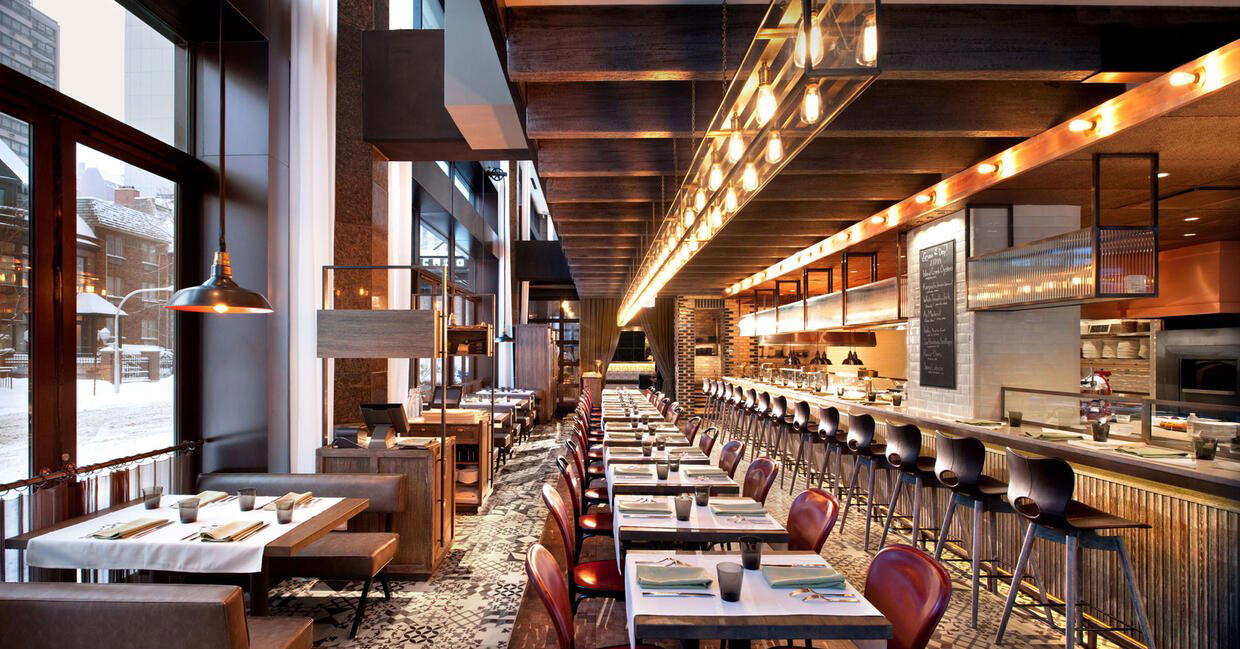
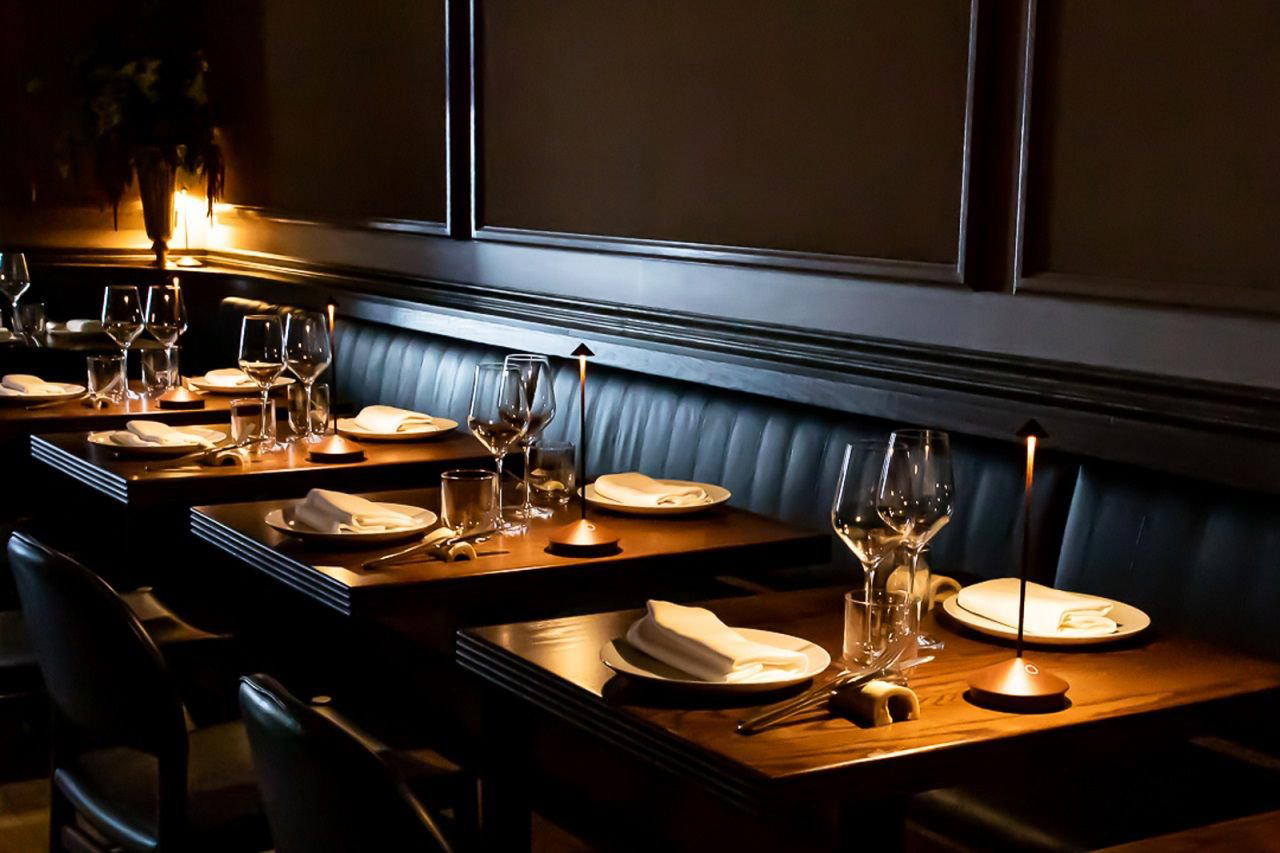
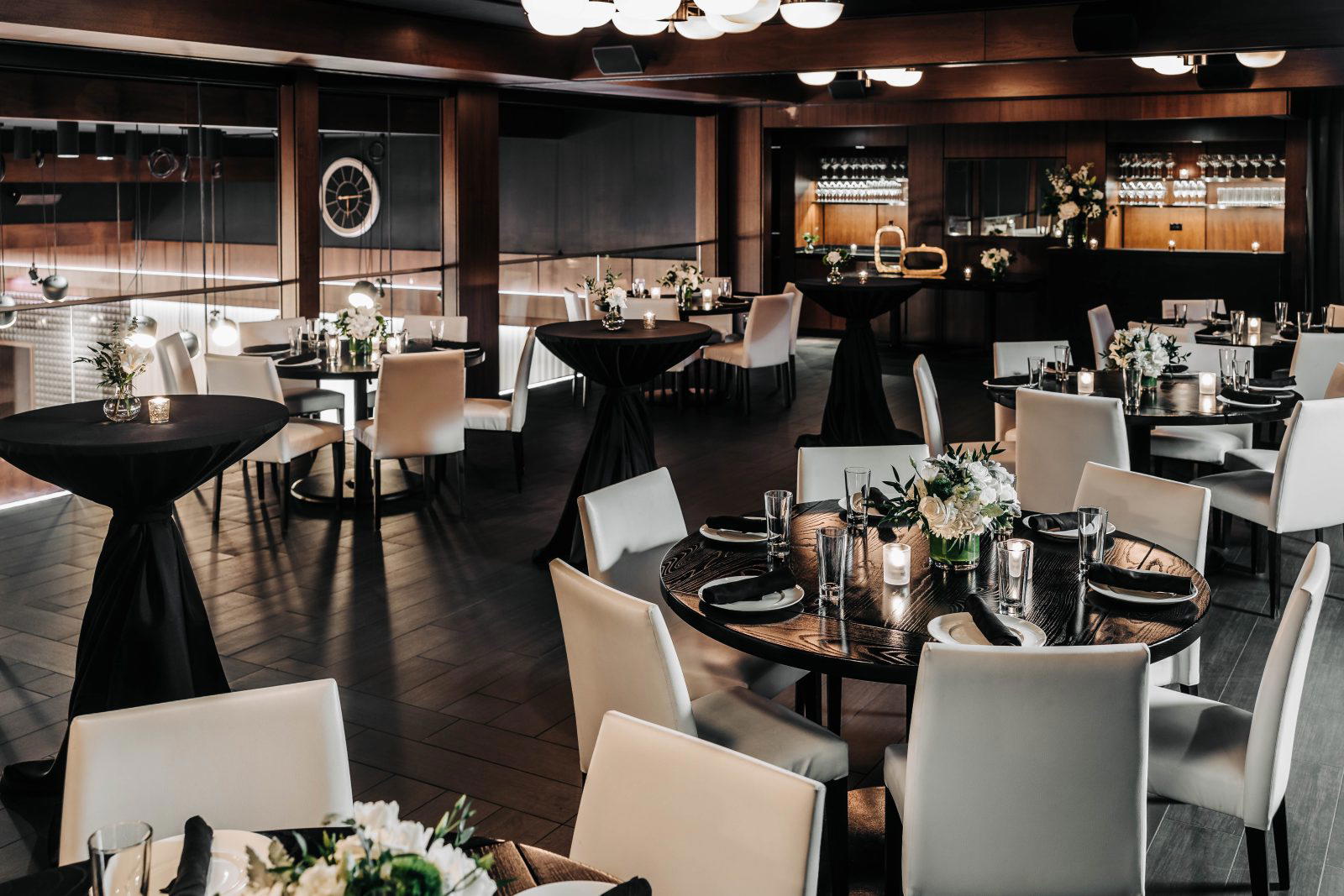
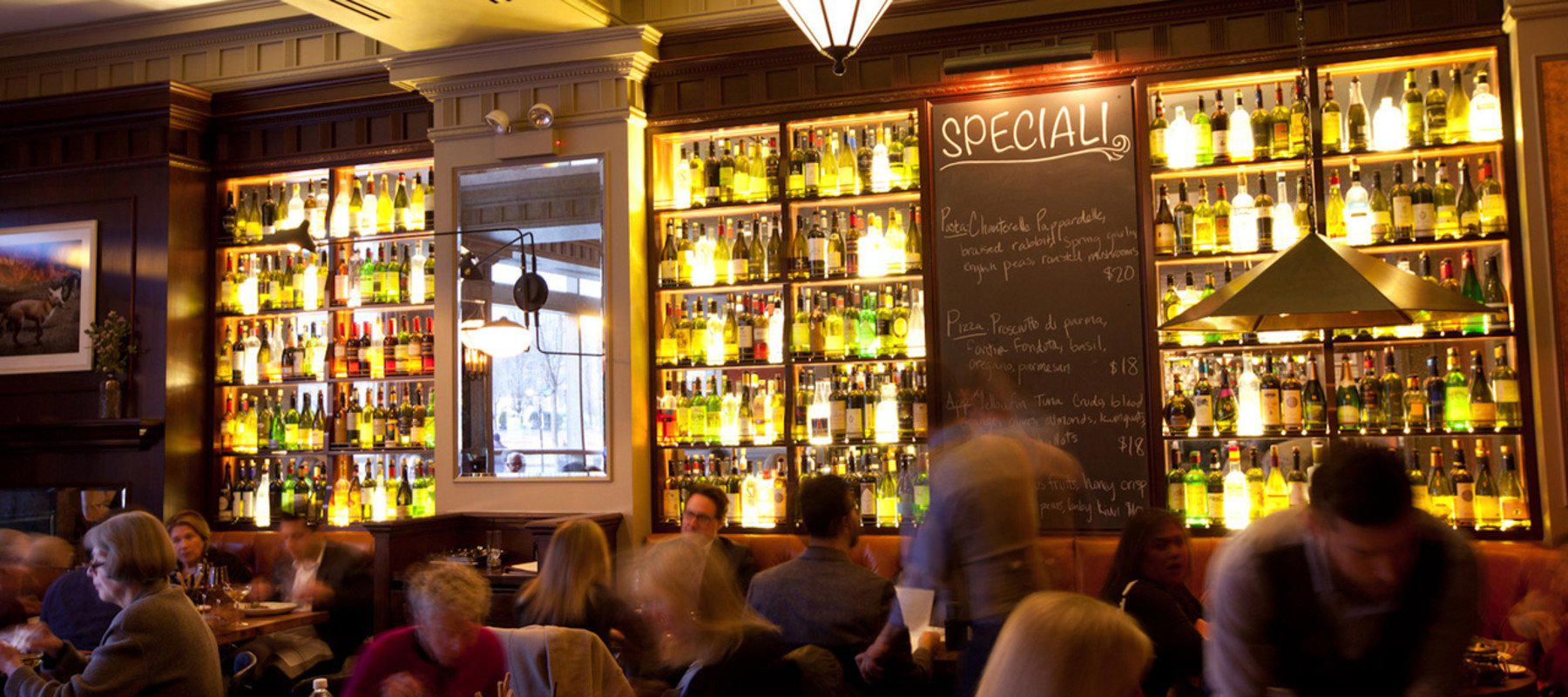
Nico Osteria occupies a distinct position among Chicago's Italian restaurants: a hotel dining room on Rush Street that earns independent recognition, ranking #129 on Opinionated About Dining's North America Gourmet Casual list in 2023. Under Chef Bill Montagne, the kitchen applies coastal Italian technique to seafood-forward cooking, drawing a crowd that ranges from Gold Coast regulars to out-of-town guests staying at the Thompson Chicago.

Rush Street, Italian Coastal, and the Hotel Dining Question
Hotel restaurants in American cities occupy an awkward position. They serve a captive audience, operate under brand constraints, and often drift toward safe, crowd-pleasing menus that read more like airport lounges than serious kitchens. Chicago's Gold Coast has its share of exactly that type of venue. Nico Osteria, set inside the Thompson Chicago on North Rush Street, has made a different argument: that an Italian seafood-focused kitchen, taken seriously, can earn recognition that sits entirely outside the hotel context.
The recognition is specific enough to hold weight. Opinionated About Dining, the data-driven critic platform that aggregates serious restaurant evaluations, placed Nico Osteria at #129 in its 2023 North America Gourmet Casual Dining ranking and followed with a Casual recommendation in 2024. Those rankings come from a methodology that cuts through marketing noise. Appearing on OAD lists alongside venues with no hotel affiliation, no parent brand buffer, and no tourist traffic to fall back on is a meaningful signal about where the kitchen's priorities lie.
The shortlist, unlocked.
Hard-to-book tables, cellar releases, and concierge-planned trips.
Get Exclusive Access →The Rush Street Address and Its Culinary Context
North Rush Street sits at the edge of the Gold Coast, close enough to the Magnificent Mile that it sees heavy foot traffic but far enough from the Loop that its restaurant crowd skews residential and hotel-dependent in roughly equal measure. The Italian presence on Chicago's North Side is established and competitive. Monteverde has set a high bar for pasta-driven Italian in the city, while Osteria Langhe has staked its identity on the specific regional cooking of Piedmont. Coco Pazzo has maintained a Tuscan-leaning identity for decades, and newer arrivals like Alla Vita and Ciccio Mio have added further density to the city's Italian dining circuit.
Within that competitive set, Nico Osteria differentiates through a coastal and seafood orientation rather than a regional Italian identity tied to a landlocked province. That positioning has precedents in the broader American Italian dining scene: the question of how to bring Mediterranean coastal technique to a Midwestern city without access to day-boat fish requires deliberate sourcing choices and a kitchen approach that treats fish as the primary subject rather than a menu section. The 4.3 Google rating across 833 reviews suggests consistent execution across a broad diner base, which matters for a kitchen operating seven days a week from early morning through the dinner service.
Local Ingredients, Italian Technique: The Governing Logic
The editorial angle that defines Nico Osteria's kitchen identity sits at the intersection of imported method and local product. Italian coastal cooking, at its most rigorous, is built on proximity to water and a restrained handling of raw material: crudo technique, wood-fired preparations, pasta formats shaped around regional seafood traditions. Translating that logic to Chicago means working with Great Lakes fish alongside Atlantic and Gulf sourcing, integrating Midwestern agricultural products into antipasto and vegetable courses, and making decisions about when local provenance adds something and when it doesn't.
This is the challenge that any serious Italian kitchen outside Italy faces, and it's one worth examining at scale. At 8 1/2 Otto e Mezzo Bombana in Hong Kong, Italian technique operates in a market where sourcing crosses multiple continents; at cenci in Kyoto, Italian training meets Japanese ingredients in a setting where the local product quality competes with anything Italy offers. Chicago's context is different: the city has access to excellent domestic proteins, a strong produce season in summer, and a cheese and charcuterie supply chain that has improved substantially over the past decade. A kitchen working within the Italian framework here has genuine local material to engage with, not just imported equivalents.
Chef Bill Montagne's position at the kitchen's head represents a Tier D credential within that framework. The relevant question is less biographical and more functional: whether the kitchen applies Italian technique with enough discipline to produce food that reads as Italian-influenced rather than generic seafood-Mediterranean. The OAD rankings suggest the answer leans toward the former.
Seven-Day Operation and the All-Day Format
Nico Osteria operates seven days a week from 7 am to 10 pm, a format that covers breakfast, lunch, and dinner within the Thompson Chicago. All-day Italian operations in hotel settings face a structural challenge: the same kitchen and room must serve a business traveler's breakfast at 7:30 am and a serious dinner at 8:30 pm. The venues that manage this transition well tend to do so by keeping the dinner menu disciplined and distinct, rather than treating breakfast as the primary revenue stream and dinner as an afterthought.
The hotel context also means that Nico Osteria's peer set is not purely the independent Italian restaurants of Chicago's North Side. For a certain type of visitor, the comparison is less about Monteverde and more about whether a hotel kitchen can produce food worth choosing over the option of leaving the building. On that narrower question, the OAD recognition provides the clearest available answer: the kitchen earned its rankings in competition with independent venues across North America, not just within the hotel dining subcategory.
Where Nico Osteria Sits in Chicago's Dining Field
Chicago's fine and gourmet-casual dining scene clusters heavily around progressive American formats. Alinea, Smyth, Next, and Boka occupy the city's most discussed fine-dining tier. At the other end of the price and formality spectrum, a dense casual Italian circuit operates across the North Side and West Loop. Nico Osteria sits between those poles, in the gourmet-casual band that OAD's ranking confirms: serious enough to place at #129 in North America, accessible enough to operate an all-day format with a broad diner base.
That positioning has parallels in other American cities. The seafood-forward Italian format appears at venues like Le Bernardin in New York and Providence in Los Angeles at a higher price point and with European technique as the primary frame. At Nico Osteria, the same technical seriousness about seafood operates within a more accessible price band and a format designed for daily use rather than occasion dining. For visitors building a Chicago itinerary around the full dining spectrum, see our full Chicago restaurants guide, and for hotel and bar context around the Gold Coast corridor, the Chicago hotels guide and Chicago bars guide provide the surrounding picture. The Chicago wineries guide and Chicago experiences guide round out the city picture for visitors spending more than a weekend.
Know Before You Go
- Address: Thompson Chicago, by Hyatt, 1015 N Rush St, Chicago, Illinois
- Hours: Monday to Sunday, 7 am to 10 pm
- Chef: Bill Montagne
- Cuisine: Italian, seafood-focused
- Awards: Opinionated About Dining Gourmet Casual Dining in North America #129 (2023); Casual in North America #636 (2024); Recommended (2023)
- Google Rating: 4.3 from 833 reviews
- Booking: Contact the Thompson Chicago directly; hotel guests have access through the property
What Should I Order at Nico Osteria?
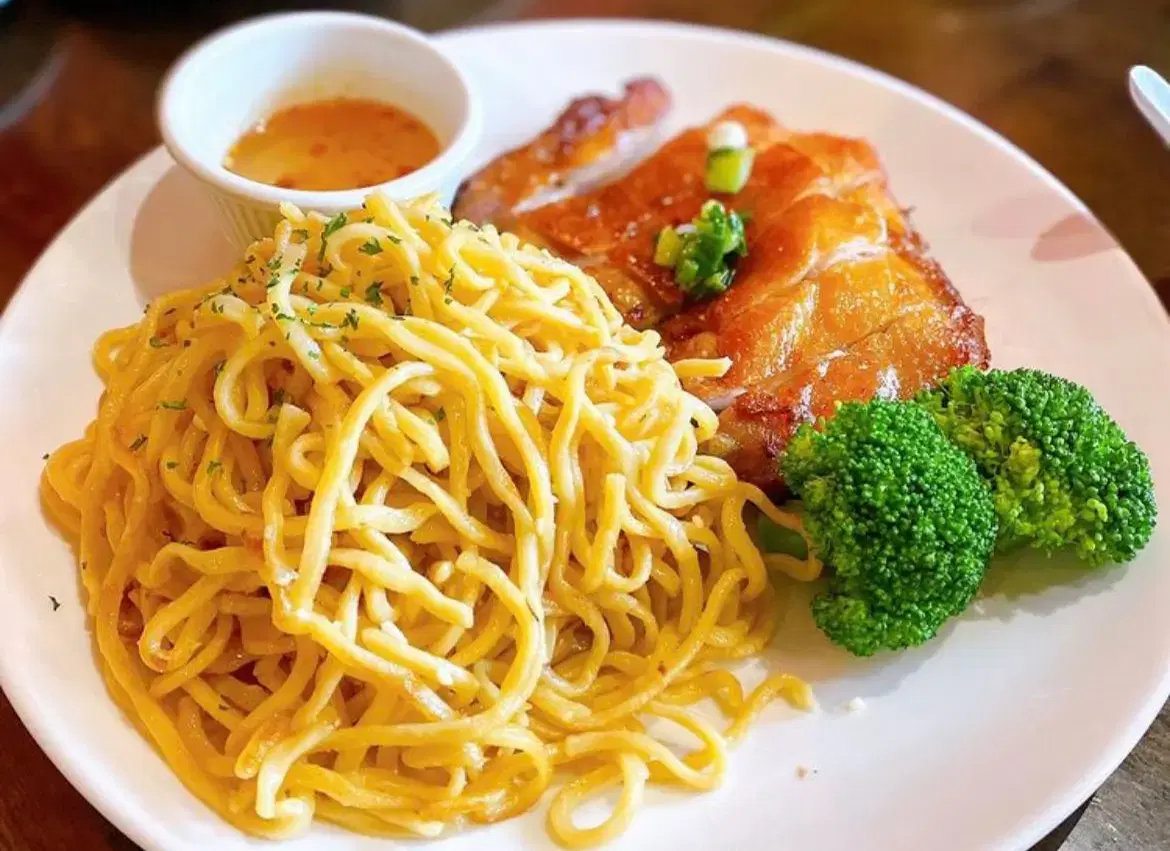
The kitchen's OAD rankings in the gourmet casual and casual categories, combined with its Italian coastal orientation, point toward seafood preparations as the dishes most likely to reflect the kitchen's technical emphasis. Italian seafood traditions built around crudo, pasta with shellfish, and simply prepared whole fish tend to show technique most clearly, and these are the formats a kitchen with this profile is most likely to execute with precision. Vegetable and antipasto courses informed by Midwestern seasonal produce also align with the local-ingredient, Italian-technique framing that defines the kitchen's approach. Specific dish recommendations require firsthand verification, but the category logic is consistent with the venue's established identity across Chicago's Italian dining circuit.
A Lean Comparison
Comparable options at a glance, pulled from our tracked venues.
| Venue | Notes | Price |
|---|---|---|
| Nico Osteria | This venue | |
| Alinea | Progressive American, Creative, $$$$ | $$$$ |
| Smyth | Progressive American, Contemporary, $$$$ | $$$$ |
| Kasama | Filipino, $$$$ | $$$$ |
| Next Restaurant | American Cuisine, $$$$ | $$$$ |
| Boka | New American, Contemporary, $$$$ | $$$$ |
Need a table?
Our members enjoy priority alerts and concierge-led booking support for the world's most difficult tables.
Get Exclusive AccessThe shortlist, unlocked.
Hard-to-book tables, cellar releases, and concierge-planned trips.
Get Exclusive Access →