
Michelin Plate
Our verdict
The kitchen draws on Croatian culinary roots in a neighbourhood where contemporary and traditional approaches compete for the same diner. For visitors tracking Zagreb's evolving restaurant scene, it represents a grounded entry point into the city's local cuisine.

Pearl is the En Primeur Club membership app, where members save venues, book tables and use the concierge.
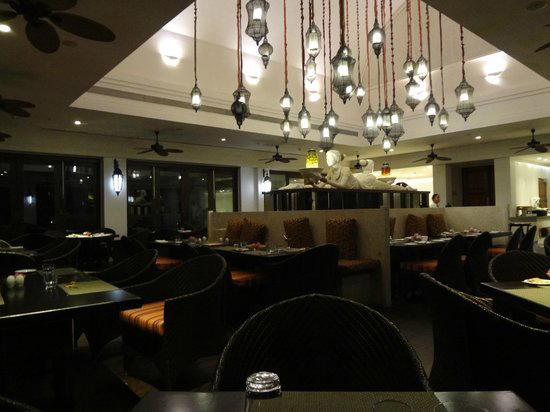
A Street Address in Zagreb's Quieter Quarter
Ul. Huga Badalića 19 sits away from the tourist-worn lanes of Gornji Grad and the brunch-heavy strips of Donji Grad, in a residential pocket where Zagreb residents rather than visitors tend to eat. That geographical fact matters more than it might seem. Restaurants positioned here are not trading on passing footfall; they are building regulars. The physical approach, a quieter street, no theatrical signage, signals the register before you reach the door. In Zagreb's dining scene, that kind of address tends to come with a certain confidence in the food itself.
Croatian Cooking in a City That Is Still Defining It
Croatian cuisine at the table-service level is a more contested category than it looks from the outside. The country's cooking traditions pull in several directions at once: the Austro-Hungarian pantry of the interior, the olive oil and seafood grammar of the Adriatic coast, and the Ottoman-inflected spicing that threads through some older recipes. Zagreb, as the continental capital, has historically been the place where the inland tradition dominates, built around slow-cooked meats, game, freshwater fish, and root vegetables, a canon that differs sharply from what you encounter at Agli Amici Rovinj in Rovinj or LD Restaurant in Korčula on the coast.
What has changed in the last decade is how Zagreb kitchens treat that inland tradition. The question is no longer whether to cook Croatian food, but how precisely to source it, how much to reframe it, and whether classical presentation or a more contemporary plate makes the better argument for the ingredients. Bekal holds a Michelin Plate recognition for 2025, which places it in the tier of restaurants the guide considers worth eating at, below the starred houses but above the undifferentiated mass of the market. That is a meaningful credential in a city where the Michelin footprint is still relatively shallow compared to the Croatian coast.
Where Bekal Sits in Zagreb's Dining Tiers
Zagreb's formal restaurant market has stratified fairly clearly. At the leading, places like Noel (Modern Cuisine) operate at the €€€€ price point with Michelin star recognition, while Dubravkin Put (Mediterranean Cuisine) holds a star at the €€€ tier with a Mediterranean frame. ManO2 occupies the Croatian category at €€€. Bekal's €€ pricing puts it a clear step below that bracket, which makes it a different kind of proposition: Croatian cooking with formal recognition at a price point accessible to most visitors who are not specifically tracking the starred circuit.
That positioning is worth understanding rather than dismissing. Some of Zagreb's most culturally representative meals happen at this middle tier, where the kitchen does not need to justify a high price with elaborate technique, and where the food is more likely to reflect what the city actually eats. Balon (Mediterranean Cuisine) and Izakaya (Japanese Contemporary) both operate at different points in this broader mid-range, demonstrating that Zagreb's interesting dining is not confined to its starred addresses.
Restaurants that score well primarily on tourist traffic tend to accumulate reviews faster but with more variance; a steady 4.5 over 162 ratings suggests the kitchen is performing reliably across its regular clientele.
The Broader Croatian Dining Circuit
Understanding Bekal requires understanding where Zagreb sits within Croatia's wider food geography. The country's most celebrated formal restaurants cluster on or near the coast: Boskinac in Novalja on Pag island, Alfred Keller in Mali Lošinj in the Kvarner Gulf, Korak in Jastrebarsko just outside Zagreb, and Krug in Split further south. The Croatian table abroad is represented in places like Dubrovnik in New Rochelle and Konoba Kala in Supetar. Within Zagreb itself, a restaurant holding Michelin Plate recognition for Croatian cuisine in 2025 occupies a specific and relatively rare slot.
The Michelin guide's return to Croatia in recent years has raised the benchmark across all tiers, not just at the starred level. The Plate designation, which the guide awards to restaurants offering good cooking without the additional complexity that earns a star, has become a meaningful differentiator in markets like Zagreb where the gap between a serious kitchen and a routine one can otherwise be hard to read from the outside. Bekal's inclusion in the 2025 guide means the inspectors found the cooking worth recommending, and that is a more reliable signal than aggregated online scores alone.
Planning a Visit
Bekal sits at Ul. Huga Badalića 19 in Zagreb's 10000 postal district, reachable by tram from the city centre in under fifteen minutes. The €€ price band means a full meal typically falls below what you would spend at the starred houses nearby, making it a practical choice for travellers who want verified quality without the top-tier price commitment. Dress code expectations at this price point and in this neighbourhood tend toward smart casual rather than formal, consistent with the broader mid-range Zagreb market.
For a fuller picture of where to eat, drink, and stay in the city, EP Club's editorial coverage extends across the full range: see our full Zagreb restaurants guide, our full Zagreb hotels guide, our full Zagreb bars guide, our full Zagreb wineries guide, and our full Zagreb experiences guide.
Frequently asked questions
What's the pricing like at Bekal?
Pricing at Bekal is listed as €€.
Does Bekal have a Michelin star or similar recognition?
Bekal has received recognition including: Michelin Plate (2025).
What should I eat at Bekal?
Bekal earned a Michelin Plate in 2025 for Croatian cuisine, which means the guide's inspectors found the cooking consistently good across the menu rather than singling out one standout dish. Croatian cooking draws from distinct regional traditions, Dalmatian coastal, Istrian, and continental Slavonian, so expect a kitchen working within that range rather than a single fixed style. The €€ price range signals a mid-tier commitment: this is a place where the food does the work without the ceremony of Zagreb's top-tier tasting-menu rooms.
What part of town is Bekal in?
Bekal is located at Ul. Huga Badalića 19, 10000, Zagreb, Croatia, Zagreb.
Cost Snapshot
Comparable venues nearby, for context on price, style, and recognition.
| Venue | Cuisine | Price | Awards | Notes |
|---|---|---|---|---|
| BekalThis venue (the venue you are viewing) | Fire-Cooked Croatian | $50–100 | Michelin Plate | Not listed |
| Maredo | Modern Grill Steakhouse | $30–50 | Michelin Plate | Zagreb, Modern Grill Steakhouse |
| Stari Fijaker | Traditional Croatian Zagreb-Zagorje | $20–30 | Not listed | Lower Town, Traditional Croatian Zagreb-Zagorje |
| Tekka | Japanese Sushi and Seafood | $30–50 | Michelin Plate | Radnička, Japanese Sushi and Seafood |
| Boban | Mediterranean-Style Italian | $30–50 | Michelin Plate | Zagreb Historic Centre, Mediterranean-Style Italian |
| Korčula | Modern Dalmatian Seafood | $30–50 | Not listed | Lower Town, Modern Dalmatian Seafood |
Recognition history
Dated appearances from independent guides and award organizations, with the underlying list record or original source where available.
Michelin Plate
Michelin
Continue exploring
More in Zagreb
Restaurants in Zagreb
All restaurants in Zagreb →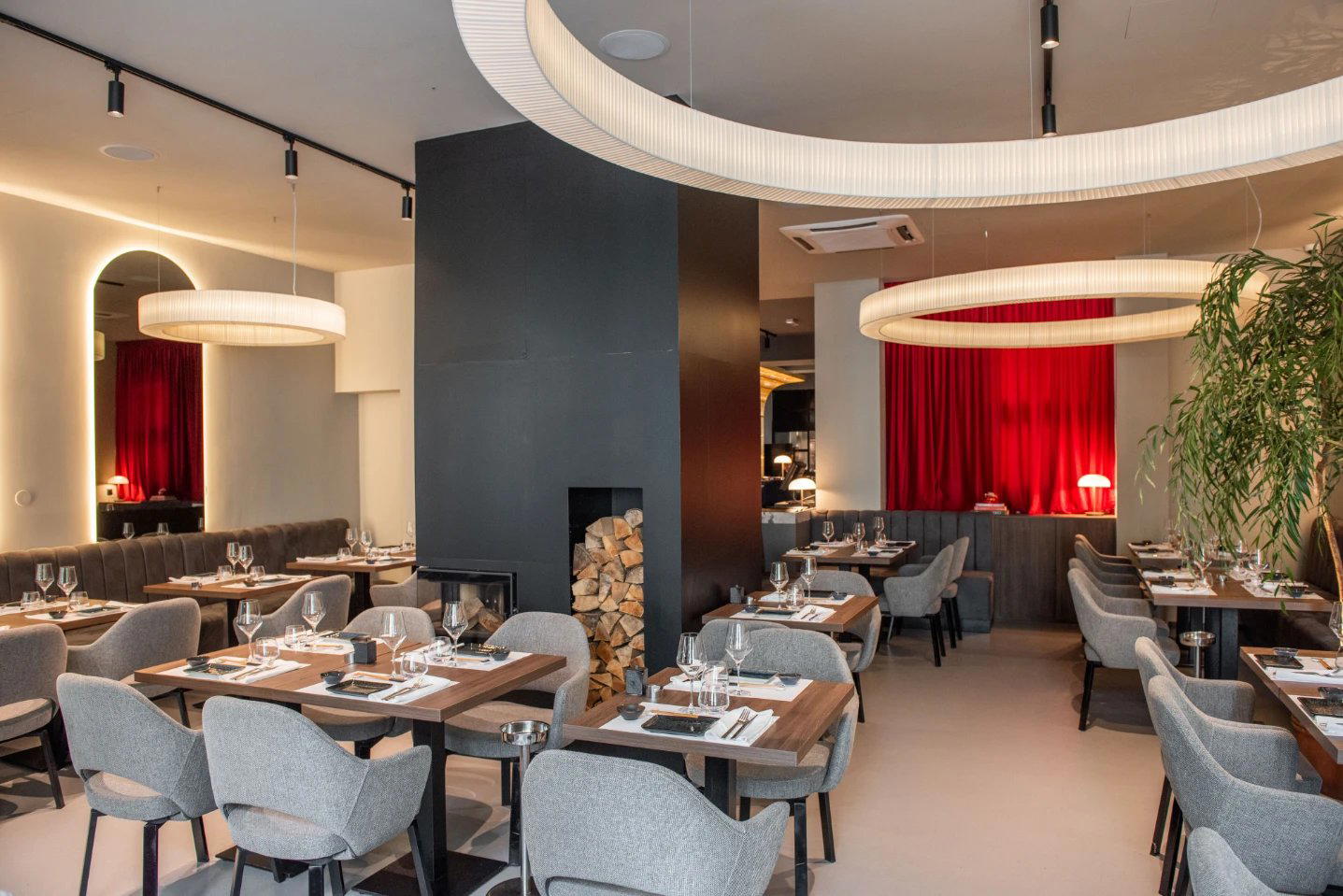


Details
- Industrial
- Intimate
- Trendy
- Special Occasion
- Date Night
- Open Kitchen
- Extensive Wine List
- Local Sourcing
- Organic
- Tasting Menu
Current opening hours
- Monday
- Closed
- Tuesday
- 6–11 PM
- Wednesday
- 6–11 PM
- Thursday
- 6–11 PM
- Friday
- 6–11 PM
- Saturday
- 6–11 PM
- Sunday
- Closed
Hours can change for holidays and private events. Hours as of .
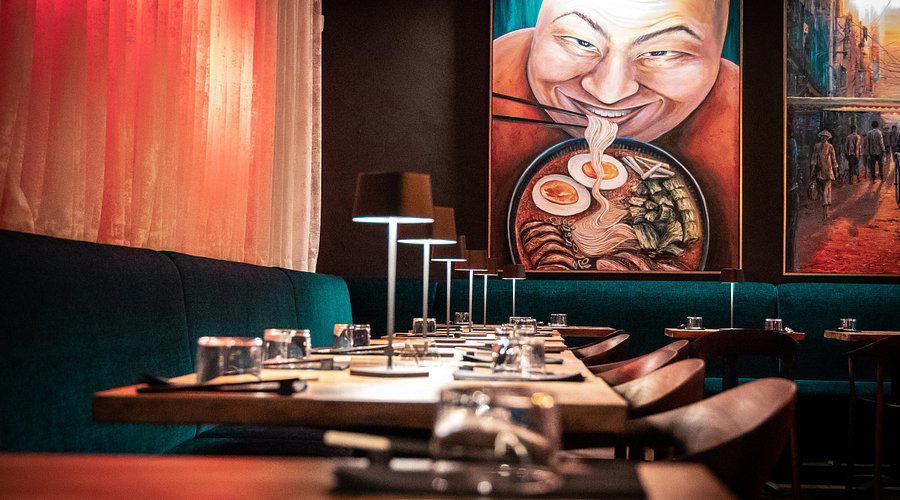
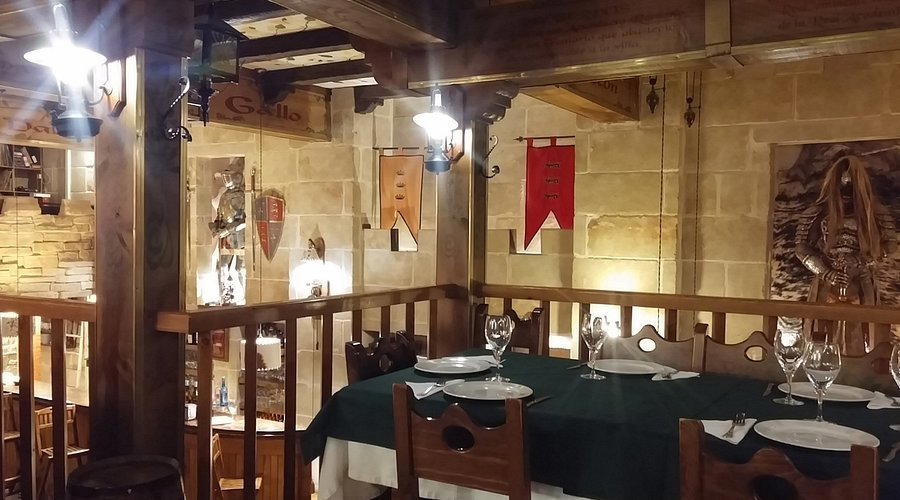
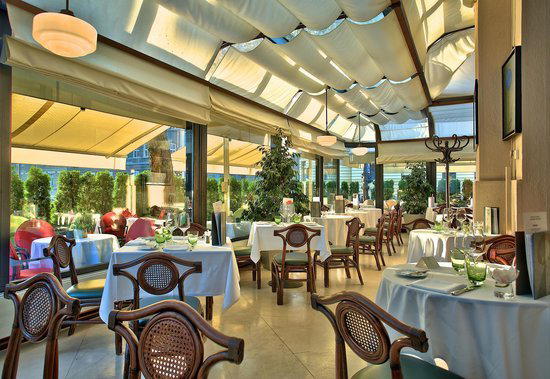
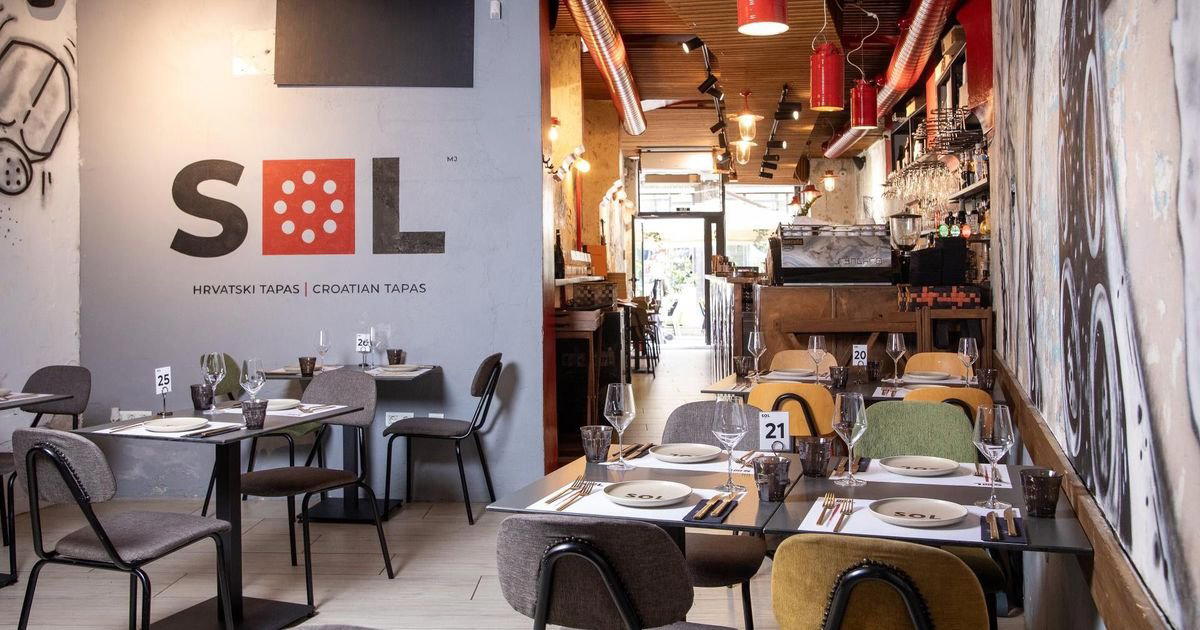
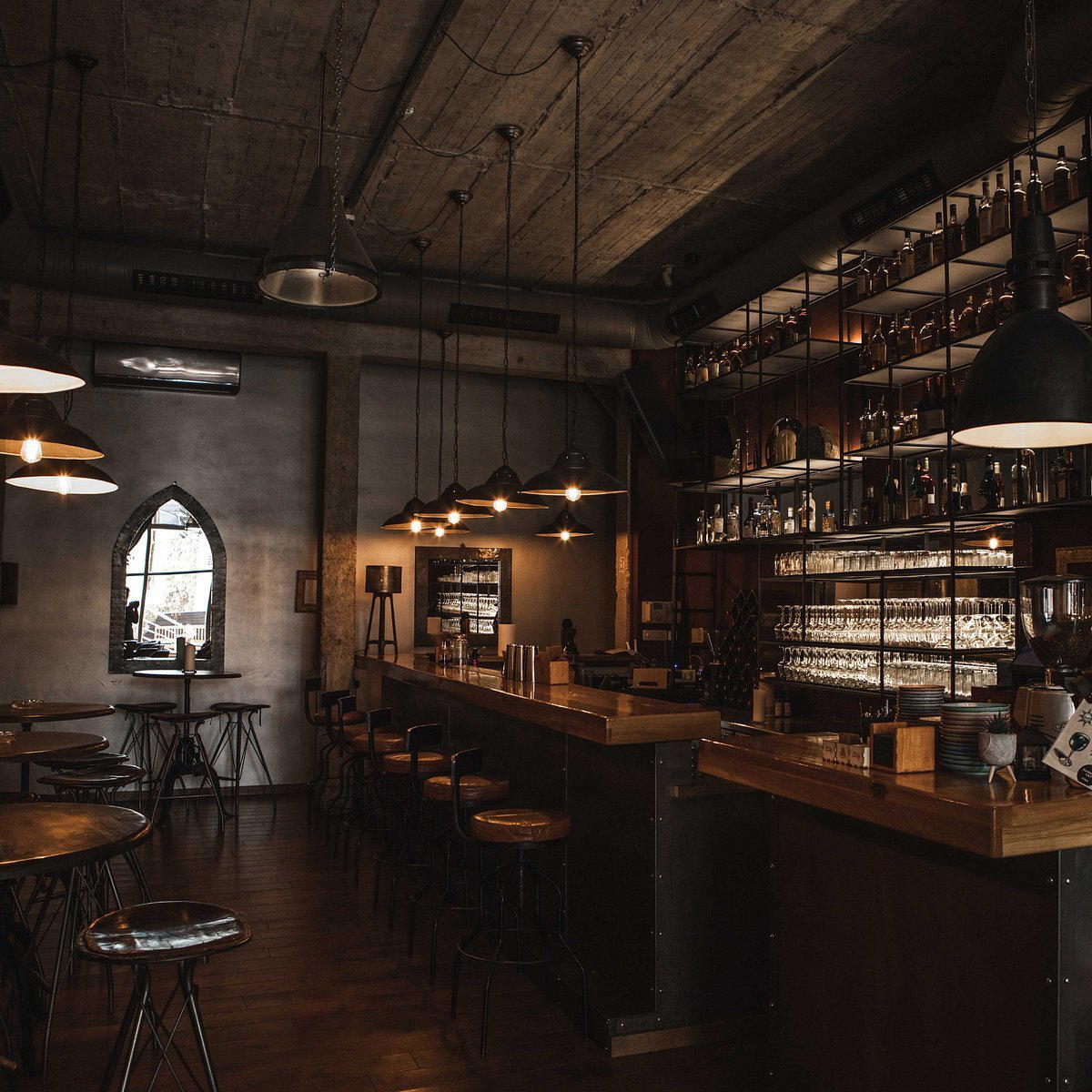
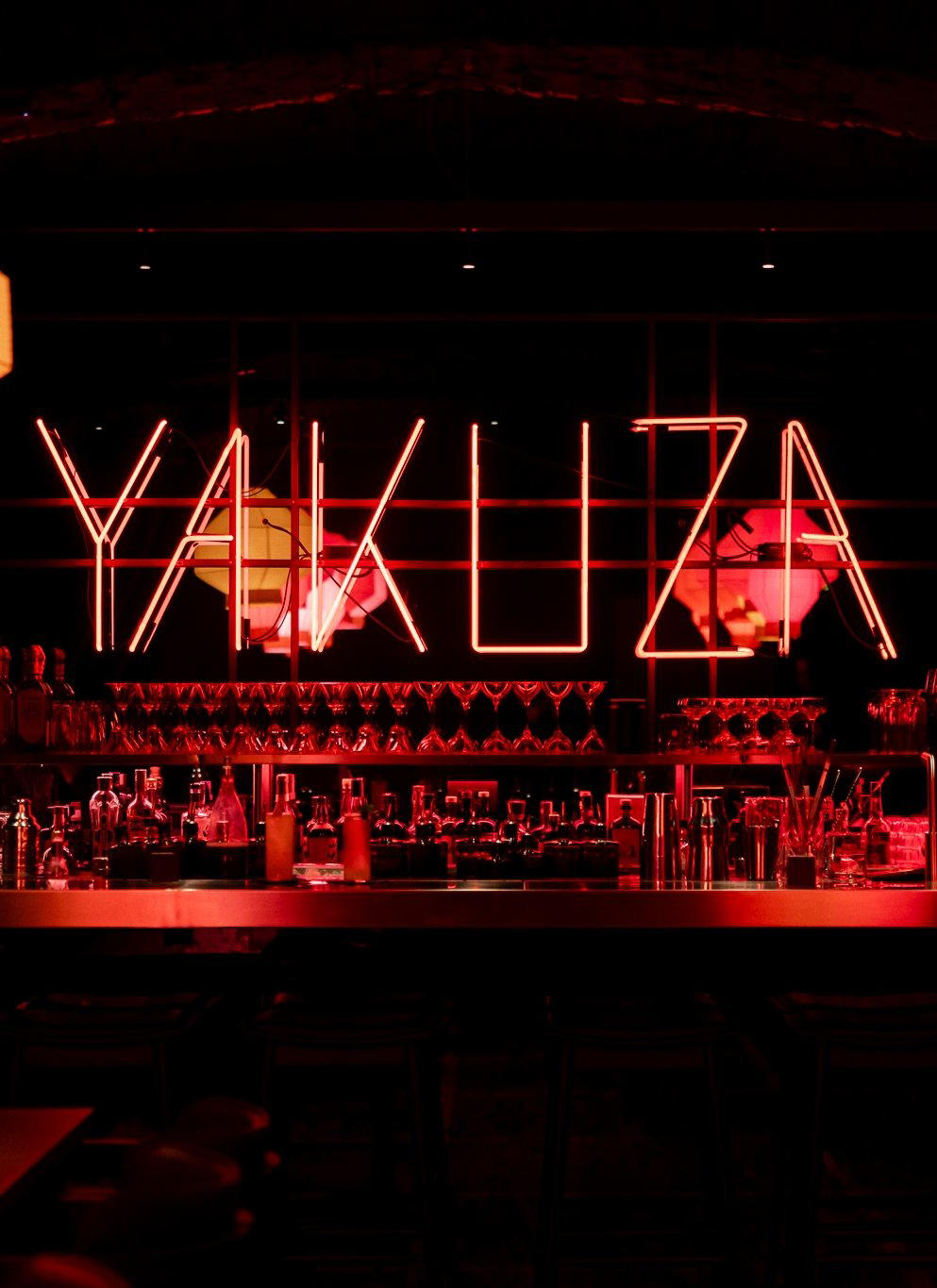
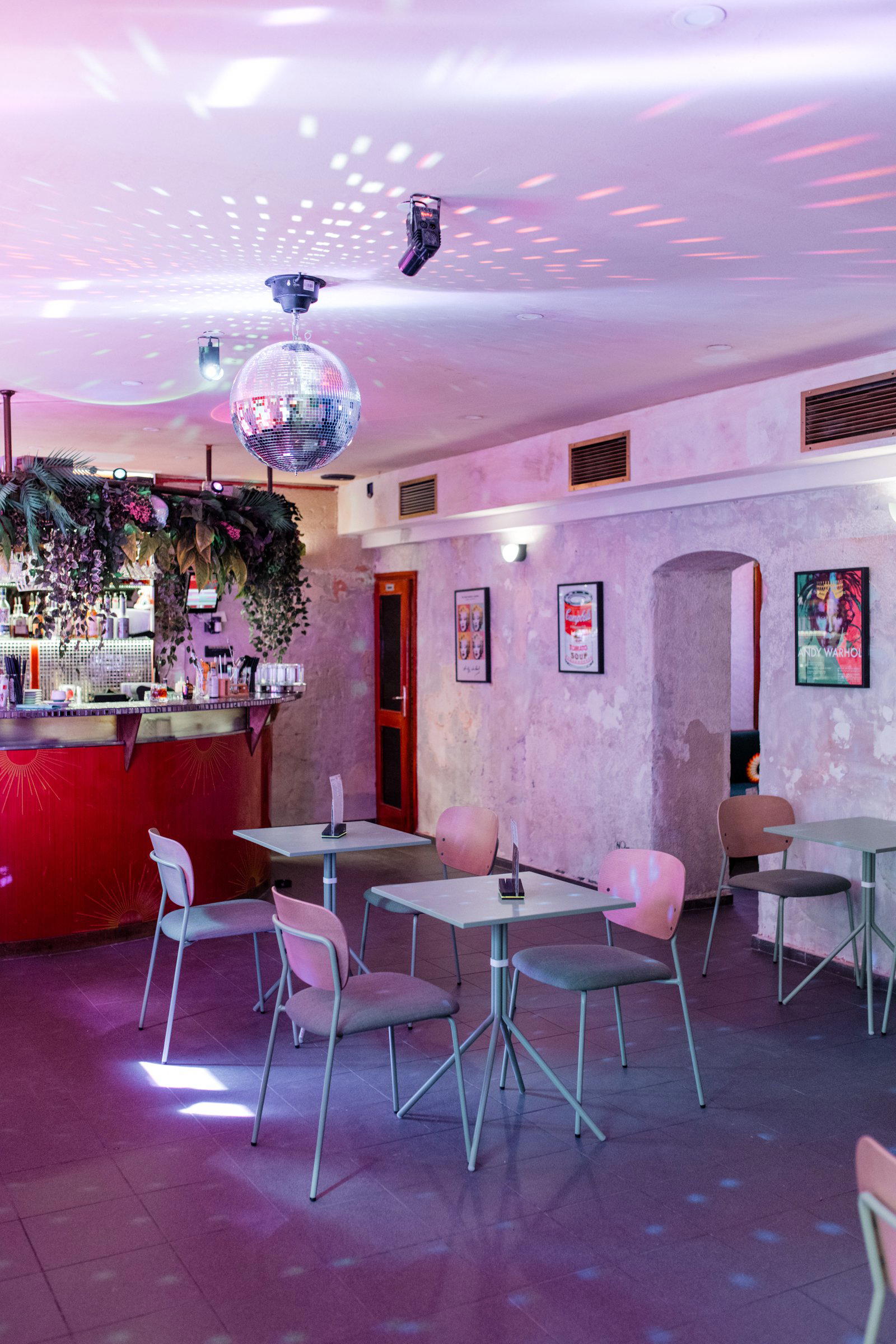
Punk-inspired with graffiti walls, open fire kitchen in an iron cage, relaxed intimate vibe with cool beats and raw industrial elements.