Tabelog 100 #79
Our verdict
Ronin places Nagoya’s Higashisakura dining culture in a compact Japanese-cuisine format shaped by fish, sake, shochu and counter service. Its selection for Tabelog Japanese Cuisine EAST 100 in 2021, 2023 and 2025 gives it a clear trust signal within a city better known internationally for miso katsu, hitsumabushi and kishimen than for small-format kappo-style rooms.

Pearl is the En Primeur Club membership app, where members save venues, book tables and use the concierge.
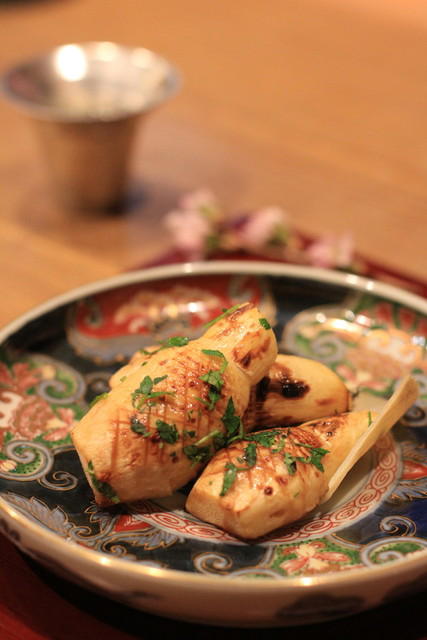
The menu
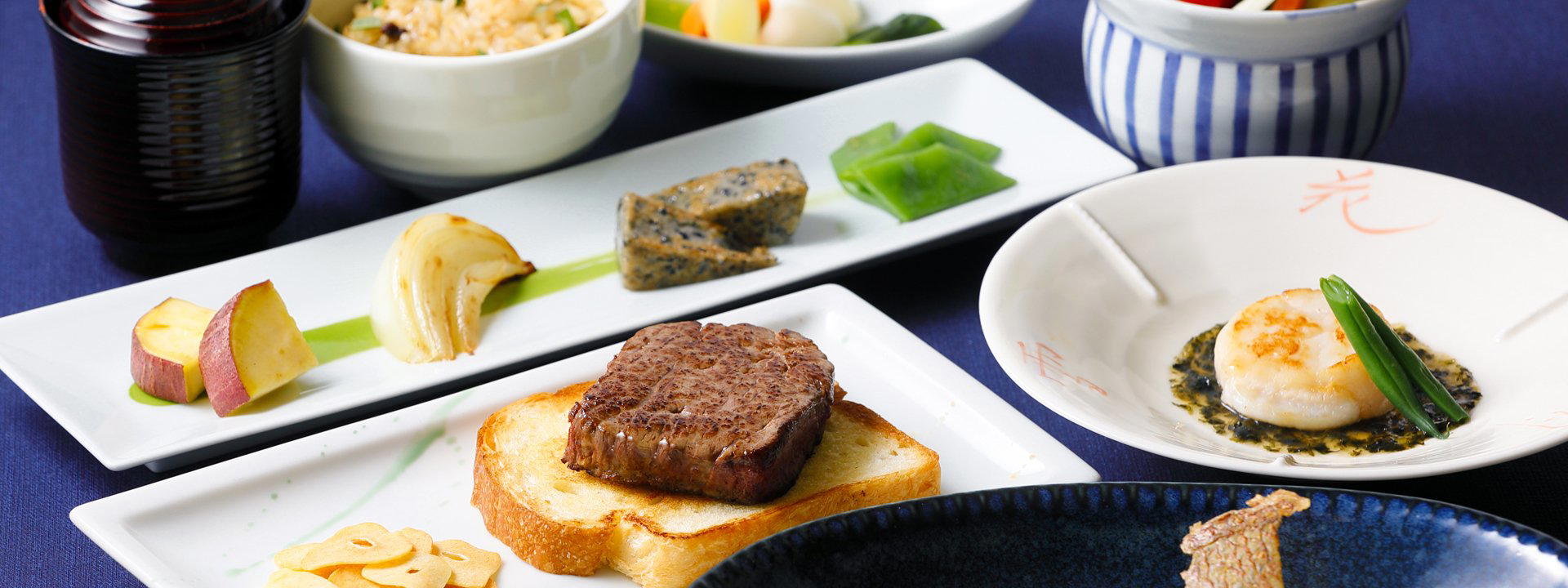
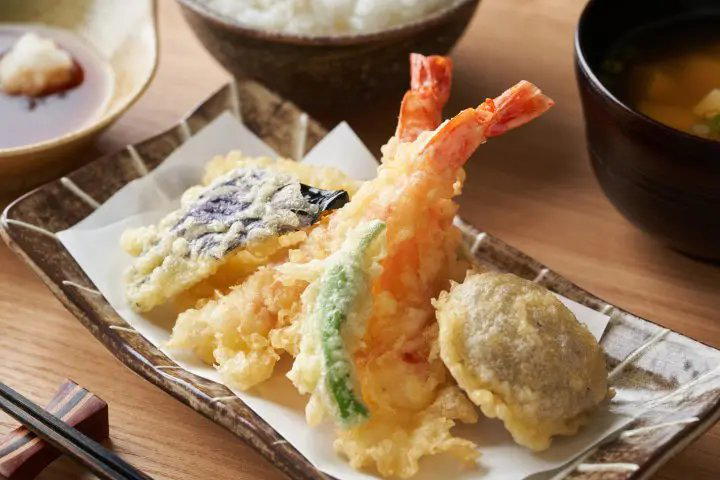
What to order
- Obanzai
- Fresh sashimi
- Charcoal-grilled fish and meat
- House-made soba
Nagoya after dark has a different register from the city’s department-store dining floors and louder drinking streets. The appeal in this part of the market is quieter: Japanese cooking, and a clientele that treats dinner as a sequence rather than a spectacle. Ronin belongs to that Nagoya category, a Japanese-cuisine address whose public profile is anchored by Tabelog recognition rather than cocktail theatre or hotel-scale visibility.
Nagoya’s food identity is often reduced to local comfort dishes: miso-sauced cutlets, eel over rice, flat kishimen noodles, peppery chicken wings. That shorthand is useful for first-timers, but it misses the city’s more adult dining tier, where the conversation shifts from regional branding to product handling, pacing and the shape of a full evening. In that context, a Tabelog Hyakumeiten Japanese Cuisine selection in 2025 matters. It places the restaurant inside a regional Japanese-cuisine cohort rather than the casual Nagoya-meshi circuit.
Japanese cooking in a city better known for Nagoya-meshi
The cultural point is not that Nagoya lacks serious Japanese restaurants; it is that the city’s international reputation has often lagged behind Tokyo, Kyoto and Osaka. Local demand, corporate dining and a strong after-work culture have supported a dense middle-to-premium tier without needing the same inbound tourism narrative. Ronin’s Japanese-cuisine positioning fits that pattern: the format rewards attention to pacing and detail, but it does not require the theatrical language attached to many destination counters.
The public data is most useful for category, price and recognition rather than for granular room detail. The experience reads closer to focused Japanese dining than banquet-style spectacle. In restaurants of this kind, the energy often depends less on décor than on timing, service rhythm and the way the meal unfolds. That is why this kind of address appeals to diners who want Nagoya beyond its famous regional dishes, but do not need the formality associated with a grand hotel restaurant.
Within Nagoya’s premium dinner band, Ronin sits near several different reader decisions. Other Nagoya dining rooms show how varied the city’s restaurant map has become, from niche independents to larger-format dining. Comparison venues in Nagoya point to the same spread: L'atelier K, Yakiniku Asahi, Yagumo and Teppan Ryori Rakuda Nagoya ten all frame different ways to spend an evening in the city. The choice is less about status and more about mood: Japanese cuisine, beef, teppan, or a broader contemporary format.
The value of recognition without Tokyo-style noise
Tabelog’s Hyakumeiten lists are useful in Japan because they capture a form of local and regional validation that does not always match Michelin-style destination dining. For Japanese cuisine, selection signals that a restaurant has been noticed inside a competitive field rather than simply promoted as a tourist target. Ronin’s 2025 inclusion gives it that kind of validation. In a city where premium dining can be highly local in audience, that matters more than generic praise.
The price profile also says something about the room. Ronin is listed in the JPY 10,000 - JPY 14,999 dinner band, which places it firmly above casual Nagoya-meshi while keeping it below the most rarefied destination-counter tier. For travellers, that makes the restaurant useful as a Nagoya dinner when the goal is Japanese cuisine with a serious local signal rather than another round of regional specialities.
The strongest editorial case is the regular service proposition: a Nagoya Japanese-cuisine restaurant with Tabelog Hyakumeiten recognition, a 2025 score listed at 3.67, and a dinner budget that makes the expected commitment clear. It reads as a place for a deliberate evening rather than a casual stop between bars, and as a useful marker of the city’s quieter premium dining culture.
How to place it in a Nagoya itinerary
For a short trip, Ronin makes sense after the city’s obvious dishes have been handled. Nagoya-meshi gives the place its public personality; restaurants like this show how locals may eat when the evening calls for quieter Japanese cooking and a more focused dinner arc. It is also a useful contrast to louder Nagoya dining, especially for travellers using Nagoya as more than a transit stop.
Readers mapping a full stay should treat the restaurant as one part of a broader Nagoya plan rather than an isolated trophy booking. Use Our full Nagoya restaurants guide for the wider dining field, then pair it with Our full Nagoya hotels guide, Our full Nagoya bars guide, Our full Nagoya wineries guide and Our full Nagoya experiences guide to build the rest of the itinerary. For wider Japan and Japanese-dining context, compare the regional spread with other dining in Nagoya and beyond. The pattern is instructive: Japanese dining travels well as an idea, but its local expressions remain highly specific. Ronin’s strength is that it reads as Nagoya, not as a smaller-city imitation of a capital-city counter.
Frequently asked questions
What's Ronin's location?
Nagoya.
What does dinner at Ronin typically cost?
Pricing at Ronin is listed as JPY 10,000 - JPY 14,999.
How hard is it to get a table at Ronin?
Ronin’s Tabelog Hyakumeiten selection for Japanese cuisine in 2025 signals a restaurant worth planning for rather than treating as a casual walk-in.
What do critics highlight about Ronin?
The available recognition points to Ronin’s place in Japanese cuisine in Nagoya. The restaurant appears in the 2025 Tabelog Hyakumeiten selection, with a listed score of 3.67.
Can Ronin handle vegetarian requests?
Ronin is categorized as Japanese Cuisine, so vegetarian diners should check directly with the restaurant before booking. With dinner priced at JPY 10,000 - JPY 14,999, it reads as a place for a specific dinner experience rather than broad menu adaptation.
Where It Fits
Comparable options at the same price tier.
| Venue | Cuisine | Price | Awards | Notes |
|---|---|---|---|---|
| RoninThis venue (the venue you are viewing) | Japanese Kappo | Not listed | Tabelog 100 #79 | Not listed |
| Torin Chi Nagoya shinsakae ten | Hakata-style grilled chicken izakaya | $20–30 | Tabelog 100 #22 | Naka |
| カモシヤ | Miso Oden & Wine Izakaya | $20–30 | Not listed | Naka |
| Link | Japanese Sake Bar & Izakaya | Not listed | Tabelog 100 #13 | Naka |
| Obanzai Anko | Traditional Japanese Obanzai Izakaya | $30–50 | Tabelog 100 #70 | Nakamura |
| kitchen NOMU | Yoshoku (Japanese-style Western) & Hamburger Steak | $20–30 | Tabelog 100 #34 | Meitō |
Recognition history
Dated appearances from independent guides and award organizations, with the underlying list record or original source where available.
Tabelog 100 #79 · No. 79
Tabelog · Tabelog 100 - Japanese cuisine - EAST - 2025