Rodeltoni sits in Pill, a small Tyrolean village in the Inn Valley where the mountains define what ends up on the plate. The restaurant addresses a dining tradition rooted in Alpine ingredient logic, where proximity to high-altitude pasture, forest, and river matters more than supply-chain ambition. For travellers moving through the Innsbruck corridor, it represents the kind of address that rewards curiosity over convenience.
Pearl is the En Primeur Club membership app — saves, bookings, and concierge access live there. Same editors, same standards.
- Address
- Pillbergstraße 211, 6136 Pill, Austria
- Phone
- +43524221012
- Website
- rodeltoni.at
- Directions
- Get directions
 Saves & bookings on Pearl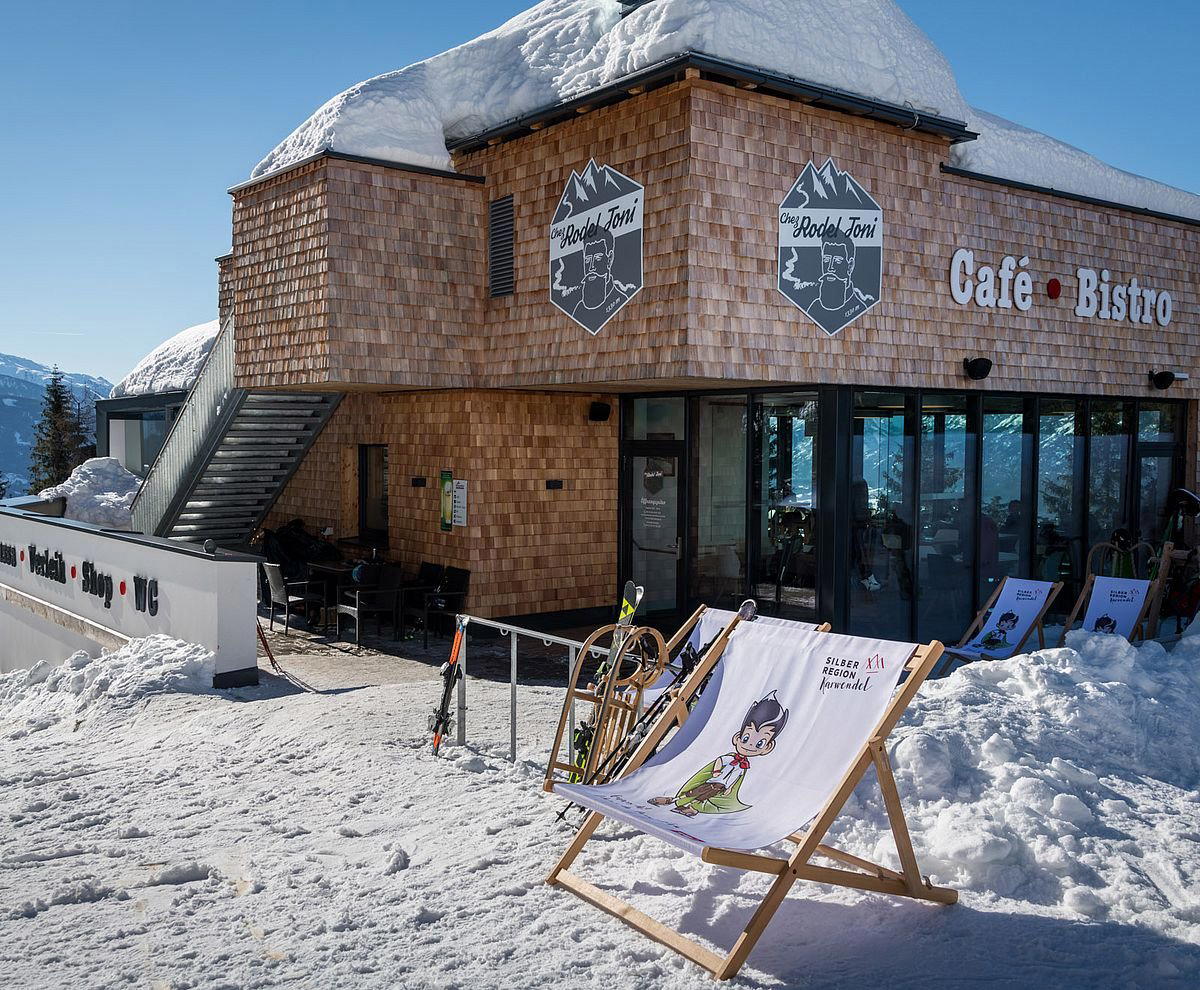
The Inn Valley Table: Where Geography Does the Sourcing
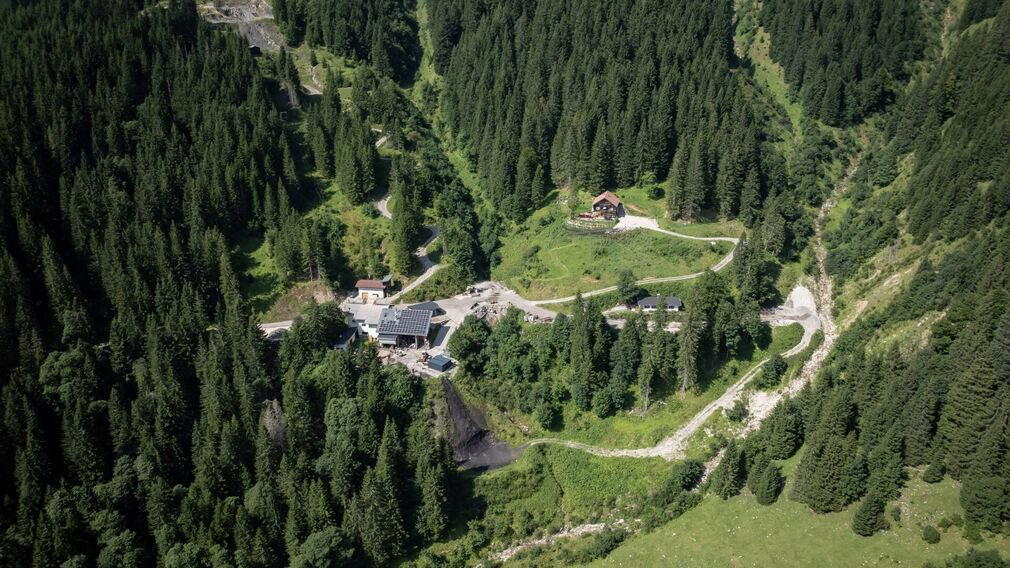
In Tyrol, the distance between kitchen and ingredient is rarely long. The Inn Valley, which runs east from Innsbruck through towns like Pill and Schwaz, sits inside a landscape where high-altitude grazing, cold clear rivers, and dense conifer forest have shaped a food culture built on what can actually be grown, raised, or caught nearby. Rodeltoni is a casual Organic Tyrolean Alpine Café at Pillbergstraße 211 in Pill, Austria, and it occupies that tradition directly. The village sits against the valley's northern slope, the kind of position that receives mountain light late in the afternoon and is close enough to Alpine pasture that the sourcing story writes itself in geography rather than marketing copy.
This is worth establishing before anything else, because the Inn Valley's culinary identity is not Vienna's. The capital's fine dining tier, represented at its ceiling by addresses like Steirereck im Stadtpark in Vienna, operates through a different logic: urban sourcing networks, refined technique, and a cosmopolitan kitchen vocabulary. What the Inn Valley produces is more legible to the land. That is not a lesser proposition. It is a different one.
Pill and the Architecture of a Small Tyrolean Dining Address
Pill is not a destination village in the way that Ischgl or Lech are built around seasonal traffic. There is no ski infrastructure to funnel visitors, no branded hotel corridor. What it has is the quiet density of a working Tyrolean community positioned within reach of serious mountain terrain. Addresses like Rodeltoni, found in villages of this scale across the Austrian Alps, tend to operate for a local and regional clientele first, with visitors arriving by intent rather than accident.
The approach to Pillbergstraße in this part of the valley tends to mean a drive from Innsbruck or a regional connection through Schwaz. Travellers arriving from the Innsbruck airport corridor will find the village accessible without complication. The setting, pressed against the slope with the valley floor below, is the kind of physical environment that shapes expectation before you arrive at a door.
Austrian Alpine dining in villages of this scale has a pattern worth understanding. These are not the tasting-menu operations that cluster in resort towns, where Griggeler Stuba in Lech or Stüva in Ischgl serve a clientele with ski-week budgets and a preference for formal progression. Village restaurants in the Inn Valley more often hold the middle ground: kitchens that know their suppliers personally, menus that change with season and availability, and a room that serves the community as much as the traveller.
Ingredient Logic in an Alpine Kitchen
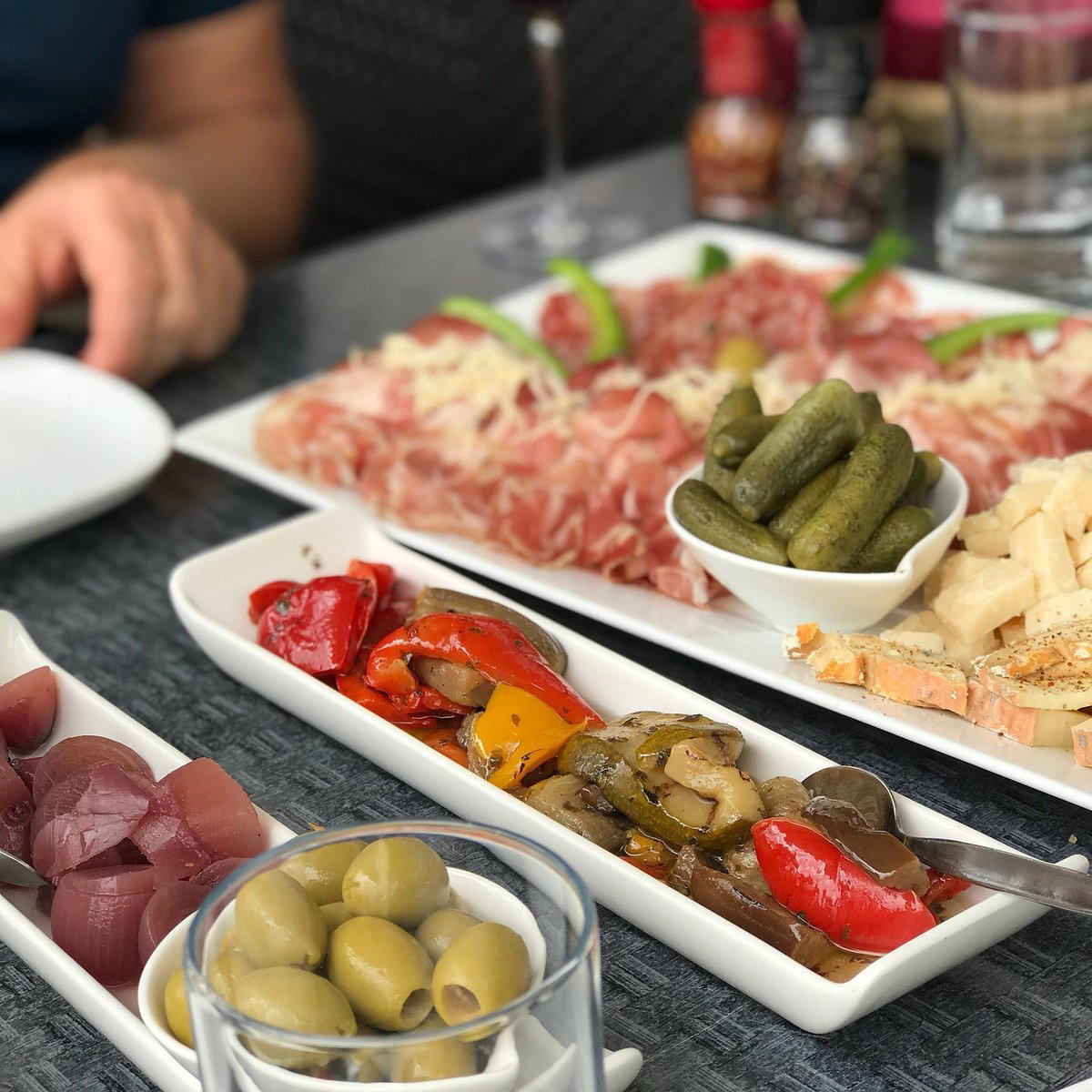
The editorial angle that applies most honestly to a restaurant at this address is sourcing. In Tyrol, the Alpine ingredient logic is not a trend adopted for menu positioning. It is the default condition of cooking in a region where the growing season is short, the terrain limits what can be cultivated, and the food traditions were built around making use of what the mountain and valley provide. Hay-dried meats, dairy from high pasture herds, river fish from cold tributary streams, and foraged material from the surrounding forest are the structural vocabulary of this kitchen tradition.
Across the Austrian Alps, restaurants that take this logic seriously produce food that reads as place-specific in a way that urban menus rarely achieve. Döllerer in Golling an der Salzach has built a reputation for exactly this approach at an awarded level, making Alpine terroir the central argument of its kitchen. Kräuterreich by Vitus Winkler in Sankt Veit im Pongau takes the herb and forage dimension further than most. What connects these addresses is a commitment to the ingredient chain as the primary expression of Austrian Alpine cooking, rather than as a backdrop for imported technique.
Rodeltoni operates in this same regional tradition. What can be said with confidence is that the village context, the Inn Valley location, and the category of address all point toward a kitchen working within that ingredient-first regional framework rather than against it.
Placing Rodeltoni in the Austrian Regional Tier
Austria's serious dining is not confined to its capital or its highest-profile resort corridors. The regional tier, running through Tyrol, Salzburg, and Styria, holds kitchens that have earned recognition without the visibility infrastructure of city addresses. Obauer in Werfen and Landhaus Bacher in Mautern an der Donau represent what the regional tier can produce at its most refined: kitchens with decades of consistency, local sourcing depth, and a sense of place that cannot be replicated in a city context.
Village addresses in Tyrol occupy a different position within that tier. They are typically less visible than their Salzburg or Wachau counterparts, operating without the wine-region identity or the heritage tourism infrastructure that helps lift recognition. Schwarzer Adler in Hall in Tirol, a short distance west along the Inn Valley from Pill, gives a sense of the kind of address this corridor produces: traditional in frame, serious in execution, and serving a clientele that is largely regional. Rodeltoni fits into that pattern by geography and by the character of the village it serves.
For travellers cross-referencing what Austria's broader restaurant culture produces, the formal fine dining tier is well mapped through addresses including Gourmetrestaurant Tannenhof in Sankt Anton am Arlberg, Ikarus in Salzburg, and Taubenkobel in Schützen am Gebirge. Village kitchens like Rodeltoni serve a different function in the ecosystem: they are where the regional ingredient logic is expressed without the formality layer, and where the cooking is most directly accountable to the community around it.
Planning a Visit
Pill sits in the Inn Valley east of Innsbruck, reachable by car in under 30 minutes from the city centre. The village is also accessible by regional rail, with the Schwaz station serving the broader district. Travellers with flexibility who want to cross-reference the regional tier more widely should also consider Restaurant 141 by Joachim Jaud in Mieming, Ois in Neufelden, Atelier Fischer in Sankt Gilgen, and Artis in Graz for a sense of what Austrian regional dining produces across its different corridors. For international reference points, Le Bernardin in New York City and Atomix in New York City represent the kind of benchmark against which any ambitious kitchen, regardless of country, ultimately gets measured.
Comparison Snapshot
Comparable venues nearby, for context on price, style, and recognition.
| Venue | Cuisine | Price | Notes |
|---|---|---|---|
| RodeltoniThis venue — the venue you are viewing | Organic Tyrolean Alpine Café | $$ | Not listed |
| B-West | Bosnian Grill & Burgers | $$ | Westbahnhof |
| Café Naiv. | Vegan Breakfast Café | $$ | Saggen |
| Shake-it Cocktailbar | Craft Cocktails | $$ | Niedergnigl |
| Bayreuther Hütte | Traditional Tyrolean Alpine Cuisine | $$ | Münster, Rofan |
| Der Ruzicka | Modern Austrian Pub with Burgers & Streetfood | $$ | Hauptplatz |
Continue exploring
More in Pill
Restaurants in Pill
Browse all →
Bars in Pill
Browse all →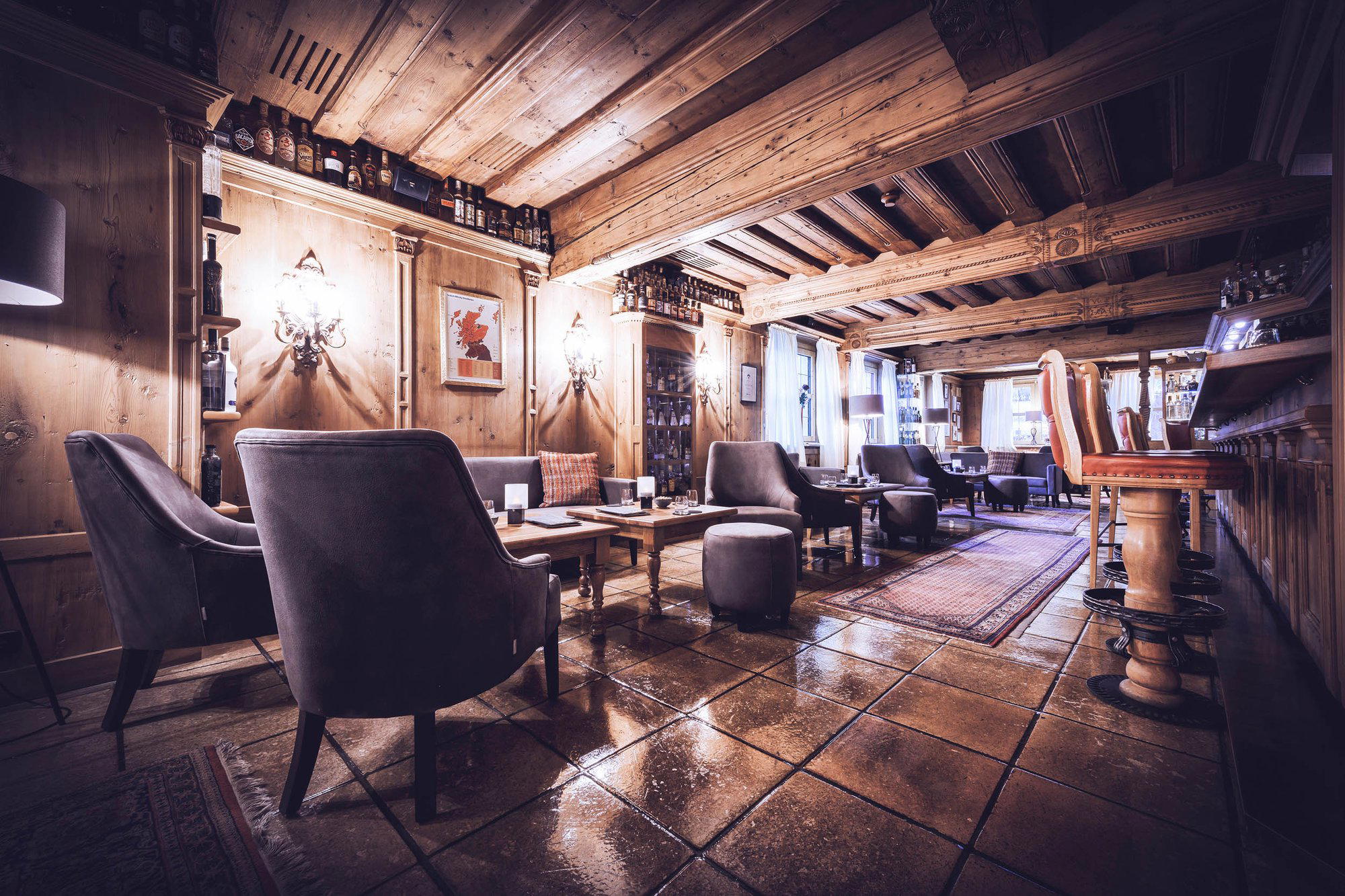
Hotels in Pill
Browse all →

At a Glance
- Cozy
- Scenic
- Modern
- Family
- Casual Hangout
- Panoramic View
- Organic
- Local Sourcing
- Mountain
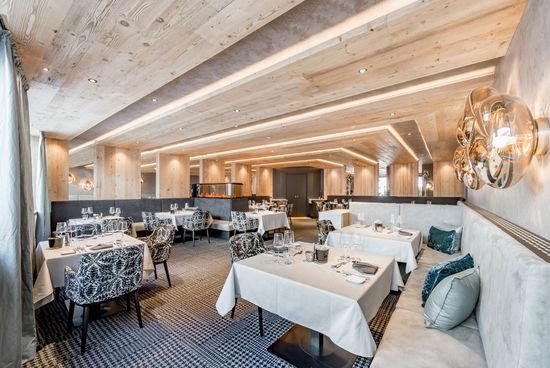
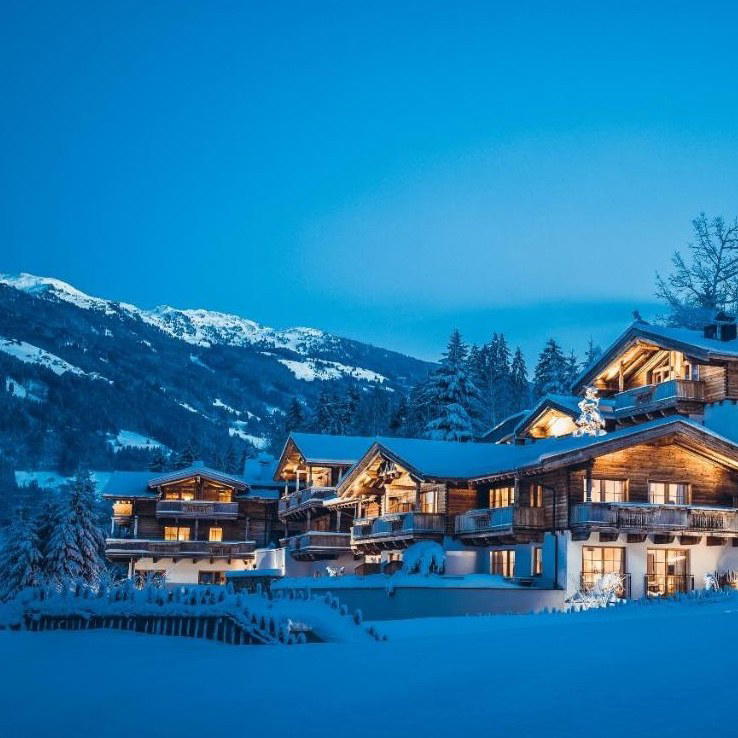
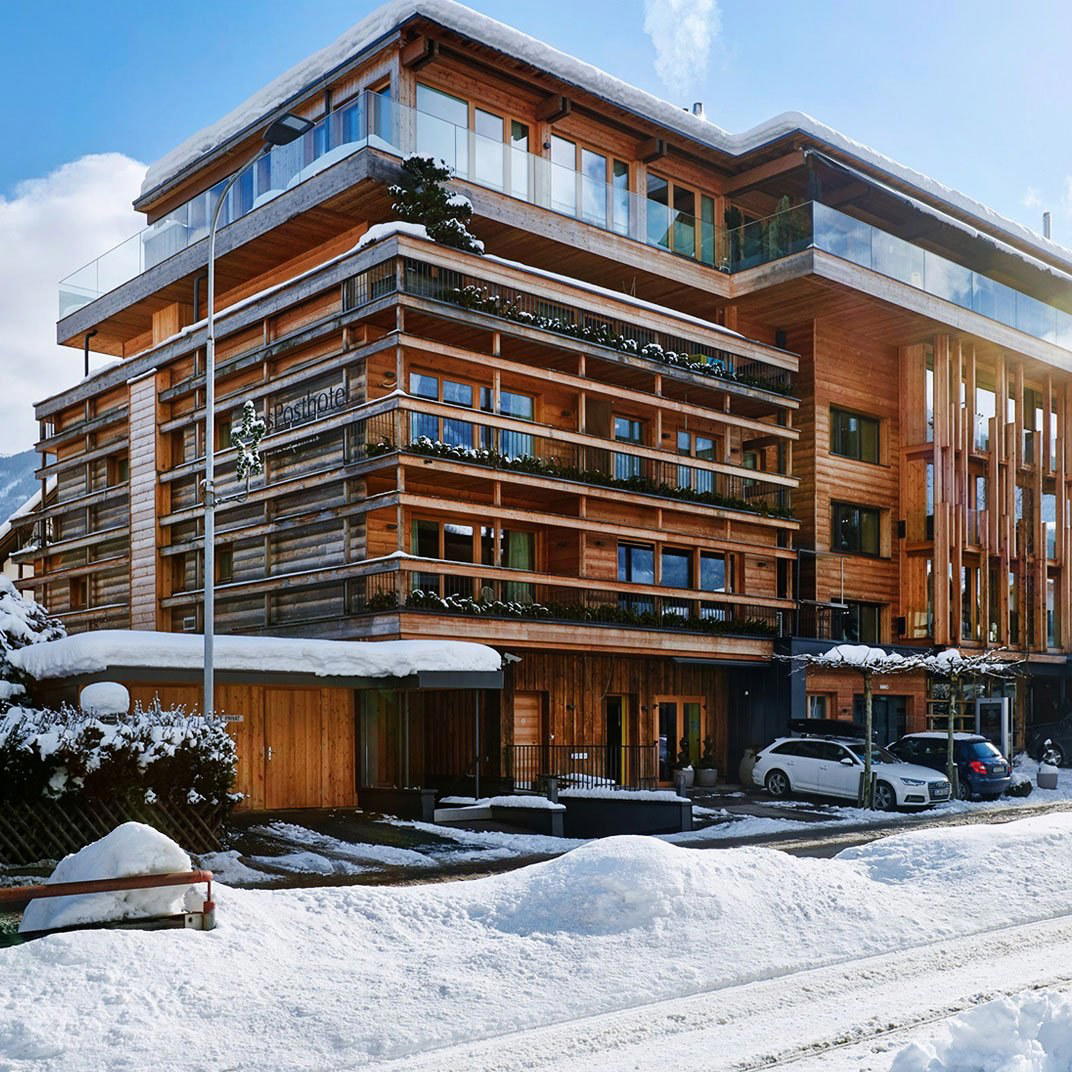
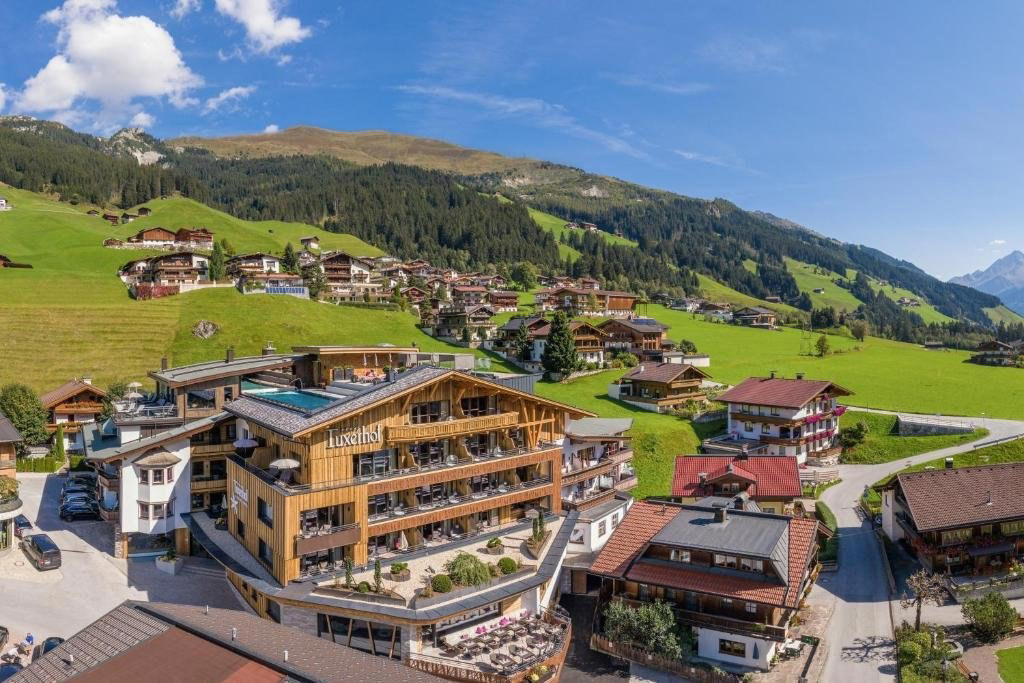
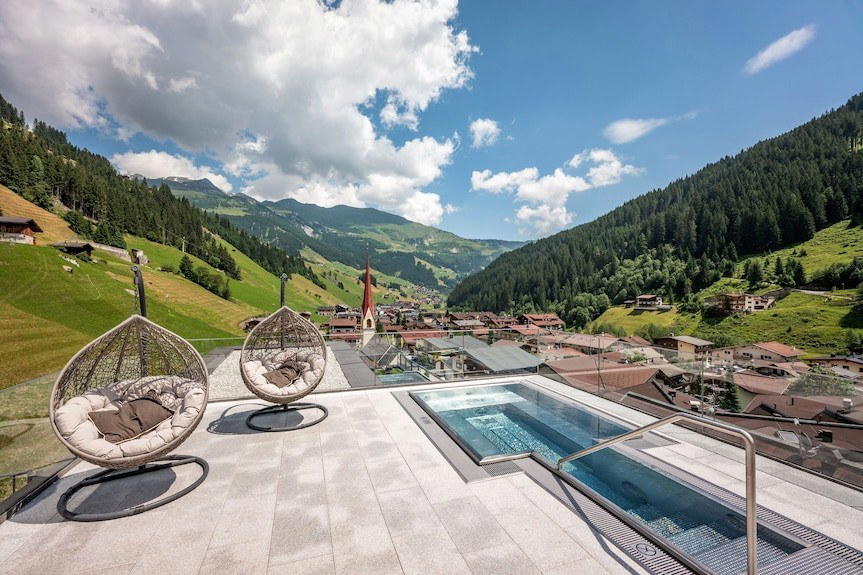
Gemütliche (cozy) atmosphere with panoramic mountain views and modern alpine design.