Google: 4.6 · 221 reviews
.png)
On the N-230 through the Val d'Aran, Roc'n'Cris brings an unlikely convergence of Pyrenean tradition and East Asian cooking to a small village address in Betren. The kitchen runs Korean, Chinese, and Japanese techniques alongside the Olla Aranesa stew that locals have eaten for generations, all at a price point that makes it a practical choice for the area. Google reviewers rate it 4.6 across 215 reviews.
 Discover on Pearl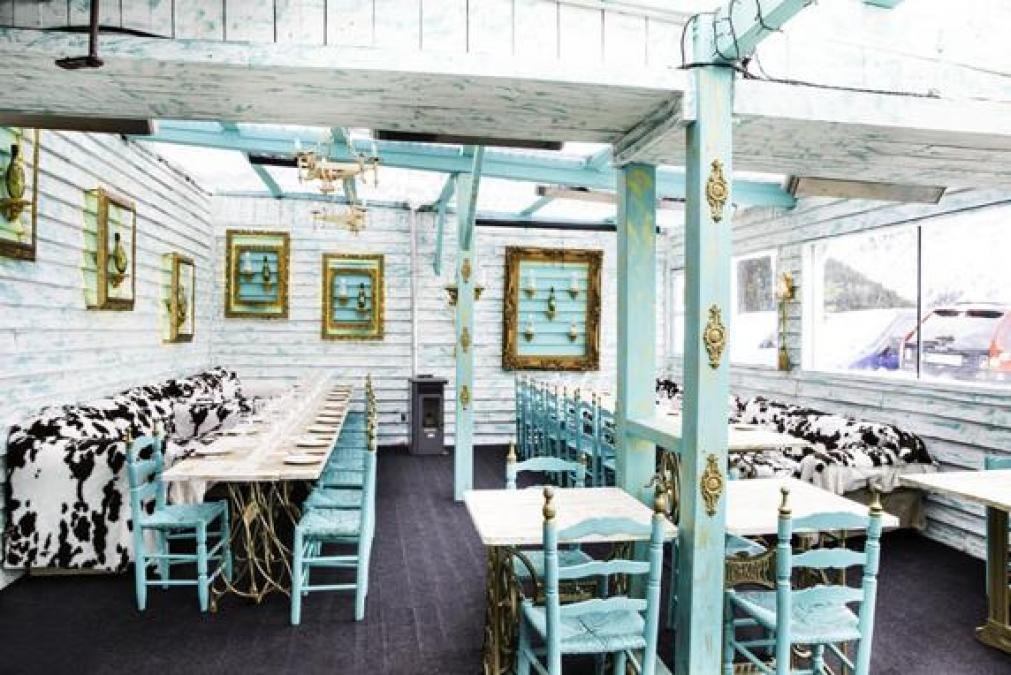
Where the Val d'Aran Road Runs Into East Asia
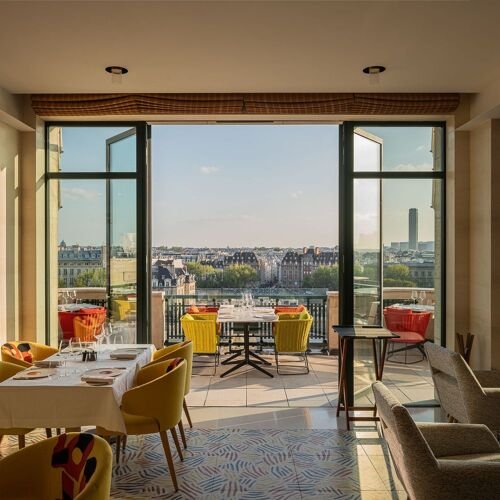
The N-230 through the Val d'Aran is a working road: ski traffic in winter, hikers and cyclists in summer, and a steady stream of vehicles passing through the connected villages of the valley floor. Betren sits just off that corridor, a quiet settlement that most drivers register only as a gap between larger stops. From a table near the window at Roc'n'Cris, the mountains frame the scene on most sides, and the hum of the road is far enough away to feel incidental. It is a setting that, by any measure, does not prepare you for what comes out of the kitchen.
Fusion in Spain's mountain restaurants tends to mean something cautious: a miso glaze on a local fish, or a vague nod toward Asian seasoning on an otherwise conventional dish. What happens at Roc'n'Cris is more considered. The kitchen draws from Korean, Chinese, and Japanese cooking with enough seriousness that those references read as source material rather than decoration, set alongside Pyrenean staples that carry real regional weight. That combination, served at a €€ price point in a village of this size, makes Roc'n'Cris one of the more unusual dining propositions in the Catalan Pyrenees. For the wider context of dining in the area, see our full Aubèrt restaurants guide.
Ingredients as Biography
The most useful way to understand what Roc'n'Cris is serving is to think about where ingredients come from, in both the geographical and biographical sense. The Val d'Aran has its own culinary identity rooted in the Gascon side of the Pyrenees: slow-cooked stews, cured meats, root vegetables, and the particular richness of mountain cooking designed to sustain people through serious winters. The Olla Aranesa, a long-simmered stew with multiple meats and vegetables, is the dish most closely tied to that tradition, and it appears on the Roc'n'Cris menu as a recognisable anchor.
Set against that, the kitchen works with Korean fermentation logic, Chinese technique, and Japanese ingredient philosophy. These are not superficial additions. Fermentation, for instance, is a shared instinct across Korean cooking and mountain European food traditions, both cultures having developed ways to preserve and intensify flavour through controlled transformation. A kitchen that genuinely understands both sides of that equation has interesting creative territory to work with. The craft beer brewed in-house adds another layer to this: small-batch fermentation as both a practical and philosophical extension of what the food already signals.
Spain's most discussed fusion cooking tends to happen at a very different scale. DiverXO in Madrid runs a high-production Asian-creative format that has defined one version of the conversation, while Disfrutar in Barcelona approaches cross-cultural technique from a Ferran Adrià lineage. Both are €€€€ operations built around the logic of destination dining. Roc'n'Cris operates in a different register entirely: smaller in scale, lower in price, and rooted in a local context that those city restaurants do not share. For a closer regional parallel in ambition if not in setting, Ajonegro in Logroño represents another Spanish address working the fusion format at a more accessible tier.
How the Val d'Aran Shapes the Menu
Mountain cooking in the Val d'Aran carries Gascon and Occitan roots that distinguish it from the broader Catalan food tradition to which it is administratively linked. Historically isolated by the passes that seal the valley in heavy snow, Aran developed its own culinary habits: the Olla Aranesa being the clearest example, a dish that functions as both sustenance and identity marker. Serving it in a restaurant that also references fermented Korean flavours or Japanese ingredient restraint creates a productive tension rather than a contradiction. The shared logic is attention to process: both traditions reward patience, whether that means a slow-simmered stew or a carefully maintained ferment.
The sourcing question matters here too. A restaurant at this address, with a kitchen of this scale, is unlikely to be importing ingredients from Tokyo markets. The more plausible reading is that the kitchen applies East Asian technique and flavour logic to whatever is available locally and seasonally, which in the Val d'Aran means access to good mountain-raised meat, foraged ingredients, and Pyrenean dairy and produce. That constraint, rather than limiting the food, tends to make fusion cooking more interesting: the results are determined by what the region actually offers, not by what a broader supply chain makes convenient.
The Room and the Setting
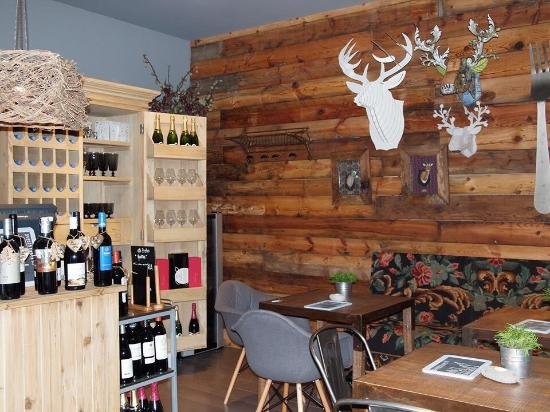
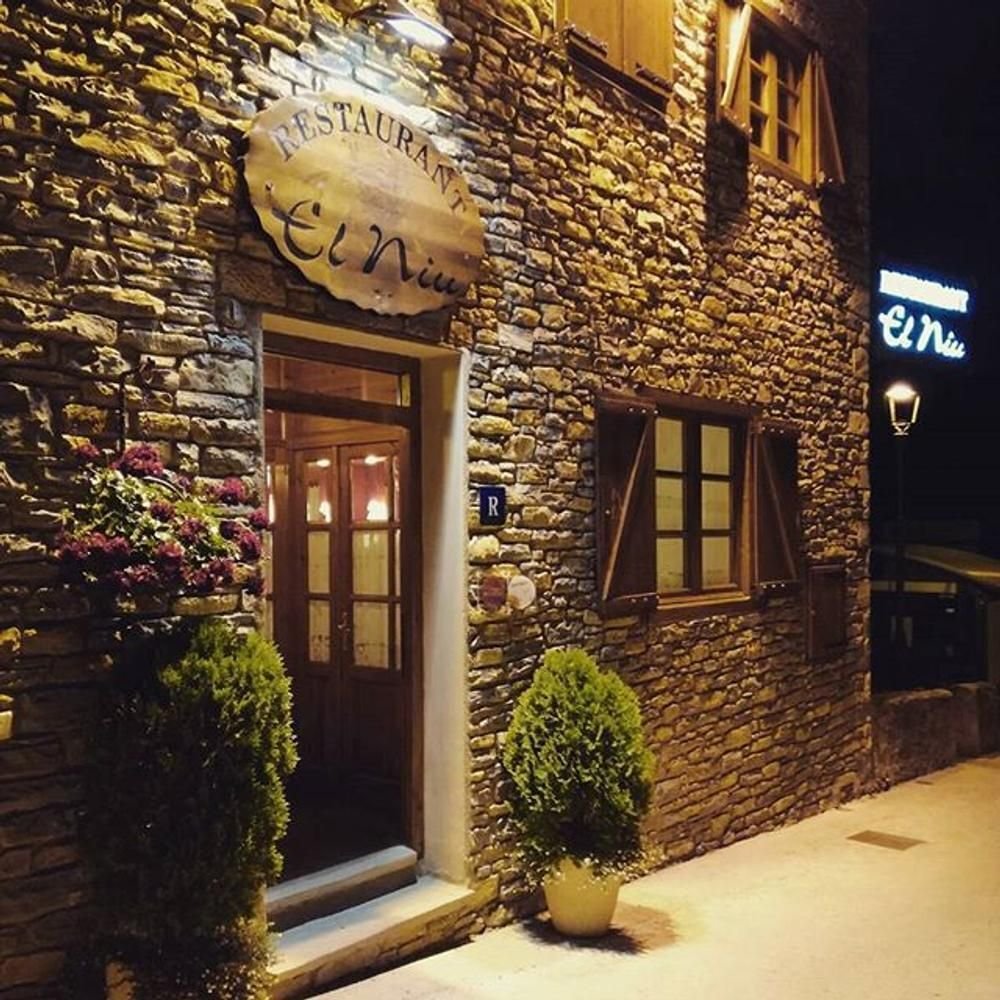
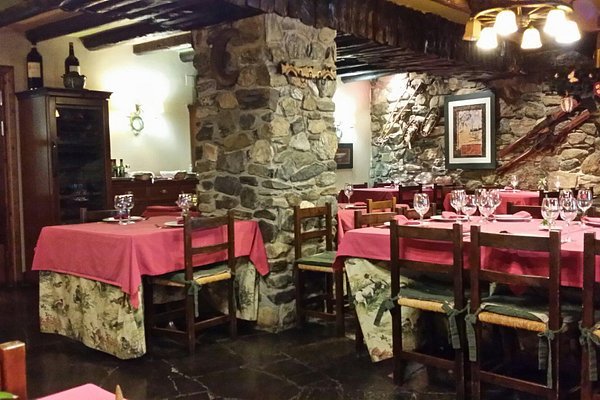
Roc'n'Cris operates from the Tresens building on the Carretèra Betren, a commercial address that reads as deliberately low-key. Several tables carry mountain views, which in the Val d'Aran means a sight line onto serious Pyrenean terrain. The atmosphere is relaxed in the way that small independent restaurants in mountain villages tend to be: no performance, no formality, a pace that adjusts to the table rather than to a front-of-house system. Cris manages the dining room; Roc runs the kitchen. That two-person operational structure at the front-facing level is worth noting because it sets the tone: this is a restaurant shaped by the specific decisions and accumulated experiences of two people, and those decisions are visible in the food.
For visitors to the region, the practical positioning matters. Betren is close to Vielha, the main town in the Val d'Aran, which means Roc'n'Cris is accessible from the central accommodation cluster in the valley. It sits far enough off the main tourist circuit that visitors who find it have usually been pointed there by word of mouth or by doing more than the basic research. A Google rating of 4.6 across 215 reviews is a meaningful data point in this context: the sample is not enormous, but it is consistent across a visitor mix that includes both locals and travellers passing through on longer itineraries.
For those spending time in the broader area, our full Aubèrt hotels guide, our bars guide, and our experiences guide map the surrounding options. The Val d'Aran wine scene is worth its own attention, and our wineries guide for the area provides that context.
Spain's Broader Fusion Conversation
It is worth positioning Roc'n'Cris against the broader arc of creative cooking in Spain, even if the comparison is one of contrast rather than direct competition. The restaurants that define Spain's international reputation operate in a different economic and operational register. El Celler de Can Roca in Girona, Arzak in San Sebastián, Mugaritz in Errenteria, Azurmendi in Larrabetzu, Martin Berasategui in Lasarte-Oria, Quique Dacosta in Dénia, Aponiente in El Puerto de Santa María, and Atrio in Cáceres each command their own detailed coverage, and each operates with a scale and recognition that puts them in a separate peer set. Ricard Camarena in València represents another point on the creative spectrum. What Roc'n'Cris shares with these addresses is not budget or profile but the willingness to treat cuisine as a conversation between different traditions rather than a fixed inheritance. For a non-Spanish reference point on how that conversation plays out in a fusion context at a different scale, Arkestra in Istanbul is instructive.
Planning a Visit
Roc'n'Cris is at Carretèra Betren 29, Edificio Tresens, Local 303, Betren, Lleida, accessible from the main N-230 valley road. The €€ pricing makes it viable across most meal budgets, and the setting in a village outside the main Vielha tourist cluster means it rewards planning ahead rather than a walk-in assumption. No booking contact details are held in our current database, so confirming availability directly before making the trip is the practical approach, particularly during peak ski season in winter and the hiking months of July and August when valley footfall increases significantly.
At-a-Glance Comparison
These are the closest comparables we have in our database for quick context.
| Venue | Cuisine | Price | Awards | Notes |
|---|---|---|---|---|
| Roc´n´Cris | Fusion | €€ | Located along the main N-230 road in a small village away from the usual tourist… | This venue |
| Aponiente | Progressive - Seafood, Creative | €€€€ | Michelin 3 Star | Progressive - Seafood, Creative, €€€€ |
| Arzak | Modern Basque, Creative | €€€€ | Michelin 3 Star | Modern Basque, Creative, €€€€ |
| DiverXO | Progressive - Asian, Creative | €€€€ | Michelin 3 Star | Progressive - Asian, Creative, €€€€ |
| El Celler de Can Roca | Progressive Spanish, Creative | €€€€ | Michelin 3 Star | Progressive Spanish, Creative, €€€€ |
| Quique Dacosta | Creative | €€€€ | Michelin 3 Star | Creative, €€€€ |
Continue exploring
More in Aubèrt

At a Glance
- Cozy
- Intimate
- Rustic
- Date Night
- Special Occasion
- Terrace
- Mountain
Cozy montañero-style interior with colorful touches, warm lighting, and a charming riverside terrace.