.png)
A stone mountain house in Escunhau's Val d'Aran, El Niu holds consecutive Michelin Plates (2024 and 2025) for traditional Aranese and French-inflected cooking built around locally foraged ceps, black truffle, and slow-cooked preparations. At the €€ price point, with a Google score of 4.6 across 299 reviews, it is among the most credentialled accessible restaurants in the Pyrenean range.
Pearl is the En Primeur Club membership app — saves, bookings, and concierge access live there. Same editors, same standards.
- Address
- Carrèr Santa Anna, 23, 25539 Escunhau, Lleida, Spain
- Phone
- +34 647 10 08 95
- Website
- instagram.com
 Saves & bookings on Pearl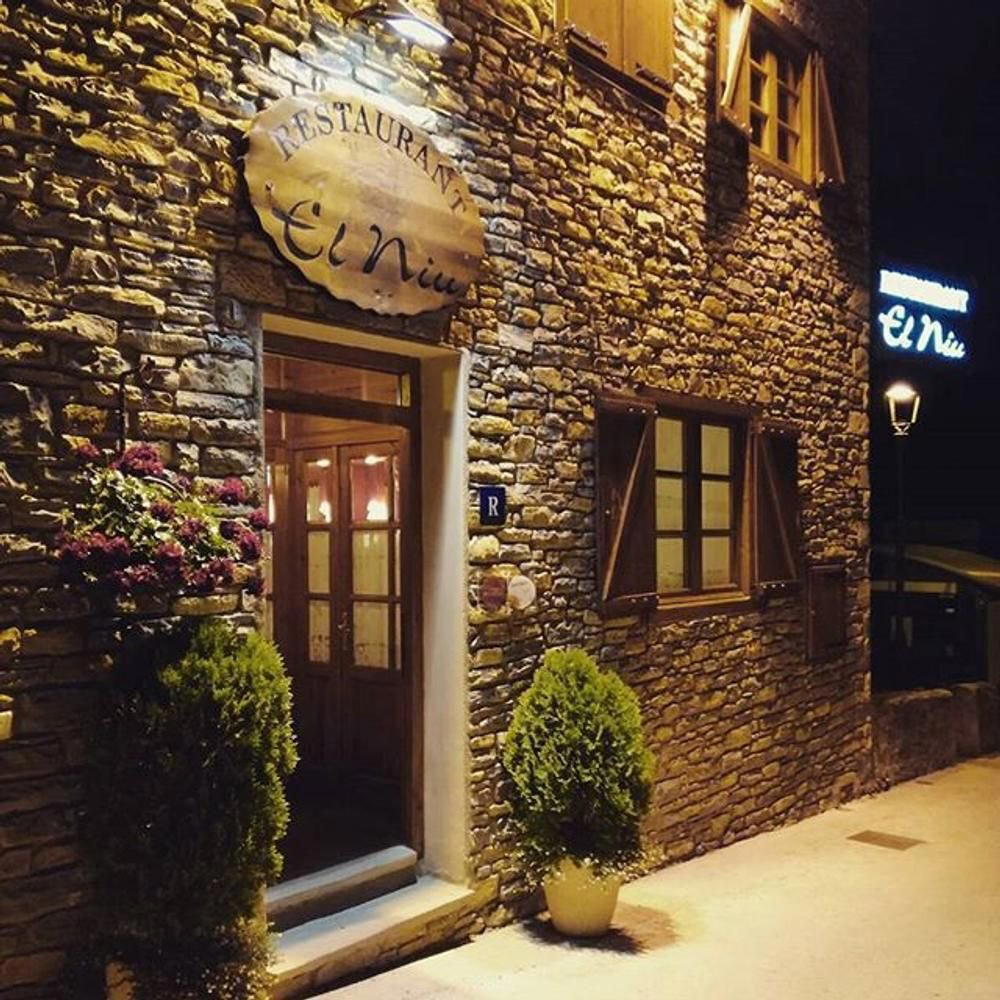
Stone Walls, Open Fire, and the Pyrenean Larder
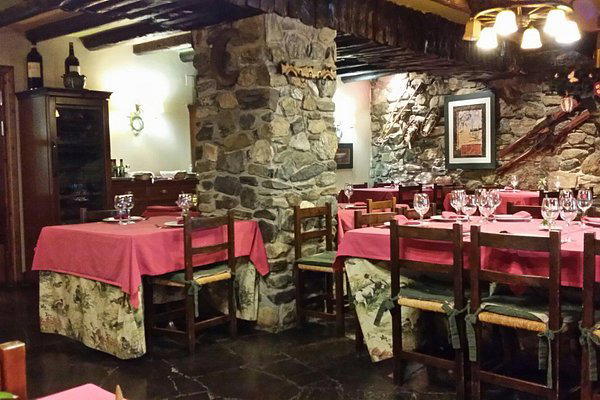
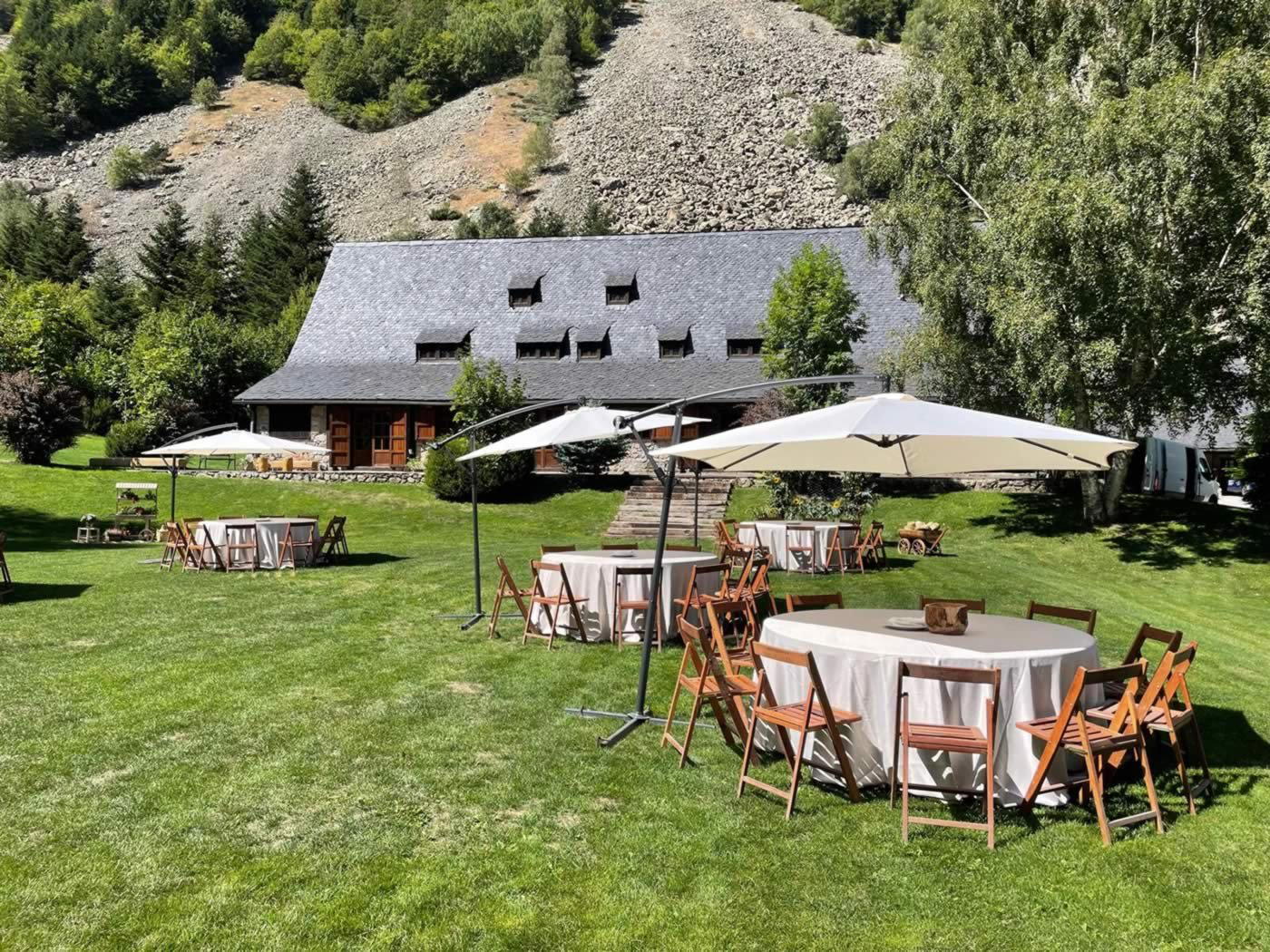
El Niu is a traditional Catalan mountain restaurant in Escunhau, Lleida, with a 4.6 Google rating and an average spend of about $44 per person. Arriving at El Niu along the main road through Escunhau, a small village in the Val d'Aran in Lleida province, the building announces itself through its materiality rather than any signage theatrics: a stone house, low and solid, the kind of structure that predates tourism in this valley by several centuries. Inside, the visual register shifts immediately toward the mountain tradition that defines this corner of Catalonia's far north. Skis lean against walls. Snowshoes hang alongside the kind of accumulated domestic objects that take decades to accumulate naturally. Wood is everywhere, and an open fire sets the thermal register for the room. This is what serious mountain dining looks like in the Pyrenees when it hasn't been curated for outside consumption.
Where the Ingredients Come From, and Why That Shapes the Menu
The Val d'Aran occupies a genuinely anomalous position in Spain. Geographically, it drains northward into the Garonne river basin, meaning its climate, its foraging traditions, and its culinary affinities tilt more toward Gascony and the French side of the Pyrenees than toward Mediterranean Catalonia. This is not incidental to what ends up on the plate at El Niu. The menu's French inflections, noted by Michelin's inspectors in both 2024 and 2025 when noting the restaurant, reflect a genuine cultural and geographic logic: the valley has historically traded with, married into, and cooked alongside communities on both slopes of the range.
The result is a kitchen that draws from a larder defined by altitude and forest. Cep mushrooms appear in sauces alongside black truffle, ingredients sourced from the forests and foothills that surround the village. Snails, a persistent presence in traditional Catalan and Aranese cooking, turn up in slow-cooked preparations with pig's trotters. Country pâté, the kind built from the whole animal rather than a single premium cut, represents the tradition of mountain charcuterie that persists across the Pyrenean range on both sides of the border. These are not dishes reconstructed from archival research; they are the cuisine that this geography has always produced, made possible by the fact that the ingredients remain accessible here in ways they often aren't further south or in more urbanised contexts.
Daily specials operate as the sharpest expression of this sourcing logic. Because the female owner presents them verbally to each table rather than printing a static list, the menu adapts to what is genuinely available on a given day. Leek pudding with a cep mushroom and black truffle sauce represents the kind of preparation that only works when the fungi are worth featuring, which in the Val d'Aran's forested environment means there are periods of the year when the kitchen can draw on ingredients that a restaurant in a city would pay considerably more to source, if it could source them at all. This seasonal discipline, enforced by the valley's own rhythms rather than by a philosophy statement, gives the à la carte a specificity that menu photographs rarely capture.
A Michelin Plate in a Mountain Village
Spain's restaurant landscape at the top tier is densely populated with destination kitchens: Arzak in San Sebastián, El Celler de Can Roca in Girona, Azurmendi in Larrabetzu, DiverXO in Madrid, Mugaritz in Errenteria, Cocina Hermanos Torres in Barcelona, Martin Berasategui in Lasarte - Oria, Quique Dacosta in Dénia, Aponiente in El Puerto de Santa María, Ricard Camarena in València, and Atrio in Cáceres. These are multi-star operations working at the outer edge of technique and concept. El Niu operates in an entirely different register: the Michelin Plate it has held consecutively in 2024 and 2025 signals cooking that Michelin's inspectors consider worth seeking out, placed on a restaurant that neither needs nor gestures toward the tasting-menu format that drives that upper tier.
At the €€ price point, El Niu sits within reach for diners who are in the Val d'Aran for skiing, hiking, or simply passing through on the road that runs through the village. That accessibility distinguishes it from the capital-city concentration of Spanish fine dining, and places it alongside other traditional-format restaurants across the country. Auga in Gijón and Auberge Grand'Maison in Mûr-de-Bretagne represent comparable formats in their respective regions: traditional cuisine with recognisable regional identity, recognised without the star apparatus, priced for regular use rather than occasion-only visits. The Michelin Plate here is evidence that the cooking has substance, not a marketing category.
A Google review score of 4.6 across 343 reviews reinforces the picture. That kind of score at that volume, in a village this small, indicates a consistent kitchen performing at a level that brings people back and generates word-of-mouth beyond the immediate local catchment.
The Room and How It Works
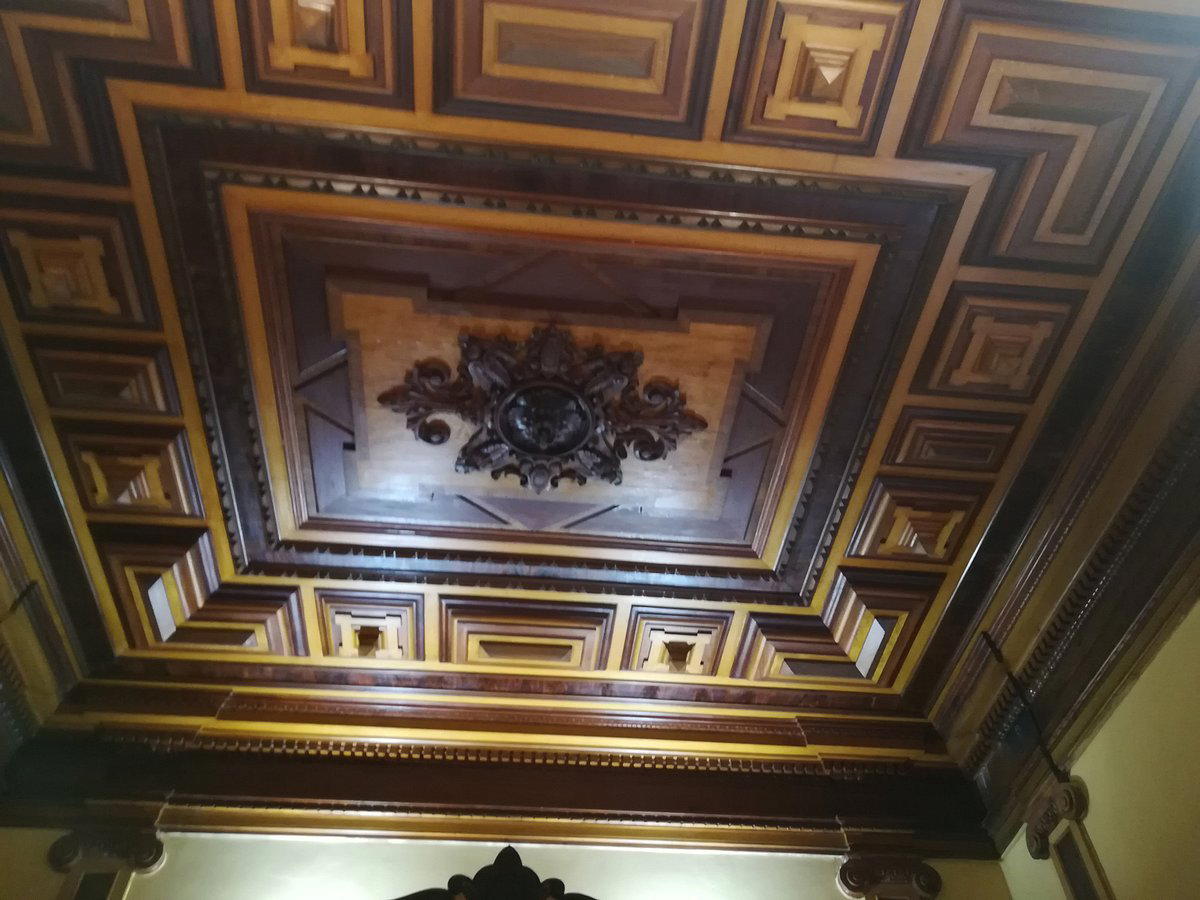
The interior at El Niu is the physical argument for the cooking: the decor is not themed around mountain life but assembled from it. The distinction matters. A restaurant that stylises mountain aesthetics produces a different dining environment than one where the objects have a plausible relationship to the place and its history. The profusion of wood, the open fire, the skis and snowshoes accumulate into an atmosphere that is warm in both literal and atmospheric terms without requiring any particular effort from the diner to read correctly.
The owner's practice of presenting daily specials verbally at each table is a functional ritual that carries its own form of hospitality. It requires presence and attention from both sides of the exchange, and it means that every table gets a direct account of what the kitchen is working with that day. In a restaurant of this size and character, it also functions as an informal orientation to the Aranese and Pyrenean larder for visitors who may be encountering cep mushrooms or pig's trotter preparations for the first time in this context.
Planning a Visit
El Niu sits on Carrèr Santa Anna in Escunhau, a village within the Val d'Aran municipality of Vielha e Mijaran. The Val d'Aran is accessible by the Vielha tunnel from the south or by road from the French side of the Pyrenees, making it a plausible stop for travellers moving between the two countries during ski season or summer hiking periods. For visitors staying in the area, the restaurant operates at a price point that makes it suitable for more than a single occasion during a longer stay. Reservations are recommended, and the restaurant's daily opening pattern is 1 to 4 PM and 8 to 11:30 PM every day.
Comparison Snapshot
Comparable venues nearby, for context on price, style, and recognition.
| Venue | Cuisine | Price | Awards | Notes |
|---|---|---|---|---|
| El NiuThis venue — the venue you are viewing | Traditional Catalan Mountain Cuisine | $$ | Michelin Plate | |
| La Bonaigua | Traditional Catalan | $$ | Michelin Plate | Sant Just Desvern |
| Estrella | Traditional Catalan | $$ | Michelin Plate | Rupit |
| Ca l'Esteve | Traditional Catalan | $$ | Michelin Plate | Castellbisbal |
| El Portalet | Modern Catalan Creative | $$ | Michelin Plate | Bossòst, Val d'Aran |
| Túbal | Traditional Navarrese Cuisine | $$ | Michelin Plate | Tafalla |
Continue exploring
More in Escunhau
At a Glance
- Cozy
- Rustic
- Classic
- Family
- Casual Hangout
- Open Kitchen
Cozy atmosphere with fireplace, wood profusion, traditional mountain decor including skis and snowshoes, described as endearing and classic by guests.