

Michelin Plate · Macarfi 7.2 Food Rating
Our verdict
Es Arraïtzes sits on the main square of Garòs in the Aran Valley, serving a fusion of Peruvian, Aranese, and Catalan cooking that has earned consecutive Michelin Plates in 2024 and 2025. The name means 'roots' in Aranesc, and the kitchen takes that word seriously, drawing on mountain ingredients through a Peruvian technical lens. The tasting menu requires advance booking.

Pearl is the En Primeur Club membership app — saves, bookings, and concierge access live there. Same editors, same standards.
- Address
- Pl. Mayor, 7, 25539 Garòs, Lleida, Spain
- Phone
- +34 973 44 93 61
- Hours
- Mon–Tue 2–3 PM, 8–10:15 PMWed ClosedThu–Sun 2–3 PM, 8–10:15 PM
- Website
- esarraitzes.com
- Directions
- Get directions
- Booking
- Book on the venue's website
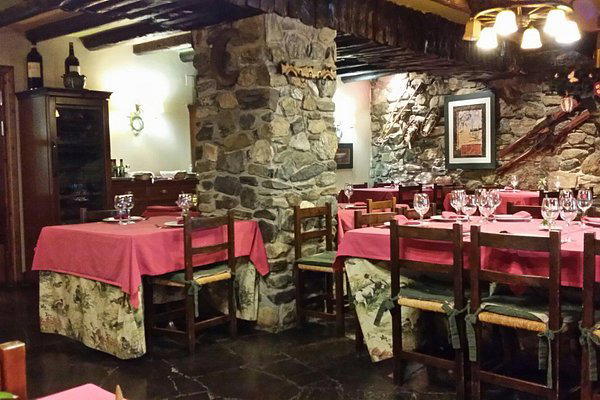
Where the Pyrenees Meet the Andes
The Aran Valley sits inside Catalonia but operates on its own cultural logic. Aranesc, the local Gascon-derived language, has official status here, and the valley's food traditions reflect a high-altitude pastoral economy that has more in common with mountain communities across the western Pyrenees than with the coastal cuisine most associated with Spanish gastronomy. Into this context, Es Arraïtzes introduces a third reference point: Peruvian cooking, with its own rigorous tradition of layering indigenous technique against imported influence. The result is one of the more conceptually coherent fusion propositions in the Spanish interior.
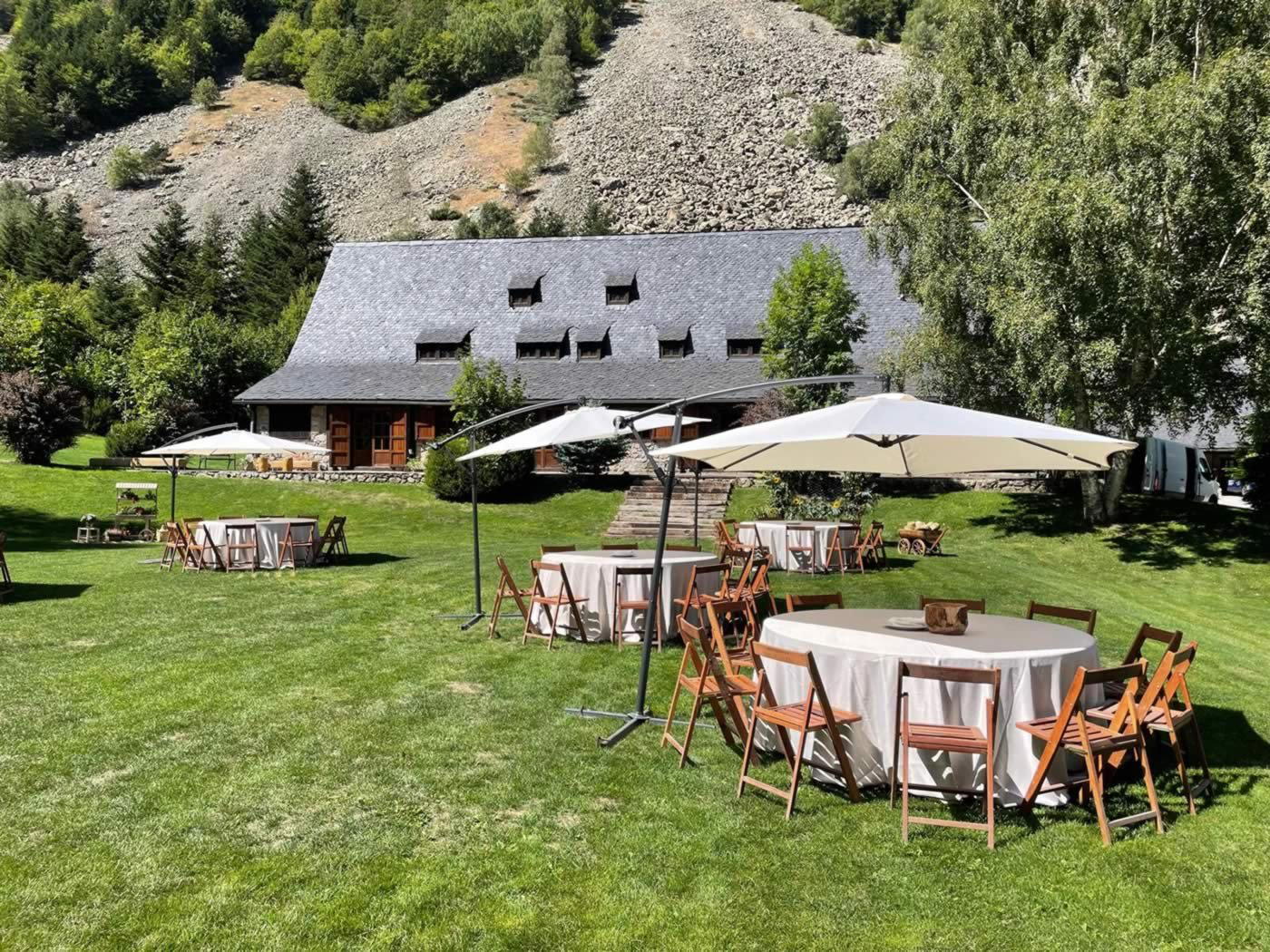
The restaurant occupies a position on the Plaça Major in Garòs, the kind of stone-paved village square that reads immediately as Pyrenean. Approaching the entrance, the architectural grammar is mountain vernacular — thick walls, low sills, the unhurried materiality of a building that has absorbed centuries of cold seasons. That physical register matters, because it frames the kitchen's project before a single dish arrives. The name itself, drawn from the Aranesc word for 'roots,' announces the editorial premise: this is not Peruvian food exported to an incongruous setting, but a kitchen thinking seriously about what connects two distinct highland food cultures.
Corn, Altitude, and the Logic of Andean-Pyrenean Cooking
Peruvian cuisine carries one of the most developed relationships with altitude of any food tradition on earth. The Andean kitchen built itself around ingredients that thrive under stress: potato varieties numbering in the thousands, dried and freeze-preserved through extremes of temperature, and corn adapted to high-elevation growing conditions far removed from lowland staples. Nixtamalization, the alkaline processing of dried corn that unlocks protein and improves masa texture, underpins much of the Peruvian grain kitchen, linking it to a broader Mesoamerican tradition even as Andean cooks developed their own regional applications.
The Aran Valley shares some of that logic in a European register. Pyrenean cooking has historically been shaped by scarcity and preservation: cured meats, aged cheeses, dried legumes, and foraged mountain herbs. The elevation and the short growing season produce ingredients with concentrated flavour, the kind of intensity that suits slow techniques and careful seasoning. A kitchen that reads Aranese pantry through Peruvian eyes is working with genuinely compatible raw materials, not forcing a contrast. Es Arraïtzes operates inside that alignment, using the structural vocabulary of one highland tradition to interpret another.
Michelin's Plate recognition, awarded in both 2024 and 2025, signals that the cooking meets a threshold of technical consistency and kitchen identity. The Plate designation sits below star level but above generic listing — it marks a restaurant Michelin's inspectors consider worth a specific journey, not merely a competent local option. In a valley better known for ski tourism and rural accommodation than destination dining, that recognition places Es Arraïtzes in a category with very limited local competition.
The Tasting Menu Condition
The tasting menu at Es Arraïtzes operates on a pre-order basis, which is less a logistical quirk than a structural commitment. In small kitchens working with high-specificity ingredients, particularly those sourcing across the gap between Catalan mountain suppliers and Peruvian pantry staples, pre-ordering allows the kitchen to manage ingredient volumes and preparation sequences that would be impossible to sustain on a walk-in or à la carte basis. This is common practice among serious small-restaurant operators in rural Spain: the constraint is the format's guarantee of quality rather than a barrier to it.
Practically, this means that anyone travelling to Garòs specifically for the tasting menu needs to plan ahead, confirm availability, and communicate the pre-order well before arrival. The restaurant sits at the €€ price tier, which positions it as accessible relative to the major Catalan and Basque multi-star operations. For context, three-Michelin-star restaurants in Spain such as El Celler de Can Roca in Girona, Arzak in San Sebastián, or Azurmendi in Larrabetzu operate at €€€€, as do Cocina Hermanos Torres in Barcelona, DiverXO in Madrid, Mugaritz in Errenteria, Quique Dacosta in Dénia, Martin Berasategui in Lasarte-Oria, Aponiente in El Puerto de Santa María, Ricard Camarena in València, and Atrio in Cáceres. Es Arraïtzes operates at a substantially lower price point, making it one of the more financially accessible Michelin-recognised restaurants in the region.
Peruvian Cooking in Europe: A Growing Reference Point
Peruvian cuisine has expanded its European footprint significantly over the past decade, moving from niche ethnic dining into a register that serious food critics treat with the same rigour applied to Japanese or French kitchens. The tradition's technical depth, particularly the use of chilli-based sauces, ceviche acid work, and the layered complexity of causa and anticucho preparations, has proven adaptable to European ingredient sets in ways that simpler fusion frameworks rarely achieve. Restaurants like Causa in Washington, D.C. and ITAMAE in Miami have demonstrated that Peruvian-rooted cooking can sustain serious critical attention outside its home context. Es Arraïtzes works within that broader legitimisation of Peruvian technique, but applies it to a distinctly European mountain setting rather than an urban cosmopolitan one.
Planning Your Visit
Garòs sits in the Naut Aran municipality, roughly ten minutes from Vielha by road. The valley is accessible year-round, though the primary tourist flows run during ski season (centred on Baqueira-Beret) and the summer hiking months. For anyone building a wider trip around the valley, our full Garos restaurants guide covers the broader dining picture, while our Garos hotels guide addresses accommodation options across the valley. Those spending more time in the area can also consult our Garos bars guide, our Garos wineries guide, and our Garos experiences guide for a fuller picture of what the valley offers beyond the table.
The tasting menu pre-order requirement means that spontaneous visits for the full experience are not possible. Anyone making a specific journey for the fusion tasting format should treat confirming the booking and pre-order as the first practical step, before arranging transport or accommodation around the reservation.
Frequently asked questions
What should I eat at Es Arraïtzes?
Go directly for the tasting menu, which is the kitchen's primary vehicle for its Peruvian-Aranese-Catalan fusion approach and requires pre-ordering in advance of your visit. The menu is where the kitchen's concept is most fully expressed: the intersection of Andean technique with Pyrenean ingredients, framed within Catalan culinary context. The restaurant holds consecutive Michelin Plates for 2024 and 2025, so the tasting format is the experience those inspectors are recognising. À la carte options may be available, but the full scope of the kitchen's proposition is built around the pre-ordered menu.
What is the atmosphere like at Es Arraïtzes?
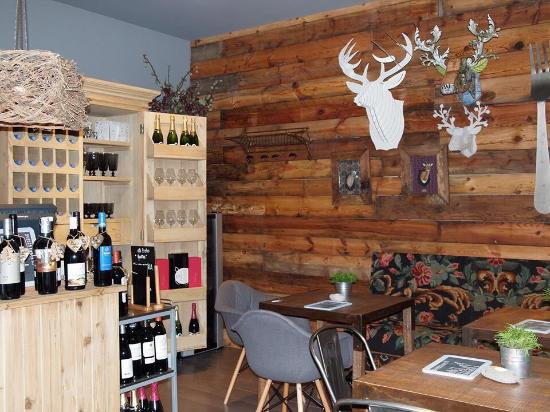
The setting is a stone-built village square in the Pyrenees, and the physical environment reads accordingly: mountain architecture, a quiet plaza, the unhurried pace of a small Aranese community. The price range sits at €€, meaning this is not a formal haute cuisine environment but a mid-register village restaurant with serious cooking credentials. The tone is grounded rather than theatrical.
Would Es Arraïtzes be comfortable with kids?
The €€ price point and village square setting suggest a more relaxed physical environment than a high-end tasting counter, which typically works in favour of families. That said, the tasting menu format, which must be pre-ordered, implies a sit-down meal of some duration rather than a flexible à la carte experience. Families with children who are comfortable at a structured seated meal should find the setting manageable; the Pyrenean village environment outside is also conducive to pre- or post-dinner activity. Confirm specific arrangements directly with the restaurant when making the pre-order booking.
Comparison Snapshot
| Venue | Cuisine | Price | Awards |
|---|---|---|---|
| Es ArraïtzesThis venue — the venue you are viewing | Peruvian Fusion with Local Influences | $50–100 | Michelin Plate · Macarfi 7.2 Food Rating |
| Aponiente | Progressive - Seafood, Creative | Not listed | Michelin 3 Star |
| Arzak | Modern Basque, Creative | Not listed | Michelin 3 Star |
| DiverXO | Progressive - Asian, Creative | Not listed | Michelin 3 Star |
| El Celler de Can Roca | Progressive Spanish, Creative | Not listed | Michelin 3 Star |
| Quique Dacosta | Creative | Not listed | Michelin 3 Star |
Recognition history
Dated appearances from independent guides and award organizations, with the underlying list record or original source where available.
Michelin Plate
Michelin
Macarfi 7.2 Food Rating
Macarfi
Full recognition history (4 entries)
Michelin Plate
Michelin
Michelin Plate
Michelin
Details
- Elegant
- Cozy
- Intimate
- Rustic
- Date Night
- Special Occasion
- Craft Cocktails
- Local Sourcing
- Tasting Menu
- A La Carte
- Pisco Sour
- Vegetarian Friendly
Current opening hours
- Monday
- 2–3 PM, 8–10:15 PM
- Tuesday
- 2–3 PM, 8–10:15 PM
- Wednesday
- Closed
- Thursday
- 2–3 PM, 8–10:15 PM
- Friday
- 2–3 PM, 8–10:15 PM
- Saturday
- 2–3 PM, 8–10:15 PM
- Sunday
- 2–3 PM, 8–10:15 PM
Hours can change for holidays and private events. Last verified .
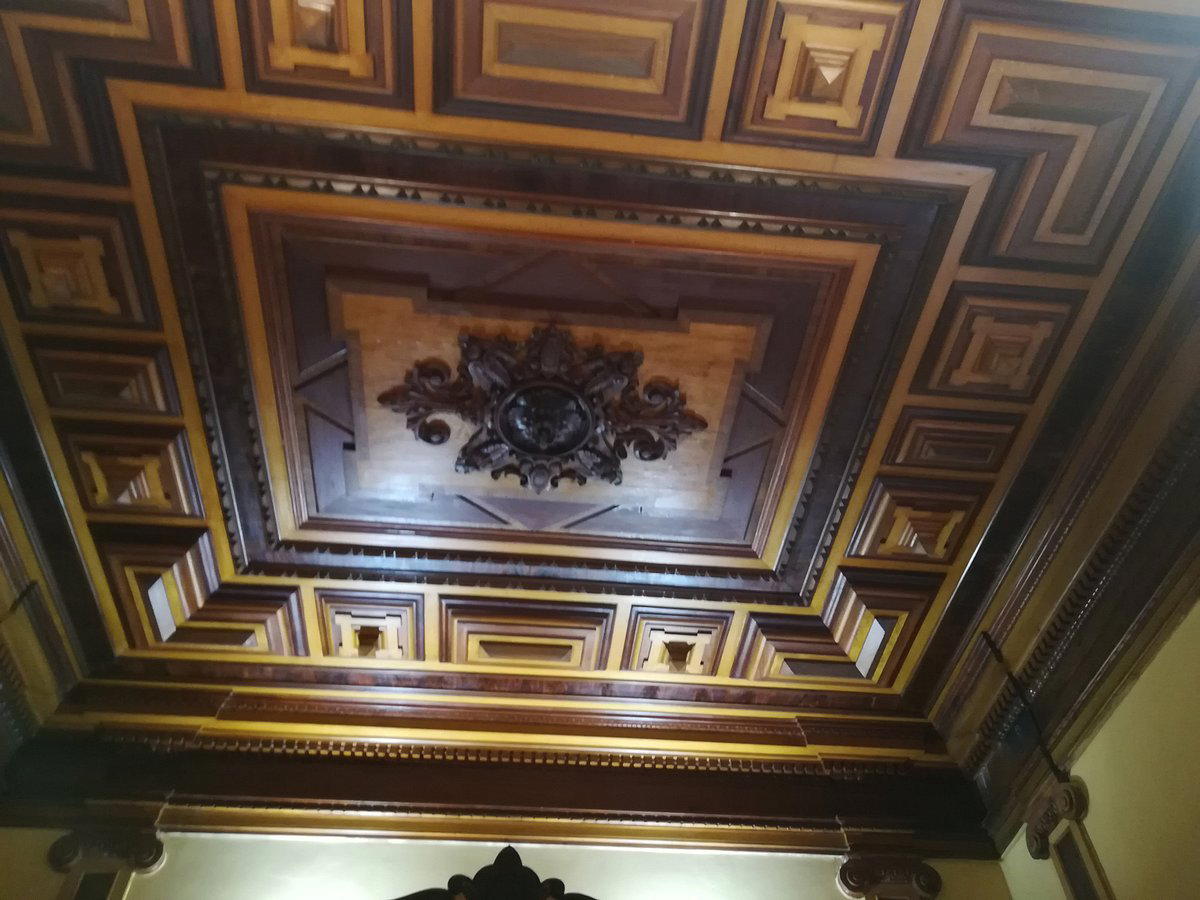
Warm, inviting, and tasteful with a cozy mountain atmosphere, well-suited lighting that feels not too formal yet sophisticated.