Rocamar
Our verdict
Rocamar sits in Santa Teresa, the surf-and-jungle stretch of Puntarenas province where the Pacific sets the pace for everything on the plate. The restaurant draws from the coastal tradition of letting the catch and the light dictate the menu, placing it squarely in a dining scene that has grown more considered without losing its barefoot ease. It belongs in any serious tour of the Nicoya Peninsula's food options.

Pearl is the En Primeur Club membership app, where members save venues, book tables and use the concierge.
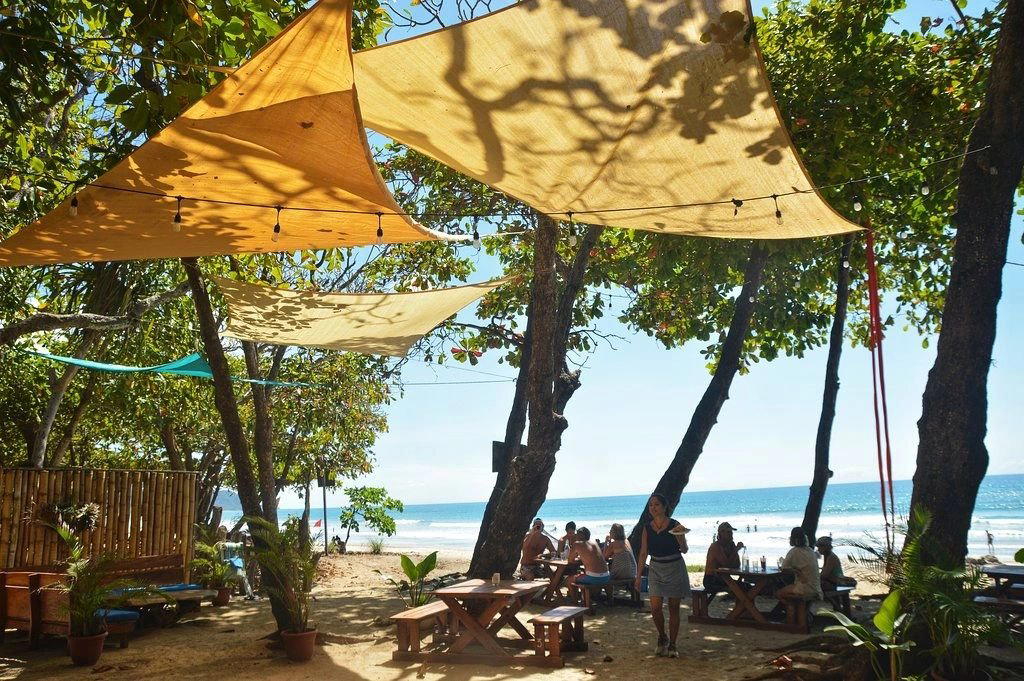
Where the Pacific Dictates the Plate
Santa Teresa operates on a different clock from the rest of Costa Rica's dining scene. By mid-morning, the light off the water is already sharp and flat, fishing boats have long since returned, and the restaurants that take their cue from the ocean rather than a fixed menu are already recalibrating around what arrived at the dock. Rocamar sits inside this rhythm. The name itself signals the orientation: toward the sea, shaped by it. In a coastal strip that has seen a wave of international operators set up alongside long-standing local spots, Rocamar represents the category of place where the Pacific is not a backdrop but an ingredient.
The Nicoya Peninsula has become one of Central America's more closely watched food destinations over the past decade, and Santa Teresa specifically has accumulated a range of dining formats that would not look out of place in a regional capital. You have high-concept fusion at one end, open-air grills at the other, and a middle tier of seafood-forward restaurants where the quality of sourcing is the main argument.
The Sensory Register of a Coastal Kitchen
Coastal dining in the tropics works through accumulation of small sensory details rather than any single dramatic gesture. The smell of salt air moving through an open kitchen. The sound of surf at a distance measured in seconds rather than kilometres. The texture of sand on the path before you reach the dining room. These are the ambient conditions that coastal restaurants in Nicoya either work with or work against, and the most considered operators understand that the physical environment is already doing a significant amount of editorial work before a single dish arrives.
In Santa Teresa, the dry season runs roughly from December through April, and this is when the dining scene operates at its highest density. Visitors arriving between January and March encounter the clearest skies, the most consistent swell, and menus that reflect peak-season availability of local catches including corvina, mahi-mahi, and red snapper. The wet season, from May onward, brings a quieter rhythm and, for the operators who remain open, a different character: fewer tables, more regulars, and the kind of unhurried service that disappears when the town fills back up. Both modes have their advocates among the Nicoya Peninsula's returning visitors, and the choice of timing shapes the experience as much as any menu decision.
For a wider orientation to what the region offers, the full Puntarenas restaurants guide maps the range across the province, from the peninsula's surf towns to the central port.
Santa Teresa's Dining Conversation
The restaurant scene in Santa Teresa has never been a monoculture. It absorbs influences from the international community that settled here through the 2000s and 2010s while maintaining a functional relationship with local fishing and agriculture. The result is a town where you can eat Japanese-inflected ceviches, wood-fired Mediterranean fish, and straightforwardly local rice-and-seafood plates within a few minutes of each other. Koji's and Eat Street both represent this layering of registers, and they form part of the competitive context that any restaurant operating in the area has to account for.
What this means for the visitor is that the dining decision in Santa Teresa is rarely a direct quality call. It is more often a question of format and atmosphere: do you want a kitchen that emphasises the local catch in a regional idiom, or one that processes those same ingredients through a more internationally recognisable frame? Rocamar's positioning in the town's food ecosystem reflects a specific answer to that question, one rooted in the coastal-facing, sea-first tradition that the town built its early food reputation on.
For comparison with what Costa Rica's more formally structured dining rooms look like, Conservatorium in San José and C. 33 in San Jose operate at the higher-formality end of the national scene. On the Pacific coast's northern stretch, Pangas Tamarindo in Santa Cruz and Casa Chameleon at Las Catalinas in Potrero show how coastal formats can scale toward a more resort-adjacent register.
Planning Your Visit
Santa Teresa is accessible from San José via a combination of road and ferry through Puntarenas town, or by small aircraft to the Tambor airstrip followed by a road transfer along the peninsula. The drive from Tambor to Santa Teresa takes around an hour on roads that vary in condition depending on season; the wet season months significantly affect road quality on the Nicoya interior routes. Visitors arriving during peak season between December and April should expect the town to be operating at full capacity, with accommodation and popular restaurant tables filling well in advance of arrival. Those planning to eat at the more sought-after spots in the Santa Teresa stretch are better positioned if they confirm arrangements before reaching the peninsula rather than relying on walk-in availability.
For broader Costa Rican context, the dining options at Nayara Springs in San Carlos, Las Ventanas in Bajos del Toro, and Mis Amores in La Fortuna illustrate how the country's restaurant scene extends well beyond the coast. In the Las Catalinas area, Sentido Norte and Puna in Liberia anchor the Guanacaste dining conversation. For those comparing coastal seafood operations internationally, Le Bernardin in New York City and Lazy Bear in San Francisco represent reference points for what structured seafood and market-driven formats look like at a different price tier and format discipline. The Conservatorium in Ciudad Colón rounds out the range of what considered Costa Rican hospitality looks like inland.
Frequently asked questions
What's the address for Rocamar?
Rocamar is located at rocamar, Puntarenas Province, cobano, santa teresa, 60111, Costa Rica, Puntarenas.
Is Rocamar a good option for dining near the Santa Teresa beach area in Puntarenas?
Rocamar is located in Santa Teresa, within the Cobano district of Puntarenas Province, placing it inside one of Costa Rica's most active Pacific coastal communities. The Santa Teresa strip has drawn a steady international population over the past two decades, and the restaurant scene there reflects that mix of local tradition and outside influence.
What's the must-try dish at Rocamar?
Given its position in Santa Teresa, Puntarenas, a Pacific-facing community where daily catch drives most kitchen decisions, fresh seafood preparations are the logical focus. Confirm the day's offerings directly with the venue on arrival.
What's the signature at Rocamar?
No chef or menu record is currently held for Rocamar. In Santa Teresa's dining scene, venues in this coastal zone typically build their identity around Pacific-caught fish and local produce that reflects the agricultural rhythms of the Nicoya Peninsula. On-the-ground confirmation will give the clearest picture of what defines the kitchen's current output.
What if I have allergies at Rocamar?
As with any coastal kitchen in Puntarenas Province where fish, shellfish, and tropical fruit feature heavily, guests with allergies should communicate requirements directly with staff before ordering. Arriving during quieter service hours gives kitchen teams more room to accommodate specific needs.
Peers in This Market
Comparable venues nearby, for context on price, style, and recognition.
| Venue | Cuisine | Price | Notes |
|---|---|---|---|
| RocamarThis venue (the venue you are viewing) | Beachfront Seafood and Costa Rican | $20–30 | Not listed |
| Playa de los Artistas | Mediterranean Seafood Beach Grill | $30–50 | Montezuma |
| Koji's | Japanese-Peruvian Fusion Sushi | $50–100 | Santa Teresa |
| Eat Street | Dining | $10–20 | Santa Teresa |
| Nami Santa Teresa | Modern Japanese Sushi | $20–30 | Santa Teresa |
| Couleur Cafe | French-Inspired Cafe | Not listed | Playa Hermosa |
Continue exploring
More in Puntarenas
Restaurants in Puntarenas
All restaurants in Puntarenas →
Bars in Puntarenas
All bars in Puntarenas →




Details
- Scenic
- Lively
- Rustic
- Casual Hangout
- Family
- Group Dining
- Waterfront
- Standalone
- Local Sourcing
- Sustainable Seafood
- Organic
- Waterfront
- A La Carte
- Cold Beverages
- Pescatarian Friendly
Current opening hours
- Monday
- Closed
- Tuesday
- 11 AM–8 PM
- Wednesday
- 11 AM–8 PM
- Thursday
- 11 AM–8 PM
- Friday
- 11 AM–8 PM
- Saturday
- 11 AM–8 PM
- Sunday
- 11 AM–8 PM
Hours can change for holidays and private events. Hours as of .
Casual beachfront atmosphere with barefoot surf-lounge energy and a relaxed Pacific-coast setting.