Koji's
Our verdict
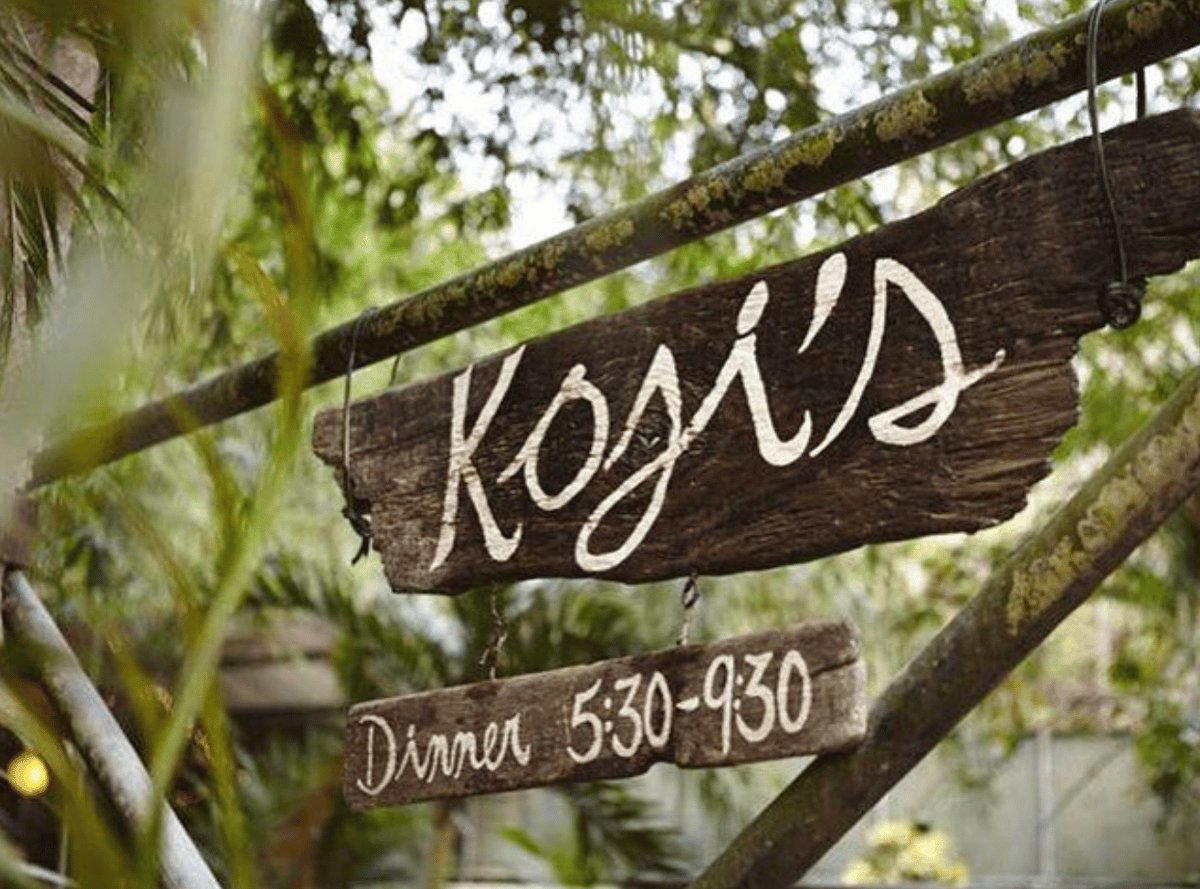
Koji's sits on the dusty edge of Santa Teresa de Cobano, where Puntarenas province meets the Pacific surf culture that defines this stretch of Costa Rica's Nicoya Peninsula. With limited documentation in formal dining guides, it occupies the informal, community-embedded tier of Santa Teresa's eating scene, the kind of spot that earns its reputation through repeat visitors and word of mouth rather than award cycles.

Pearl is the En Primeur Club membership app, where members save venues, book tables and use the concierge.
The menu
What to order
- Koji roll
- Hawaiian roll
- Hermosa roll
- Tataki roll
- Vegan tuna roll
- Red snapper carpaccio
Where the Road Ends and the Meal Begins
Santa Teresa de Cobano sits at the far end of a rutted road that filters out everyone in a hurry. The drive from the ferry terminal at Puntarenas takes the better part of two hours on a good day, and the village itself runs on beach time, meals happen when the surf session ends, not when a reservation demands. It is in this context that a place like Koji's makes sense: a dining address embedded in a community that values proximity and informality over polish and formality. The physical approach to Calle Buenos Aires in Santa Teresa already sets the rhythm. You arrive unhurried, because the road has made that decision for you.
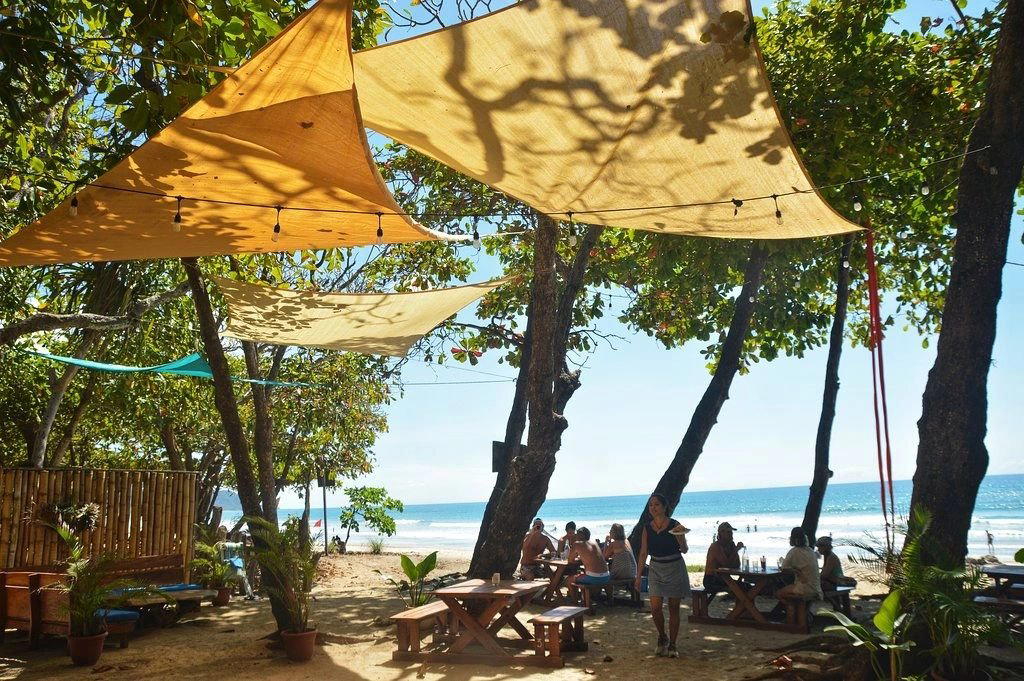
This is not the dining register of Conservatorium in San José or the tasting-menu architecture of Lazy Bear in San Francisco. Santa Teresa's eating culture sits closer to the ground: open-air rooms, sand still on your feet, menus shaped by what came off the boat or out of the garden. Koji's addresses that register, which is precisely why it functions here.
The Rhythm of the Meal in Santa Teresa
Dining ritual in a beach village like Santa Teresa carries its own pacing logic, and understanding it changes how you read a place like Koji's. In this part of the Nicoya Peninsula, the meal is rarely the centrepiece of the evening in the formal sense. It is instead the pause between the water and whatever comes next, a transitional moment that carries its own quiet ceremony. You order without urgency. The kitchen does not rush you. The tempo between courses is measured not by service choreography but by conversation and the ambient sound of a place that does not operate on a city clock.
That kind of dining culture has produced a distinct tier of restaurants along this coastline, places that sit outside the formal recognition circuits but build genuine loyalty through repetition. Regulars return not because a review told them to, but because the experience of eating there fits the specific texture of being in Santa Teresa. Playa de los Artistas and Nami Santa Teresa occupy different positions in this scene, the former known for wood-fired Mediterranean flavours on the beach, the latter for a more considered Japanese-influenced approach, and between them they map the range of what the area can support at its more documented end. Koji's operates in the less documented middle of that map, which tells you something about its character before you have eaten a single dish.
The Scene on Calle Buenos Aires
The address on Calle Buenos Aires places Koji's in the dense, walkable core of Santa Teresa's social geography. This is the strip where surf shops and sodas and small restaurants compress together, where the distinction between a meal and a hangout becomes academic. In that environment, the dining ritual is as much about where you sit as what arrives at the table. The street itself is part of the experience, the coming and going of surfers, the low hum of generators, the smell of the Pacific still on the breeze.
That street-level integration is not incidental. It reflects a broader pattern in how Santa Teresa's food culture has developed: organically, without the top-down design thinking that shapes a resort restaurant or a capital-city tasting room. Compare this to how Casa Chameleon at Las Catalinas in Potrero or Sentido Norte in Las Catalinas approach their dining environments: those properties are designed experiences, composed from the architecture outward. Santa Teresa's street-level restaurants, including Koji's, are the opposite. They have grown into their environments rather than imposed themselves on them.
For the visitor accustomed to the tighter editorial of destinations like Le Bernardin in New York City or the format discipline of C. 33 in San José, this requires a shift in reading. The value here is not precision or curation in the traditional critical sense. It is fit: how well a place matches the specific demands of where it exists and who is eating there that week.
How Koji's Sits in the Puntarenas Dining Picture
Puntarenas province covers an enormous geographic range, from the Central Pacific coast up through the Nicoya Peninsula, and the dining character shifts dramatically across that distance. The province's more documented restaurant addresses cluster in areas with higher visitor density and better infrastructure. Santa Teresa, despite its surf-town renown, remains relatively underserved by formal dining criticism. This means that places like Koji's, along with neighbours such as Couleur Cafe, Eat Street, and Rocamar, carry the weight of the local dining scene without the scaffolding of awards or press infrastructure that documents it in real time.
That absence is worth naming rather than glossing over. A venue with no documented awards, no published chef biography, and no verified price range occupies a specific position in the trust hierarchy that a well-travelled visitor should calibrate accordingly. It is not a weakness in the place itself. It is a feature of where it operates. The leading framework here is to read Koji's the way you would read any address in a community-embedded beach town: through the lens of local recommendation, return visits, and the specific logic of being somewhere that the formal critical apparatus has not yet caught up with. For the wider Costa Rica picture, our full Puntarenas restaurants guide maps the province's range more completely, and venues like Puna in Liberia, Nayara Springs in San Carlos, Mis Amores in La Fortuna, Pangas Tamarindo in Santa Cruz, and Las Ventanas in Bajos del Toro illustrate how wide that range runs across the country.
Planning Your Visit
Santa Teresa's logistics reward flexibility over planning precision. The road from Puntarenas ferry terminal requires either a rental vehicle or a coordinated transfer, and arrival times are rarely predictable on a first visit. Calle Buenos Aires is walkable from most accommodation in the Santa Teresa core, which means Koji's is reachable on foot once you are based in the village. Because no booking method, phone number, or operating hours are documented for this address, the working assumption is walk-in access during standard dinner hours, which in Santa Teresa typically means from late afternoon into the evening. Confirming directly through accommodation staff or local inquiry before making it the anchor of a specific evening is the sensible approach.
Frequently asked questions
Is Koji's suitable for children?
Santa Teresa's beach-village dining culture tends toward relaxed, informal settings, and Koji's location on Calle Buenos Aires puts it in that pedestrian-friendly, walkable core of town. The surrounding area is low-key enough that families are a common sight in the neighbourhood.
Is Koji's better for a quiet night or a lively one?
Calle Buenos Aires is Santa Teresa's social spine, where surf shops, bars, and restaurants compress into a walkable stretch, which means the ambient energy outside shifts considerably between early evening and late night. Koji's position on that strip suggests it absorbs some of that rhythm, though whether the room itself runs loud or quiet depends on the night and the crowd. Arriving earlier in the evening generally means a calmer pace in beach-village restaurants of this type.
Is Koji's worth the drive from the Puntarenas ferry terminal to Santa Teresa?
The trip from the Puntarenas ferry terminal to Santa Teresa de Cobano runs roughly two hours on a road that requires either a rental vehicle or a coordinated shuttle, the kind of journey that filters out anyone not committed to being there. Koji's sits on Calle Buenos Aires at the walkable centre of Santa Teresa's restaurant and surf-shop corridor, which makes it a practical anchor for an evening once you've made the crossing. Whether the drive pays off depends on what you're after, but the road itself has always been part of the Nicoya Peninsula's appeal.
What dish is Koji's famous for?
Santa Teresa's dining scene draws heavily on Pacific coast seafood and a mix of international influences brought in by the surf and expat community, which shapes the broader menu logic of most venues on Calle Buenos Aires. For accurate current menu information, reaching out to the restaurant directly is the reliable route.
What's Koji's's location?
Koji's is located at C. Buenos Aires, Provincia de Puntarenas, Santa Teresa de Cobano, Costa Rica, Puntarenas.
Cuisine and Recognition
| Venue | Cuisine | Price |
|---|---|---|
| Koji'sThis venue (the venue you are viewing) | Japanese-Peruvian Fusion Sushi | $50–100 |
| Couleur Cafe | French-Inspired Cafe | Not listed |
| Eat Street | Not listed | $10–20 |
| Nami Santa Teresa | Modern Japanese Sushi | $20–30 |
| Playa de los Artistas | Mediterranean Seafood Beach Grill | $30–50 |
| Rocamar | Beachfront Seafood and Costa Rican | $20–30 |
Continue exploring
More in Puntarenas
Restaurants in Puntarenas
All restaurants in Puntarenas →
Bars in Puntarenas
All bars in Puntarenas →





Details
- Cozy
- Elegant
- Romantic
- Date Night
- Special Occasion
- Celebration
- Standalone
- Terrace
- Beer Program
- Sustainable Seafood
- Local Sourcing
- A La Carte
- Family Style
- Wine
- Beer
- Sake
- Vegetarian Friendly
- Vegan Options
- Gluten Free Options
Current opening hours
- Monday
- Closed
- Tuesday
- 6–10 PM
- Wednesday
- 6–10 PM
- Thursday
- 6–10 PM
- Friday
- 6–10 PM
- Saturday
- 6–10 PM
- Sunday
- Closed
Hours can change for holidays and private events. Hours as of .
Cozy and magical atmosphere with beautiful ambience; intimate venue that fills to capacity during peak hours with warm, welcoming service.