C. 33
Our verdict
C. 33 occupies a quiet corner of San José's dining scene at a moment when Costa Rican restaurants are increasingly turning their sourcing gaze inward. The address places it within reach of the capital's more considered mid-range tables, and its presence points to a broader shift in how the city's kitchens are framing local produce. Worth tracking for anyone mapping the current state of San José eating.

Pearl is the En Primeur Club membership app, where members save venues, book tables and use the concierge.
The menu
What to order
- Platanachos
- Tacos de birria
- Pizzas
Where San José's Sourcing Conversation Is Happening
Costa Rica's capital has spent the better part of a decade pulling its restaurant culture away from imported references and toward the produce that grows within a few hours of the city. The Central Valley's volcanic soil yields ingredients, hearts of palm, plantains, chayote, several varieties of black bean, that serious kitchens elsewhere in the world would build menus around. In San José, they have long been treated as background. That dynamic is shifting, and C. 33, operating in the San José Province, sits inside that shift.
The broader pattern is worth naming before getting to the specifics. Across Costa Rica's more considered dining addresses, from Las Ventanas in Bajos del Toro to Couleur Cafe in Puntarenas, there is a growing editorial coherence around provenance. Kitchens are naming farms, referencing altitude, and treating the Pacific and Caribbean coasts as distinct larders rather than a single tropical backdrop. C. 33 belongs to this moment in the capital, where the conversation about where food comes from has moved from marketing language into actual menu structure.
The Environment and the Approach
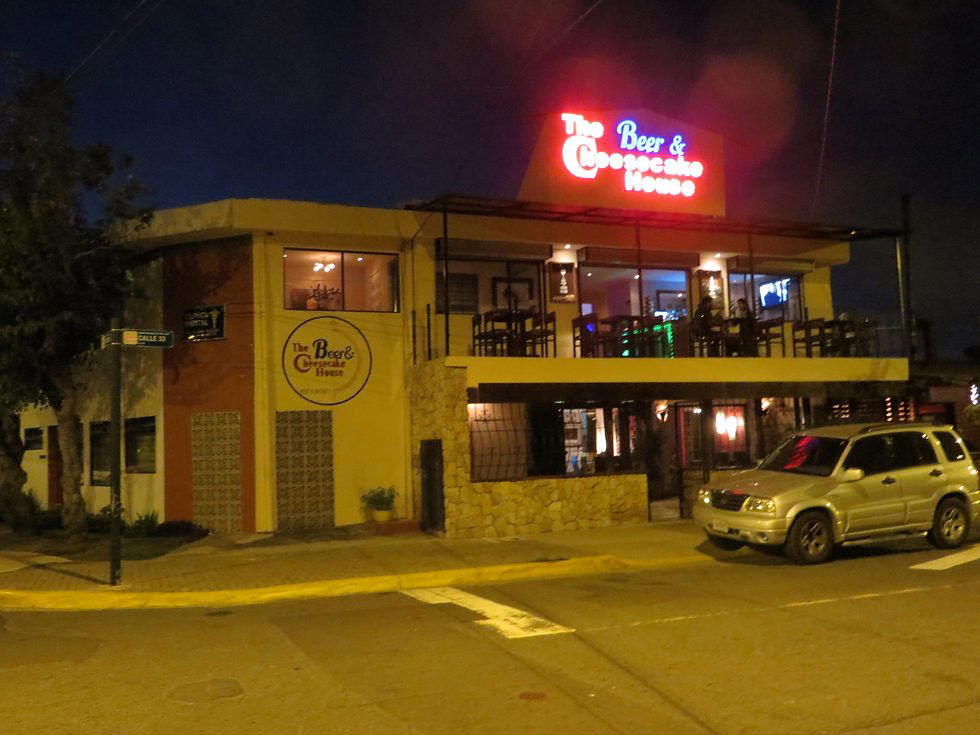
San José's dining geography rewards patience. The city's better tables tend not to announce themselves with the visual language of fine dining in, say, Mexico City or Bogotá. Instead they occupy adapted residential buildings, converted commercial spaces, or street-level rooms in neighbourhoods that mix everyday commerce with serious cooking. This restraint in presentation is itself a signal: the room is not doing the work that the plate is expected to do.
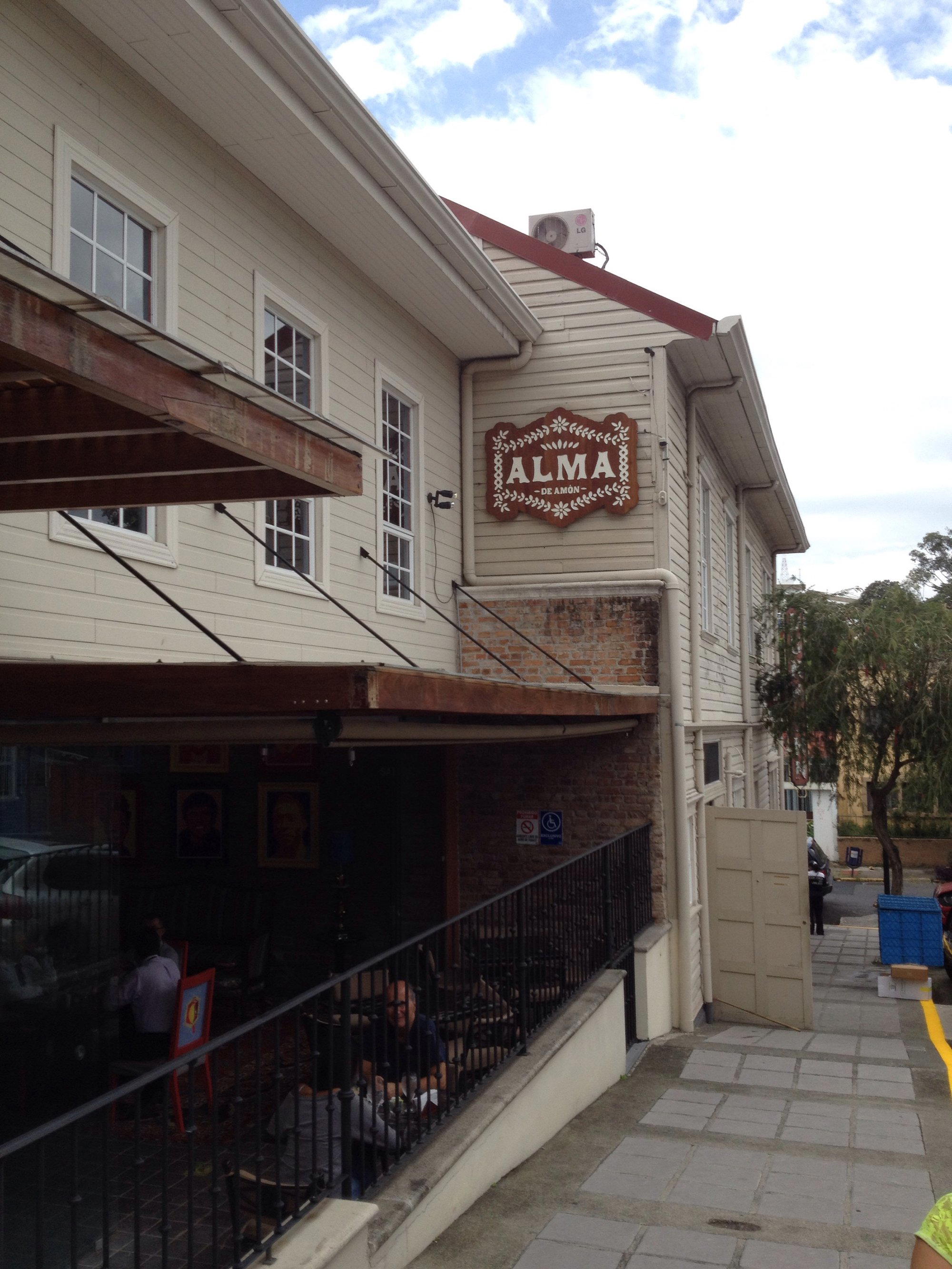
C. 33 fits that register. The San José Province address places it in a city where foot traffic and neighbourhood context matter more than a high-profile location on a known dining strip. For visitors mapping their way through the capital, the approach is the same one that applies to Alma de Amón or Augustine: build the visit around the destination, not the district.
San José's premium tier, represented by addresses like Adega (Portuguese), which operates at the top of the city's price range, tends to draw comparisons to international reference points. The mid-range conversation is more interesting precisely because it is more locally grounded. Tables in this tier, including Antipastos by DeRose and Back A Yard Caribbean Grill, are where the city's actual culinary identity is being worked out in real time. C. 33 operates in this space.
Ingredient Sourcing as Editorial Position
The sourcing logic that now drives Costa Rica's more attentive kitchens is not purely philosophical, it is also practical. The country's agricultural diversity across micro-climates means that a kitchen committed to local procurement has access to ingredients that change meaningfully by season and by elevation. Coffee-growing altitude in the Central Valley produces different growing conditions than the lowland Pacific coast. A kitchen that takes this seriously is making a structural choice, not a marketing one.
This is the frame through which C. 33 reads most clearly. In a city that has historically leaned on imported proteins and European pantry categories to signal quality, a sourcing-first approach represents a genuine editorial stance. The comparison is not to Le Bernardin in New York City or Lazy Bear in San Francisco, where sourcing is embedded in a longer tradition of tasting-menu formalism. In San José, the same commitment operates in a context where the infrastructure for farm-to-table cooking, reliable supplier networks, cold chain logistics, direct farmer relationships, is still being built. Kitchens that do this work are doing something that requires more effort here than in cities with established local-food ecosystems.
The Costa Rican restaurants making the most of this moment are the ones that have moved beyond listing local produce as a credential and started treating it as a design constraint. Conservatorium in San José and Conservatorium in Ciudad Colón both operate within this logic, as does Puna in Liberia further north. The pattern holds across the country's better kitchens: the ones worth tracking are the ones treating the Costa Rican pantry as a living brief rather than a static list of traditional ingredients.
Placing C. 33 in the Wider Costa Rica Dining Map
San José functions as the entry point for most visitors to Costa Rica, but it rarely holds the culinary attention the way the country's resort destinations do. Properties like Nayara Springs in San Carlos, Casa Chameleon at Las Catalinas in Potrero, and Sentido Norte in Las Catalinas attract coverage precisely because they combine setting with cooking in formats that photograph well and travel well as editorial subjects. The capital's restaurants operate without those advantages. They compete on what is in the bowl.
This is what makes the capital's emerging sourcing-led tier worth attention. Mis Amores in La Fortuna and Pangas Tamarindo in Santa Cruz both demonstrate that serious cooking outside the capital can draw destination visitors. The equivalent logic applies in San José: a kitchen with a clear sourcing philosophy can anchor a meal that justifies planning, not just proximity. Our full San Jose restaurants guide maps the wider field for visitors assembling a multi-day itinerary.
Planning Your Visit
Practical details for C. 33 are limited in the public record at this stage. The San José Province address places it within the capital's core, accessible by taxi or rideshare from the main hotel districts without difficulty. San José's better mid-range tables typically operate on a walk-in or short-notice basis rather than the weeks-ahead booking windows that apply to the city's premium tier, though verifying current hours and reservation policy directly before visiting is advisable. For context on how C. 33 sits relative to the capital's wider restaurant field, the comparison set is the city's ingredient-led mid-range rather than its formal tasting-menu tables.
Frequently asked questions
Where is C. 33 in San Jose?
C. 33 is located at San José Province, San José, Costa Rica, San Jose.
Is C. 33 a good restaurant to visit in San José if you want to eat Costa Rican ingredients rather than international cuisine?
C. 33 sits within a cohort of San José restaurants that have shifted the conversation toward domestic produce and away from imported culinary references, a meaningful distinction in a capital that spent years deferring to European and North American fine dining models. Its San José Province address places it within reach of the agricultural supply chains that make that sourcing commitment viable.
What's the best thing to order at C. 33?
Public documentation on C. 33's current menu is limited, which is consistent with how several of San José's more considered tables operate, the offer shifts with what the country's agricultural calendar makes available rather than anchoring to a fixed list. The practical approach is to arrive without a fixed agenda and follow the kitchen's lead on what is in season within the San José Province and the broader Costa Rican growing regions supplying the capital.
How far ahead should I plan for C. 33?
Booking logistics for C.
What's the signature at C. 33?
No specific signature dish is documented in the public record for C. 33. What the venue's positioning within San José's sourcing conversation suggests is a kitchen organised around Costa Rican produce rather than imported frameworks, meaning the signature is more likely a culinary logic than a single dish, and will read differently depending on the season you visit.
In Context: Similar Options
A quick snapshot of similar venues for side-by-side context.
| Venue | Cuisine | Price | Awards | Notes |
|---|---|---|---|---|
| C. 33This venue (the venue you are viewing) | Modern Latin Fusion Tapas & Artisanal Beers | $20–30 | Not listed | Not listed |
| Luna Mexican Kitchen | Modern Mexican | $20–30 | Michelin Bib Gourmand | Mexican |
| Petiscos | Authentic Portuguese Small Plates | $30–50 | Michelin Bib Gourmand | Portuguese |
| Adega | Portuguese Fine Dining | $100–150 | Michelin Plate | Portuguese |
| LeYou | Modern Ethiopian | $20–30 | Michelin Plate | Ethiopian |
| Goodtime Bar | Natural Wine Bar with Small Plates | $30–50 | Not listed | Not listed |
Continue exploring
More in San José




Details
- Lively
- Trendy
- Modern
- Casual Hangout
- Group Dining
- After Work
- Terrace
- Open Kitchen
- Craft Cocktails
- Beer Program
- Street Scene
- A La Carte
- Small Plates
- Artisanal Beers
- Craft Cocktails
- Vegetarian Friendly
- Gluten Free Options