Puna
Our verdict
Puna sits at the end of Peninsula Papagayo's national route, where Guanacaste's Pacific coast sets the terms for how a meal is built. Forbes Travel Guide has flagged the property for its expanding Star Ratings program, placing it among Costa Rica's lodges under active premium evaluation. The kitchen draws from a region where volcanic soil, dry-season harvests, and proximity to the Pacific define what arrives on the plate.

Pearl is the En Primeur Club membership app, where members save venues, book tables and use the concierge.
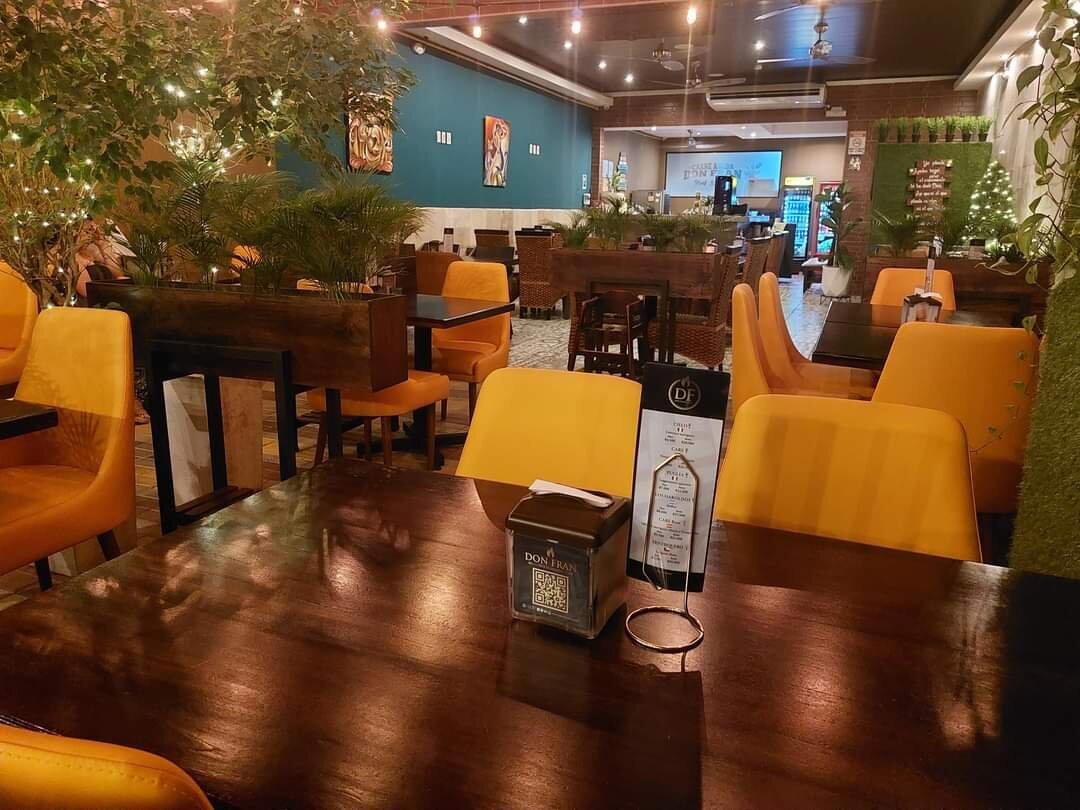
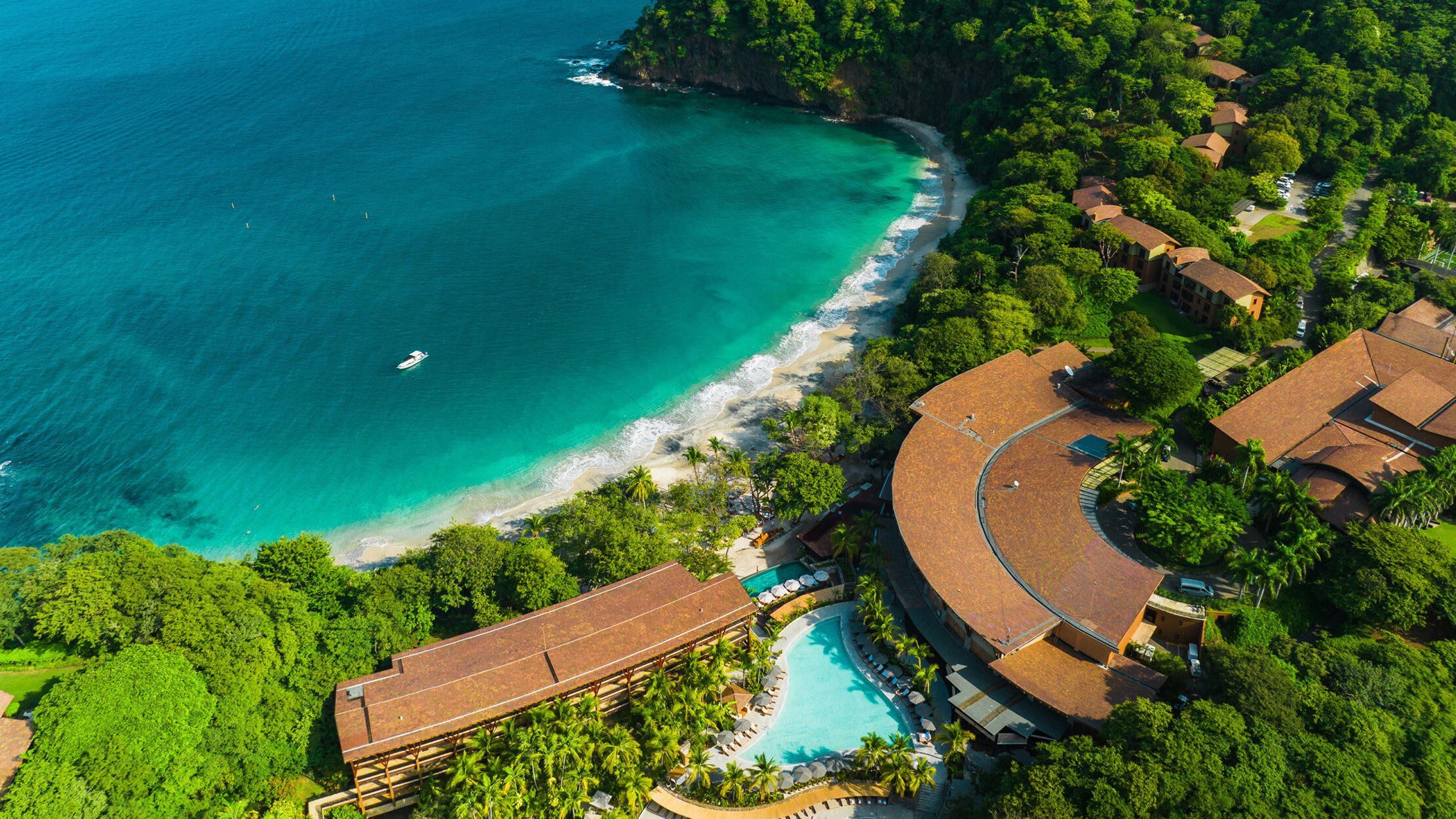
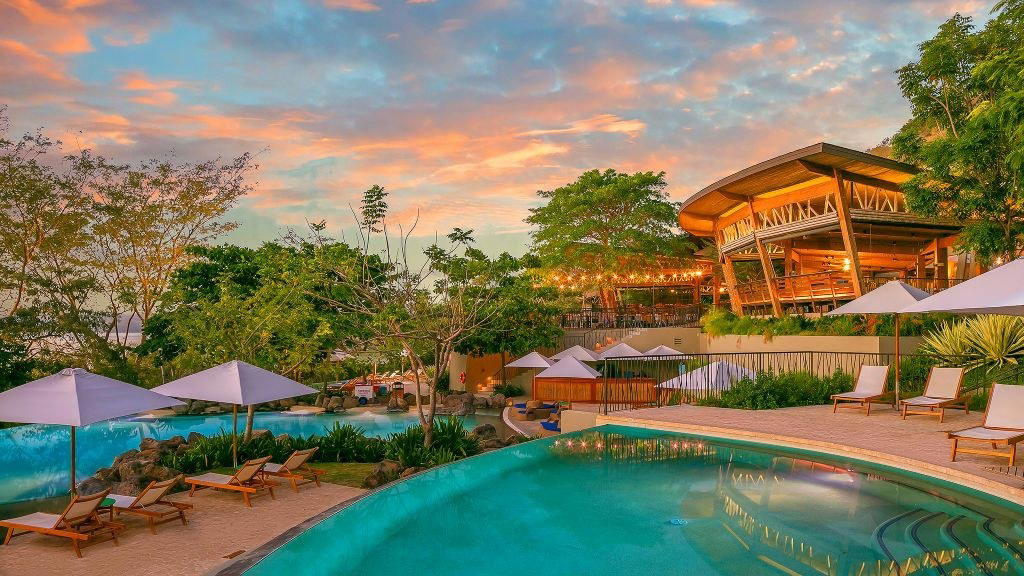
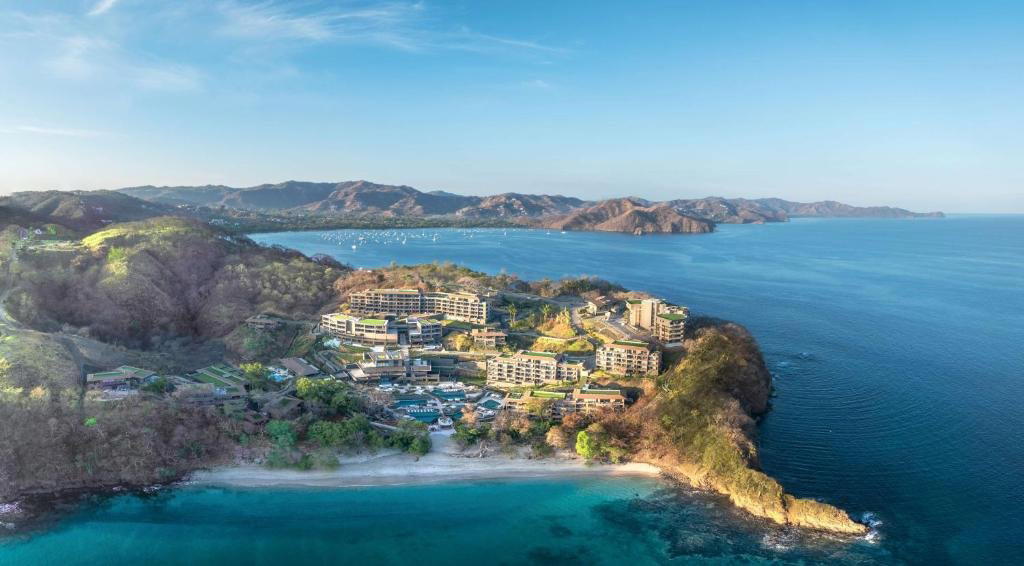
The road to Peninsula Papagayo narrows as it traces the end of Costa Rica's Route 253, the Pacific horizon opening wider with each kilometer until the land runs out of arguments and simply stops at the water. Arriving at Puna, the transition from highway to this coastal setting is abrupt in the way that only truly remote dining destinations manage: the infrastructure of ordinary travel falls away, and the physical environment takes over as the primary fact of the experience. What surrounds you here is not decorative. The dry tropical forest of Guanacaste, the volcanic geology beneath it, and the Pacific at its edge are all active ingredients in what the kitchen has to work with.
The Guanacaste Ingredient Argument
Costa Rica's dining conversation has spent years gravitating toward San José and the Central Valley, where international chefs and boutique hotel programs have built menus around altitude-grown produce and cloud-forest conditions. The Guanacaste coast operates under different rules. The dry season is long and pronounced, producing ingredients shaped by heat and limited rainfall rather than the lush abundance associated with the country's wetter zones. Cattle ranching has historically defined this province's food culture, with beef a staple long before farm-to-table framing made provenance a selling point. The Pacific fishery adds another axis: line-caught species from these waters carry a different profile than what reaches San José's markets by the time transport and logistics are factored in.
What distinguishes dining at a property like Puna from comparable programs at, say, Nayara Springs in San Carlos or El Silencio Lodge and Spa in Bajos del Toro is the specificity of sourcing geography. Those properties draw from volcanic highlands and rainforest-adjacent farms. Papagayo's kitchens are working with an entirely different biome: arid-adapted crops, coastal fisheries, and the particular livestock traditions of Costa Rica's cattle country. The leading lodge dining programs in this region treat that distinction as an editorial position rather than a logistical limitation.
Across Costa Rica's premium lodge tier, properties with serious culinary ambitions have moved toward named-farm sourcing and regional specificity. Sentido Norte in Las Catalinas and Casa Chameleon at Las Catalinas, both operating along the same Guanacaste coastline, reflect how this stretch of Pacific coast has developed a distinct dining identity, one that competes less with San José's restaurant scene and more with international coastal lodge programs where the sourcing story is geographically irreproducible.
Forbes Recognition and What It Signals
Forbes Travel Guide's decision to include Puna in its expanding Star Ratings program is the clearest external signal currently available about where the property positions itself in the regional hierarchy. Forbes evaluations are conducted by anonymous inspectors against a fixed criteria set, covering service consistency, facilities, and overall experience quality. The fact that Puna has been flagged for rating rather than simply listed places it in a cohort of properties that meet a threshold worth evaluating formally.
For context, Forbes Star Ratings in Central America's lodge category remain relatively sparse compared to more saturated markets. A property receiving even a single Forbes star in this region sits in a demonstrably small group. The ongoing evaluation puts Puna alongside the kinds of properties that compete on service standard and culinary program rather than on scale or brand affiliation. The full Forbes assessment, once published, will provide the most reliable comparative anchor available. Until then, the pending status itself functions as a trust signal worth noting.
Peninsula Papagayo as a Dining Context
Peninsula Papagayo is Costa Rica's most concentrated luxury hospitality zone, hosting several international hotel brands and private club developments within a protected coastal concession. The peninsula's dining programs have historically ranged from casual open-air formats to more structured tasting menus at flagship lodge restaurants. What has changed in recent years is the level of ambition applied to ingredient sourcing and kitchen technique in this specific geography. Lodge restaurants that once treated dining as a hospitality amenity have increasingly treated it as a program with its own logic, building relationships with regional producers and building menus that reflect a specific coastal and agricultural territory rather than a generic tropical palette.
This mirrors a pattern visible at similar properties internationally. The shift from amenity dining to destination dining at remote lodge properties is well-documented across Southeast Asia, East Africa, and now more visibly in Central America. The driver is consistently the same: guests arriving at these properties have often eaten at serious restaurants in their home cities, including programs comparable in ambition to Le Bernardin in New York or Alinea in Chicago, and the expectation of culinary seriousness travels with them. Lodge kitchens in premium zones like Papagayo are responding to that expectation by building programs that can hold the comparison rather than deflect it.
Planning Your Visit
Puna is located at the end of Route 253 on Peninsula Papagayo, in Guanacaste Province. The nearest commercial airport is Daniel Oduber Quirós International Airport in Liberia, which receives direct flights from several North American hubs and is the standard entry point for this region. The drive from the airport to Peninsula Papagayo takes roughly 25 to 35 minutes depending on traffic and the specific access point on the peninsula. For regional context on where to eat, drink, and stay during a wider Guanacaste itinerary, see our full Liberia restaurants guide, our full Liberia hotels guide, our full Liberia bars guide, our full Liberia wineries guide, and our full Liberia experiences guide.
The dry season, running roughly from November through April, is the dominant travel window for Guanacaste. During this period, Pacific conditions are calmer, produce from the region's farms is at peak, and the intensity of the coastal landscape is most legible. Visiting outside the dry season brings greener vegetation and lower occupancy, with the trade-off of less predictable weather and reduced access to some outdoor activities that frame the broader lodge experience.
Broader Reference Points
For readers tracking Costa Rica's premium dining scene across regions, the programs at Conservatorium in Ciudad Colón and Conservatorium in San José represent the Central Valley end of the country's serious culinary tier. International comparison points for the kind of ingredient-driven lodge dining that Papagayo's leading programs aspire to include Alain Ducasse at Louis XV in Monte Carlo and 8½ Otto e Mezzo Bombana in Hong Kong, both of which demonstrate how a fixed geography can become a culinary argument rather than a constraint. Closer in spirit to the lodge format, Lazy Bear in San Francisco and Emeril's in New Orleans illustrate different approaches to place-specific ingredient storytelling that inform how serious diners evaluate regional programs like Puna. And Alléno Paris au Pavillon Ledoyen remains a useful benchmark for how institutional setting and kitchen ambition can coexist without one overwhelming the other.
Frequently asked questions
Is Puna okay with children?
Puna's positioning within Peninsula Papagayo's luxury hospitality corridor suggests a setting oriented toward adult dining experiences. Families staying on the peninsula should confirm directly with the property whether children are accommodated, as no formal policy is documented.
What is the atmosphere like at Puna?
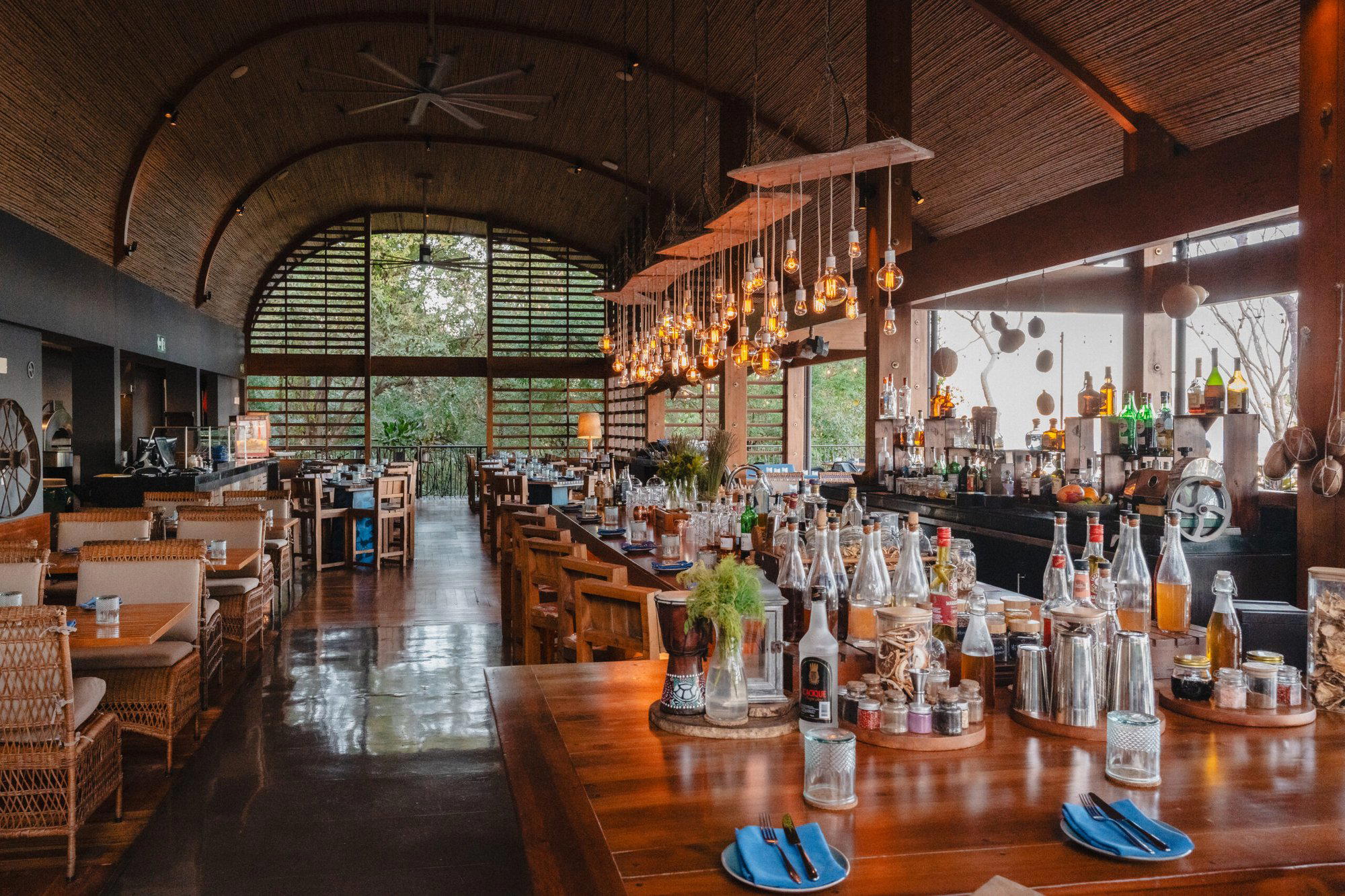
Puna sits at the end of Route 253 on Peninsula Papagayo, Costa Rica's most concentrated zone of high-end resort and private club development in Guanacaste. That address places it in a context of considered, unhurried dining rather than casual beachside fare. Forbes Travel Guide's decision to include Puna in its expanding Star Ratings program further signals a formal, polished register.
Is Puna Michelin-listed?
Puna has received recognition including: Forbes Travel Guide is embarking on an expansion of its Star Ratings. Come back soon to learn more about this property and find out which rating it earned.
What should I order at Puna?
Given its Guanacaste location, the kitchen is positioned to work with the region's Pacific coast seafood, tropical produce, and cattle-country proteins that distinguish this part of Costa Rica from the Central Valley dining scene.
How do I find Puna?
Puna is located at Peninsula Papagayo, End of the 253 National Route, Provincia de Guanacaste, Liberia, Liberia.
In Context: Similar Options
Comparable venues nearby, for context on price, style, and recognition.
| Venue | Cuisine | Price | Awards | Notes |
|---|---|---|---|---|
| PunaThis venue (the venue you are viewing) | Modern Peruvian Fine Dining | Not listed | Not listed | Not listed |
| AmorLoco | Costa Rican Fine Dining Tasting Experience | Not listed | Not listed | La Fortuna |
| Nayara Springs | Costa Rican Fusion Fine Dining | $50–100 | Relais Chateaux Award | La Fortuna de San Carlos |
| Koji's | Japanese-Peruvian Fusion Sushi | $50–100 | Not listed | Santa Teresa |
| Cielito Lindo Pool Bar | Pool bar at Nayara Springs | Not listed | Relais Chateaux Award | La Fortuna de San Carlos |
| Pizzeria La Baula | Authentic Italian Pizza | $20–30 | Not listed | Tamarindo |
Continue exploring
More in Liberia
Restaurants in Liberia
All restaurants in Liberia →
Bars in Liberia
Browse all →
Details
- Elegant
- Sophisticated
- Intimate
- Date Night
- Special Occasion
- Chefs Counter
- Open Kitchen
- Craft Cocktails
- Local Sourcing
- A La Carte
- Tasting Menu
- Omakase
- Vegetarian Friendly
- Vegan Options
- Gluten Free Options
Refined and elegant with minimalist presentation, polished fine dining atmosphere, and intimate counter seating at Paruro.