Nami Santa Teresa
Our verdict
Nami Santa Teresa sits in one of Costa Rica's most sought-after surf-and-lifestyle destinations, where the dining scene has moved well beyond beachside basics. Positioned in Santa Teresa on the Nicoya Peninsula, it occupies a town where international residents and design-conscious visitors have steadily raised the bar for what a neighbourhood restaurant can be. For context on the wider Puntarenas dining circuit, see our full regional guide.

Pearl is the En Primeur Club membership app, where members save venues, book tables and use the concierge.
Santa Teresa and the Dining Shift on the Nicoya Peninsula
Santa Teresa has undergone a quiet but consequential transformation over the past decade. What began as a surf outpost on the southern tip of the Nicoya Peninsula, reached by a combination of ferry crossing and unpaved road, has evolved into one of Central America's more compelling lifestyle destinations. The town now draws a mix of long-term international residents, remote workers, and well-travelled visitors who expect the same standard from a restaurant that they might find in a coastal town in Portugal or northern Bali. The dining scene has followed that demographic shift, moving away from simple sodas and beachfront grills toward formats that take sourcing, technique, and atmosphere seriously. Nami Santa Teresa occupies this newer wave of the local restaurant scene.
That shift is worth understanding as context. Towns like Santa Teresa, which are remote enough to filter out the merely curious but close enough to San José (roughly four to five hours by road and ferry) to attract weekend visitors, tend to produce a specific restaurant culture: small, owner-operated, with menus that respond to what arrives locally and what the international community expects. The comparison set is not the capital city, places like Conservatorium in San José or C. 33 in San Jose operate in a different register entirely, but rather the cluster of ambitious neighbourhood restaurants that have taken root in surf-adjacent communities across Costa Rica's Pacific coast.
Where Nami Sits in the Santa Teresa Scene
Santa Teresa's dining options now span several distinct tiers. At one end sit the beachside sodas and casual taco spots that defined the town's early character. At the other end, a smaller group of restaurants has positioned itself as a destination in its own right, drawing visitors who build their itineraries partly around the meal. Nami Santa Teresa belongs to this more considered tier, located in the 60111 postal district of Santa Teresa in the Puntarenas province.
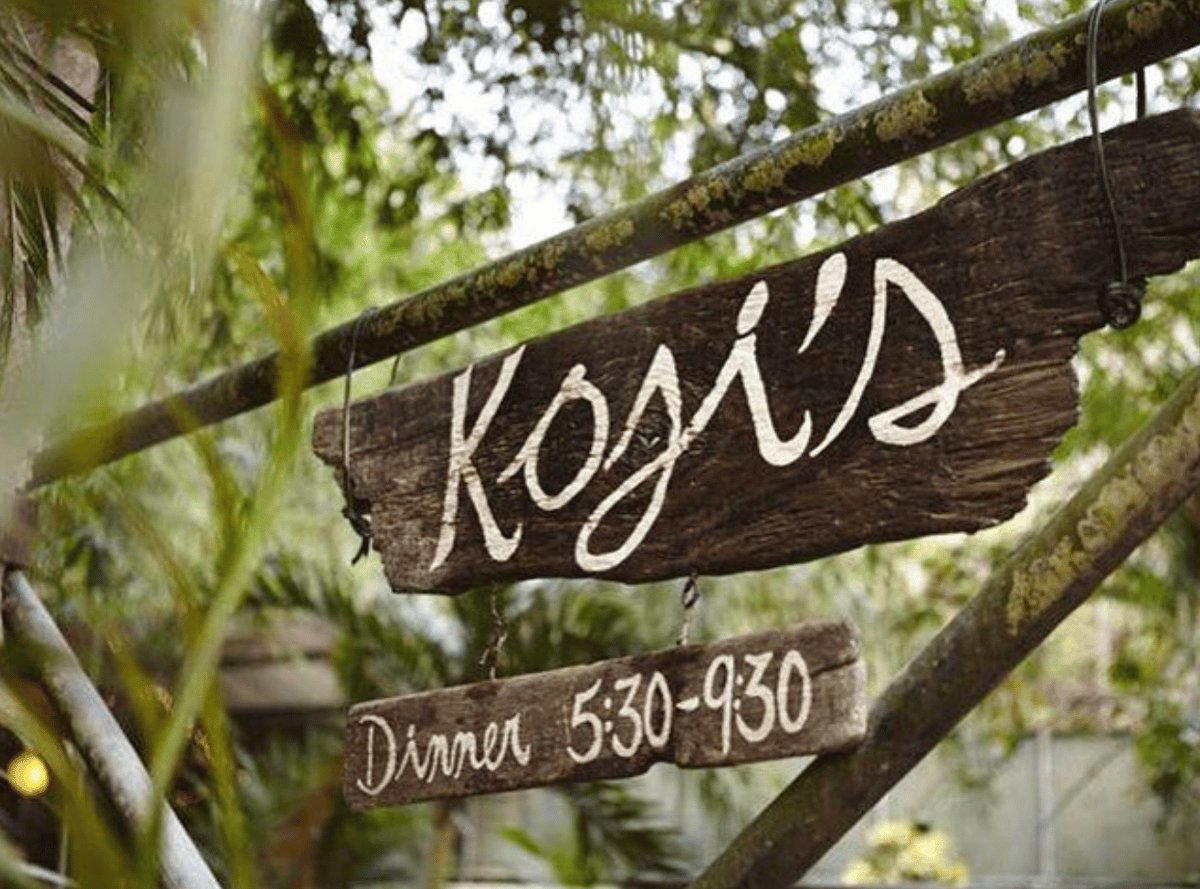
Within the Puntarenas dining scene more broadly, the range is considerable. Coastal operations like Playa de los Artistas and Rocamar hold their own distinct positions, while more casual formats like Eat Street and Couleur Cafe serve a different part of the appetite. Koji's represents yet another angle on the region's increasingly varied dining character. A fuller picture of these options is available in our full Puntarenas restaurants guide.
The name Nami, derived from the Japanese word for wave, signals something about positioning: it suggests an awareness of international reference points, the kind of naming choice that places a venue in conversation with a global sensibility rather than purely a local one. This pattern appears across the more ambitious end of the Santa Teresa restaurant scene, where menus often draw on Japanese technique, Peruvian influence, or European training in ways that reflect the international makeup of the town itself.
The Physical Setting and What It Means for the Experience
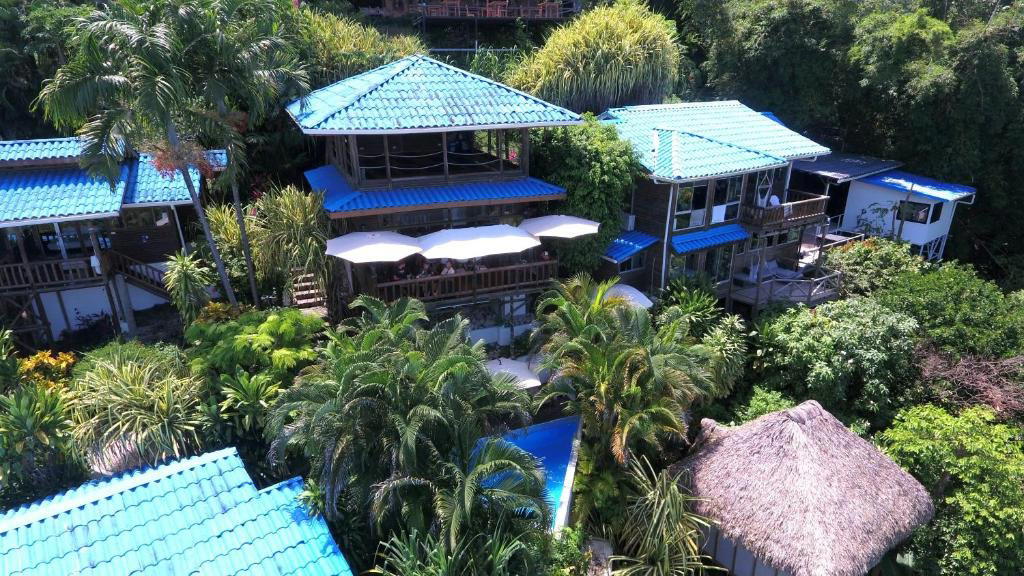
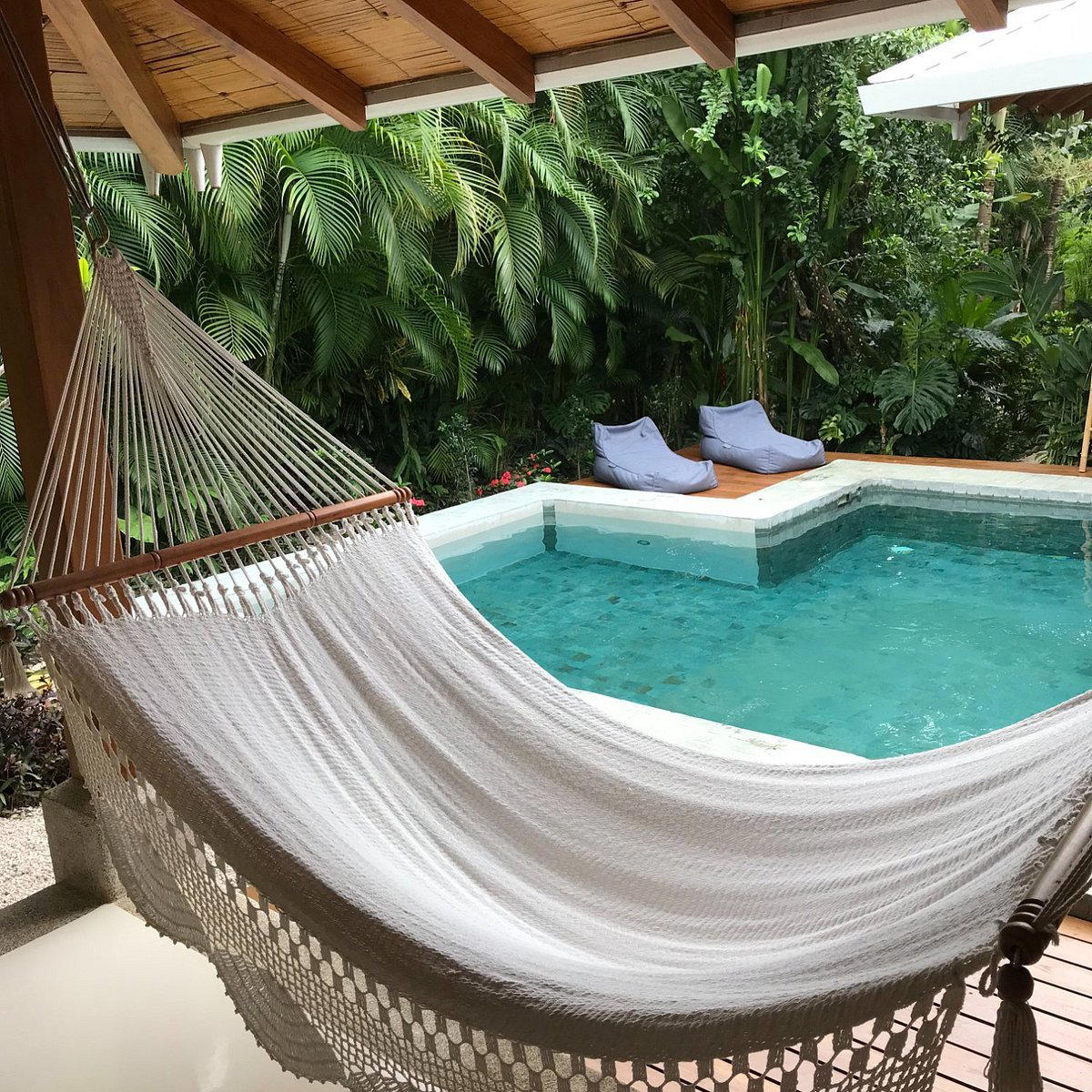
Santa Teresa's geography shapes every meal in town. The Nicoya Peninsula receives some of Costa Rica's most consistent Pacific light, and the dry season, which runs roughly from December through April, makes outdoor dining the default mode. The humidity drops, the evenings cool, and the kind of open-air format that feels uncomfortable in San José's highland rains becomes the obvious architectural choice. Restaurants that understand this tend to build around the outdoor experience rather than treat it as a fallback.
Arriving in Santa Teresa itself involves a commitment that most coastal destinations don't require. The combination of the Puntarenas ferry crossing and the peninsula road means that visitors who make it to this part of the coast have already self-selected for a certain tolerance of adventure and distance from convenience. That filters the clientele in ways that matter for a restaurant: the room tends to fill with people who are present by design rather than proximity. The comparison to other Pacific Coast dining destinations, like Pangas Tamarindo in Santa Cruz or Casa Chameleon at Las Catalinas in Potrero, holds in this respect: remote-ish positioning creates a specific dining dynamic that more accessible destinations rarely replicate.
Planning Your Visit
Santa Teresa's high season aligns with the dry months, and the town becomes noticeably busier between late December and March when surf conditions peak and the international crowd swells. During this window, restaurants operating at the more considered end of the market tend to fill quickly, particularly on weekends when visitors from San José arrive for long stays. Arriving without a plan during peak season is a gamble; arriving with one is direct. For visitors combining a trip to the peninsula with broader Costa Rica itineraries, the regional dining circuit extends further north to venues like Sentido Norte in Las Catalinas and Puna in Liberia, or inland toward Las Ventanas in Bajos del Toro and Nayara Springs in San Carlos. For those extending to San José, Conservatorium in Ciudad Colón and Mis Amores in La Fortuna round out the higher end of the national dining circuit. For international reference points that anchor where ambitious Costa Rican dining is aiming, venues like Le Bernardin in New York City and Lazy Bear in San Francisco represent the technical and experiential standards that well-travelled diners carry with them when they arrive in places like Santa Teresa.
Frequently asked questions
What's the overall feel of Nami Santa Teresa?
Nami sits in Santa Teresa, a town on the southern Nicoya Peninsula that has shifted from a surf outpost into a destination with a genuine dining culture over the past decade. The setting reflects that evolution: Pacific light, dry-season rhythms, and a crowd that expects more than beachside basics. Santa Teresa's geography means meals here are shaped as much by time of year and tidal timing as by the menu itself.
Where is Nami Santa Teresa in Puntarenas?
Nami Santa Teresa is located at 60111 Puntarenas Santa teresa, 60111, Costa Rica, Puntarenas.
Is Nami Santa Teresa a good option for dining on the Nicoya Peninsula outside of peak surf season?
Santa Teresa, located in Puntarenas province on the Nicoya Peninsula, sees a quieter crowd between April and November when the green season brings rain but also lower prices and thinner queues. Restaurants that hold through the off-season tend to reflect a more local, year-round clientele rather than a purely tourist-driven operation. For visitors timing a Costa Rica trip outside the December–March window, Santa Teresa's mid-tier dining options like Nami represent the most consistent access point into the town's evolving food scene.
What do regulars order at Nami Santa Teresa?
Specific menu details for Nami are not published in current circulation, which is common for Santa Teresa venues that rotate offerings with seasonal availability. The town's proximity to Pacific fishing grounds means seafood features heavily across the dining tier Nami occupies. Asking staff what arrived that day is the practical approach rather than locking in expectations from an online menu.
Should I book Nami Santa Teresa in advance?
Santa Teresa's high season runs from late December through March, when surf conditions peak and visitor numbers rise sharply. During that window, restaurants at Nami's level fill quickly, and walk-in availability becomes unreliable. Outside of peak season, same-day arrangements are generally more feasible, though contacting the venue directly before arrival remains the safest approach.
What do critics highlight about Nami Santa Teresa?
That reflects partly how recently the broader Santa Teresa dining scene has attracted serious editorial attention, rather than a judgment on the restaurant itself. The Nicoya Peninsula is still building its critical infrastructure compared to San José or Guanacaste's more documented corridors.
A Tight Comparison
Comparable venues nearby, for context on price, style, and recognition.
| Venue | Cuisine | Price | Notes |
|---|---|---|---|
| Nami Santa TeresaThis venue (the venue you are viewing) | Modern Japanese Sushi | $20–30 | Not listed |
| Playa de los Artistas | Mediterranean Seafood Beach Grill | $30–50 | Montezuma, Mediterranean Seafood Beach Grill |
| Rocamar | Beachfront Seafood and Costa Rican | $20–30 | Santa Teresa, Beachfront Seafood and Costa Rican |
| Couleur Cafe | French-Inspired Cafe | Not listed | Playa Hermosa, French-Inspired Cafe |
| Eat Street | Santa Teresa, Dining | $10–20 | Not listed |
| Koji's | Japanese-Peruvian Fusion Sushi | $50–100 | Santa Teresa, Japanese-Peruvian Fusion Sushi |
Continue exploring
More in Puntarenas
Restaurants in Puntarenas
All restaurants in Puntarenas →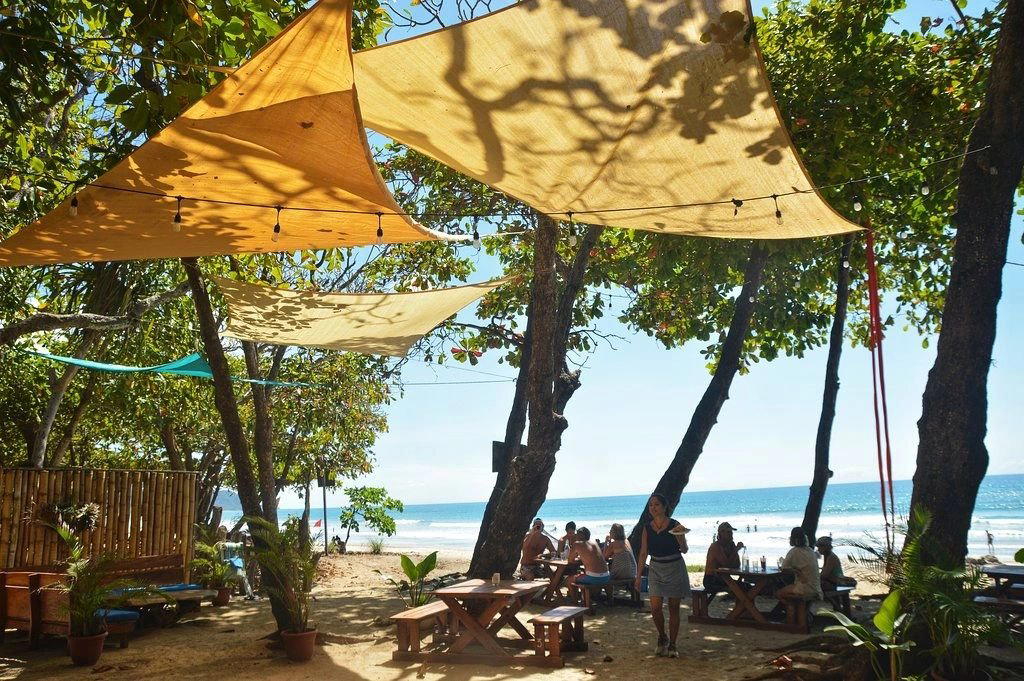
Bars in Puntarenas
All bars in Puntarenas →


Details
- Modern
- Cozy
- Intimate
- Date Night
- Casual Hangout
- Open Kitchen
- Craft Cocktails
- Local Sourcing
- A La Carte
- Vegetarian Friendly
- Vegan Options
- Gluten Free Options
Current opening hours
- Monday
- 11:30 AM–10 PM
- Tuesday
- 11:30 AM–10 PM
- Wednesday
- 11:30 AM–10 PM
- Thursday
- 11:30 AM–10 PM
- Friday
- 11:30 AM–10 PM
- Saturday
- 11:30 AM–10 PM
- Sunday
- 11:30 AM–10 PM
Hours can change for holidays and private events. Hours as of .
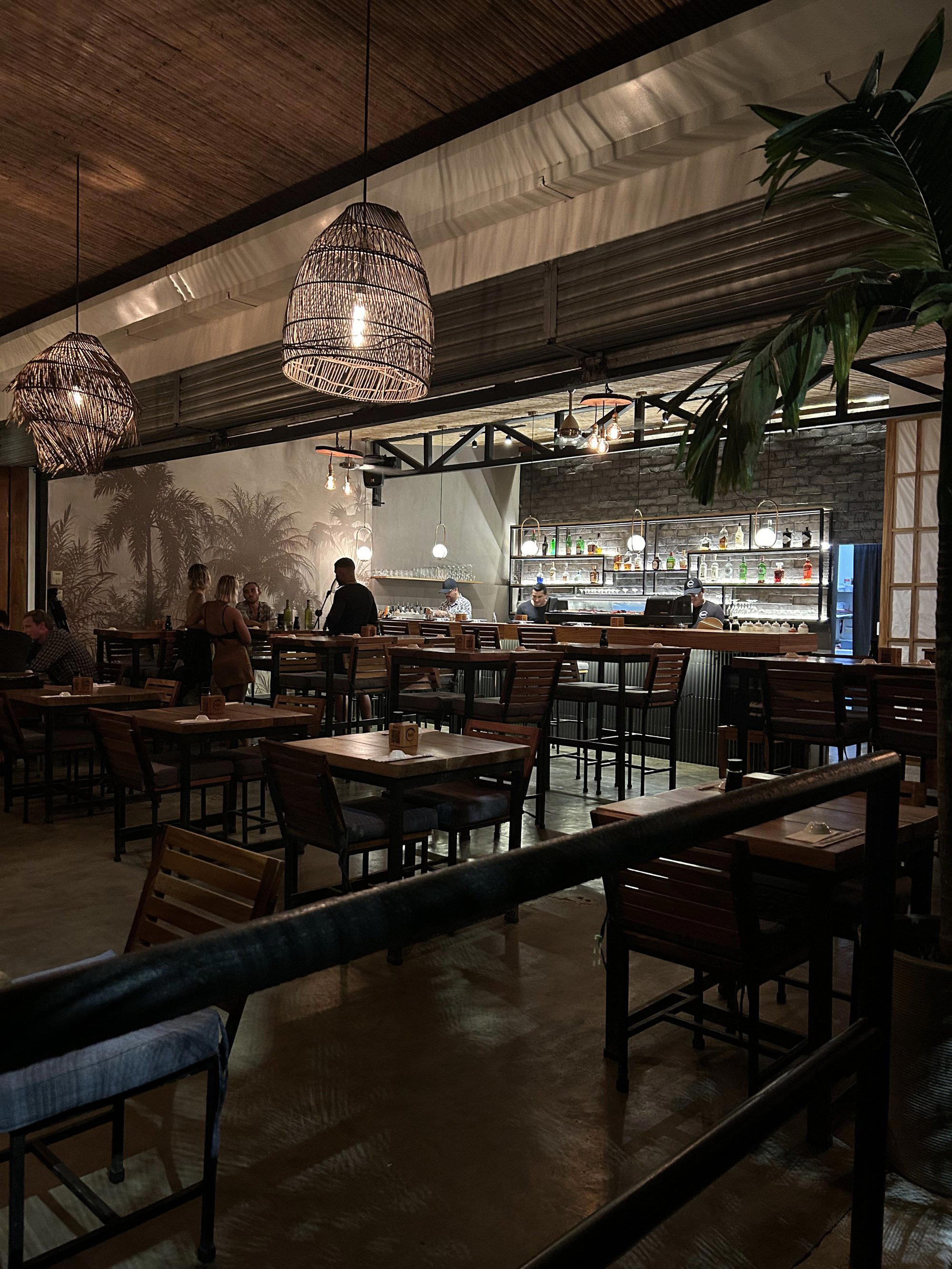
Modern furnishings with open kitchen, cozy and intimate atmosphere suitable for date nights.