Casa Chameleon at Las Catalinas

Casa Chameleon at Las Catalinas occupies a cliffside position above Playa Danta on Costa Rica's Guanacaste coast, offering adults-only private pool villas with direct Pacific views. The Latin American kitchen draws on regional ingredients and masa traditions in a setting where aquatic and mountain pursuits frame the days.
Pearl is the En Primeur Club membership app — saves, bookings, and concierge access live there. Same editors, same standards.
- Address
- Playa Danta, Potrero, Provincia de Guanacaste, Las Catalinas, Costa Rica
- Phone
- +506 2103 1200
- Website
- casachameleonhotels.com
- Directions
- Get directions
 Saves & bookings on Pearl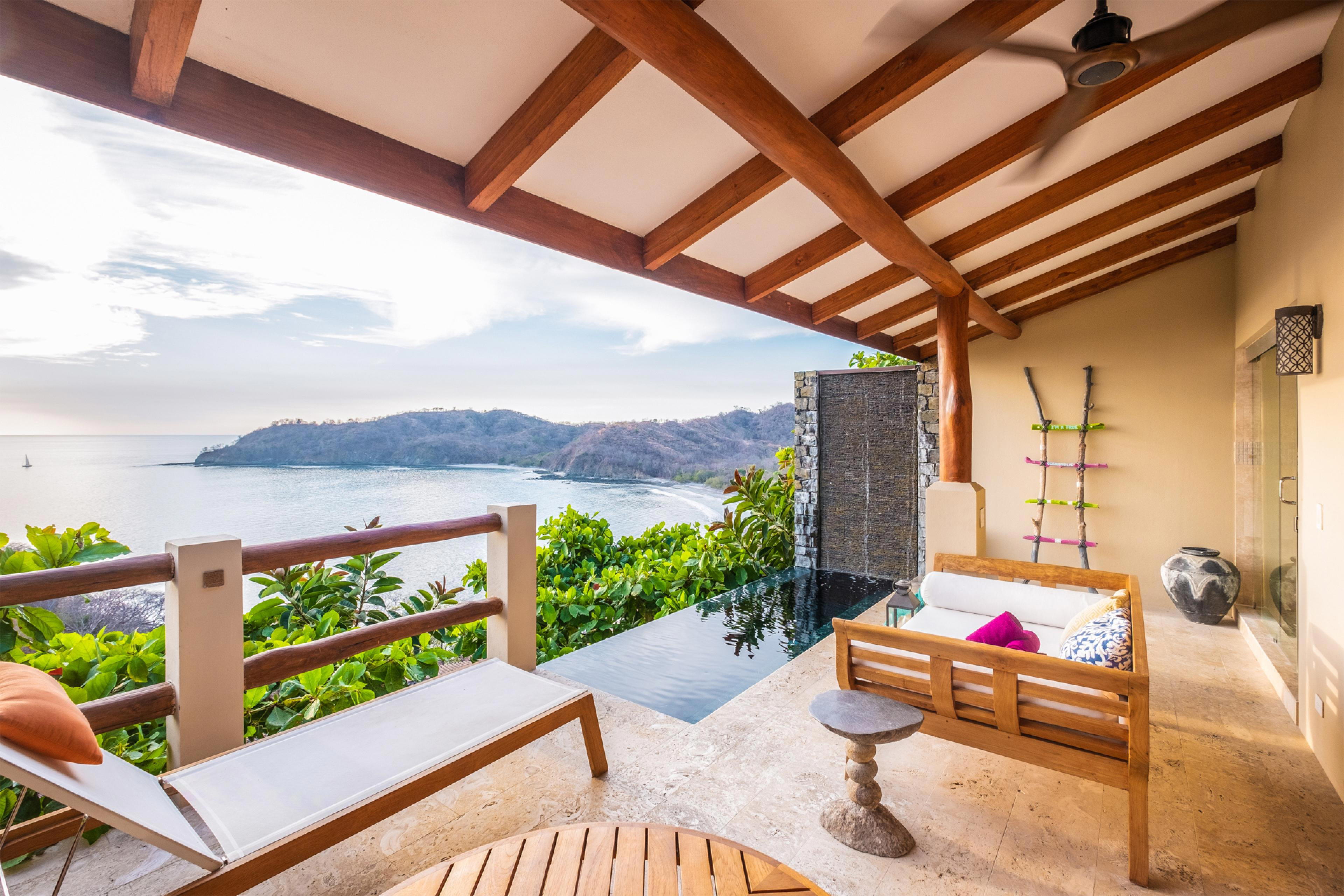
Cliff Edge, Pacific Light, and the Geometry of a Latin American Table
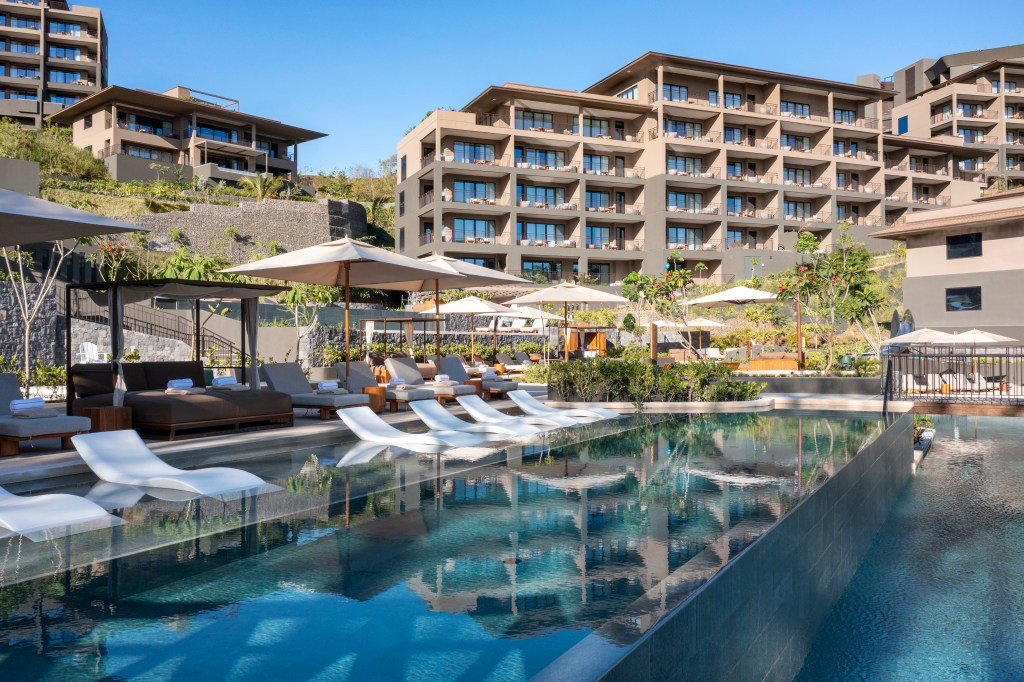
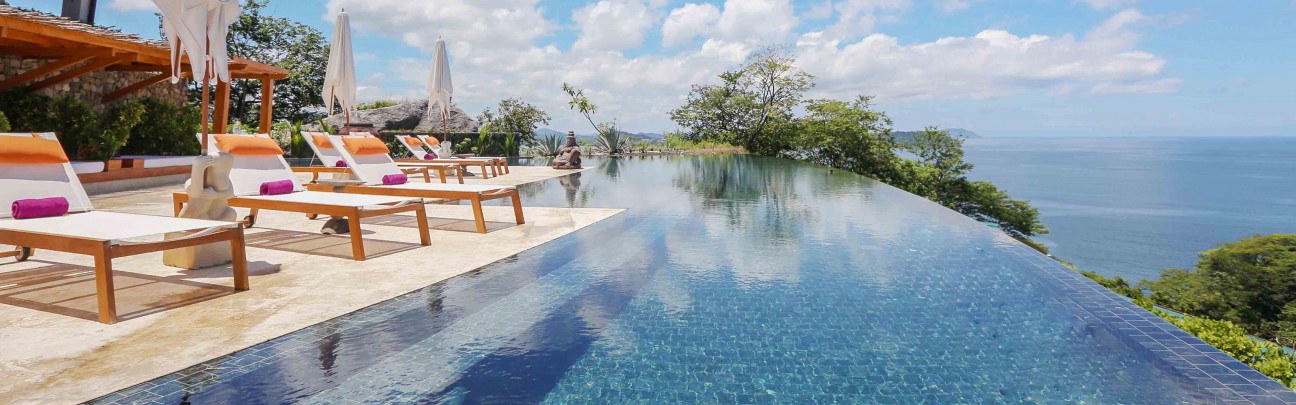
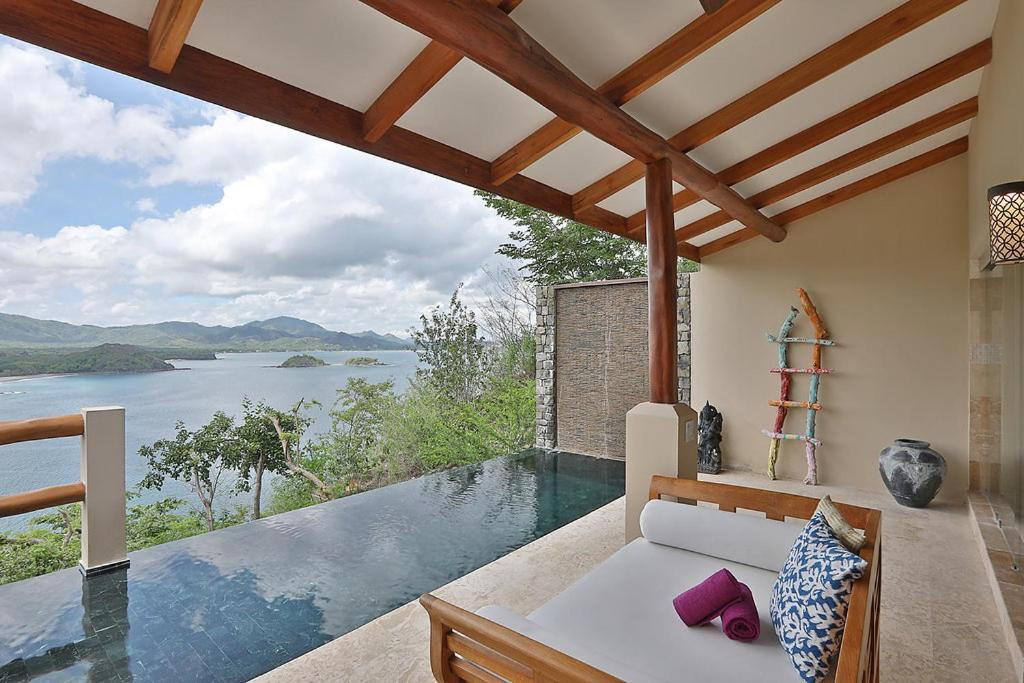
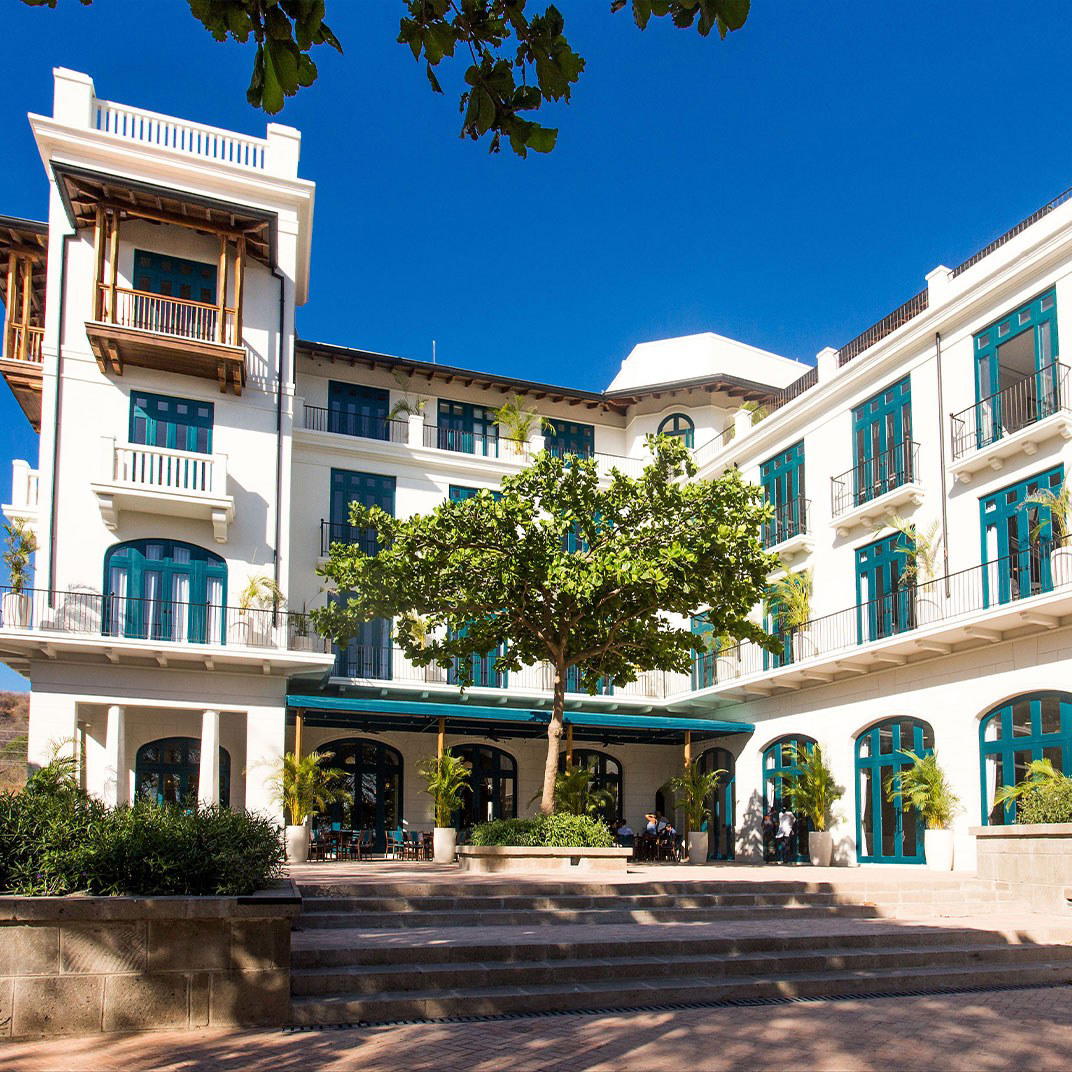
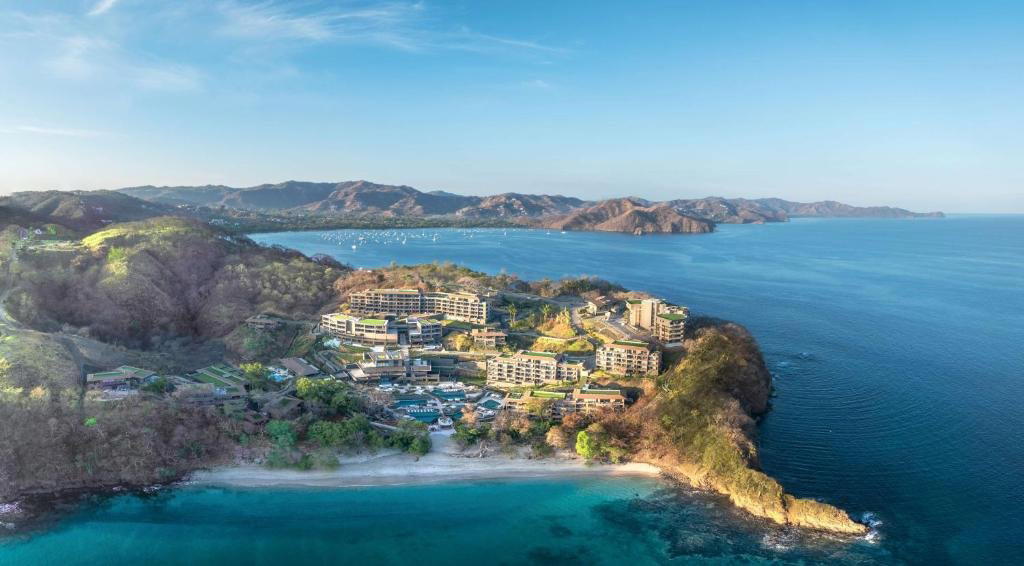
The northwest Guanacaste coast has a particular quality of light in the late afternoon: low, amber, cutting across the water from the direction of the Nicoya Peninsula. Arriving at Playa Danta, where Casa Chameleon at Las Catalinas sits above the bay on terrain that requires a 4x4 for the final approach, that light arrives before anything else does. The property is embedded in the hillside rather than placed on it, which means the Pacific fills the sightline from virtually every vantage point, including the private pools that define the villa format here. This is one of a small cohort of adults-only properties on the Guanacaste coast that treat seclusion as a structural feature rather than a marketing position.
Guanacaste's luxury accommodation has consolidated around two distinct models: large-scale resort compounds with broad amenity stacks, and smaller, villa-based properties where the emphasis falls on privacy, setting, and the quality of a single experience rather than the variety of several. Casa Chameleon at Las Catalinas belongs firmly to the second category, operating private pool villas within the planned community of Las Catalinas, a car-free coastal development that has drawn comparisons to Mediterranean hill towns in its pedestrian-scale architecture and sea-facing layout. For a broader picture of where this property sits among Guanacaste's options, our full Potrero hotels guide maps the competitive field in detail.
Latin American Cooking on the Pacific Rim: Where Masa Enters the Conversation
The Latin American kitchen in a coastal Costa Rican setting carries specific obligations. Guanacaste is one of the regions where traditional corn and masa culture remains embedded in everyday cooking: tortillas made from nixtamalized corn, gallo pinto prepared with local rice and black beans, and preparations that reference Central American technique before they reference international fine dining. The editorial question for any Latin American kitchen operating at a premium resort price point in this region is whether it connects to that masa-rooted tradition or positions itself above it.
Across Latin America's serious restaurant scene, the conversation around heirloom corn varieties and nixtamalization has moved from niche to central. Kitchens from Mexico City southward have spent the past decade recovering indigenous corn diversity, with chefs sourcing criollo and landrace varieties that produce tortillas with measurably different texture and flavour profiles than commodity masa. That movement has a loose parallel in Costa Rican cooking, where local corn traditions, though less formally codified than in Mexico, provide a regional anchor for kitchens willing to engage with them. The Latin American restaurants generating the most attention internationally right now, including Mono in Hong Kong and Imperfecto: The Chef's Table in Washington D.C., are precisely those treating masa and indigenous grain culture as a starting point rather than a footnote. Further afield, ZEA in Taipei and Amazónico in Dubai demonstrate how Latin American culinary frameworks translate across very different contexts, while Arturito in São Paulo and Amara in Miami show how the tradition performs closest to its home geography. Within Costa Rica itself, properties like El Silencio Lodge and Spa in Bajos del Toro and Nayara Springs in San Carlos represent lodge-based dining anchored in Costa Rican ingredients, providing useful points of comparison for understanding how the category has developed nationally.
In the Las Catalinas community specifically, Sentido Norte operates as a notable local reference point for Costa Rican cooking within the same planned coastal development, offering a sense of how the immediate neighbourhood approaches regional food traditions. The Latin American framing at Casa Chameleon covers a broader geographic canvas, one that allows the kitchen to draw from the wider Central and South American pantry while remaining grounded in Guanacaste's coastal ingredients.
Adventure Structure and the Physical Context of the Table
Eating well in a place like Las Catalinas is partly a function of physical context. The property sits at the intersection of Pacific coastline and inland dry forest terrain, which means the activity program runs in both directions: snorkelling and boat access to the water, hiking and mountain biking into the hills. The full Potrero experiences guide covers the range of options in the surrounding area. The aquatic and mountain adventure programming that Casa Chameleon organises for guests follows a pattern common to Guanacaste's higher-end properties, where the landscape itself becomes part of the daily rhythm rather than merely the backdrop. A meal eaten after a morning on the Pacific or an afternoon on the trails registers differently than one eaten in a static resort context, and the kitchen's task is to match that physical energy with food that feels appropriately rooted in where it is.
The adults-only, private-pool-villa format positions Casa Chameleon at Las Catalinas in a specific premium tier on the Guanacaste coast: properties where the experience is designed around couples or small groups seeking privacy over programming, and where the absence of children is a deliberate structural choice rather than a policy detail. For broader dining context in the area, our full Potrero restaurants guide provides a mapped view of where other notable kitchens operate. The bars guide and wineries guide for Potrero round out the picture for those planning a longer stay in the region. Comparable resort-restaurant combinations within Costa Rica, including Conservatorium in San José and Conservatorium in Ciudad Colón, offer reference points for the upper end of the country's hospitality spectrum. For Latin American dining in a similarly scenic lakeside context, 6.8 Palopó in Santa Catarina Palopó and Almacita in Valence show how the cuisine performs in destination settings elsewhere in the region.
Planning Your Visit
Liberia's Daniel Oduber Quirós International Airport (LIR) is the practical entry point, and the drive to Playa Danta in Potrero runs under two hours from there under normal conditions. A 4x4 vehicle is the recommended approach once you leave the main highway; the terrain around Las Catalinas is manageable but not suited to low-clearance vehicles. The GPS coordinates for the property are 10.4783, -85.7846. The adults-only designation means the property is designed specifically for guests travelling without children, and that constraint shapes the atmosphere: quieter communal spaces, a pace oriented around private villa time and outdoor activity, and a dining context that skews toward extended evening meals rather than family-format service.
How Casa Chameleon at Las Catalinas compares with similar nearby venues.
| Venue | Cuisine | Awards |
|---|---|---|
| Casa Chameleon at Las Catalinas | Latin American | Relais Chateaux Award (2025) |
| La Pampa Grill | Creative cooking | Not listed |
| Sentido Norte | Costa Rican | Not listed |
| Las Ventanas | Latin American | Not listed |
Recognition history
Dated appearances from independent guides and award organizations, with the underlying list record or original source where available.
Relais Chateaux Award
Relais Chateaux

At a Glance
- Romantic
- Elegant
- Scenic
- Intimate
- Sophisticated
- Date Night
- Special Occasion
- Celebration
- Waterfront
- Terrace
- Hotel Restaurant
- Panoramic View
- Craft Cocktails
- Farm To Table
- Local Sourcing
- Waterfront
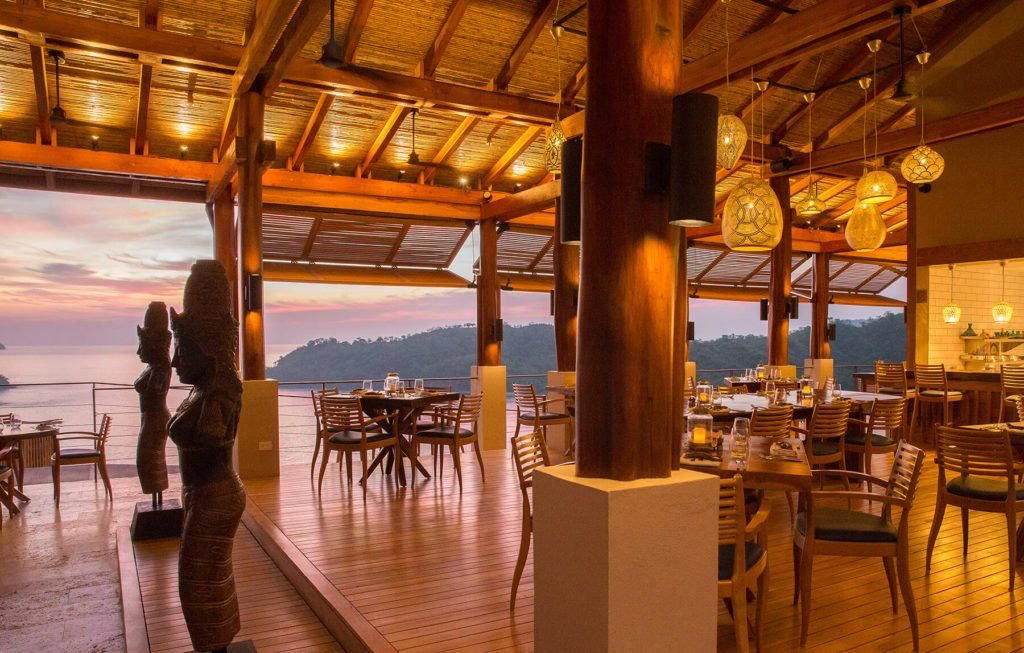
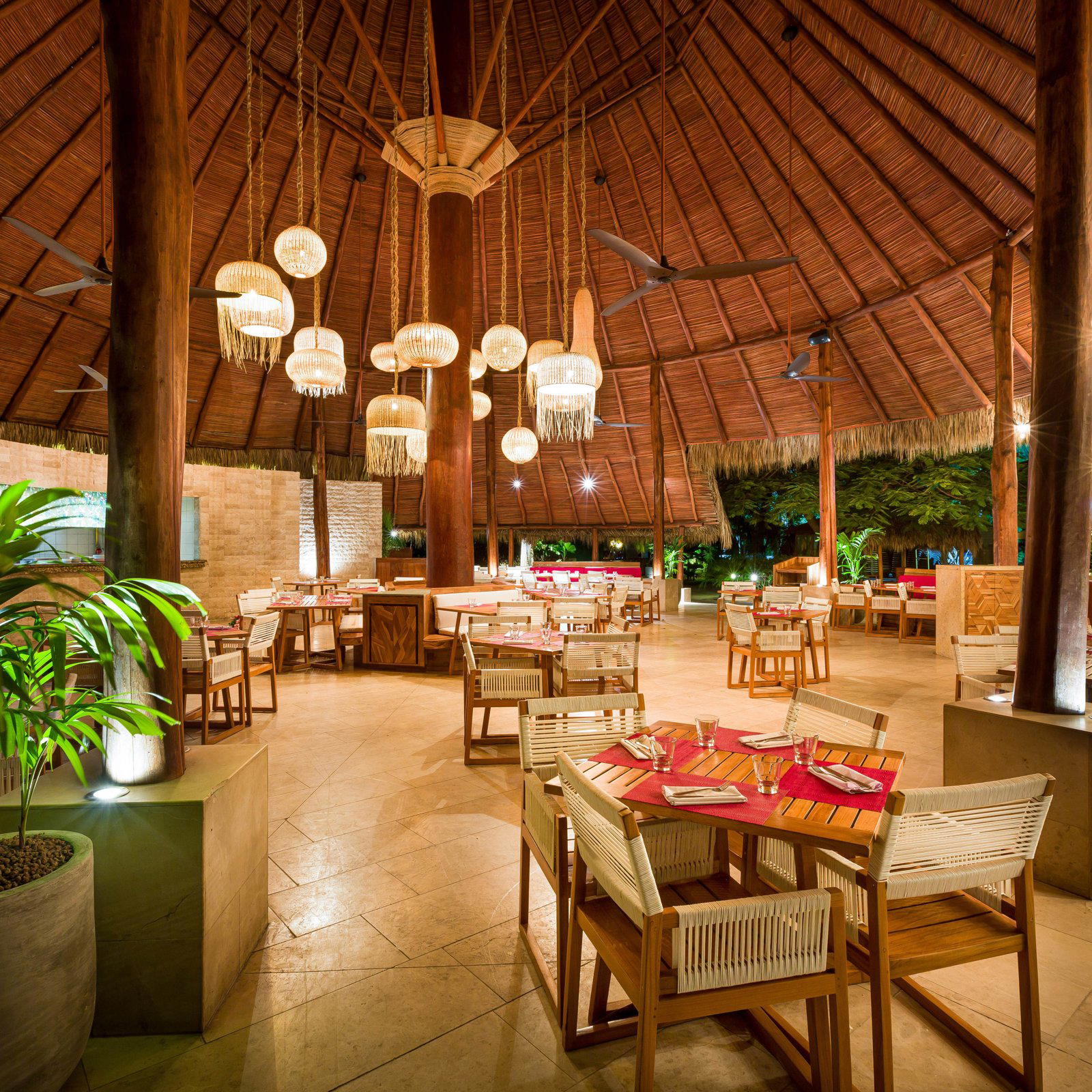
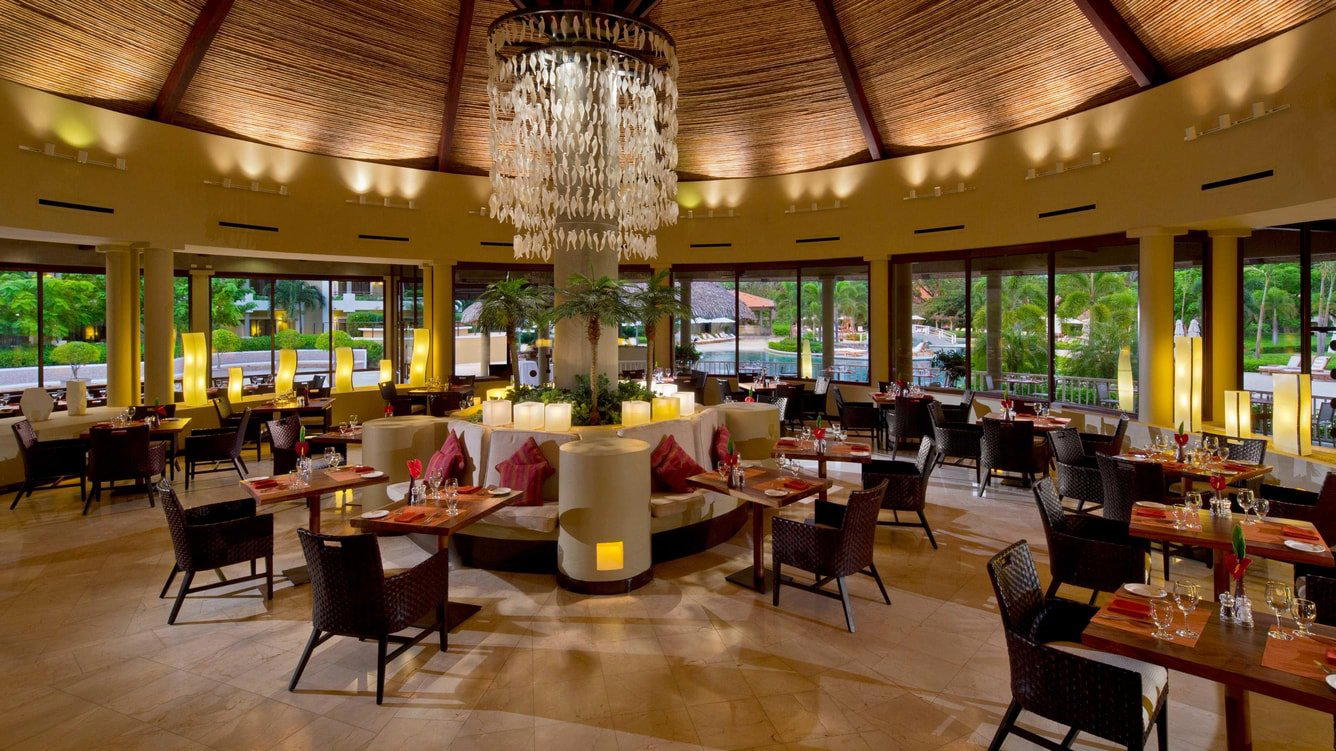
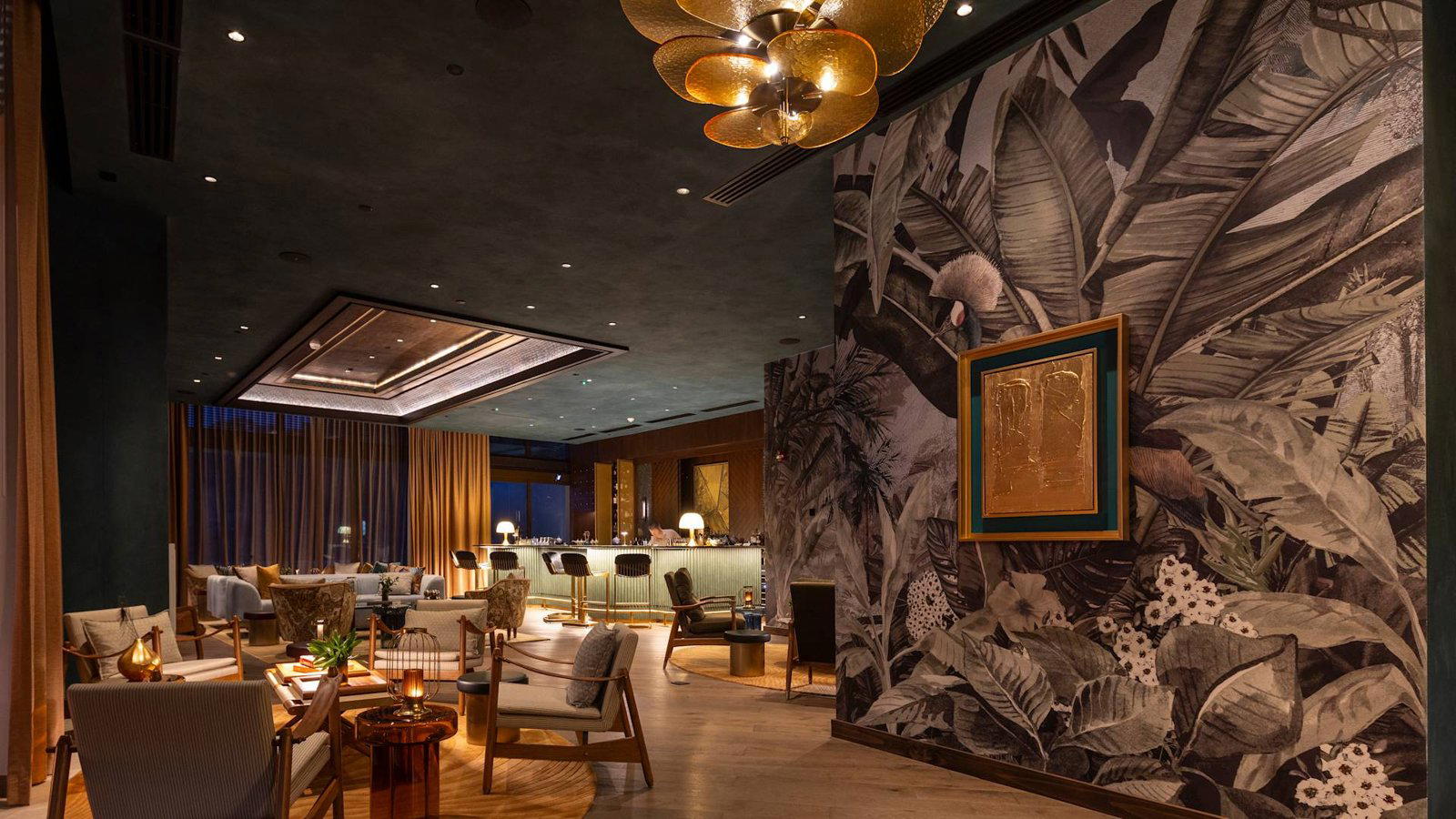
Romantic and chic atmosphere with modern, luminous design blending Asian and Moroccan influences, offering intimate cliffside dining with far-reaching ocean views.