Nayara Springs

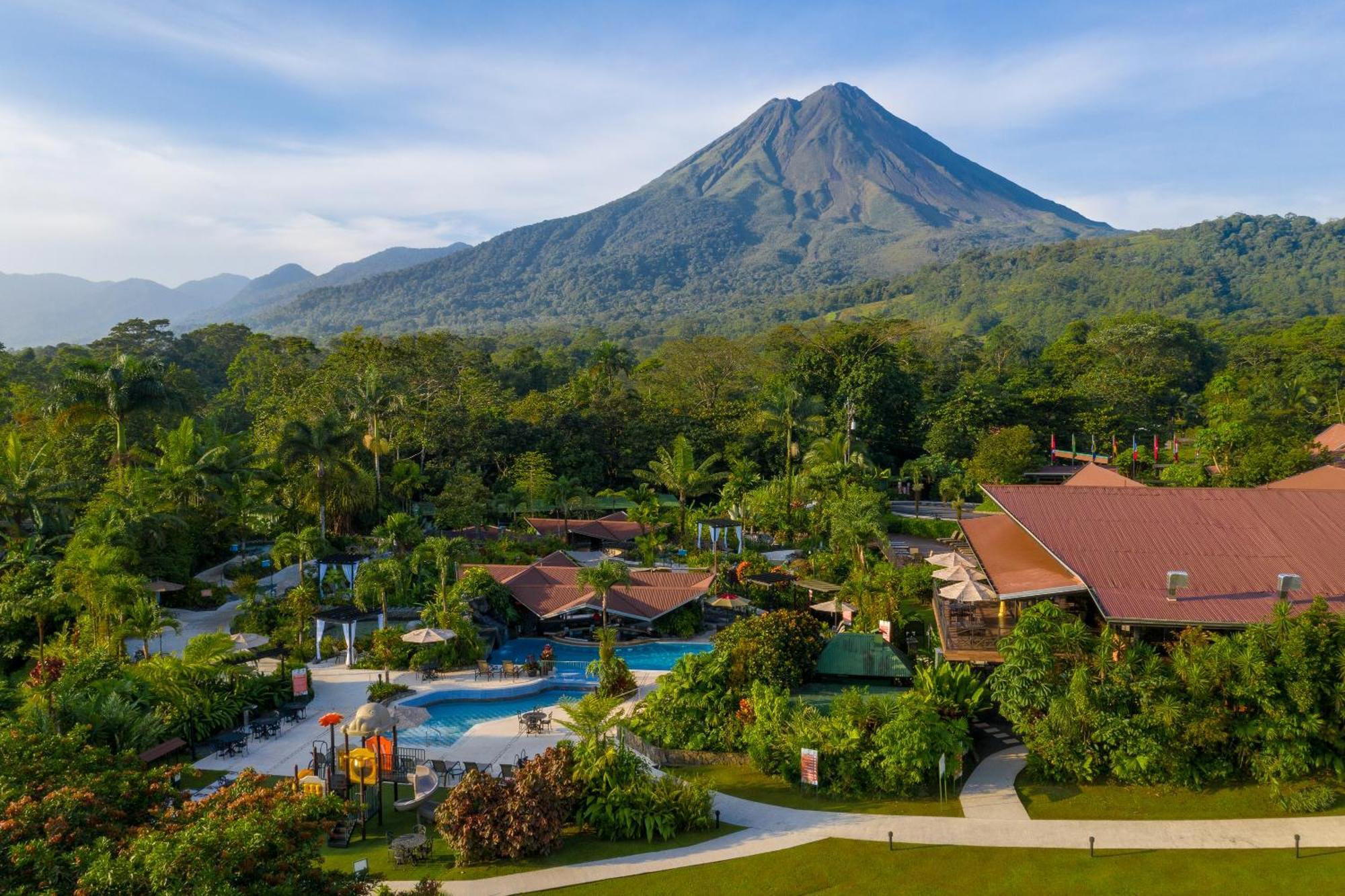
Set within the rainforest bordering Arenal Volcano National Park, Nayara Springs is an adults-only villa property that earns. The dining program, led by Chef William Weiss, draws on Costa Rican produce and tradition in a setting where the jungle is as present as the food. For travelers combining serious hospitality with access to one of Central America's most active natural environments, it occupies a distinct position in the La Fortuna area.
Pearl is the En Primeur Club membership app — saves, bookings, and concierge access live there. Same editors, same standards.
- Address
- de, Arenal Volcano National Park, 702 Road, Provincia de Alajuela, La Fortuna, 21007, Costa Rica
- Phone
- (888) 332-2961
- Website
- nayarasprings.com
- Directions
- Get directions
 Saves & bookings on Pearl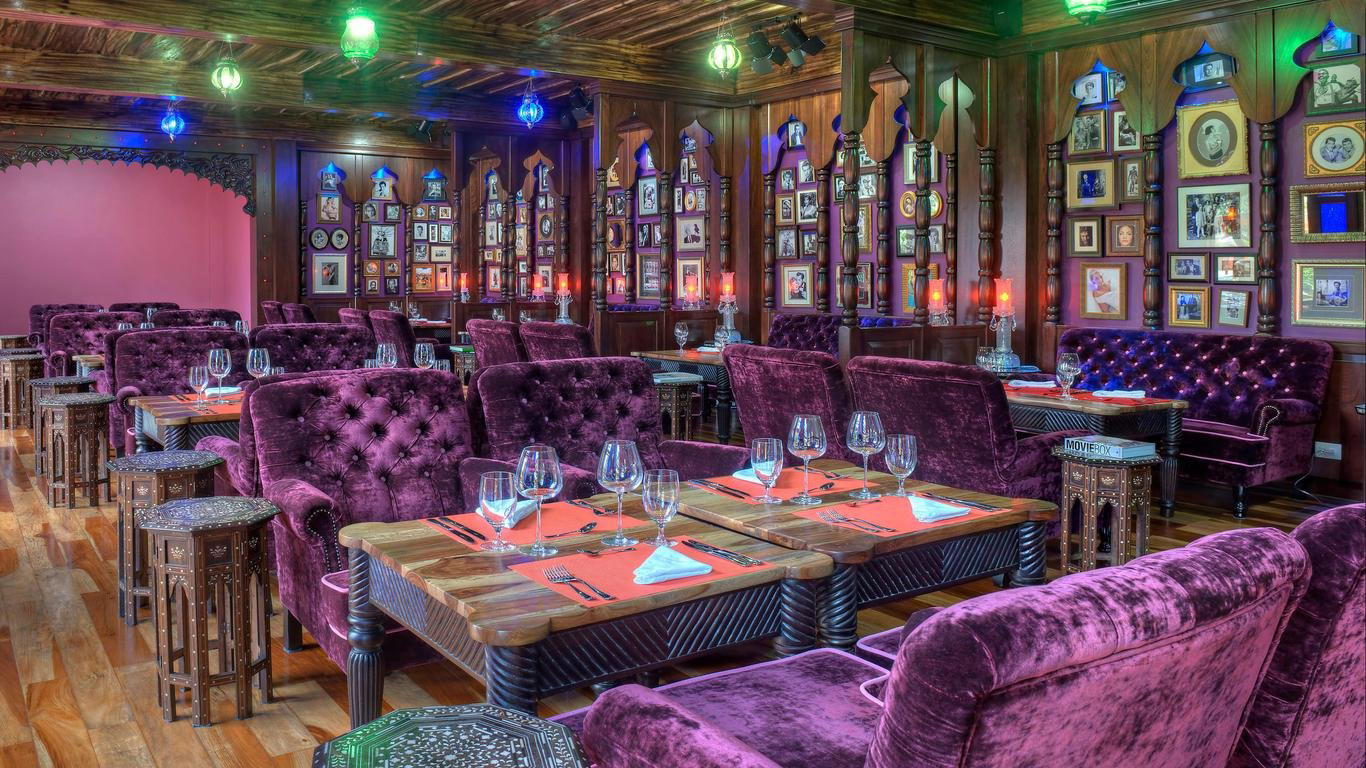
Where the Rainforest Sets the Terms
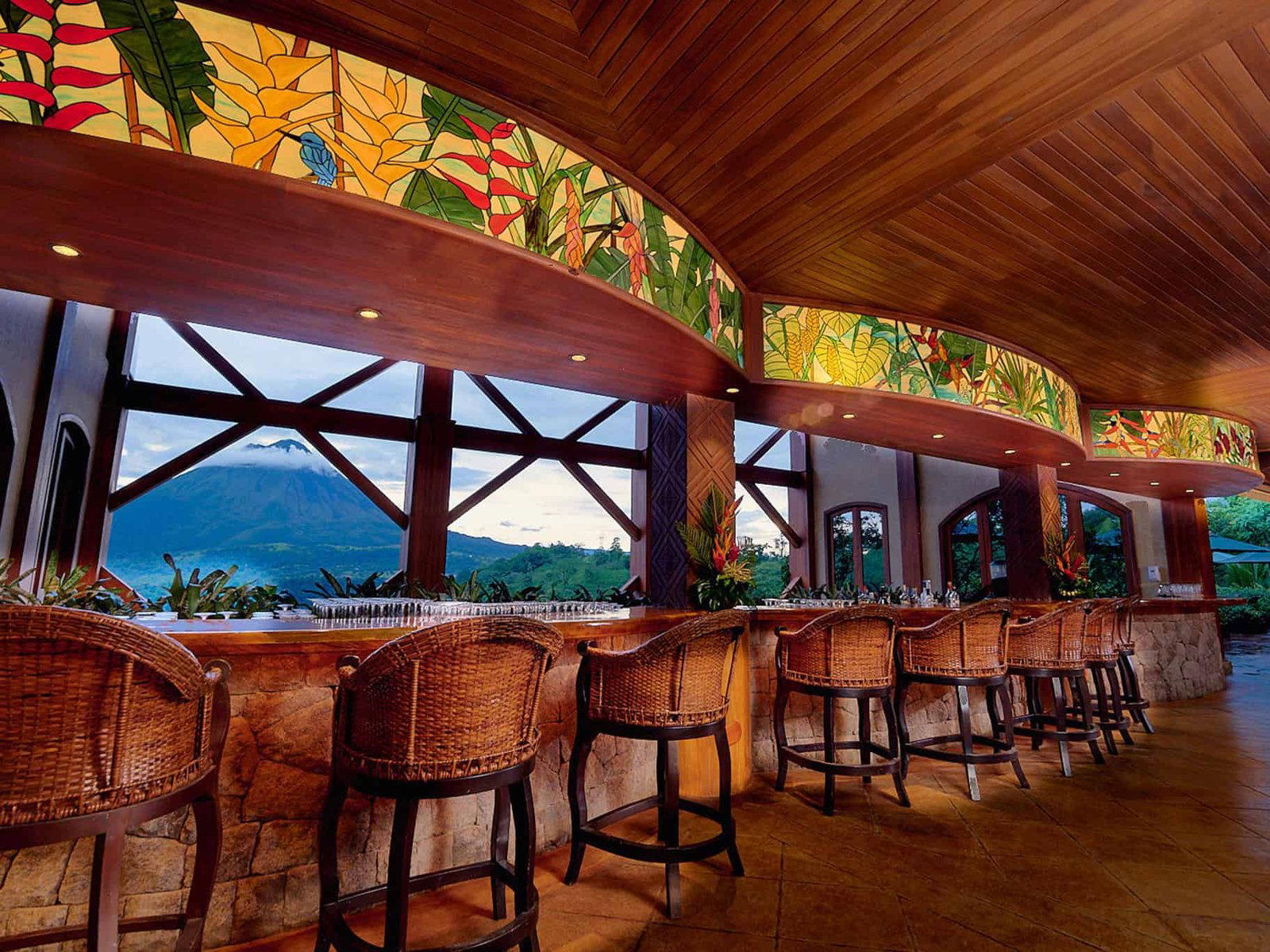
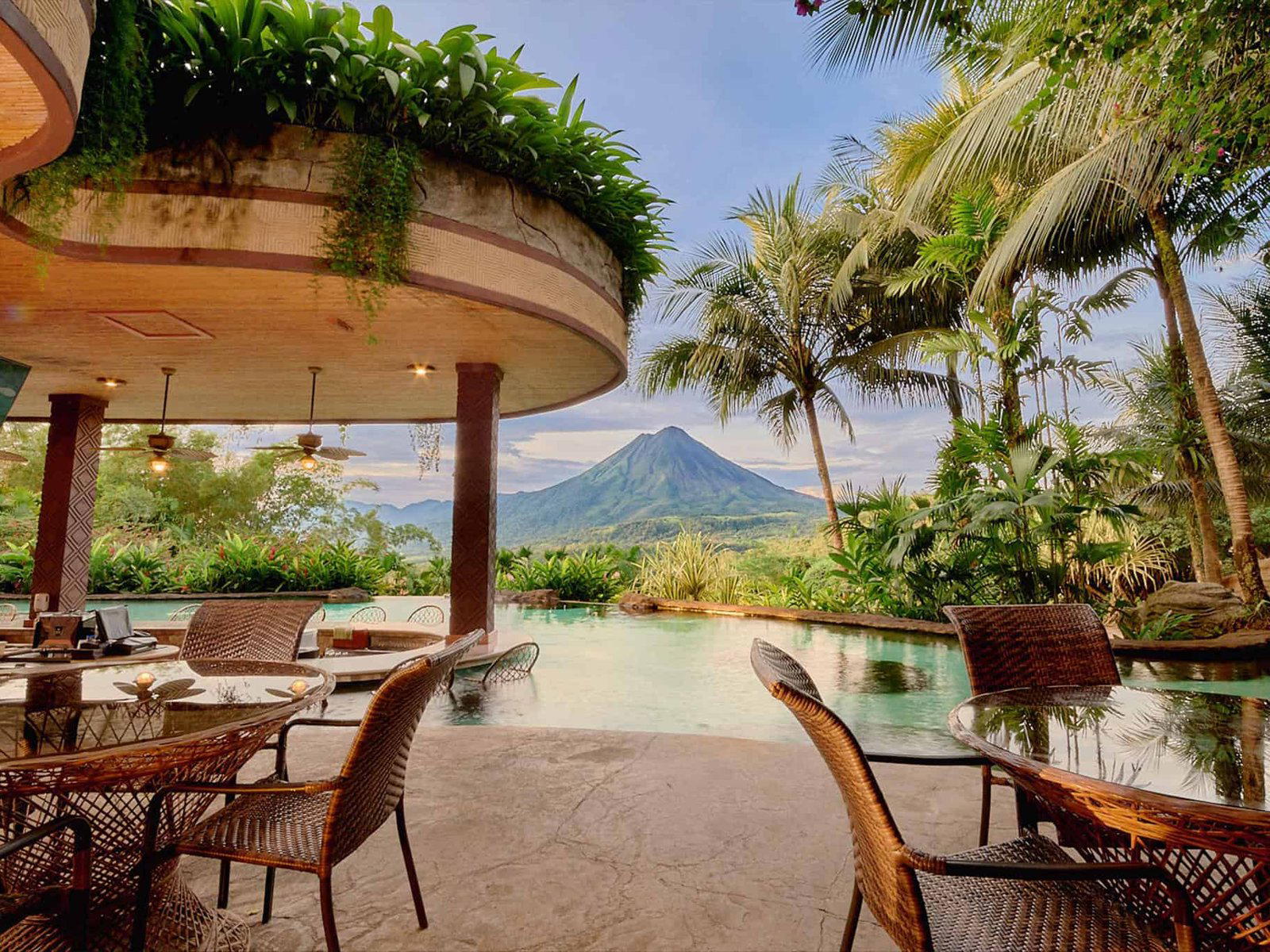
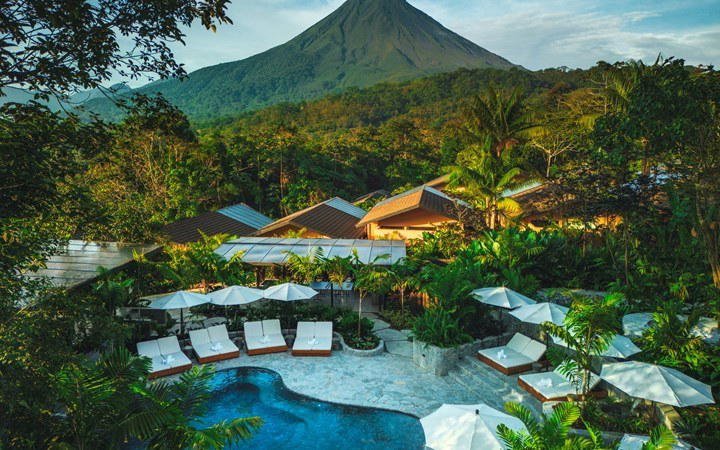
Arriving at Nayara Springs, the first thing that registers is not a lobby or a check-in desk but the sound of the rainforest asserting itself over everything else. The property sits inside the corridor that runs toward Arenal Volcano National Park, and the vegetation here is not decorative — it is structural. Paths move through it rather than around it. The private villas are positioned so that the canopy functions as both ceiling and context. This is not a resort that happens to be in Costa Rica; it is one shaped by the specific conditions of the Arenal zone, where the cloud forest meets volcanic terrain and the humidity is a physical presence year-round.
That environmental specificity matters for understanding the dining experience at Nayara Springs. Costa Rican cuisine in its most considered form is inseparable from geography — the volcanic soil of the Central Valley, the Pacific and Caribbean coastlines, the cloud forests of the interior. At properties operating at this tier in La Fortuna, the kitchen's relationship with local produce is not a branding choice but a practical reality: the ingredients that grow here are what the region has to offer, and working with them well is what distinguishes serious cooking from resort convenience food.
Chef William Weiss and the Costa Rican Culinary Tradition
The dining program at Nayara Springs operates under Chef William Weiss, whose work here sits within a broader pattern visible across Costa Rica's premium lodge tier. In properties of this format, adults-only, villa-scale, deeply embedded in a specific natural environment, the chef's role extends beyond the kitchen. Guides lead guests through the surrounding forest, and that same attentiveness to local knowledge shapes what arrives at the table. The culinary tradition Weiss works within is one grounded in rice, beans, fresh vegetables, tropical fruit, and the seafood and proteins particular to Costa Rica's varied ecosystems.
What distinguishes this approach from the generic 'local ingredients' positioning common across international resort dining is the specificity of place. The Arenal region produces particular herbs, root vegetables, and tropical fruits that don't feature in coastal or urban Costa Rican cooking in the same proportions. A kitchen that takes the locality seriously, as the structure and guides program at Nayara Springs implies, is working with a narrower, more defined pantry than a property importing from broader supply chains. That constraint, when treated as an asset rather than a limitation, produces cooking with a legible sense of origin.
Properties like El Silencio Lodge and Spa in Bajos del Toro and Sentido Norte in Las Catalinas represent comparable formats: lodge-scale hospitality with a Costa Rican culinary identity anchored to their specific regions. Casa Chameleon at Las Catalinas in Potrero takes a Latin American angle from a Pacific coastal position. Each property is doing something regionally distinct, and Nayara Springs' volcanic interior location gives its kitchen a different set of ingredients and cultural references than either a coastal or highland counterpart.
The Adults-Only Format and What It Implies
The adults-only structure at Nayara Springs shapes the entire rhythm of the property, including dining. Without the scheduling pressures of a family resort, meal services can move at a pace that supports longer, more considered eating. The private villa format extends that logic: guests are not moving between crowded shared spaces but between contained, quiet environments. For a property at this tier, that matters because the quality of a meal is not only a function of what arrives on the plate, it is the accumulated effect of pace, quiet, setting, and service cadence.
The experiential structure at properties like Conservatorium in Ciudad Colón or Conservatorium in San José reflects a similar prioritization of format discipline over volume. At the international reference tier, properties in the orbit of Alain Ducasse at Louis XV in Monte Carlo or Alléno Paris au Pavillon Ledoyen, the controlled-scale, high-attention format is precisely what justifies the positioning. Nayara Springs applies that same logic in a rainforest context.
Passion as Program: The Guided Experience Layer
The property's emphasis on what it calls passionate guides is not incidental to the food offering, it is part of the same philosophy. In the better lodge properties across Central America, naturalist guides function as the primary educational layer, and the kitchen often extends that logic: dishes reference what you saw in the forest that morning, or use ingredients harvested from the property's own planting areas. Whether Nayara Springs operates this integration formally or informally, the signal is clear: the dining here is meant to be read alongside the surrounding environment, not in isolation from it.
That pairing of guide program and kitchen program is what separates properties of this type from luxury hotels that happen to be located near natural attractions. The distinction matters for travelers making a decision about where to eat in the La Fortuna area. Booking a table at a property with this level of environmental and culinary integration is a different commitment than visiting a standalone restaurant. For guests staying on-property, the dining is already woven into the larger experience. For those visiting from outside, the context of the setting, the national park access, the volcano sightlines, the forest paths, is part of what frames the meal.
Planning Your Visit
San Carlos, the broader administrative zone covering the La Fortuna and Arenal area, sits approximately 120 kilometers from San José's Juan Santamaría International Airport. The road journey runs between two and three hours depending on route and conditions, with Route 702 serving as the primary access corridor to the property. GPS coordinates 10.5030, -84.6889 provide the most reliable navigation point. Given the property's location within the national park zone, advance planning on both accommodation and dining reservations is advisable, particularly during the December-to-April dry season when demand across the Arenal corridor increases substantially.
For travelers building a broader Costa Rica itinerary, our full San Carlos restaurants guide covers the wider dining scene in the region, while our San Carlos hotels guide maps the accommodation options across the area. The San Carlos bars guide, wineries guide, and experiences guide round out the full picture. Within the immediate La Fortuna dining scene, Saffron represents the Indian dining option in San Carlos, offering a contrast to the Costa Rican focus that defines properties like Nayara Springs. For those tracing Costa Rica's premium dining circuit further afield, the program at Nayara Springs connects to a pattern visible across the country's lodge tier that rewards travelers who treat meals as extensions of place rather than interruptions to it.
How Nayara Springs San Carlos compares with similar nearby venues.
| Venue | Cuisine | Awards |
|---|---|---|
| Nayara Springs | Costa Rican | Relais Chateaux Award (2025) |
| Cielito Lindo Pool Bar | Creative cooking | Not listed |
| Sentido Norte | Costa Rican | Not listed |
| El Silencio Lodge & Spa | Costa Rican | Not listed |
Recognition history
Dated appearances from independent guides and award organizations, with the underlying list record or original source where available.
Relais Chateaux Award
Relais Chateaux
Continue exploring
More in San Carlos
Restaurants in San Carlos
Browse all →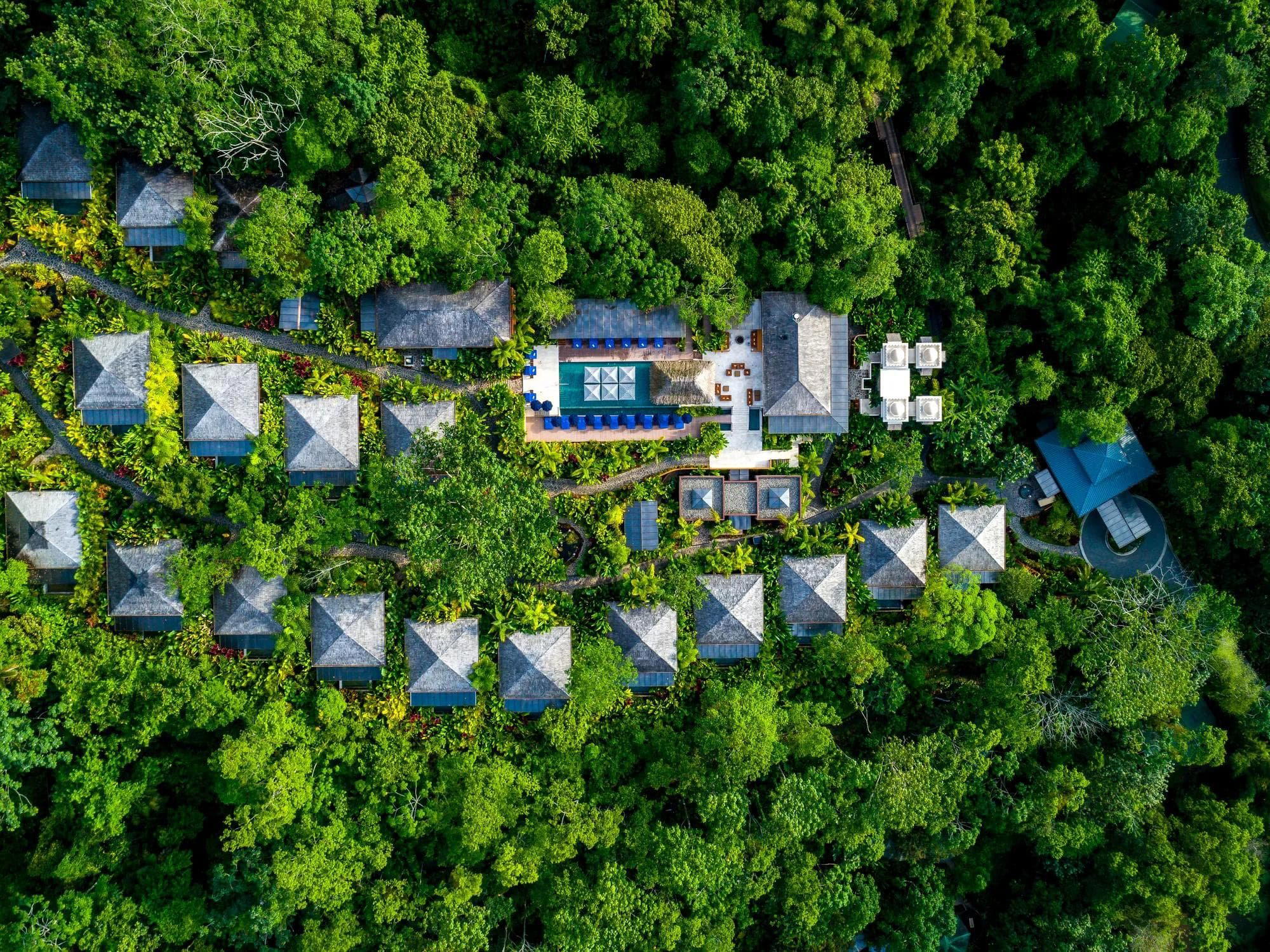
Bars in San Carlos
Browse all →


At a Glance
- Romantic
- Elegant
- Scenic
- Intimate
- Sophisticated
- Date Night
- Special Occasion
- Hotel Restaurant
- Garden
- Terrace
- Panoramic View
- Extensive Wine List
- Craft Cocktails
- Farm To Table
- Local Sourcing
- Mountain
- Garden
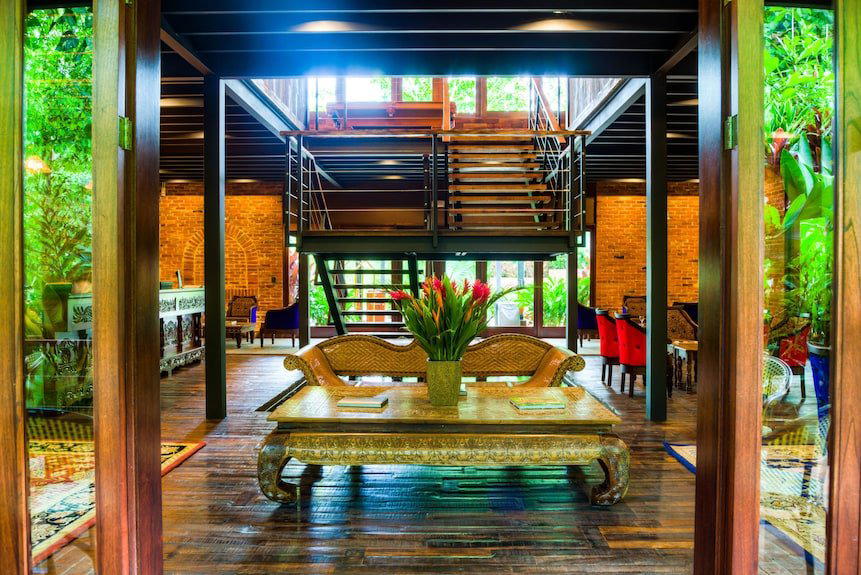
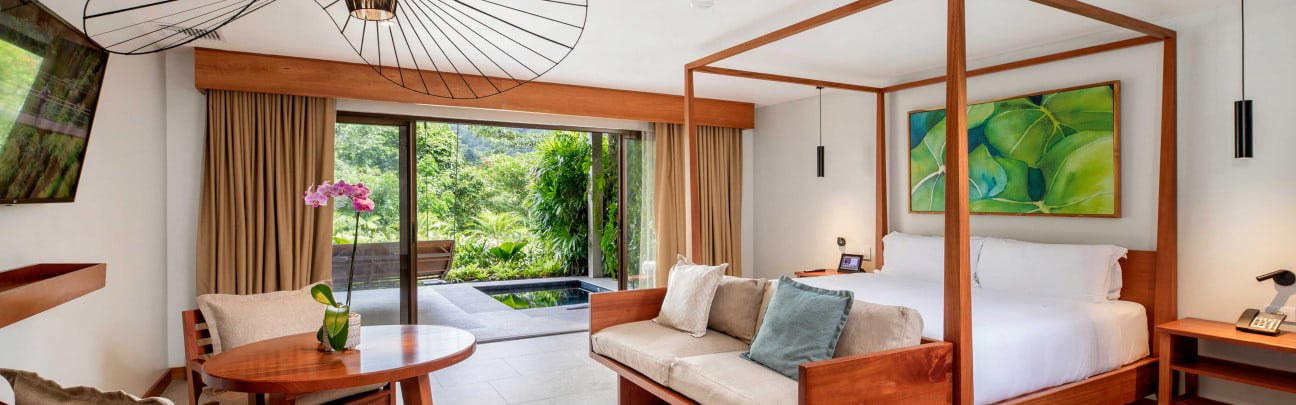
Serene and romantic with lush rainforest surroundings, warm lighting in open-air settings, and tranquil natural atmosphere.