Hotel Nantipa

Hotel Nantipa sits on the sand at Santa Teresa, one of Costa Rica's most sought-after Pacific surf stretches, framing its design around the ocean and sky — its name drawn from 'blue' in the native Nicoya tribal language. The property belongs to a small tier of boutique coastal retreats that trade scale for atmosphere, placing barefoot living at the centre of its proposition rather than the periphery.
Pearl is the En Primeur Club membership app — saves, bookings, and concierge access live there. Same editors, same standards.
- Address
- de, Main Street, Puntarenas Province, Santa Teresa, Costa Rica
- Phone
- (855) 626-8472
- Website
- nantipa.com
- Directions
- Get directions
 Saves & bookings on Pearl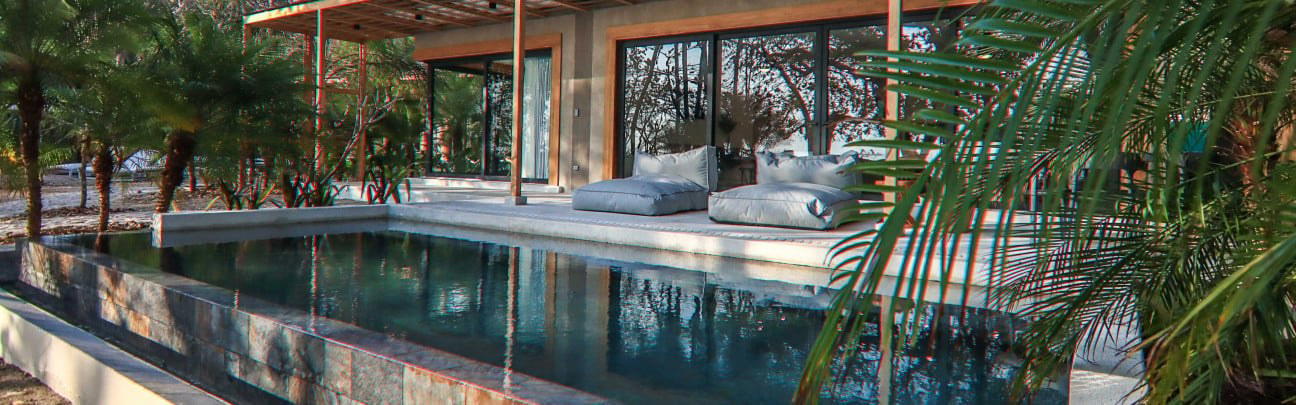
Where the Pacific Sets the Design Brief
Santa Teresa sits at the southern tip of the Nicoya Peninsula, reached by a combination of ferry crossing and unpaved coastal road — a deliberate friction that filters the crowd and keeps the stretch among Costa Rica's most genuinely low-key Pacific destinations. The village has attracted a specific type of traveller for two decades: surfers first, then the design-conscious retreaters who followed the waves and stayed for the pace. The accommodation tier has evolved to match, splitting between bare-bones surf camps and a smaller cohort of properties that take the barefoot register seriously enough to build an entire design philosophy around it. Hotel Nantipa belongs to that second group.
The property draws its name from the Nicoya tribal word for blue — a choice that signals something deliberate about how the hotel relates to its surroundings. In a coastal market where many properties name themselves after the landscape without meaningfully responding to it, grounding the identity in indigenous language is an editorial decision about belonging. The ocean and sky are not backdrops here; they function as the primary design references, shaping everything from material palette to the spatial logic of how the property meets the beach.
The Architecture of Barefoot Luxury
Costa Rica's boutique hotel market has developed a recognisable vocabulary over the past decade: open-sided structures, natural timber, thatch or recycled wood rooflines, and a studied blurring of indoor and outdoor thresholds. The approach borrows from the country's deep pedigree in eco-lodge design, properties like Lapa Rios in Puerto Jimenez and El Silencio Lodge in Bajos del Toro helped establish the template, and Nantipa applies that sensibility to a beachfront context where the Pacific is immediately present rather than framed through jungle canopy.
Barefoot luxury as an architectural concept demands more discipline than conventional luxury, not less. Removing the cues of formality (lobby grandeur, corridor length, concierge desk theatre) requires the space itself to carry authority through proportion, materiality, and light. The properties that execute this well, Kura Boutique Hotel in Uvita and Hotel Three Sixty in Ojochal are useful regional comparators, tend to share a limited key count, a direct relationship with the natural boundary condition (ocean, forest edge, ridge line), and a material language sourced close to the site. Nantipa's design operates in this register, with the beach functioning as the central organising axis of the property.
The contrast with larger-format Costa Rican luxury is instructive. Properties like the Andaz Costa Rica Resort at Peninsula Papagayo or the JW Marriott Guanacaste Resort in Santa Cruz operate at resort scale, with the amenity stack and physical footprint that scale demands. Nantipa competes in a different tier entirely, where intimacy and directness of experience substitute for breadth of facility. It is closer in spirit to Hacienda AltaGracia in Pérez Zeledón or Casa Chameleon at Las Catalinas, properties where the design and the setting do most of the work that a larger hotel would assign to programming and amenities.
Santa Teresa as Context
Understanding what Nantipa offers requires understanding what Santa Teresa has become. The town sits at the end of a road, literally and figuratively, on the Nicoya Peninsula's Pacific coast. It has none of the infrastructure of Manuel Antonio or the resort-belt feel of Guanacaste's northern beaches. What it has is one of the country's most consistent surf breaks, a food scene that punches above its population, and a community of long-term expat residents who have shaped the place into something that resists easy categorisation. For a first-time visitor to Costa Rica seeking the full resort experience, it is probably not the right starting point. For someone returning to the country and looking for a different register, or for a traveller specifically seeking the combination of surf access and design-conscious accommodation, it is among the more coherent choices on the Pacific coast.
The logistics of getting here are worth factoring into any planning decision. The most practical route from San José involves the Puntarenas ferry to Paquera, followed by a roughly two-hour drive south through Cobano. Some travellers opt for domestic flights to Tambor, cutting road time considerably. Whichever route is chosen, the journey itself communicates something about what Santa Teresa is: a place that requires a degree of commitment to reach, and that rewards that commitment with a pace and atmosphere the more accessible Pacific destinations cannot match. For broader Costa Rica planning context, our full Santa Teresa de Cobano guide covers the town's dining and accommodation across different tiers.
Placing Nantipa in the Boutique Beach Tier
At the northern end of the Nicoya Peninsula, Azura Resort in Sámara and Esh Hotel in Nosara occupy a similar design-led, limited-key position. On the southern Pacific, Arenas Del Mar in Aguirre and Los Altos Resort in Manuel Antonio represent the beachfront boutique model in a higher-traffic destination. Nantipa's position in Santa Teresa gives it a locational identity that most of these peers cannot replicate: direct access to a surf beach in a town that has not been overtaken by mass tourism infrastructure.
For travellers who have spent time at properties like Finca Rosa Blanca in the Central Valley or Hotel Belmar in Monteverde and are looking for the coastal equivalent of that considered, place-specific approach to hospitality, Nantipa sits in the right conversation. It is not trying to deliver the international luxury hotel experience in a coastal wrapper; it is building from the beach outward, letting the Pacific set the terms.
Planning a Stay
Santa Teresa's high season runs from December through April, when the dry season brings consistent conditions for both surf and beach access. The shoulder months of May and November offer lower rates and thinner crowds, with the tradeoff of occasional Pacific squalls that pass quickly but can affect the light and the sea state. The rains of the wet season (June through October) are heavier and more sustained, though many regulars prefer the green season's lush vegetation, reduced rates, and quieter beach. For a property whose entire design logic is built around outdoor living and ocean proximity, the dry season visit delivers the fullest version of what Nantipa is offering. Those with flexibility would do well to consider November, when the rains ease and prices have not yet climbed to peak levels.
Booking should be made directly through the property's website or by contacting them ahead of time, particularly for the December to April window, when the town's limited accommodation stock moves quickly. Nantipa operates in a price bracket above Santa Teresa's surf-camp baseline and below the all-inclusive resort tier, a positioning that reflects its boutique key count and design investment rather than the absence of a programmatic amenity stack.
Recognition history
Dated appearances from independent guides and award organizations, with the underlying list record or original source where available.
Mr & Mrs Smith Smith Seal of Approval
Mr & Mrs Smith
Small Luxury Hotels of the World Member
Small Luxury Hotels of the World
Continue exploring
More in Santa Teresa de Cobano
Hotels in Santa Teresa de Cobano
Browse all →
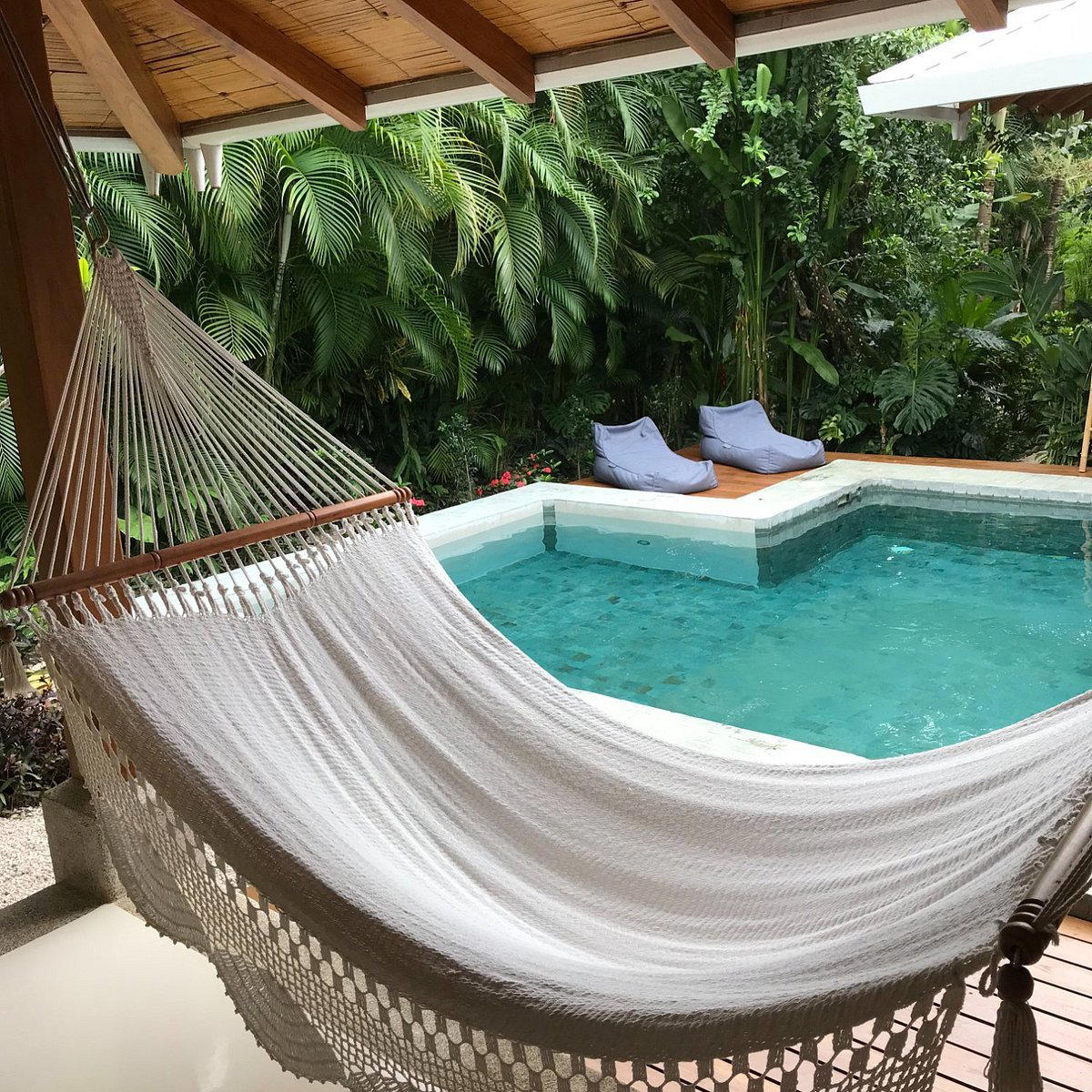

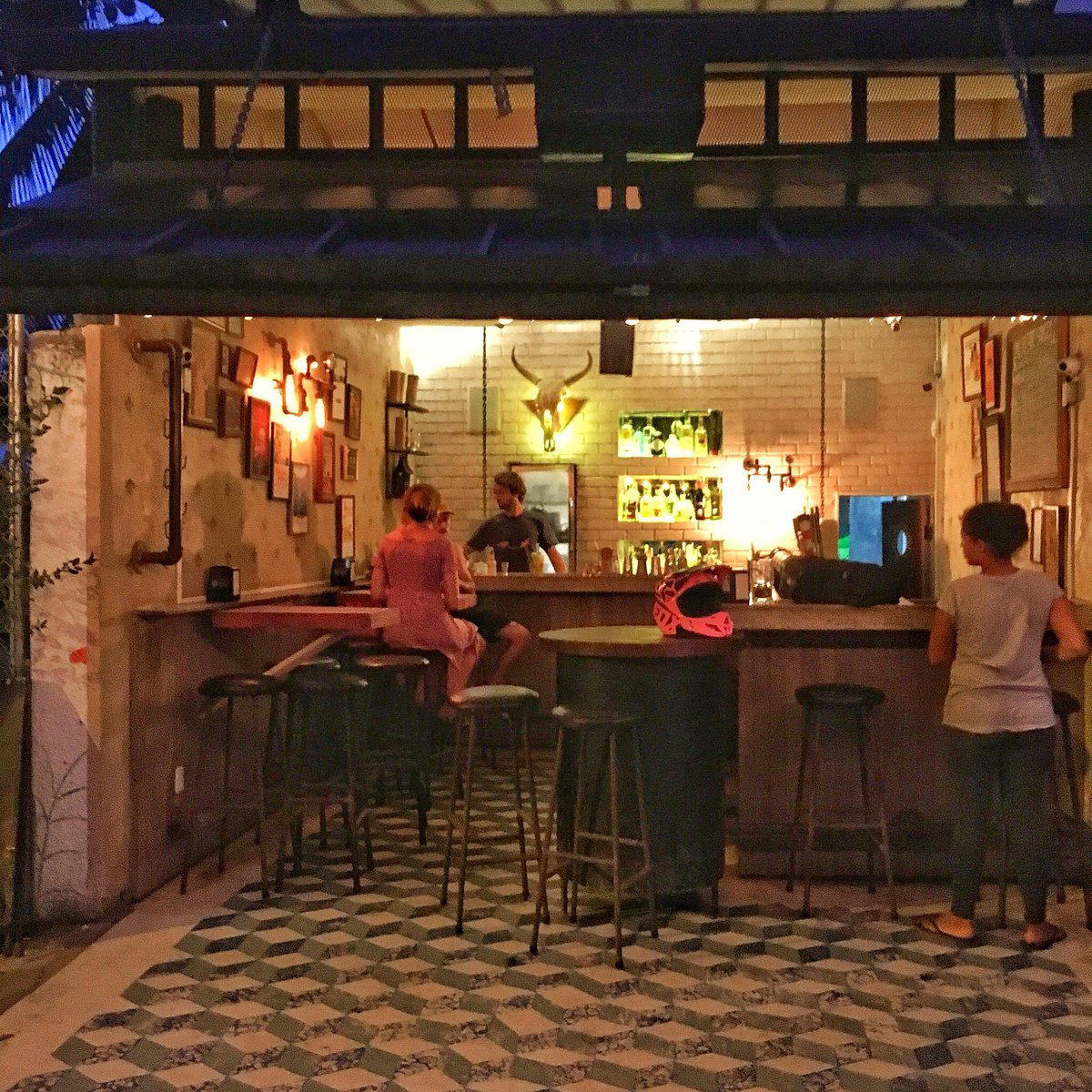
Bars in Santa Teresa de Cobano
Browse all →
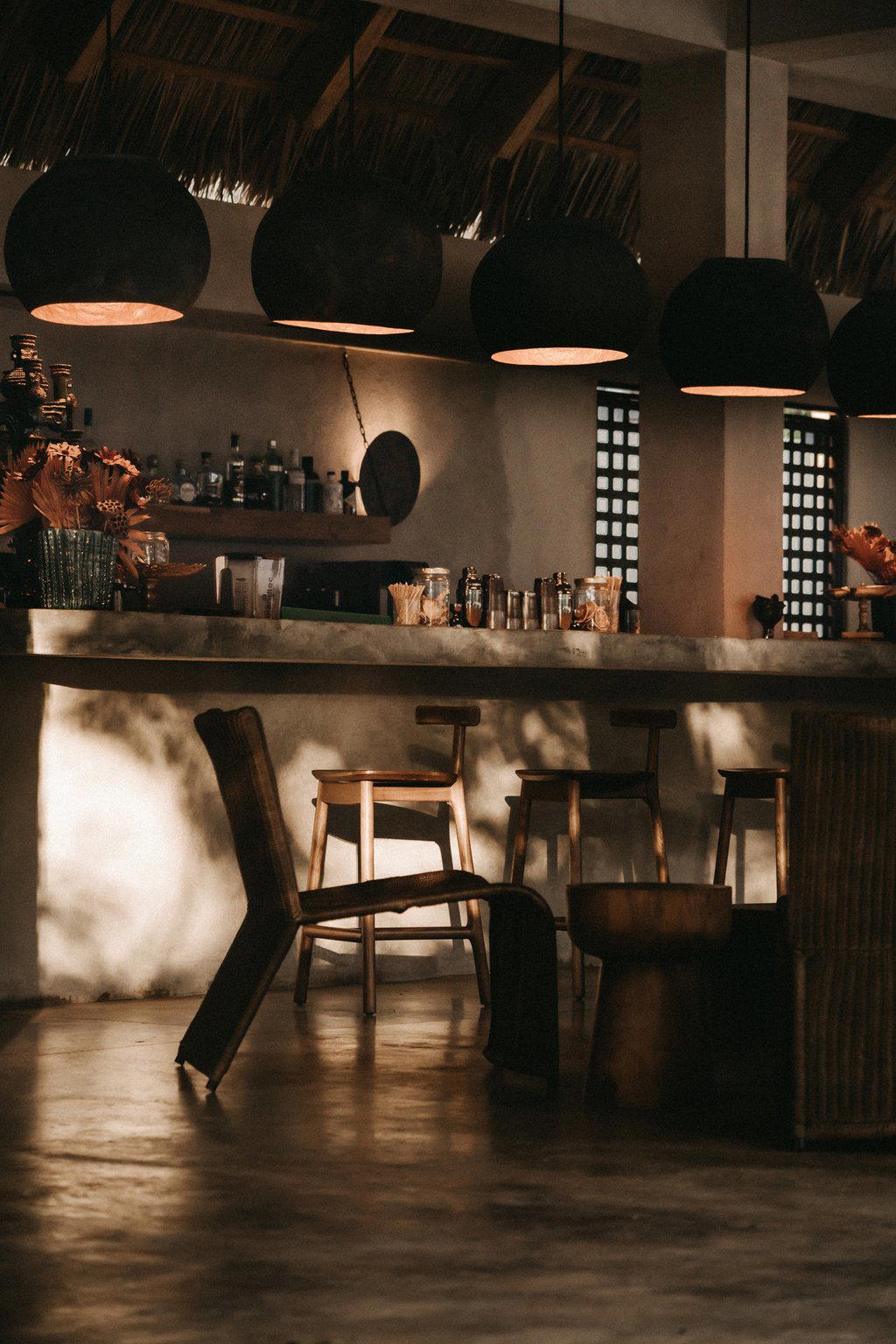
Restaurants in Santa Teresa de Cobano
Browse all →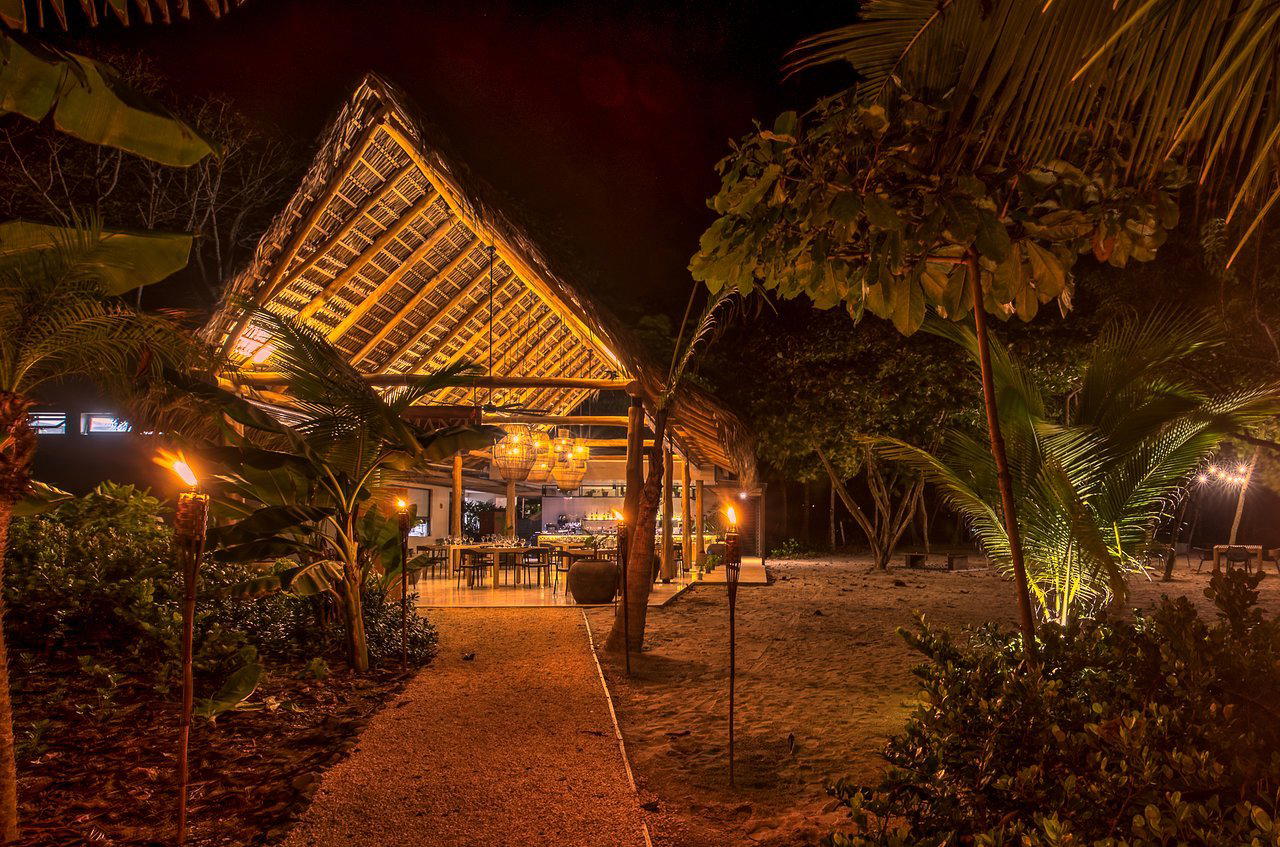
At a Glance
- Romantic
- Scenic
- Elegant
- Bohemian
- Intimate
- Honeymoon
- Romantic Getaway
- Wellness Retreat
- Anniversary
- Weekend Escape
- Beachfront
- Infinity Pool
- Private Villa
- Destination Spa
- Panoramic View
- Private Dining
- Terrace
- Garden
- Wi Fi
- Pool
- Spa
- Room Service
- Concierge
- Beach Access
- Restaurant
- Bar
- Laundry Service
- Parking
- Waterfront
- Garden
- Wi Fi
- Pool
- Spa
- Room Service
- Concierge
- Beach Access
- Restaurant
- Bar
- Laundry Service
- Parking
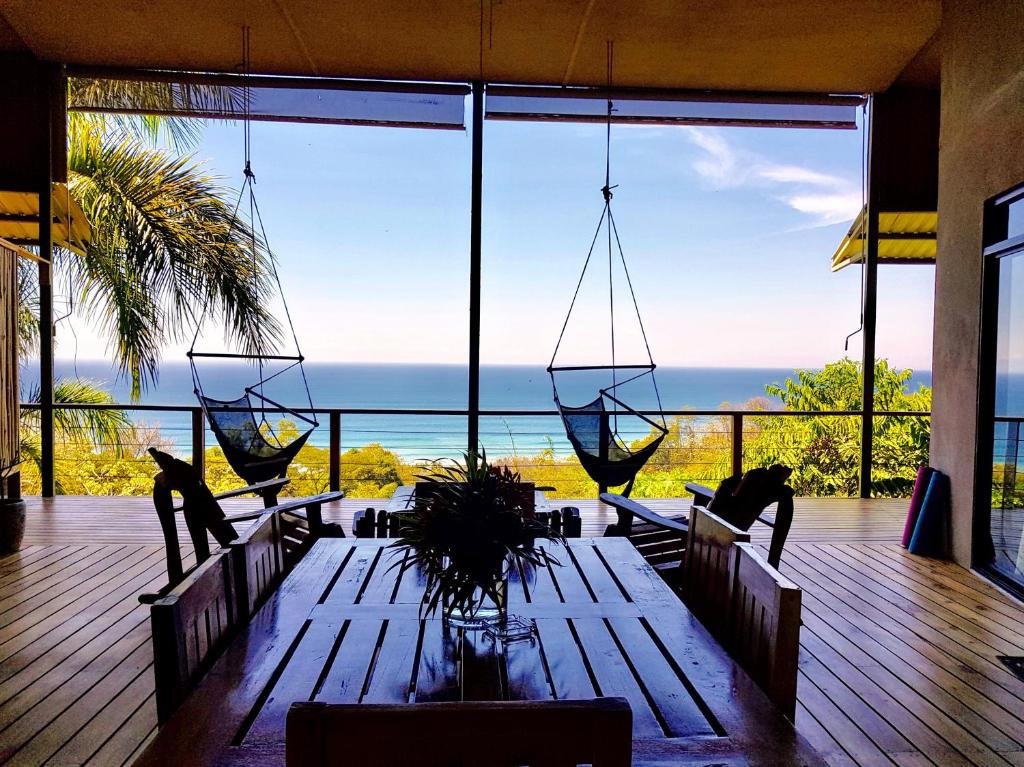
Serene and inviting with natural materials, soft lighting, and seamless indoor-outdoor living; sunset views from the beachfront restaurant create a tranquil, sophisticated atmosphere enhanced by the sounds of waves and jungle surroundings.