Our verdict
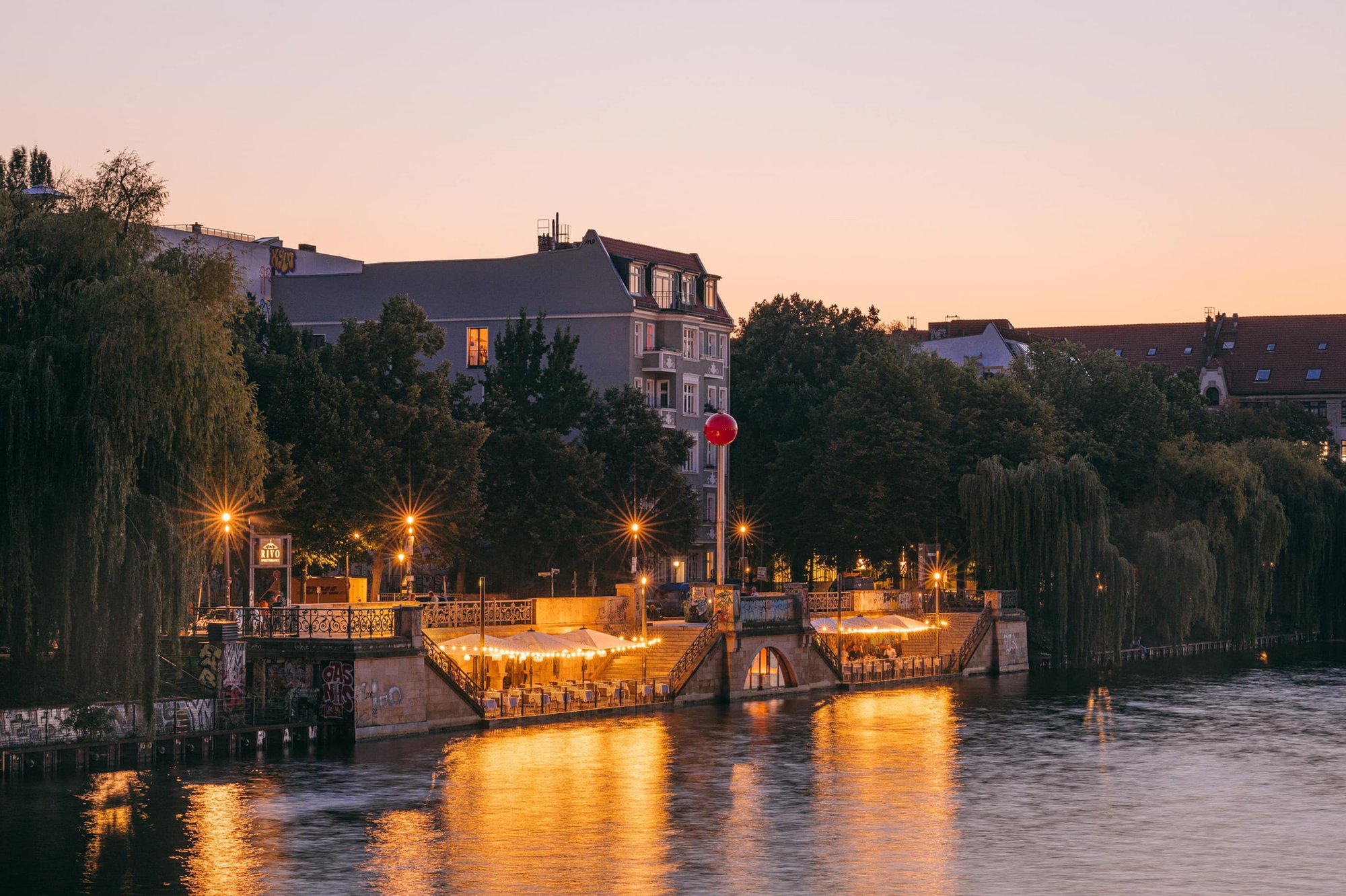
On the east bank of the Spree in Kreuzberg, RIVO Spreeterrassen occupies one of Berlin's most direct waterfront positions, with terrace seating that places the river at arm's length rather than as backdrop. The address on May-Ayim-Ufer 9 puts it in a neighbourhood where the dining offer has grown considerably more considered over the past decade, making it a reference point for the area's evolving food character.

Pearl is the En Primeur Club membership app, where members save venues, book tables and use the concierge.
The menu
What to order
- Dorade 'Rose' mit Erbsen-Falafel
- Arancini
- Beef Tartare
Where the Spree Sets the Tempo
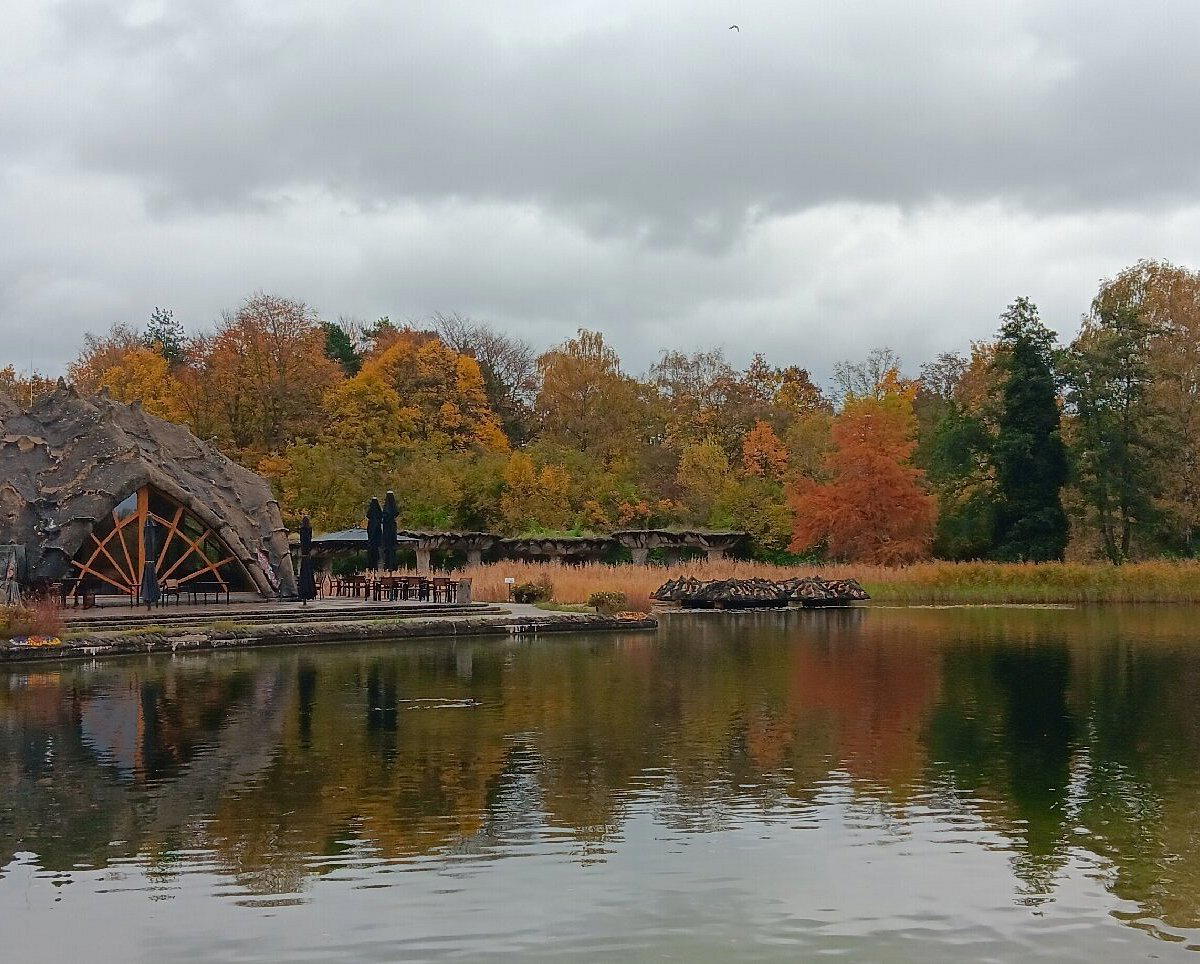
Berlin's waterfront dining has a complicated history. For much of the post-reunification era, riverside terraces in the city meant plastic furniture, beer by the litre, and a view that was the entire point. That model has not disappeared, but it has been joined by something more considered: venues where the water is context rather than compensation, and where what arrives on the table can hold its own against the setting. RIVO Spreeterrassen, at May-Ayim-Ufer 9 in Kreuzberg, sits within this shift. The terrace faces the Spree directly, without the buffer of a road or planted barrier that dilutes the effect at many comparable addresses, and the result is a proximity to the water that is uncommon even by the standards of a city with significant riverfront real estate.
Kreuzberg's Dining Character and Where RIVO Fits
The SO36 and Wrangelkiez sections of Kreuzberg have spent the better part of two decades building a dining identity that resists easy categorisation. The neighbourhood is not Mitte, with its concentration of destination restaurants drawing international visitors specifically for the table. It is not Prenzlauer Berg, where a certain domesticated comfort food aesthetic has calcified. Kreuzberg's food offer skews younger in sensibility, more willing to sit Turkish and Korean and new-European within the same block, and less interested in the kind of formal signalling that defines the city's Michelin tier. Berlin's leading end, represented by places like Rutz, Nobelhart & Schmutzig, and FACIL, operates in a different register entirely, where tasting menus at €€€€ price points and Michelin stars function as the primary sorting mechanism. RIVO operates outside that formal hierarchy while still addressing a guest who wants more than a beer and a sunset.
That positioning matters. In a city where the gap between the casual and the seriously ambitious can feel very wide, venues that occupy the middle ground with genuine intent rather than apology serve a real function. The Spree-facing terrace is the most immediate draw, but a venue that relies on its view alone tends to disappoint returning visitors. The interest in RIVO's longer-term reputation depends on whether the kitchen sustains attention once the light off the water fades.
The Intersection of Place and Technique
Germany's restaurant culture has, over the past fifteen years, developed a sophisticated conversation between local agricultural identity and externally sourced technique. The version that gets the most attention is the hyper-regional model associated with restaurants like Nobelhart & Schmutzig, where the supply chain is a declared ideology. But there is a parallel and less doctrinaire current, common to mid-tier urban dining across Hamburg, Munich, and Berlin, in which imported methods (from French classical training, from Japanese precision approaches, from Scandinavian fermentation logic) are applied to Brandenburg produce, North Sea catch, and German cured traditions without the ideological declaration. This approach is quieter and arguably more widespread. It is also the mode in which a riverside restaurant with genuine kitchen ambition is most likely to operate, since it allows seasonal flexibility and menu range without requiring the kind of locked-in sourcing network that a purely regional program demands.
For context, the broader German fine dining scene, from Aqua in Wolfsburg and Schwarzwaldstube in Baiersbronn to Victor's Fine Dining by Christian Bau in Perl and Waldhotel Sonnora in Dreis, demonstrates how German kitchens have absorbed French classical structure and integrated it with regional ingredient logic. That synthesis now filters down into neighbourhood dining at various price points. JAN in Munich, Schanz in Piesport, and Bagatelle in Trier each represent versions of this synthesis at different scales and ambitions. Restaurant Haerlin in Hamburg and Vendôme in Bergisch Gladbach occupy the upper bracket. ES:SENZ in Grassau shows how destination dining can function outside major urban centres. RIVO, with its Kreuzberg address and waterfront format, sits in a different tier but participates in the same broader conversation about what German ingredients can do under considered technique.
Internationally, the tension between indigenous product and imported method has produced some of the most distinctive food of the past decade. Atomix in New York City frames Korean technique and Korean produce within a fine dining structure borrowed from the West, while Le Bernardin demonstrates how a single-minded focus on seafood at the highest technical level creates its own category. Berlin's version of this dialogue is less codified, more pluralistic, and in places like Kreuzberg, more openly experimental.
Terrace Timing and Practical Expectations
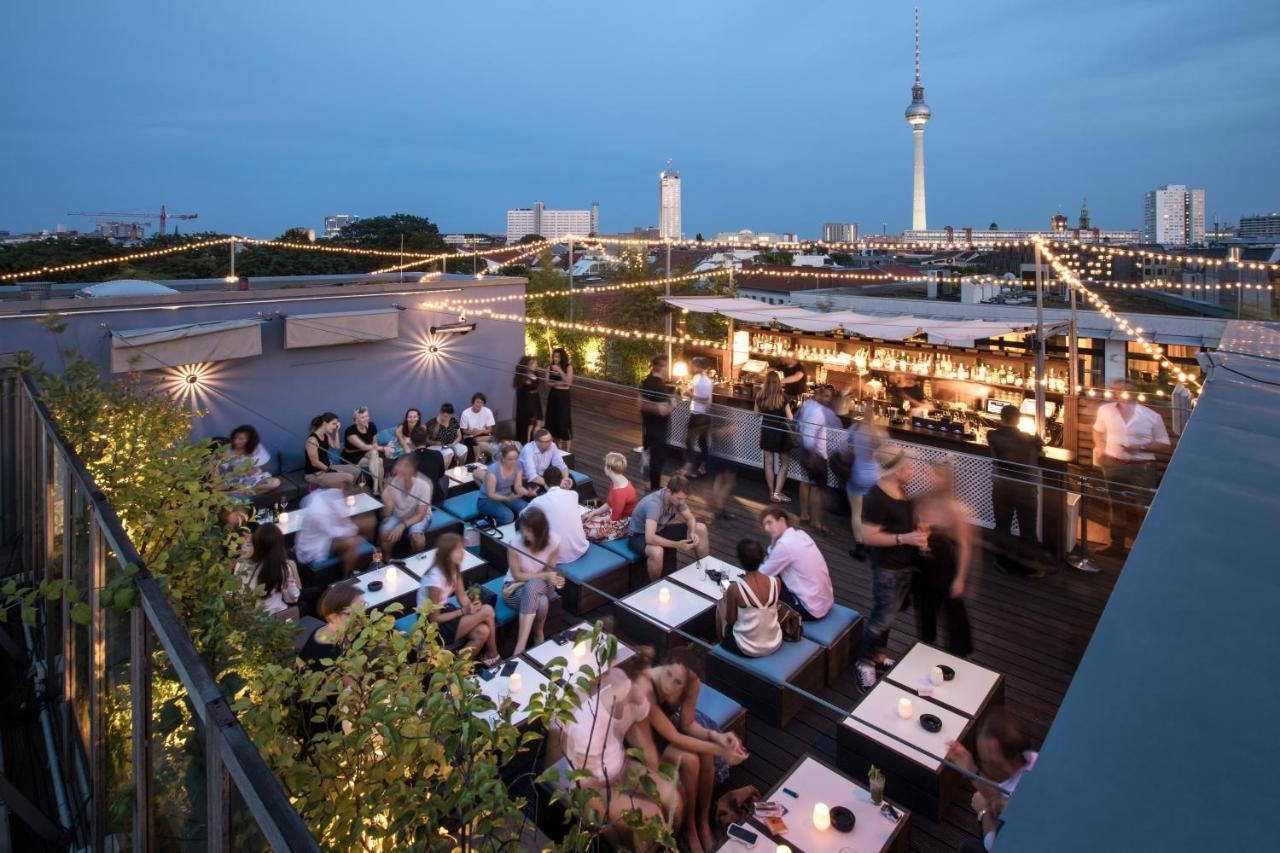
Waterfront terraces in Berlin operate on a compressed season. The Spree corridor is wind-exposed, and the city's shoulder months, April and October, can shift from warm afternoon dining to cold evening discomfort within hours. The viable outdoor window at an east-bank address like May-Ayim-Ufer runs reliably from late May through early September, with July and August representing peak demand. Visitors planning specifically for the terrace experience should factor this window into their timing. Berlin's dining room culture means that indoor service continues through colder months, but the specific draw of river-facing dining is a seasonal proposition.
For those mapping a broader Berlin visit around serious eating, the city's Michelin-recognised tier includes CODA Dessert Dining, which has built a reputation on a dessert-led tasting menu format that sits outside conventional meal structure, and Restaurant Tim Raue, where Chinese technique is applied to a menu that reads as German in its ingredient sourcing. Both represent the city's most internationally recognised dining propositions. RIVO addresses a different need: waterfront atmosphere with neighbourhood-scale ambition, in a part of the city where the formal dining tier is underrepresented. Our full Berlin restaurants guide maps the city's offer across all price points and neighbourhoods.
Planning Your Visit
Address: May-Ayim-Ufer 9, 10997 Berlin, Kreuzberg. Reservations: Leading season: Late May through early September for outdoor dining; indoor service available year-round. Neighbourhood context: The address sits on the east Spree bank in Kreuzberg, within walking distance of Schlesisches Tor U-Bahn station, which connects directly to central Berlin via the U1 line.
Frequently asked questions
Where is RIVO Spreeterrassen in Berlin?
RIVO Spreeterrassen is located at May-Ayim-Ufer 9, 10997 Berlin, Germany, Berlin.
Is RIVO Spreeterrassen suitable for a summer evening along the Spree in Berlin?
The May-Ayim-Ufer 9 location on the east bank of the Spree in Kreuzberg makes RIVO one of the few dedicated dining venues with direct river frontage in that corridor. Berlin's waterfront terrace season runs roughly May through September, with the Spree corridor notably wind-exposed during shoulder months. Visiting on a weekday evening during peak summer gives the best chance of securing a riverside position without the weekend pressure.
What should I order at RIVO Spreeterrassen?
Confirmed menu data for RIVO Spreeterrassen is not available at time of publication. The May-Ayim-Ufer 9 address in Kreuzberg places it within a neighbourhood where kitchens tend to draw on seasonal German produce alongside influences from the area's international dining scene.
Should I book RIVO Spreeterrassen in advance?
Spree-facing terrace seats in Kreuzberg move quickly on summer weekends, and the stretch of May-Ayim-Ufer where RIVO sits has limited direct riverfront dining competition. Specific reservation policies have not been confirmed at time of publication, so contacting the venue directly is advised, particularly if you want a front-row position on the water during peak season.
Style and Standing
Comparable venues nearby, for context on price, style, and recognition.
| Venue | Cuisine | Price | Awards | Notes |
|---|---|---|---|---|
| RIVO SpreeterrassenThis venue (the venue you are viewing) | Modern Mediterranean with Israeli influences | $50–100 | Not listed | Not listed |
| Anabelas | Portuguese-Inspired Mediterranean | Not listed | Star Wine List | Charlottenburg |
| Lode & Stijn | Modern European Bistro with Dutch-Scandinavian Influences | Not listed | Not listed | Mitte |
| Jasper's Mitte | Austrian & Bavarian Schnitzel House | $30–50 | Not listed | Scheunenviertel |
| Gärtnerei | Modern German-Austrian Gastropub | $30–50 | Not listed | Mitte |
| Kramer Restaurant | Modern Open Fire Fusion | $50–100 | Not listed | Neukolln |
Continue exploring
More in Berlin
Restaurants in Berlin
All restaurants in Berlin →
Bars in Berlin
All bars in Berlin →

Details
- Scenic
- Elegant
- Modern
- Romantic
- Date Night
- Special Occasion
- Group Dining
- Waterfront
- Terrace
- Extensive Wine List
- Waterfront
- Street Scene
- A La Carte
- Vegetarian Friendly
- Vegan Options
Current opening hours
- Monday
- 5–11 PM
- Tuesday
- 5–11 PM
- Wednesday
- 5–11 PM
- Thursday
- 5–11 PM
- Friday
- 5 PM–12 AM
- Saturday
- 5 PM–12 AM
- Sunday
- 5–11 PM
Hours can change for holidays and private events. Hours as of .
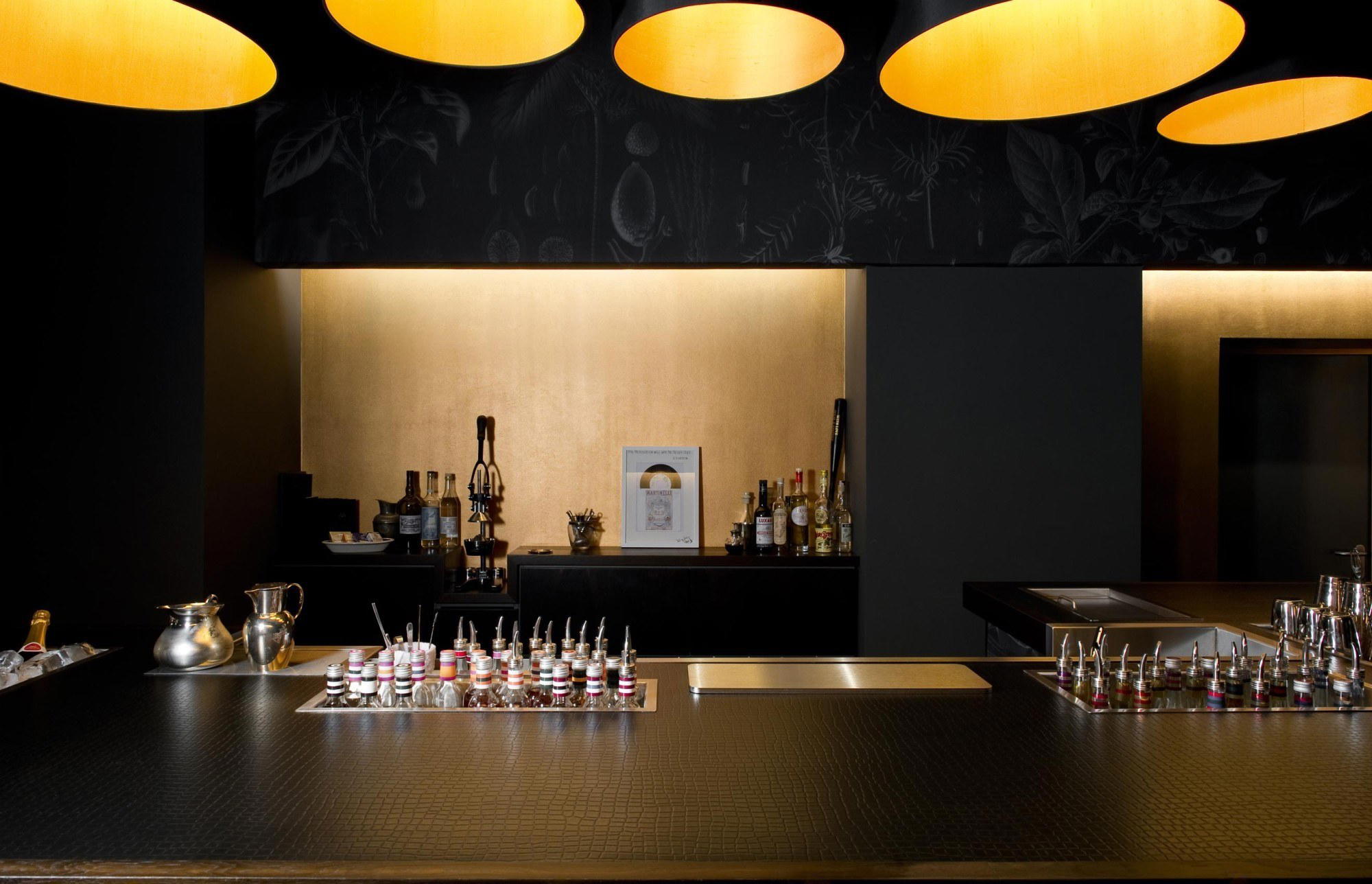
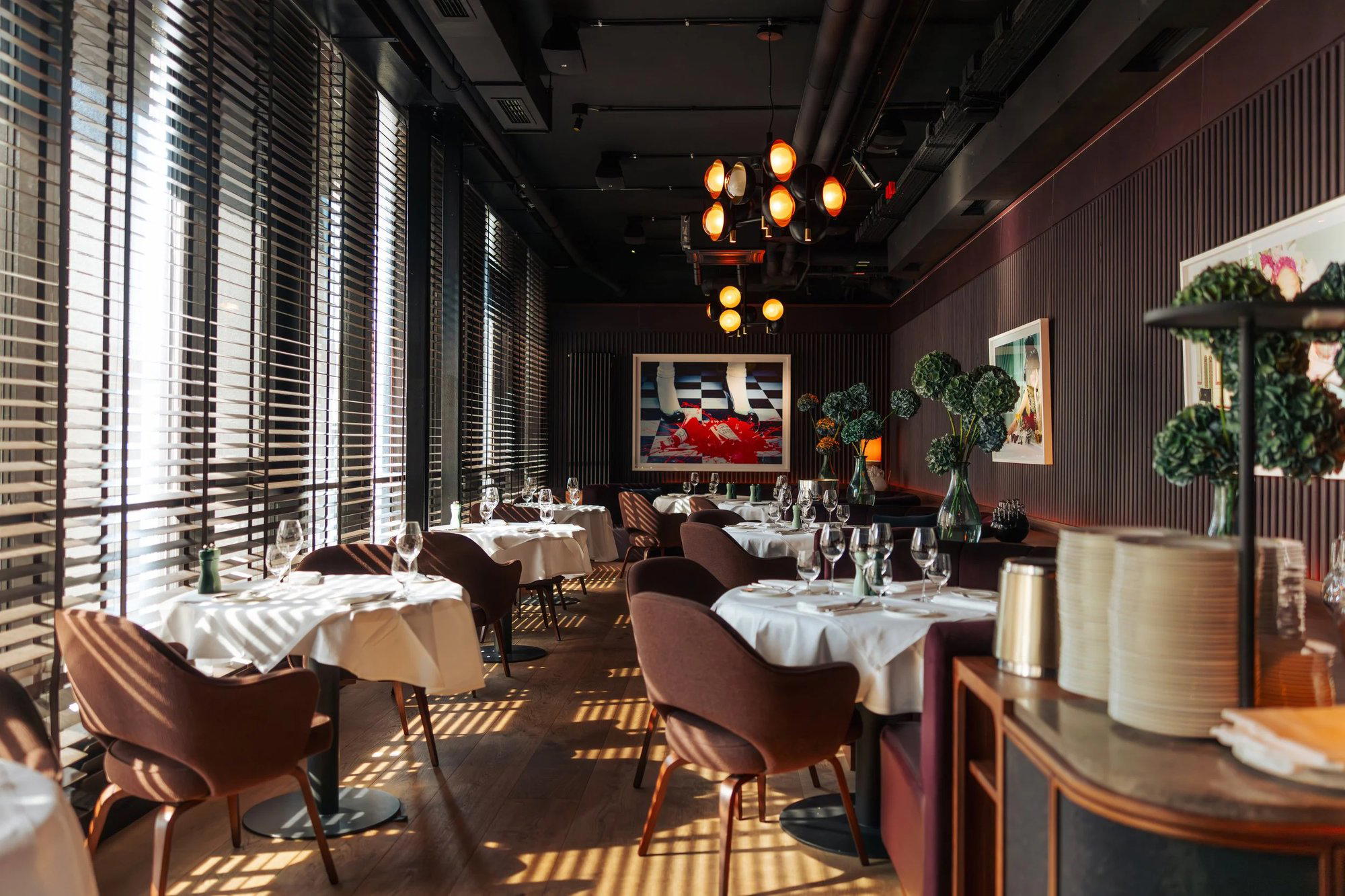
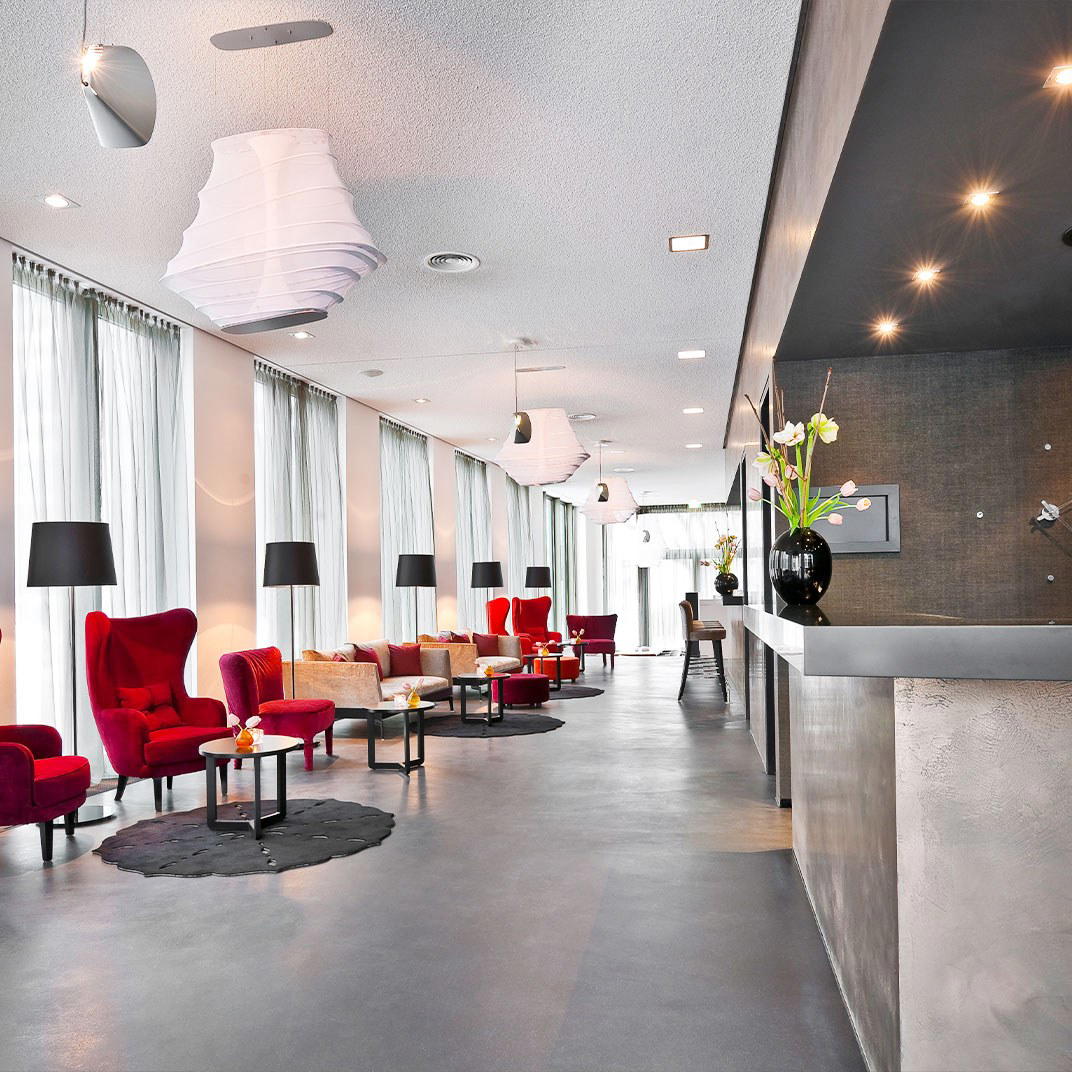
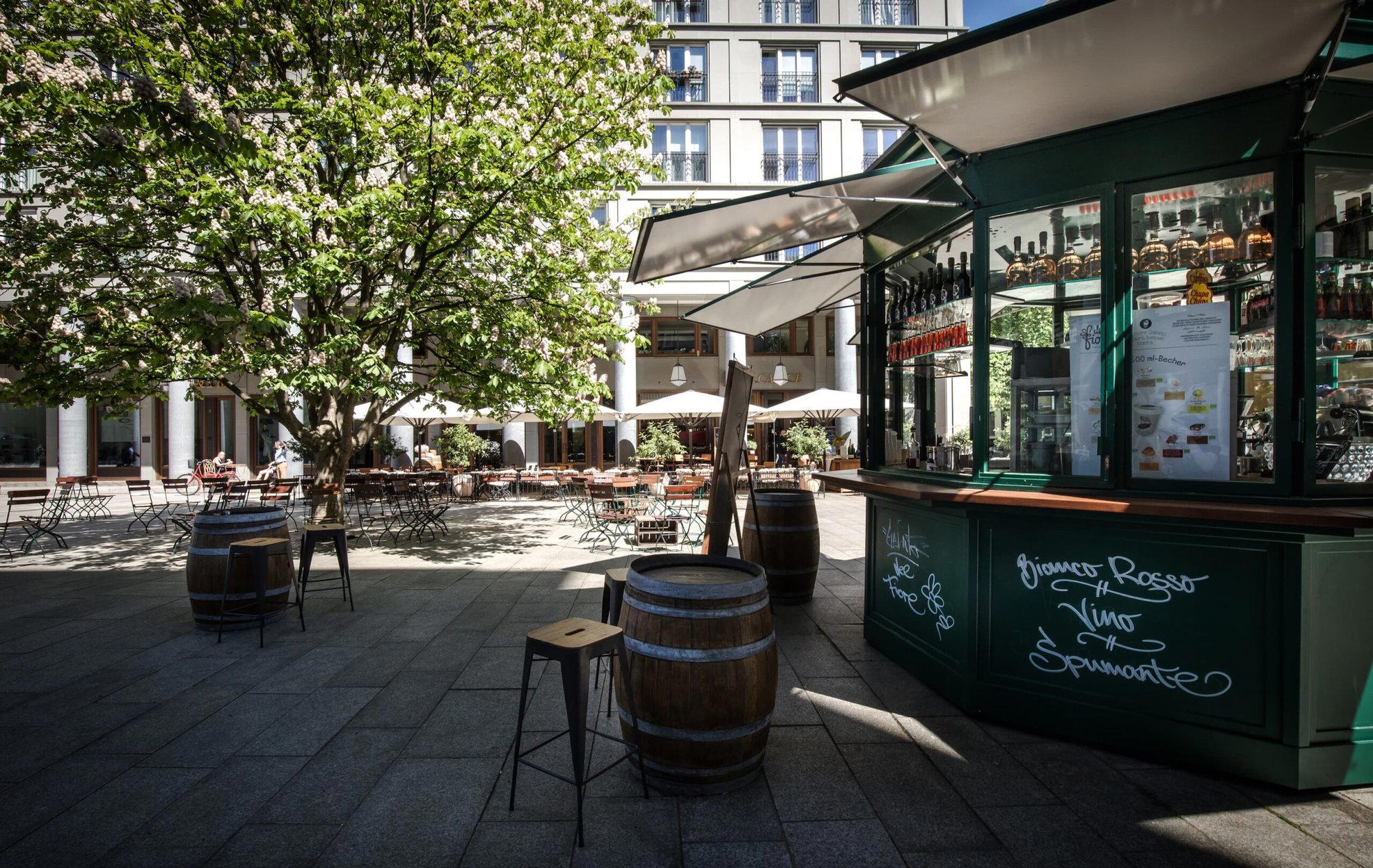
Stylish and welcoming with a relaxed urban flair, featuring an exclusive riverside setting in a historic quay complex.