Riva Mediterranean & Turkish Cuisine
Riva Mediterranean and Turkish Cuisine brings the eastern Mediterranean table to Amboy Road in Staten Island's southern residential corridor, a part of New York City where this culinary tradition has genuine neighbourhood roots rather than trend-driven positioning. The kitchen draws from the overlapping food cultures of Turkey, Greece, and the broader Levant, placing Riva in a distinct tier from Manhattan's more performative takes on the same region.
Pearl is the En Primeur Club membership app — saves, bookings, and concierge access live there. Same editors, same standards.
- Address
- 4318 Amboy Rd, Staten Island, NY 10312
- Phone
- +17183066665
- Website
- rivacafenyc.com
- Directions
- Get directions
 Saves & bookings on Pearl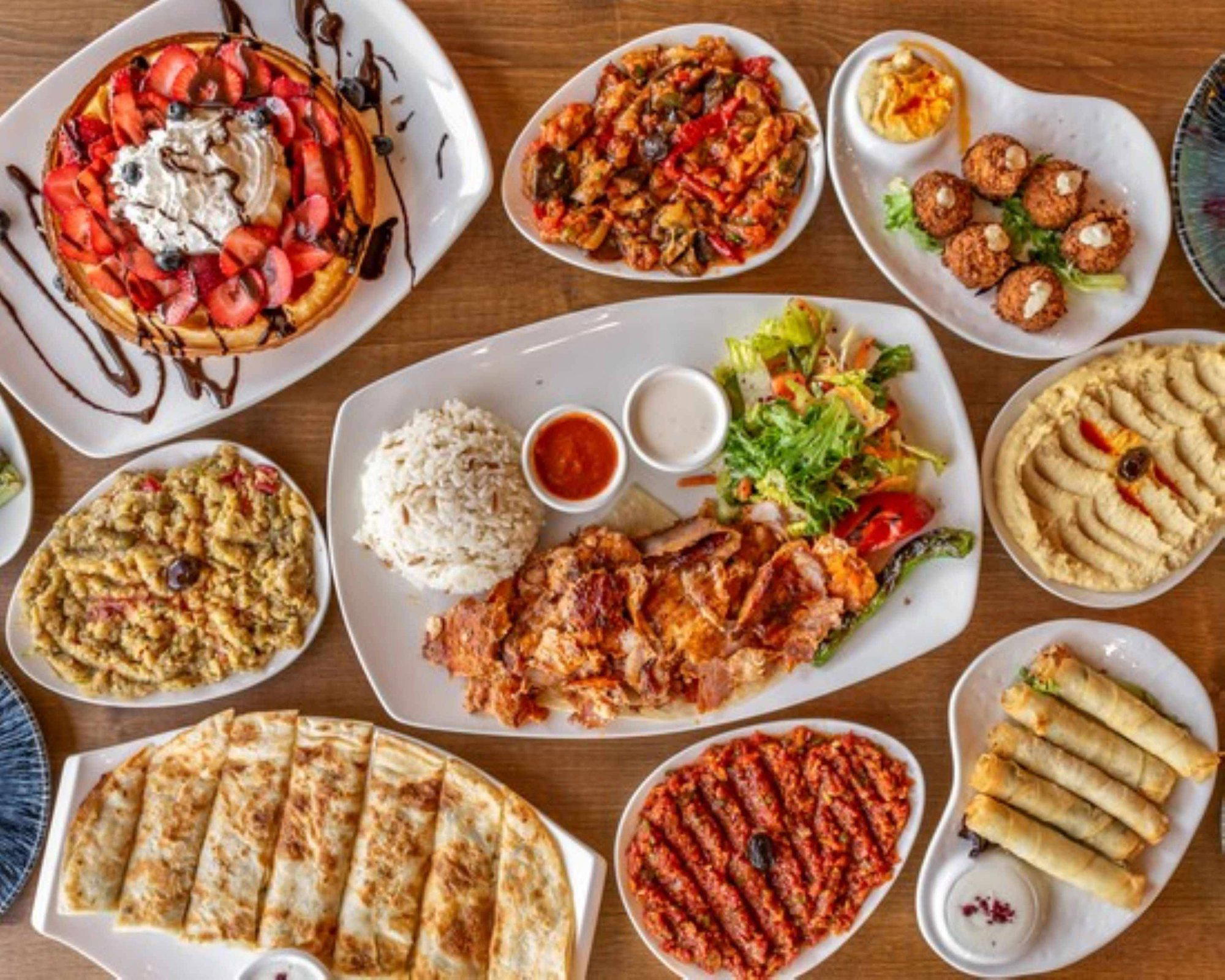
Staten Island's Mediterranean Corridor
New York City's relationship with Mediterranean and Turkish cuisine is uneven by borough. Manhattan concentrates the category at two poles: high-concept Levantine restaurants priced against venues like Atomix or Jungsik New York, and a middle tier of casual spots that treat the region as a delivery format. Staten Island operates on different logic. In the borough's southern reaches, communities with direct ties to the eastern Mediterranean, Turkish, Greek, and Arab households that arrived in meaningful numbers from the 1980s onward, have shaped local restaurant culture from the demand side rather than the supply side. Restaurants here exist because their neighbourhoods require them, not because a chef decided the area needed a concept.
Riva Mediterranean and Turkish Cuisine sits on Amboy Road in the 10312 zip code, a long commercial corridor that threads through the borough's residential interior. This is not a dining destination strip in the way that St. Marks Place or even Arthur Avenue functions. Amboy Road is neighbourhood infrastructure: dry cleaners, pharmacies, family-run restaurants that have survived not on press coverage but on repeat local trade. For a kitchen drawing from the Turkish and broader Mediterranean tradition, this context matters. The cuisine itself, grilled meats, cold mezze, slow-cooked legume dishes, wood-fired breads, was built for exactly this kind of durable, unglamorous repetition. It is food that improves with familiarity, not novelty.
The Eastern Mediterranean Table in Context
Turkish cuisine occupies an underexamined position in American fine dining discourse. While New York's most-discussed restaurants trend toward the kind of technical precision associated with Le Bernardin or the omakase formalism of Masa, the eastern Mediterranean tradition rewards different measures: the quality of olive oil, the char on a kebab, the balance between acid and fat in a cold appetiser spread, the texture of bread. These are not lesser criteria, they are simply different ones, and they favour kitchens embedded in communities that eat this food regularly and notice when it is wrong.
The overlap between Turkish and broader Mediterranean cooking is genuinely complex. Turkish cuisine shares vocabulary with Greek, Lebanese, and Syrian food while diverging in spice palette, technique, and the role of dairy. A venue that describes itself as both Mediterranean and Turkish is signalling breadth rather than strict regionalism, the menu likely spans cold mezze plates common across the eastern basin, grilled formats that appear in different forms from Istanbul to Thessaloniki, and baked or slow-cooked dishes that are more specifically Anatolian. For the diner, this breadth is practical: it allows the table to be shared across varying preferences without forcing everyone into a single national culinary frame.
Across the United States, this cuisine has found its most durable footholds in cities and boroughs with diaspora concentration rather than in trend-driven restaurant districts. Compare the trajectory of Turkish food in New York to the way Southern American cuisine developed depth in places like Atlanta, where Bacchanalia represents one pole of a much broader local food culture. Or consider how farm-to-table formats in Blue Hill at Stone Barns near Tarrytown reflect Hudson Valley agricultural identity. In each case, particularly grounded restaurants are legible against a specific place. Riva's Amboy Road address is its own version of that specificity.
Planning a Visit from Manhattan
Getting to the 10312 corridor from Manhattan requires committing to the journey. The Staten Island Ferry from Whitehall Terminal to St. George is free and takes approximately 25 minutes; from St. George, the southern end of the island is a further bus or car ride, adding 20 to 40 minutes depending on traffic and connection timing. The total trip from lower Manhattan runs roughly 60 to 75 minutes. That distance functions as a filter: the dining room at Riva is unlikely to fill with curious food tourists on a whim, which means the room, on most nights, belongs to people who live nearby or have a specific reason to make the trip. For the visitor, this is a feature rather than a limitation, the experience of eating in a room built for locals rather than for out-of-borough audiences is different from dining in Manhattan's more performative registers.
The eastern Mediterranean pantry is largely compatible with vegetarian eating and much of it is naturally gluten-light, but confirmation with the kitchen is the responsible approach for allergy-specific needs.
Where Riva Fits in New York's Dining Range
It is worth being direct about the frame. Riva Mediterranean and Turkish Cuisine is not competing in the same tier as Per Se or the destination-format restaurants that draw international visitors. It belongs to a different and equally legitimate category: the neighbourhood restaurant with culinary specificity, the kind of place that a city's food culture actually depends on even when it attracts less critical attention. The American equivalent might be the way Emeril's in New Orleans exists inside a city whose food identity is defined by neighbourhood cooking as much as by fine dining, or the way Lazy Bear in San Francisco draws on a community eating culture that predates its own success.
For visitors with time to move beyond Manhattan and an interest in where New York's immigrant food traditions are kept with least compromise, the southern Staten Island corridor is underreported relative to its depth. Riva's presence on Amboy Road is one data point in a broader pattern worth tracking.
Budget and Context
Comparable venues nearby, for context on price, style, and recognition.
| Venue | Cuisine | Price | Notes |
|---|---|---|---|
| Riva Mediterranean & Turkish CuisineThis venue — the venue you are viewing | Not listed | $$ | Not listed |
| 58-22 Myrtle Ave | Not listed | $$ | Ridgewood, Balkan & Mediterranean Specialty Market |
| taïm mediterranean kitchen | West Village, Mediterranean Street Food | $$ | Not listed |
| Glasserie | Not listed | $$ | Greenpoint, Mediterranean with Middle Eastern influences |
| Fairfax West Village | Not listed | $$ | West Village, Mediterranean All-Day Cafe & Wine Bar |
| Jack's Wife Freda | Not listed | $$ | West Village, Mediterranean-Inspired All-Day Café |
Continue exploring
More in New York City
Restaurants in New York City
Browse all →
Bars in New York City
Browse all →
Hotels in New York City
Browse all →







At a Glance
- Cozy
- Warm
- Family
- Celebration
- Group Dining
- Brunch
- Craft Cocktails
Current opening hours
- Monday
- 11 AM–10 PM
- Tuesday
- 11 AM–10 PM
- Wednesday
- 11 AM–10 PM
- Thursday
- 11 AM–10 PM
- Friday
- 11 AM–10 PM
- Saturday
- 10 AM–10 PM
- Sunday
- 10 AM–10 PM
Hours can change for holidays and private events. Last verified .
Warm and inviting atmosphere that feels like home, well-suited for special moments with family and friends.