Rhein Haus Denver
Our verdict
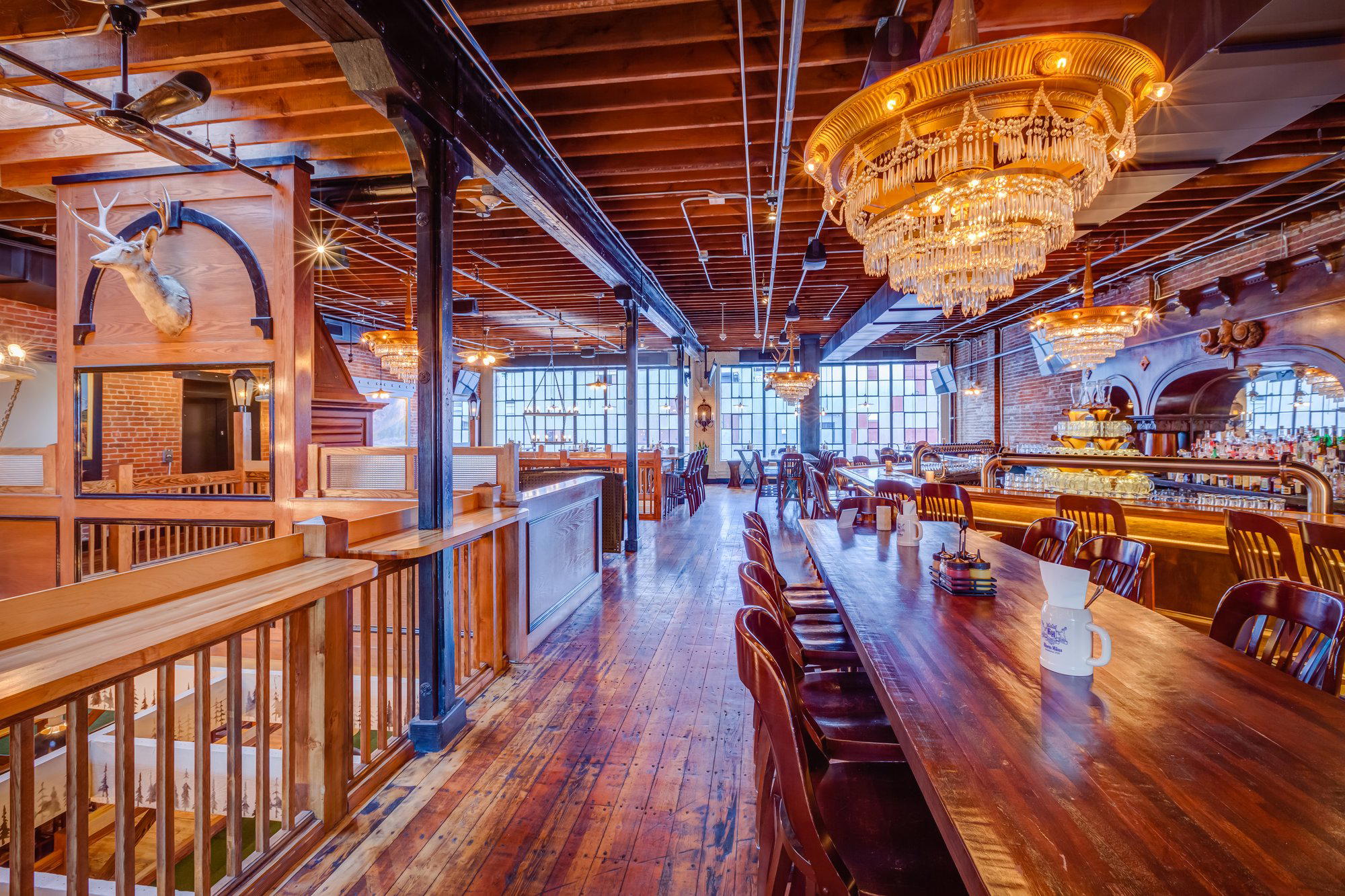
Rhein Haus Denver brings German beer hall tradition to the heart of downtown at 1415 Market Street, occupying a scale and format that sits apart from Denver's fine-dining corridor. Indoor bocce courts, communal tables, and a broad draft selection frame a social dining model rooted in Central European gathering culture rather than the tasting-menu formats that dominate the city's upper tier.

Pearl is the En Primeur Club membership app, where members save venues, book tables and use the concierge.
The menu
What to order
- House Made Pretzel
- Currywurst
- Bratwurst
- Flammkuchen
- Schweinshaxe
Beer Hall Culture in a Fine-Dining City
Denver's restaurant identity has sharpened considerably over the past decade. The city now holds a credible concentration of serious tasting-menu operations, from the restrained New American work at The Wolf's Tailor to the precision-driven contemporary formats at Brutø and Beckon. Against that backdrop, Rhein Haus Denver at 1415 Market Street occupies a deliberately different register. It is not competing with the tasting-menu tier. It is recovering a format that predates nearly every dining concept Denver currently celebrates: the German beer hall.
The beer hall as an institution carries specific cultural logic. It was designed for volume, duration, and sociality rather than restraint and precision. Long communal tables, high ceilings, and abundant draft beer were not aesthetic choices but structural ones, meant to keep groups seated, drinking, and talking across several hours. That model emigrated from Bavaria through the nineteenth and early twentieth centuries into American cities with large German-speaking populations, and while it never fully disappeared, it receded behind decades of gastropub culture and craft cocktail programming. Its return in cities like Denver reflects a broader appetite for formats where the table, not the kitchen, is the primary event.
The Physical Grammar of the Space
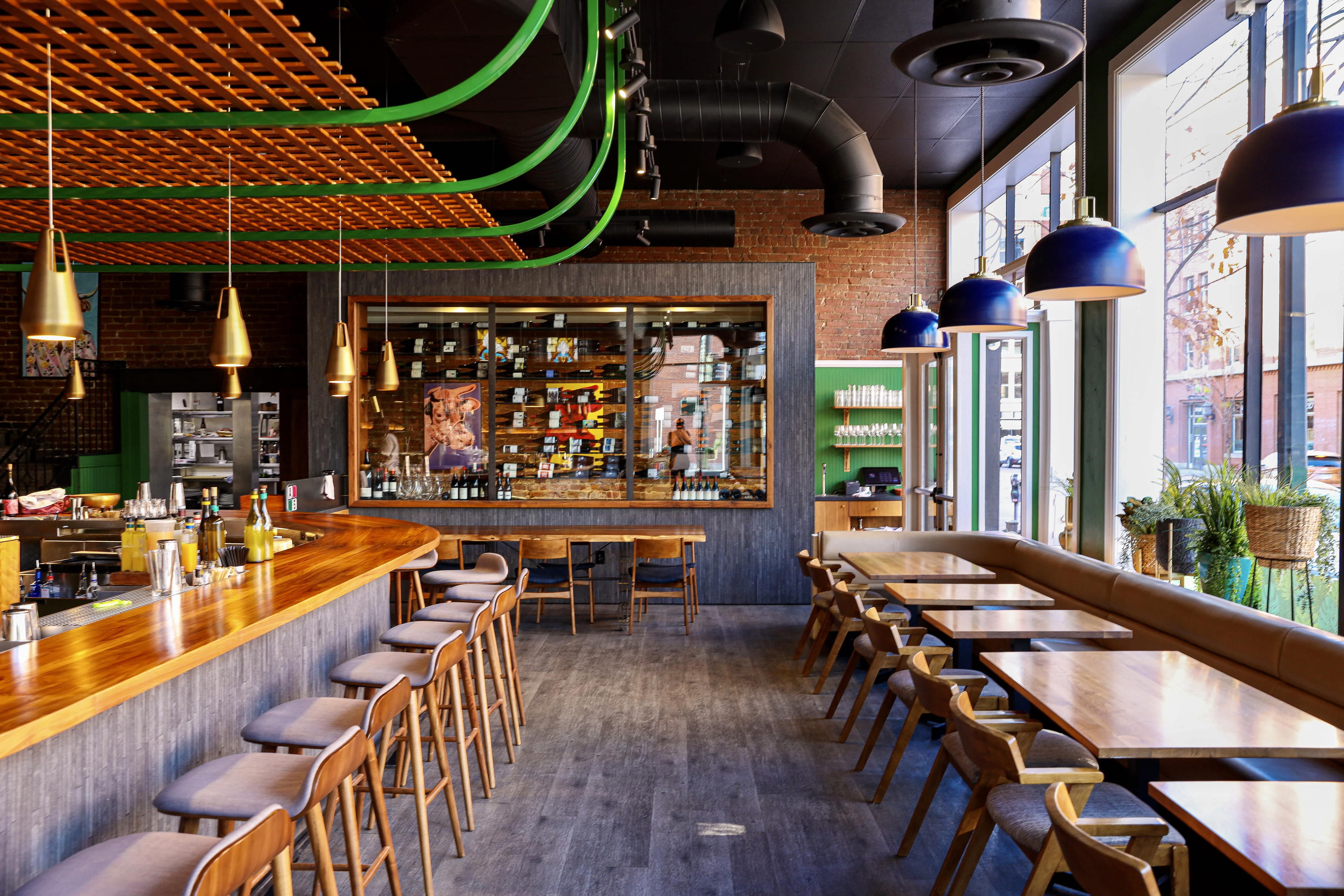
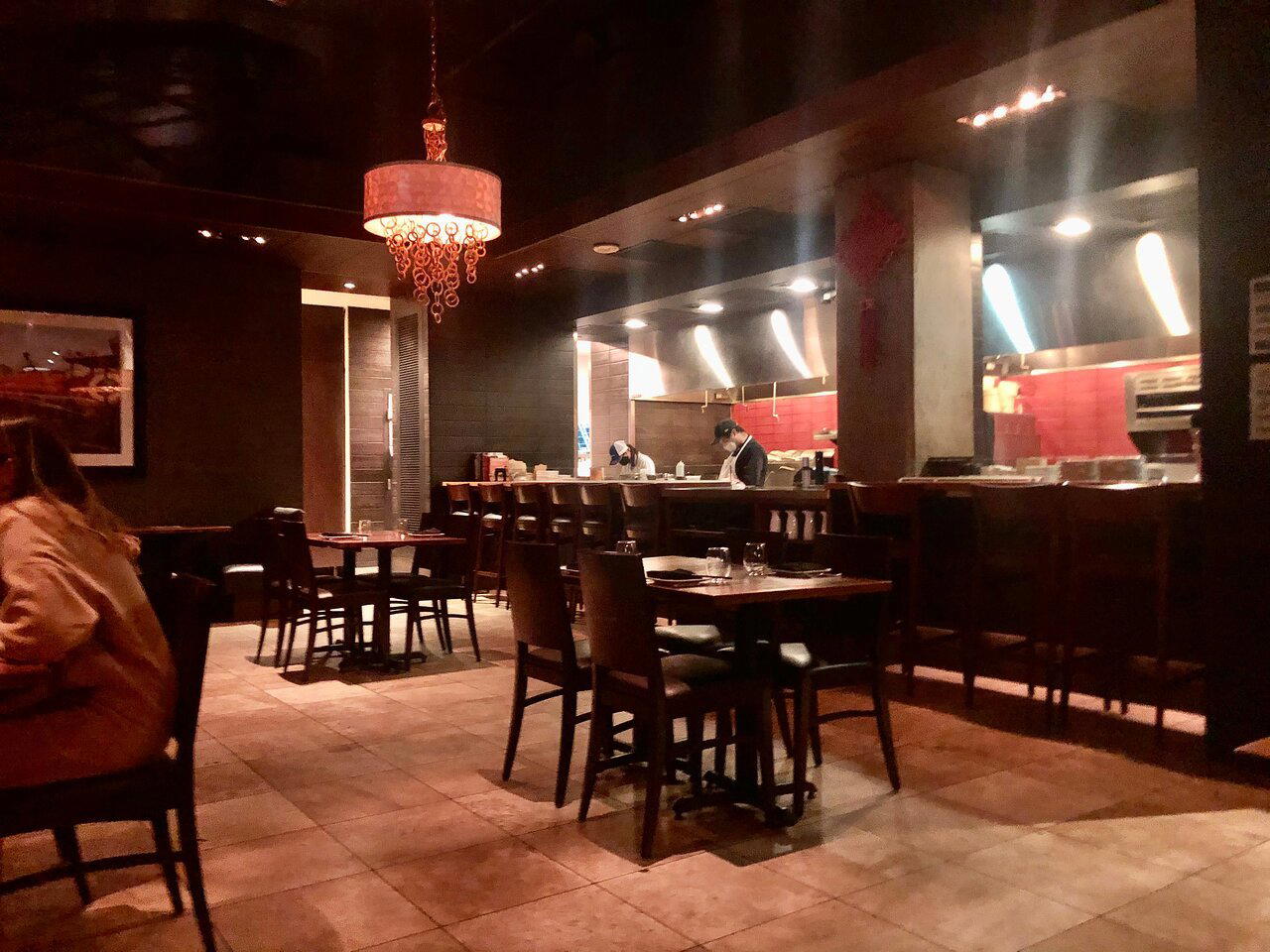
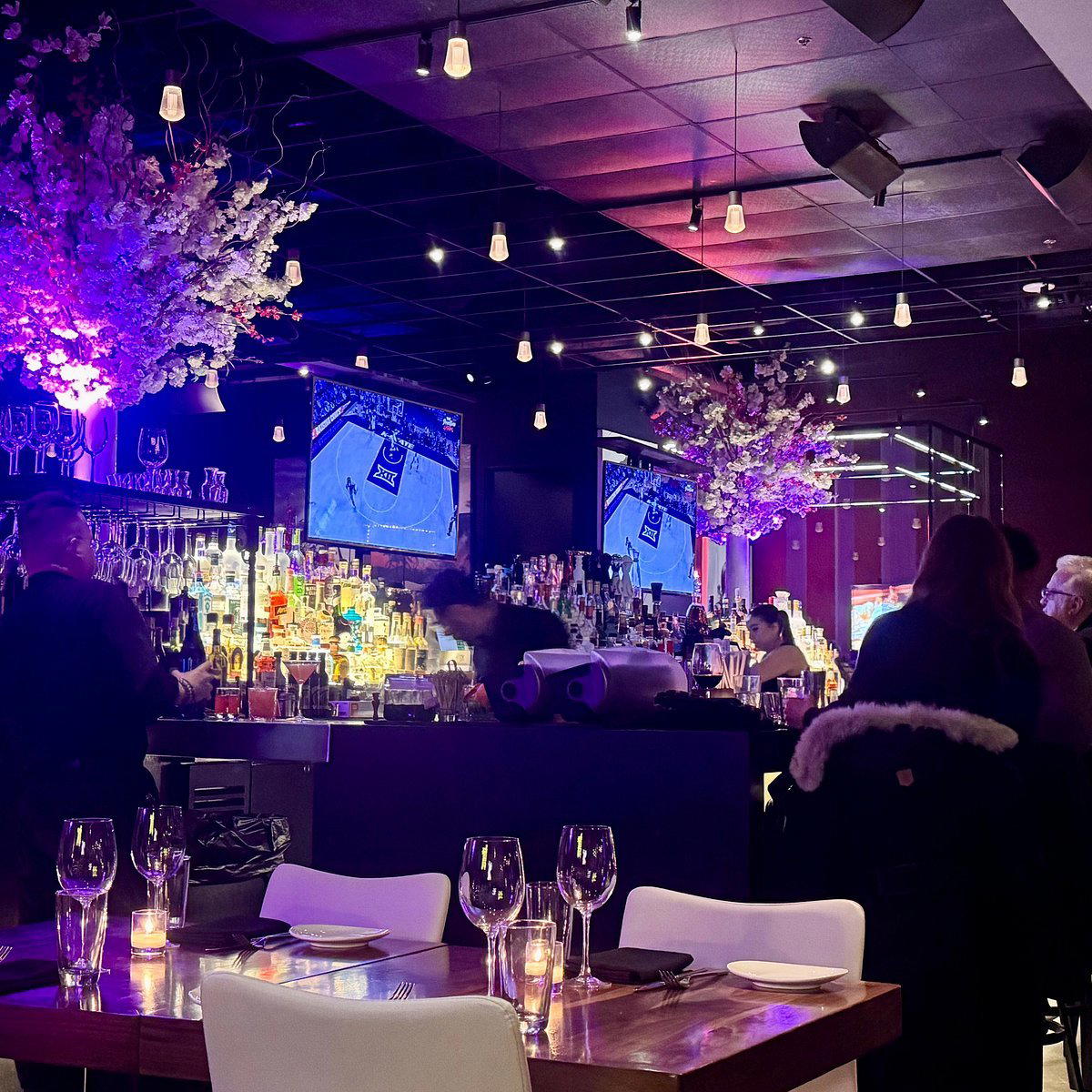
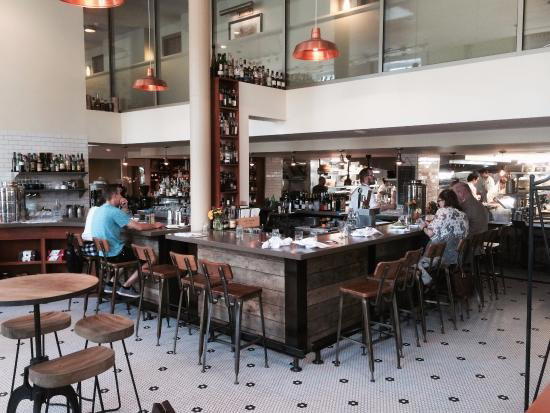
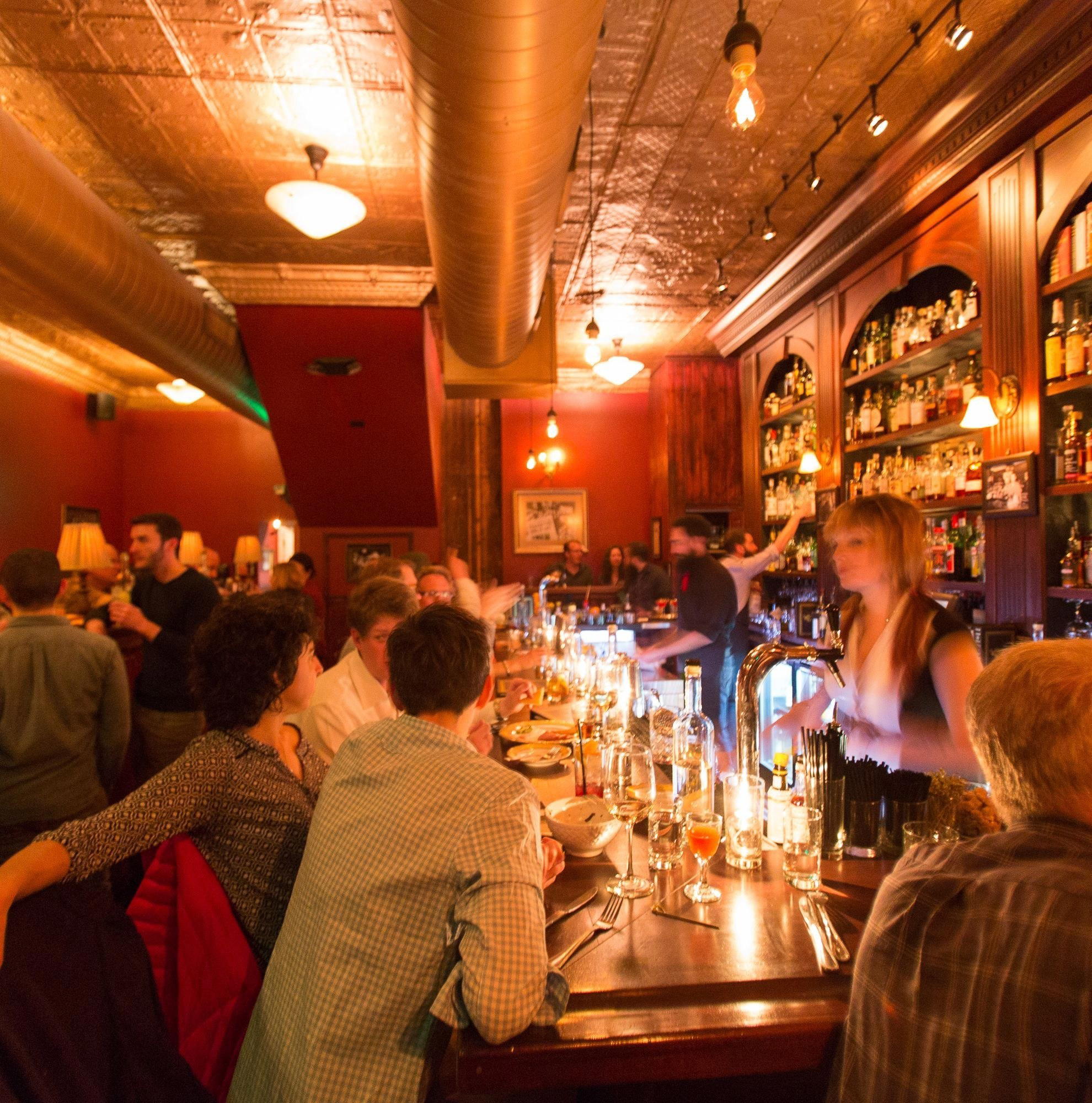
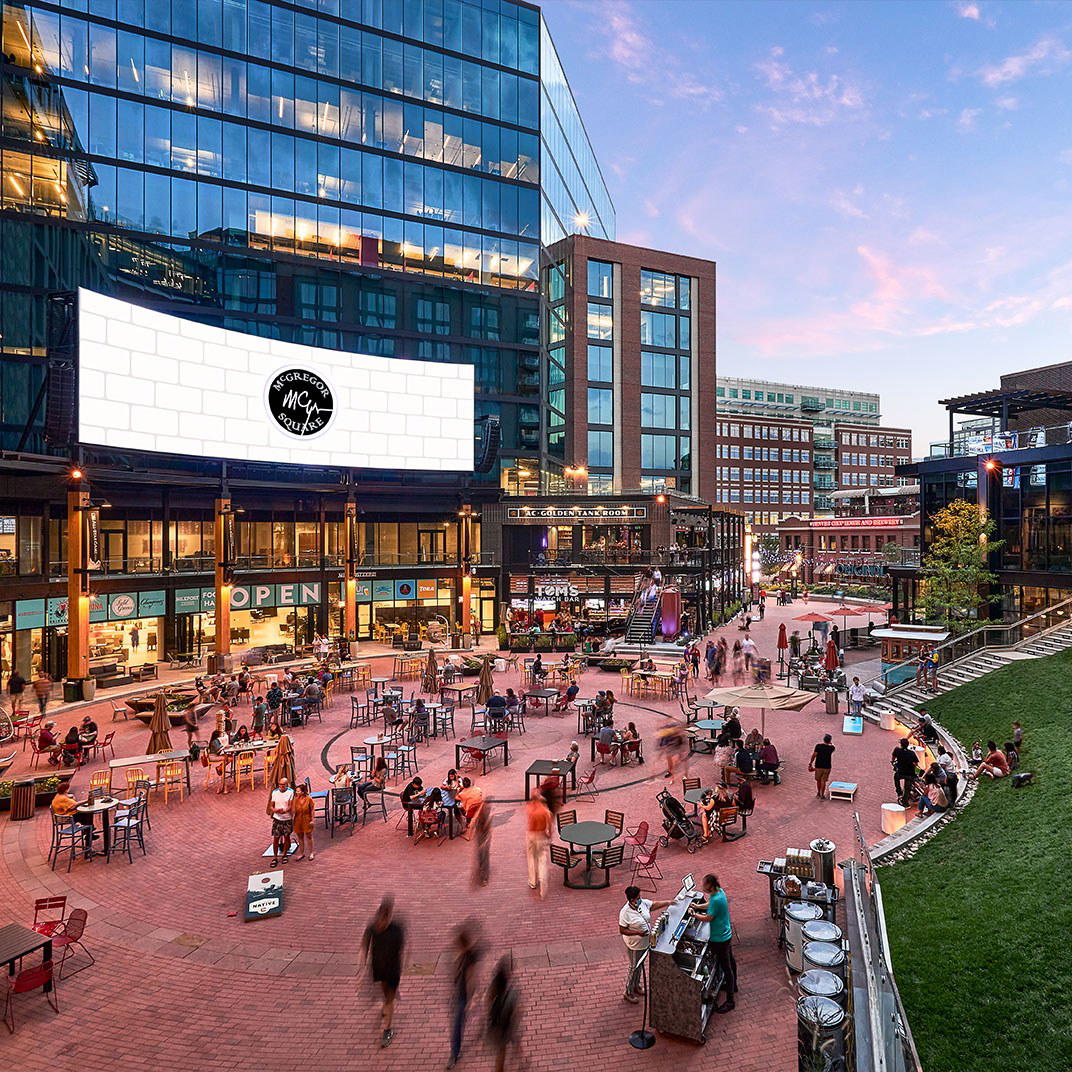
Walking into a well-executed beer hall, the architecture should do immediate work. Volume matters: low ceilings compress energy in ways that feel more pub than hall. The right format opens upward, allows noise to disperse rather than concentrate, and gives large groups the spatial permission to occupy space without crowding it. Rhein Haus Denver operates on Market Street in the central downtown corridor, a block type that has historically housed Denver's higher-volume hospitality. The address places it within walking distance of the theatre district and the convention hotel cluster, which shapes its clientele toward a mix of after-work groups, visiting professionals, and weekend social gatherings rather than the destination-dining crowd that books months ahead for a counter seat.
The indoor bocce courts are the detail that most clearly signals the format's intent. Bocce inside a dining venue is not decoration; it is a commitment to a specific social contract between guest and space. It extends dwell time, changes how groups relate to the room, and shifts the energy from seated dining toward active gathering. German beer hall culture has always made room for games, and Rhein Haus translates that tradition into a format legible for an American market without abandoning its structural logic.
Where This Sits in Denver's Dining Spread
Denver's dining options now cover a wider range of price points and formats than the city's reputation sometimes suggests. The fine-dining tier, represented by operations like Annette and Alma Fonda Fina, competes on culinary specificity and booking exclusivity. The mid-range, where venues like Tavernetta and Safta operate, balances cuisine-specific credibility with accessibility. Rhein Haus sits in a category that the city's critical conversation rarely centers but that captures consistent demand: the large-format social venue with a defined cultural identity.
That category matters in a city with Denver's demographic profile. The population skew toward younger professional residents and the heavy convention traffic through the downtown core both favor formats where groups of six to twelve can gather without the coordination burden of a tasting-menu reservation or the cost ceiling of a four-dollar-sign ticket. Rhein Haus provides a culturally grounded answer to that demand in a way that generic sports bars and rooftop lounges do not. The German beer hall reference gives the space a specific character, a set of associations, and a reason to exist beyond square footage and beer taps.
For readers tracking how Denver compares against the country's serious dining cities, the useful reference points are further afield. The institutional weight of venues like Le Bernardin in New York City, The French Laundry in Napa, or Alinea in Chicago defines one end of the American dining spectrum. Lazy Bear in San Francisco, Blue Hill at Stone Barns in Tarrytown, and Providence in Los Angeles represent the research-driven, produce-forward middle register. Operations like Atomix in New York City, Addison in San Diego, The Inn at Little Washington, Emeril's in New Orleans, Single Thread Farm in Healdsburg, and 8 1/2 Otto e Mezzo Bombana in Hong Kong extend that map internationally. Rhein Haus operates in none of those registers, and that is the point. A city's dining character is not defined only by its tasting-menu count. The social formats, the culturally specific gathering places, and the high-capacity venues that absorb the majority of an urban population's dining occasions are equally part of the picture. See the full Denver restaurants guide for coverage across the range.
The Cultural Argument for the Beer Hall Format
German beer hall culture is often reduced to its most theatrical elements: oversized steins, Oktoberfest programming, and lederhosen-adjacent aesthetics. The more durable version of the format is less theatrical and more structural. It is about the design of shared time. The communal table assumes strangers will sit together. The long bench assumes you will stay. The game assumes you will move. The draft assumes you will return to the bar. Each element is a social mechanism, and when a venue executes all of them with some fidelity to the original logic rather than treating them as costume, the result has genuine utility for a specific type of evening that tasting-menu restaurants cannot provide.
That distinction matters for readers choosing where to eat in Denver based on occasion rather than cuisine. A group of eight celebrating something loud and physical, a work team that needs a venue where conversation can cross tables, a visiting delegation that wants American hospitality without the formality of a prix fixe: these are the scenarios where beer hall format wins on terms that a technically superior kitchen cannot.
Know Before You Go
- Address: 1415 Market St, Denver, CO 80202
- Neighbourhood: Downtown Denver, central business district, within walking distance of the theatre district
- Format: Large-format beer hall with indoor bocce courts and communal seating
- Group suitability: Designed for large-group occasions; the bocce courts make it a practical choice for teams and celebrations
- Context: Positioned in the social-gathering tier of Denver dining, not the fine-dining corridor
Frequently asked questions
What's Rhein Haus Denver's location?
Rhein Haus Denver is located at 1415 Market St, Denver, CO 80202, Denver.
Is Rhein Haus Denver suitable for large group events with activities included?
Rhein Haus at 1415 Market St is one of a small number of downtown Denver venues combining indoor bocce courts with beer hall-scale communal seating under one roof, which makes it a functional choice for corporate groups, team outings, and private parties that want structured activity alongside food and drink. The bocce courts introduce a social format that differs from standard private dining room bookings. Groups should check the venue's official channels to discuss capacity and availability for reserved event space.
What's the must-try dish at Rhein Haus Denver?
The kitchen follows the German beer hall tradition of pairing substantial, unfussy food with draft beer rather than building around a single showpiece dish. Pretzels, sausages, and shareable plates designed for communal tables are the format's backbone. At a beer hall on Market Street in downtown Denver, the point is the table, food and beer arrive together, and neither is incidental to the other.
Do I need a reservation for Rhein Haus Denver?
Market Street sits in Denver's central corridor, pulling consistent foot traffic from convention attendees, theatre-district crowds, and office workers, which means walk-in availability tightens on weekday evenings and weekends. For groups using the space for events or bocce courts, arranging ahead is the practical move. Solo visitors and pairs have better odds of finding communal table space without advance planning.
At a Glance
Comparable venues nearby, for context on price, style, and recognition.
| Venue | Cuisine | Price | Notes |
|---|---|---|---|
| Rhein Haus DenverThis venue (the venue you are viewing) | Bavarian Beer Hall | $20–30 | Not listed |
| Los Chingones | Modern Mexican Tacos | $20–30 | Curtis Park, Modern Mexican Tacos |
| Work & Class | American-Latin Comfort Food | $20–30 | Curtis Park, American-Latin Comfort Food |
| Mimosas | New Orleans-Inspired Brunch | $20–30 | Curtis Park, New Orleans-Inspired Brunch |
| Homegrown Tap & Dough | Italian-Inspired Pizza and Pasta with Colorado Flair | $20–30 | Washington Park, Italian-Inspired Pizza and Pasta with Colorado Flair |
| Benzina | Neapolitan Italian | $30–50 | South Park Hill, Neapolitan Italian |