Smok

A counter-service barbecue spot inside Denver's Source Hotel, Smok brings Texas pit discipline to the RiNo corridor without ceremony. Chef Bill Espiricueta's Austin roots show in the brisket and jalapeño-cheddar sausage links, both carrying the earned smoke character of low-and-slow technique. A 2024 Michelin Plate signals that the format is no obstacle to serious craft.
Pearl is the En Primeur Club membership app — saves, bookings, and concierge access live there. Same editors, same standards.
- Address
- 3330 Brighton Blvd #202, Denver, CO 80216
- Phone
- (720) 452-2487
- Website
- denversmok.com
- Directions
- Get directions
 Saves & bookings on Pearl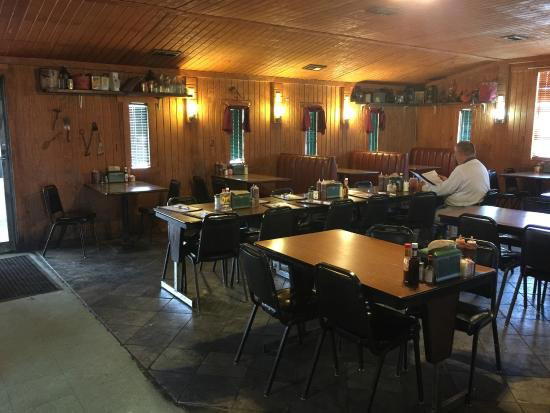
Smoke as Method, Not Garnish
American barbecue has long divided between two schools: the theatrical pits of Texas roadhouses, where smoke is structural rather than decorative, and the softer regional styles that treat it as seasoning. Denver's barbecue scene has historically leaned toward the latter, which makes Smok's position inside the Source Hotel's market hall on Brighton Boulevard notable. The format is counter service, the price point is accessible ($$), and the room carries none of the reverence you might associate with a destination dining room. But the smoke here is deployed with the precision of a kitchen that treats it as a primary ingredient, not a finishing flourish.
That discipline traces directly to the Austin tradition. The kitchen brings Central Texas pit sensibility to the RiNo corridor, and the difference shows in the brisket: smoke penetration is even, the bark holds, and the fat renders without losing structural integrity. These are not accidental outcomes. They come from sustained attention to fire management, timing, and the sourcing of wood and meat, the same fundamentals that define the serious end of Texas barbecue from operations like CorkScrew BBQ in Spring and InterStellar BBQ in Austin.
Inside the Source Hotel Market Hall
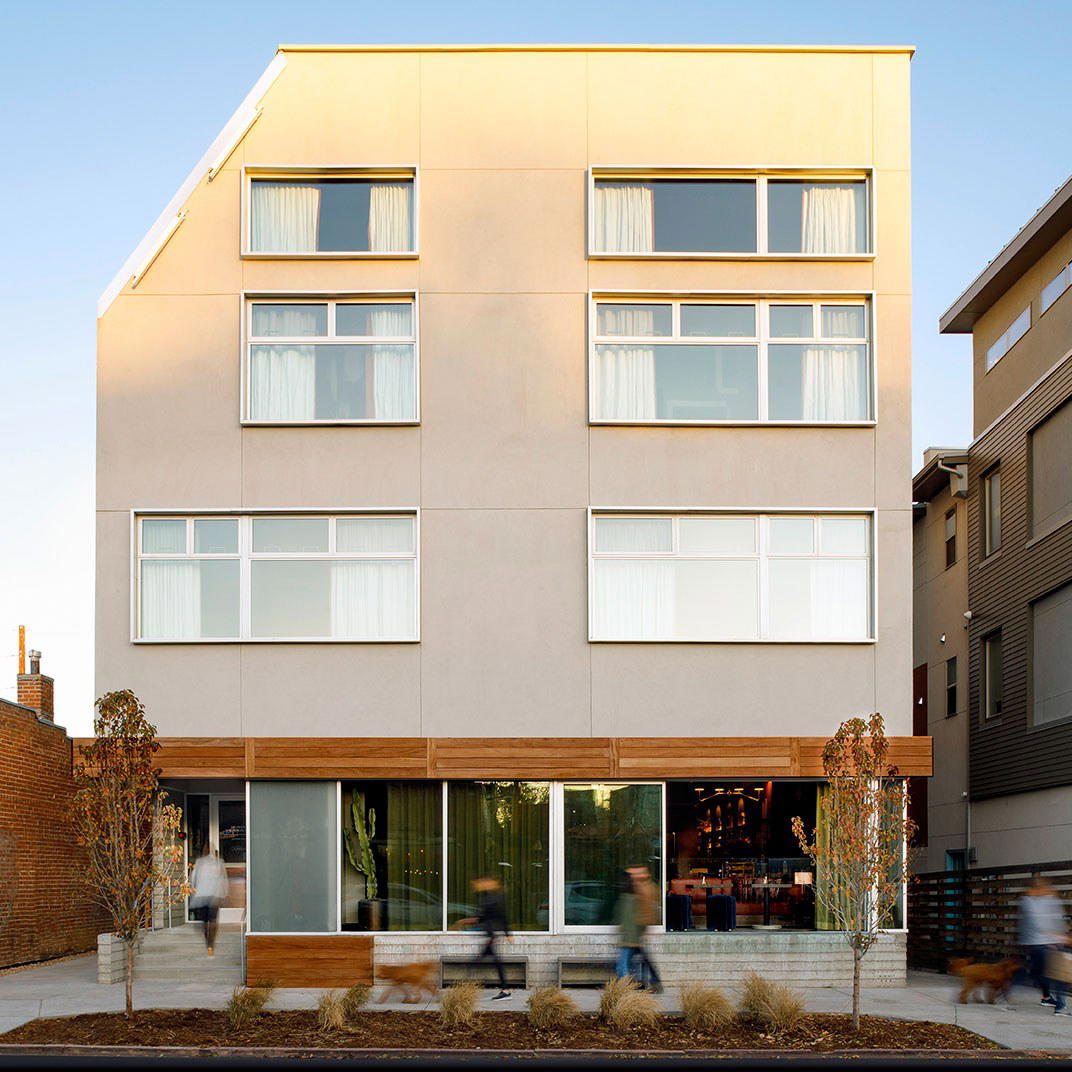
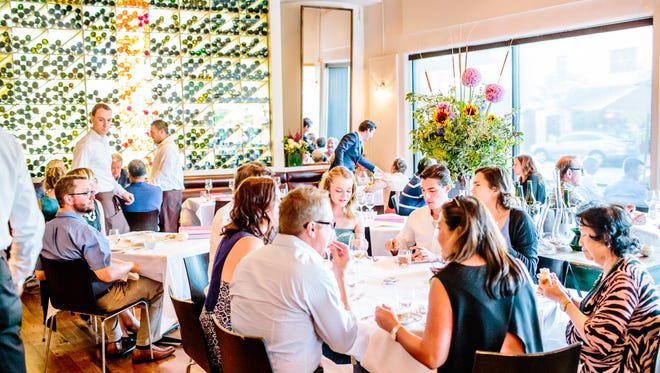
The Source Hotel's ground-floor market hall, positioned along Brighton Boulevard in RiNo, was built around the idea that food producers could share infrastructure without sacrificing individual identity. Smok occupies one of those stalls with a format that resists any attempt at elevation for its own sake. You order at a counter, collect your tray, and find a seat in a shared space that moves with the energy of the hotel's foot traffic rather than the controlled quiet of a formal dining room.
That physical setting matters because it calibrates expectations accurately. This is not a sit-down experience with tableside service. It is a working pit program in a market environment, closer in spirit to the standing queues outside Franklin Barbecue than to the composed tasting menus you'll find at Beckon or the New American precision of The Wolf's Tailor. The informality is part of the point. Serious barbecue has always operated outside fine dining's protocols.
What the Michelin Plate Actually Means Here
Michelin awarded Smok a Plate in 2024, a designation that signals cooking worth your attention without the ceremony of a star. In the context of Denver's broader Michelin landscape, where recognition has concentrated in tasting-menu formats at places like Brutø and the contemporary programs at Alma Fonda Fina, a Plate for a counter-service barbecue operation is a meaningful distinction. It acknowledges that craft is not format-dependent. The inspectors are not rewarding the room or the service model; they are rewarding what arrives on the tray.
The designation at Smok places it in a comparable set defined by cooking quality rather than price tier, which is the more useful frame for deciding whether it belongs on your itinerary. Compared to the fuller dining experiences at Annette, Smok operates at a different register, but the Plate means the kitchen clears a quality threshold that matters regardless of price.
The Meat Program in Detail
The brisket and jalapeño-cheddar sausage links are the primary evidence for Smok's Austin lineage. The sausage, studded with cheddar that pools rather than melts cleanly, reflects the coarser, more assertive style of Central Texas links rather than the finer emulsified versions common in other regional traditions. Smoke is present in both as a structural element, an aroma that saturates rather than sits on the surface, without crossing into the acrid register that less controlled programs produce.
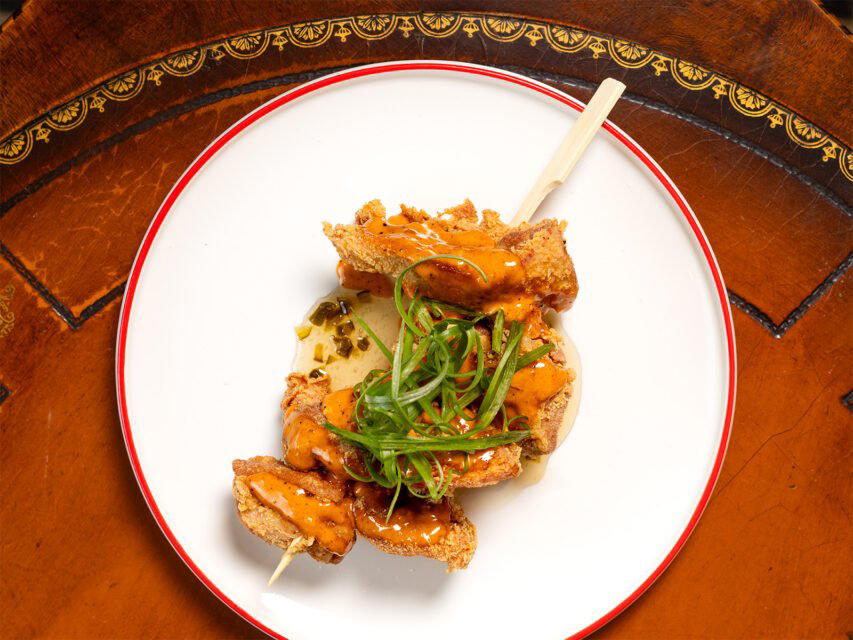
The sides are functional rather than focal. Slaw and mac and cheese satisfy the format's requirements without generating independent reasons to visit. The fried options, sweet potato tots and French fries, serve a different purpose: they absorb the richness of the meat program and work for tables with larger appetites. The Nashville hot chicken sandwich has developed its own following within the menu, offering a different heat profile from the smoke-dominant core, but the meat program is where the kitchen's real investment shows.
That focus is the right editorial frame for Smok: order the brisket, order the sausage, use the sides as supporting cast.
Where Smok Sits in Denver's Dining Picture
Denver's restaurant scene has matured significantly over the past decade, with Michelin's arrival accelerating the concentration of serious operators across multiple formats and price tiers. The $$ tier, which Smok shares with places like Alma Fonda Fina, offers some of the city's most direct value-to-craft ratios. At the higher end, operations like Brutø and The Wolf's Tailor represent the tasting-menu ambitions that now define Denver's critical ceiling.
Smok occupies a different position in that picture: a regional American tradition executed with technical honesty at an accessible price point, operating without the pretensions of the fine-dining tier it shares city space with. That is a smaller category than it might appear. Barbecue restaurants that absorb serious technique without inflating their format or price are consistently rare in urban markets, where the economics of real estate tend to push operators toward either full-service models or low-investment volume plays. Smok is neither.
Planning Your Visit
Smok is located at 3330 Brighton Boulevard, Suite 202, inside the Source Hotel in Denver's RiNo neighborhood. The counter-service format means no reservations are required and no dress code applies. Given the walk-up nature of the operation and the popularity reflected in its review volume, Parking is available in the Source Hotel's lot. Le Bernardin in New York, Alinea in Chicago, Lazy Bear in San Francisco, Emeril's in New Orleans, The French Laundry in Napa, and Single Thread Farm in Healdsburg represent the wider tier of serious American dining that gives context to where regional specialists like Smok fit in the national picture.
Peers in This Market
Comparable venues nearby, for context on price, style, and recognition.
| Venue | Cuisine | Price | Notes |
|---|---|---|---|
| SmokThis venue — the venue you are viewing | Texas-Style Barbecue | $$ | Not listed |
| Bigsby's Folly Craft Winery & Restaurant | Contemporary American Small Plates | $$ | Curtis Park |
| Paperboy | Modern American Brunch | $$ | West Highland |
| New York Deli News | New York-Style Deli | $$ | Hampden |
| Paperboy | Modern American Brunch | $$ | West Highland |
| The Post Rosedale | Colorado Comfort Food with Hot Chicken | $$ | Rosedale |
Recognition history
Dated appearances from independent guides and award organizations, with the underlying list record or original source where available.
Michelin Plate
Michelin
Michelin Plate
Michelin
Continue exploring
More in Denver
Restaurants in Denver
Browse all →
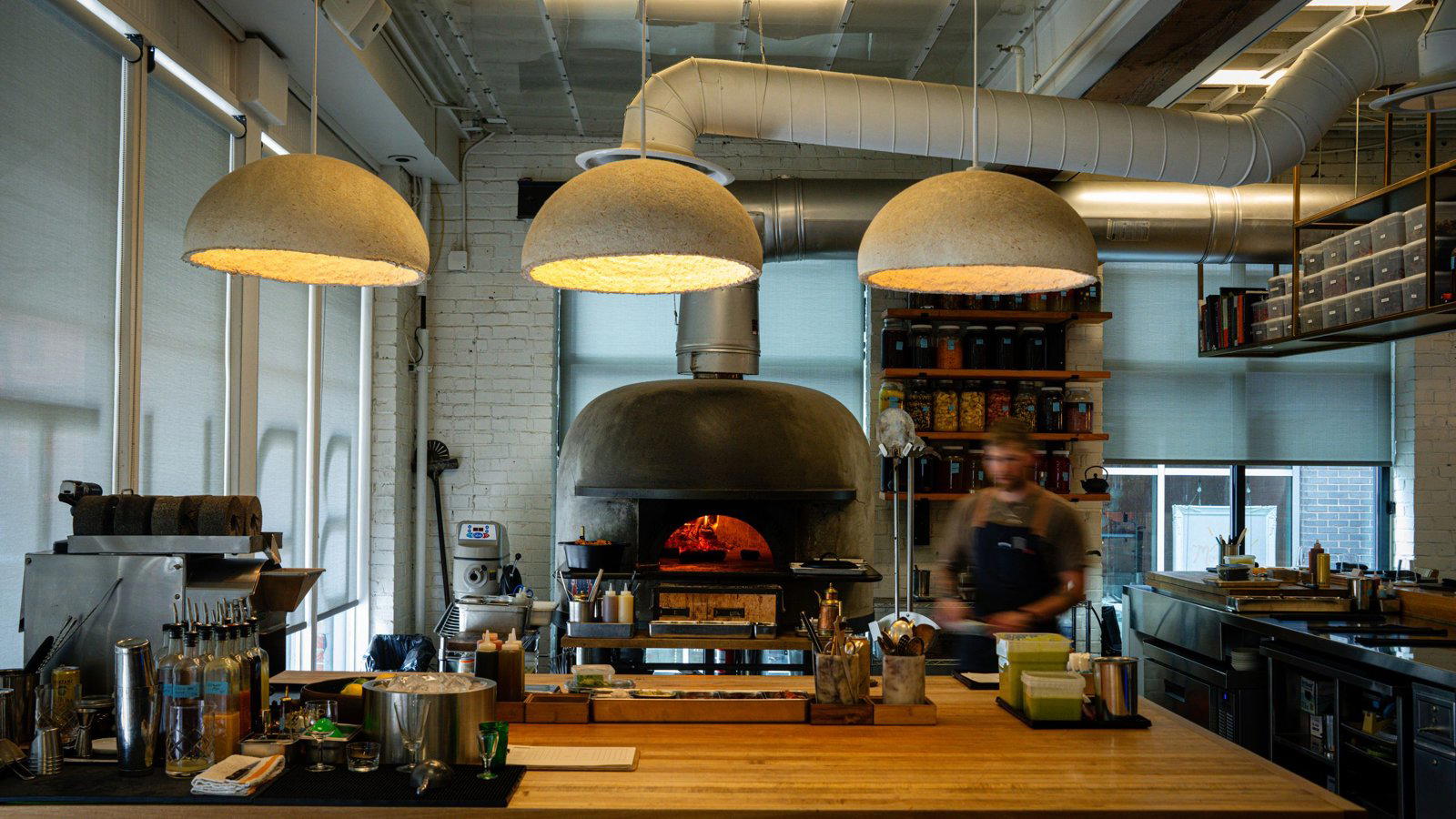
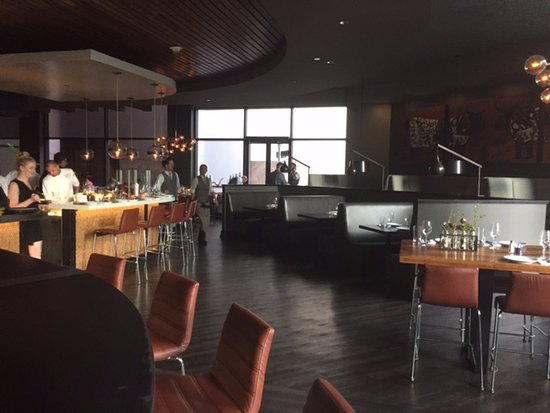
Bars in Denver
Browse all →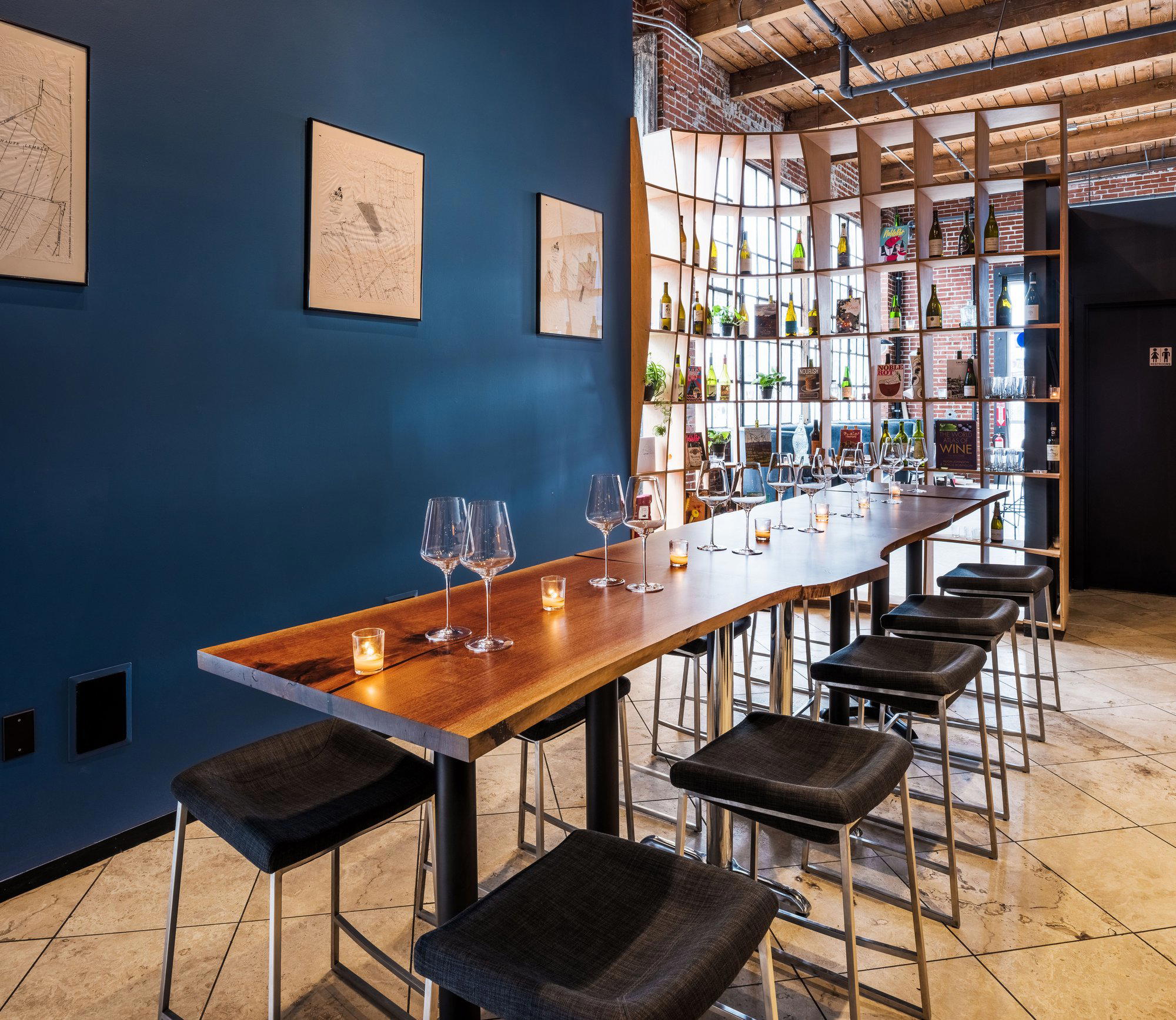

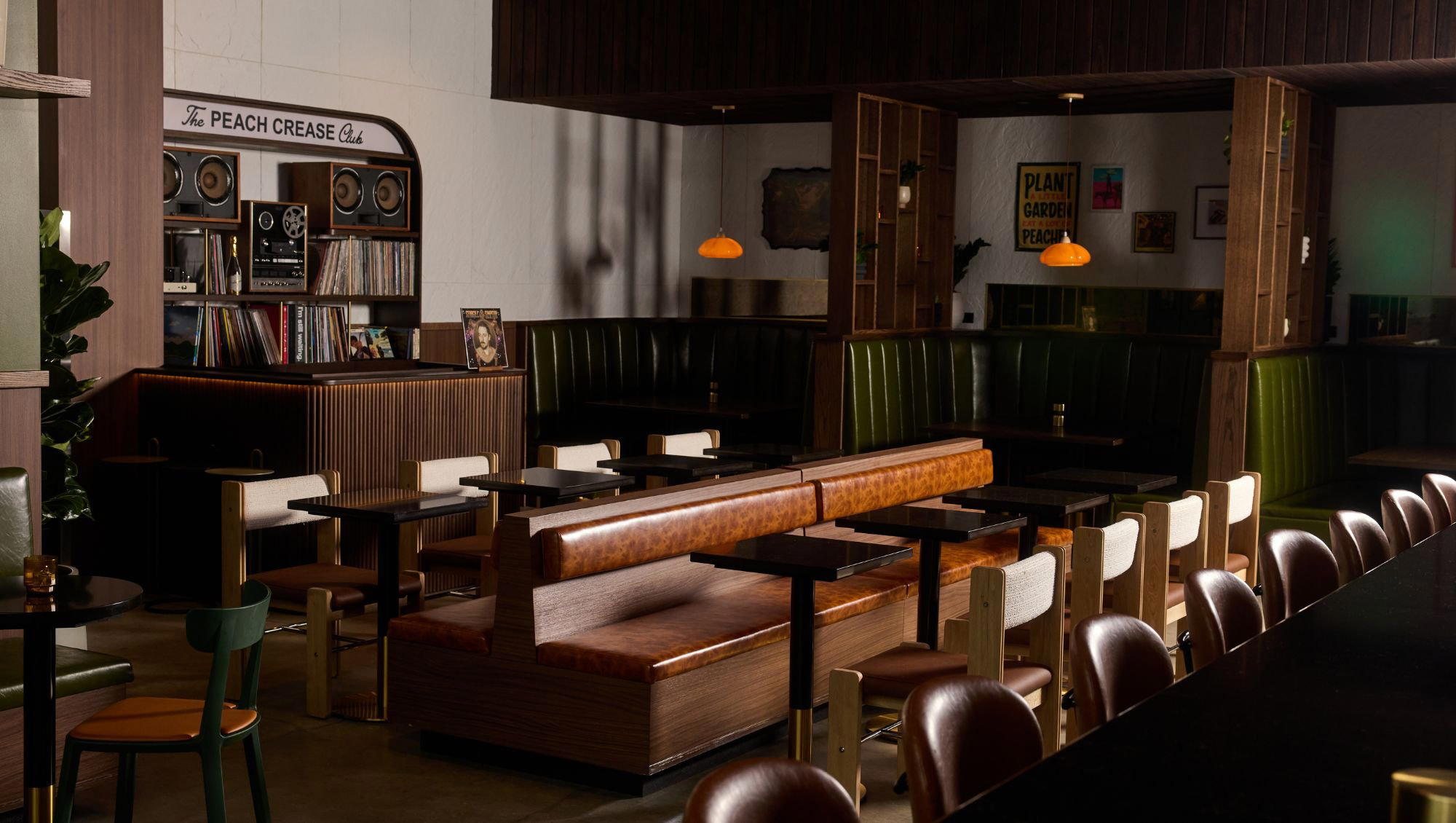
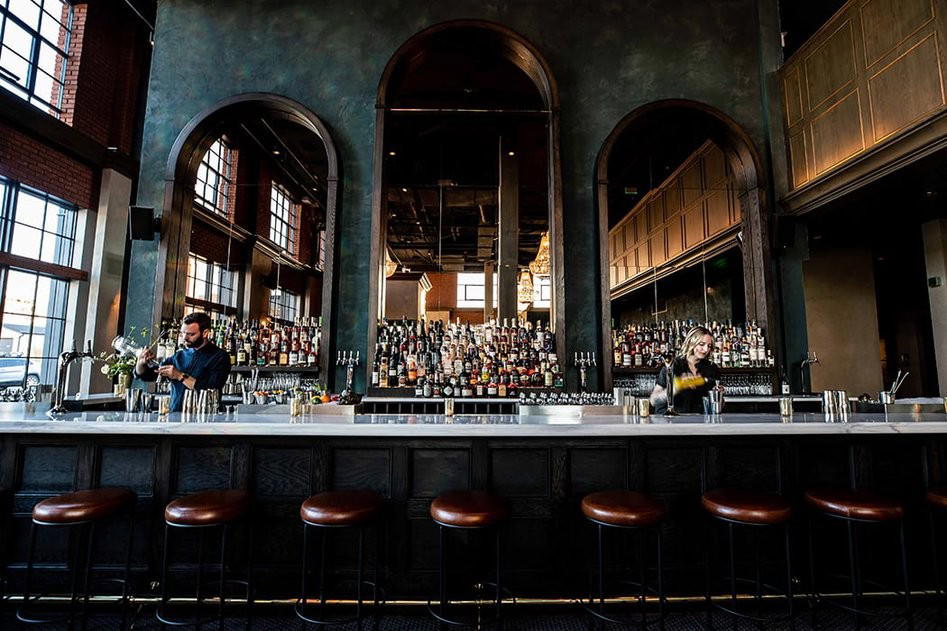
Hotels in Denver
Browse all →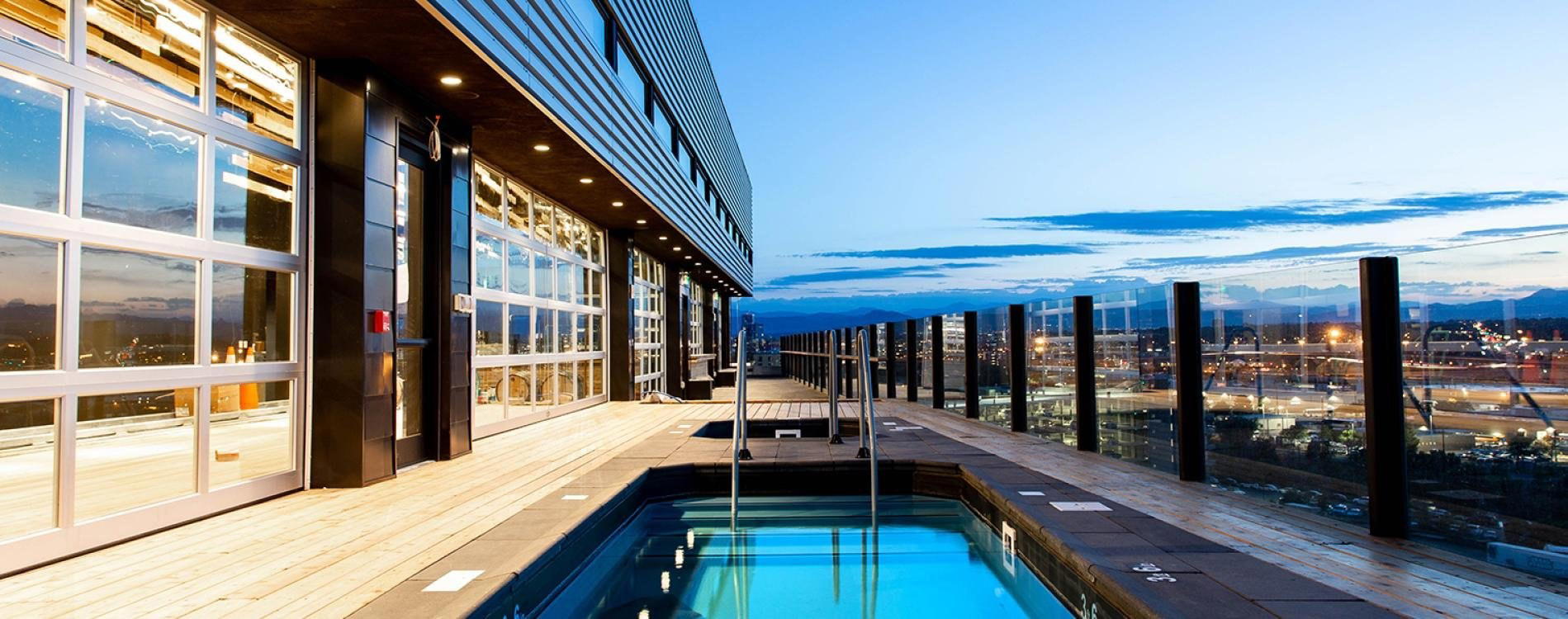

At a Glance
- Rustic
- Trendy
- Lively
- Casual Hangout
- Group Dining
- Open Kitchen
- Terrace
- Craft Cocktails
Current opening hours
- Monday
- 7:30 AM–8 PM
- Tuesday
- 7:30 AM–8 PM
- Wednesday
- 7:30 AM–8 PM
- Thursday
- 7:30 AM–9 PM
- Friday
- 7:30 AM–10 PM
- Saturday
- 7:30 AM–10 PM
- Sunday
- 7:30 AM–9 PM
Hours can change for holidays and private events. Last verified .
Approachable no-frills fast-casual with counter service and picnic tables in a trendy industrial area.