Cozobi Fonda Fina

At 909 Walnut St in Boulder, Cozobi Fonda Fina builds its menu around a single, serious commitment: corn sourced directly from Mexico, nixtamalized in house, and shaped into tortillas, quesadillas, and more. A hickory-fired hearth drives much of the cooking, while the bar, anchored by an elote mezcal and corn liqueur margarita, makes the theme feel coherent rather than gimmicky. Chef Johnny Curiel's second Boulder venture sits in the mid-price tier alongside peers like Basta.
Pearl is the En Primeur Club membership app — saves, bookings, and concierge access live there. Same editors, same standards.
- Address
- 909 Walnut St Suite 100, Boulder, CO 80302
- Phone
- (303) 953-2196
- Website
- cozobifondafina.com
- Directions
- Get directions
 Saves & bookings on Pearl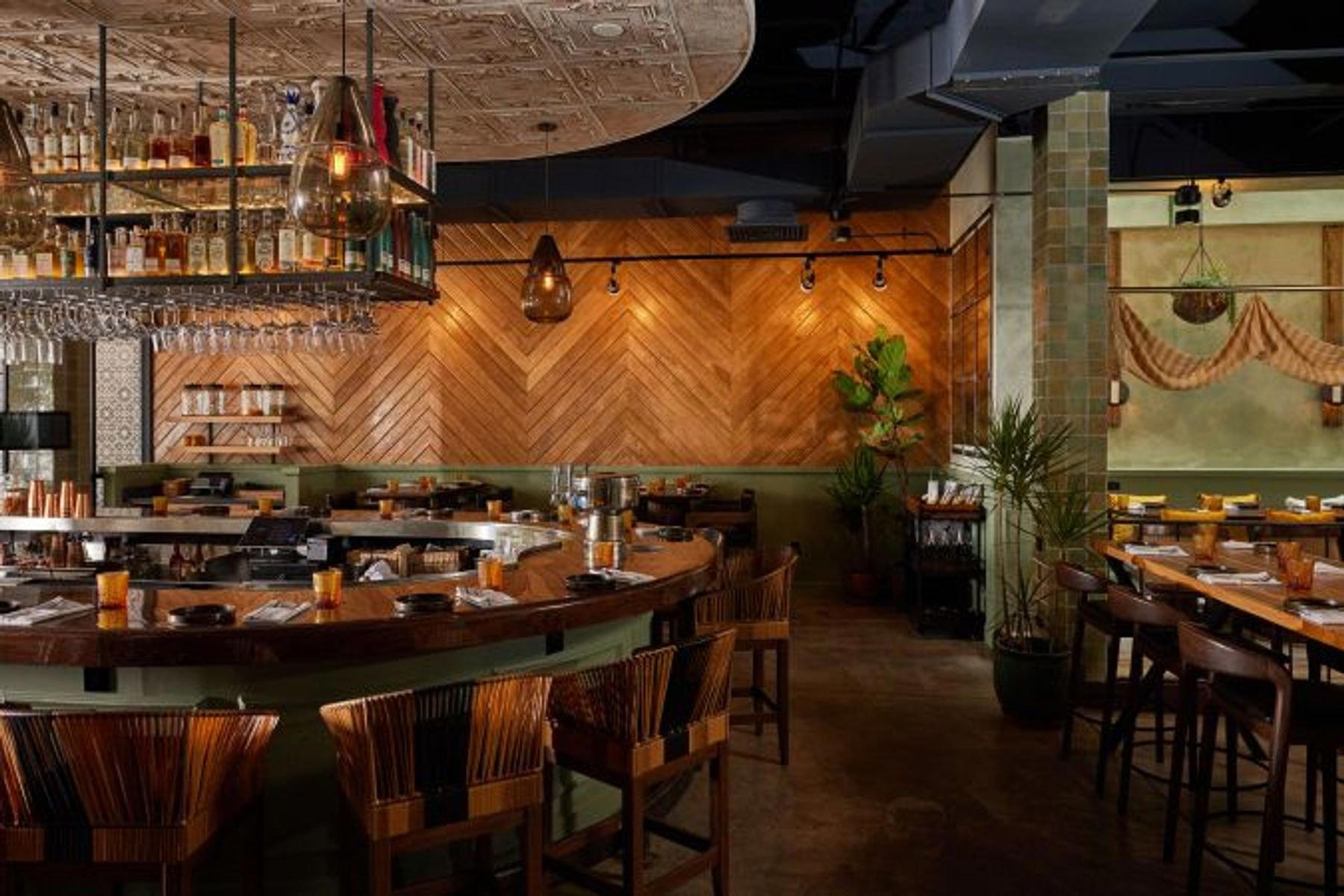
Where the Tortilla Is the Argument
Walk into Cozobi Fonda Fina on Walnut Street and the room does something most contemporary Mexican restaurants in mid-size American cities avoid: it commits. The name itself signals intent, drawn from the Zapotec god of corn, it positions the kitchen's central obsession before a single dish arrives. Corn is not a side note here, not a token nod to heritage. It is the structural logic of the menu, the bar program, and, implicitly, the reason to be here at all.
Frasca Food & Wine set a Michelin-recognized standard for Italian in the region. Basta holds down the wood-fired contemporary end. Blackbelly Market anchors serious American charcuterie. What has been less developed, relative to Denver or cities with larger Mexican-American populations, is a restaurant-format treatment of Mexican cooking that takes its raw material sourcing as seriously as any of those peers. Cozobi is a direct answer to that gap.
The Street Food Lineage Behind the Menu
The traditions Cozobi draws from, taco, quesadilla, masa-based preparations cooked on a comal or griddle, are particularly codified in any food culture. Street food in Mexico operates by exacting standards: the tortilla must have a certain give, the salsas must be made fresh, the proteins must have specific regional identities. Cochinita pibil, the slow-cooked, achiote-seasoned pork from the Yucatán, is one of Mexico's most geographically anchored dishes. It belongs to a tradition where time and technique are the only shortcuts. At Cozobi, the version uses pork collar, a cut with enough intramuscular fat to survive long cooking without drying out, and it arrives alongside tortillas made from corn that has been sourced from Mexico and nixtamalized on site.
Nixtamalization, the alkaline treatment of dried corn that unlocks its nutrients and transforms its flavour, is the reason pre-Columbian civilizations could build a cuisine around maize. It is also time-consuming, requiring soaking, cooking, and grinding before a tortilla can be pressed. Most American restaurants serving Mexican food skip it entirely, buying masa harina instead. The fact that Cozobi does it in house is not a marketing gesture; it is the difference between a tortilla that tastes of corn and one that tastes of corn flour. That distinction sits at the heart of what makes the street food tradition worth replicating in a restaurant setting.
The oyster mushroom, poblano rajas, and queso fresco combination offers the vegetarian path through a similar logic: poblano chillies roasted until their skins blister, peeled and cut into strips, then combined with earthy mushroom and fresh cheese. It is a preparation with deep roots in central Mexican cooking, the kind of thing served at market stalls in Oaxaca or Mexico City, brought into a plated format without losing its directness. Chef Johnny Curiel's approach across this menu is to let ingredient quality carry the weight, rather than layering technique to compensate for sourcing shortcuts.
The Hearth as a Second Kitchen
A hickory-fired hearth adds a layer that takes the menu beyond direct masa-focused cooking. Live fire is not new in the American restaurant context, Basta in Boulder runs a wood-fired program, and at the national level, places like Lazy Bear in San Francisco and Alinea in Chicago have used fire in more elaborate ways, but in a Mexican-inflected kitchen, the hearth connects to something specific. Salsas gain depth from charred tomatoes and chillies; proteins take on smoke that echoes the pit cooking behind cochinita pibil. Even gently warmed scallops, which sit at the more delicate end of the menu, benefit from a surrounding smoke that opens the palate before the sweetness of the shellfish registers. The hearth is doing culinary work, not set dressing.
The Bar Program and the Elote Margarita
That the corn theme extends to the cocktail list is one direct signal that this kitchen has thought the concept through. An elote mezcal and corn liqueur margarita is the kind of drink that either reads as a gimmick or as the logical conclusion of a seriously considered ingredient narrative. Here, it lands as the latter: mezcal already carries smoke and earthiness, and corn liqueur adds a sweetness that echoes roasted corn without becoming dessert-like. The result is a margarita with more textural weight than the standard lime-and-tequila model, still recognisably the drink, but with a dimension that matches the kitchen's commitment to the ingredient.
The handsome bar itself is designed to hold its own as a destination rather than just a waiting area.
Placing Cozobi in Boulder's Dining Set
At the mid-price tier ($$), Cozobi sits alongside Basta in Boulder's contemporary mid-range, below the price point of Blackbelly Market or Boulder Dushanbe Tea House, and well below the nationally recognised formal end of the spectrum represented by places like The French Laundry in Napa, Le Bernardin in New York City, Single Thread Farm in Healdsburg, or Emeril's in New Orleans. That is the right price for what it is: generous, informal, and built around sharing plates and drinks rather than a progression of courses. The format suits the cooking. Street food refined to restaurant format works well when the bill doesn't require justification.
This is Chef Curiel's second Boulder venture, which means the systems are more settled than a first opening. The kitchen knows its supply chain. The bar team knows the drinks. That operational maturity tends to show up in consistency, which matters more than novelty in a format where a tortilla or a salsa needs to be the same every night. For a broader map of where Cozobi sits in the city's dining options, see our full Boulder restaurants guide, as well as guides to Boulder wineries and Boulder experiences.
Cozobi is located at 909 Walnut St, Suite 100, Boulder, CO 80302. The mid-price format makes it accessible for a casual weeknight dinner as easily as a deliberate Saturday meal. The corn margarita is a reasonable place to start.
A Credentials Check
Comparable venues nearby, for context on price, style, and recognition.
| Venue | Cuisine | Price | Awards | Notes |
|---|---|---|---|---|
| Cozobi Fonda FinaThis venue — the venue you are viewing | Modern Corn-Centric Mexican | $$$ | Bib Gourmand | Not listed |
| Stella's Cucina | Pan-Regional Italian | $$$ | Michelin Plate | Central Boulder |
| Oak at Fourteenth | Woodfired New American | $$$ | Michelin Plate | Central Boulder |
| Boulder Dushanbe Tea House | Global Fusion Tea House | $$ | Michelin Plate | Central Boulder |
| Jill's Restaurant | Modern American Bistro with French Accents | $$$ | Not listed | Central Boulder |
| The Greenbriar Inn | French Gastropub with Farm-to-Table Focus | $$$ | Not listed | north Boulder countryside |
Recognition history
Dated appearances from independent guides and award organizations, with the underlying list record or original source where available.
Michelin Bib Gourmand
Michelin
Continue exploring
More in Boulder
Restaurants in Boulder
Browse all →

Bars in Boulder
Browse all →
Hotels in Boulder
Browse all →



Wineries in Boulder
Browse all →

At a Glance
- Cozy
- Rustic
- Date Night
- Special Occasion
- Open Kitchen
- Craft Cocktails
- Local Sourcing
Current opening hours
- Monday
- 2–9 PM
- Tuesday
- 2–9 PM
- Wednesday
- 2–9 PM
- Thursday
- 2–9 PM
- Friday
- 2–10 PM
- Saturday
- 4–10 PM
- Sunday
- 4–9 PM
Hours can change for holidays and private events. Last verified .
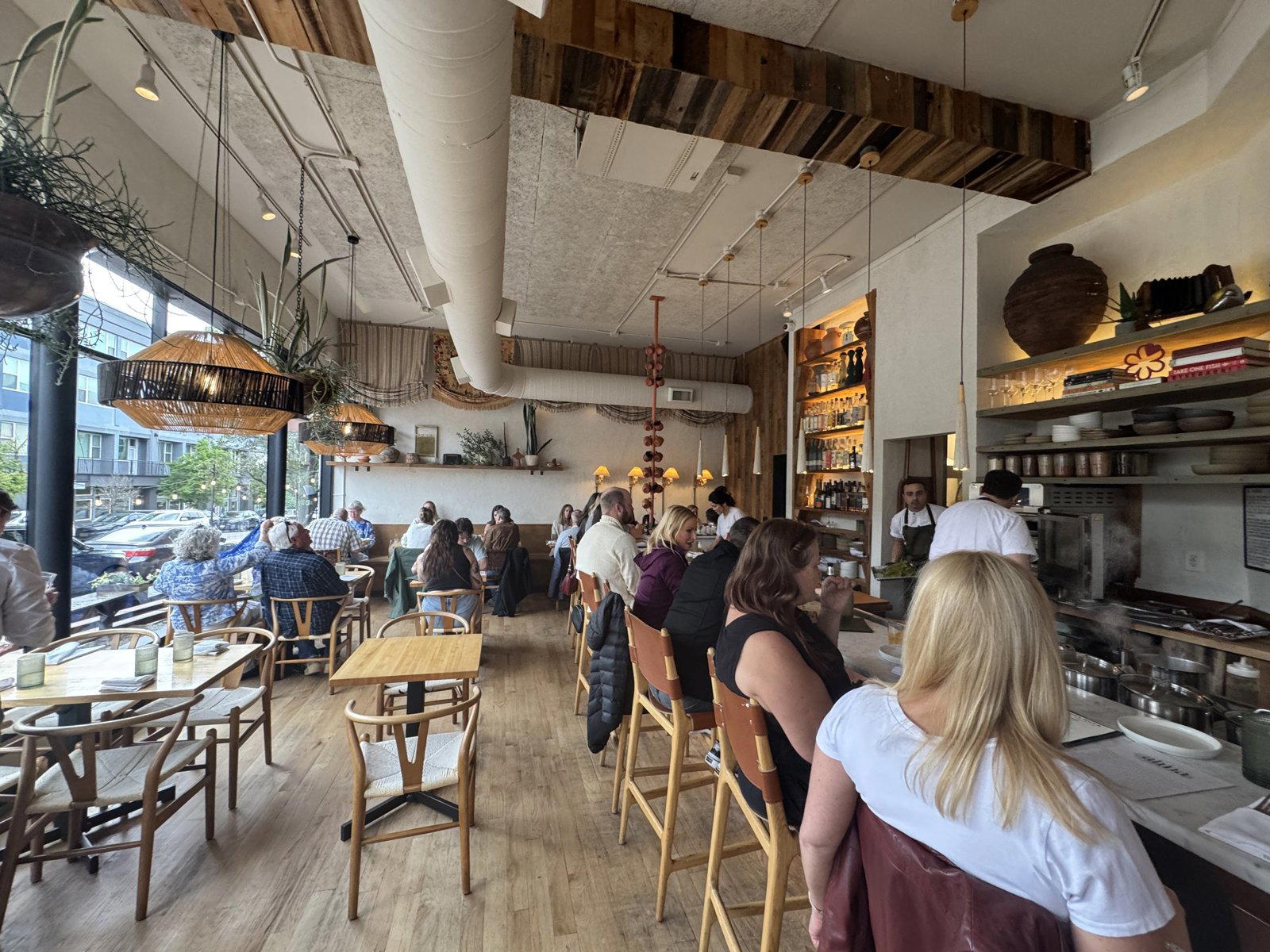
Cozy and earthy with rustic mud-troweled walls, warm natural elements like clay and wood, open kitchen, though acoustics make it loud when busy.