Kuroma Buffet & Dining
Kuroma Buffet & Dining operates out of TD Central in Taman Daya, placing it within Johor Bahru's mid-ring commercial dining belt rather than the city centre tourist corridor. The buffet format positions it alongside a category of Malaysian dining rooms where breadth of spread and sourcing variety matter more than à la carte precision. For Johor Bahru diners weighing options across the city, it represents the accessible, high-volume end of the local restaurant spectrum.
Pearl is the En Primeur Club membership app — saves, bookings, and concierge access live there. Same editors, same standards.
- Address
- TD Central, 3, Jalan Sagu 21, Taman Daya, 81100 Johor Bahru, Johor Darul Ta'zim, Malaysia
- Phone
- +60197730754
- Website
- kuroma.com.my
- Directions
- Get directions
 Saves & bookings on Pearl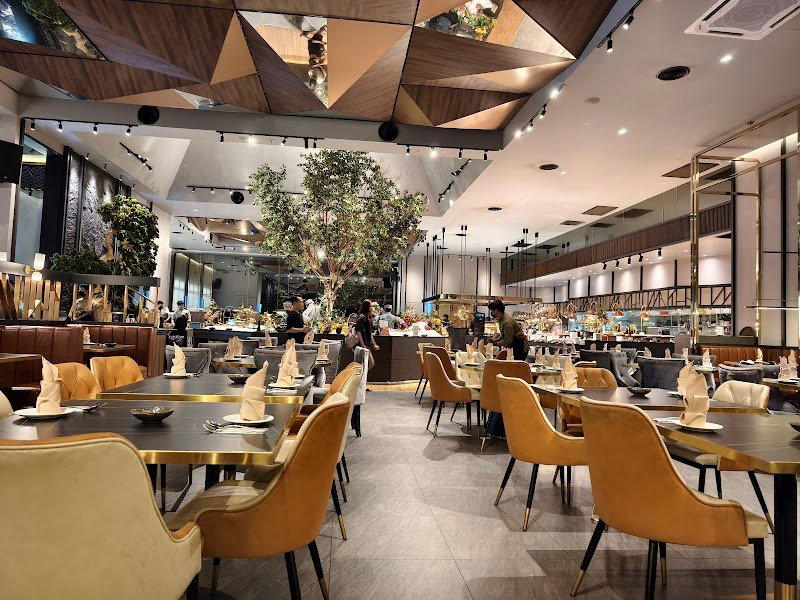
Where Johor Bahru's Buffet Culture Lands on the Map
Johor Bahru's dining scene has historically split along two fault lines: the hawker-and-kopitiam tradition that runs deep in neighbourhoods like Taman Daya, and a newer wave of concept restaurants angled at cross-border Singaporean traffic and the city's growing professional class. Buffet dining sits in its own category within that split, occupying a space where the proposition is volume, variety, and accessibility rather than the tasting-menu restraint you'd find at the upper tier of Malaysian fine dining, represented nationally by places like Dewakan in Kuala Lumpur. Kuroma Buffet & Dining, located at TD Central on Jalan Sagu 21 in Taman Daya, operates squarely within that buffet category and draws from a local residential catchment rather than a destination dining circuit.
TD Central is a neighbourhood commercial hub, the kind of mid-ring retail-and-F&B cluster that Johor Bahru has built steadily outward from its older city core. The surrounding streets are practical rather than atmospheric: shophouses, family businesses, the kind of area where a buffet dining room makes commercial sense because the density of households nearby creates a consistent, repeat-visit customer base. That context matters for understanding what Kuroma is and what it is not. It is not competing with the Peranakan depth of Auntie Gaik Lean's Old School Eatery in George Town, nor with the hawker specificity of Penang's street-stall institutions. Its comparable set is the neighbourhood dining room that serves family groups and working adults who want range without the friction of ordering individually.
The Sourcing Question in Malaysian Buffet Dining
Ingredient sourcing is the variable that separates credible buffet operations from forgettable ones across Malaysia. The buffet model creates pressure in both directions: the economics push toward commodity ingredients and standardised preparation, while customer expectations in a country with a deeply ingredient-literate eating public push back toward freshness and regional specificity. How a buffet kitchen resolves that tension determines its standing in its local neighbourhood more than any marketing effort can.
In Johor specifically, the sourcing geography is interesting. The state borders both Singapore to the south and several Malaysian agricultural zones to the north, meaning that fresh produce, seafood from the Strait of Malacca, and poultry supply chains are reasonably accessible compared to landlocked areas. Johor's own culinary identity draws on Chinese, Malay, and Indian traditions that each carry specific ingredient expectations: Bak Kut Teh in the Chinese tradition, for instance, depends on the quality and cut of pork ribs in a way that a buffet line makes harder to control than a dedicated single-dish kitchen like Da De Bah Kut Teh in Borneo. The buffet format at an operation like Kuroma means the kitchen must source across multiple cuisine registers simultaneously, which is a genuine operational challenge and the main reason that ingredient quality in this category tends to be assessed dish by dish rather than as a blanket proposition.
For diners with dietary requirements, the multi-cuisine buffet format across Malaysia has also become a meaningful context. Vegetarian options in the buffet category vary widely, from token inclusions to genuinely considered spreads. Dedicated vegetarian operations like Jia Yi Dao Vegetarian Restaurant in Taiping set a different standard than what a general buffet can sustain across a full spread, which is useful context for anyone arriving with specific requirements. The halal dimension is also relevant in Johor Bahru's dining market, where operations like The Wagyu Tavern - No Pork, No Lard have built a distinct positioning around ingredient transparency for Muslim diners. A buffet operation in the same city needs to signal its own position on that spectrum clearly.
Buffet Format vs. À La Carte Precision: The Trade-Off Johor Bahru Diners Navigate
The buffet format, in any city, involves a fundamental editorial trade-off for the diner. You gain range and the ability to build a meal across multiple traditions; you give up the precision that a kitchen can apply when cooking to order. At the higher end of Malaysian dining, that precision is the entire point: the concentrated technical effort behind a dish at a place like CRC Restaurant in Georgetown or the structured tasting progression at a fine-dining counter would not survive a buffet line. Kuroma operates below that tier, in a category where the comparison set is other buffet rooms in Johor Bahru's suburban commercial belt.
What this means practically is that a visit to Kuroma rewards a different set of expectations than the precision-forward end of Malaysian dining. The value proposition in buffet dining is horizontal: the ability to try a range of preparations in a single sitting, at a price point that makes it accessible for family groups and regular weeknight visits. That horizontal value is what the buffet category delivers across Malaysia, from the Haidilao hot-pot model seen at Haidilao in Malacca and Haidilao in Perai to neighbourhood dining rooms like this one in Taman Daya.
Planning a Visit: What the Taman Daya Location Implies
TD Central sits in Taman Daya, one of Johor Bahru's established residential townships northeast of the city centre. The area is primarily reached by car or ride-hailing service rather than on foot from the city's main commercial or hotel districts. The customer base here is overwhelmingly local and residential, which tends to mean the busiest periods align with family dining hours on weekends and public holidays rather than the late-night rhythms of city-centre F&B streets.
The restaurant is recommended for reservations, serves from 5:30 to 10 PM Monday through Thursday, 12 to 2 PM and 5:30 to 10 PM Friday through Sunday, and sits at a mid-range price point of about US$45 per person.
Fast Comparison
Comparable venues nearby, for context on price, style, and recognition.
| Venue | Cuisine | Price | Notes |
|---|---|---|---|
| Kuroma Buffet & DiningThis venue — the venue you are viewing | Premium Japanese Seafood Buffet | $$$ | Not listed |
| The Wagyu Tavern - No Pork, No Lard | Premium Japanese Wagyu Yakiniku Buffet | $$$$ | Taman Ungku Tun Aminah Skudai |
| Restoran Soo Kee | Cantonese BBQ Specialists | $$ | Ampang |
| Nasi Kandar Deen Mutiara, Padang Tembak Claypot, and Loh Kei Duck Meat | Penang Nasi Kandar | $ | George Town |
| Sin Kee Bah Kut Teh | Traditional Chinese Bak Kut Teh | $ | Pusat Bandar Kota Kinabalu |
Continue exploring
More in Johor Bahru
Restaurants in Johor Bahru
Browse all →
Bars in Johor Bahru
Browse all →
At a Glance
- Sophisticated
- Elegant
- Modern
- Celebration
- Group Dining
- Special Occasion
- Open Kitchen
- Sake Program
Current opening hours
- Monday
- 5:30–10 PM
- Tuesday
- 5:30–10 PM
- Wednesday
- 5:30–10 PM
- Thursday
- 5:30–10 PM
- Friday
- 12–2 PM, 5:30–10 PM
- Saturday
- 12–2 PM, 5:30–10 PM
- Sunday
- 12–2 PM, 5:30–10 PM
Hours can change for holidays and private events. Last verified .
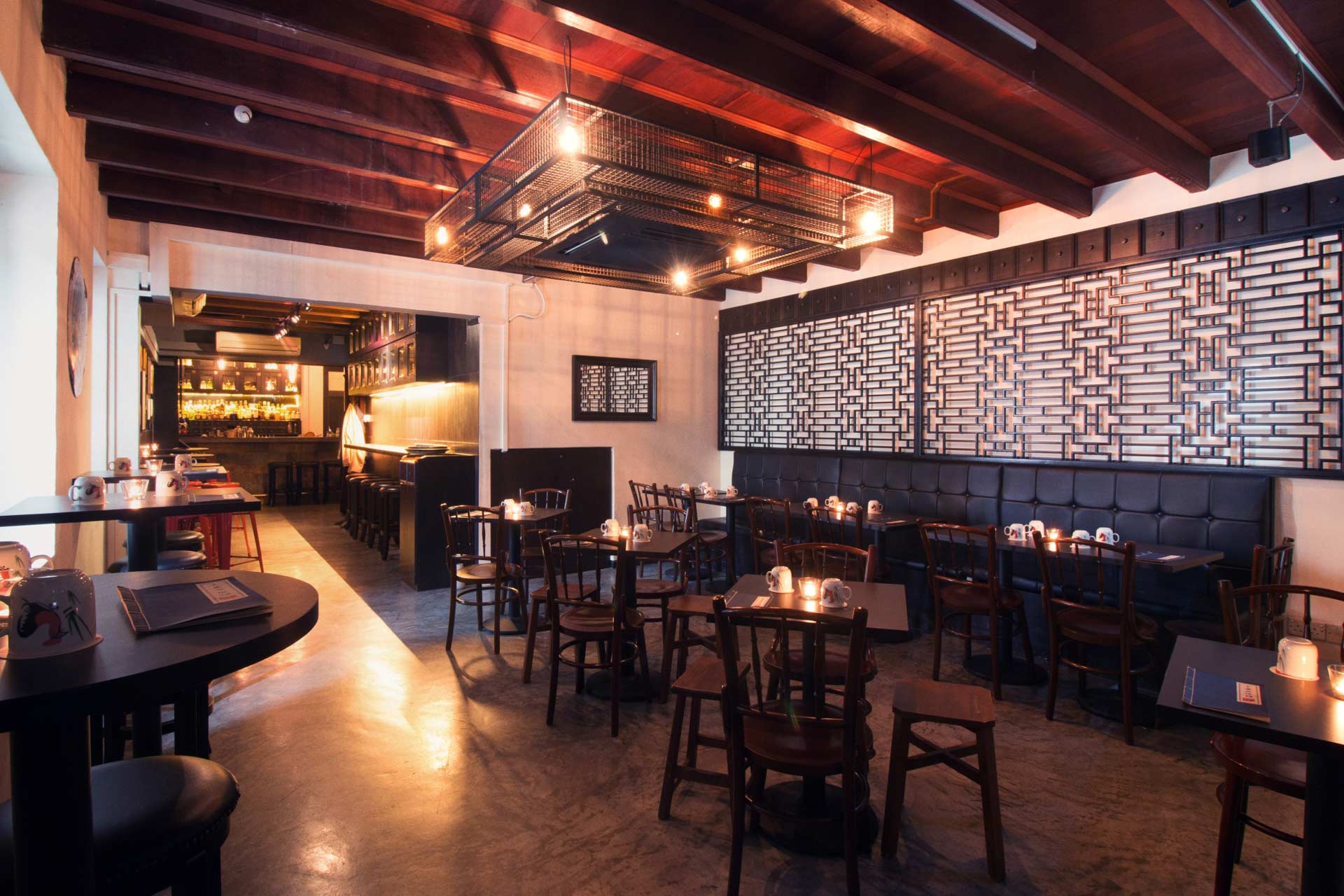
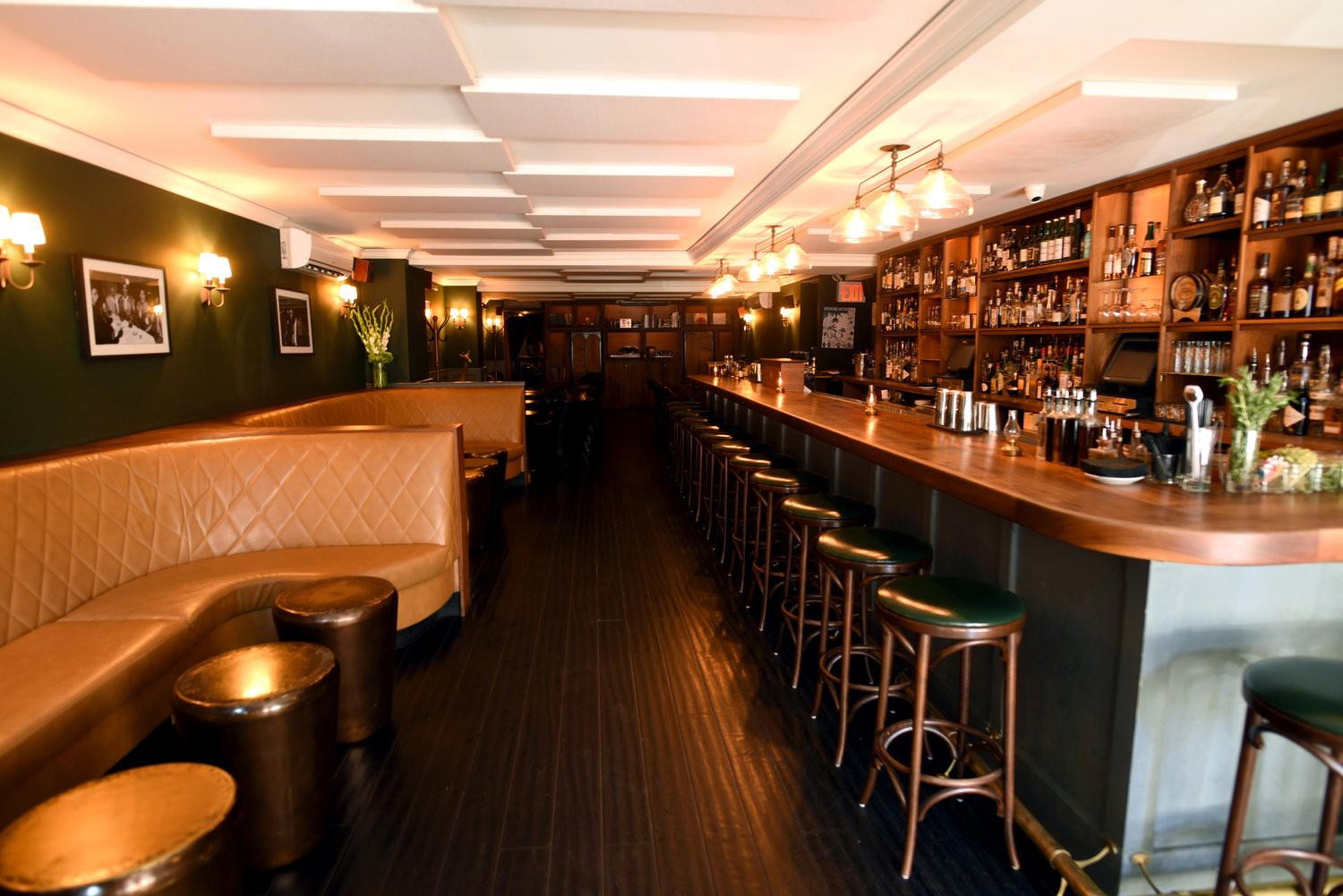
Chic and sophisticated atmosphere with attentive service and modern elegance.