Al-Sultan Restaurant in Glenmarie sits inside Shah Alam's Hicom-Glenmarie Industrial Park, a corner of Selangor where working lunch crowds and suburban families share tables in equal measure. The kitchen draws on Malaysia's deep tradition of Arab-inflected rice and grilled meat cookery, positioning it within the mid-range halal dining tier that defines much of Shah Alam's restaurant scene. Booking ahead is advisable for weekend visits.
Pearl is the En Primeur Club membership app — saves, bookings, and concierge access live there. Same editors, same standards.
- Address
- 35, Jalan Penguasa A U1/53A Kawasan Perindustrian Temasya, Hicom-glenmarie Industrial Park, 40150 Shah Alam, Selangor, Malaysia
- Phone
- +60355670110
- Website
- alsultanglenmarie.com
- Directions
- Get directions
 Saves & bookings on Pearl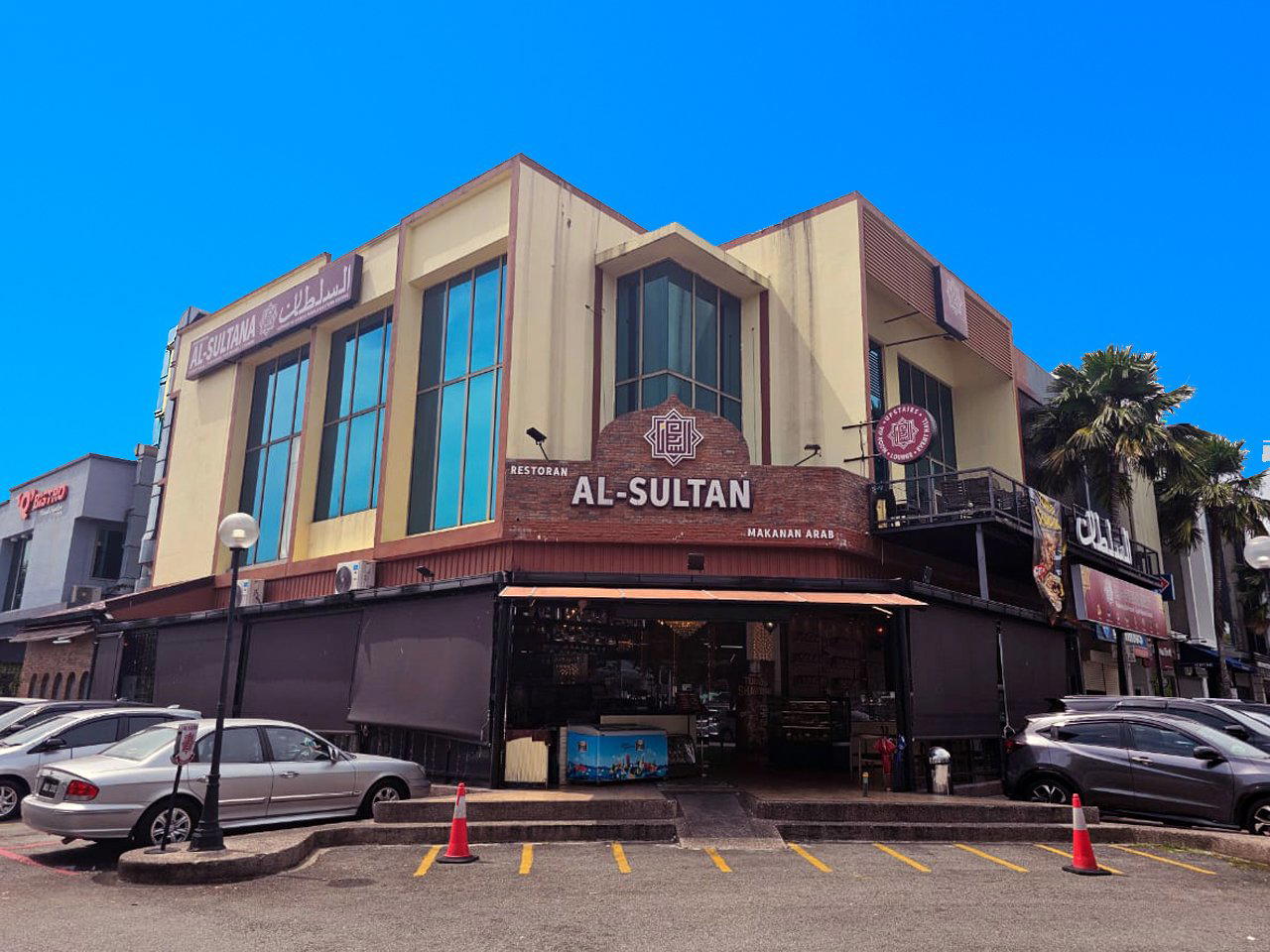
Where Industrial Selangor Meets the Arabic Table
The Hicom-Glenmarie Industrial Park is not where most food writers look first. Its streets run between warehouses and light-manufacturing units, and the lunch hour brings out a crowd that is more logistics manager than leisure diner. Yet this is precisely the kind of neighbourhood where Malaysia's most dependable halal cooking tends to take root: away from mall rents, close to a captive working population, and accountable to regulars who return multiple times a week. Al-Sultan Restaurant occupies a shophouse unit along Jalan Penguasa, and that address tells you something meaningful about what the kitchen has to do to survive. It cannot coast on atmosphere or footfall from passing tourists. It has to cook.
Shah Alam as a dining city is frequently underread by visitors who treat it as a corridor between Kuala Lumpur and Klang. That is a navigational error. The city's majority-Malay demographic has produced a halal dining culture of genuine depth, with Arabic and Middle Eastern influence layered across a Malay base in ways that differ from the more Chinese-inflected food culture of Petaling Jaya or the Peranakan traditions documented at places like Auntie Gaik Lean's Old School Eatery in George Town. Al-Sultan sits inside that Shah Alam tradition, where mandi rice, grilled lamb, and slow-cooked stews constitute the serious end of the menu.
The Ingredient Logic Behind Arabic-Malay Kitchens
The culinary lineage that Al-Sultan draws from is worth understanding on its own terms. Arabic-inflected halal cooking in Malaysia arrived primarily through Yemeni and Hadhramauti traders who settled along the Strait of Malacca over several centuries, bringing with them techniques for cooking whole animals over open flames, for building rice dishes on aromatic broths rather than plain water, and for using dried limes, black cardamom, and fenugreek in ways that sit awkwardly in both purely Malay and purely Chinese spice vocabularies. The ingredient sourcing logic in this tradition prioritises lamb and chicken that can withstand long cooking; the goal is depth of flavour extracted from the protein itself, rather than the layered coconut-cream richness that characterises Malay rendang or the sharp tamarind notes of a Nyonya cook.
In practice, this means the quality of the base proteins matters more than any garnish. Restaurants working this tradition live or die on whether their lamb is appropriately fattened for slow cooking, whether their rice absorbs the cooking broth without turning stodgy, and whether the clarified butter or ghee they use is fresh enough to carry flavour rather than simply grease. These are sourcing decisions made before a single diner arrives, and they are the invisible architecture beneath whatever lands on the table. The same ingredient logic applies at different price points across Malaysian dining: Dewakan in Kuala Lumpur applies similarly rigorous sourcing thinking to indigenous Malaysian ingredients at the fine-dining end of the spectrum, while neighbourhood halal kitchens like Al-Sultan apply it to the everyday proteins their regulars expect to find cooked correctly every single service.
The Glenmarie Setting and What It Signals
Arriving at the Hicom-Glenmarie address, the industrial park context shapes expectations in useful ways. The surrounding units are functional rather than decorative, and the restaurant's own presence on the street reflects that environment: this is a kitchen set up to feed people efficiently and well, not to create an Instagram backdrop. The Arabic-Malay restaurant format in this tier typically runs an open dining room with tables for groups, a counter or display area where rice and proteins are portioned, and a menu weighted toward shareable formats. That group-dining orientation is deliberate. Mandi and kabsa are communal dishes by design; ordering a whole slow-cooked lamb for a table of six makes more economic and culinary sense than individual portions. Shah Alam's working-lunch and family-weekend crowd understands this arithmetic instinctively.
The Glenmarie subdistrict itself sits at the edge of Shah Alam's industrial western zone, adjacent to the KLIA highway corridor that connects Selangor to the international airport. That location draws a mix of airport-adjacent workers, logistics staff, and residents from the surrounding Temasya development. It is a different comparable set from the Friday-lunch crowds that fill Arabic restaurants in Damansara or the corporate dining rooms of central Kuala Lumpur, and the kitchen is calibrated accordingly. For comparison, Ombak Kitchen Bukit Jelutong in Shah Alam operates in a similarly neighbourhood-embedded format, drawing from a residential rather than industrial catchment.
Where Al-Sultan Sits in Malaysia's Halal Dining Tier
Malaysia's halal restaurant market is large enough to support significant internal stratification. At the leading end, restaurants with formally trained chefs and tasting-menu formats have started applying contemporary technique to halal ingredients, though this remains a niche. The broad middle tier, where Arabic-Malay kitchens operate, is defined by value density: portions calibrated for sharing, proteins cooked to order or held at correct temperature from a pre-cooked batch, and pricing that reflects a regular-visit frequency rather than an occasion-dining margin. Al-Sultan operates in this middle tier, competing on consistency and portion value against other halal Arabic restaurants across Selangor rather than against fine-dining destinations like Lavo and Lavo Gallery in Petaling Jaya or the resort-standard kitchens found at The Dining Room at The Datai Langkawi.
Within that competitive set, the factors that differentiate one Arabic-Malay kitchen from another are narrow but meaningful: rice texture, lamb tenderness, the quality of the accompanying salata or soup, and whether the kitchen can maintain consistency across a full lunch service when covers peak. Regulars in this tier are not forgiving of variation; a working professional who eats at the same restaurant three times a week will notice immediately if the rice is overcooked or the lamb is from a different supplier. That accountability to repeat custom is the silent quality-control mechanism that keeps the better kitchens in this category honest.
Planning Your Visit
Al-Sultan Restaurant is located at 35, Jalan Penguasa A U1/53A in the Hicom-Glenmarie Industrial Park, Shah Alam, Selangor. The area is best reached by car; public transport connections to the industrial park are limited, and rideshare services from Shah Alam city centre or from the nearby Subang Jaya area are one practical option for visitors without their own vehicle. For other dimensions of Malaysian dining worth understanding before visiting the region, the kitchens at Bismillah Cendol in Taiping and BM Cathay Pancake in Seberang Perai illustrate the breadth of Malaysia's vernacular food culture across different states and price points.
Comparison Snapshot
Comparable venues nearby, for context on price, style, and recognition.
| Venue | Cuisine | Price | Notes |
|---|---|---|---|
| Al-Sultan Restaurant - GlenmarieThis venue — the venue you are viewing | Authentic Middle Eastern (Arabic, Turkish, Syrian, Yemeni) | $$ | Not listed |
| Ombak Kitchen Bukit Jelutong | Cajun Seafood | $$ | Bukit Jelutong |
| Tek Sen Restaurant | Penang Chinese Zi Char | $$ | George Town |
| Din Tai Fung (Din Tai Fung (鼎泰豐)) | Taiwanese Dim Sum | $$ | Bukit Bintang |
| Village Park Restaurant | Malaysian Nasi Lemak | $$ | Damansara Utama |
| Ka Bee Cafe 佳味餐室 | Chinese Seafood Noodles | $$ | George Town |
Continue exploring
More in Shah Alam
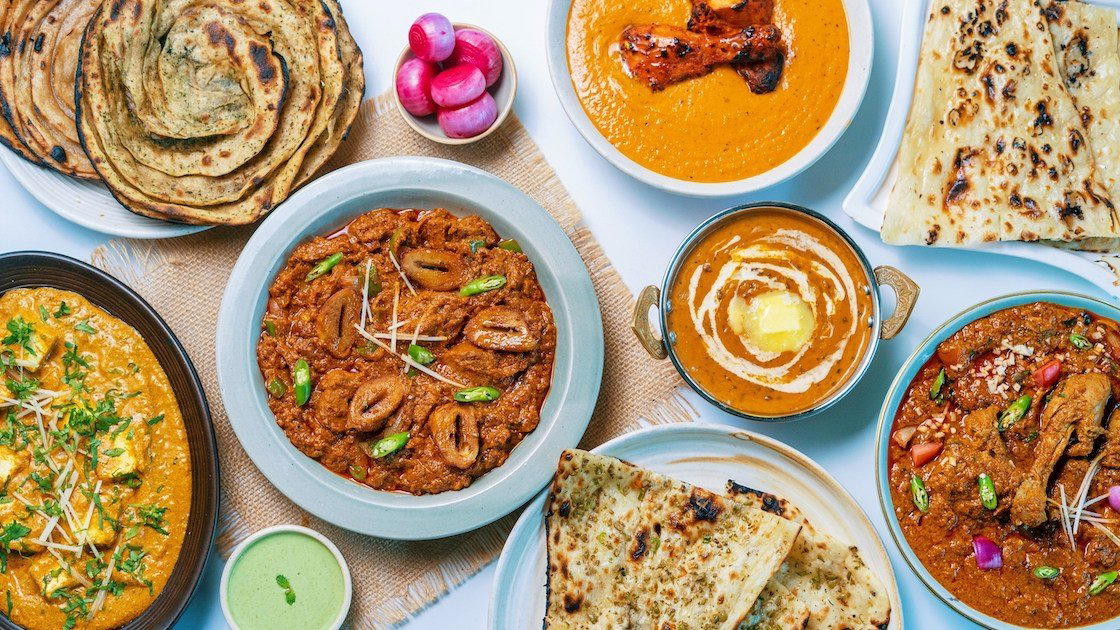
Restaurants in Shah Alam
Browse all →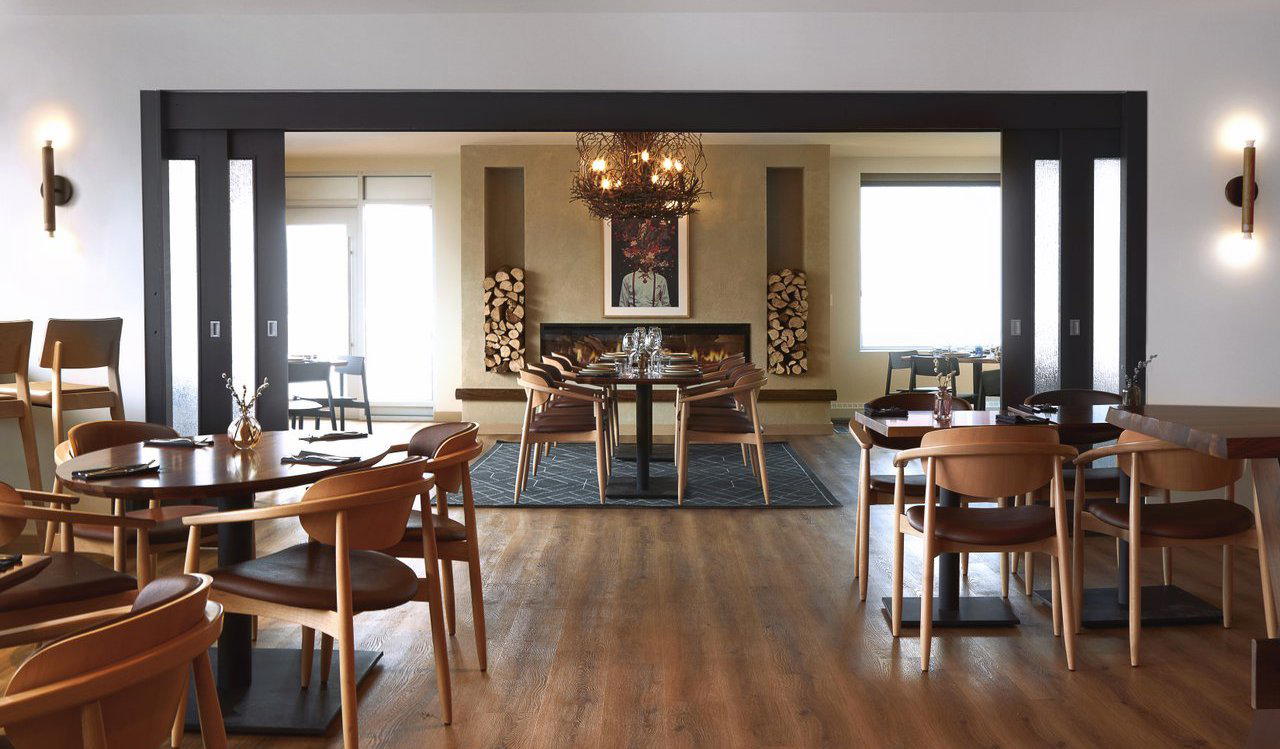
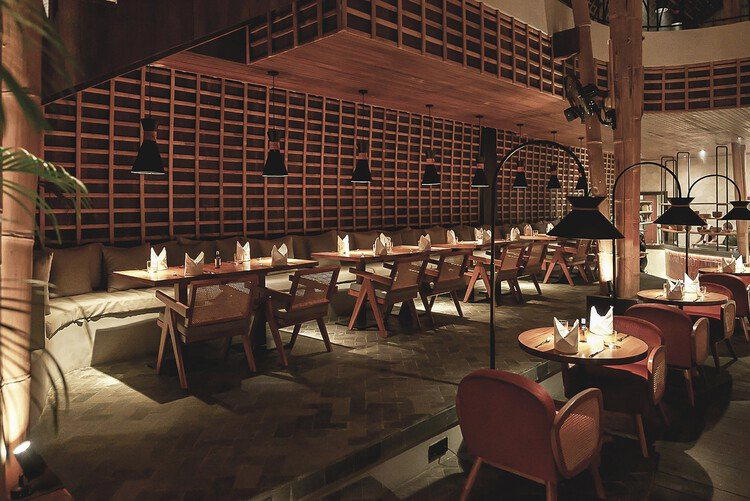
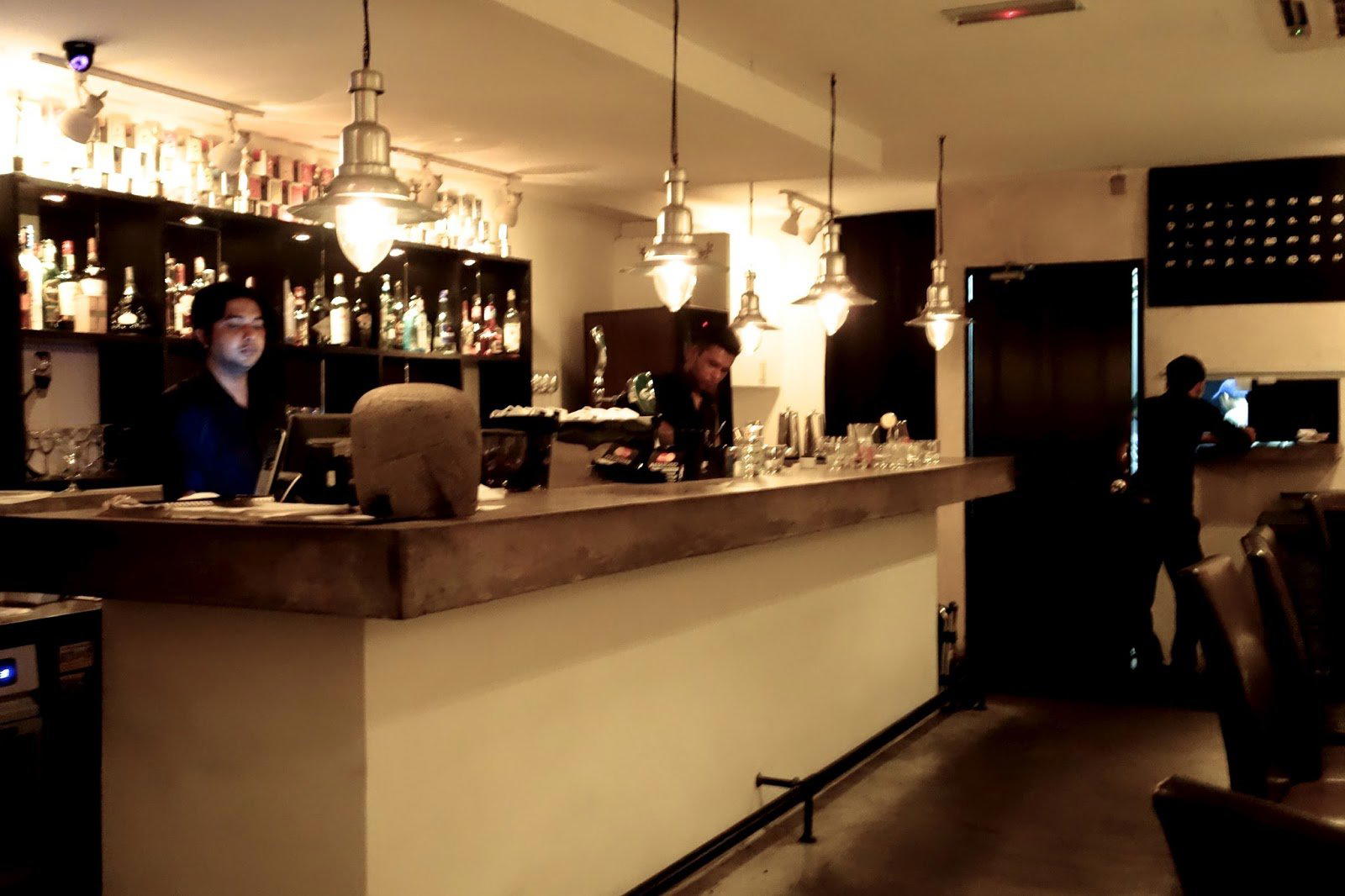
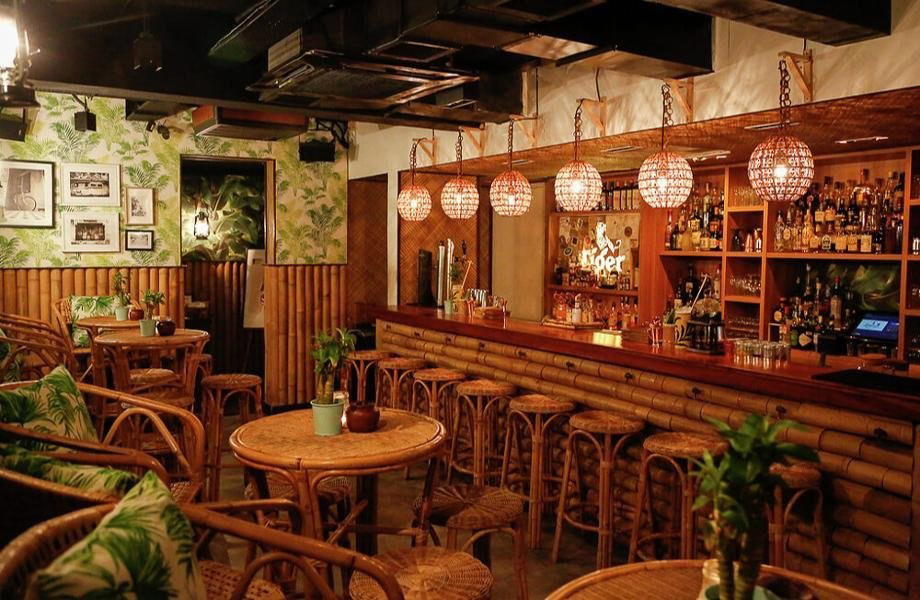
Bars in Shah Alam
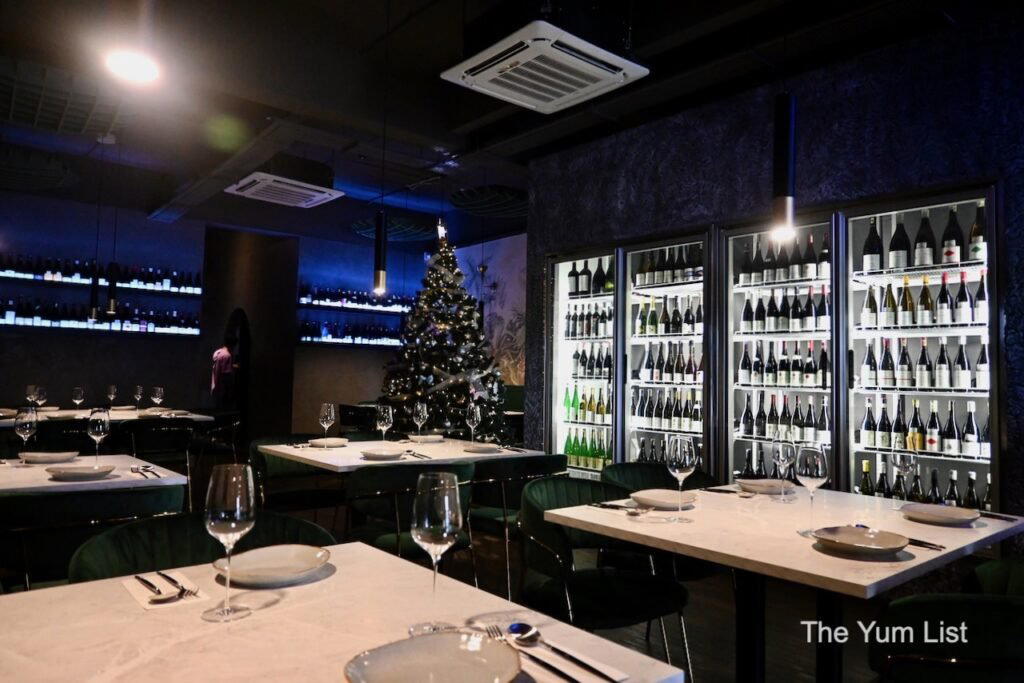
Browse all →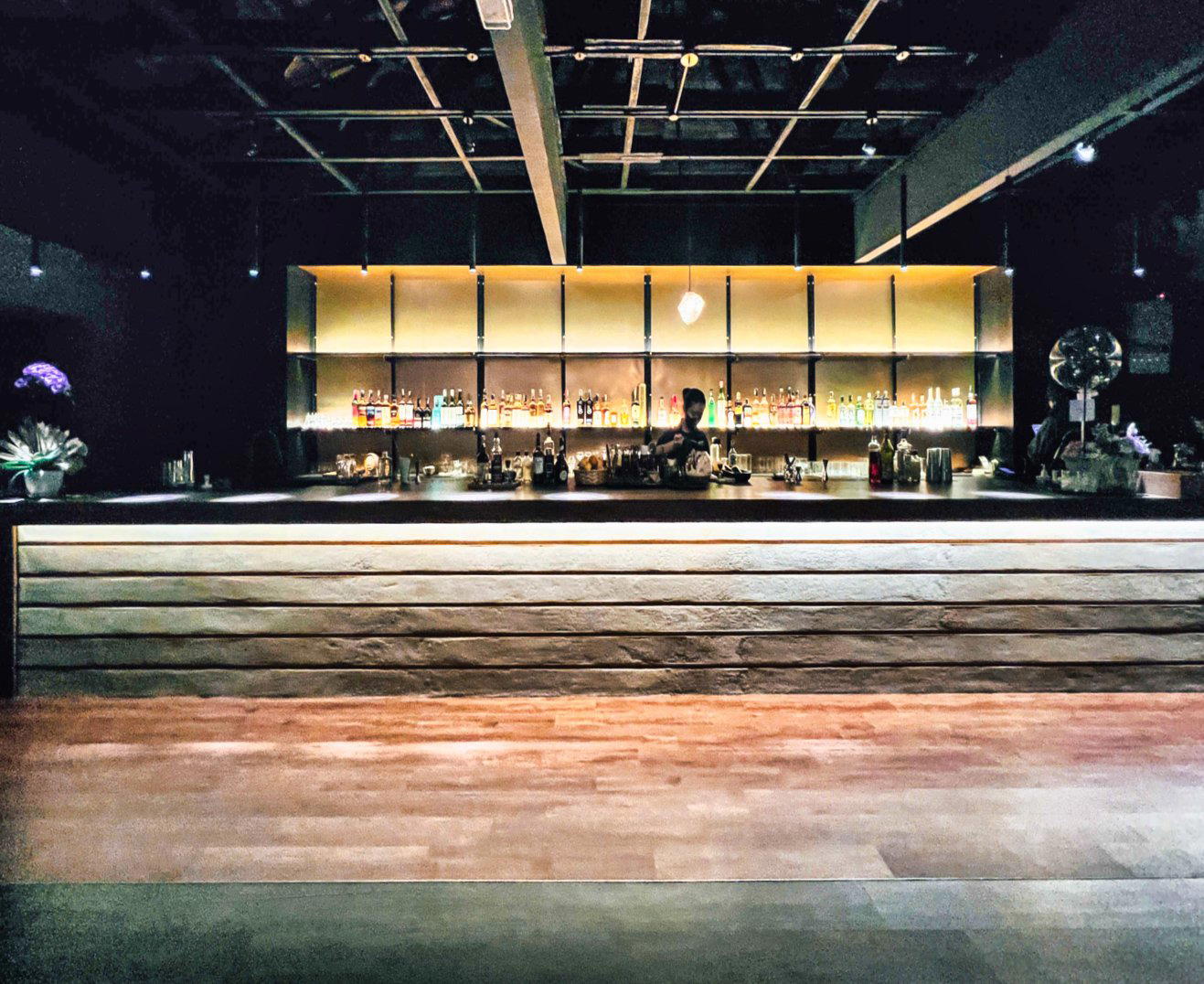
At a Glance
- Elegant
- Ornate
- Family
- Group Dining
- Celebration
- Live Music
- Private Dining
Current opening hours
- Monday
- 11 AM–3 AM
- Tuesday
- 11 AM–3 AM
- Wednesday
- 11 AM–3 AM
- Thursday
- 11 AM–3 AM
- Friday
- 11 AM–3 AM
- Saturday
- 11 AM–3 AM
- Sunday
- 11 AM–3 AM
Hours can change for holidays and private events. Last verified .
Lavish atmosphere with rich tapestries and regal interiors evoking Arabian elegance.