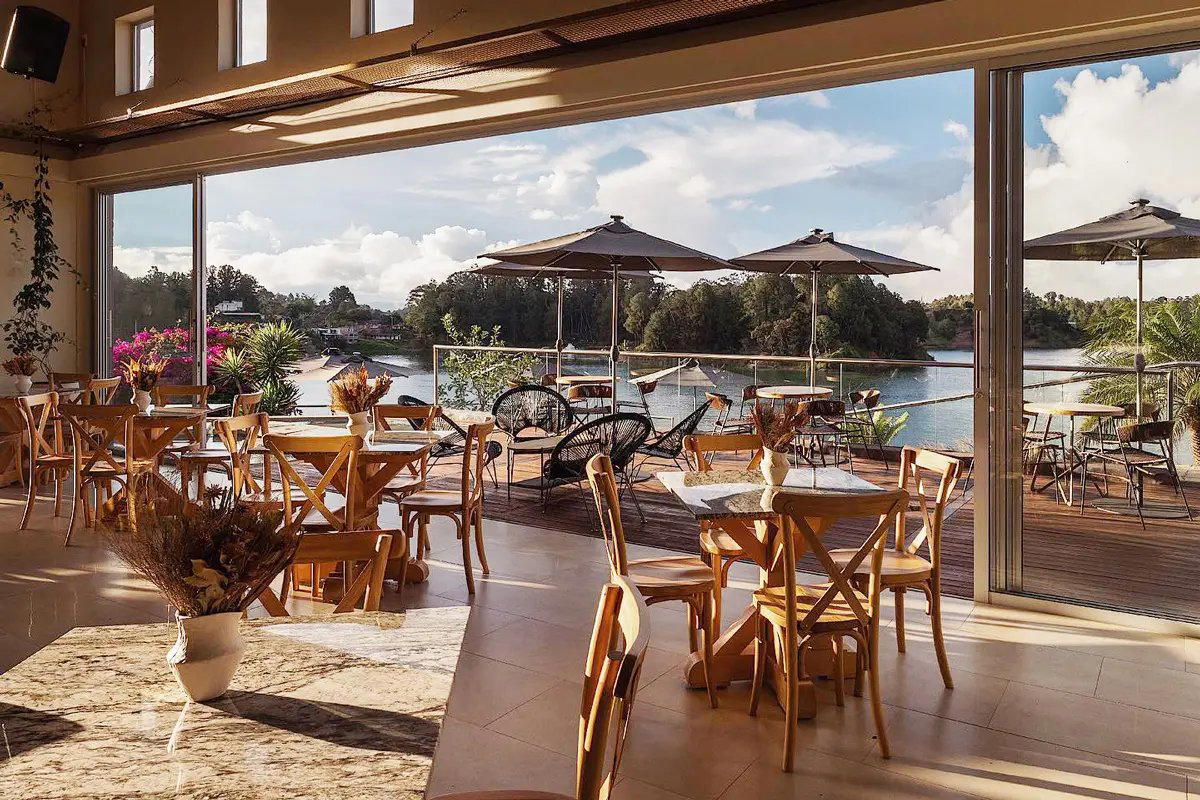
In Guatapé, where the Antioquia highlands meet reservoir water on every horizon, Restaurante La Piedra draws from the region's agricultural backbone to put local ingredients at the centre of the table. The setting alone frames each meal against one of Colombia's most visually arresting lakeside towns. For travelers moving between Medellín and the Andes interior, it sits squarely on the itinerary.
Pearl is the En Primeur Club membership app — saves, bookings, and concierge access live there. Same editors, same standards.
- Address
- Guatapé, Colombia
- Directions
- Get directions
 Saves & bookings on Pearl
Where the Reservoir Ends and the Kitchen Begins
Guatapé is a town that operates at a particular frequency. The painted zócalos lining every exterior wall, the constant presence of water from the Embalse Guatapé reservoir, and the footfall of travelers making the ascent to La Piedra del Peñol, the granite monolith that gives this restaurant its name, create an environment where food is inseparable from place. Dining here is not a detour from the experience of Guatapé; it is part of the same sensory rhythm. Restaurante La Piedra positions itself within that logic, drawing its identity from the physical and agricultural terrain that surrounds the town.
The Antioquia region has always had a defined food culture. Bandeja paisa, the Antioquian platter of beans, rice, chicharrón, chorizo, and plantain, is less a dish than a declaration of regional identity. But Guatapé's lakeside location adds a second layer: freshwater fish from the reservoir, particularly trucha (trout) and other regional species, have long been the ingredient that separates this town's kitchens from their landlocked Antioquian counterparts. Any honest account of dining in Guatapé starts with that distinction.
Sourcing from the Reservoir and the Highland Hills
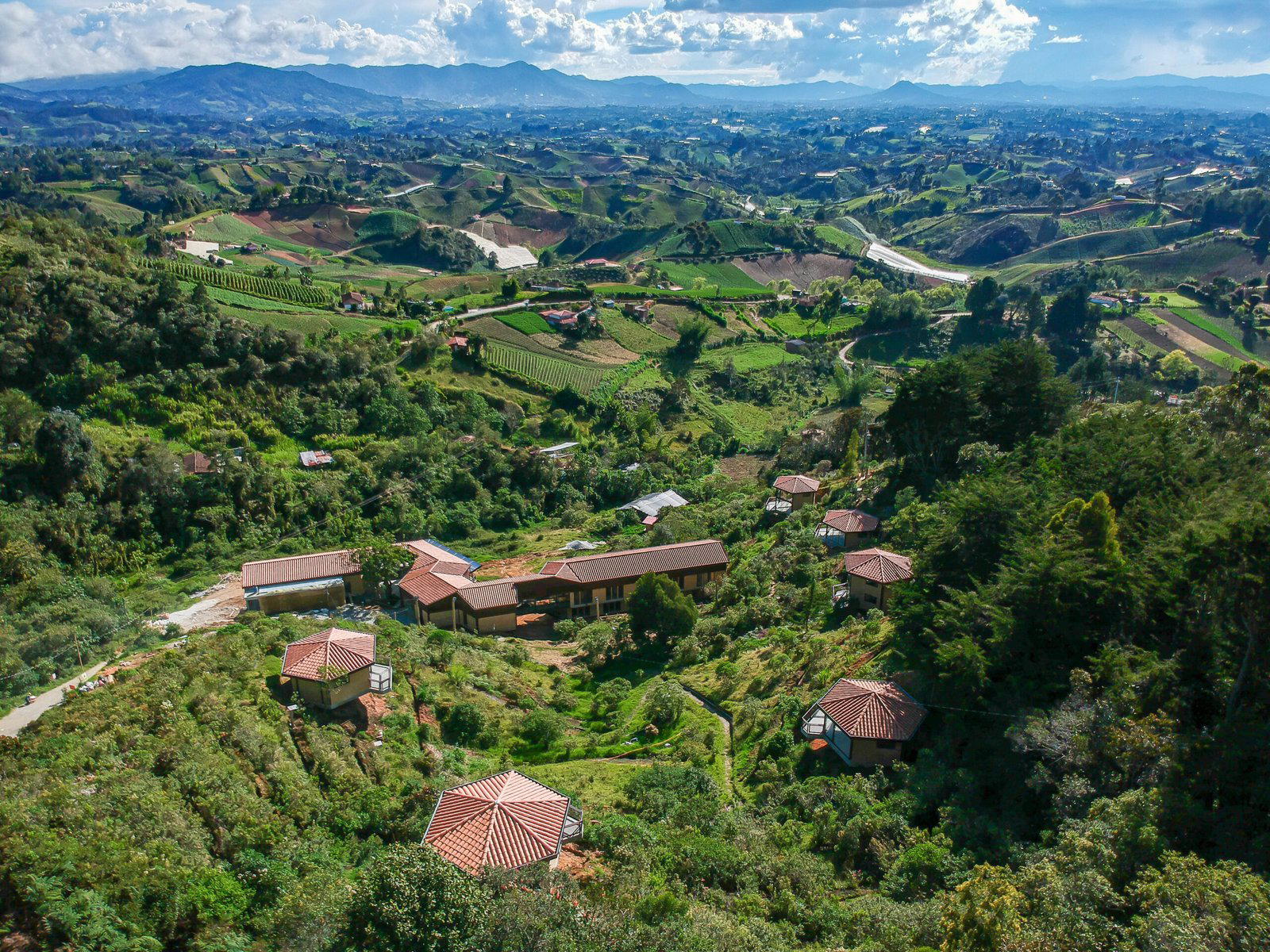
The ingredient story in this part of Antioquia is one of compressed geography. Within a short radius of Guatapé, the land produces coffee, plantains, yuca, corn, and cacao, while the reservoir provides a reliable freshwater catch. This density of local production is what defines kitchen practice at restaurants across the town, and it's the lens through which La Piedra is best understood.
Freshwater fish from the Embalse Guatapé represents the clearest expression of place on any menu in the area. Trout sourced from the reservoir or nearby farms carries a flavor profile tied directly to the cold Andean water in which it's raised, leaner and cleaner than coastal fish, with a texture that responds well to both grilling and frying. In a town where tourists arrive by boat and the reservoir is the backdrop of every terrace, serving locally-sourced freshwater fish is less a marketing decision than a geographic inevitability. The better kitchens in Guatapé treat it accordingly.
Beyond fish, the Antioquian highlands supply the carbohydrate and legume base that defines the regional table. Frijoles antiqueños, the red beans slow-cooked with pork and seasoned with hogao, form a dish that appears in some variation across almost every local kitchen. The ingredients travel short distances here. For travelers comparing this to the more globally-oriented menus at places like Debora Restaurante in Bogota or the format-driven approach of 37 Park in Medellín, La Piedra operates in a different register entirely, one where regional fidelity, not cosmopolitan ambition, is the point.
Guatapé's Place in the Wider Colombian Dining Map
Colombia's restaurant conversation is dominated by Bogotá, where modern Colombian cooking has attracted serious international attention through restaurants working in the tradition of El Chato, Leo, and Celele, kitchens that use native ingredients as the basis for technically demanding menus. Medellín has developed its own tier of ambitious dining. Guatapé is neither of these things, and it shouldn't try to be.
What Guatapé offers is a different kind of argument for Colombian ingredients: the unmediated version, where the fish comes from the water visible from your table, and the beans have been grown in the hills you drove through to get there. This is the same logic that makes places like Andrés Carne de Res in Chia compelling as a regional experience, even if the format is entirely different. Across Colombia's cities and towns, from LA BRIOCHE Bocagrande in Cartagena De Indias to Cardinal Comida Peruana de Autor in Pereira, what defines a kitchen's identity is almost always its relationship to local supply chains. In Guatapé, that relationship is unusually direct.
For context on what Colombia's coastal kitchens do with similar proximity-to-source logic, compare the approach here to BK - BURUKUKA in Santa Marta or Varadero in Barranquilla, kitchens shaped by coastal geography in the same way Guatapé's are shaped by reservoir and highland. The ingredient logic is parallel; the expression is regional.
Planning Your Visit
Guatapé sits roughly two hours from Medellín by road. Traveling midweek changes the experience substantially: tables at lakeside restaurants are easier to secure, the streets around the main square are quieter, and the ascent to El Peñol involves fewer people. For those arriving from further afield, Medellín serves as the logical base, with connections to Bogotá, Cartagena, and other Colombian cities. For a broader picture of where La Piedra fits among Guatapé's dining options, our full Guatapé restaurants guide covers the town's range in detail. Visitors combining Guatapé with broader Antioquia travel might also consider Le Brunch Express in Envigado, Bulgatta restaurante in Retiro, or El Rancherito in Rionegro as part of a regional loop through the greater Medellín area. For those extending further across Colombia, the culinary range stretches from Casa Ibérica in Cali to Los Tacos Del Gordo in Cartagena, Crepes & Waffles Centro in Cartagena, and La B Hamburgers in Sincelejo. For reference points outside Latin America entirely, Le Bernardin in New York City and Atomix in New York City represent the kind of internationally benchmarked kitchens against which Colombia's upper-tier Bogotá restaurants now compete, Guatapé operates in a different category, and that is the reason to go. Finally, for visitors who include regional comfort food in their Colombian itinerary, Asadero Pressto Broaster in Bogotá offers a useful reference point for how everyday Colombian poultry cooking operates across the country.
A Quick Peer Check
Comparable venues nearby, for context on price, style, and recognition.
| Venue | Cuisine | Price | Notes |
|---|---|---|---|
| Restaurante La PiedraThis venue — the venue you are viewing | Colombian Gastropub | $$ | Not listed |
| Crepes & Waffles Centro | Crepes & Waffles | $$ | El Centro |
| Mamasita | Modern Colombian Paisa | $$ | El Poblado |
| Ko Asian Kitchen | Asian Fusion | $$ | Chico Norte |
| Dragon de la Marina | Chinese with Caribbean Twist | $$ | Old City (Cartagena de Indias) |
| San Valentín Restaurante Bar | Caribbean Seafood & Local Fare | $$ | Centro |
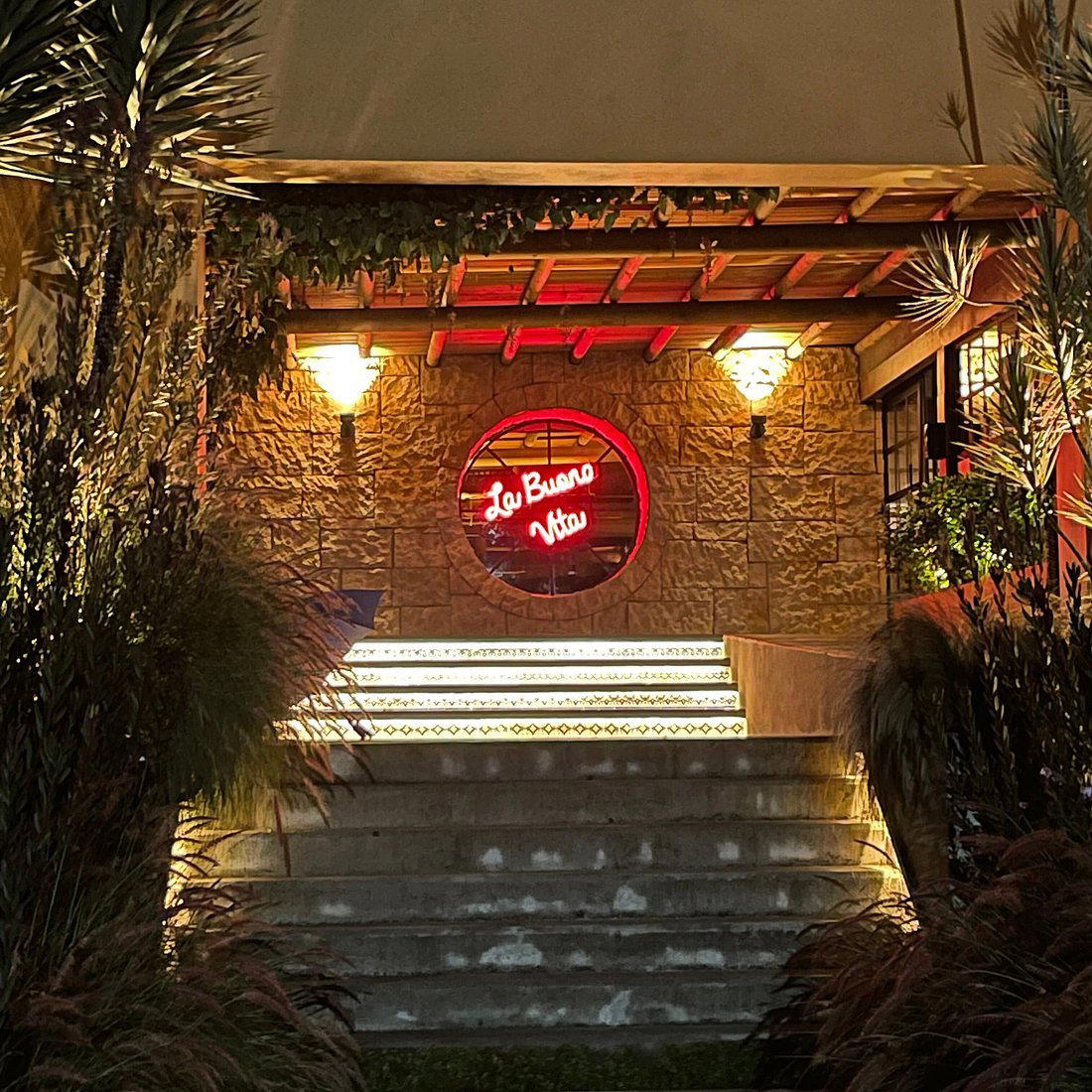

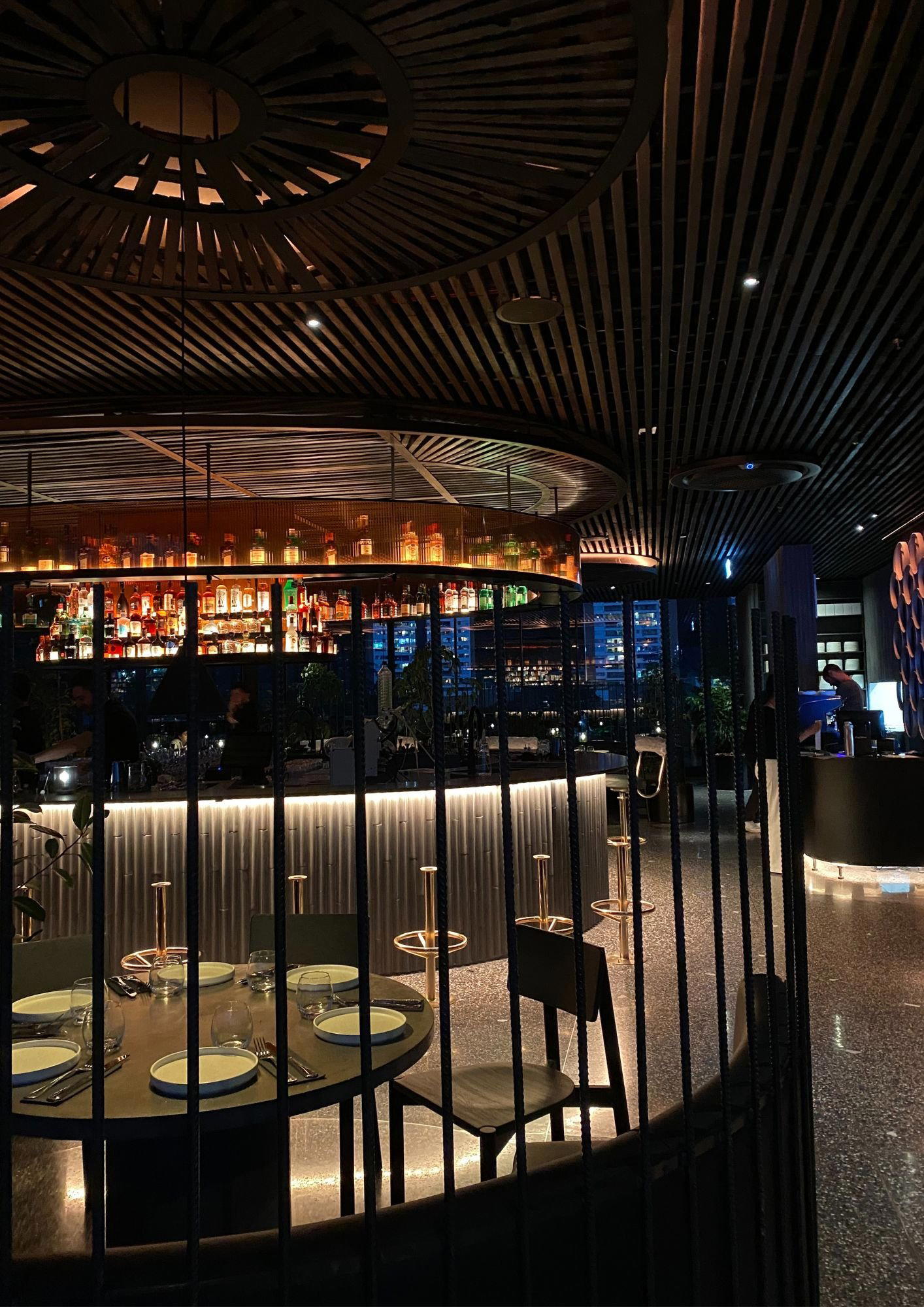
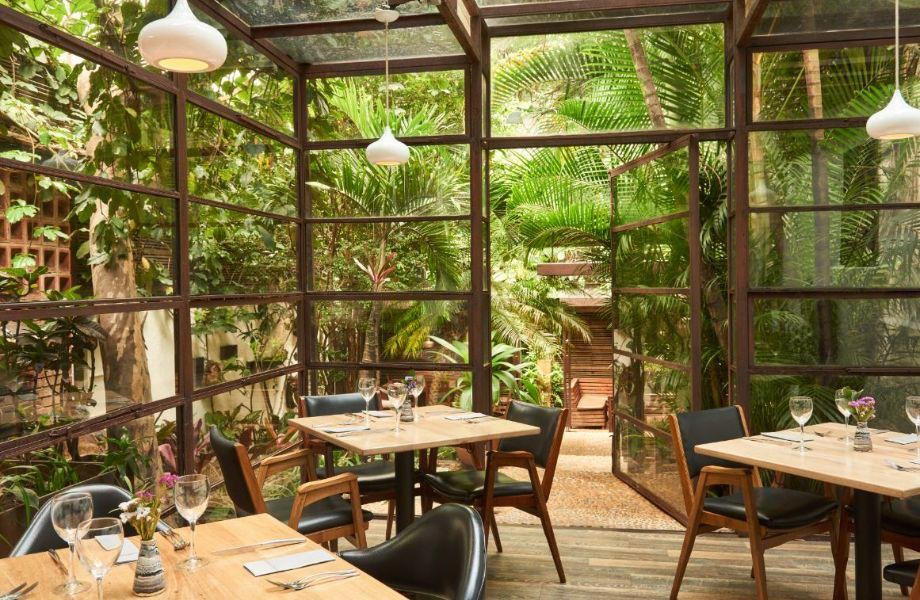

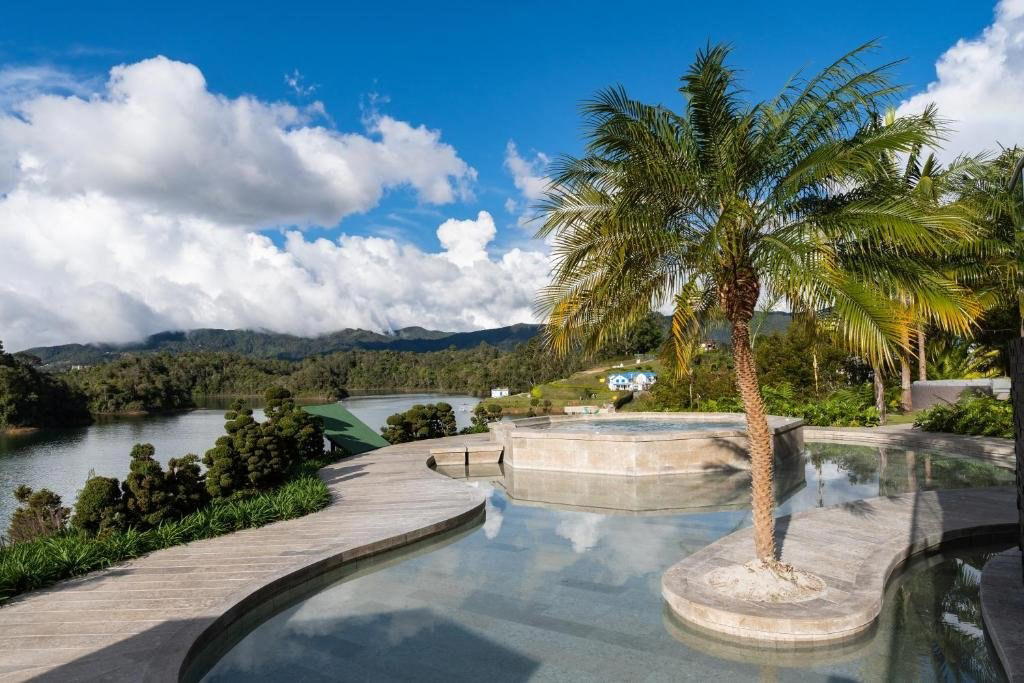
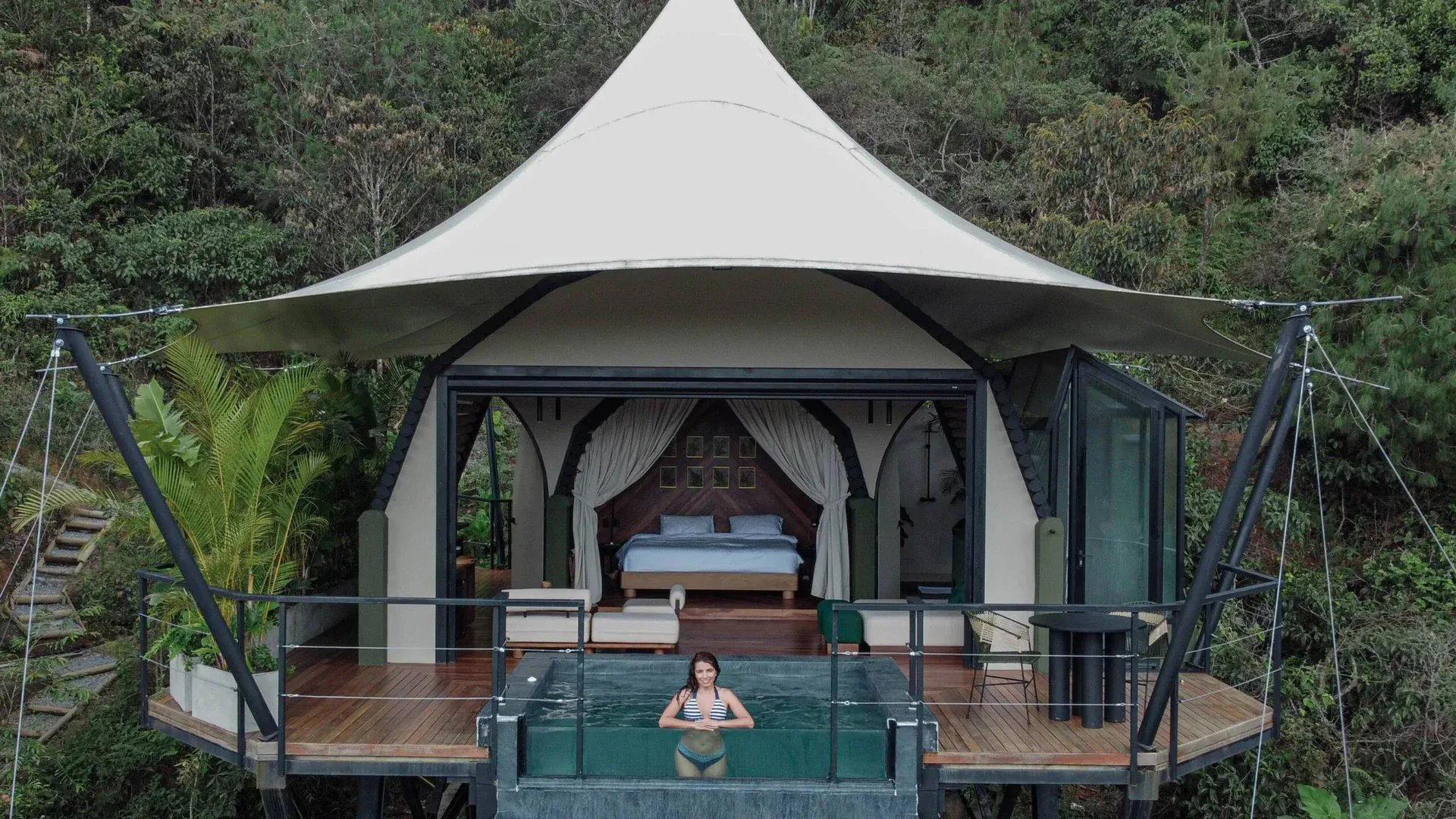
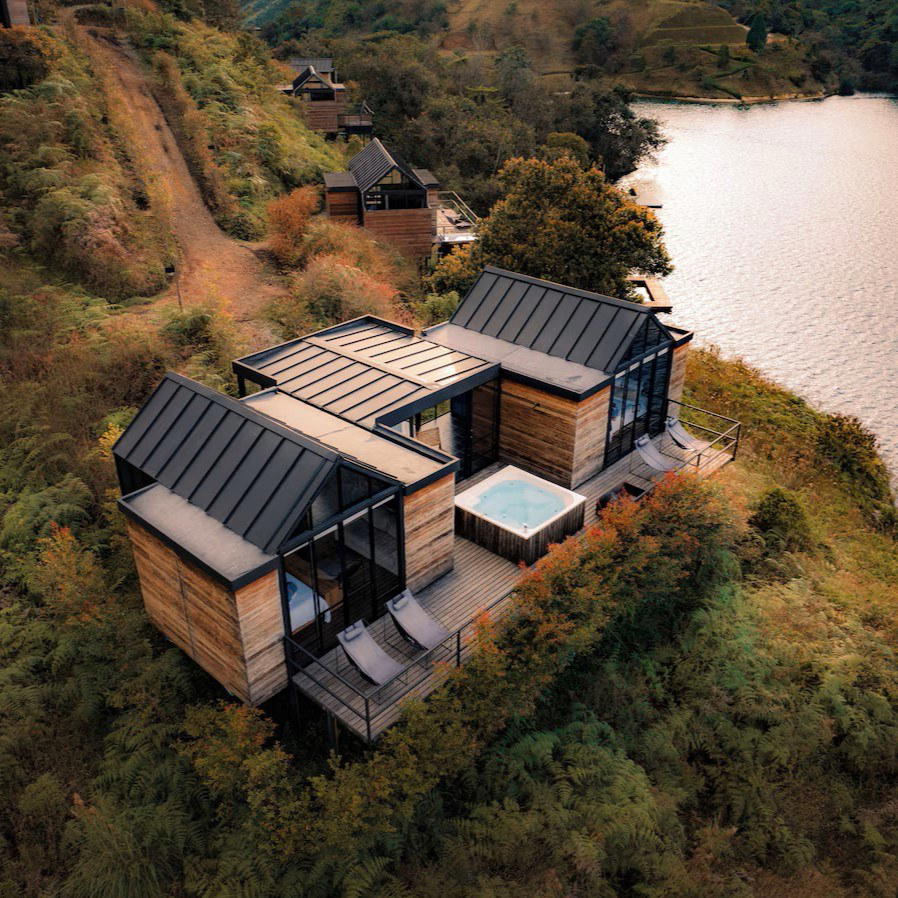
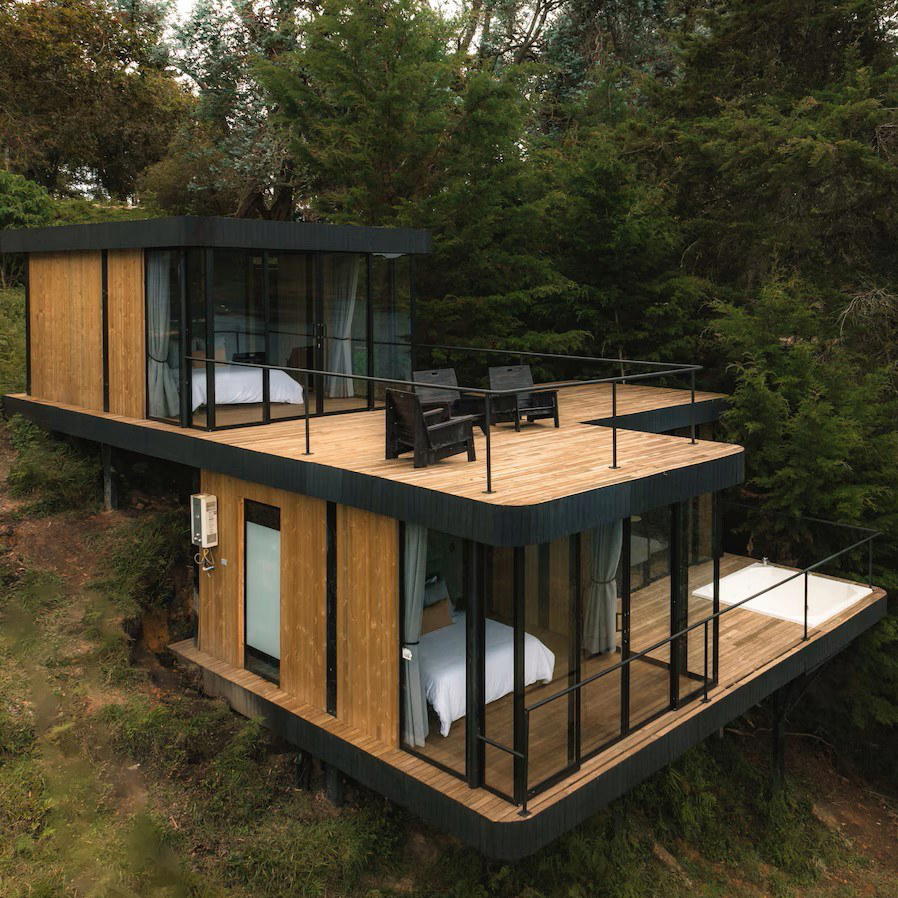
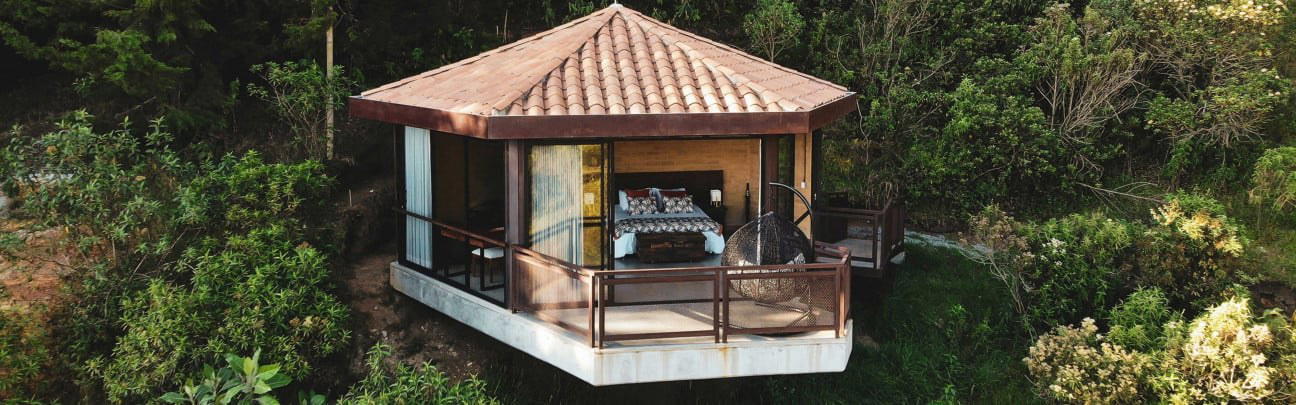
At a Glance
- Scenic
- Rustic
- Cozy
- Casual Hangout
- Group Dining
- Rooftop
- Terrace
- Panoramic View
- Craft Cocktails
- Mountain
- Waterfront
Modern relaxed gastrobar atmosphere with far-reaching scenery.