6.8 Palopó

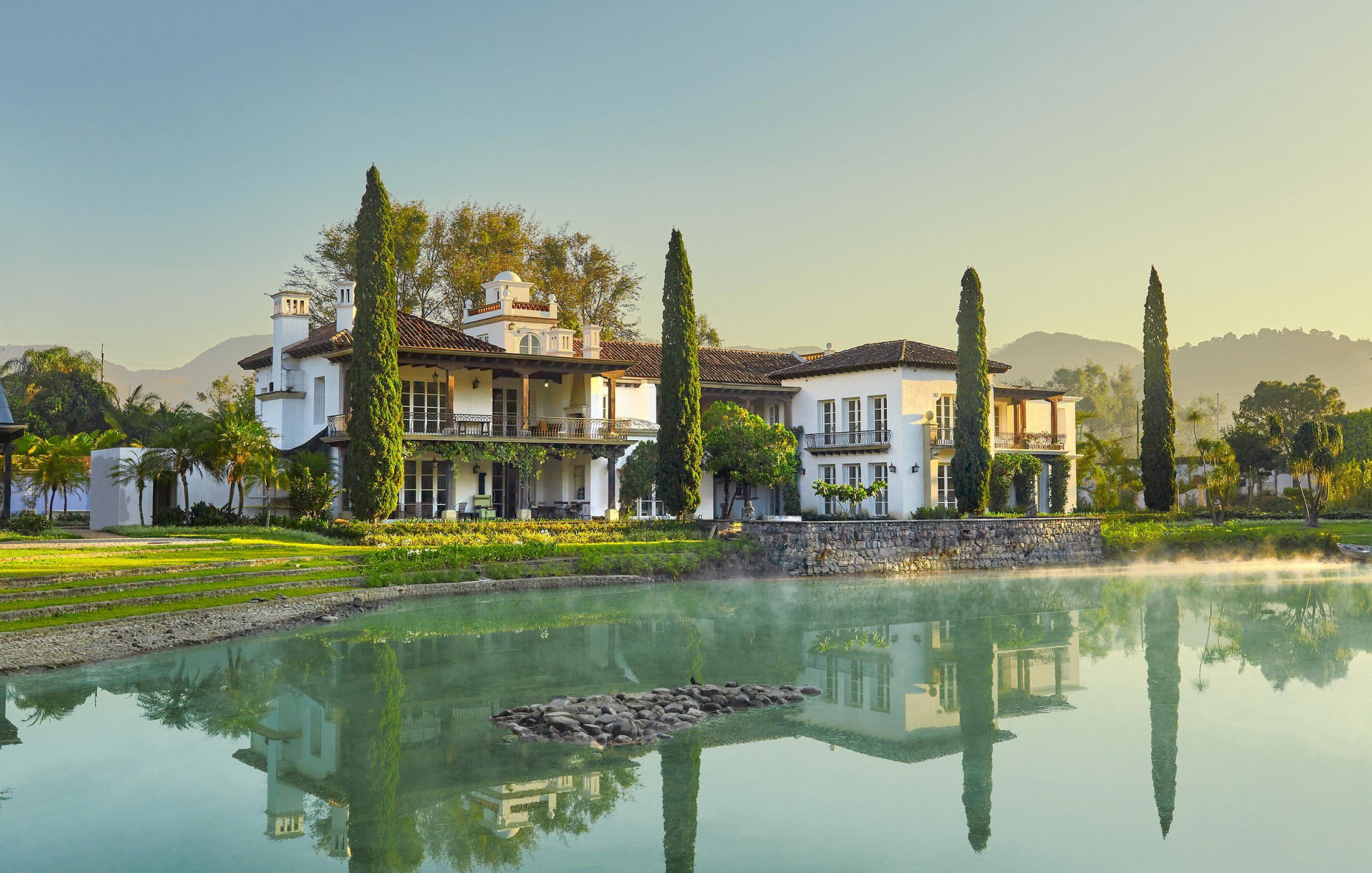
Positioned on the edge of Lake Atitlán in Santa Catarina Palopó, 6.8 Palopó is one of the few restaurants in Guatemala's highland lake corridor to earn recognition for expression of terroir. Under chef Jorge Peralta, the kitchen works within a Latin American frame but pulls directly from the volcanic soils and indigenous agricultural traditions that define this specific corner of the Guatemalan altiplano.
Pearl is the En Primeur Club membership app — saves, bookings, and concierge access live there. Same editors, same standards.
- Address
- carretera a, Santa Catarina Palopó 00000, Guatemala
- Phone
- +502 3755 6973
- Website
- casapalopo.com
- Directions
- Get directions
 Saves & bookings on Pearl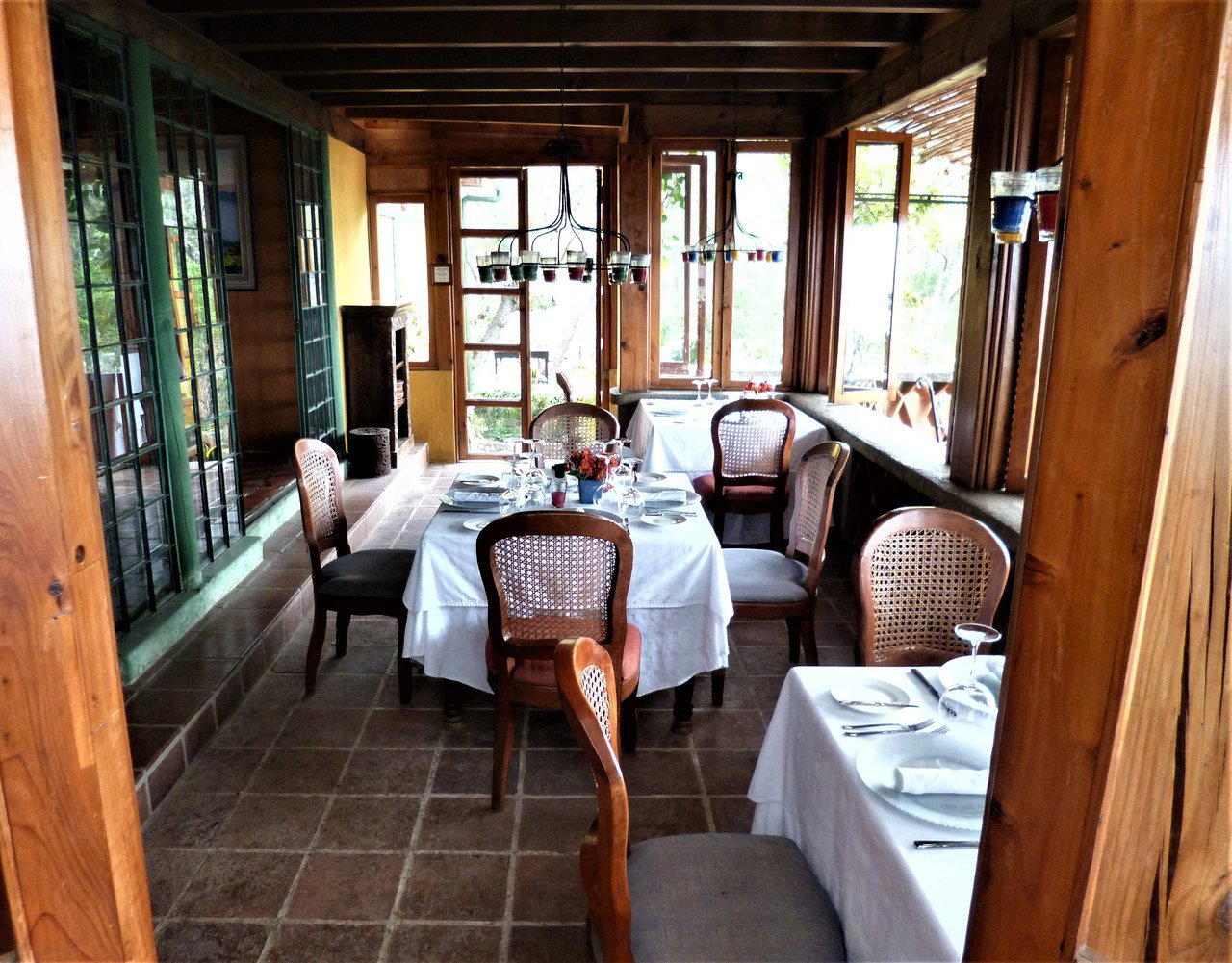
Cooking at the Edge of the Volcanic Lake
Lake Atitlán sits inside a caldera formed by a catastrophic eruption roughly 84,000 years ago. The three volcanoes that now ring its southern shore — Atitlán, Tolimán, and San Pedro — shape the microclimate and the soil chemistry that define what grows here. That geological context is not incidental to what 6.8 Palopó does in the kitchen; it is the editorial premise of the entire menu. The restaurant's name references the seismic activity that still registers in this region, and that grounding in place runs through every decision made about what lands on the plate.
Santa Catarina Palopó is a small Kaqchikel Maya town on the lake's eastern shore. Until relatively recently, it functioned almost entirely outside the premium dining circuit that Guatemala City has slowly been building. The emergence of restaurants here, most legibly at Casa Palopó (Guatemalan Fusion), signals a broader shift: highland lake towns are no longer purely transit points for travellers moving between Antigua and the western highlands, but destinations with their own culinary and hospitality identity. 6.8 Palopó sits inside that shift, and its award recognition for terroir expression places it in a specific tier of the emerging scene.
Masa, Nixtamal, and the Foundational Ingredient
The cooking traditions of the Guatemalan altiplano are inseparable from corn. The Kaqchikel and Tz'utujil communities around Atitlán have maintained heirloom maize cultivation for generations, and the varieties grown at altitude in volcanic soils produce a kernel with distinct mineral character and density. Nixtamalization, the alkaline process of treating dried corn with lime water before grinding, transforms that kernel into masa, the material foundation of Guatemalan and broader Mesoamerican cooking. It is one of the oldest and most consequential food technologies in the Americas, and it is impossible to understand highland Guatemalan cuisine without it.
What distinguishes serious terroir-driven kitchens in this region from more generic Latin American restaurants is the specificity of that corn sourcing. The difference between masa made from a commercial hybrid and masa ground from a landrace variety cultivated at 1,562 metres above sea level, in the specific mineral-rich soil of the Atitlán basin, is not subtle. It expresses in texture, in the slight fermentation notes that develop during soaking, and in the way the masa holds heat. Kitchens that earn terroir recognition in this context have, by definition, made decisions about sourcing at that level of precision. 6.8 Palopó's recognition, highlighted as an Expression of the Terroir, implies exactly that kind of sourcing commitment from chef Jorge Peralta.
The broader Latin American dining world has become increasingly articulate about this subject. At Mono in Hong Kong and Imperfecto: The Chef's Table in Washington, D.C., Latin American kitchens operating far from their source ingredients still use heirloom grain provenance as a credentialing signal. At 6.8 Palopó, that provenance is literally outside the window.
The Scene at Lake Atitlán
The premium dining tier around Lake Atitlán is small and concentrated. Santa Catarina Palopó and its immediate neighbours are not competing with Antigua's more established restaurant circuit, which includes restaurants like Ana in Guatemala City within the wider national frame. Instead, the lake towns occupy a distinct niche: smaller scale, tighter connection to Kaqchikel agricultural tradition, and a captive audience of travellers who have specifically sought out the lake rather than passing through it.
Across the broader Latin American category internationally, the range is wide. Restaurants like Amazónico in Dubai, Amara in Miami, and Arturito in São Paulo operate within high-volume, high-polish formats aimed at very different audiences. Operations like Awasi Atacama in San Pedro de Atacama are closer in spirit, small-scale, place-specific, with sourcing decisions that would be impossible to replicate elsewhere. 6.8 Palopó fits the latter model. Its competitive set is not the Guatemala City fine dining room or the international Latin concept; it is the handful of kitchens globally that treat a specific volcanic or Andean or riparian terroir as a non-negotiable constraint on what gets cooked.
Travellers planning time at the lake should treat dining here as part of a broader engagement with the region. The full Santa Catarina Palopó restaurants guide maps the wider scene, while the hotels guide, bars guide, and experiences guide cover the rest of what the town offers. There is also a wineries guide for those interested in what is happening with fermentation in the region more broadly. Elsewhere in the Latin American world, kitchens doing similar terroir-led work include ZEA in Taipei, Almacita in Valence, Bacán in Orlando, Canaima in Lyon, and Casa Chameleon at Las Catalinas in Potrero.
Planning a Visit
Santa Catarina Palopó is reached via a short drive or boat crossing from Panajachel, the lake's main transport hub, which is itself approximately two hours from Antigua by road. The town is compact, and the restaurant sits along the carretera that curves around the eastern shoreline. Booking details, hours, and pricing are not published in standard databases, so contacting the restaurant directly or making enquiries through your accommodation before arrival is the safest approach. Given the lake's increasing profile and the restaurant's recognition, capacity constraints during peak travel months, typically December through March and July through August, are a reasonable planning assumption.
How 6.8 Palopó Santa Catarina Palopó compares with similar nearby venues.
| Venue | Cuisine | Awards |
|---|---|---|
| 6.8 Palopó | Latin American | Relais Chateaux Award (2026) |
| Casa Palopó | Guatemalan Fusion | Not listed |
| Villa Bokéh | Caribbean Fusion | Not listed |
Recognition history
Dated appearances from independent guides and award organizations, with the underlying list record or original source where available.
Relais Chateaux Award
Relais Chateaux
Relais Chateaux Award
Relais Chateaux
Continue exploring
More in Santa Catarina Palopó
Restaurants in Santa Catarina Palopó
Browse all →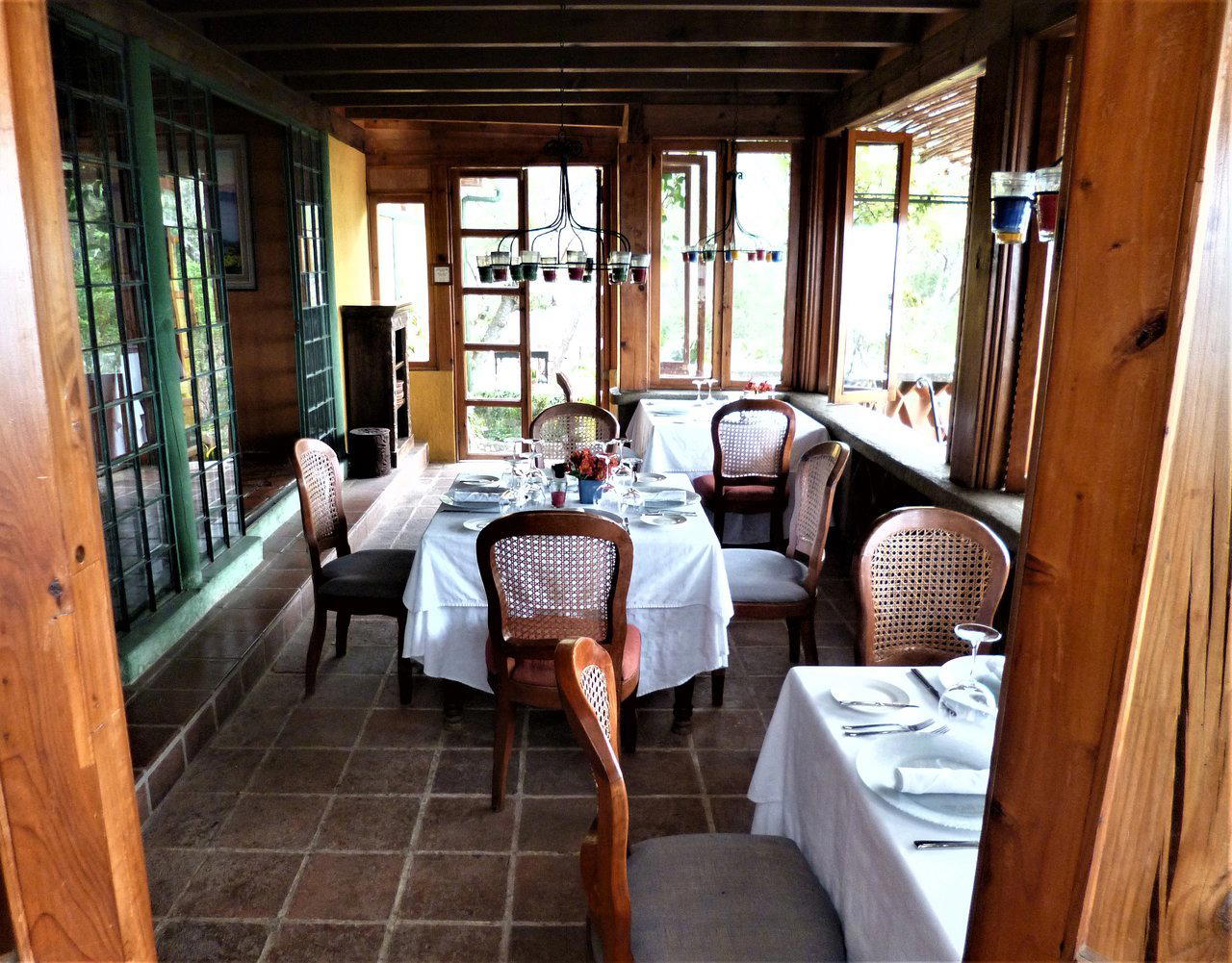
Bars in Santa Catarina Palopó
Browse all →
At a Glance
- Romantic
- Elegant
- Scenic
- Rustic
- Intimate
- Sophisticated
- Date Night
- Special Occasion
- Waterfront
- Terrace
- Panoramic View
- Hotel Restaurant
- Extensive Wine List
- Local Sourcing
- Waterfront
- Mountain
Current opening hours
- Monday
- 12–9 PM
- Tuesday
- 12–9 PM
- Wednesday
- 12–9 PM
- Thursday
- 12–9 PM
- Friday
- 12–9 PM
- Saturday
- 12–9 PM
- Sunday
- 9 AM–3 PM
Hours can change for holidays and private events. Last verified .
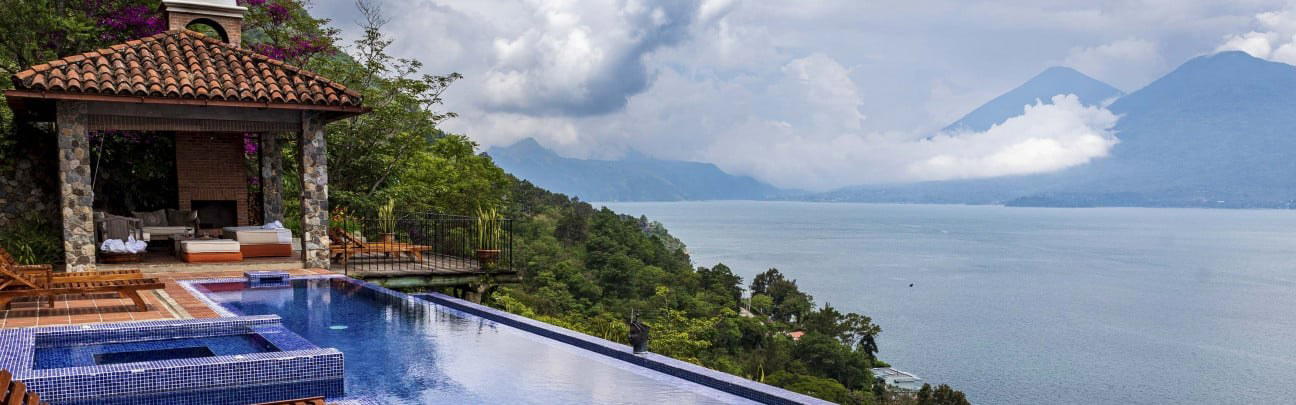
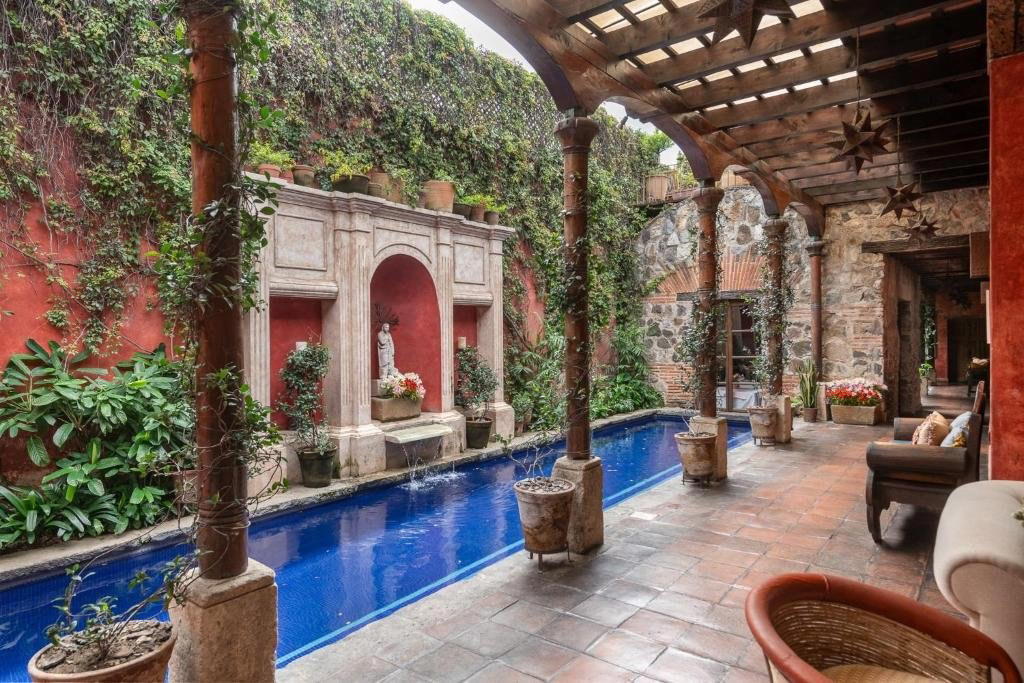
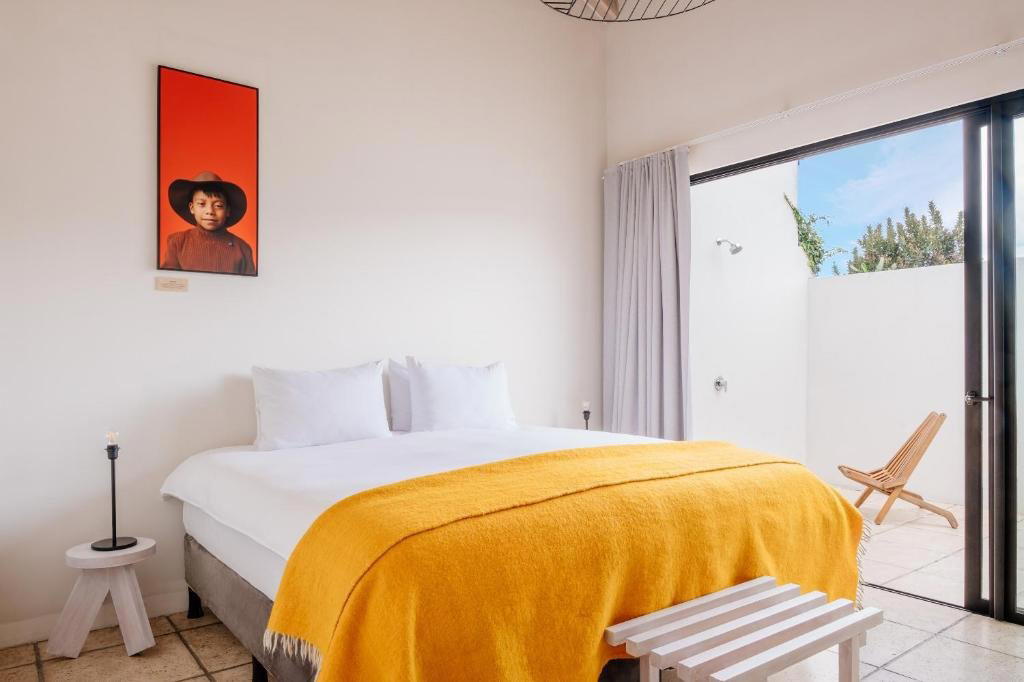
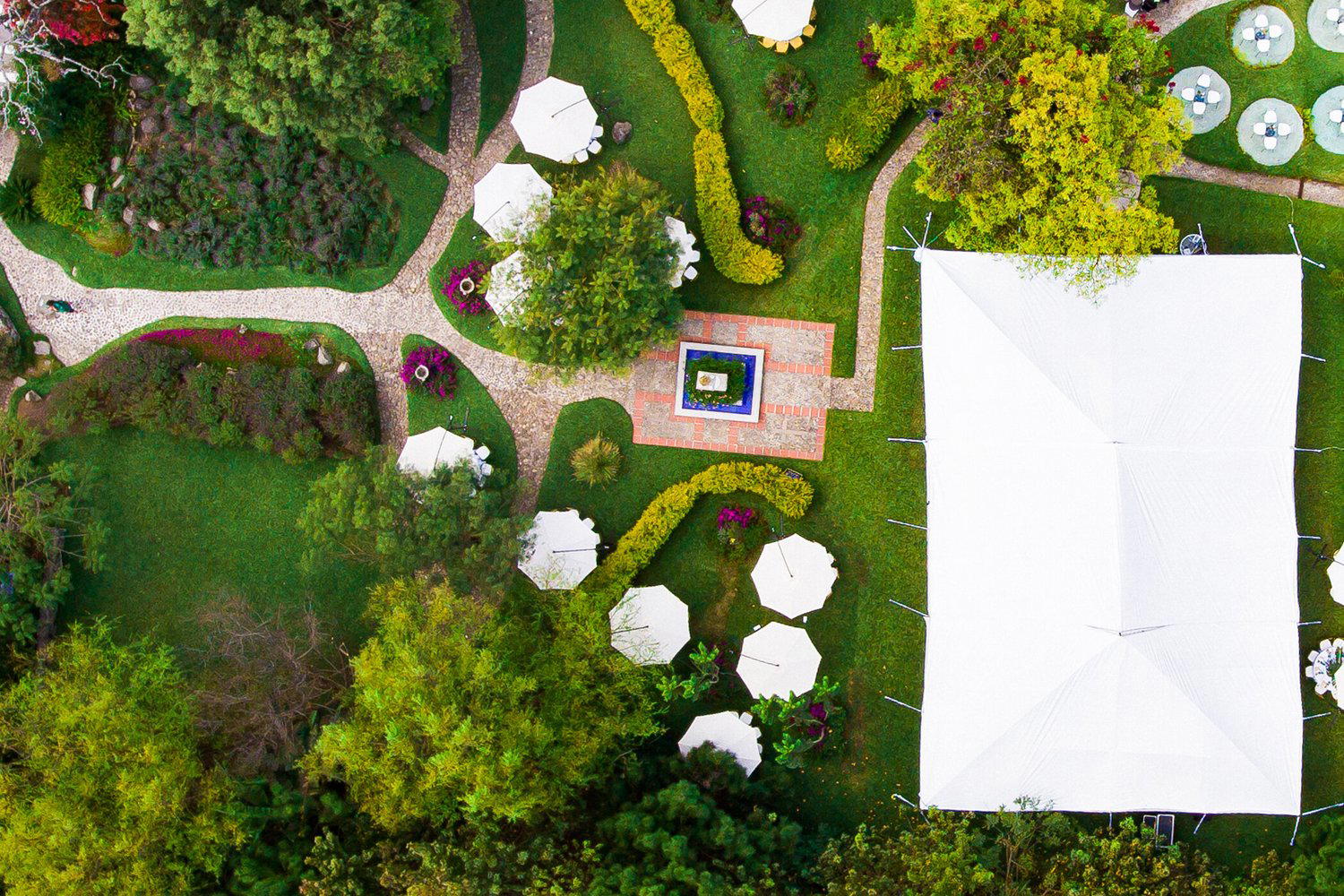
Relaxing and elegant atmosphere with lively local decor, artisan details, and cozy spaces overlooking the lake.