Our verdict
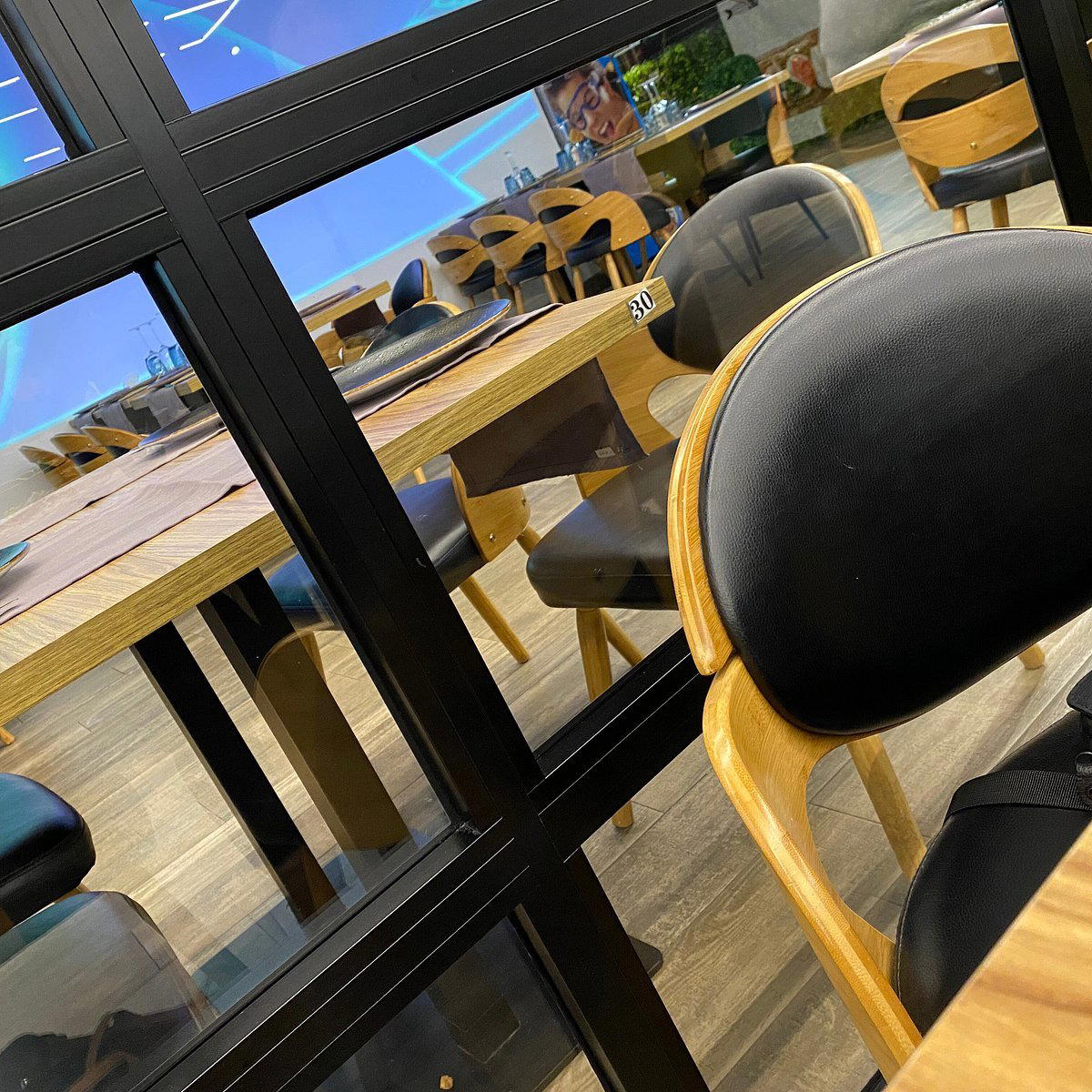
Located on Calle de los Teobaldos in Pamplona's historic centre, Restaurante City occupies a position within the city's mid-to-upper dining tier, drawing on Navarra's ingredient-forward traditions. The address places it close to the old town's core restaurant corridor, where contemporary Spanish cooking and regional produce define the room's ambitions. A reservation is advisable, particularly during the San Fermín season when Pamplona's restaurant capacity tightens sharply.

Pearl is the En Primeur Club membership app — saves, bookings, and concierge access live there. Same editors, same standards.
Where Pamplona's Dining Scene Concentrates
Pamplona does not carry the international dining profile of San Sebastián or Bilbao, but the city's old town has developed a coherent restaurant corridor over the past two decades that rewards closer attention. Calle de los Teobaldos sits inside that corridor, a short walk from the Plaza del Castillo, where the concentration of serious dining options reflects Navarra's agricultural abundance as much as any culinary movement. Restaurante City occupies a position on this street, in a neighbourhood where the competition ranges from pintxo bars to contemporary Spanish tasting menus, and where proximity to exceptional local produce — white asparagus, Piquillo peppers, Navarran lamb — gives kitchens a structural advantage that shows up on the plate before any technical ambition enters the equation.
For context on the broader Pamplona dining scene and how different venues sit within it, the full Pamplona restaurants guide maps the tiers clearly.
Reading the Menu as a Document
In northern Spain, a restaurant's menu structure often signals its allegiances more clearly than its marketing. Venues that organise around seasonal Navarran produce, rotating asparagus through spring, wild mushrooms through autumn, lamb year-round, are making a territorial claim about sourcing and identity. Those that layer in Basque technique or incorporate the broader New Spanish playbook of controlled innovation are positioning themselves in a different competitive bracket, one that includes Rodero (Modern Spanish, Modern Cuisine) at the upper end of Pamplona's offering, and Europa (Contemporary) at the city's most formally ambitious tier.
Restaurante City's address on Calle de los Teobaldos places it in a part of the city where menus tend to reflect a middle position: committed to local ingredients, willing to apply contemporary technique, but not necessarily operating at the format discipline of a tasting-menu-only kitchen. This is the tier where menu architecture typically offers choice alongside structure, a combination that serves both the local lunch trade and the visitor looking for something more considered than a tapas crawl but less demanding than a multi-course commitment.
That structural flexibility matters in Pamplona. The city's dining culture is shaped by its calendar more than most Spanish cities. During San Fermín in early July, the restaurant corridor operates at near-total capacity, and the city's kitchens run fast, high-volume services. Outside that window, in the quieter months from October through May, the same restaurants slow down and often produce more considered cooking. A menu that can accommodate both modes is not a compromise; it is an honest response to the city's rhythms.
The Navarran Ingredient Framework
Understanding what makes Navarra's produce distinctive is useful before reading any regional menu. The region's vegetable culture is among the most serious in Spain: the Tudela white asparagus holds protected designation of origin status, the Lodosa Piquillo pepper is air-dried and hand-peeled under strict certification, and the Riber Ebre valley supplies artichokes that feature on menus from Pamplona to Barcelona. Navarran lamb, particularly from the Rasa breed, carries a flavour profile shaped by high-altitude grazing that distinguishes it from Castilian alternatives.
A kitchen working seriously with this ingredient base does not need to reach for imported luxury to build a menu with depth. The challenge, and the editorial interest, lies in how the menu deploys these materials: whether it treats them as supporting cast for imported protein, or whether it structures the entire offer around the vegetable and meat calendar of the region. The latter approach produces menus that read differently in March than in October, and that give a visitor a genuine read on the season they have arrived in.
This approach is also what separates Pamplona's more considered restaurants from the tourist-facing pintxo operations. Venues like Bar Gorriti (Tapas Bar) serve the informal end of the market with skill, while Alhambra (Traditional Cuisine) anchors the traditional register. The middle tier, where Restaurante City sits geographically and conceptually, is where the tension between regional identity and contemporary aspiration plays out most visibly.
Pamplona in the Wider Spanish Context
Navarra sits in the gravitational field of the Basque Country's fine dining infrastructure, and that proximity has shaped the region's restaurant culture in measurable ways. The Basque culinary tradition, represented internationally by venues including Arzak in San Sebastián and Martin Berasategui in Lasarte-Oria, established a template for produce-led innovation that Navarran kitchens have absorbed and adapted. Further along the northern coast, Azurmendi in Larrabetzu and Mugaritz in Errenteria represent the conceptual outer edge of that tradition.
Spain's broader creative restaurant culture, visible in the ambitions of El Celler de Can Roca in Girona, DiverXO in Madrid, and Quique Dacosta in Dénia, filters down to regional cities in the form of technique, presentation discipline, and menu philosophy rather than direct influence. Pamplona's better restaurants reflect this broader Spanish moment without being dominated by it, regional identity remains the stronger force.
For comparison with Spain's wider coastal and Mediterranean registers, Aponiente in El Puerto de Santa María, Ricard Camarena in València, and Cocina Hermanos Torres in Barcelona illustrate how differently Spanish kitchens can interpret the same commitment to locality. Internationally, tasting-counter formats such as Le Bernardin in New York City and Atomix in New York City show where format discipline and menu architecture have reached at the highest tier.
Pamplona's upper-mid dining tier, where Kabo (Contemporary) also operates, sits at a meaningful remove from those international reference points, which is not a criticism. The city's restaurants serve a different function and a different audience, and the best of them do so with genuine clarity of purpose.
Planning a Visit
Calle de los Teobaldos is accessible on foot from the Plaza del Castillo and the old town's main hotel corridor, making it direct to reach without transport. Booking ahead is advisable for dinner throughout the year, and close to essential during San Fermín (6-14 July), when restaurant capacity across Pamplona is absorbed by the influx of visitors. Lunch services outside the festival period tend to be more relaxed and often represent better value in the mid-tier bracket.
Frequently asked questions
What's the address for Restaurante City?
Restaurante City is located at C. de los Teobaldos, 4, 31002 Pamplona, Navarra, Spain, Pamplona.
Is Restaurante City a good option for dining near the Plaza del Castillo in Pamplona?
Restaurante City is located at Calle de los Teobaldos 4, which sits within the old town grid and is accessible on foot from the Plaza del Castillo, Pamplona's central hub. That proximity places it inside the most walkable part of the city for visitors staying in the main hotel corridor. For travellers anchoring their stay around the old town, it represents a geographically convenient option within the concentrated dining area.
What dish is Restaurante City famous for?
Given its address in Pamplona's old town and the region's produce culture, menus at comparable Navarran venues tend to centre on white asparagus, piquillo peppers, and locally sourced lamb. Contacting the restaurant directly is the most reliable way to confirm current specialities.
Do I need a reservation for Restaurante City?
Booking ahead is advisable for any old town Pamplona restaurant, particularly during San Fermín (early July) when the city's dining capacity is stretched across a surge of visitors. Restaurante City sits on Calle de los Teobaldos, a street within comfortable walking distance of the Plaza del Castillo hotel cluster, which concentrates foot traffic throughout the year. Reservations made several days in advance are a reasonable baseline outside festival periods.
How does Restaurante City handle allergies?
No documented allergy policy is available for Restaurante City. Spanish law requires restaurants to provide allergen information on request, so staff should be able to identify the fourteen major allergens across menu items. Guests with severe or complex dietary requirements are advised to check the venue's official channels before visiting to confirm accommodation.
Awards and Standing
Comparable venues nearby, for context on price, style, and recognition.
| Venue | Cuisine | Price | Awards | Notes |
|---|---|---|---|---|
| Restaurante CityThis venue — the venue you are viewing | Chinese with Sushi | Not listed | Not listed | Not listed |
| Udon | Japanese Ramen & Noodle House | $20–30 | Not listed | Centro (Pamplona) |
| Baserriberri | Modern Basque Tapas & Pintxos | $30–50 | Macarfi 7.5 Food Rating · Guía Repsol 1 Sol | Casco Antiguo |
| Churreria The Mañueta | Traditional Spanish Churros | Not listed | Not listed | historic district |
| Restaurante Arostegui | Traditional Navarrese | $50–100 | Macarfi 7.8 Food Rating | Casco Antiguo |
| Snob Cocktail&Food | Modern Spanish Tapas & Cocktails | Not listed | Guía Repsol 1 Sol | Buztintxuri |
Continue exploring
More in Pamplona
Restaurants in Pamplona
All restaurants in Pamplona →

Details
- Cozy
- Casual Hangout
- A La Carte
Current opening hours
- Monday
- Closed
- Tuesday
- 12–4:30 PM, 8–11:30 PM
- Wednesday
- 12–4:30 PM, 8–11:30 PM
- Thursday
- 12–4:30 PM, 8–11:30 PM
- Friday
- 12–4:30 PM, 8–11:30 PM
- Saturday
- 12–4:30 PM, 8–11:30 PM
- Sunday
- 12–4:30 PM, 8–11:30 PM
Hours can change for holidays and private events. Last verified .
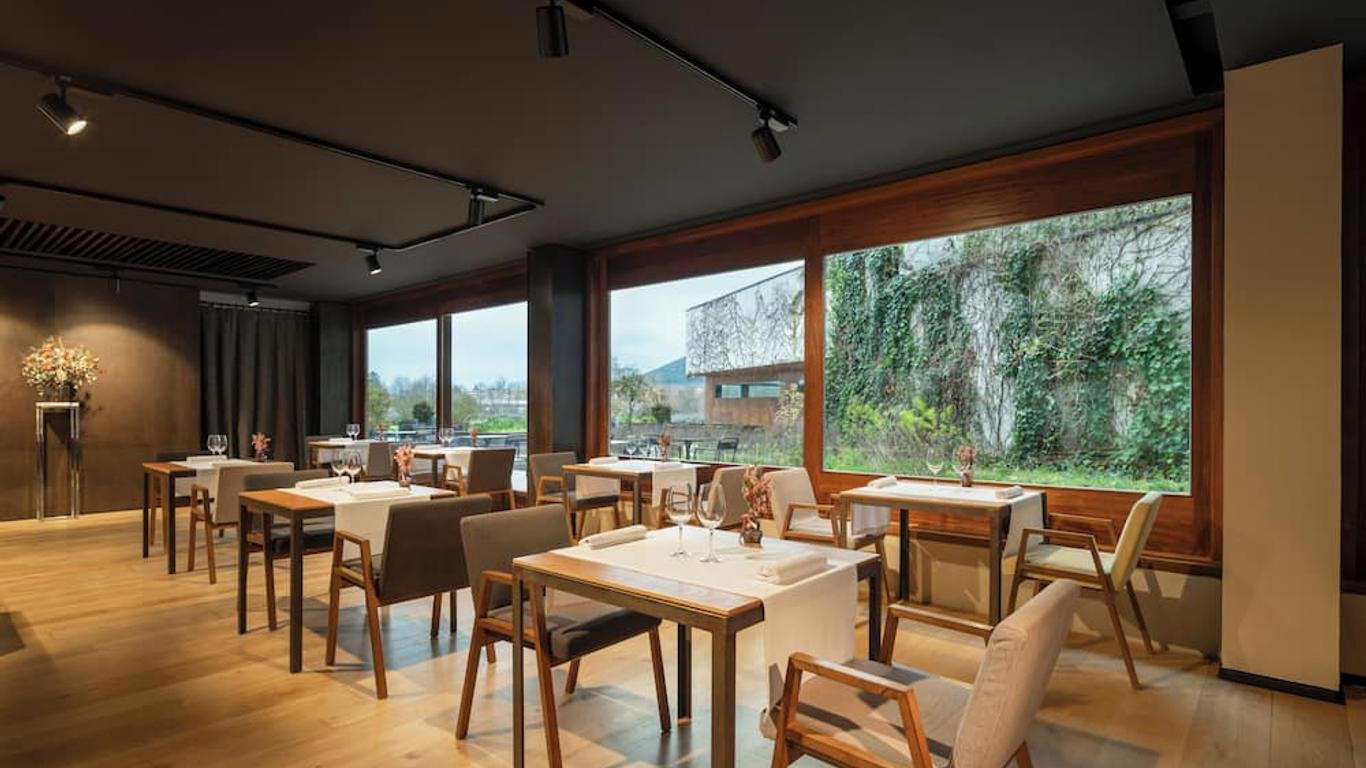
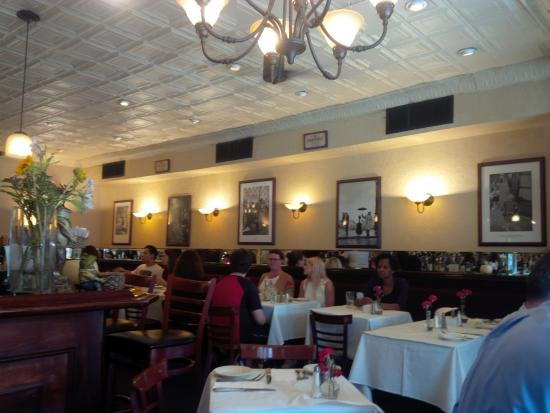
Welcoming and cozy atmosphere with attentive service.