Our verdict
On Calle Amaya in Pamplona's old quarter, Udon occupies a position that says something about how the city's mid-range dining has diversified beyond the pintxos bar. The format draws from Japanese noodle tradition while operating within a Spanish urban dining rhythm, making it a practical and considered choice for visitors who want a warm bowl rather than another round of bar snacks.

Pearl is the En Primeur Club membership app, where members save venues, book tables and use the concierge.
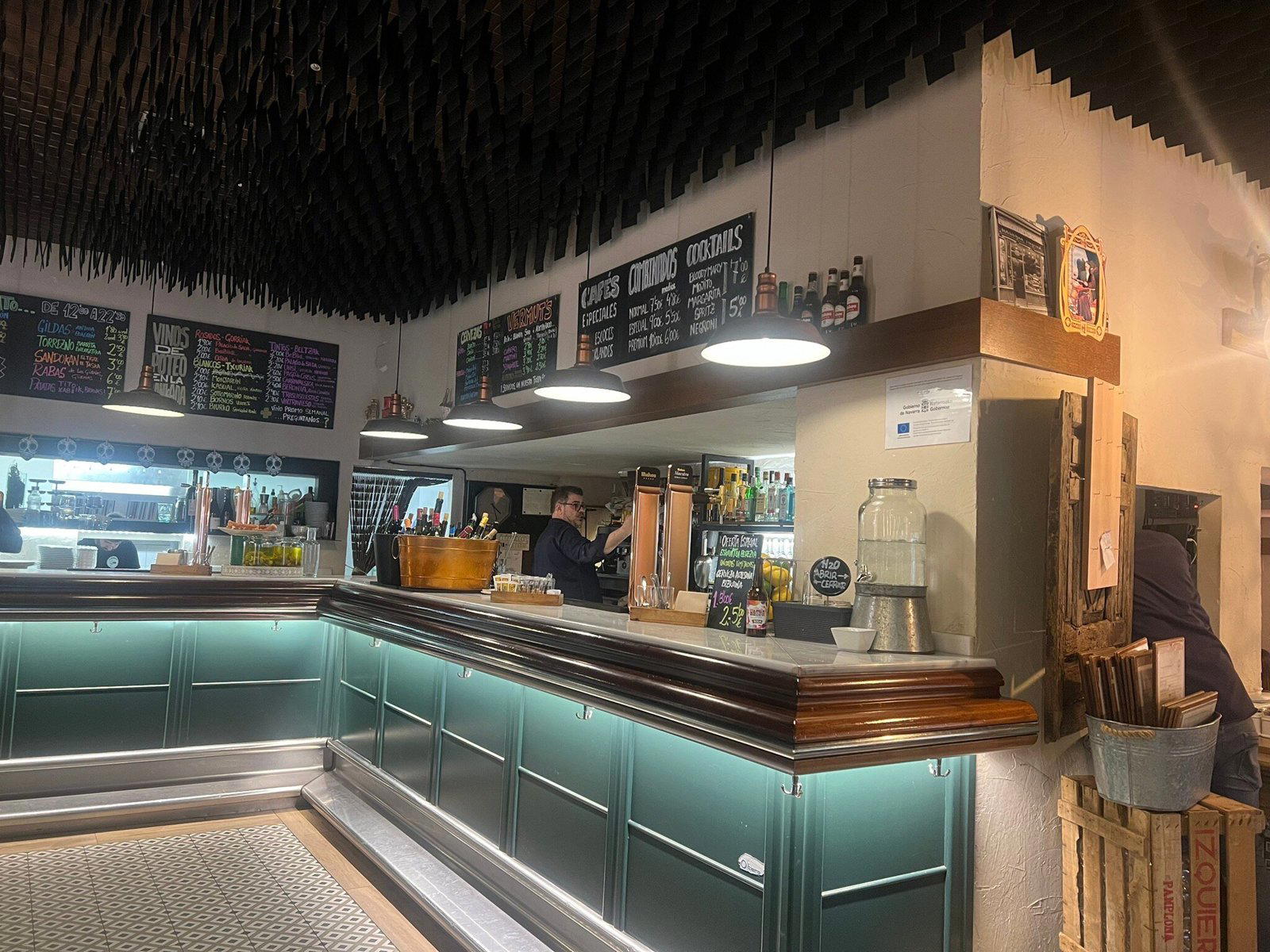
The menu
What to order
- Yaki udon
- Gyozas
- Ramen
- Noodle rolls
- Banana rolls with chocolate
A Bowl in the Old Quarter: Udon on Calle Amaya
Pamplona's dining culture runs on a particular rhythm. The evening begins at a pintxos bar, progresses through a second or third stop, and rarely involves sitting down before nine. Against that deeply entrenched ritual, a dedicated noodle house on Calle Amaya reads as a deliberate counterpoint. The format asks something different of the diner: choose a seat, commit to a bowl, and let the meal arrive in a single, considered sequence rather than in a succession of bite-sized rounds.
That shift in pacing is worth noting because it reflects a broader change in how mid-tier dining in Spanish provincial capitals has evolved over the past decade. Cities like Pamplona, where bar culture is structurally dominant, have gradually absorbed formats imported from East and Southeast Asia, particularly ramen and udon houses, which found a natural audience among younger residents and visiting travellers who want something warm, filling, and efficient without sacrificing the feeling of a proper meal.
The Dining Ritual: How the Meal Works
Udon, as a culinary tradition, carries its own etiquette, and that tradition shapes what you should expect at Calle Amaya 2C. Japanese noodle culture generally organises the meal around a single central dish, with the broth and noodle construction doing the work that multiple courses do elsewhere. There is no extended sequence of appetisers, no bread service, no dessert trolley parked by the window. The bowl is the meal, and the quality of the dashi, the thickness of the noodle, and the temperature of the broth at delivery are the metrics that matter.
In Spain, udon has been adapted to local dining habits, which typically means wider portion sizes, a more relaxed approach to the speed of service, and occasionally a concession to Spanish flavour preferences in the accompanying garnishes and condiments. What that creates is a hybrid dining ritual: the form and focus of Japanese noodle service, but operating at a pace that sits between the rapid-fire energy of a Tokyo noodle counter and the long, unhurried arc of a Spanish lunch.
That middle register is, arguably, what makes the format work in a city like Pamplona. The meal takes twenty-five to forty minutes rather than two hours, which fits a lunch window between morning activity and an afternoon of errands or sightseeing, particularly during the weeks surrounding the San Fermín festival in early July when the city's restaurants operate under sustained pressure and table availability at more formal venues is tightly constrained.
Where Udon Sits in Pamplona's Restaurant Range
Pamplona's restaurant range spans from neighbourhood pintxos bars through mid-tier contemporary kitchens to a handful of serious fine dining operations. At the upper end, venues like Rodero (Modern Spanish, Modern Cuisine) and Europa (Contemporary) operate at price points and with ambitions that put them in a regional conversation well beyond Navarra. At the casual end, Bar Gorriti (Tapas Bar) and equivalents function as social infrastructure rather than destination dining. Udon occupies the practical mid-range, sitting closer to the casual tier on both price and formality, but offering a format distinct enough to serve a specific need: a complete, composed meal without the ceremony or cost of a full restaurant sit-down.
For a broader picture of how this fits within the city's dining options, the full Pamplona restaurants guide maps the range from pintxos bars through to tasting menu rooms. Elsewhere in Pamplona, Kabo (Contemporary) and Alhambra (Traditional Cuisine) each address different moments in the dining week, but neither occupies the noodle-house format that Udon holds.
The Broader Spanish Dining Context
Northern Spain's fine dining corridor, running through the Basque Country and into Navarra, is among the most densely decorated in Europe. Arzak in San Sebastián and Azurmendi in Larrabetzu operate at the upper tier of that constellation, while restaurants like Mugaritz in Errenteria and Martin Berasategui in Lasarte-Oria define what Spanish tasting-menu ambition looks like at its most sustained. Further south, El Celler de Can Roca in Girona, DiverXO in Madrid, Quique Dacosta in Dénia, Ricard Camarena in València, Aponiente in El Puerto de Santa María, and Cocina Hermanos Torres in Barcelona represent a country that has built a formidable body of serious cooking across its regions.
Udon does not belong to that conversation, nor does it try to. It belongs to a different and increasingly necessary conversation about what the everyday dining fabric of a Spanish city looks like when it absorbs global formats without abandoning its own hospitality instincts. Beyond Spain, the noodle counter model has driven serious critical attention at venues like Atomix in New York City, where the integration of Asian culinary tradition with Western fine dining structures has produced some of the decade's most discussed menus. Closer to the casual end of that spectrum, Le Bernardin in New York City demonstrates how a single-format kitchen, built around a coherent culinary philosophy, can sustain decades of critical relevance. The lessons of format clarity and culinary focus apply across price tiers.
Planning a Visit
Calle Amaya 2C sits within Pamplona's casco antiguo, the walled old city, which is walkable from the main transport nodes and from the Plaza del Castillo. Phone and website details are not publicly listed at the time of writing, so the most reliable approach is to visit in person or check current availability through local restaurant aggregator platforms. For timing, lunch service on weekdays is generally the most available window at noodle-format restaurants across Spain; weekend lunches and any visit during the San Fermín period in early July should be approached with the expectation of queues or short waits, as the entire old quarter operates at compressed capacity during the festival.
Frequently asked questions
Where do I go for Udon?
Udon is located at C. Amaya, 2C, 31002 Pamplona, Navarra, Spain, Pamplona.
Is Udon Pamplona the only Japanese noodle restaurant in the city's old quarter?
Udon on Calle Amaya 2C is located within Pamplona's casco antiguo, where the dining offer runs heavily toward pintxos bars and Navarrese kitchens. Japanese cuisine remains a minority format in Pamplona's restaurant range, and a dedicated udon counter in the walled city occupies a specific gap in that mix. Whether it is the sole operator of this type in the old quarter is not confirmed, but the address places it squarely in the highest-footfall part of the city.
What do regulars order at Udon?
Udon as a format centres on thick wheat noodles served in broth, with variations across hot, cold, and stir-fried preparations. At Calle Amaya 2C in Pamplona's old city, regulars tend to build a visit around a bowl as a standalone meal rather than fitting it into the multi-stop pintxos format typical of the neighbourhood.
How far ahead should I plan for Udon?
Udon on Calle Amaya operates in a part of Pamplona's casco antiguo that draws both locals and visitors, particularly during the San Fermín festival period in July when the city's population surges. Outside festival season, walk-in availability at casual noodle counters in mid-sized Spanish cities is generally reasonable, though no booking data is confirmed. Contacting the restaurant directly before visiting is advisable if your schedule is fixed.
What do critics highlight about Udon?
Its positioning in Pamplona's dining range is notable primarily for offering Japanese noodle cuisine within a city whose dining culture is dominated by Navarrese and Basque traditions. The contrast itself is the editorial point: a Japanese noodle counter operating within the walled old city of one of Spain's most traditionally food-focused cities.
Do they accommodate allergies at Udon?
Japanese noodle kitchens typically work with wheat-based noodles, soy-based broths, and common allergens including gluten and shellfish depending on the stock. Anyone with serious dietary requirements should contact the restaurant on Calle Amaya directly before visiting.
Is Udon overpriced or worth every penny?
No price range data is confirmed for Udon Pamplona, so a direct value assessment isn't possible here. In the broader Spanish context, Japanese noodle counters tend to sit in the casual to mid-range bracket, well below Pamplona's fine dining tier. Relative to the city's pintxos bars, a sit-down noodle bowl typically represents a single-stop, one-plate format at a comparable or slightly higher per-person spend.
Cuisine Context
Comparable venues nearby, for context on price, style, and recognition.
| Venue | Cuisine | Price | Awards | Notes |
|---|---|---|---|---|
| UdonThis venue (the venue you are viewing) | Japanese Ramen & Noodle House | $20–30 | Not listed | Not listed |
| Restaurante City | Chinese with Sushi | Not listed | Not listed | Pamplona center |
| Baserriberri | Modern Basque Tapas & Pintxos | $30–50 | Macarfi 7.5 Food Rating · Guía Repsol 1 Sol | Casco Antiguo |
| Café Iruña | Traditional Spanish Tapas & Café | $20–30 | Not listed | Plaza del Castillo |
| Snob Cocktail&Food | Modern Spanish Tapas & Cocktails | Not listed | Guía Repsol 1 Sol | Buztintxuri |
| La Mar Salada | Spanish Seafood and Rice | $30–50 | Not listed | center |
Continue exploring
More in Pamplona
Restaurants in Pamplona
All restaurants in Pamplona →

Details
- Cozy
- Modern
- Lively
- Casual Hangout
- Group Dining
- Family
- Date Night
- Standalone
- Open Kitchen
- Beer Program
- A La Carte
- Family Style
- Beer
- Sake
- Vegetarian Friendly
- Vegan Options
Current opening hours
- Monday
- 1–5 PM, 8–11 PM
- Tuesday
- 1–5 PM, 8–11 PM
- Wednesday
- 1–5 PM, 8–11 PM
- Thursday
- 1–5 PM, 8–11 PM
- Friday
- 1–5 PM, 8 PM–12 AM
- Saturday
- 1 PM–12 AM
- Sunday
- 1–5 PM, 8–11 PM
Hours can change for holidays and private events. Hours as of .
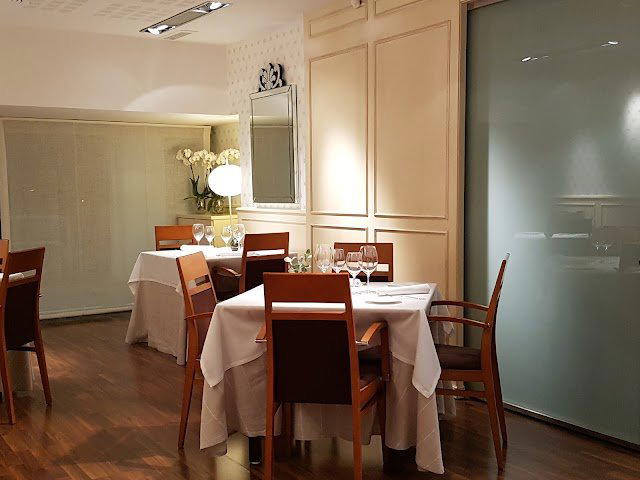
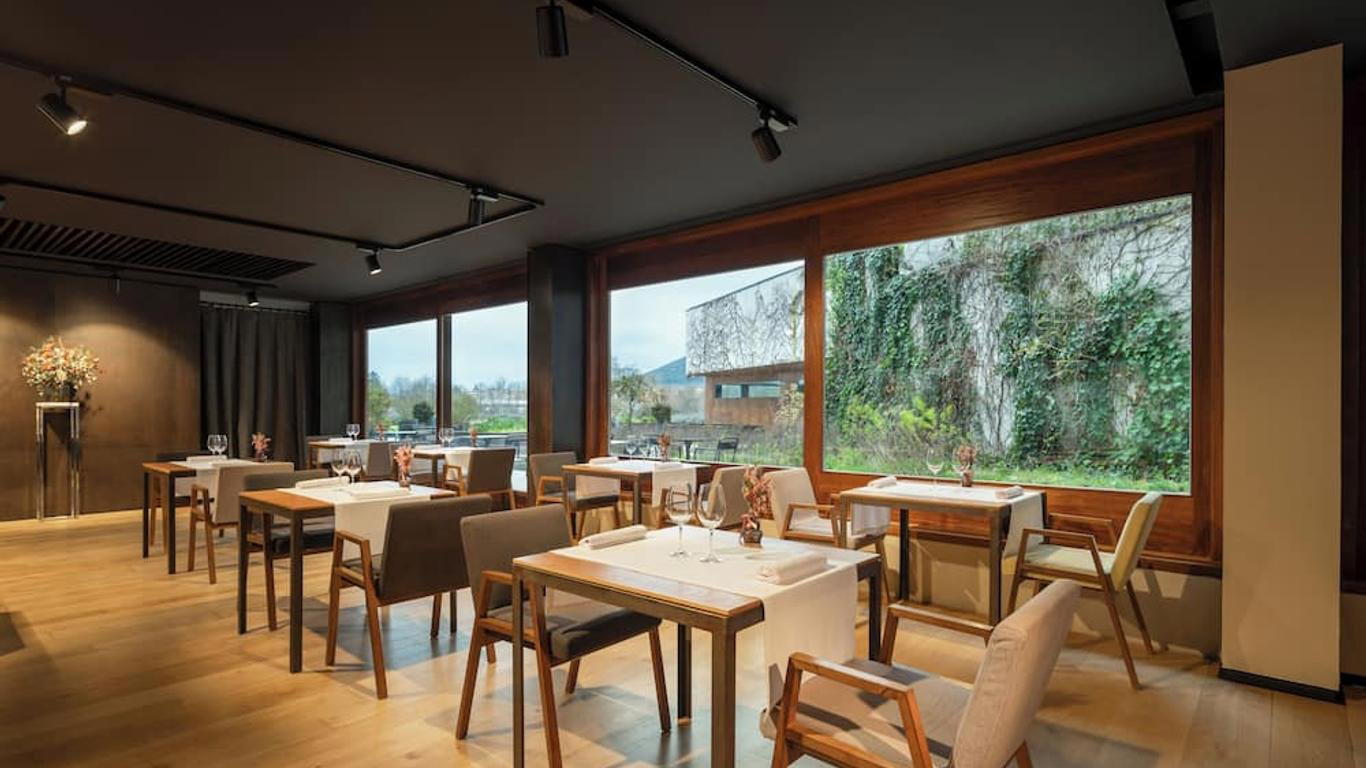
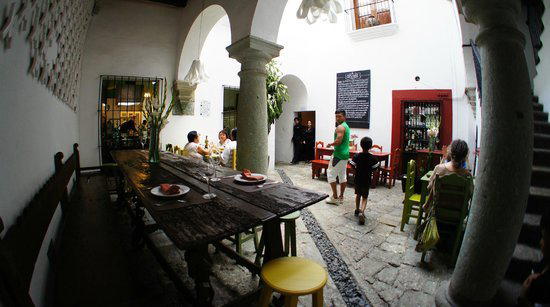
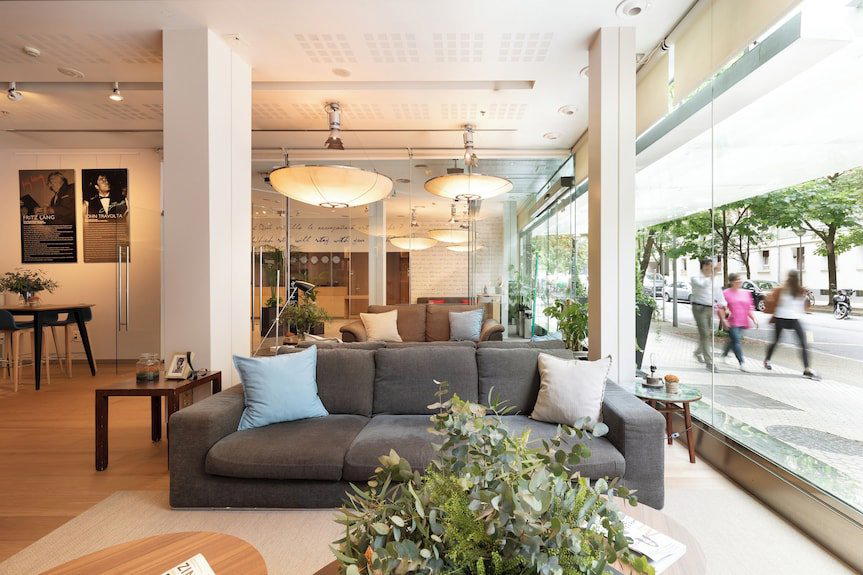
Bright, cozy dining room with a modern aesthetic; described by guests as inviting and well-lit with attentive service.