

Macarfi 7.5 Food Rating · Guía Repsol 1 Sol
Our verdict
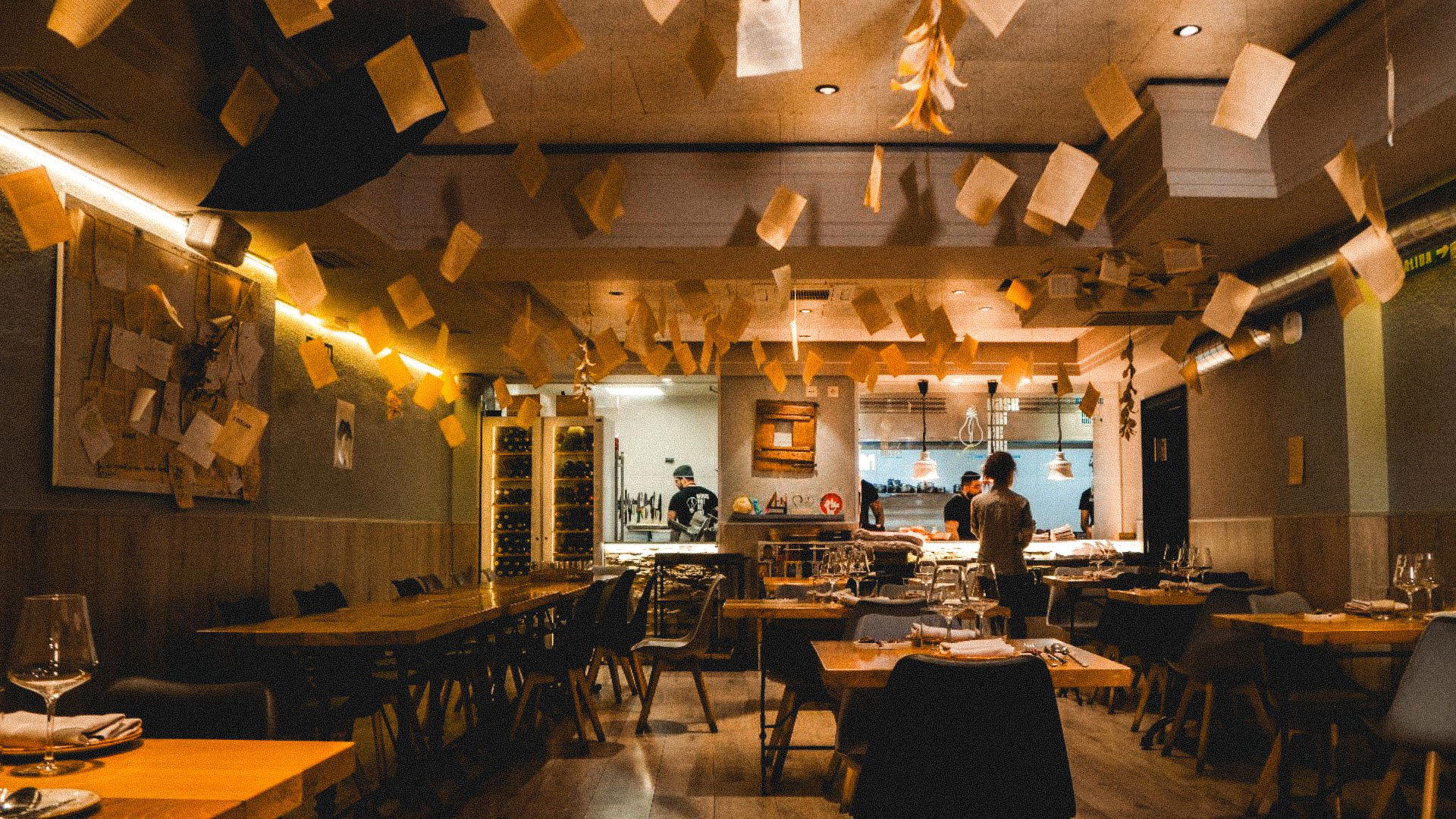
Baserriberri sits in Pamplona’s old-quarter pintxo culture, where compact bars and contemporary kitchens work from the same Navarrese larder. Its 1 Sol recognition in the Guía Repsol 2026 places it in a serious regional tier without pushing it into the formality of the city’s higher-priced dining rooms.

Pearl is the En Primeur Club membership app, where members save venues, book tables and use the concierge.
The menu
What to order
- Pintxos
- Croquetas de chuletón
- Bacalao
Pamplona is one of northern Spain’s natural eating cities: a compact place where the rhythm is shaped by standing drinkers, small plates, and the steady movement between counters. Baserriberri belongs to that culture rather than sitting apart from it. The point is not grand dining-room theatre; it is the local habit of making a meal from precision, appetite, and short-form cooking.
Pamplona’s food identity is often reduced to San Fermín, but the city’s year-round table is quieter and more structured. The surrounding region gives cooks a strong sense of place, and Pamplona gives that setting a social grammar built around bars, informal rooms, and meals that can be assembled across a few carefully chosen stops. The serious addresses here are not merely snack stops. They are places where technique has to land quickly, often in just a few bites.
Pamplona small plates with a more technical register
The useful way to read Baserriberri is as part of Pamplona’s modern small-format evolution. Traditional bars still anchor the city, and places such as Bar Gorriti (Tapas Bar) keep the bar-crawl idiom direct and familiar. Baserriberri works in the adjacent lane: same Pamplona appetite, more composed technique, and enough recognition to signal that this is not simply a convenient stop between drinks.
The 1 Sol listing in the Guía Repsol Soles 2026 matters because Repsol’s Spanish coverage is particularly useful outside the international Michelin circuit. In a city like Pamplona, that kind of recognition often identifies kitchens working seriously within a local idiom rather than chasing a global tasting-menu template. It puts Baserriberri in conversation with the region’s modern casual dining rather than with purely traditional taverns or ceremonial restaurants.
That distinction is useful for planning a wider Pamplona table. Other Pamplona dining rooms speak more directly to the city’s classic cooking language; Café Iruña, listed in our guide as Café Iruña (Bar), belongs to the historic café-bar tradition. At the other end of the spectrum, Europa represents the city’s more formal bracket. Baserriberri is better understood between those poles, where Pamplona sociability meets a more composed kitchen.
Pamplona's larder, seen through the bar counter
Dining in Pamplona is strongest when it respects season, proximity, and the habits of the city around it. The surrounding region does not need to be reduced to one fixed label; it offers a working sense of place. In Pamplona, the bar format condenses that context into small decisions: what can be served with clarity, what can be prepared without losing character, and what tastes right with a glass rather than a long ceremony.
This is where Baserriberri’s recognition is more telling than a long menu description would be. A Sol does not guarantee formality; it signals a level of attention in a Spanish context where regional identity and kitchen craft carry weight. For travellers comparing cities, Pamplona’s appeal is different from larger Spanish dining capitals. The city is smaller, easier to read, and a strong meal can be built from fewer stops if the selections are disciplined.
That compactness is also why the surrounding Pamplona addresses matter. Some places represent older local rituals, the kind that make sense only when a city’s daily habits are taken seriously. Others point toward a different contemporary register. Taken together, they show a city whose food culture is not a single hierarchy but a set of formats: bar, café, traditional table, modern room, and technical small-format kitchen.
How to place it in a Pamplona itinerary
Baserriberri is most valuable for travellers who want Pamplona’s city energy without reducing dinner to a random crawl. The better approach is to treat the city as a sequence. Start with the classic bar language, add a contemporary stop with recognised kitchen discipline, then decide whether the night should continue toward drinks, a formal table, or a quieter hotel bar. Our full Pamplona restaurants guide, Pamplona bars guide, and Pamplona hotels guide are useful for building that sequence without treating the city as a checklist.
For a broader Spanish comparison, Baserriberri sits closer to the country’s modern regional-casual movement than to destination tasting-menu dining. That same spectrum appears in different forms across Spain: some addresses reflect a local food system first, with format and polish adjusted to the city around them. Larger cities and coastal destinations stretch that comparison further, where the social and price codes can change sharply.
The editorial call is clear: choose Baserriberri when the goal is Pamplona through its living bar and small-format culture, not a detached fine-dining performance. Its Pamplona setting, Repsol recognition, and position between classic bars and more formal contemporary rooms make it a precise read on how the city eats now. For travellers extending the lens beyond restaurants, the city also supports a wider plan through our Pamplona wineries guide and Pamplona experiences guide. For a deliberately different international contrast, look to compact small-format dining elsewhere: the useful comparison is not sameness, but how a focused room can carry cultural specificity without needing a formal dining room.
Frequently asked questions
When can I go to Baserriberri?
Check Baserriberri’s current opening times before you go, as schedules can change by day and season.
Where is Baserriberri located?
Pamplona.
What's Baserriberri best at?
Baserriberri is strongest as a recognised Pamplona dining stop, and the 2026 Guía Repsol 1 Sol gives it clear editorial weight.
Can Baserriberri handle vegetarian requests?
Ask Baserriberri directly about vegetarian options when booking or on arrival, since availability can depend on the day’s preparation.
Is Baserriberri child-friendly?
Baserriberri may work best as a concise Pamplona stop rather than a long, formal dinner; check directly if you are planning to visit with children.
Cost Snapshot
Nearby venues at a similar price tier for orientation.
| Venue | Cuisine | Price | Awards | Notes |
|---|---|---|---|---|
| BaserriberriThis venue (the venue you are viewing) | Modern Basque Tapas & Pintxos | $30–50 | Macarfi 7.5 Food Rating · Guía Repsol 1 Sol | Not listed |
| Les Amis | French-Peruvian Fusion | $30–50 | Michelin Plate · Macarfi 8 Food Rating | French |
| Bar Gorriti | Traditional Spanish Tapas | Not listed | Not listed | Tapas Bar |
| Café Iruña | Traditional Spanish Tapas & Café | $20–30 | Not listed | Bar |
| Gaucho | Award-Winning Pintxos Bar | $20–30 | Michelin Plate · Macarfi 7.1 Food Rating | Traditional Cuisine |
| Europa | Contemporary Navarran Fine Dining | $100–150 | 1 Michelin Star · Guía Repsol 1 Sol | Contemporary |
Recognition history
Dated appearances from independent guides and award organizations, with the underlying list record or original source where available.
Guía Repsol 1 Sol
Guía Repsol
Macarfi 7.5 Food Rating
Macarfi
Continue exploring
More in Pamplona
Restaurants in Pamplona
All restaurants in Pamplona →
Bars in Pamplona
All bars in Pamplona →

Details
- Modern
- Lively
- Trendy
- Cozy
- Rustic
- Casual Hangout
- Group Dining
- Special Occasion
- Late Night
- Standalone
- Design Destination
- Beer Program
- Local Sourcing
- Street Scene
- A La Carte
- Small Plates
- Set Menu
- Wine
- Beer
- Vegetarian Friendly
- Gluten Free Options
Current opening hours
- Monday
- 12 PM–12 AM
- Tuesday
- 12 PM–12 AM
- Wednesday
- 12 PM–12 AM
- Thursday
- 12 PM–12 AM
- Friday
- 12 PM–12 AM
- Saturday
- 12 PM–12 AM
- Sunday
- 12 PM–12 AM
Hours can change for holidays and private events. Hours as of .
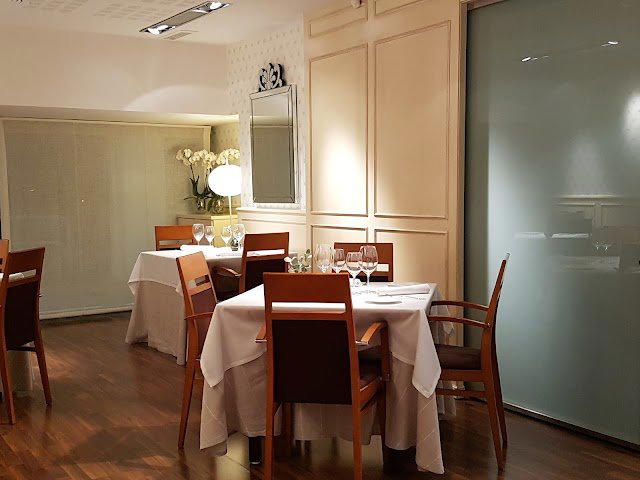
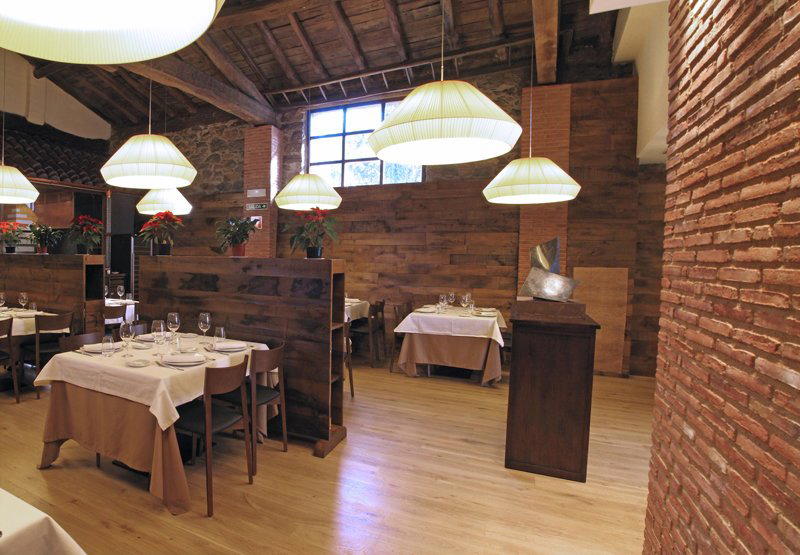
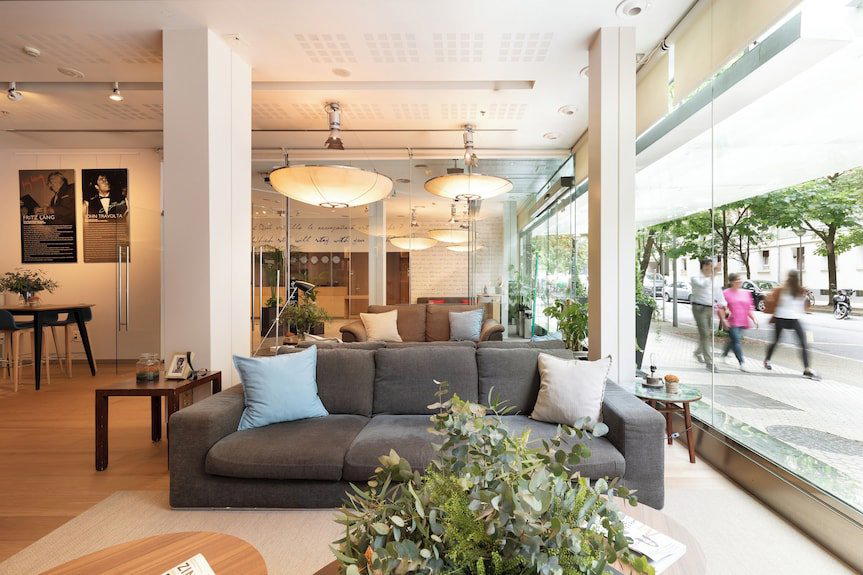
A hip, minimalist, creative atmosphere that feels lively and food-focused rather than formal.