
A Street That Sets the Tone Calle de Juan de Labrit cuts through the older residential core of Pamplona, away from the tourist circuits that converge on the Plaza del Castillo and the San Fermin route. Arriving here, the city feels less...
Pearl is the En Primeur Club membership app — saves, bookings, and concierge access live there. Same editors, same standards.
- Address
- C. de Juan de Labrit, 19, 31001 Pamplona, Navarra, Spain
- Phone
- +34 649 53 07 77
- Website
- restaurantearostegui.com
- Directions
- Get directions
 Saves & bookings on Pearl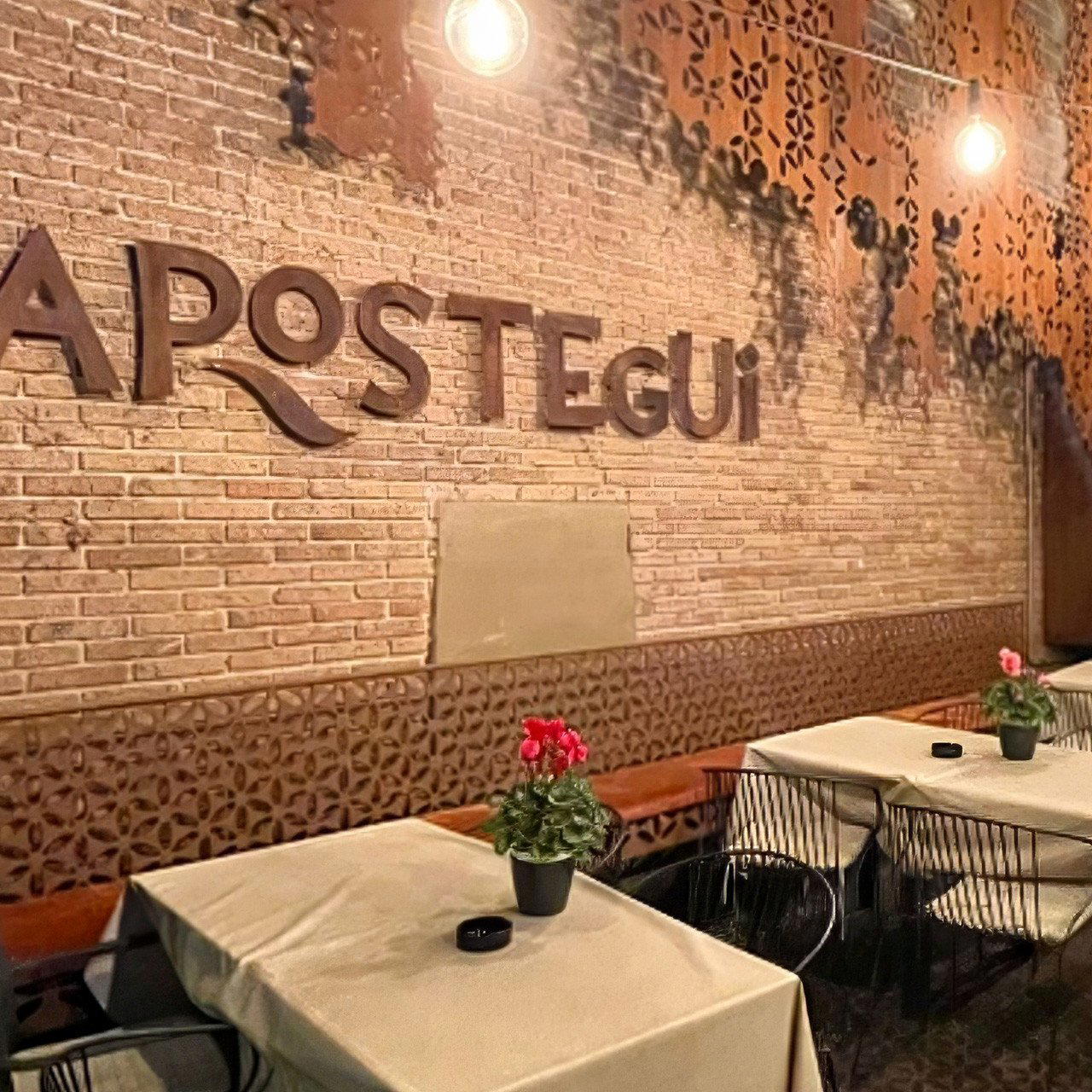
A Street That Sets the Tone
Calle de Juan de Labrit cuts through the older residential core of Pamplona, away from the tourist circuits that converge on the Plaza del Castillo and the San Fermin route. Arriving here, the city feels less performed and more inhabited. The street belongs to the kind of neighbourhood where locals pick up bread on the way home rather than pose for photographs in front of it. That address alone places Restaurante Arostegui in a particular register: a restaurant that earns its clientele through word of mouth and repeat visits rather than footfall from the old town's busier arteries.
Pamplona's dining scene is smaller and more compressed than its Basque neighbours to the north, but it is not unsophisticated. The city sits at the confluence of Navarran and Basque culinary traditions, with a pincho culture that runs deep and a growing tier of mid-to-upper-range restaurants that have progressively raised the standard of sit-down dining over the past decade. Within that context, a neighbourhood address like Juan de Labrit signals something specific: a restaurant operating for regulars and for visitors who have done their research, not for walk-ins looking for somewhere with a menu board in the window.
Where Arostegui Sits in Pamplona's Dining Tier
To read Arostegui accurately, it helps to map the full range of options available in the city. At the technical and price apex, you have restaurants like Europa (Contemporary) and Rodero (Modern Spanish, Modern Cuisine), both of which operate in the upper tier of Navarran fine dining and compete within a comparable set that extends to the wider Basque Country. A step down in formality but not in seriousness, Kabo (Contemporary) represents the city's more relaxed take on modern Spanish cooking. At the other end, the city's tapas culture anchors itself in places like Bar Gorriti (Tapas Bar), where the format and the price point are entirely different propositions. Alhambra (Traditional Cuisine) sits in the traditional bracket, serving as a reference point for guests who want Navarran cooking in a more classic register.
Arostegui is a traditional Navarrese restaurant in Pamplona, with a price point around $55 per person. What the address and the restaurant's presence in Pamplona's dining conversation do suggest is a venue operating in the mid-to-upper neighbourhood restaurant tier, the kind of place that serves as a reliable anchor for residents rather than a destination that draws visitors from across the region primarily on the strength of its national reputation.
The Navarran Context Behind Any Serious Meal in Pamplona
Understanding what a meal in Pamplona can mean requires a brief look at the culinary geography of the region. Navarra produces some of Spain's most respected vegetables: white asparagus from the Ebro valley, piquillo peppers from Lodosa, and artichokes from Tudela carry protected designation of origin status and appear in serious kitchens across the country. The region's location between the Atlantic and the Mediterranean means its ingredient base is genuinely diverse, capable of supporting cooking that ranges from the herb-driven freshness of Basque-adjacent cuisine to the richer, more roasted flavours associated with Spain's interior.
That context matters because it sets a high floor for any restaurant operating with serious intent in Pamplona. The raw material available to local kitchens is strong. The question for any mid-to-upper-tier restaurant in the city is how much of that regional identity it chooses to foreground and how much it looks outward toward contemporary Spanish technique. The wider Spanish fine dining scene, represented by venues including Arzak in San Sebastián, Azurmendi in Larrabetzu, Martin Berasategui in Lasarte-Oria, Mugaritz in Errenteria, El Celler de Can Roca in Girona, DiverXO in Madrid, Quique Dacosta in Dénia, Ricard Camarena in València, Cocina Hermanos Torres in Barcelona, and Aponiente in El Puerto de Santa María, has raised the general expectation of what serious Spanish cooking looks like. Even neighbourhood restaurants in cities like Pamplona now operate against that raised benchmark, whether they engage with avant-garde technique or hold to more grounded, product-led cooking. For comparison across more globally-referenced dining benchmarks, venues like Le Bernardin in New York City and Atomix in New York City illustrate how tasting-menu formats and sourcing narratives have become the international shorthand for this tier of restaurant.
Planning a Visit: What to Consider
Arostegui's address on Calle de Juan de Labrit, 19, in the 31001 postcode places it in central Pamplona, reachable on foot from most of the city's accommodation. Pamplona is a compact city; the walk from the old town or the Citadel area takes under fifteen minutes. The restaurant sits outside the pincho bar circuit concentrated around Calle de la Estafeta and the San Nicolás area, which means arriving here is a deliberate decision rather than an incidental one. Visitors planning a longer evening in the city's eating and drinking infrastructure should note that Pamplona's bar culture peaks late, with the pincho scene particularly active from early evening through to around 10pm, and serious restaurant dining typically beginning from 9pm in keeping with Spanish national habits.
Booking is recommended, especially around the San Fermin festival in early July, when the city's accommodation and restaurant capacity is under significant pressure from visitors. Outside of that window, Pamplona operates at a quieter pace that is considerably more hospitable for the kind of meal where the focus is on the food rather than the crowd.
A Minimal comparable set
Comparable venues nearby, for context on price, style, and recognition.
| Venue | Cuisine | Price | Notes |
|---|---|---|---|
| Restaurante ArosteguiThis venue — the venue you are viewing | Casco Antiguo, Traditional Navarrese | $$$ | Not listed |
| El Kabo | Not listed | $$$ | :null, Modern Navarran Contemporary |
| Baserriberri | Not listed | $$ | Casco Antiguo, Modern Basque Tapas & Pintxos |
| Café Iruña | Not listed | $$ | Plaza del Castillo, Traditional Spanish Tapas & Café |
| La Ideal Mar | Plaza Salesianos, Spanish Seafood & Rice | $$$ | Not listed |
| Enekorri Restaurante | city center, Modern Spanish Basque | $$$ | Not listed |
Recognition history
Dated appearances from independent guides and award organizations, with the underlying list record or original source where available.
Macarfi 7.8 Food Rating
Macarfi
Continue exploring
More in Pamplona
Restaurants in Pamplona
Browse all →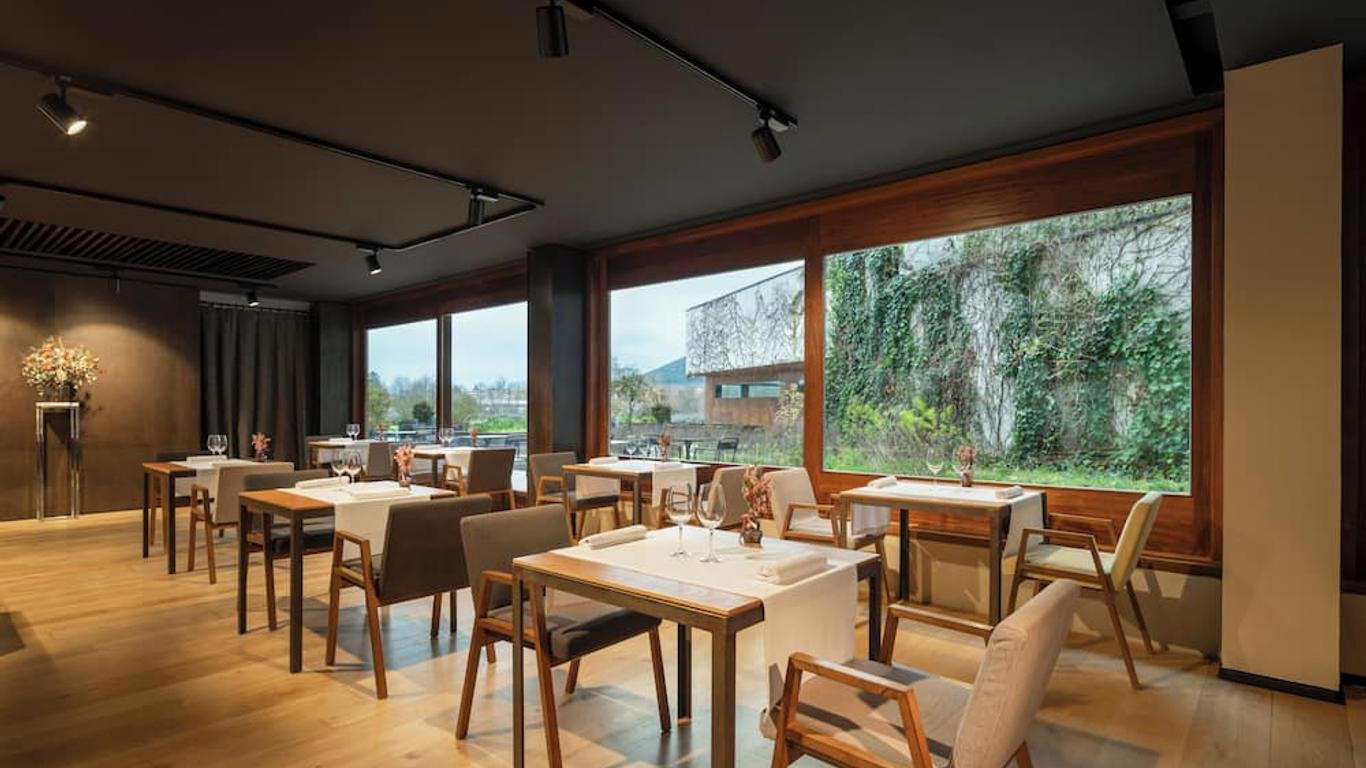
Bars in Pamplona
Browse all →
Hotels in Pamplona
Browse all →
Wineries in Pamplona
Browse all →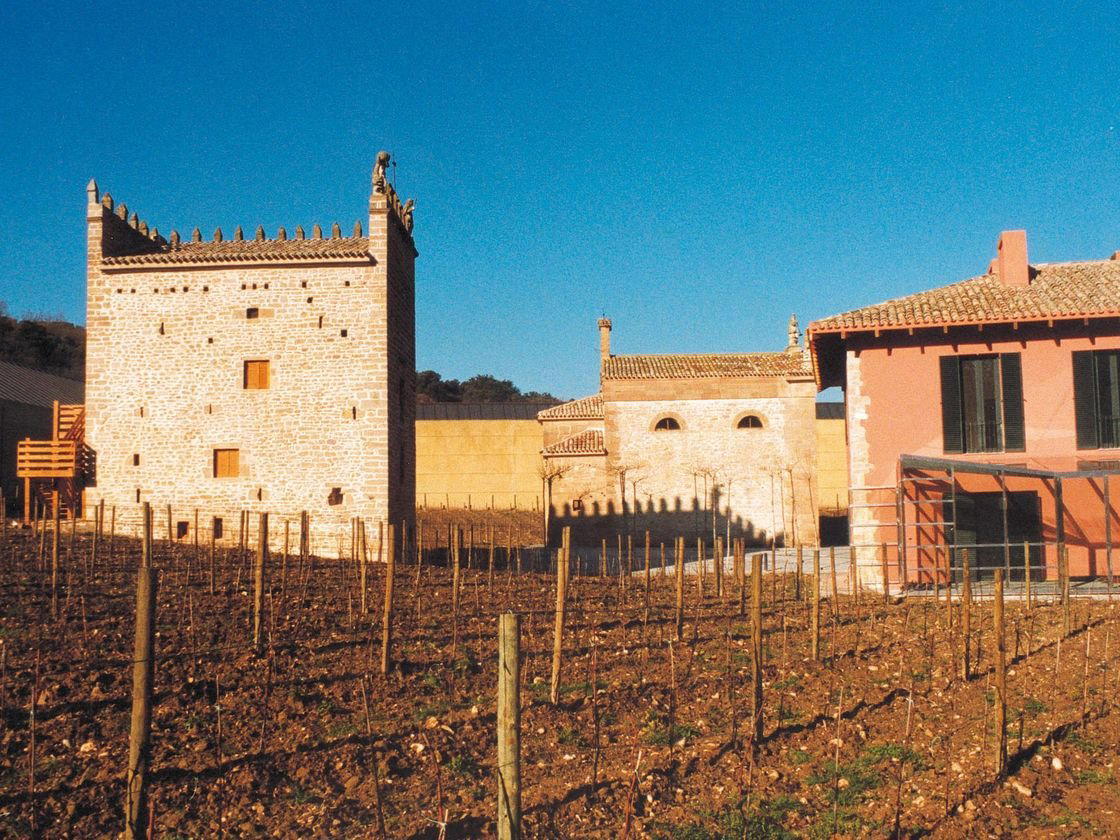
At a Glance
- Cozy
- Classic
- Rustic
- Family
- Group Dining
- Business Dinner
- Terrace
- Historic Building
- Local Sourcing
- Street Scene
Current opening hours
- Monday
- Closed
- Tuesday
- 12–6 PM
- Wednesday
- 12–6 PM
- Thursday
- 12 PM–1 AM
- Friday
- 12 PM–1 AM
- Saturday
- 12 PM–1 AM
- Sunday
- 12–6 PM
Hours can change for holidays and private events. Last verified .
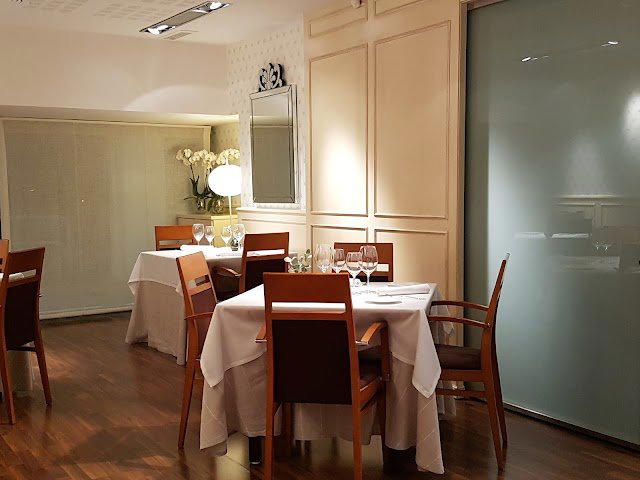
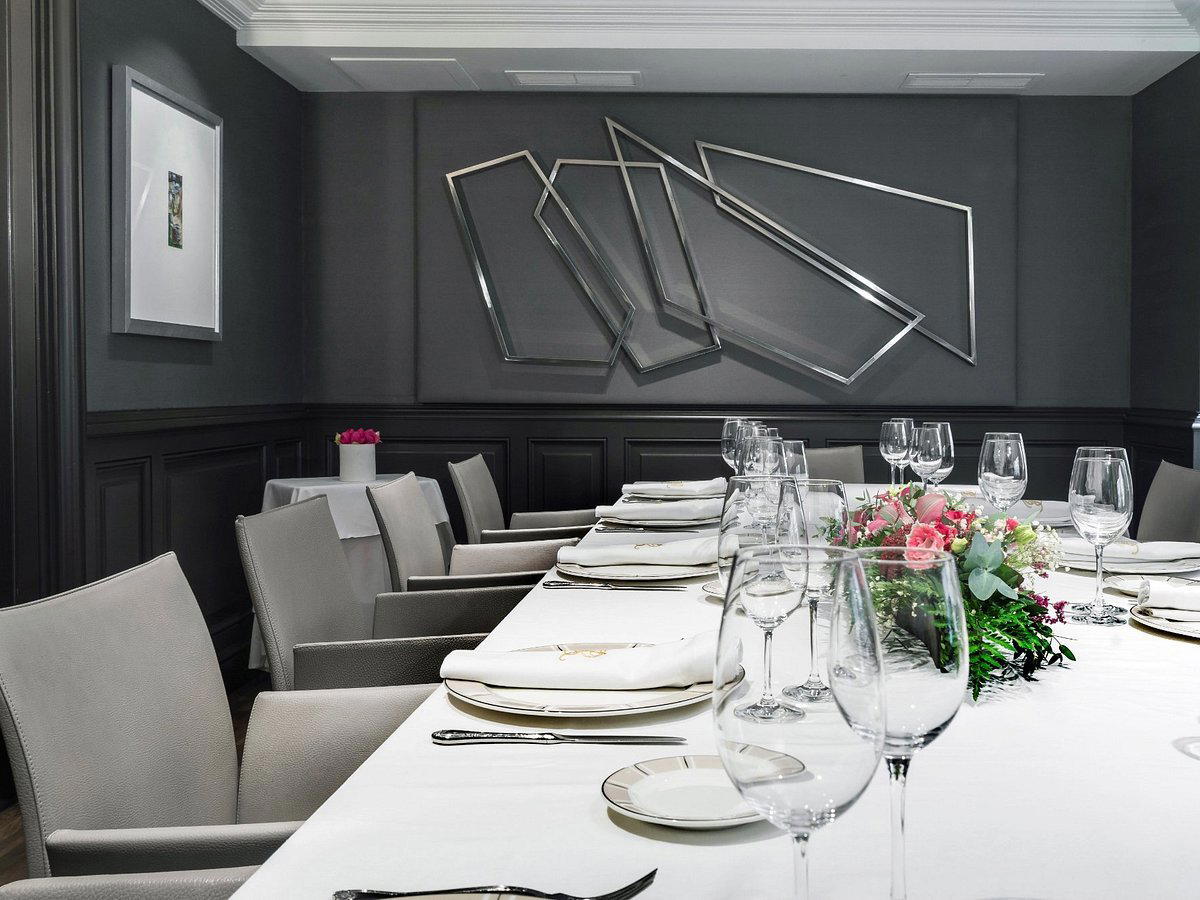
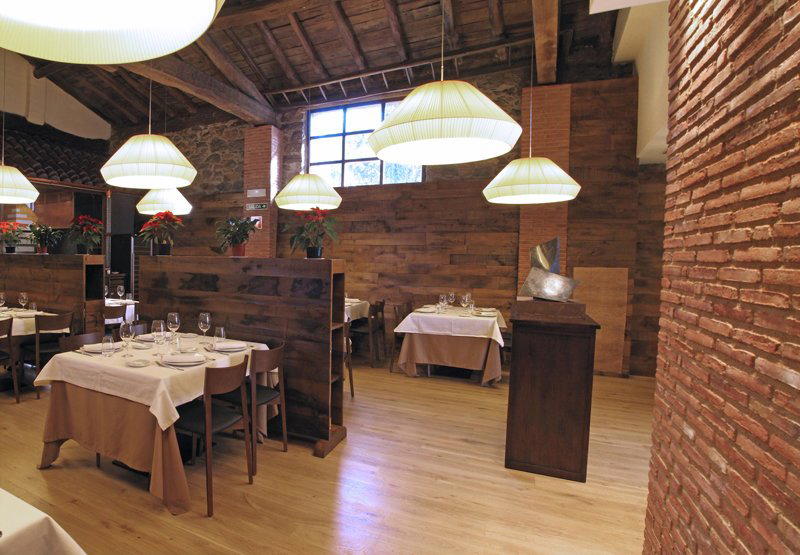
Cozy and elegant atmosphere with comfortable seating, terrace, and warm, home-like service.