One of Pamplona's most enduring breakfast institutions, Churrería La Mañueta has served churros and hot chocolate to locals and festival visitors alike for generations. Positioned in the old quarter, it operates in a category where the ritual matters as much as the product. Simple, honest, and entirely without pretension.
 Request Booking on Pearl
Pearl is the En Primeur Club membership app — saves, bookings, and concierge access live there. Same editors, same standards.
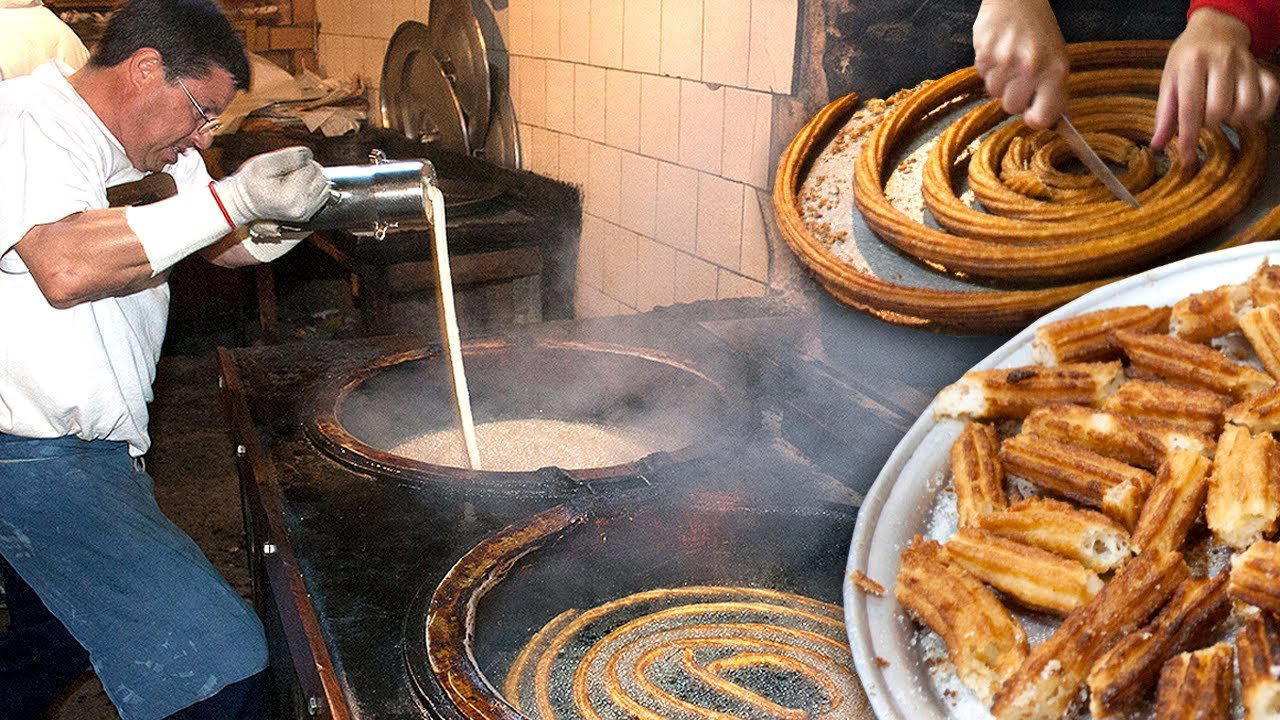
Where the Morning Ritual Has Deeper Roots Than the Menu
There is a particular kind of place in every Spanish city that resists the pull of renovation and rebranding: the churrería. Not a café, not a breakfast bar in the international hotel sense, but a purpose-built space where the act of dunking a length of fried dough into a cup of thick chocolate is treated as a complete and sufficient reason to be there. Pamplona has several of these, but Churrería La Mañueta carries the weight of the old quarter behind it, operating in Pamplona's old quarter, where the streets still narrow into something medieval.
To understand what draws people here, it helps to understand what the churrería represents in Spanish daily life. This is not street food in the dismissive sense. The churro-and-chocolate pairing is one of the most durable morning formats in the country, surviving the arrival of specialty coffee culture, artisan bakeries, and imported brunch formats with almost no modification. In Pamplona specifically, that durability takes on an added dimension: the city fills each July with visitors for the Fiestas de San Fermín, and the churrería becomes a site of recovery, ritual, and continuity. Locals and arrivals occupy the same bench, and the format levels them.
The Cultural Architecture of Churros
The churrería tradition in Spain traces its clearest lines through Andalusia and Castile, where frying dough in oil and pairing it with something thick and hot became a working-class breakfast that outlasted the economic conditions that produced it. What spread across the country was not a recipe so much as a social format: quick, cheap, communal, requiring no cutlery beyond what you already have. In Navarra, that format absorbed local habits around café society and the pincho counter, producing a version of the churrería that sits comfortably alongside the city's broader culture of deliberate, unhurried morning eating.
Pamplona's dining scene spans a wide range. At the serious end, restaurants like Rodero (Modern Spanish, Modern Cuisine) and Europa (Contemporary) represent the city's ambitions in contemporary Spanish cuisine, while Kabo (Contemporary) and Alhambra (Traditional Cuisine) fill out the mid-tier. At the other end, places like Bar Gorriti (Tapas Bar) anchor the city's tradition of casual, counter-led eating. The churrería sits outside all of these categories. It is not competing with the tasting menu circuit or the pincho crawl; it occupies its own time slot and its own social register entirely.
Across Spain more broadly, the country's most recognised restaurants have pushed outward into abstraction and technique. The work happening at places like El Celler de Can Roca in Girona, Arzak in San Sebastián, and Mugaritz in Errenteria defines one axis of Spanish gastronomy. DiverXO in Madrid, Azurmendi in Larrabetzu, Martin Berasategui in Lasarte-Oria, Aponiente in El Puerto de Santa María, Quique Dacosta in Dénia, Cocina Hermanos Torres in Barcelona, and Ricard Camarena in València make up another. The churrería represents neither of those axes. It is the baseline from which everything else departs, and its persistence is precisely what makes it worth paying attention to.
San Fermín and the Sociology of the Churrería
Any honest account of eating in Pamplona has to reckon with the Fiestas de San Fermín. The nine days each July rearrange the city's social geography: bars operate on extended schedules, the streets shift between exhaustion and festivity by the hour, and the conventional morning meal loses its fixed position. Into that disruption, the churrería inserts something stable. Hot chocolate, fried dough, a seat at a counter: these things function as an anchor when everything else is in motion. The Mañueta, positioned within Pamplona's old quarter, draws on this dynamic in a way that more formal restaurants cannot replicate. You do not book a churrería for San Fermín morning; you arrive, you find room, and the transaction is quick enough that the queue moves.
Outside festival season, the dynamic shifts but the format holds. Pamplona is a city of around 200,000 people with a functioning university, a medical sector, and an economy that does not depend entirely on tourism. The churrería in that context serves a genuinely local function: it is where the early shift goes before work, where grandparents and grandchildren find a shared language, where the morning is marked before it begins in earnest. That social utility is not incidental to the experience; it is the experience.
Planning a Visit
Churrería The Mañueta operates in the old quarter of Pamplona, the area best reached on foot from the city centre and well-connected to the main plazas that orientate visitors. Mornings are the correct time to come, particularly early ones: the churrería format is built around that window between waking and the full arrival of the day, and most serious practitioners of the form treat a mid-morning visit as already slightly late. During San Fermín, arrival times become less predictable and queues are part of the negotiation. The price point is low, and no booking mechanism exists for this category of venue. You walk in, or you wait briefly and then walk in. Dress is whatever you arrived in. The format is designed to accommodate everyone from festival runners to pensioners stopping on their way to the market, and it makes no distinction between them.
Budget and Context
Comparable venues nearby, for context on price, style, and recognition.
| Venue | Cuisine | Price | Awards | Notes |
|---|---|---|---|---|
| Churrería La MañuetaThis venue — the venue you are viewing | $ | , | ||
| Baserriberri | $$ | , | Casco Antiguo, Modern Basque Tapas & Pintxos | |
| Café Iruña | $$ | Plaza del Castillo, Traditional Spanish Tapas & Café | ||
| La Mar Salada | center, Spanish Seafood and Rice | $$ | , | |
| Snob Cocktail&Food | $$ | , | Buztintxuri, Modern Spanish Tapas & Cocktails | |
| Restaurante City | Pamplona center, Chinese with Sushi | $$ | , |
Continue exploring
More in Pamplona
Restaurants in Pamplona
Browse all →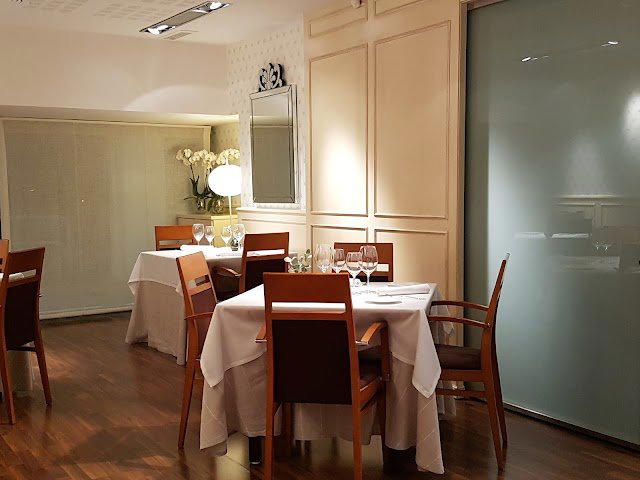
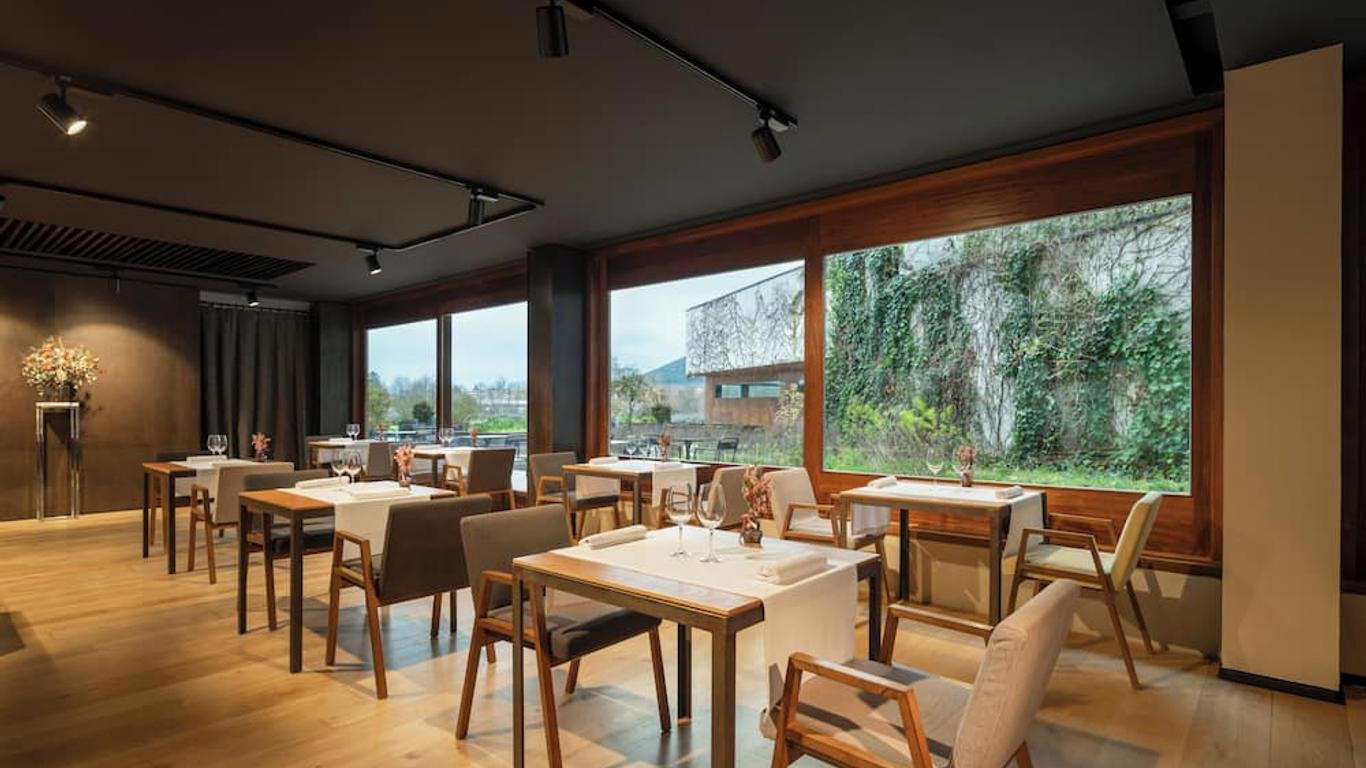
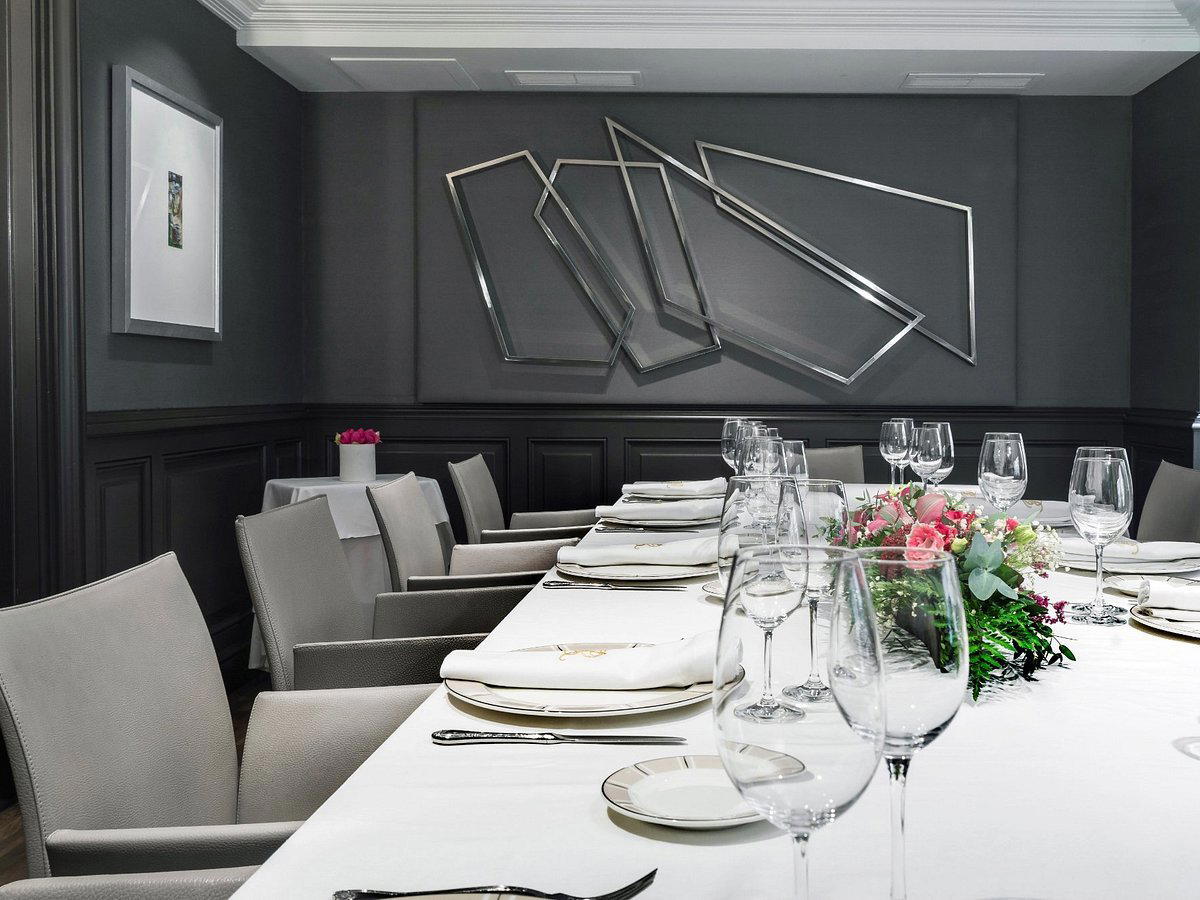
Bars in Pamplona
Browse all →
Hotels in Pamplona
Browse all →
At a Glance
- Rustic
- Classic
- Iconic
- Casual Hangout
- Celebration
- Historic Building
- Local Sourcing
Dark, steamy hole-in-the-wall with a bustling, festive atmosphere during limited openings.