Our verdict
Restaurante Casa de Tereza sits in Rio Vermelho, Salvador's most culturally dense neighborhood, serving as a reference point for Bahian cuisine in a city where that tradition runs deep. The kitchen draws on the African-Brazilian culinary lineage that defines the region, placing it in conversation with the broader movement to formalize and preserve Bahian cooking at a serious table-service level.

Pearl is the En Primeur Club membership app — saves, bookings, and concierge access live there. Same editors, same standards.
- Address
- R. Odilon Santos, 45 - Rio Vermelho, Salvador - BA, 41940-350, Brazil
- Phone
- +557133293016
- Hours
- Mon–Wed 12–11 PMThu–Sat 12 PM–12 AMSun 12–9:30 PM
- Website
- casadetereza.com.br
- Directions
- Get directions
Rio Vermelho and the Weight of Bahian Tradition
Salvador's Rio Vermelho neighborhood carries more culinary and cultural freight than almost any other district in the Brazilian northeast. Historically a fishing village turned bohemian quarter, it now functions as the address of choice for restaurants serious about Bahian identity, sitting between the seafront and the older residential streets where Candomblé terreiros and street markets shape the food culture as directly as any professional kitchen. Restaurante Casa de Tereza, on Rua Odilon Santos, operates inside that dense cultural environment, which means the cuisine it represents is not a reinterpretation or a contemporary spin: it is drawn from the same African-Brazilian traditions that have defined Salvador's table for centuries.
Bahian cooking is, in the Brazilian context, what Sichuan cooking is in China or Oaxacan food in Mexico: a regional tradition so specific in its ingredients, techniques, and cultural origins that it occupies a category largely separate from the national mainstream. The African diaspora that shaped Salvador during and after the colonial period brought dendê palm oil, dried shrimp, coconut milk, and a set of stewing and braising techniques that merged with indigenous Brazilian ingredients to produce dishes that have no real equivalent elsewhere in the country. Any restaurant operating seriously in this tradition is working with a culinary grammar that has been passed down through generations of Bahian women, largely outside formal kitchen hierarchies.
Where Casa de Tereza Sits in Salvador's Dining Scene
Salvador's restaurant scene divides roughly into three registers. At the leading end, places like Amado on the Contorno avenue position Bahian cuisine within a contemporary fine-dining frame, drawing comparisons to what D.O.M. in São Paulo or Lasai in Rio de Janeiro have done for their respective regional ingredients. In the middle register, neighborhood restaurants in areas like Rio Vermelho and Barra serve the dishes that Bahians actually eat on a weekly basis, with varying levels of kitchen discipline. Casa de Tereza occupies the second category but with a specificity and consistency of approach that pulls it toward the best of that tier. It is the kind of address that Salvadorans recommend before international visitors arrive, not as a tourist-facing operation, but as a working example of how the cuisine behaves in its own habitat.
Peer addresses worth noting in the broader Salvador picture include Casa Castanho, which operates in a comparable neighborhood-focused register, and Larriquerrí, which leans into a more casual street-food format. For cuts-focused dining, Boi Preto Prime operates in a different culinary lane entirely, and Alfredo'Ro covers a more European-inflected side of the market. Casa de Tereza's identity is specifically Bahian, and that specificity is the reason it functions as a reference rather than one option among many. For a fuller picture of where it sits relative to the city's tables, see our full Salvador restaurants guide.
The Cultural Roots of What Arrives at the Table
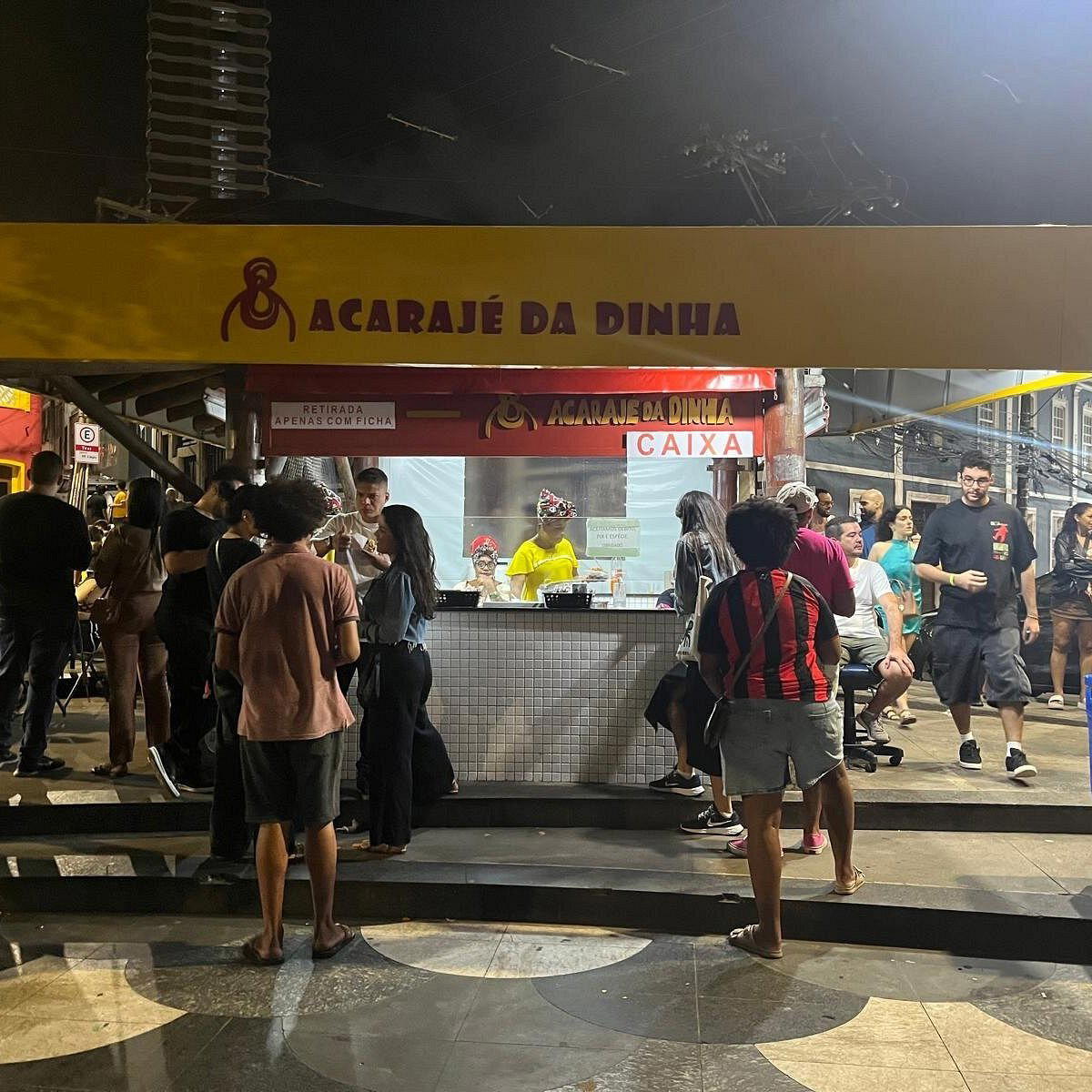
The dishes that have made Casa de Tereza a point of reference in Rio Vermelho belong to a canon that Brazilian food historians trace directly to West African cooking practices carried to Bahia during the transatlantic slave trade. Moqueca baiana, the coconut milk and dendê-based fish or seafood stew that differs from its Espírito Santo cousin precisely because of those two ingredients, is the most globally recognized representative of this tradition. Acarajé, the black-eyed pea fritter fried in dendê oil and filled with vatapá and dried shrimp, is its street-food counterpart. Vatapá itself, a thick paste of bread, dried shrimp, coconut milk, and dendê, and caruru, made from okra and shrimp with the same palm oil base, round out the core of what Bahian cuisine means at the table-service level.
What distinguishes a kitchen that handles this canon seriously from one that produces a diluted version is largely a matter of ingredient sourcing and technique fidelity. Dendê oil, when fresh and properly processed, carries a deep orange color and a flavor that has no substitute. Dried shrimp from Bahia's coast have a salinity and intensity that imported alternatives cannot replicate. The time and temperature discipline involved in building a moqueca without breaking the emulsion or losing the aromatics determines whether the dish reads as the tradition or as a rough approximation of it. These are the standards against which any kitchen working in this space is measured by Salvadorans who grew up eating these dishes.
This same question of fidelity versus adaptation is playing out across Brazilian regional cuisines right now. The attention that D.O.M. brought to Amazonian and Brazilian native ingredients over two decades eventually filtered back to regional capitals, creating a generation of Bahian chefs interested in formalizing rather than modernizing their culinary inheritance. The comparison to how Korean-American chefs at places like Atomix in New York City have engaged with fermentation and Korean culinary grammar is instructive: the leading outcomes tend to come from deep engagement with the original technique rather than from surface-level reference.
Getting There and Planning Your Visit
Rio Vermelho is accessible from Salvador's Pelourinho historic center by taxi or rideshare in roughly 20 to 25 minutes depending on traffic, and it sits close enough to the Barra and Ondina neighborhoods to make it a natural dinner stop after time on the coast. Rua Odilon Santos is a residential street in the interior of the neighborhood, quieter than the main Largo de Rio Vermelho square, which means the address functions more as a destination than as a passing discovery. Visitors staying in Barra or Rio Vermelho itself will find the restaurant within walking distance. As with most serious neighborhood restaurants in Salvador, contacting the venue directly before visiting is advisable, particularly for groups or if dietary requirements need to be discussed in advance, since Bahian cuisine's heavy reliance on shellfish and dendê oil means certain dishes are structurally incompatible with common allergies. The restaurant's address at R. Odilon Santos, 45 is the most reliable navigation anchor.
Frequently asked questions
Where is Restaurante Casa de Tereza located?
Restaurante Casa de Tereza is located at R. Odilon Santos, 45 - Rio Vermelho, Salvador - BA, 41940-350, Brazil, Salvador.
How does Casa de Tereza compare to other traditional Bahian restaurants in Salvador?
Within Salvador's dining scene, Casa de Tereza occupies a different register than the upscale waterfront operations on Contorno avenue that frame Bahian cuisine for an international audience. Situated in Rio Vermelho at R. Odilon Santos, 45, it functions more as a neighborhood reference for traditional Bahian cooking, the kind of place that earns its standing through consistency within a specific culinary tradition rather than through formal awards or design-forward presentation. That positioning makes it meaningful context for anyone mapping Salvador's food culture beyond the tourist circuit.
What dish is Restaurante Casa de Tereza famous for?
Casa de Tereza is associated with the traditional Bahian canon, a body of cooking that food historians trace to West African culinary traditions carried into Salvador over centuries. Dishes in this register typically include preparations built around dendê oil, dried shrimp, and slow-cooked proteins. Because no current menu is publicly confirmed, checking directly with the restaurant before visiting is the practical approach.
What's the best way to book Restaurante Casa de Tereza?
The restaurant is located at R. Odilon Santos, 45 in Rio Vermelho, Salvador, so arriving in person or asking your accommodation to make contact locally is a reliable route, particularly on weekends when Rio Vermelho draws significant foot traffic.
What's the defining dish or idea at Restaurante Casa de Tereza?
The defining idea at Casa de Tereza is fidelity to Bahian tradition rather than reinterpretation of it. The cooking sits within a canon shaped by the West African diaspora in Salvador, a city where that culinary inheritance is more intact than almost anywhere else in Brazil. That positioning makes it a reference point in Rio Vermelho rather than a restaurant chasing contemporary trends.
Do they accommodate allergies at Restaurante Casa de Tereza?
Traditional Bahian cooking relies heavily on dendê (palm oil) and dried shrimp as foundational ingredients, both of which appear across much of the menu in restaurants of this style. Guests with shellfish or palm oil sensitivities should raise this directly when contacting the restaurant at its Rio Vermelho address.
Price and Positioning
Comparable venues nearby, for context on price, style, and recognition.
| Venue | Cuisine | Price | Notes |
|---|---|---|---|
| Restaurante Casa de TerezaThis venue — the venue you are viewing | Authentic Bahian Seafood | Not listed | Not listed |
| Larriquerrí | French-Italian Bistro | Not listed | Garcia, French-Italian Bistro |
| Alfredo'Ro | Classic Italian Seafood | Not listed | Ondina, Classic Italian Seafood |
| Restaurante Chez Bernard | Classic French Fine Dining | Not listed | Dois de Julho, Classic French Fine Dining |
| Amado | Contemporary Brazilian Seafood | $50–100 | Comércio, Contemporary Brazilian Seafood |
| Boi Preto Prime | Brazilian Churrascaria with Japanese Influences | $50–100 | Boca do Rio, Brazilian Churrascaria with Japanese Influences |


Details
- Rustic
- Cozy
- Well Known
- Classic
- Special Occasion
- Date Night
- Group Dining
- Historic Building
- Local Sourcing
- A La Carte
- Gluten Free Options
Current opening hours
- Monday
- 12–11 PM
- Tuesday
- 12–11 PM
- Wednesday
- 12–11 PM
- Thursday
- 12 PM–12 AM
- Friday
- 12 PM–12 AM
- Saturday
- 12 PM–12 AM
- Sunday
- 12–9:30 PM
Hours can change for holidays and private events. Last verified .
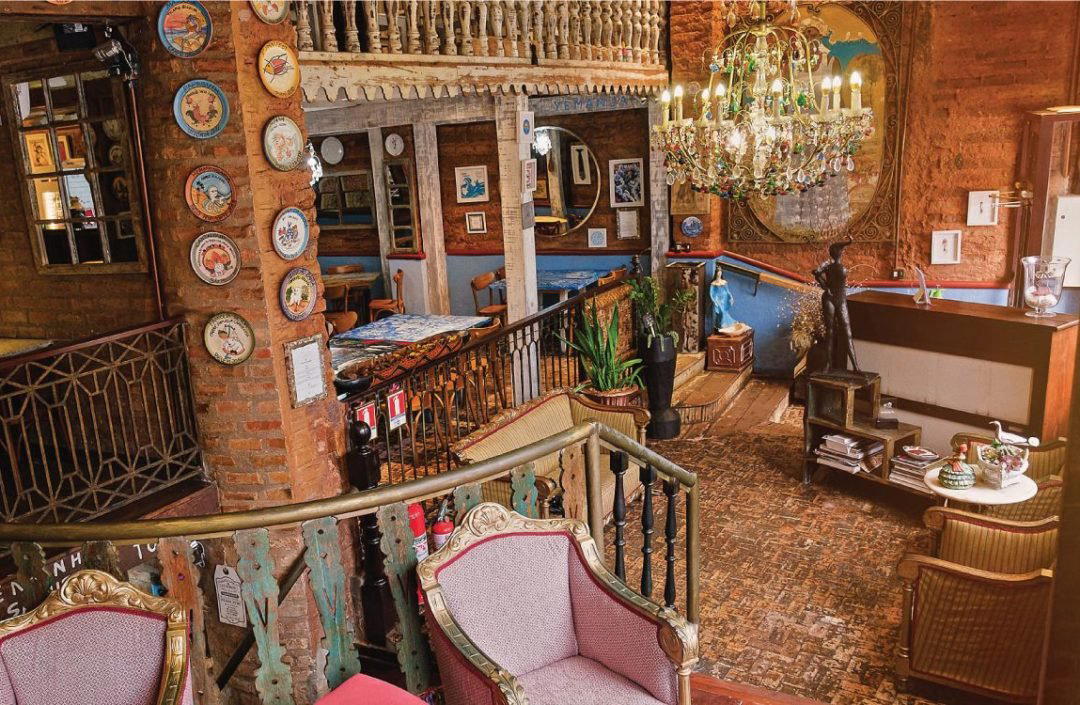
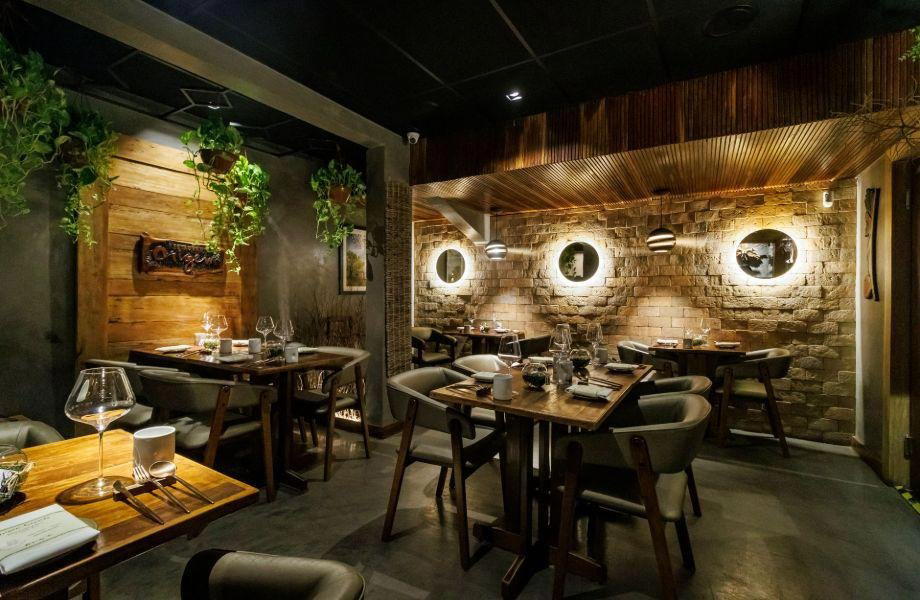
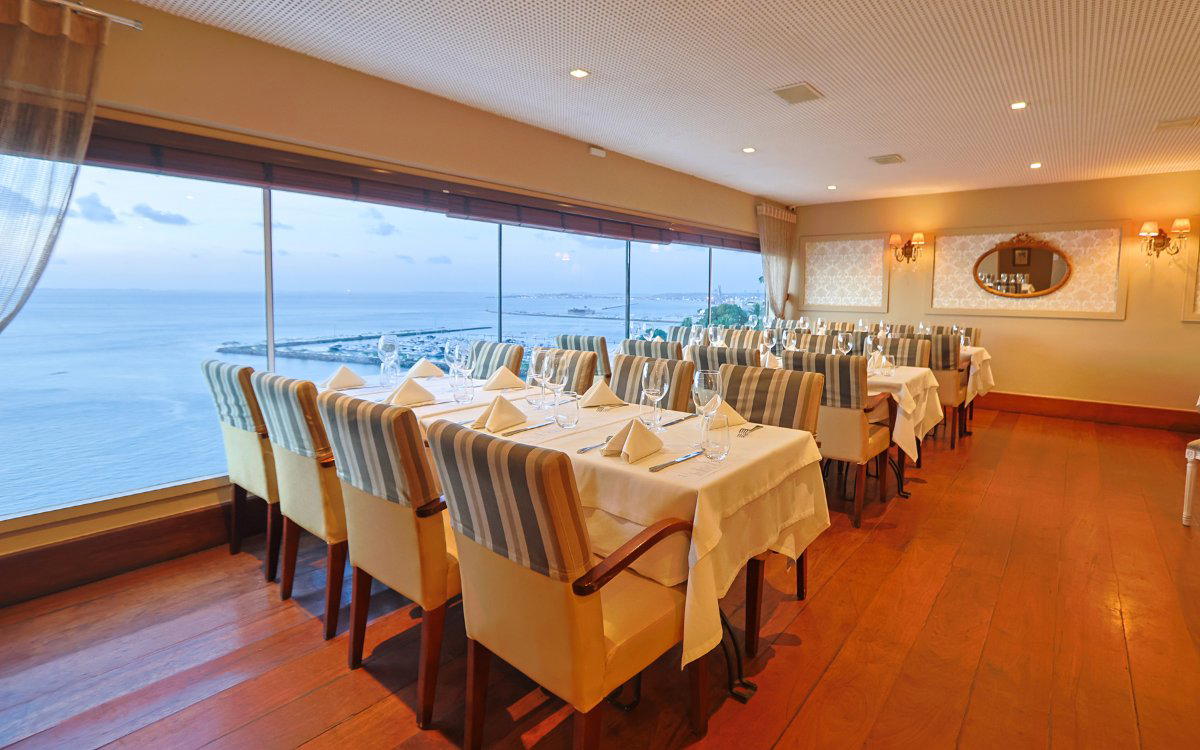
Rustic colonial interior with colorful artworks, vintage decor, and artistic expressions creating a stylish, culturally rich atmosphere.