RESTAURANTE CARÁ - POUSO ALEGRE
Our verdict
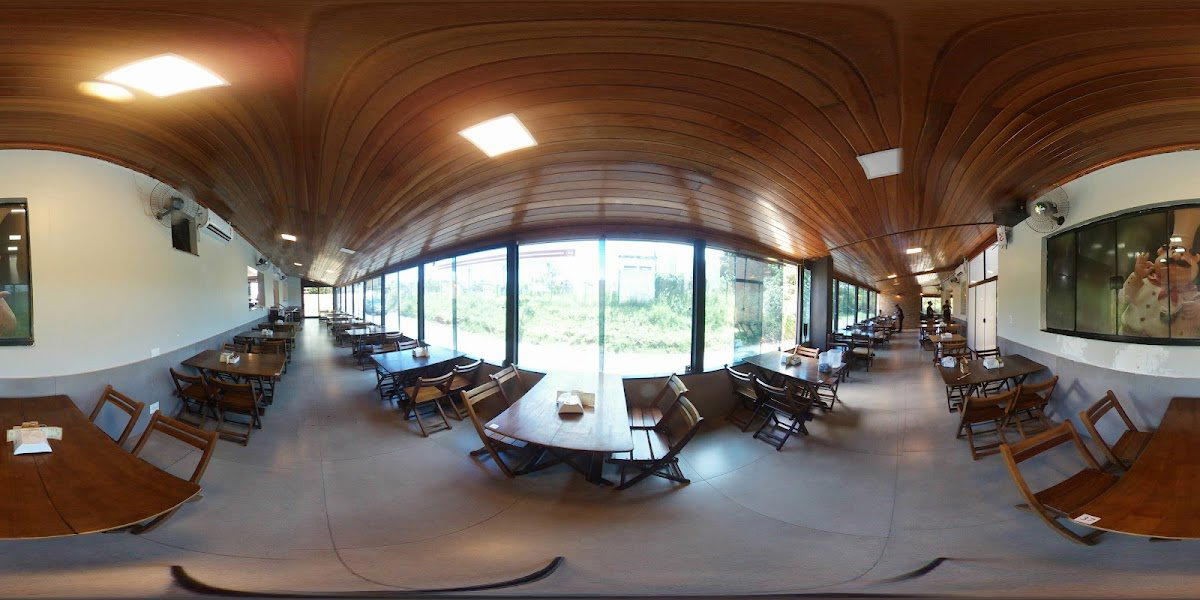
RESTAURANTE CARÁ - POUSO ALEGRE serves Minas Gerais Brazilian cooking with cod cake and tilapia, in a conversational, casual room geared to lunch.

Pearl is the En Primeur Club membership app — saves, bookings, and concierge access live there. Same editors, same standards.
The menu
What to order
- Cod cake
- Tilapia
Pouso Alegre and the Question of Regional Cooking
Minas Gerais has one of the most argued-over food traditions in Brazil. The state's cooking is built on dried pork, fresh cheese, slow-cooked beans, and produce that travels short distances from farm to kitchen. That logic runs deepest not in the state's showpiece cities but in its mid-sized towns, where the pressure to perform for tourists is lower and the relationship between kitchen and local supplier tends to be more direct. Pouso Alegre, a city of roughly 160,000 in the Sul de Minas microregion, sits inside that quieter register of mineiro food culture. Restaurante Cará, at Rua Gradiolos 144 in the Jardim Iara neighbourhood, is part of that local dining fabric rather than an outlier within it.
Sul de Minas produces coffee that ranks among Brazil's most exported, and the agricultural infrastructure around Pouso Alegre means that seasonal vegetables, root crops, and dairy move through supply chains that are compact by Brazilian standards. The name Cará itself points toward the ingredient-first framing: cará is a starchy tuber native to Brazil, used across mineiro and nordestino cooking, and choosing it as a restaurant name signals a certain orientation toward what grows here rather than what arrives by air freight.
What the Address Tells You
Jardim Iara is a residential district rather than a commercial strip, which positions Restaurante Cará inside the neighbourhood-restaurant category that defines much of Brazil's mid-city dining. This is the format where a regular clientele forms over years, where the menu reflects what came in that week rather than what photographs well, and where the practical details, such as parking, opening days, and service hours, are best confirmed directly before visiting. Travellers coming specifically to Pouso Alegre for this restaurant should note that the city's accommodation options are functional rather than resort-scale; our full Pouso Alegre restaurants guide maps the broader dining context for anyone spending time in the area.
The Ingredient Logic Behind Minas Gerais Cooking
To understand what a restaurant like Cará represents, it helps to understand what makes the mineiro sourcing tradition distinct from other Brazilian regional styles. Cozinha mineira developed largely as an inland cuisine, separated from coastal fishing traditions, and built around preserved meats, cultivated legumes, and root vegetables that could survive the long distances between settlements. The tropeiros, the muleteers who moved goods through the state's mountainous terrain in the 18th and 19th centuries, left behind a cooking vocabulary of feijão tropeiro, farofa, and toucinho that still shapes everyday menus across the region.
That inheritance means that sourcing in a mineiro kitchen is less about premium single-origin storytelling and more about proximity and seasonality as baseline practice. The ingredients that appear in traditional dishes, cará, taioba, ora-pro-nóbis, frango caipira, are local by default rather than by deliberate curation. Sul de Minas sits within one of the country's more productive agricultural zones for small-scale dairy and vegetable farming, which means the supply conditions for this style of cooking are genuinely favourable in Pouso Alegre. Contrast that with the effort required by Rio-based restaurants like Lasai in Rio de Janeiro or São Paulo flagships like D.O.M. in São Paulo to source regional Brazilian ingredients across longer supply chains, and the structural advantage of cooking in place becomes clearer.
Brazil's Regional Dining Tier: Context for Pouso Alegre
Brazilian dining splits sharply by city size and tourism infrastructure. The top tier, occupied by multi-award recipients in São Paulo, Rio de Janeiro, and a handful of other metros, competes in a global frame. Below that sits a large and underrepresented tier of regional restaurants in cities like Pouso Alegre, where the audience is primarily local, the pricing reflects local purchasing power, and the cooking is accountable to a customer base that eats there regularly rather than once as a destination visit. This is not a lesser category; it is a different one, with its own standards and pressures.
Other Brazilian cities show comparable patterns. In the South, Cantina Pozzobon in Santa Maria and Fornazzo Pizzaria in Passo Fundo anchor local dining in cities with strong regional food identities. In the interior of Mato Grosso do Sul, Casa da Flor Restaurante in Dourados occupies a similar position. In Itatiaia, Casa da Picanha Penedo serves a tourist-adjacent market with Brazilian grill traditions. The common thread is that these restaurants function as pillars of their local food scenes rather than as aspirants to a national or international conversation. Restaurante Cará reads within that same frame.
For readers who want to map Pouso Alegre against Brazil's more extensively documented dining markets, reference points include Madê in Santos, Bistrô Vila Graziella in Bauru, and Bistro Fitz Carraldo in Manaus, each of which represents the mid-city regional dining category in different Brazilian states.
Planning a Visit
Restaurante Cará's address, Rua Gradiolos 144, Jardim Iara, places it in a residential quarter of Pouso Alegre accessible by car or rideshare from the city centre. Because no booking method, hours, or phone number are published in verified sources at time of writing, confirming availability before arrival is strongly advisable. Pouso Alegre is served by road from São Paulo, roughly 260 kilometres to the northeast via the Fernão Dias highway, making it reachable as a day trip for travellers based in the capital, though the drive warrants an overnight stay to engage meaningfully with the city's food scene rather than a single restaurant.
Travellers with an interest in Brazil's broader regional cooking traditions beyond Minas Gerais will find useful reference points in Camarões Potiguar in Natal for the northeastern seafood register, and Casa da Dika Restô e Eventos in Braganca for the Pará context. For readers whose Brazil itinerary includes São Paulo or Rio, the contrast between Cará's neighbourhood scale and the ambition of D.O.M. or Lasai illustrates how differently the same country's ingredients can be framed depending on audience, city, and intent.
Frequently asked questions
Is Restaurante Cará suitable for children?
Its location in Jardim Iara, a residential district of Pouso Alegre, is consistent with the neighbourhood-restaurant format that typically accommodates families. Mineiro cooking traditions centre on communal, sharing-style meals, which tend to suit mixed-age groups.
What's RESTAURANTE CARÁ - POUSO ALEGRE's location?
RESTAURANTE CARÁ - POUSO ALEGRE is located at R. Gradiolos, 144 - Jardim Iara, Pouso Alegre - MG, 37550-000, Brazil, Pouso Alegre.
How hard is it to get a table at RESTAURANTE CARÁ - POUSO ALEGRE?
Reservations are recommended for RESTAURANTE CARÁ - POUSO ALEGRE in Pouso Alegre. Confirm current policy via the venue's official channels.
What is the atmosphere like at Restaurante Cará?
The address on Rua Gradiolos in Jardim Iara places Cará within a residential quarter rather than a commercial dining strip, which shapes the tone considerably. Restaurants in this category across Minas Gerais typically run with an informal, local-regular character rather than a formal dining-room register. Expect a room that prioritises function and familiarity over design spectacle.
In Context: Similar Options
Comparable venues nearby, for context on price, style, and recognition.
| Venue | Cuisine | Price | Notes |
|---|---|---|---|
| RESTAURANTE CARÁ - POUSO ALEGREThis venue — the venue you are viewing | Minas Gerais Brazilian | $10–20 | Not listed |
| Moinho Velho | Brazilian Pizza | Not listed | Pinhalzinho |
| Roberta Sudbrack | Modern Brazilian | Not listed | Jardim Botânico |
| Migous Burger | Brazilian Artisanal Burgers & Sandwiches | $1–10 | Ouro Verde, Parque Dom Pedro II |
| Baio Cozinha Sulista | Creative Southern Brazilian cuisine with contemporary flair | $50–100 | Itaim Bibi |
| Charco | Modern Brazilian with South American and Asian influences | Not listed | Jardim Paulista |
Details
- Cozy
- Rustic
- Casual Hangout
- Family
- A La Carte
Current opening hours
- Monday
- 11 AM–3 PM
- Tuesday
- 11 AM–3 PM
- Wednesday
- 11 AM–3 PM
- Thursday
- 11 AM–3 PM
- Friday
- 11 AM–3 PM
- Saturday
- 11 AM–3 PM
- Sunday
- Closed
Hours can change for holidays and private events. Last verified .
Warm and welcoming atmosphere with outstanding service.