Restaurant Zur Quelle & Bistro Karls Quelle
Our verdict
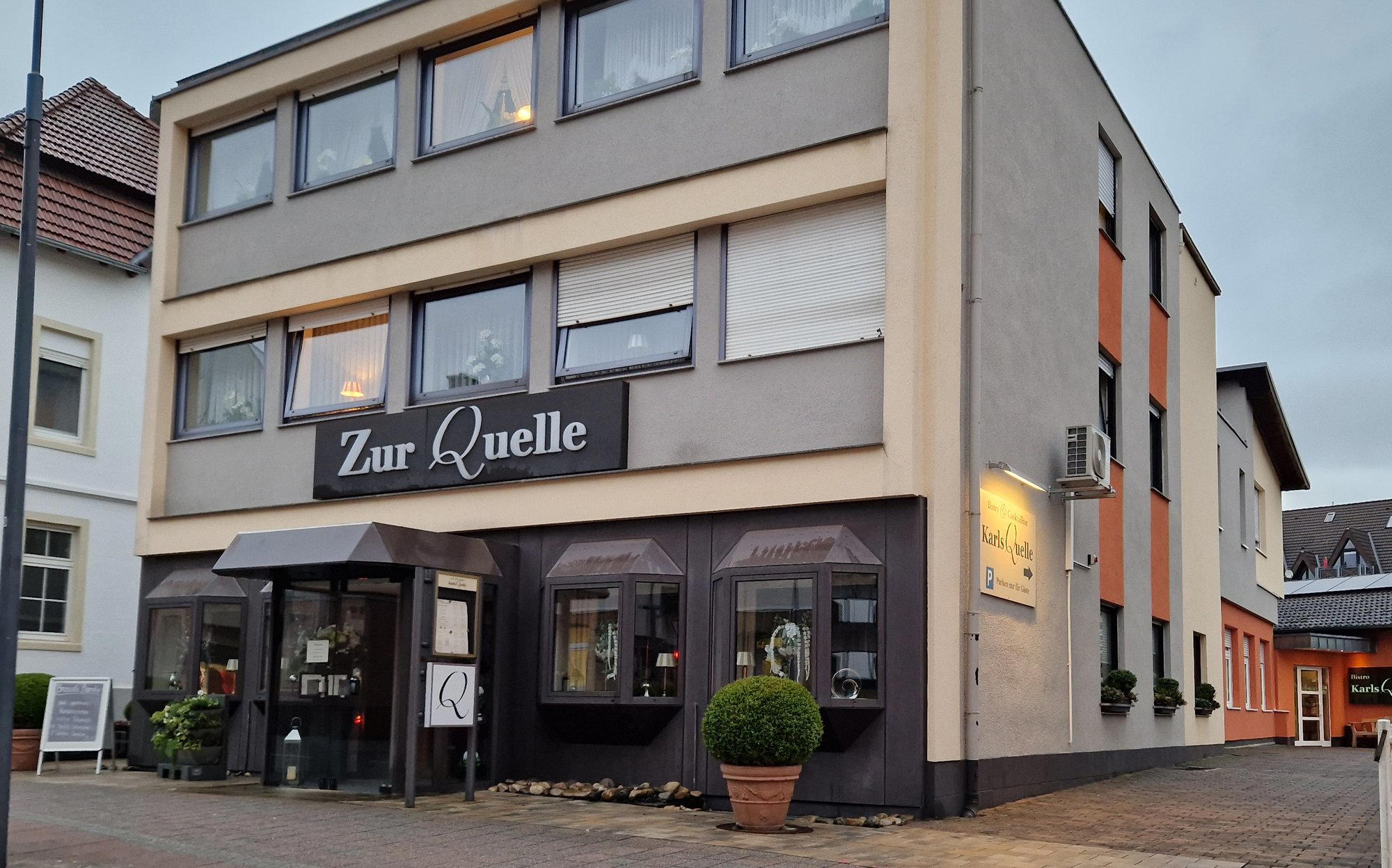
In Bad Lippspringe, a small spa town in the eastern Teutoburg Forest region of North Rhine-Westphalia, Restaurant Zur Quelle and its adjoining Bistro Karls Quelle occupy a distinct position in the local dining scene. The dual-format setup reflects a pattern common to German towns built around thermal springs: a more formal dining room alongside a relaxed bistro, serving a community where visitors come to slow down. Zur Quelle is worth understanding in that context before booking.

Pearl is the En Primeur Club membership app — saves, bookings, and concierge access live there. Same editors, same standards.
A Spa Town and Its Table
Bad Lippspringe sits in the eastern shadow of the Teutoburg Forest, about 10 kilometres east of Paderborn, and it belongs to a particular category of German town: the Kurort, or spa town, where the rhythm of daily life has historically been set by thermal springs, walking paths, and a tradition of restorative eating. The restaurant culture in such places tends toward the earnest and the local, oriented around regulars and seasonal visitors rather than destination diners making long pilgrimages from major cities. Restaurant Zur Quelle and Bistro Karls Quelle, addressed at Bielefelder Str. 2B, operate inside that tradition.
The dual-format model, a more considered dining room paired with a looser bistro, is a pragmatic and well-worn structure in German regional gastronomy. It allows a kitchen to serve the lunchtime crowd seeking something quick alongside evening guests who want more deliberate cooking. In spa towns especially, that split serves a guest demographic that is genuinely mixed: retirees on week-long therapeutic stays, weekend walkers from Paderborn or Bielefeld, and local families with no particular interest in tasting menus. The name Karls Quelle, referencing the spring associated with the Prussian king Karl IV who helped put Bad Lippspringe on the therapeutic map, is a small but telling signal that the place is rooted in its specific geography rather than performing a generic bistro identity.
The Question of Sourcing in a Teutoburg Forest Kitchen
The ingredient question matters differently in a town like Bad Lippspringe than it does in a metropolitan restaurant. German spa towns, particularly those surrounded by agricultural land in the Paderborn Börde plain, have historically had access to short supply chains by default: pork, dairy, root vegetables, game from the forest edges, and freshwater fish from the local Lippe river system. That proximity is an advantage that metropolitan restaurants frequently spend considerable effort to recreate or signal. Here, it can be structural.
What that means in practice, at a regional restaurant of this type, is that the cooking tends to reflect seasonal availability in a direct rather than choreographed way. The menus in kitchens like this shift not because a chef is performing terroir for a press release, but because the suppliers are geographically close and the economics of running a dual-format local restaurant make year-round consistency with the same ingredients more sensible than importing shelf-stable products. That pattern holds across comparable provincial German restaurants, from similar-tier operations in the Eifel to family-run Gasthöfe in the Sauerland.
This is worth noting for visitors accustomed to the sourcing narratives of Germany’s leading kitchens: the approach at Zur Quelle almost certainly differs structurally from operations like Aqua in Wolfsburg, Schwarzwaldstube in Baiersbronn, or Vendôme in Bergisch Gladbach, where sourcing decisions are codified into a culinary philosophy and communicated explicitly. At the Zur Quelle level, sourcing is more likely to be a background condition than a front-of-house talking point. That is not a criticism; it is a different relationship to the same question.
How the Bistro Format Works Here
The bistro component, Karls Quelle, functions as the more accessible entry point. In the German dining context, a bistro attached to a main restaurant typically operates with a shorter menu, faster service, and pricing that reflects the demographic of the surrounding streets rather than the ambitions of the kitchen. For Bad Lippspringe, that means pricing oriented around the local economy rather than the benchmarks set by tasting-menu restaurants in Düsseldorf or Hamburg.
For a sense of where the ambition ceiling sits in German fine dining, Restaurant Haerlin in Hamburg and Schanz in Piesport represent the upper tier of provincial fine dining in Germany’s regions, and both operate in towns smaller than major cities but with a specific destination audience in mind. Zur Quelle serves a different audience, and the bistro format signals that explicitly.
The Wider Bad Lippspringe Dining Context
Bad Lippspringe does not have a particularly deep restaurant bench. The town’s population sits under 15,000, and while the thermal spa infrastructure draws visitors consistently, the dining scene reflects the modest scale of the place. That makes Zur Quelle one of the more established reference points in town, by virtue of its dual-format presence and its address on the Bielefelder Strasse corridor, which connects the spa park area to the broader residential and commercial fabric of the town.
Visitors arriving from Paderborn by car or bus (the B1 federal road connects the two directly) will find that Bad Lippspringe rewards the kind of unhurried exploration that spa towns are designed for. The Karl-der-Grosse Kurpark is the natural anchor of the town, and restaurants in the orbit of that park serve the guest flow it generates. Zur Quelle’s location on Bielefelder Strasse places it within that catchment area.
For visitors who want to understand the broader range of German regional and destination dining before or after a stay in the Paderborn region, our full Bad Lippspringe restaurants guide maps the local scene in more detail. For those whose itineraries include other parts of Germany, the contrast between local-format restaurants like Zur Quelle and destination-tier operations such as JAN in Munich, ES:SENZ in Grassau, Victor’s Fine Dining by Christian Bau in Perl, or Waldhotel Sonnora in Dreis is instructive. Germany’s regional dining scene is genuinely varied, and the Zur Quelle category, earnest, locally grounded, dual-format, is as representative of that variety as any three-star address.
Other creative and boundary-pushing operations worth tracking in Germany’s wider dining map include CODA Dessert Dining in Berlin, ATAMA by Martin Stopp in Sankt Ingbert, AUGUST in Augsburg, AURA by Alexander Herrmann and Tobias Bätz in Wirsberg, Bagatelle in Trier, and ammolite in Rust. Internationally, the contrast in format and ambition is sharpened further by looking at operations like Le Bernardin in New York City or Atomix in New York City.
Planning a Visit
Bad Lippspringe is accessible by regional rail to Paderborn followed by a short bus connection, or directly by car from the A33 motorway. The spa town context means the area is busiest during warmer months and school holiday periods, when the Kurpark draws higher visitor volumes.
Frequently asked questions
Is Restaurant Zur Quelle & Bistro Karls Quelle suitable for children?
Yes. The bistro side, Karls Quelle, is the more relaxed option, and the restaurant's smart-casual dress code and recommended reservations make it workable for family dining.
How would you describe the vibe at Restaurant Zur Quelle & Bistro Karls Quelle?
The tone is relaxed and local, with Karls Quelle offering the more casual format and Zur Quelle the more formal one.
How does the dual-format structure at Zur Quelle and Karls Quelle work, and which should you book for?
Karls Quelle is the bistro entry point for lighter, more casual meals, while Restaurant Zur Quelle is the more structured dining room. Reservations are recommended.
What do people recommend at Restaurant Zur Quelle & Bistro Karls Quelle?
The bistro component, Karls Quelle, is the natural starting point for a more casual meal, while Zur Quelle suits a more structured sit-down visit.
How Restaurant Zur Quelle & Bistro Karls Quelle compares with similar nearby venues.
| Venue | Cuisine | Price |
|---|---|---|
| Restaurant Zur Quelle & Bistro Karls QuelleThis venue — the venue you are viewing | German Seasonal Bistro | $20–30 |
| Balthasar | Modern French | Not listed |
Continue exploring
More in Bad Lippspringe
Restaurants in Bad Lippspringe
All restaurants in Bad Lippspringe →

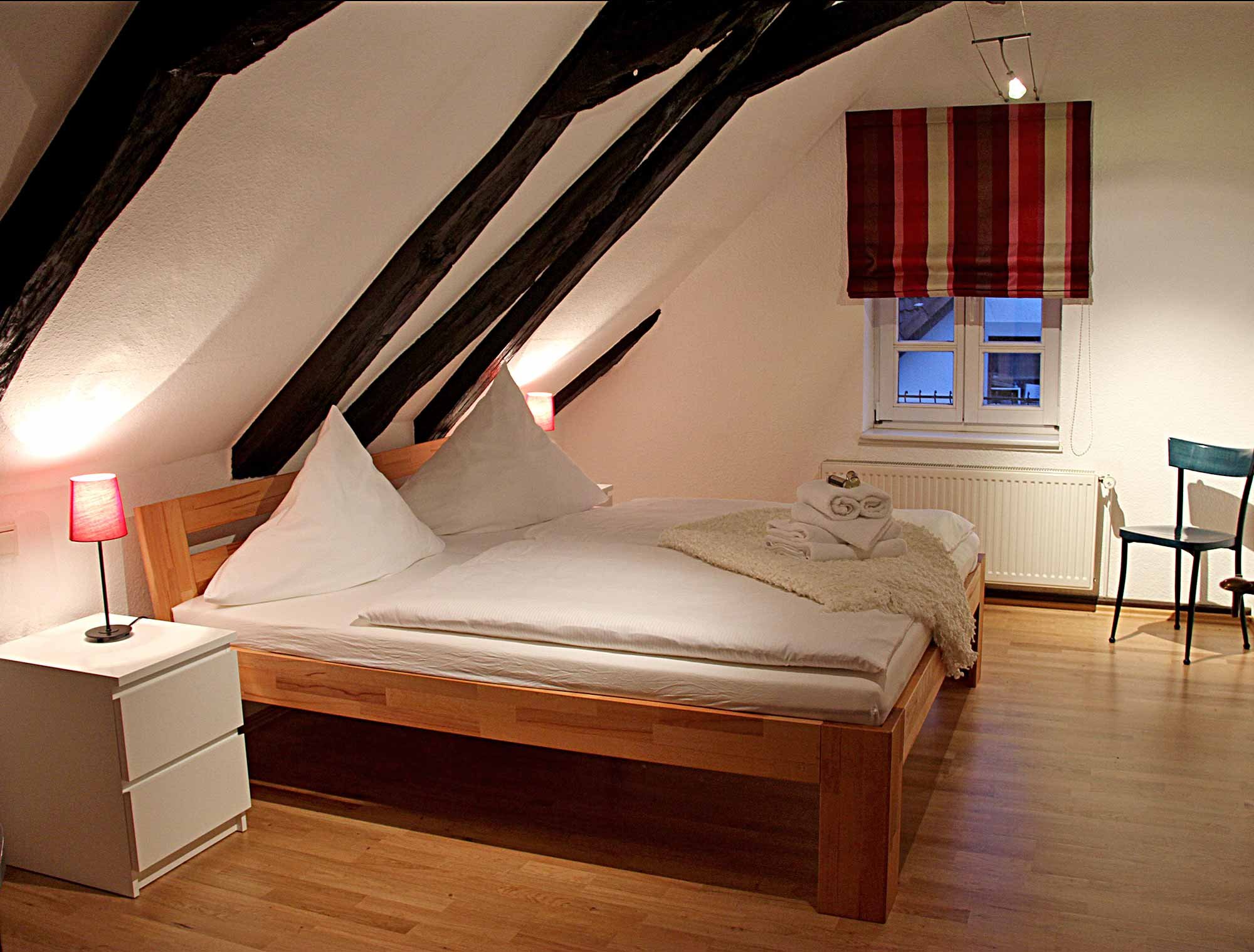
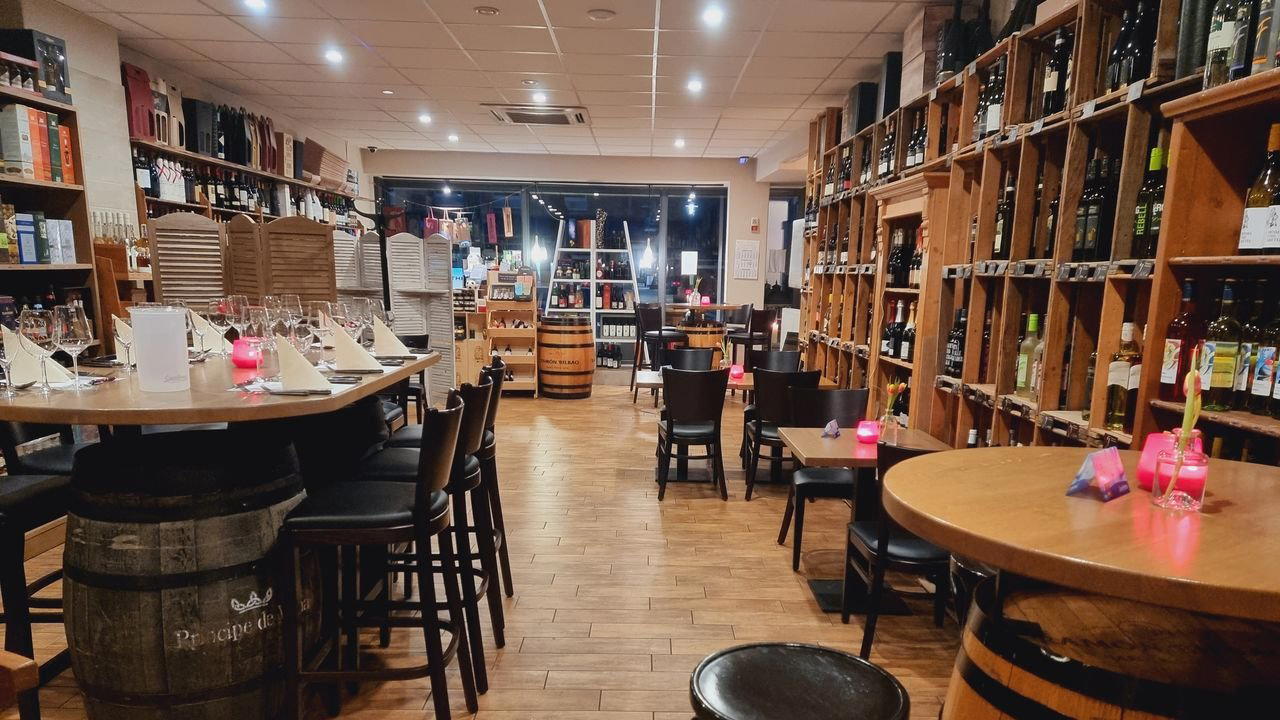

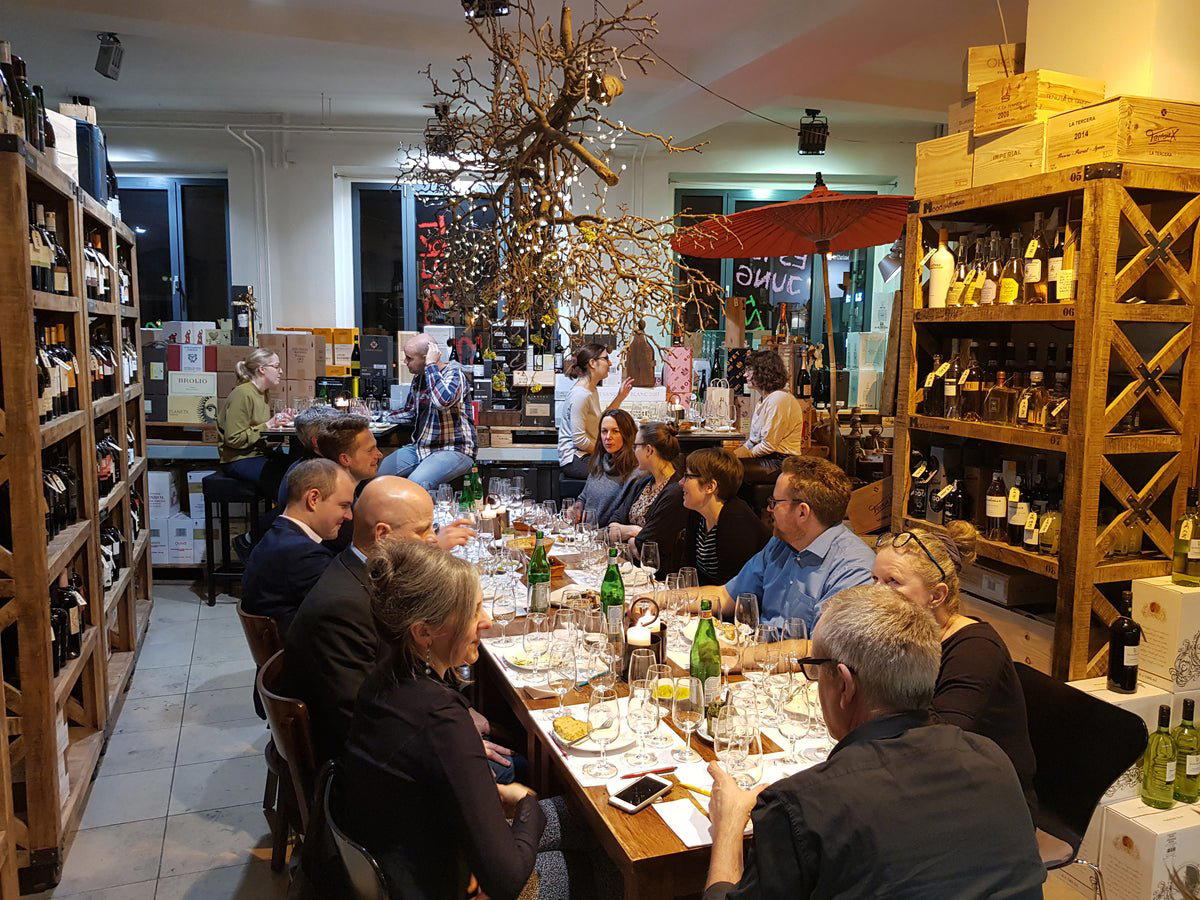
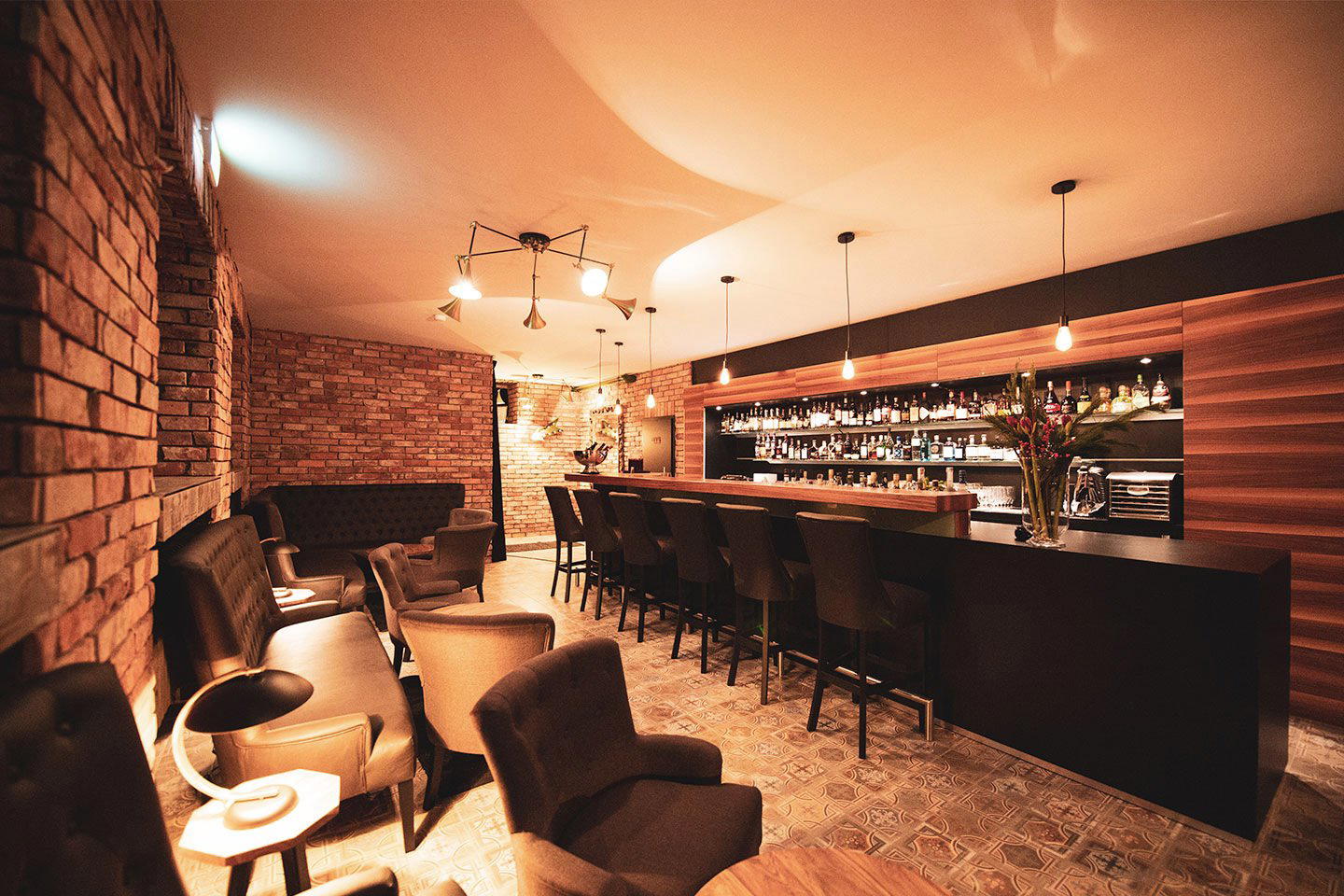
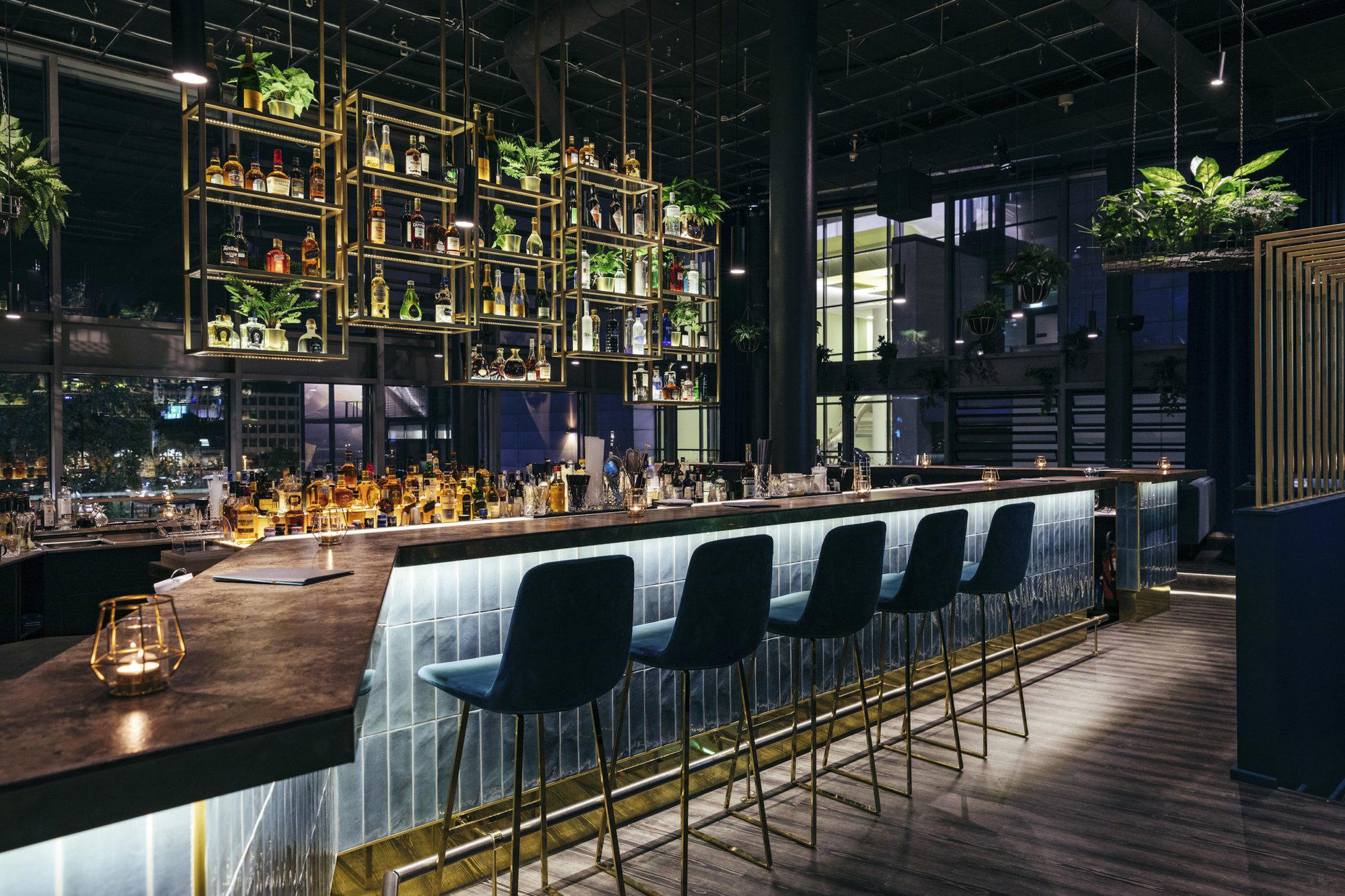
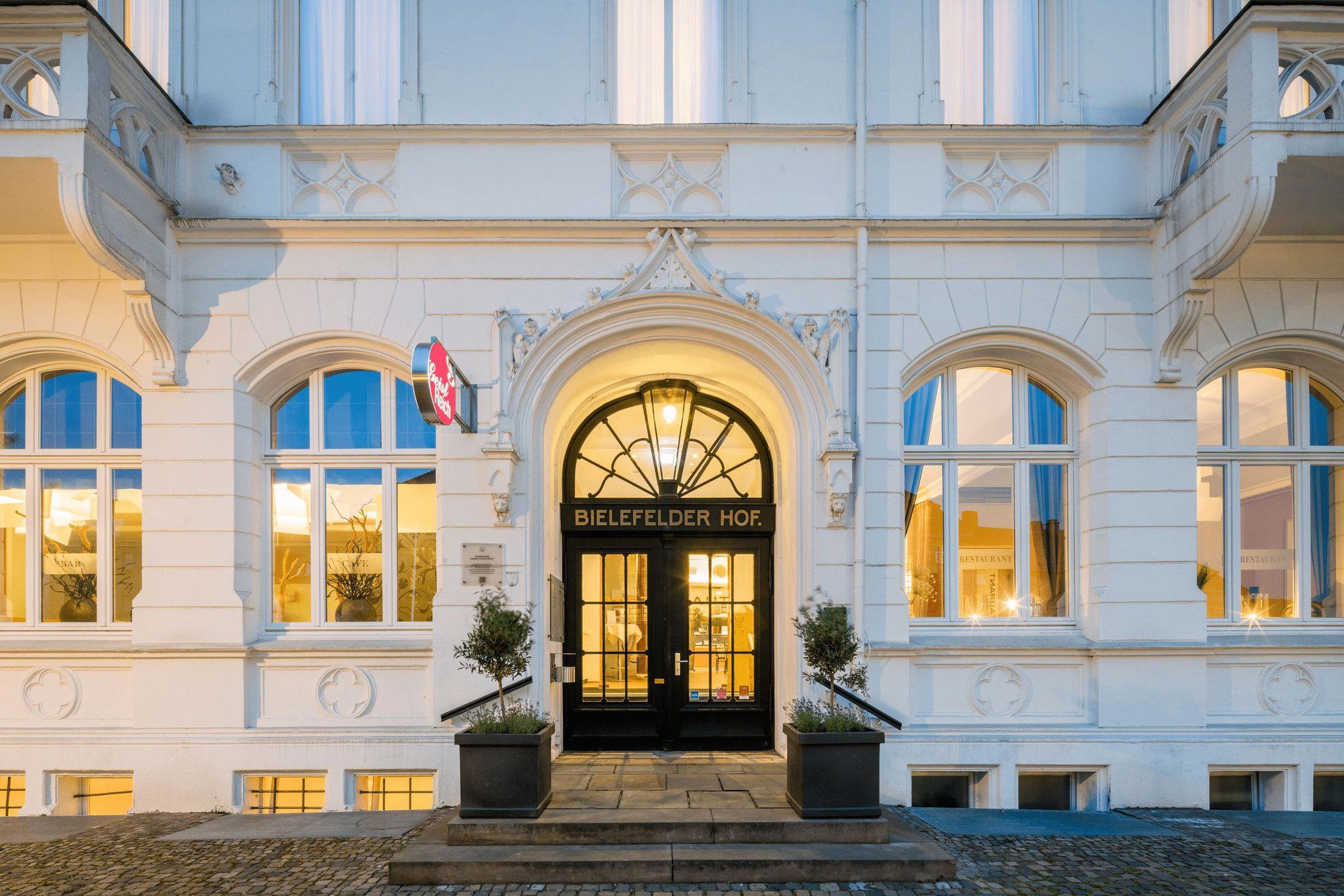
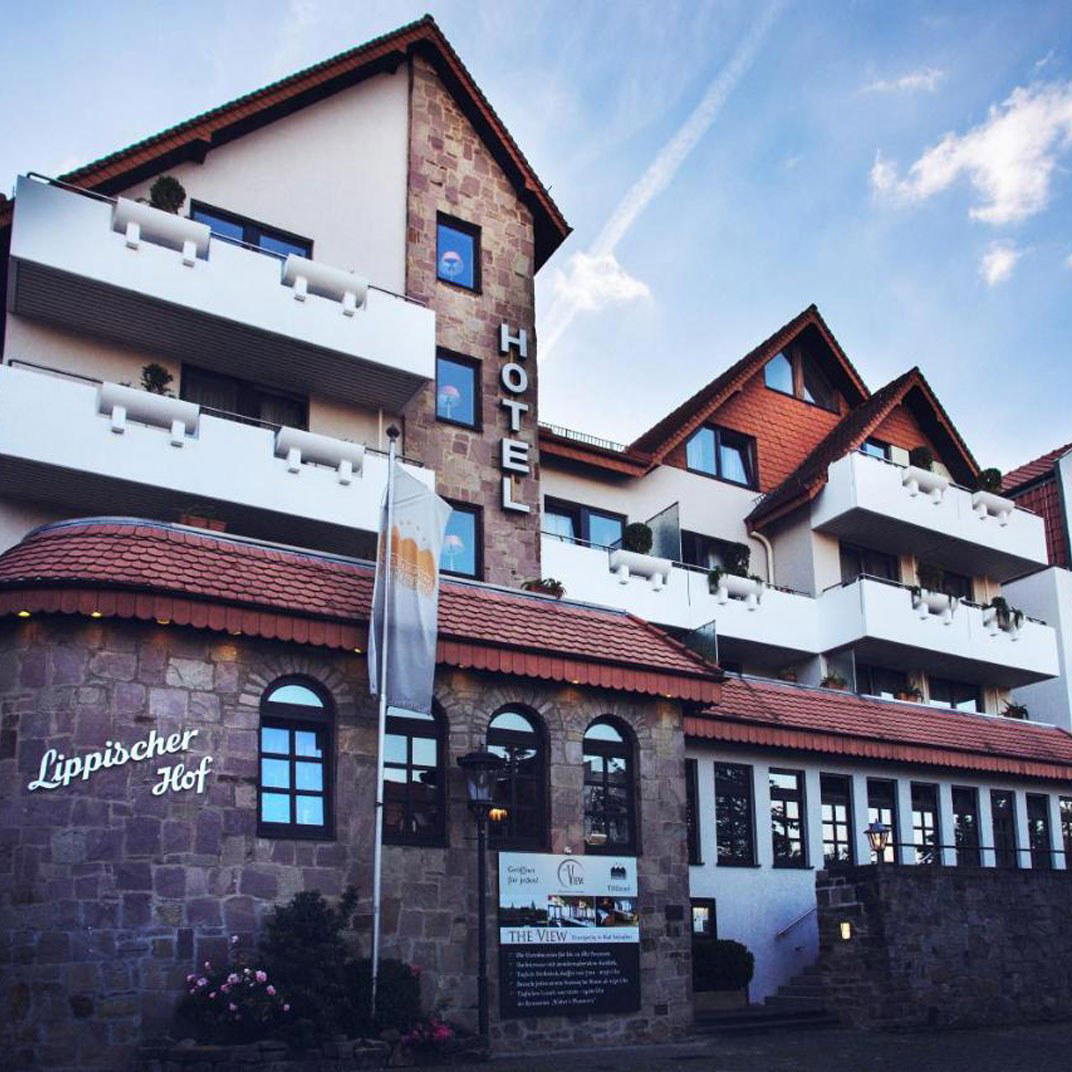
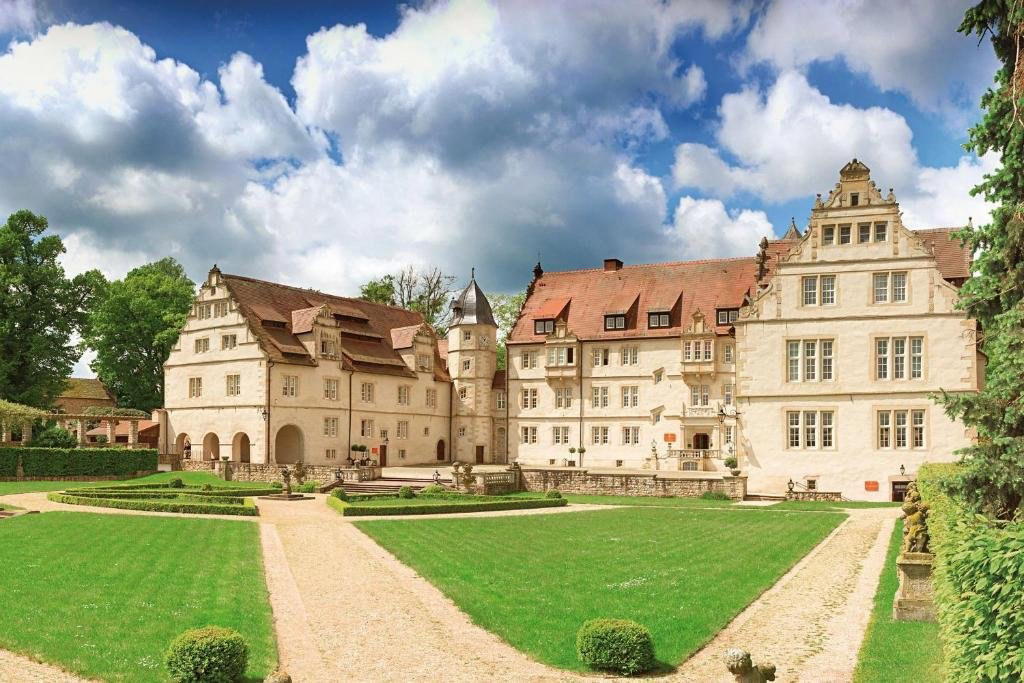
Restaurant Zur Quelle & Bistro Karls Quelle
The wine
- Wine program
- Curated wine list
Details
- Classic
- Cozy
- Date Night
- Family
- Standalone
- A La Carte
- Vegetarian Friendly
- Vegan Options
- Gluten Free Options
Current opening hours
- Monday
- 5:30–10 PM
- Tuesday
- 12–2 PM, 5:30–10 PM
- Wednesday
- Closed
- Thursday
- 12–2 PM, 5:30–10 PM
- Friday
- 12–2 PM, 5:30–10 PM
- Saturday
- 12–2 PM, 5:30–10 PM
- Sunday
- 11:30 AM–2 PM, 5:30–10 PM
Hours can change for holidays and private events. Last verified .
Stilvolles Restaurant mit zwangloser Bistro-Atmosphäre im Zentrum.