
Michelin Plate
Our verdict
Inside a 16th-century hotel on Detmold's main commercial street, Jan Diekjobst Restaurant holds a 2025 Michelin Plate and draws a consistent crowd to its open-kitchen dining room. The chef's background includes stints at Victor's Fine Dining by Christian Bau and The Table Kevin Fehling in Hamburg, and the cooking reflects that schooling: modern technique applied to classical frameworks, delivered in a room with high ceilings, a chandelier, and the kind of service that doesn't make you feel watched.

Pearl is the En Primeur Club membership app — saves, bookings, and concierge access live there. Same editors, same standards.
- Address
- Lange Str. 19, 32756 Detmold, Germany
- Phone
- +49 5231 980990
- Hours
- Mon ClosedTue–Wed 6–10 PMThu–Sat 12–2 PM, 6–10 PMSun Closed
- Website
- jandiekjobst.de
- Directions
- Get directions
- Booking
- Book on OpenTable
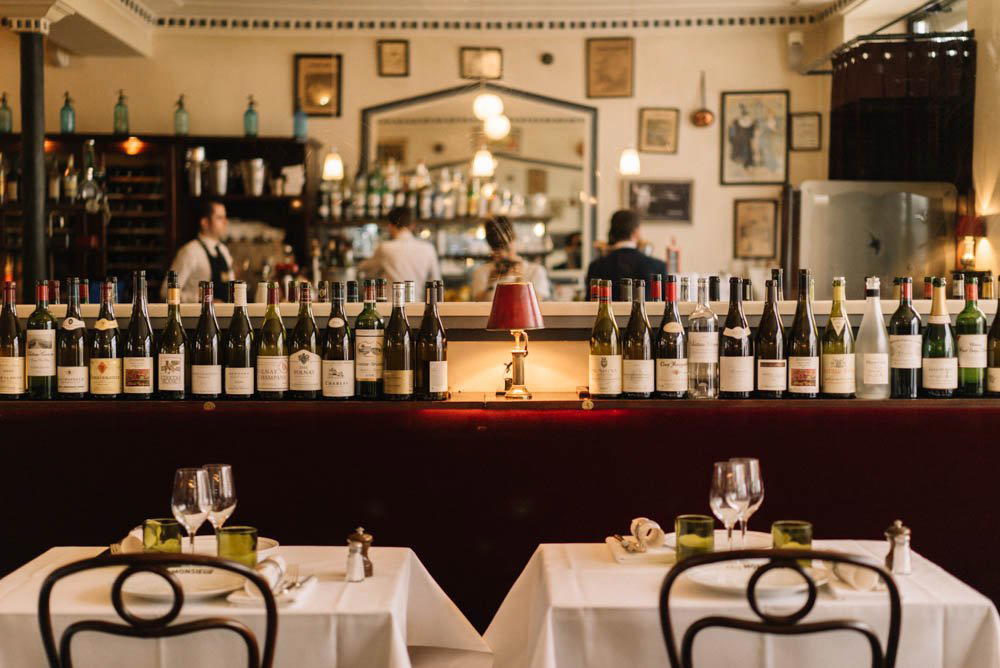
The menu
What to order
- Veal Tartare with Melon
- Agnolotti Carbonara
- Scallops with Kohlrabi
- Parsley Ice Cream
A Historic Address, a Contemporary Kitchen
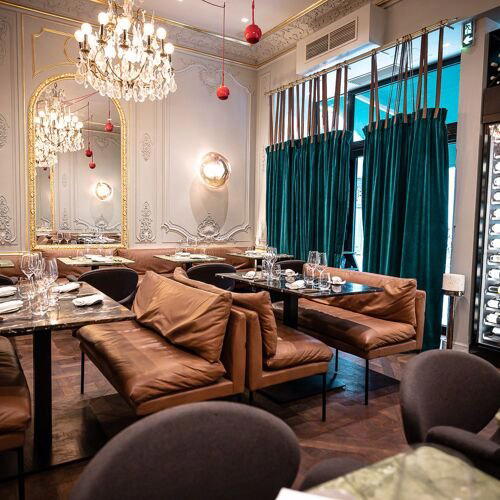
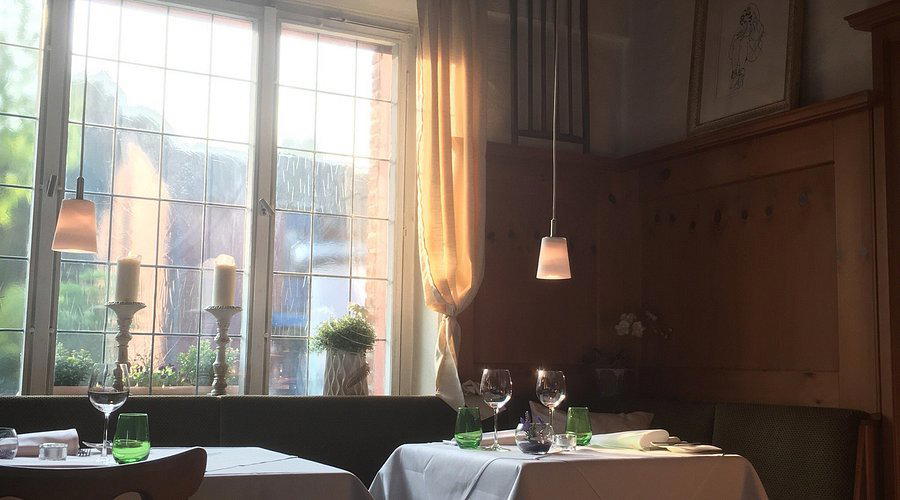
Detmold is not a city that appears on Germany's fine dining circuit by default. The Teutoburg Forest town, better known for the Hermannsdenkmal monument and its compact baroque centre, sits outside the gravitational pull of Düsseldorf, Hamburg, and Munich, where Germany's densest cluster of decorated tables operates. That distance is part of the proposition here. The dining room inside the Detmolder Hof on Lange Strasse occupies a 16th-century building whose bones — high ceilings, wide floorboards, a mirror that dominates one wall, a chandelier with some weight to it — set a register that most purpose-built modern restaurants have to work hard to manufacture. The open kitchen, visible from the main room, sits in deliberate contrast to all that age: a signal that the cooking is not trying to cosplay the building's history.
Germany's fine dining tier has split in interesting ways over the past decade. At one end, three-star operations like Aqua in Wolfsburg and Schwarzwaldstube in Baiersbronn occupy a rarefied tier that demands destination travel and considerable budget. At the other, a growing number of Michelin Plate and one-star addresses, particularly those anchored in smaller cities and historic hotels, have become more interesting as precisely because they are not caught up in that arms race. Jan Diekjobst Restaurant sits in the latter group, holding a 2025 Michelin Plate in a room that draws consistently full tables and a service team described, in the Michelin notes, as very friendly rather than ceremonially stiff.
Where the Cooking Comes From
The editorial angle on sourcing matters here not because any verified supplier list is available, but because the culinary lineage embedded in the kitchen shapes what ends up on the plate. The chef's formation includes time at Victor's Fine Dining by Christian Bau in Perl-Nennig, a three-star address whose kitchen has long operated at the junction of French classical technique and precision Japanese influence, and at The Table Kevin Fehling in Hamburg, a restaurant that prizes ingredient integrity and structural clarity in equal measure. Both are environments where sourcing discipline is foundational rather than incidental, where the provenance of a product is treated as part of the dish's argument, not its marketing.
That schooling in ingredient-first kitchens tends to translate in specific, observable ways. Menus built in those traditions resist decoration for its own sake. They tend to place the primary material, whether a regional fish, a root vegetable at its seasonal peak, or a particular cut of meat, at the structural centre of each course, with technique applied in service of that material rather than over it. Germany's Michelin-recognised modern cuisine tier, from Vendôme in Bergisch Gladbach to ES:SENZ in Grassau, reflects this broadly. The cooking at Jan Diekjobst Restaurant places it in that tradition, even if the price point and location place it at a more accessible register within it.
Eastwestphalia, the region Detmold anchors, has an agricultural character that historically fed Westphalian ham, rye cultivation, and river fish into the regional table. That geographic rootedness, when it exists, tends to show up in the texture and seasonality of a menu rather than in explicit labelling.
The Room and the Experience
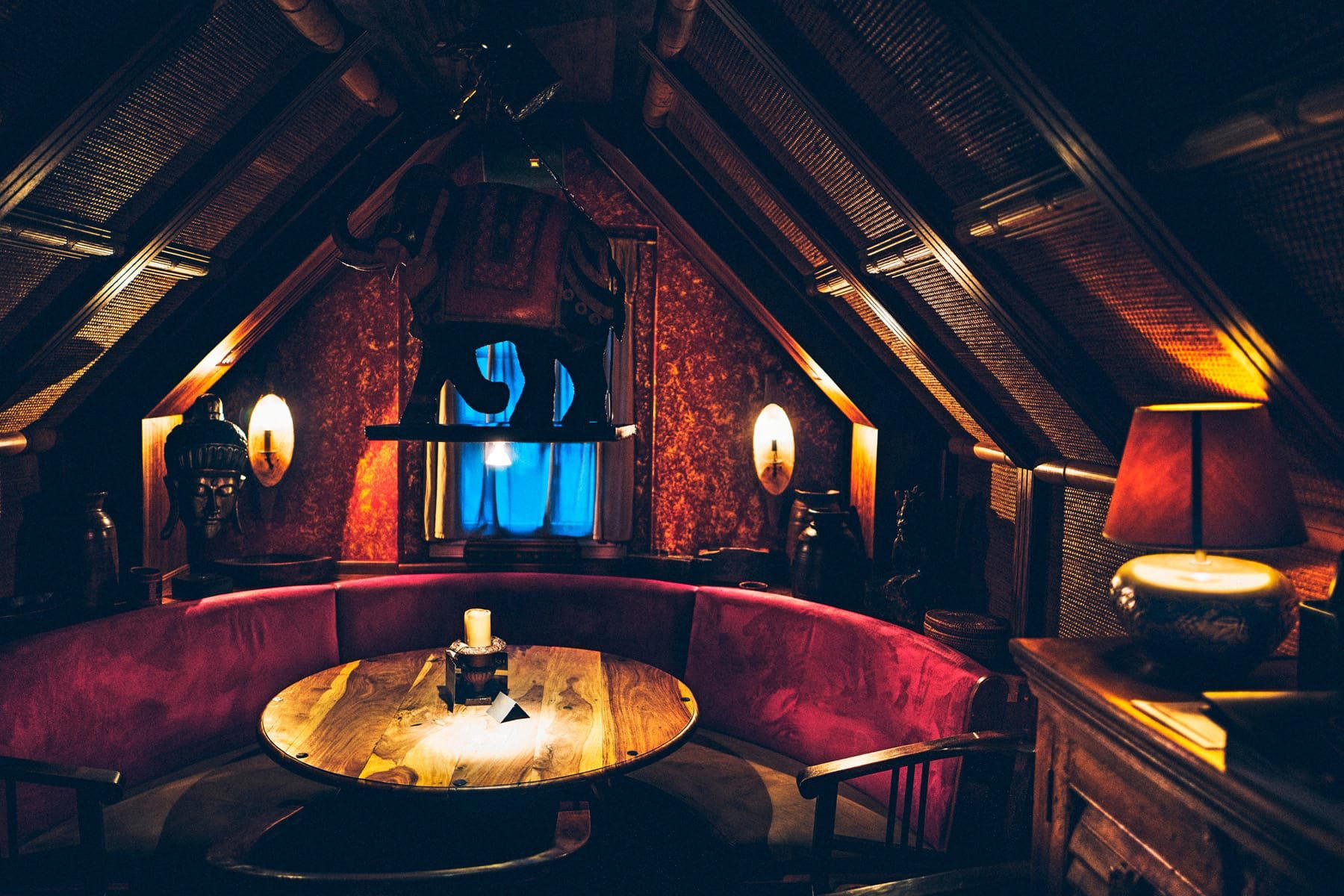
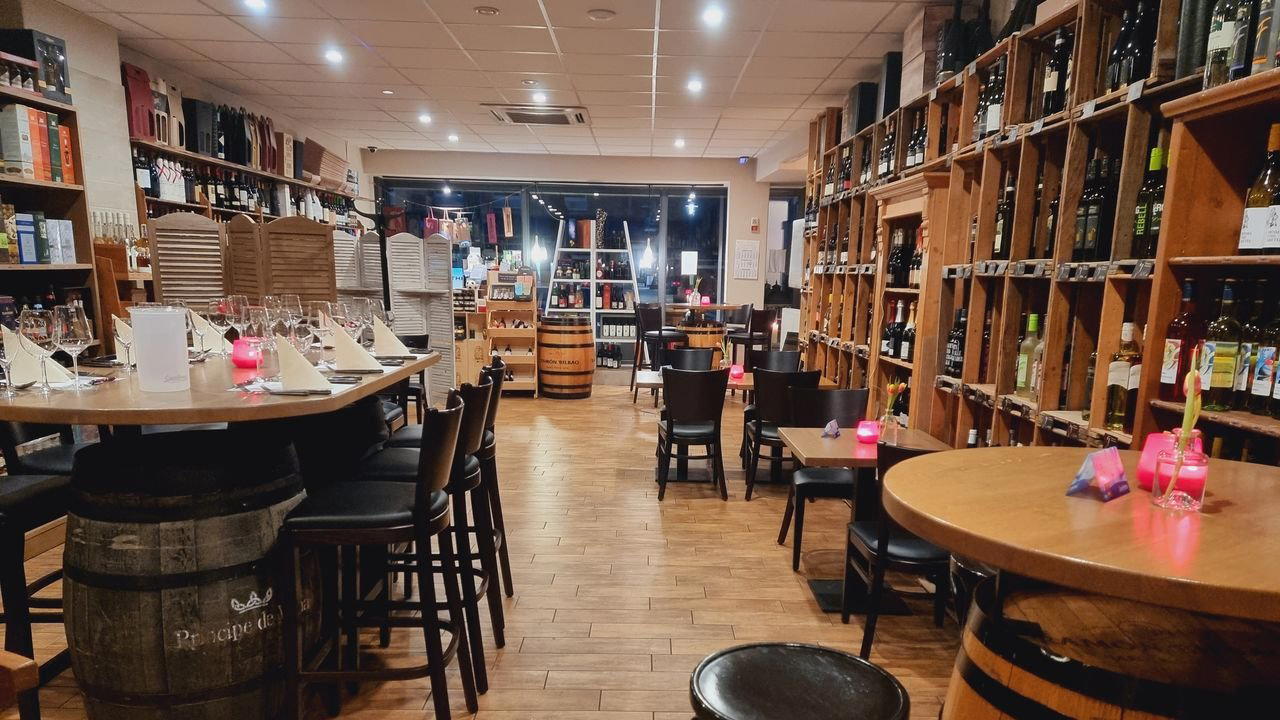
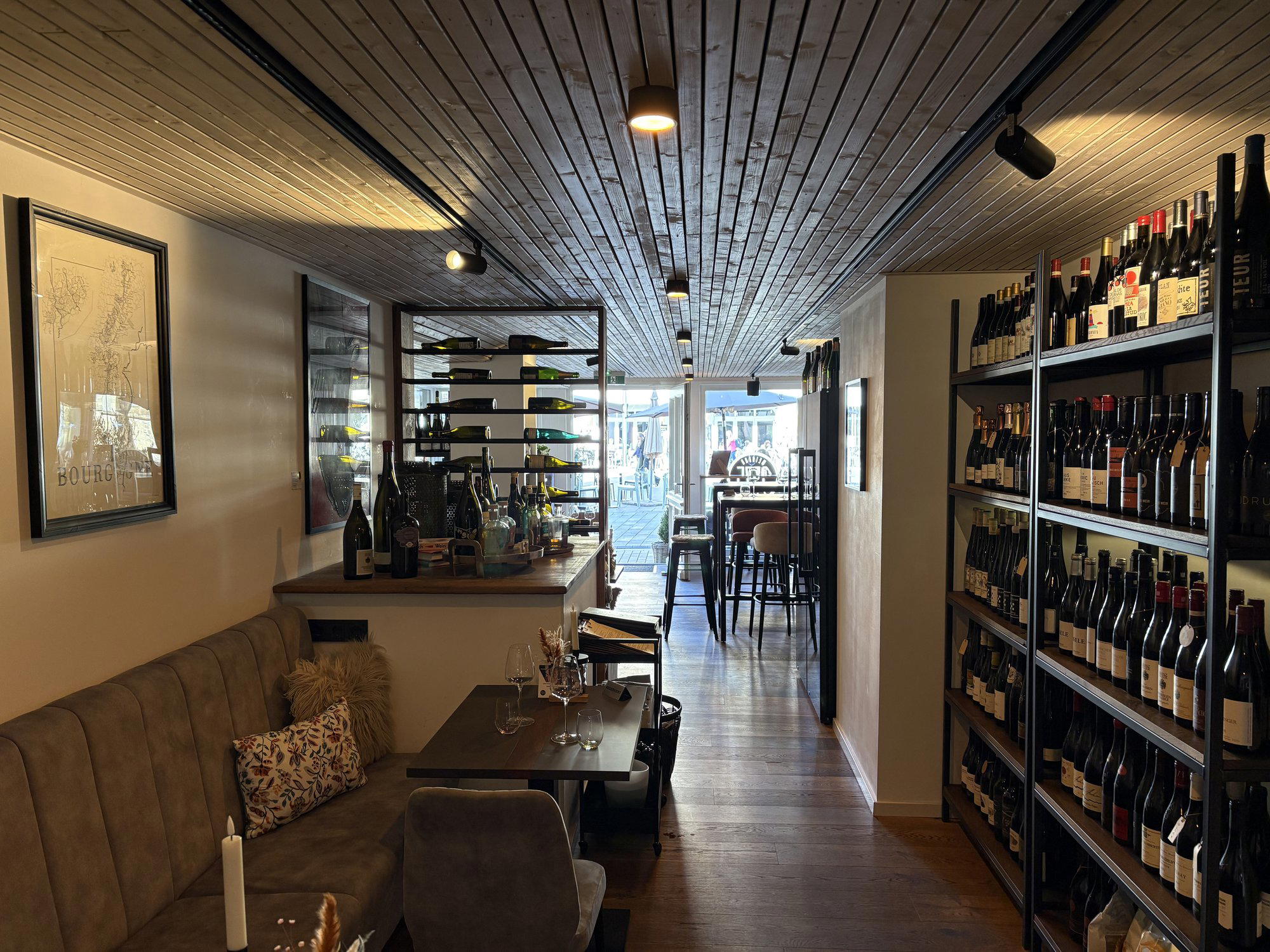
The Detmolder Hof's dining room functions in a way that hotel restaurants in Germany often struggle to achieve: it has become the centrepiece rather than an amenity. That distinction matters because hotel dining rooms that exist primarily to serve guests tend to feel exactly that way, pleasant, reliable, and inward-looking. Rooms that attract non-resident diners in volume develop a different energy. The Michelin record here describes a lively atmosphere, which in the context of a historic interior with high ceilings and formal fittings is a more meaningful description than it might first appear. Formal rooms can deaden quickly; lively ones with the same architecture are harder to achieve and usually reflect something in the service register and pacing.
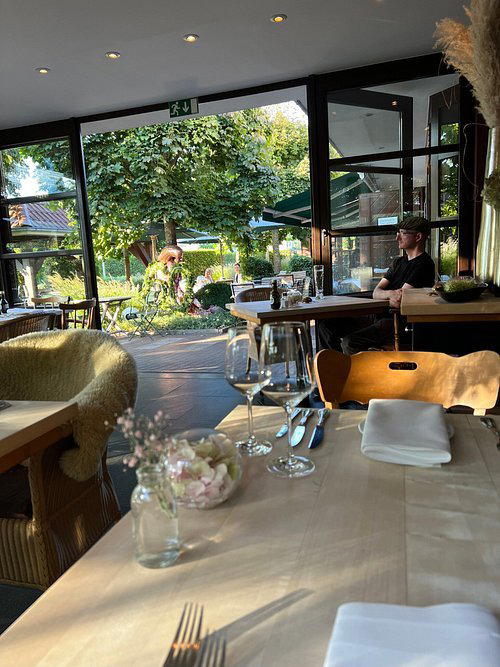
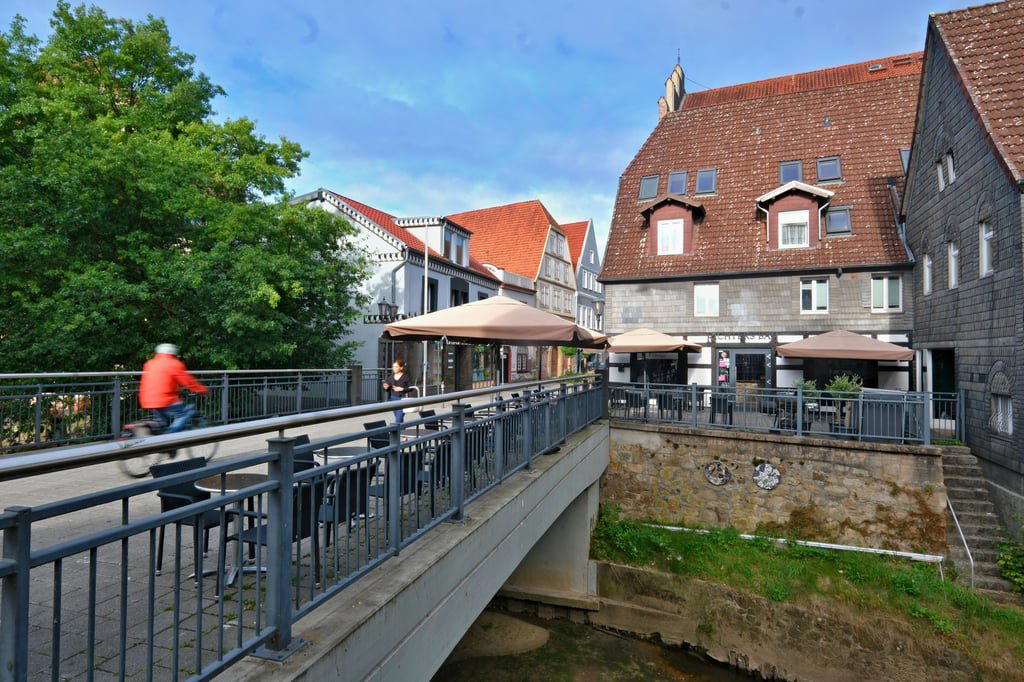
In summer, the terrace facing Lange Strasse extends the operation outward. Detmold's main commercial street is pedestrian-friendly and carries more foot traffic than the city's size might suggest, partly because it connects the old town to the surrounding residential districts. A terrace on that axis, in the warmer months, positions the restaurant as part of the city's public life rather than apart from it, a different kind of signal than the enclosed dining rooms at destination addresses like Schanz in Piesport or Waldhotel Sonnora in Dreis, both of which operate in rural settings where enclosure is the point.
For context on the broader German modern cuisine conversation, kitchens working with comparable frameworks but in larger urban settings include Restaurant Haerlin in Hamburg and JAN in Munich. Internationally, Frantzén in Stockholm and FZN by Björn Frantzén in Dubai represent the upper tier of the modern European fine dining trajectory that informs much of this category. CODA Dessert Dining in Berlin operates at a more experimental end of the same broad movement. Jan Diekjobst Restaurant occupies a position that is less maximalist than any of those addresses but draws credibility from the same technical lineage.
Planning a Visit
The restaurant is located at Lange Str. 19, 32756 Detmold, within the Detmolder Hof hotel. Detmold is accessible by rail from Bielefeld, roughly 30 minutes east, which connects to the main intercity network. The price range sits at the top tier (€€€€), positioning it alongside Germany's Michelin-recognised fine dining rather than the city's mid-market options.
For a wider picture of what Detmold offers beyond this address, see our full Detmold restaurants guide, our full Detmold hotels guide, our full Detmold bars guide, our full Detmold wineries guide, and our full Detmold experiences guide. Comparable fine dining in the broader region includes Porte Neuf, Detmold's other Michelin-recognised address, which takes a French rather than modern European approach.
Frequently asked questions
Has Jan Diekjobst Restaurant won any awards?
Jan Diekjobst Restaurant has received recognition including: Michelin Plate (2025); Dating from 16C, Detmolder Hof not only offers comfortable accommodation in a classically elegant setting, but it is also home to Jan Diekjobst's fine dining restaurant, which has become the real centrepiece of the ho….
What's the signature dish at Jan Diekjobst Restaurant?
No verified dish list is published, so naming a single signature would require guesswork. What the Michelin Plate recognition (2025) does confirm is a kitchen working a modern interpretation of classic cuisine — a direction shaped by the chef's time at Victor's FINE DINING by Christian Bau and The Table Kevin Fehling, two of Germany's most technically rigorous restaurants. The open kitchen format means the cooking is on full display, which itself signals confidence in the craft.
How much does it cost to eat at Jan Diekjobst Restaurant?
Pricing at Jan Diekjobst Restaurant is listed as €€€€.
What's the best way to book Jan Diekjobst Restaurant?
The restaurant sits within the Detmolder Hof hotel at Lange Str. 19, 32756 Detmold, so contacting the hotel directly is the most reliable route. No dedicated booking link or phone number is currently listed for the restaurant itself. Given that the Michelin Plate listing has drawn consistent demand — the Michelin text references 'throngs of diners' — reservations well in advance of your intended visit are advisable, particularly for weekend evenings.
Comparison Snapshot
| Venue | Cuisine | Price | Awards |
|---|---|---|---|
| Jan Diekjobst RestaurantThis venue — the venue you are viewing | Modern European Fine Dining | $100–150 | Michelin Plate |
| Schwarzwaldstube | French, Classic French | Not listed | Michelin 3 Star |
| Aqua | Contemporary German, Italian/Japanese, Creative | Not listed | Michelin 3 Star |
| CODA Dessert Dining | Creative | Not listed | Michelin 2 Star |
| Tantris | Modern French, French Contemporary | Not listed | Michelin 2 Star |
| Vendôme | Modern European, Creative | Not listed | Michelin 2 Star |
Recognition history
Dated appearances from independent guides and award organizations, with the underlying list record or original source where available.
Michelin Plate
Michelin · 2026 Michelin Plate
Full recognition history (3 entries)
Michelin Plate
Michelin
Michelin 1 Star
Michelin


Jan Diekjobst Restaurant
The wine
- Wine program
- Curated wine list
- Sommelier-led
Details
- Elegant
- Sophisticated
- Modern
- Intimate
- Date Night
- Business Dinner
- Special Occasion
- Celebration
- Open Kitchen
- Terrace
- Historic Building
- Hotel Restaurant
- Sommelier Led
- Local Sourcing
- Street Scene
- Tasting Menu
- Set Menu
- A La Carte
- Wine Pairings
- Craft Cocktails
- Vegetarian Friendly
- Vegan Options
- Allergy Accommodating
Current opening hours
- Monday
- Closed
- Tuesday
- 6–10 PM
- Wednesday
- 6–10 PM
- Thursday
- 12–2 PM, 6–10 PM
- Friday
- 12–2 PM, 6–10 PM
- Saturday
- 12–2 PM, 6–10 PM
- Sunday
- Closed
Hours can change for holidays and private events. Last verified .
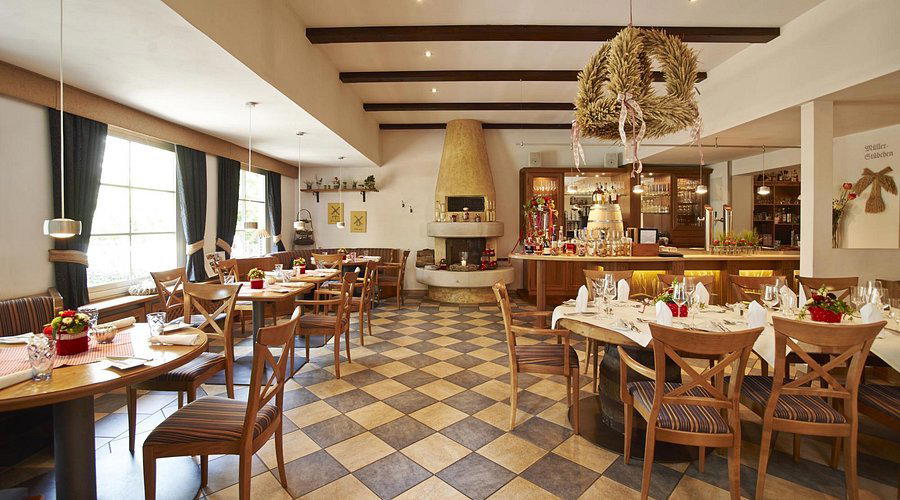
Tasteful brasserie-style interior with high ceilings, striking chandelier, handsome hardwood floors, and open kitchen concept; summer terrace overlooking pedestrian zone.