Holy Délices
Our verdict
Holy Délices sits on Moorea, French Polynesia's most visited outer island, where the cooking tradition pulls from both deep Polynesian roots and the French culinary grammar that has shaped the territory's restaurant culture for decades.

Pearl is the En Primeur Club membership app — saves, bookings, and concierge access live there. Same editors, same standards.
- Address
- Moorea-Maiao, French Polynesia
- Phone
- +689 87 75 86 33
- Hours
- Mon–Tue 11:30 AM–2 PM, 5:30–10 PMWed–Thu 5:30–10 PMFri–Sun 11:30 AM–2 PM, 5:30–10 PM
- Website
- holysteakhouse.com
- Directions
- Get directions
The menu
What to order
- Lobster ravioli
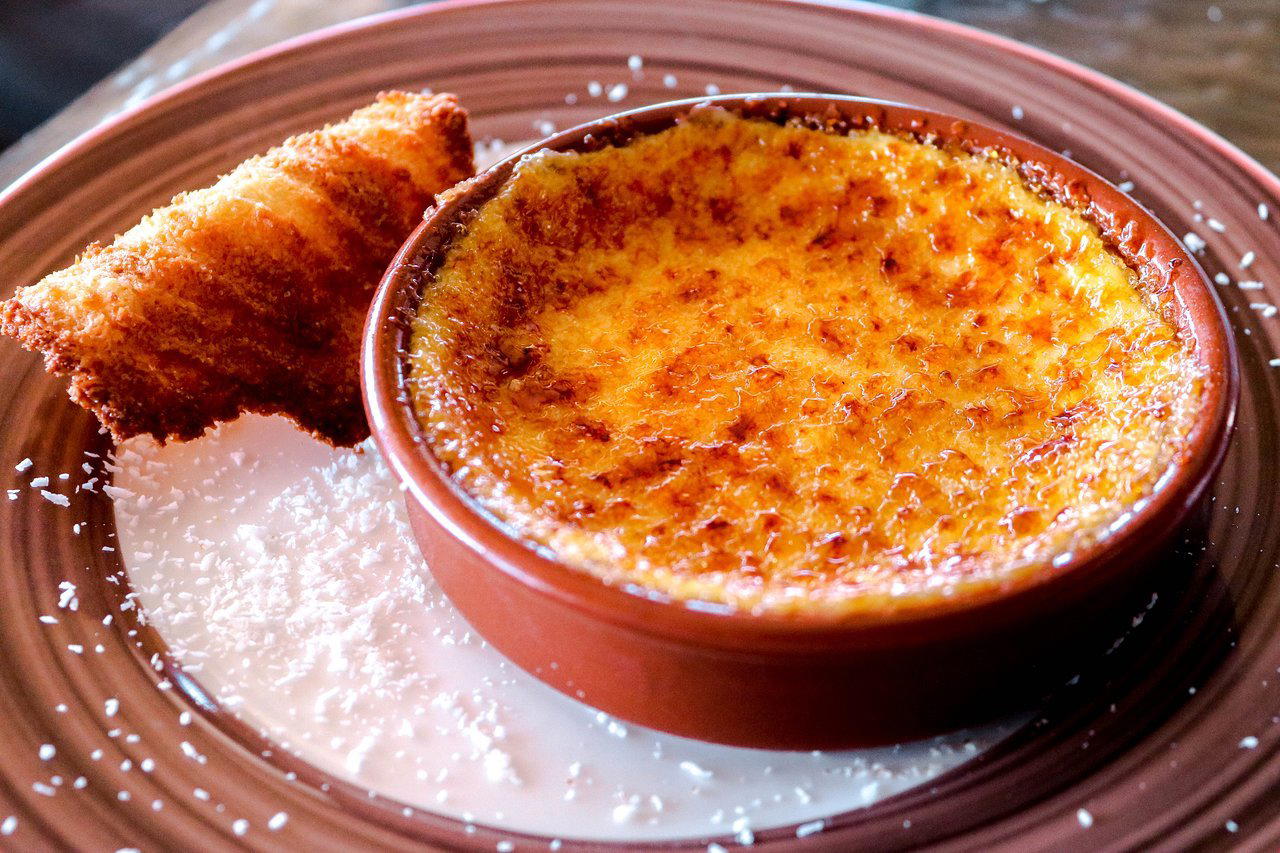
- Coconut creme brulee
- Steaks
Moorea's Table: Where the Island Sets the Terms
Moorea arrives before you reach it. From the ferry crossing out of Papeete, the island's jagged volcanic peaks emerge through cloud in a way that reframes every expectation of what a meal in French Polynesia should feel like. The air changes. The pace changes. And the cooking, at its most considered, reflects both: food that carries the structural discipline of French technique but reads through the lens of a place where the lagoon, the breadfruit tree, and the vanilla plantation are not decorative details but actual ingredients with actual seasons.
Holy Délices sits within this context, in Moorea-Maiao, the administrative grouping that covers Moorea and its smaller neighbour. The restaurant's name, which fuses French exclamation with the word for pleasure, signals something about where its loyalties lie: it is a place shaped by the French Polynesian culinary inheritance, where the French half of that hyphen means rigour and the Polynesian half means the produce, the light, and the occasion.
The French Polynesian Culinary Inheritance
Across the territory, the dining conversation has historically been split between two registers. One is the resort-facing interpretation of Polynesian food: tuna crudo, vanilla-scented sauces, coconut-milk bases, all delivered inside properties like those represented by Le Taha'a in Tahaa, where the setting does considerable work alongside the plate. The other register is more locally oriented, the kind of cooking you find when you leave the overwater bungalow circuit and ask where the islanders eat. Moorea sits at an interesting intersection of both, close enough to Tahiti to draw a sophisticated local clientele but distinct enough in character to resist the most generic resort formulas.
That broader tension plays out across the archipelago. Le Kenae in Taiohae, in the Marquesas, illustrates how French Polynesian cooking looks when it pulls harder on Marquesan tradition. Otemanu in Vaitape on Bora Bora sits more firmly inside the Polynesian-French register that dominates the luxury tier. Holy Délices on Moorea occupies its own position within this spectrum, shaped by an island whose tourism infrastructure is more accessible than Bora Bora's but whose local identity is arguably more intact.
For a wider picture of where Holy Délices fits within Moorea's dining options, our full Moorea Maiao restaurants guide maps the island's table across price points and styles.
The Culinary Logic of the Island
Moorea's food culture is anchored by proximity. The lagoon provides fish; the interior valleys produce pineapple, vanilla, and noni; the market in Maharepa on the north coast draws both locals and visitors. Restaurants that take this geography seriously operate differently from those that rely on Papeete supply chains or imported references. The leading cooking on the island tends to read the seasons through what the fishermen bring in and what the small farms can deliver, rather than through a fixed menu written in advance and executed regardless of what the week offered.
This is the culinary tradition that Holy Délices operates within. Across French Polynesia more broadly, the restaurants that have earned sustained attention, from L'O A La Bouche in Papeete to Restaurant Te Tiare in Faaa, tend to be the ones where the French technical framework serves the local product rather than replacing it. That approach has also found expression on neighbouring islands: Restaurant Te Honu Iti, also on Moorea, represents a comparable position within the island's dining options.
The same logic applies, scaled up, to how internationally recognised kitchens treat their geography. Atelier Moessmer Norbert Niederkofler in Brunico has built its entire reputation on Alpine-sourced produce read through a fine-dining frame. Dal Pescatore in Runate draws its coherence from a specific Po Valley larder. The principle transfers: the most legible cooking in any place is the cooking that knows exactly where it is.
Reading Moorea Through Its Restaurants
Visitors who approach Moorea purely as a resort destination tend to miss the most interesting parts of its food culture. The island's villages, Cook's Bay and Opunohu Bay in particular, support a dining scene that rewards curiosity over convenience. The restaurants here are not trying to replicate the experience of Le Bernardin in New York City or match the technical ambition of HAJIME in Osaka. They are doing something categorically different: cooking in a place that has its own deep food culture and offering access to it.
For context on how the wider French Polynesian dining scene looks across the territory's islands, the work being done at places like Blue Banana in Punaauia and Loula et Rémy in Taiarapu Est reflects the same instinct: French technique applied to Polynesian produce, with the local ingredient carrying the actual argument.
Restaurants in this mode tend to cluster around lunch and early dinner rather than late sittings, following the rhythms of the island's fishing and farming rather than urban dining conventions. Visitors from more predictable dining cities, including those accustomed to the format discipline of places like Atomix in New York City or the seasonal rigour of Lazy Bear in San Francisco, may find the pace here requires recalibration. That recalibration is, in most cases, the point.
Planning Your Visit
Moorea is accessible by a thirty-minute ferry from Papeete's Vaitoru terminal or by a short domestic flight from Faa'a International Airport. The island runs on a schedule that rewards arriving with flexibility: accommodation options range from independent guesthouses to mid-range resort properties, and most restaurants in Moorea-Maiao operate on hours that follow the fishing day rather than the city dinner hour. The broader Moorea dining season runs year-round, with the austral winter months of June through August offering drier, cooler conditions that many visitors find easier for exploring the island's interior valleys alongside its coastal tables. For those building a wider French Polynesian itinerary, The Lucky House Fare Manuia Restaurant in Bora Bora and O Belvédère in Pira E offer useful reference points for the range of formats available across the islands. Emeril's in New Orleans is cited occasionally in discussions of how French technique travels and transforms in non-metropolitan settings, a comparison that has some resonance in the French Polynesian context, where the culinary grammar arrived via colonialism and stayed because it found useful local material to work with.
Frequently asked questions
Where exactly is Holy Délices?
Holy Délices is located at Moorea-Maiao, French Polynesia, Moorea Maiao.
Is Holy Délices in Moorea-Maiao suitable for a stop between ferry and resort?
Holy Délices is located in Moorea-Maiao, which sits within reach of the ferry routes connecting Moorea to Papeete's Vaitoru terminal. For travellers moving between the ferry landing and the island's interior or west-coast resorts, a local counter like this fits naturally into the journey.
How far ahead should I plan for Holy Délices?
Holy Délices operates in Moorea-Maiao, a small community without a published reservations system on record. Smaller local establishments in Moorea's villages often operate on limited hours tied to market days and ferry schedules, so confirming directly on arrival or the day before is the standard approach for visitors coming from Papeete or the main tourist corridor.
What's Holy Délices best at?
Given its location in Moorea-Maiao and its French-inflected name, Holy Délices most plausibly sits in the prepared foods and patisserie register that characterises French Polynesia's smaller local counters — the kind of spot that reflects the territory's French culinary inheritance filtered through island ingredients.
Budget Reality Check
Comparable venues nearby, for context on price, style, and recognition.
| Venue | Cuisine | Price | Awards | Notes |
|---|---|---|---|---|
| Holy DélicesThis venue — the venue you are viewing | French Steakhouse with Polynesian Fusion | $30–50 | Not listed | Not listed |
| Restaurant Te Honu Iti | French-Polynesians fusion | $50–100 | Not listed | Cook's Bay, French-Polynesians fusion |
| Blue Banana | French-Polynesian Fusion | $30–50 | Not listed | Punaauia, French-Polynesian Fusion |
| L'O A La Bouche | French with Polynesian Influences | $50–100 | Not listed | Papeete, French with Polynesian Influences |
| Otemanu | French-Polynesian Fusion | $30–50 | Relais Chateaux Award | Vaitape, French-Polynesian Fusion |
| Tipairua – Restaurant gourmet | Not listed | Not listed | Not listed | Patio, Taha’a, Gourmet French‑Polynesian Fusion |
Continue exploring
More in Moorea Maiao
Restaurants in Moorea Maiao
Browse all →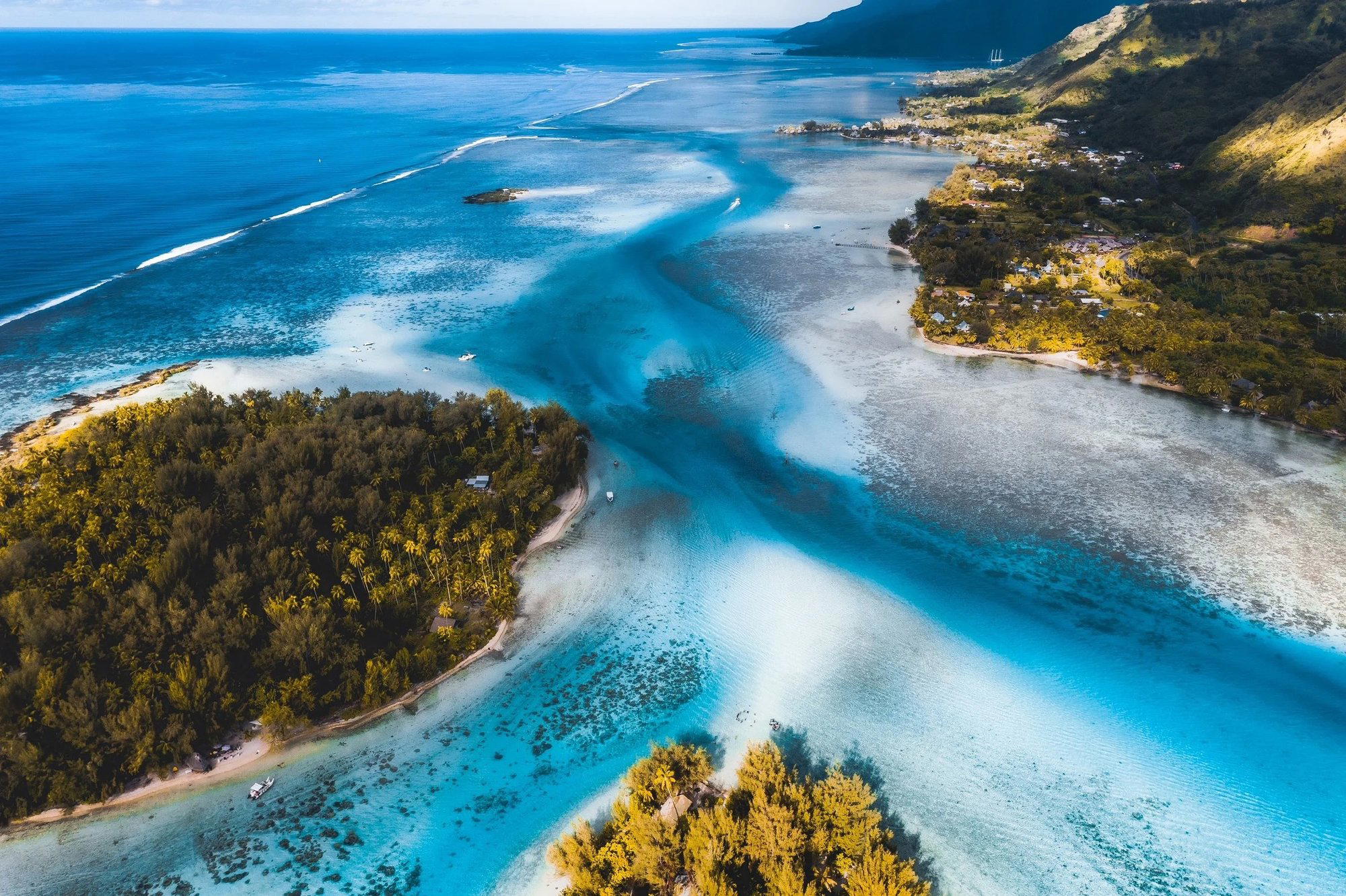
Bars in Moorea Maiao
Browse all →
Details
- Elegant
- Scenic
- Romantic
- Date Night
- Special Occasion
- Waterfront
- Terrace
- Open Kitchen
- Extensive Wine List
- Waterfront
- A La Carte
- Wine
- Cocktails
- Gluten Free Options
Current opening hours
- Monday
- 11:30 AM–2 PM, 5:30–10 PM
- Tuesday
- 11:30 AM–2 PM, 5:30–10 PM
- Wednesday
- 5:30–10 PM
- Thursday
- 5:30–10 PM
- Friday
- 11:30 AM–2 PM, 5:30–10 PM
- Saturday
- 11:30 AM–2 PM, 5:30–10 PM
- Sunday
- 11:30 AM–2 PM, 5:30–10 PM
Hours can change for holidays and private events. Last verified .
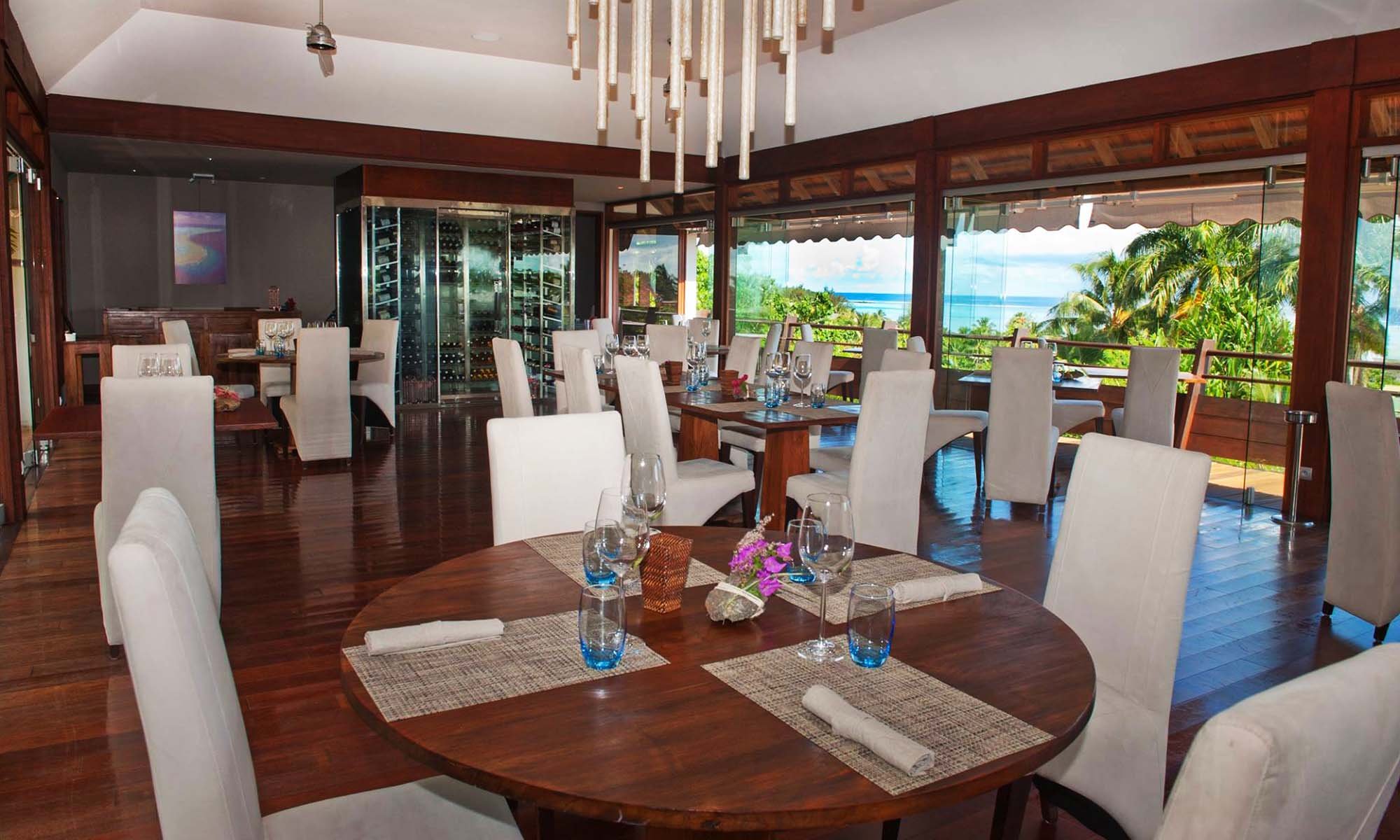
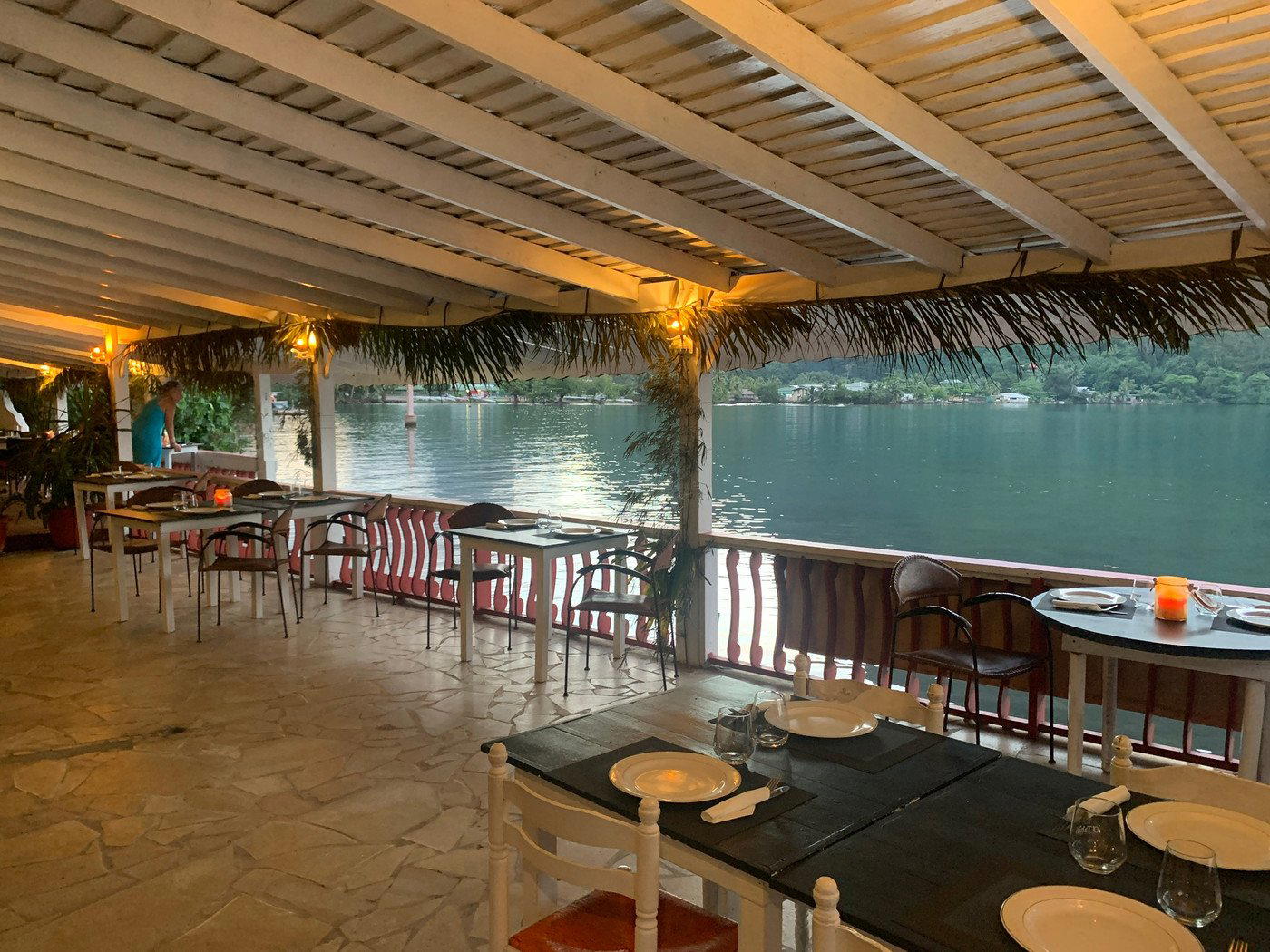
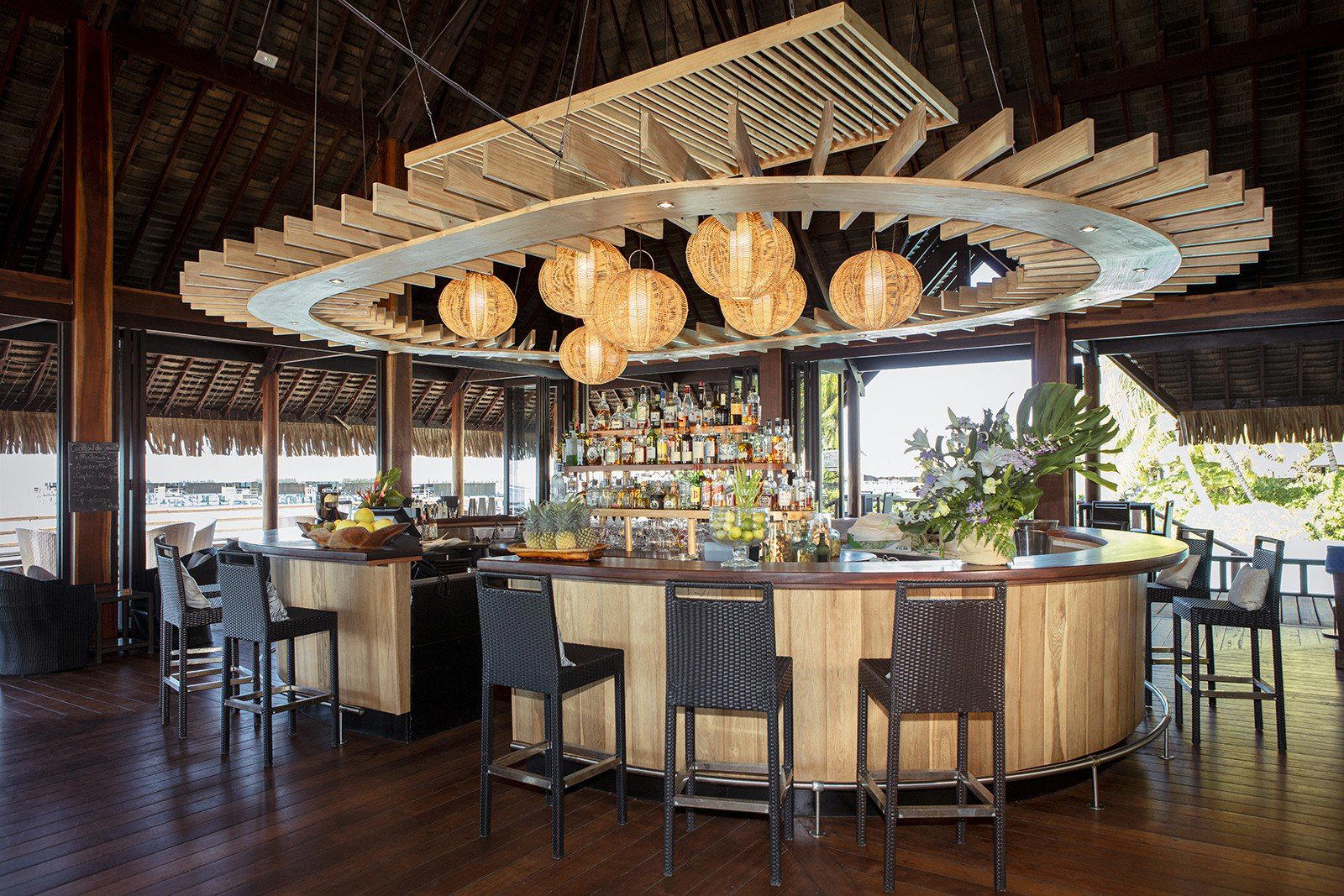
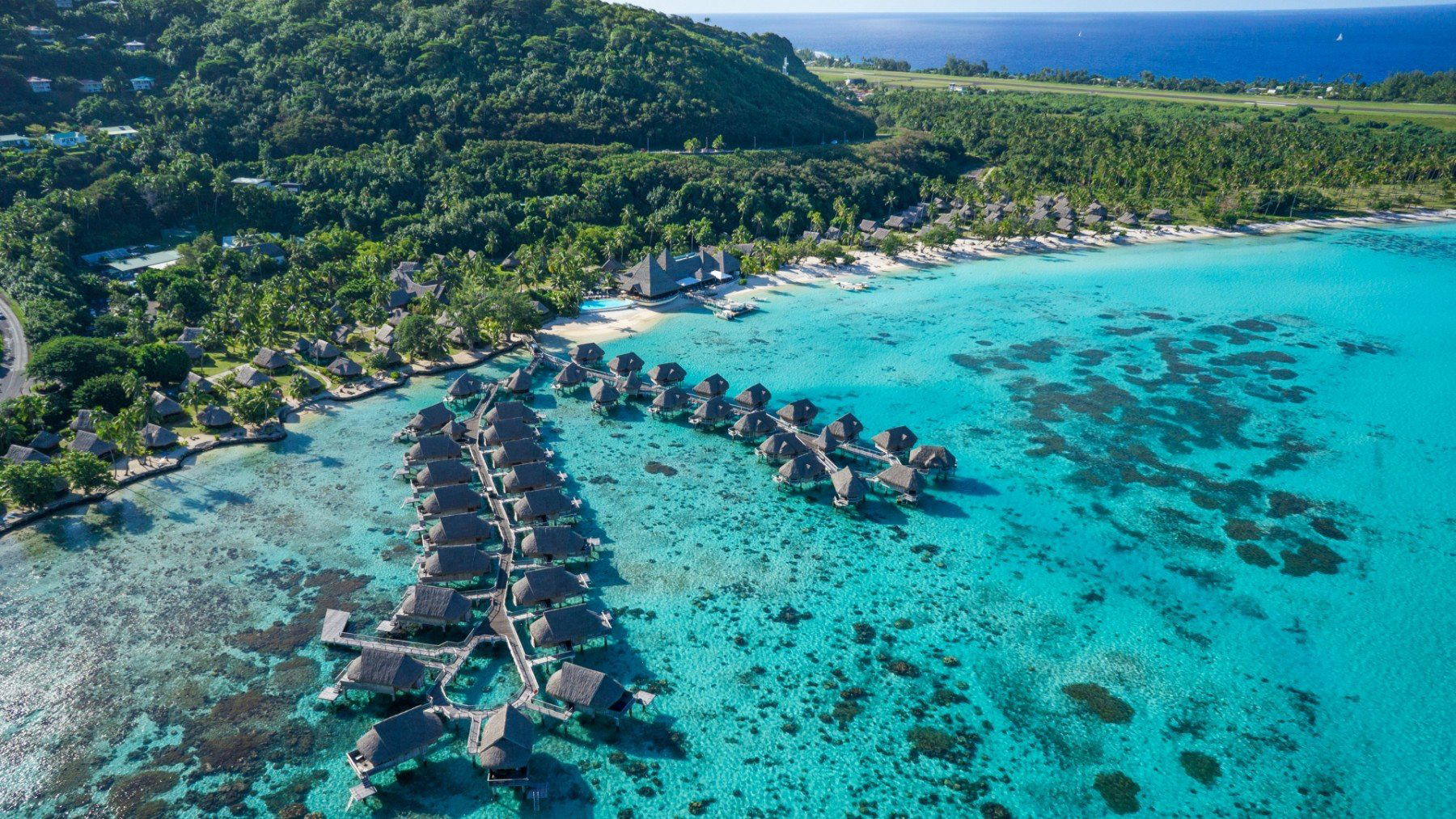
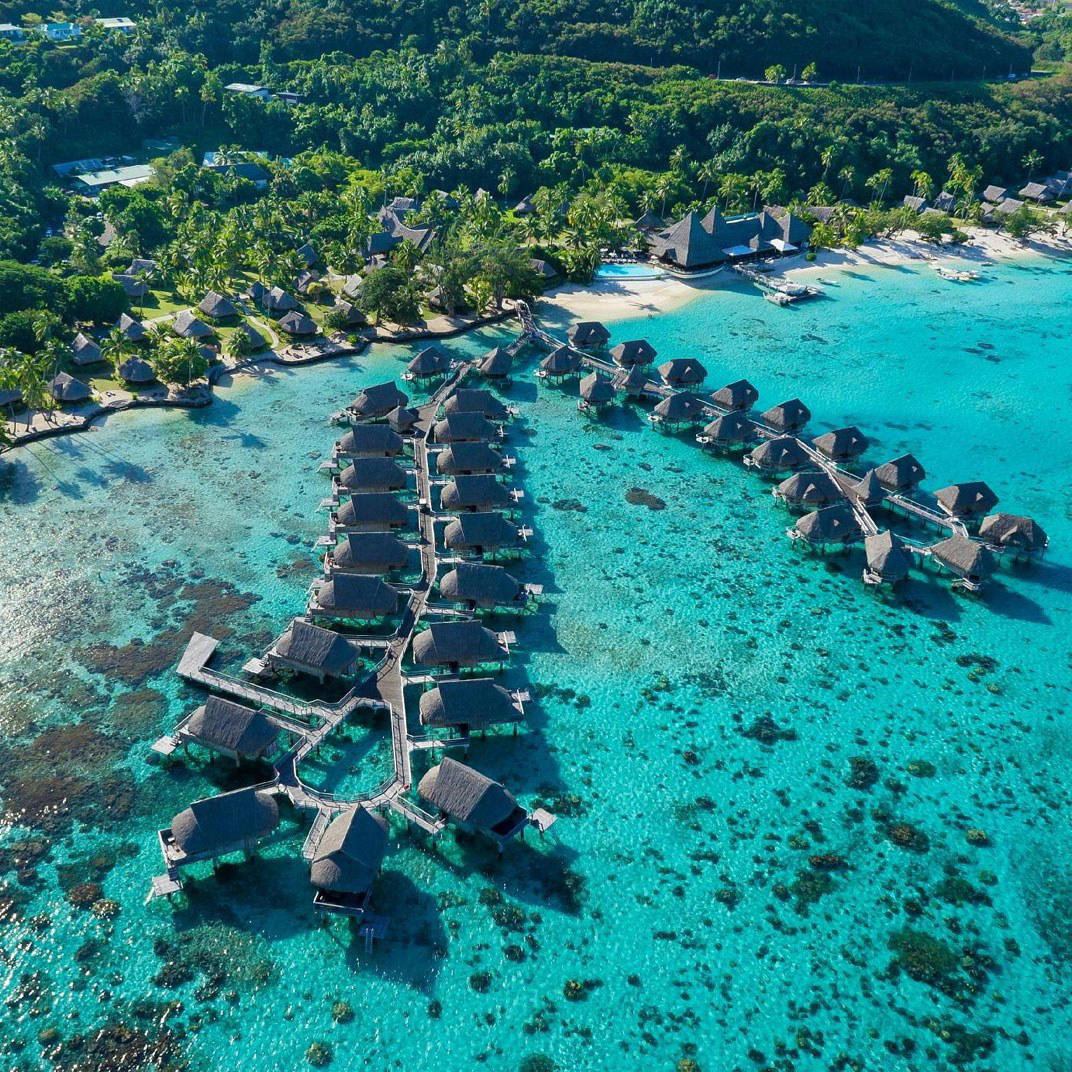
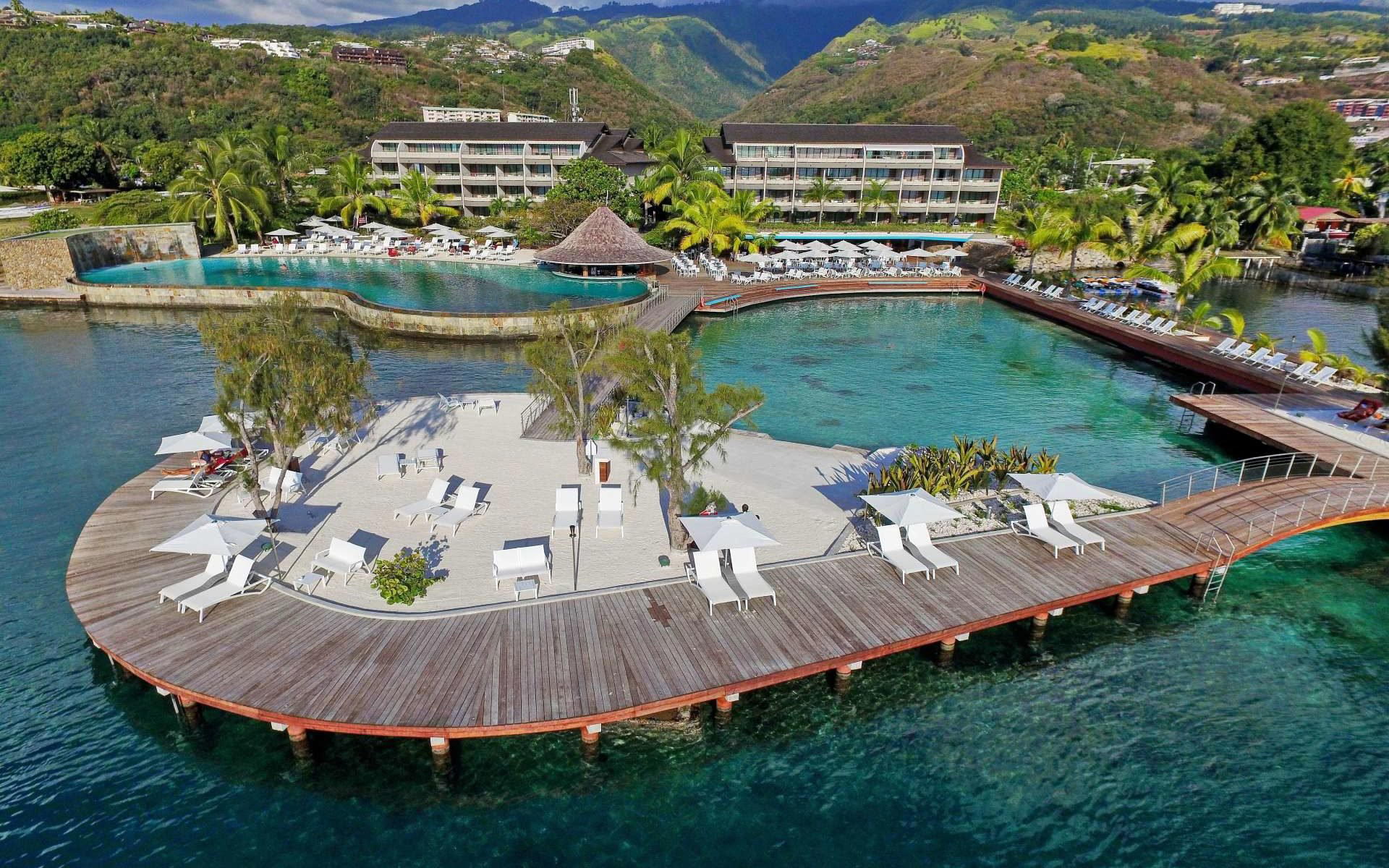
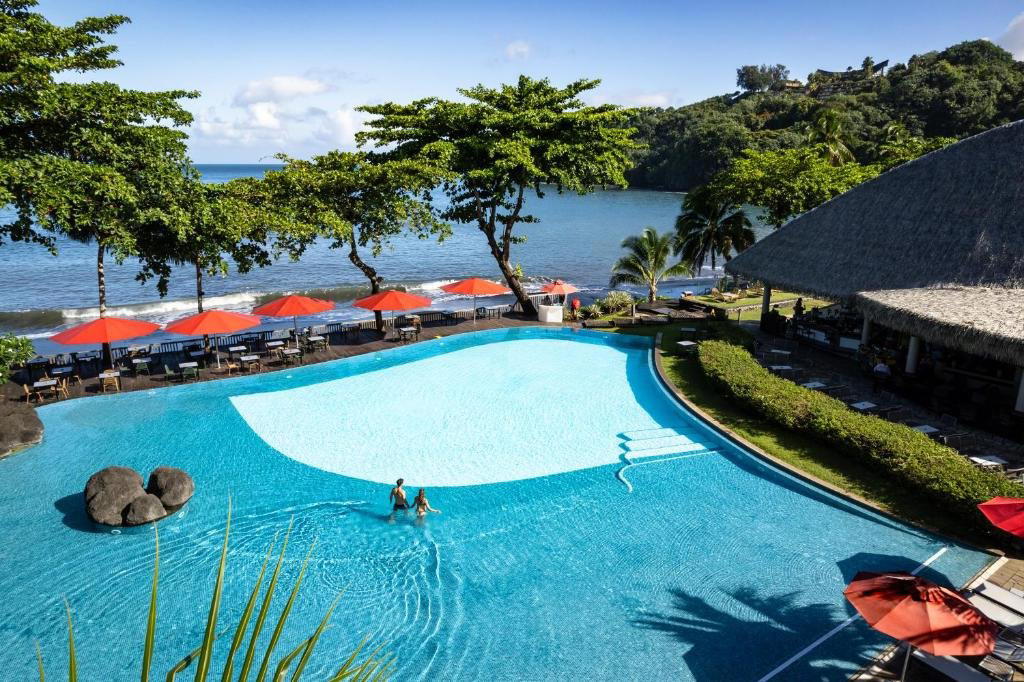
Elegant setting with floor-to-ceiling windows, wood-beamed ceilings, modern chandeliers, and comfortable outdoor seating overlooking the water.