
Tabelog 100 #38
Our verdict
Restaurant Shin gives Yokohama’s yoshoku tradition a serious local address: Japanese-style Western cooking with French and hamburger steak categories, recognized in Tabelog 100 - Yoshoku - EAST - 2025. Its appeal is not spectacle but category discipline: a modest, everyday price band attached to a style of cooking that depends on sauce work, sourcing judgment, and consistency.

Pearl is the En Primeur Club membership app, where members save venues, book tables and use the concierge.
The menu
What to order
- White Hamburg steak
- Shogayaki (ginger pork)
- Chicken katsu with tomato-vegetable sauce
- Curry
- Pizza
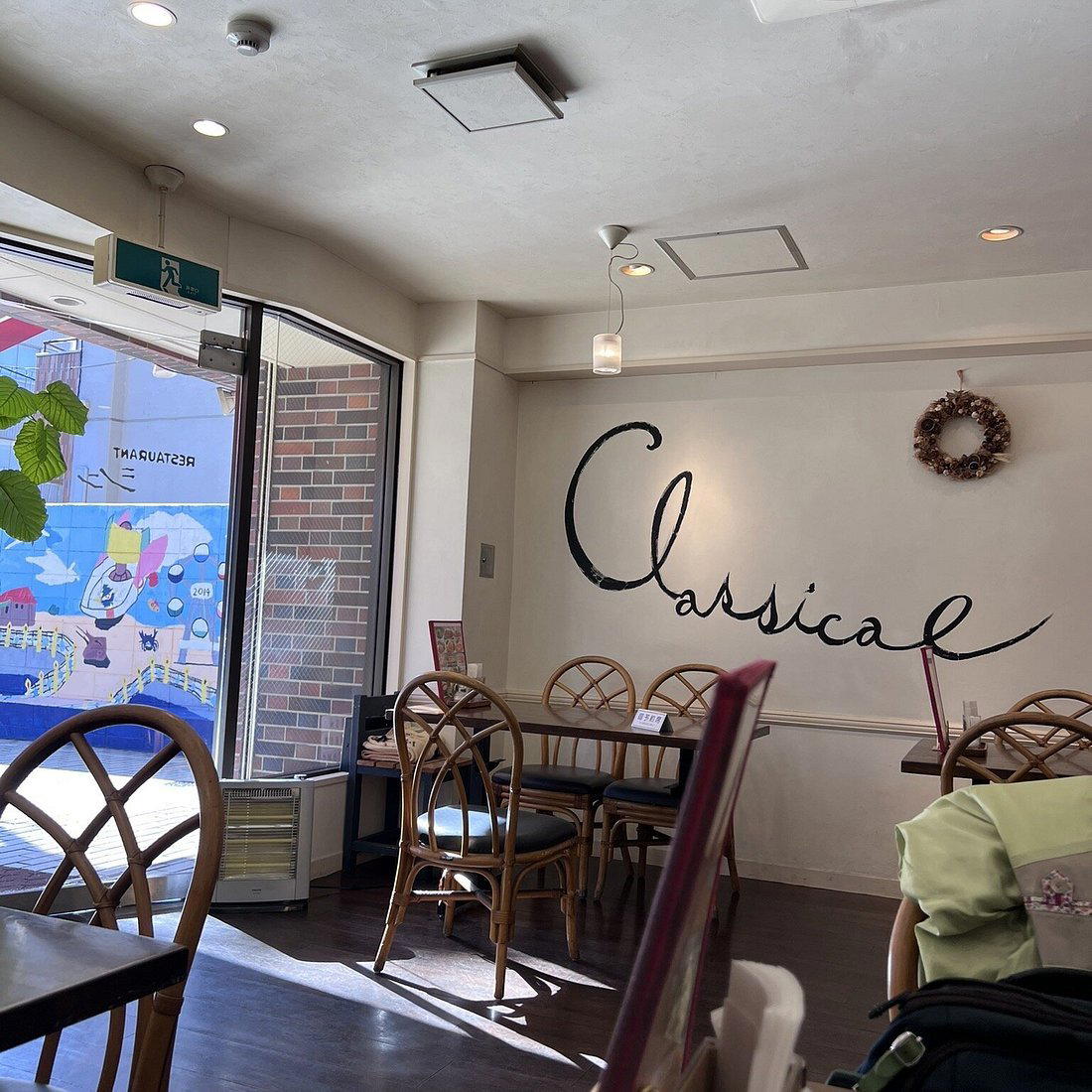
Approaching Yokohama through its quieter everyday dining, the city’s restaurant map changes register. This is not the polished waterfront version of the city, nor the late-night ramen corridor that many visitors default to. The appeal here is practical and deeply local: a room built for regulars, families, and small groups, where yoshoku carries the weight that bistros carry in Paris or trattorie carry in regional Italy. Restaurant Shin belongs to that Yokohama category of places where Western technique has been absorbed into Japanese daily eating rather than staged as imported luxury.
Yoshoku in Yokohama works because sourcing has to serve comfort, not ceremony
Yoshoku is often misread as nostalgia food, a soft-focus category of hamburger steak, cutlets, omelet rice, gratin, and demi-glace. In stronger kitchens, it is more exacting than that. The genre depends on ingredients that can handle heat, sauce, and repetition: ground meat with enough fat to stay tender, vegetables that survive simmering, dairy and flour work that does not turn heavy, and rice or bread positioned as part of the plate rather than garnish. Yokohama is a fitting city for that grammar. Its long familiarity with Western-style food has made the form feel local rather than imported.
Restaurant Shin’s public categorization, yoshoku, French, and hamburger steak, places it in the practical seam between Western technique and Japanese meal structure. That matters because the stronger end of yoshoku is rarely about surprise. It is about whether a kitchen can make brown sauce, meat, and vegetables feel composed without pushing the meal into fine-dining theater. Selection for Tabelog Hyakumeiten in 2025 gives the restaurant a useful credential inside a category where everyday pricing can hide a wide quality spread. Its listed score of 3.67 adds another public reference point without turning the restaurant into a trophy stop.
The ingredient question is central here. In sushi, sourcing is often discussed through provenance and season. In yoshoku, the same conversation is quieter: the test is texture, balance, and whether the plate survives familiarity. Hamburger steak is a useful measure because there is little to disguise weak meat handling or indifferent sauce. French influence, when folded into yoshoku, tends to show less as formal plating than as reductions, roux, stock, and the discipline of cooking in stages. That is the part of the tradition worth paying attention to in Yokohama, where casual restaurants can carry more technical memory than their price bands suggest.
A local room, not a destination costume
Yokohama’s restaurant scene splits between visitor-facing dining, station-area chains, and residential specialists with local gravity. Restaurant Shin sits comfortably in that last group. The available public information points less to a chef-counter performance or tasting-menu salon than to a practical yoshoku restaurant, the kind of place where Western-style Japanese cooking remains an everyday meal rather than an occasion costume. That reading helps explain why the restaurant is easier to understand through regular use than through luxury-dining language.
That domestic scale also separates it from the ramen comparisons that dominate many Yokohama itineraries. Ramen Torikku, Yokohama Ramen Tagamiya, Ryusei Ken, and Ramen Taiko answer a different question: speed, broth identity, and noodle preference. Yoshoku asks for a slower kind of trust. It is less about a single bowl and more about whether a kitchen can repeat a composed Western-Japanese plate with enough care to make a neighborhood return. Within that framework, the Tabelog Hyakumeiten selection is a stronger signal than hype language would be.
For readers mapping a Yokohama food day, this is where the city becomes more interesting than a station-to-station checklist. Other Yokohama dining rooms may point to charcoal cooking, casual meals, or different local appetites beyond a single cuisine lane. Restaurant Shin is useful because it anchors the yoshoku side of that map: Western-influenced, Japanese in rhythm, and better understood as neighborhood craft than as occasion dining.
How to place it in a Yokohama itinerary
The sensible move is to treat the restaurant as part of a broader Yokohama study in everyday specialization. The city rewards that approach. Other casual restaurants in Yokohama offer different ways into Japanese dining logic, while the wider regional dining scene shows how varied formats can sit alongside one another without needing to compete for the same role. For a longer food day, keep the comparisons broad and practical: ramen, yoshoku, casual set meals, and other unnamed local specialists each reveal a different part of how everyday dining works.
The editorial case for Restaurant Shin is therefore narrow and persuasive: go when the goal is to understand Yokohama’s yoshoku register rather than to chase luxury dining signals. The award recognition gives it external validation; the category mix explains why it belongs in a serious food itinerary; the modest price range keeps the experience grounded. There is no need to inflate it into a grand occasion. Its value lies in the way a Yokohama restaurant can make Western-derived food feel native to the city.
For trip planning beyond the table, use Our full Yokohama restaurants guide alongside Our full Yokohama hotels guide, Our full Yokohama bars guide, Our full Yokohama wineries guide, and Our full Yokohama experiences guide. International readers tracking Japanese food culture abroad may also compare unnamed specialist formats in other cities, though the Yokohama lesson is simpler: yoshoku travels outward, but it reads differently when it is part of local routine.
Frequently asked questions
What's the pricing like at Restaurant Shin?
Pricing at Restaurant Shin is listed as JPY 1,000 - JPY 1,999.
Where exactly is Restaurant Shin?
Restaurant Shin is located in Yokohama.
Can I walk in to Restaurant Shin?
Walk-ins depend on availability. For the most practical planning, contact the restaurant directly before going.
What's the standout thing about Restaurant Shin?
Its clearest credential is the Tabelog Hyakumeiten 2025 recognition. That matters more than the low price range of JPY 1,000–JPY 1,999, because it places the room in a selective local tier.
How does Restaurant Shin handle allergies?
The practical route is to contact the restaurant before booking, using the listed phone number +81-45-753-9702. The menu spans yoshoku, French and hamburger steak, so ingredient checks are best handled directly with the kitchen.
Fast Comparison
Comparable venues at the same tier.
| Venue | Cuisine | Price | Awards | Notes |
|---|---|---|---|---|
| Restaurant ShinThis venue (the venue you are viewing) | Yoshoku (Japanese-style Western) restaurant | Not listed | Tabelog 100 #38 | Not listed |
| Norizo | Japanese Bakery & Pâtisserie | $1–10 | Tabelog 100 #68 | Naka |
| LENTO | Neighborhood cafe with Western-style comfort food and sweets | $10–20 | Tabelog 100 #91 | Naka |
| Leonard's Yokohama wa-rudo po-ta-zu ten | Hawaiian malasada donut shop & cafe | $1–10 | Tabelog 100 #66 | Naka |
| Yoshoku Kimura Noge ten | Classic Yokohama yoshoku (Japanese Western-style) | $10–20 | Tabelog 100 #10 | Naka |
| Kuri Yama | Japanese Tsukemen / Ramen | $10–20 | Tabelog 100 #52 | Kanagawa |
Recognition history
Dated appearances from independent guides and award organizations, with the underlying list record or original source where available.
Tabelog 100 #38 · No. 38
Tabelog · Tabelog 100 - Yoshoku - EAST - 2025
Continue exploring
More in Yokohama
Restaurants in Yokohama
All restaurants in Yokohama →


Bars in Yokohama
Browse all →


Details
- Cozy
- Classic
- Family
- Casual Hangout
- Group Dining
- Solo
- Standalone
- Private Dining
- A La Carte
Casual, nostalgic yoshoku family restaurant with spacious seating and a relaxed, welcoming atmosphere designed so families with children can linger comfortably.