
Tabelog 100 #52
Our verdict
Kuri Yama belongs to Yokohama’s serious tsukemen circuit, where noodle texture and broth concentration matter more than ceremony. The Hakuraku counter has Tabelog Ramen Hyakumeiten recognition across multiple years, including the Kanagawa 2025 selection, and its small, counter-led format makes it a focused stop rather than a lingering meal.

Pearl is the En Primeur Club membership app, where members save venues, book tables and use the concierge.
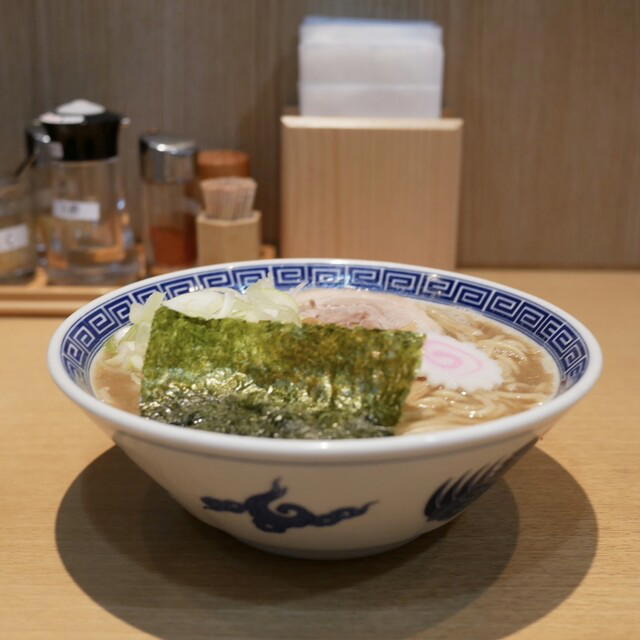
Yokohama’s ramen traffic can feel different from the city’s more obvious station dining: quicker meals, fewer gestures toward visitors, and a sharper focus on the bowl itself. Kuri Yama fits that grammar. Its ramen-and-tsukemen brief puts attention where it belongs, on timing, broth weight, and the tensile bite of noodles built for dipping rather than passive soaking.
Tsukemen asks more from wheat than standard soup ramen. The noodles need enough structure to carry concentrated broth without turning slack, and the dipping format turns sourcing and production into the meal’s central argument. In this category, flour choice, hydration, cut, and rinse temperature are not backstage details; they decide whether the bowl has momentum after the first few bites. Kuri Yama’s public reputation has been built around tsukemen and ramen, with a noodle-first profile that places it in a specialist lane rather than in the general comfort-food bracket.
Kanagawa tsukemen, judged by noodle structure and broth density
Yokohama’s ramen culture sits between Tokyo’s relentless specialization and Kanagawa’s broader appetite for focused noodle shops. The stronger places do not need elaborate dining-room theatre. They win on repeatable craft: a broth concentrated enough for dipping, noodles that keep their spring, and a service rhythm designed for a direct meal without feeling careless. That is the competitive set Kuri Yama occupies.
The evidence is not vague local affection. Kuri Yama was selected for Tabelog Hyakumeiten in 2025. Its Tabelog score of 3.77 places it in a serious review culture where ramen shops are compared with unusual intensity, often by diners who notice small changes in noodle condition, soup concentration, and portion balance. The 2025 recognition frames it as part of Kanagawa’s own ramen conversation, not simply another Yokohama shop with a loyal local following.
That matters because tsukemen is less forgiving than it looks. Soup ramen can hide minor noodle weakness under heat and aroma; dipping noodles sit exposed. The noodles must be satisfying before they meet the broth, and the broth must stay persuasive after repeated dips. In a low-friction format, ingredient decisions become visible through texture rather than description. The better question is not what story the kitchen tells, but whether the bowl keeps its structure to the end.
Yokohama's small-counter logic suits a focused bowl
Yokohama is not only about the areas visitors map first, which works in ramen’s favor. Away from the most obvious dining routes, a shop can operate as a local specialist rather than a translated experience. The category rewards that compactness. A ramen meal often compresses the visit into a short arc: order, follow the kitchen’s rhythm, eat while the noodles are in condition, leave space for the next diner. That rhythm is part of why ramen culture in Japan can support such sharp specialization at accessible prices.
Kuri Yama also sits within a city where inexpensive, focused eating has range rather than monotony. The comparison is useful: Sari Sari Curry, Hakuraku Bagel, Torakichi Ya Hikaru, Boulangerie 14 Ku, and Shinachiku Tei point to a local dining map built from small-format specialists rather than destination dining rooms. Within that frame, tsukemen does not need luxury cues. It needs command of a narrow brief.
For travelers planning a Yokohama food day, the editorial choice is whether to spend a slot on ramen beyond the most obvious corridors. The case here is strongest for diners who care about noodle craft and category discipline. Those looking for a broad menu, lingering service, or chef-driven storytelling are asking the wrong question. This is a place built around a bowl type with strict internal rules, and its recognition history suggests meaningful performance rather than a passing crowd effect.
How to place it within a Yokohama eating itinerary
Yokohama rewards thematic eating more than checklist dining. A ramen stop at Kuri Yama pairs well with other compact, category-specific addresses, especially when the day is arranged around the city rather than a single central hub. For a broader read on the city’s dining range, start with Our full Yokohama restaurants guide, then compare nearby and regional styles through other Yokohama dining rooms, casual counters, and specialist shops.
The wider itinerary can stretch beyond ramen without losing the thread of small-format Japanese dining. Other casual specialists offer additional ways to think about focused menus, while unnamed dining in nearby cities can show how a regional travel day moves between quick counters and more deliberate meals. Across Japan, the strongest casual venues often rely on precision inside a narrow format rather than breadth for its own sake.
Visitors building the rest of the trip can separate the food plan from the sleep-and-drink plan: Our full Yokohama hotels guide, Our full Yokohama bars guide, Our full Yokohama wineries guide, and Our full Yokohama experiences guide cover the surrounding structure. For broader comparisons in Japanese casual formats, look at tightly defined food categories without losing sight of the local context. Kuri Yama’s value is more local and more specific: Yokohama tsukemen and ramen, stripped to essentials, with enough recognition to justify the detour for diners who judge ramen by texture first.
Frequently asked questions
Is Kuri Yama expensive?
Pricing at Kuri Yama is listed as - JPY 999.
What part of town is Kuri Yama in?
Yokohama.
Is Kuri Yama open every day?
Opening days and hours are not specified here; check directly before visiting.
What has Kuri Yama built its reputation on?
Kuri Yama has built its name on Tabelog Hyakumeiten recognition in 2025. The shop is associated with tsukemen and ramen, which keeps the operation tightly focused.
In Context: Similar Options
Comparable venues by category and price.
| Venue | Cuisine | Price | Awards | Notes |
|---|---|---|---|---|
| Kuri YamaThis venue (the venue you are viewing) | Japanese Tsukemen / Ramen | $10–20 | Tabelog 100 #52 | Not listed |
| Yukiguni | Miso Ramen | $10–20 | Tabelog 100 #14 | Izumi |
| Hetchikan Fukutomichou honten | Ramen & Japanese Sake Bar | $20–30 | Tabelog 100 #91 | Naka |
| Torakichi Ya Hikaru | Yokohama-style ramen shop | $10–20 | Tabelog 100 #95 | Kanagawa |
| KITCHEN TAKANO | Modern chicken tsukesoba ramen | $10–20 | Tabelog 100 #33 | Kanagawa |
| Mendokoro Tatsunoki | Japanese Ramen | $10–20 | Tabelog 100 #11 | Hodogaya |
Recognition history
Dated appearances from independent guides and award organizations, with the underlying list record or original source where available.
Tabelog 100 #52 · No. 52
Tabelog · Tabelog 100 - Ramen - KANAGAWA - 2025
Continue exploring
More in Yokohama
Restaurants in Yokohama
All restaurants in Yokohama →



Bars in Yokohama
Browse all →








Details
- Cozy
- Classic
- Solo
- Casual Hangout
- Standalone
- Counter Dining
- A La Carte
Current opening hours
- Monday
- 11 AM–2:30 PM, 5–8:30 PM
- Tuesday
- 11 AM–2:30 PM, 5–8:30 PM
- Wednesday
- 11 AM–2:30 PM, 5–8:30 PM
- Thursday
- 11 AM–2:30 PM, 5–8:30 PM
- Friday
- 11 AM–2:30 PM, 5–8:30 PM
- Saturday
- 11 AM–8:30 PM
- Sunday
- 11 AM–8:30 PM
Hours can change for holidays and private events. Hours as of .
A focused, no-frills ramen shop atmosphere centered on rich tsukemen rather than elaborate dining theatrics.