Gabrielle
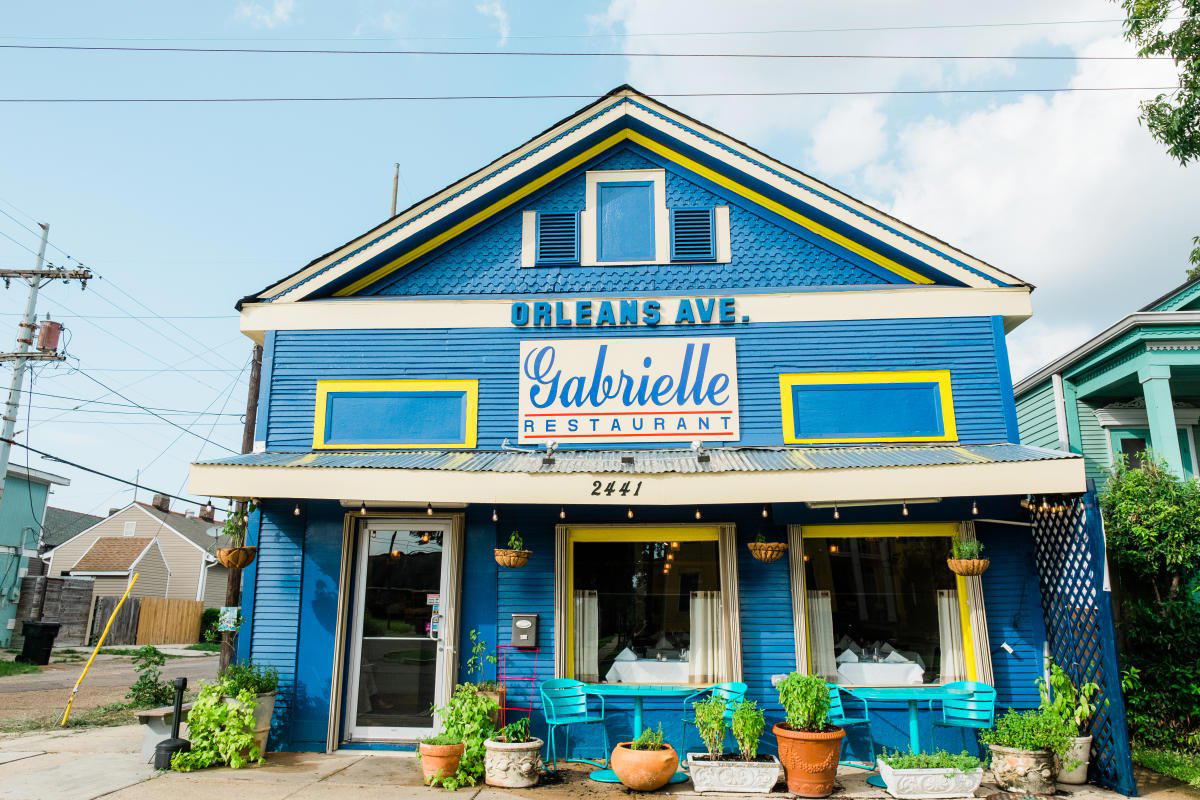
Gabrielle in New Orleans brings refined Cajun & Creole cooking to Tremé from the kitchen of chefs Greg and Mary Sonnier. Must-try plates include the slow-roasted duck, New Orleans-style Barbeque Shrimp Pie and a savory she-crab bisque, finished by Mary’s Peppermint Patti pastry. Gabrielle’s menu changes with Gulf seafood seasons and local produce, and warm house bread begins every meal. A family-owned institution since 1992, reopened on Orleans Avenue in 2017 after Hurricane Katrina, Gabrielle serves intimate, ingredient-driven dinners Wednesday through Saturday, pairing bold Louisiana flavors with attentive, polished service that keeps reservations in demand.
- Address
- 3201 Esplanade Avenue, New Orleans, United States
- Phone
- +1 (213) 948 6233
- Website
- shanchenglameizi.com
- Directions
- Get directions
Esplanade Avenue and the Question of Place
On the stretch of Esplanade Avenue that marks the boundary between the Faubourg Marigny and Mid-City, the architecture shifts from the density of the Quarter to something looser and more residential. It is in this zone, away from the tourist-facing blocks of Frenchmen Street, that Gabrielle is at 3201 Esplanade Avenue. The setting matters because it signals intent. New Orleans has long separated its destination restaurants into two categories, those that perform the city for visitors, and those that cook for people who already understand it. Gabrielle belongs to the second group.
Where Louisiana Pantry Meets Trained Technique
The broader context for understanding Gabrielle is a conversation that has been running through American regional cooking for decades: what happens when rigorous classical or contemporary technique is applied not to imported ingredients but to the produce, proteins, and preserved traditions of a specific place? In New Orleans, that question carries extra weight. The city's culinary identity is layered, French colonial foundations, West African technique and ingredient knowledge, Spanish influence, Creole adaptation, and the ingredients that define it are hyperlocal in ways that resist substitution. Gulf shellfish, Louisiana crawfish, Creole tomatoes, andouille with real smoke behind it: these are not interchangeable with their counterparts from elsewhere, and kitchens that treat them as generic commodities tend to produce food that reads as Louisiana without tasting like it.
The restaurants in New Orleans that carry critical respect have generally been those that hold both sides of this equation seriously. Bayona, which has operated in the French Quarter since 1990, represents one approach: Mediterranean-inflected technique applied to Gulf ingredients with enough editorial clarity to make the combination feel considered rather than eclectic. Emeril's brought a more exuberant version of the same instinct, marrying classical French training with Cajun energy in a format that proved both critically and commercially durable. Gabrielle positions itself within this tradition of technique-plus-terroir, though its Esplanade Avenue address places it further from the gravity of the French Quarter dining circuit than either of those two.
The Competitive Frame: New Orleans Fine Dining in the 2020s
New Orleans fine dining has reshuffled in recent years. A new generation of restaurants has entered the upper tier, including Saint-Germain, which operates at the summit of the city's contemporary pricing bracket, and Re Santi e Leoni, which brings a European contemporary sensibility to the same conversation. Zasu occupies the American contemporary mid-tier with a lighter touch. Each of these represents a different answer to the same question about how much of New Orleans to keep and how much to import.
Gabrielle's answer, as the restaurant has historically framed it, sits closer to the local-first end of that spectrum. The use of Gulf seafood and Louisiana-grown produce as primary material is a commitment that the city's older Creole houses like Commander's Palace have maintained for generations. What distinguishes the newer approach, at Gabrielle and at restaurants with comparable instincts, is the presence of technique drawn from sources outside the Creole canon: French brigade discipline, modernist plating logic, an awareness of what peer kitchens in other American cities are doing with similar ingredient-first frameworks.
For national context, restaurants like Single Thread Farm in Healdsburg and Providence in Los Angeles represent the broader American idiom of local-ingredient seriousness combined with high technical discipline. Le Bernardin in New York City remains the reference point for what happens when classical French rigor is applied to a single regional ingredient category, in that case, seafood, with complete conviction. The French Laundry in Napa, Alinea in Chicago, and Atomix in New York City represent the further end of technical ambition, where the ingredients become material for a broader conceptual argument. Lazy Bear in San Francisco sits somewhere between: a communal format with fine-dining technique that privileges American ingredient stories. 8½ Otto e Mezzo Bombana in Hong Kong shows how the same logic plays internationally, where Italian classical training meets a non-Italian sourcing environment. Gabrielle's version of this argument is more compressed and more local, which is both a constraint and a clarity.
Reading the Address: What Esplanade Says About the Room
Mid-City and Esplanade Avenue restaurants operate on a different rhythm than those in the French Quarter or the Warehouse District. The foot traffic is lower, the clientele is more neighborhood-weighted, and the pressure to perform for visitors is reduced. This tends to produce a certain kind of room: less theatrical, more attuned to repeat guests, with service pacing calibrated to conversation rather than turnover. The address creates a reasonable prior expectation. Restaurants that choose Esplanade tend to believe that the food will carry the location, not the other way around.
For those planning a broader New Orleans evening, the surrounding area connects easily to the Marigny's bar and music scene, which is a meaningful consideration in a city where the sequence of the night matters as much as any individual stop.
Planning a Visit
Gabrielle sits at 3201 Esplanade Avenue, which places it at a walkable distance from the lower Marigny and within a short ride from the French Quarter. For those building a broader New Orleans itinerary, the full New Orleans restaurants guide maps the city's dining tiers and neighborhoods with enough granularity to sequence an itinerary properly. The New Orleans wineries guide and the New Orleans experiences guide cover the complementary programming that makes a multi-day visit worthwhile.
Standing Among Peers
Comparable venues nearby, for context on price, style, and recognition.
| Venue | Cuisine | Price | Notes |
|---|---|---|---|
| GabrielleThis venue — the venue you are viewing | Modern New Orleans Creole-Cajun | $$$ | Not listed |
| Mr. B's Bistro | Creole Bistro | $$$ | French Quarter |
| Restaurant Rebirth | Farm-to-Table Cajun Creole | $$$ | Arts District |
| Vessel NOLA | New American Seafood Bistro | $$$ | Mid-City |
| Fulton Alley | American Gastropub | $$$ | Arts District |
| M bistro | Farm-to-Table American Cajun & Creole Bistro | $$$ | French Quarter |
Continue exploring
More in New Orleans
Restaurants in New Orleans
Browse all →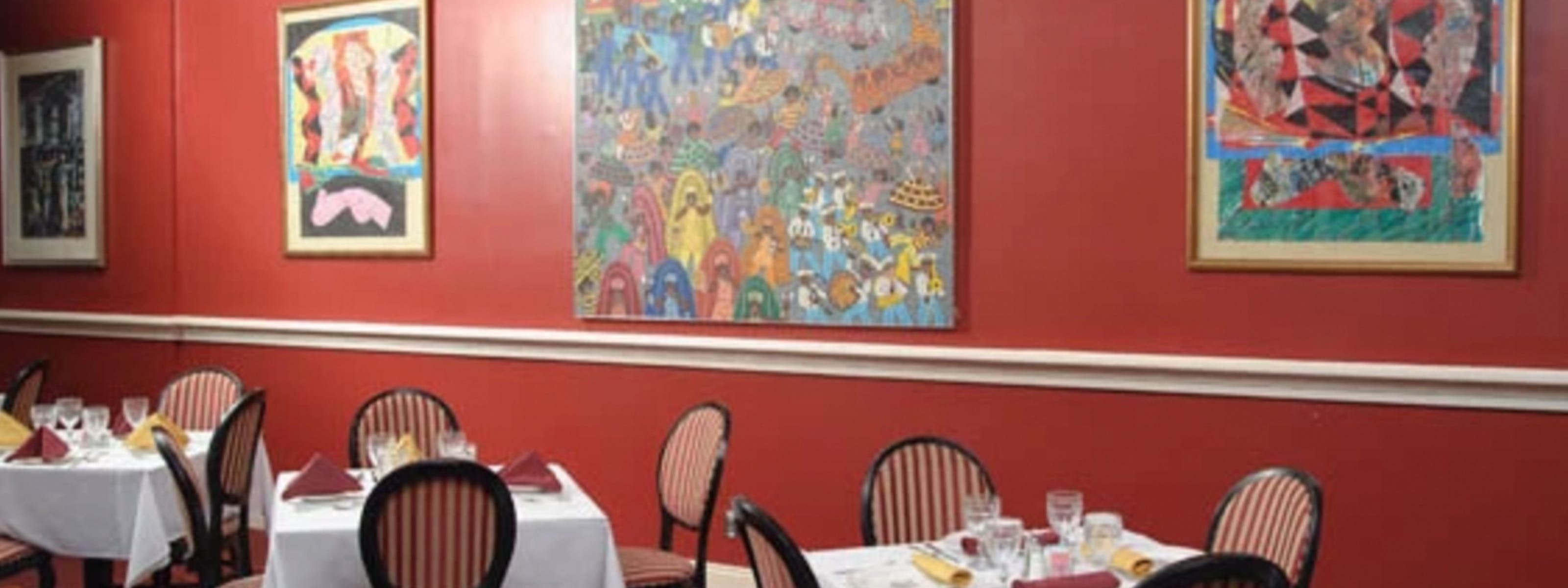
Bars in New Orleans
Browse all →

At a Glance
- Cozy
- Intimate
- Elegant
- Date Night
- Special Occasion
- Standalone
- Craft Cocktails
- Local Sourcing
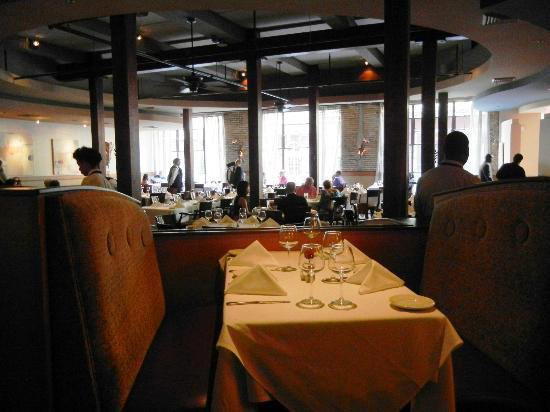
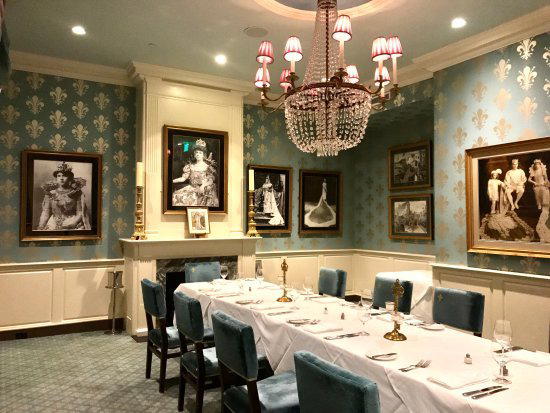
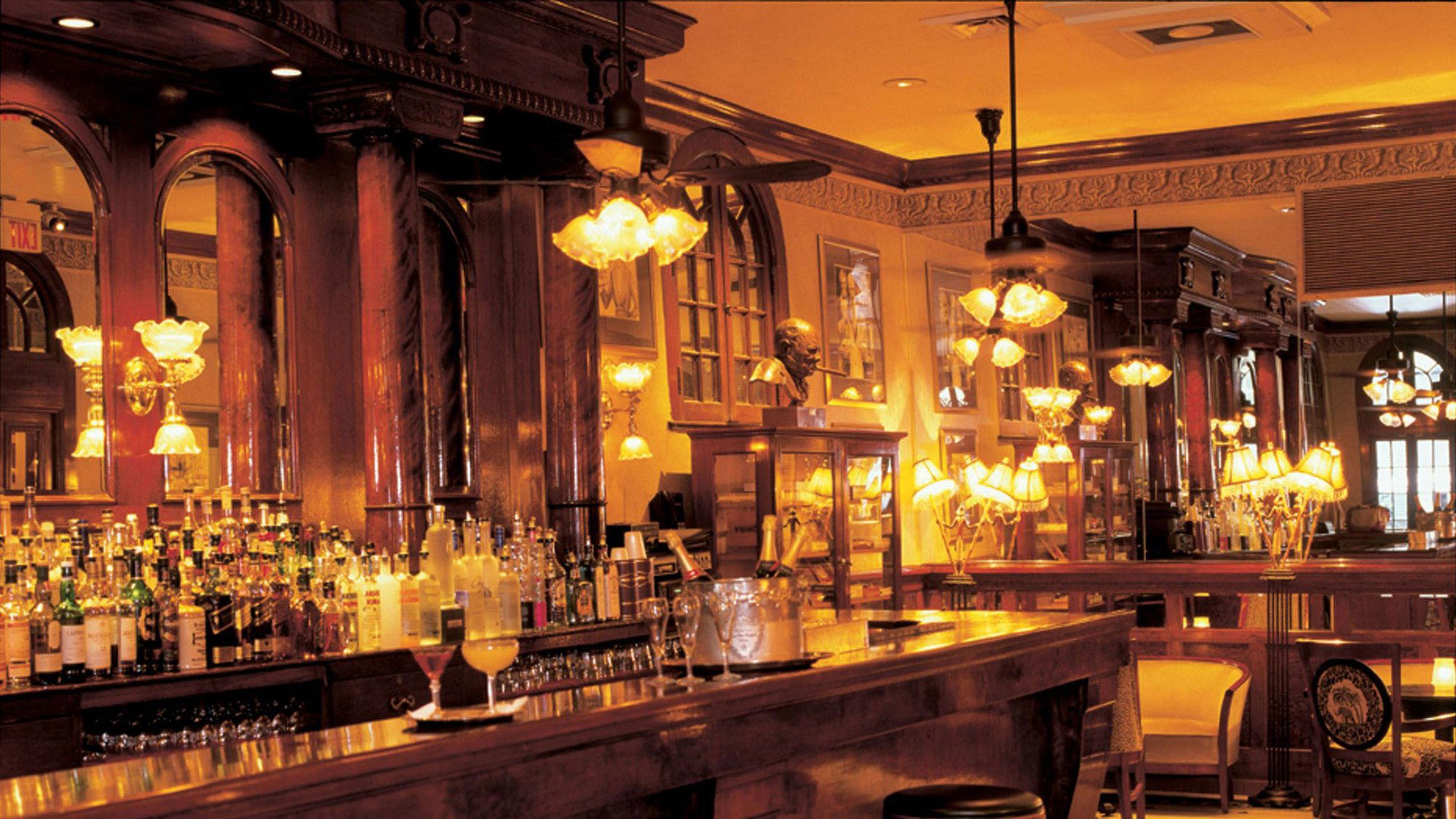
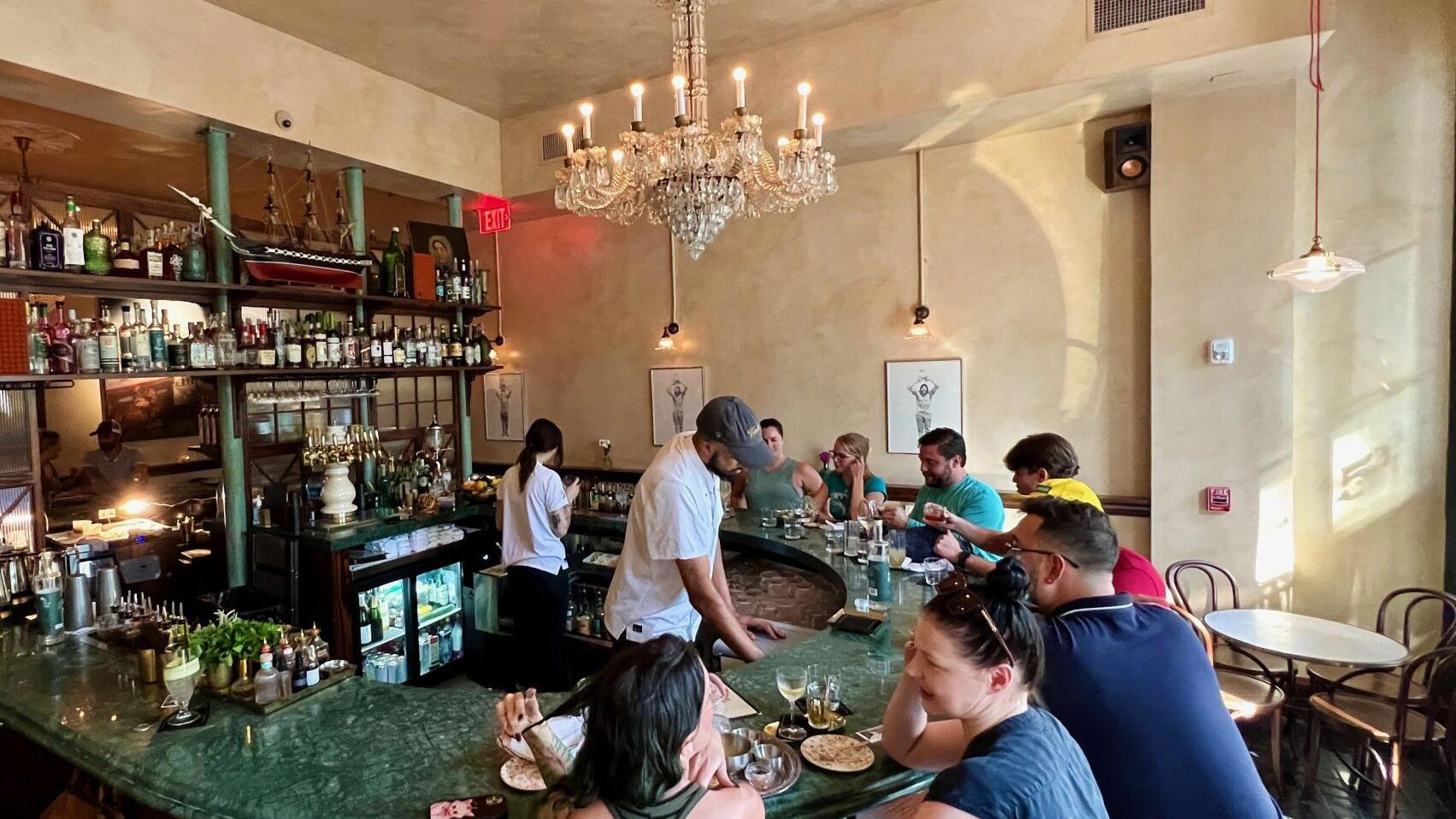
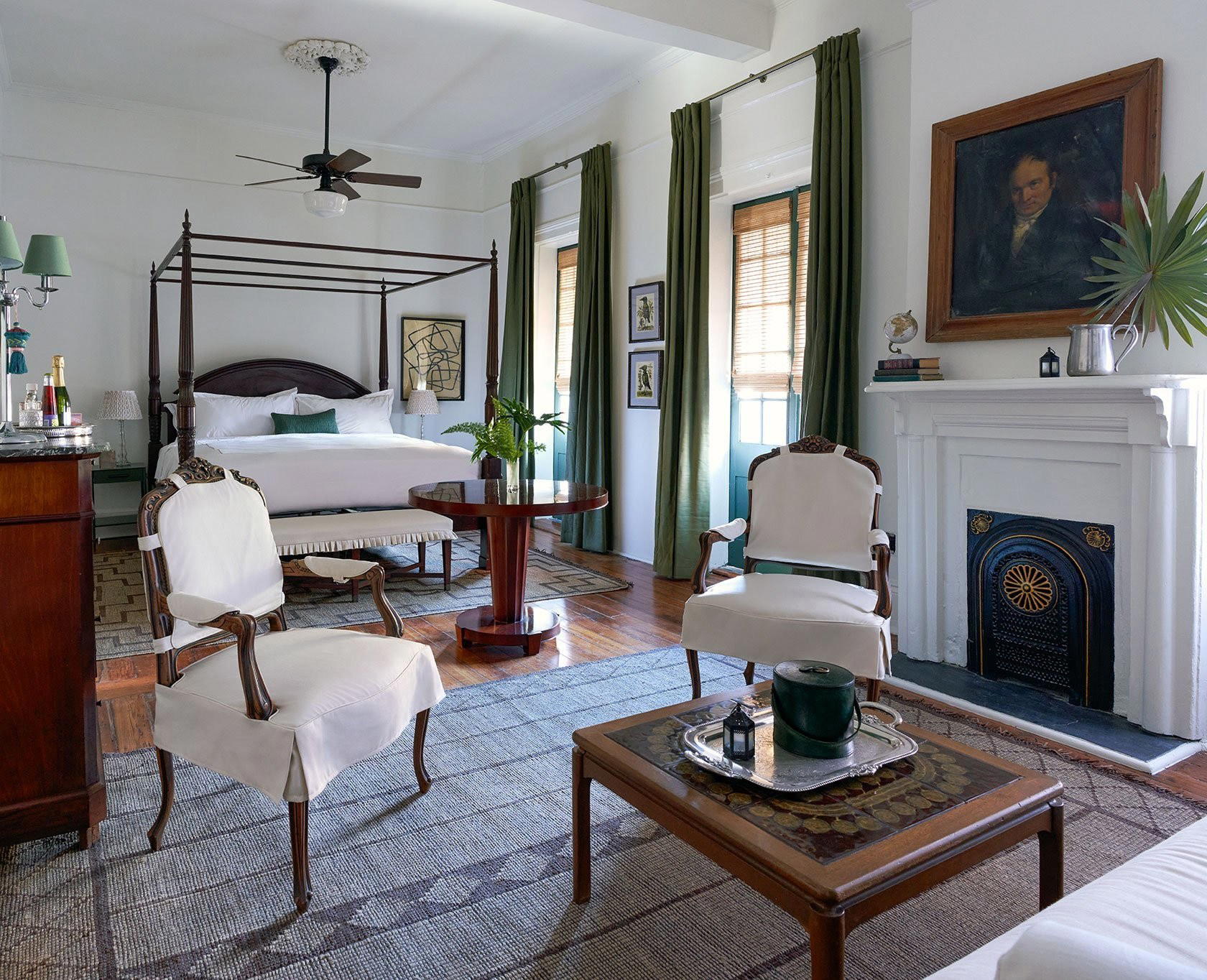
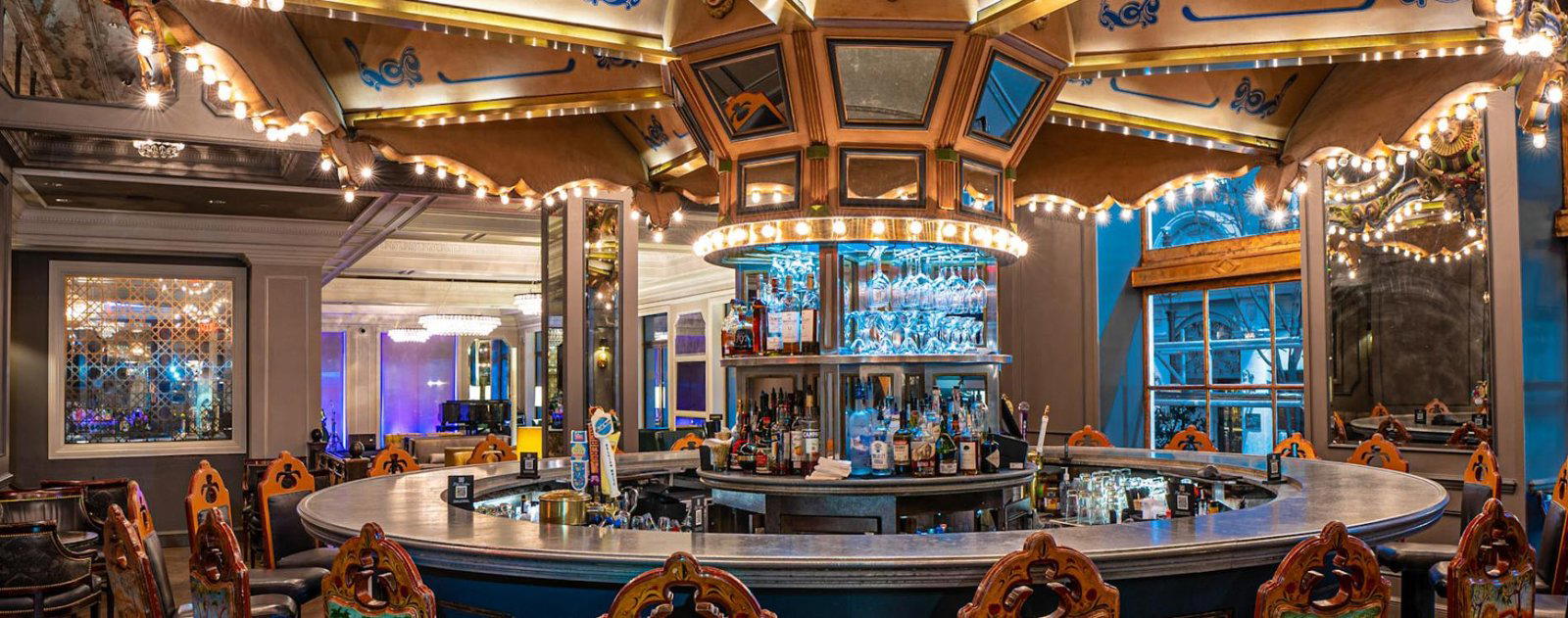
Cozy and intimate with low lighting, privacy, and a welcoming New Orleans creole bistro atmosphere featuring paintings and a relaxed pace.